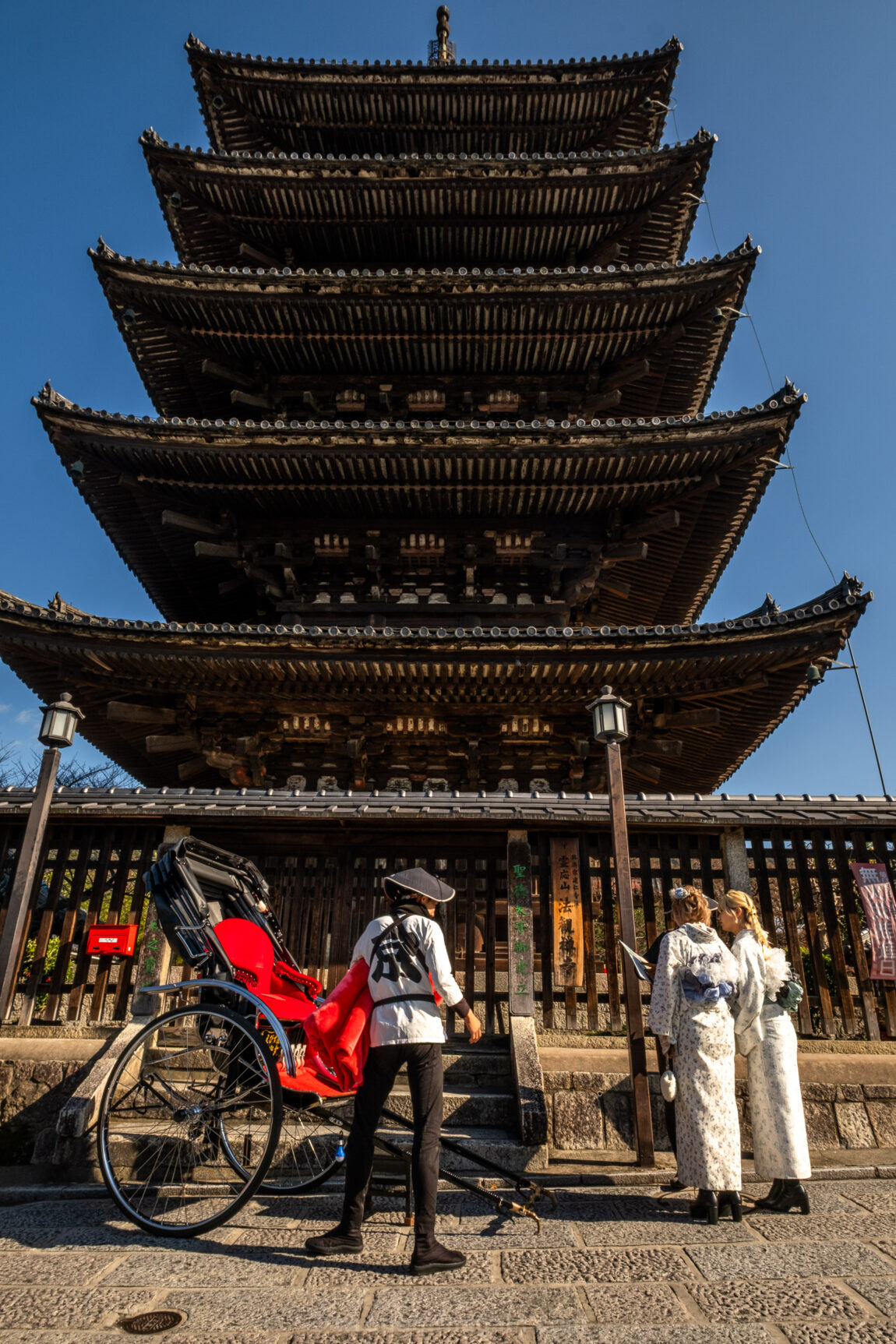
If Tokyo is the neon-lit future, Kyoto is the timeless soul of Japan. It is the Japan of your imagination—a place where the modern world fades away, replaced by the soft click of wooden clogs on cobblestones and the scent of incense drifting from centuries-old temples. Here, history isn’t just preserved; it is lived.
Whether you are chasing the sunset at a mountaintop shrine, spotting a Geiko in the lantern-lit alleys of Gion, or finding silence in a Zen garden, the city offers a beauty that is hard to put into words. To help you plan your journey, here are the best things to do in Kyoto.
Inside this Guide
Best Things to Do in Kyoto
Exploring Kyoto is a study in beautiful contrasts. One moment you are swept up in the culinary energy of a bustling market, and the next, you find yourself in the profound silence of a moss-covered grove. While the city holds over a thousand temples, the essence of the old capital often reveals itself in the moments in between—the golden reflection of a pavilion on a pond or the atmosphere of an old teahouse at dusk.
In the list below, we have curated the absolute best things to do in Kyoto, mixing the iconic landmarks you cannot miss with the atmospheric experiences that define the spirit of the old capital.
1. Fushimi Inari Taisha
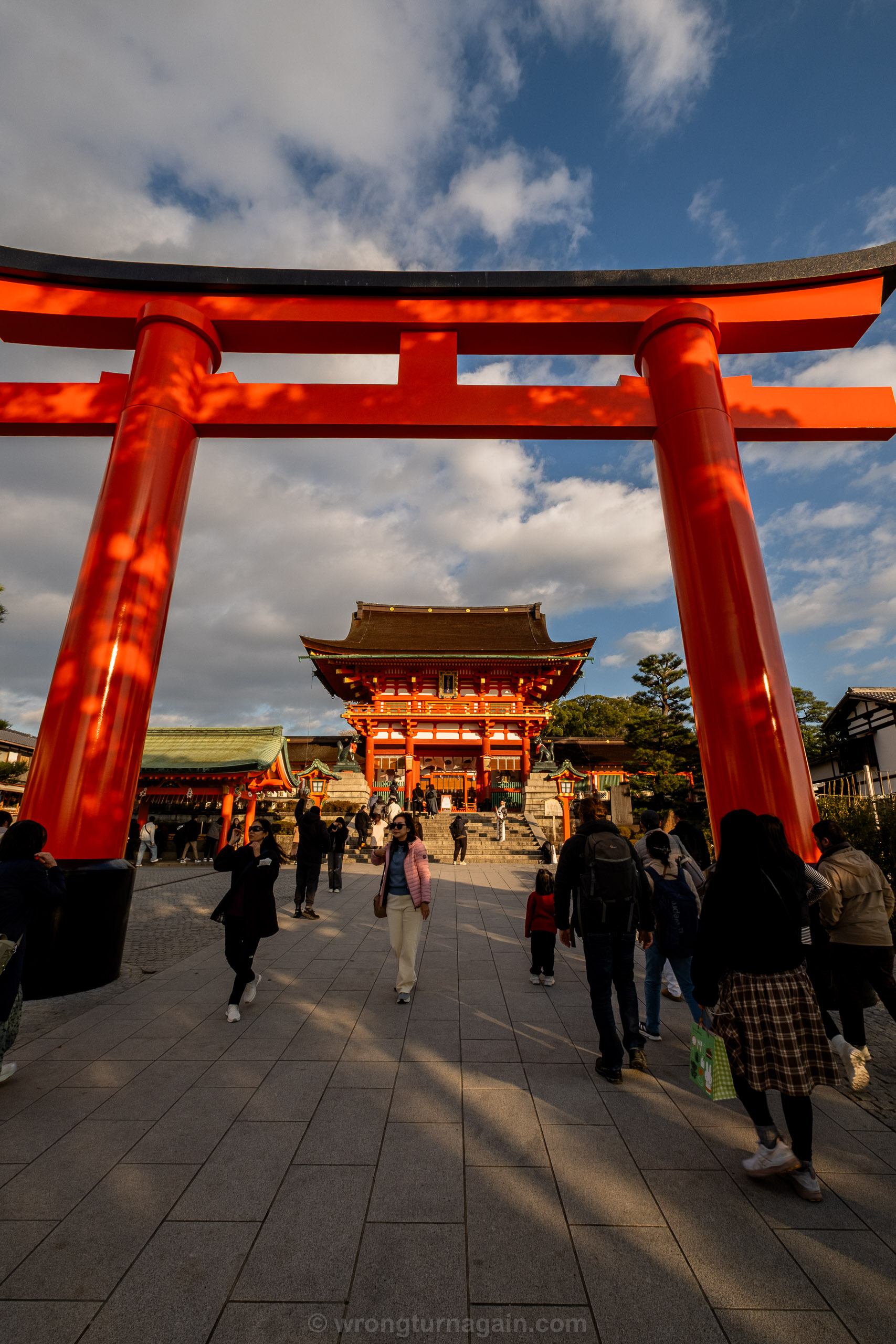
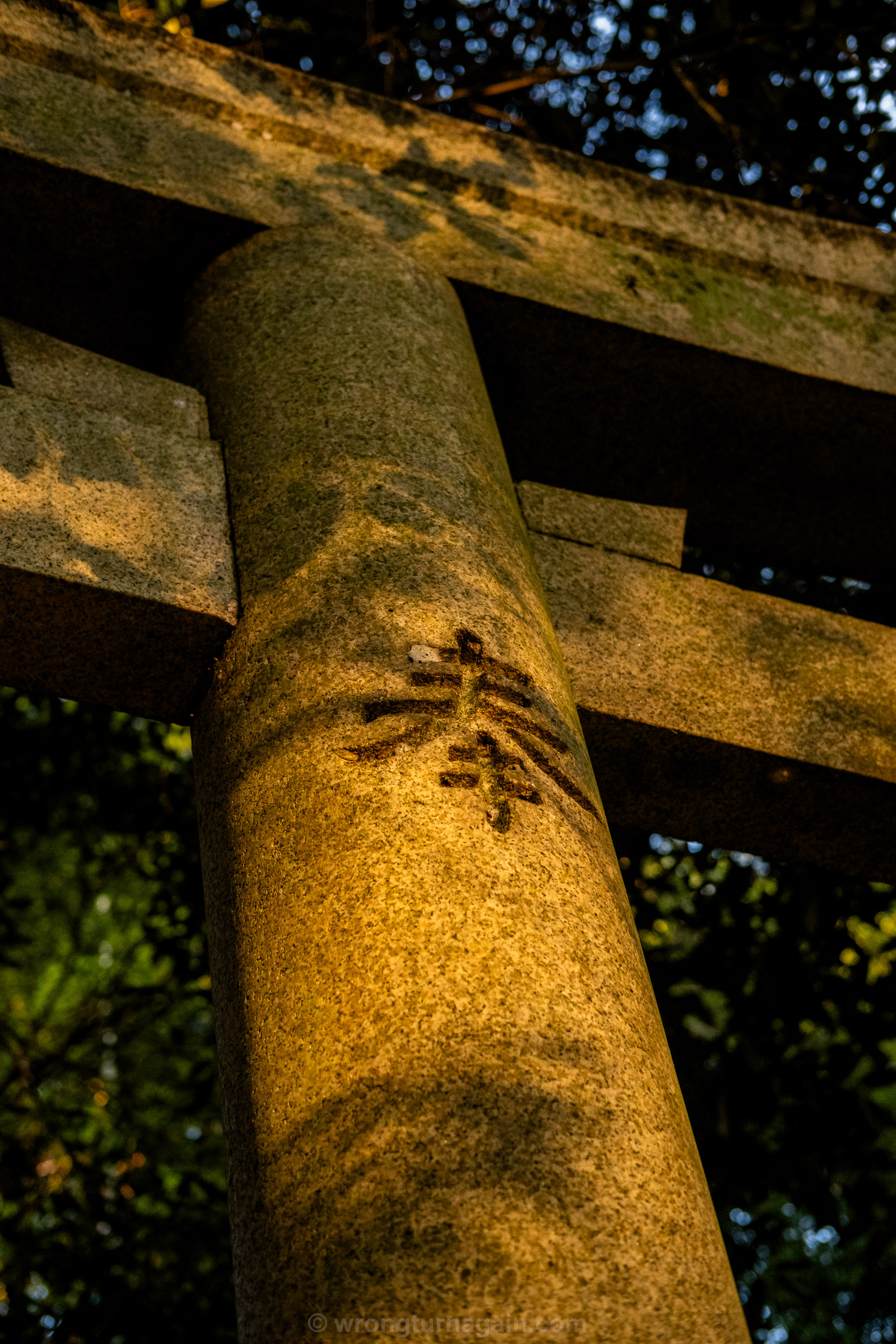
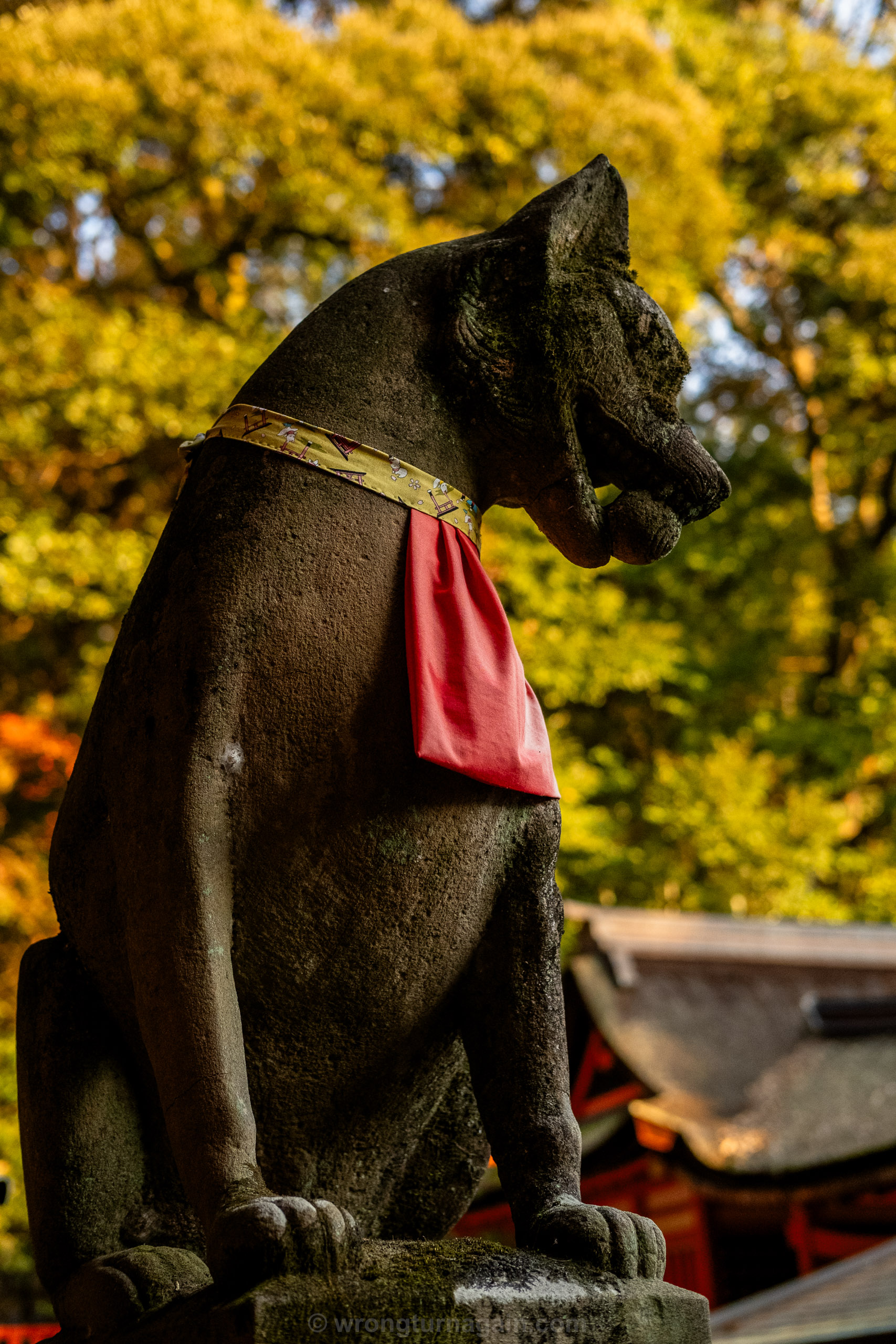
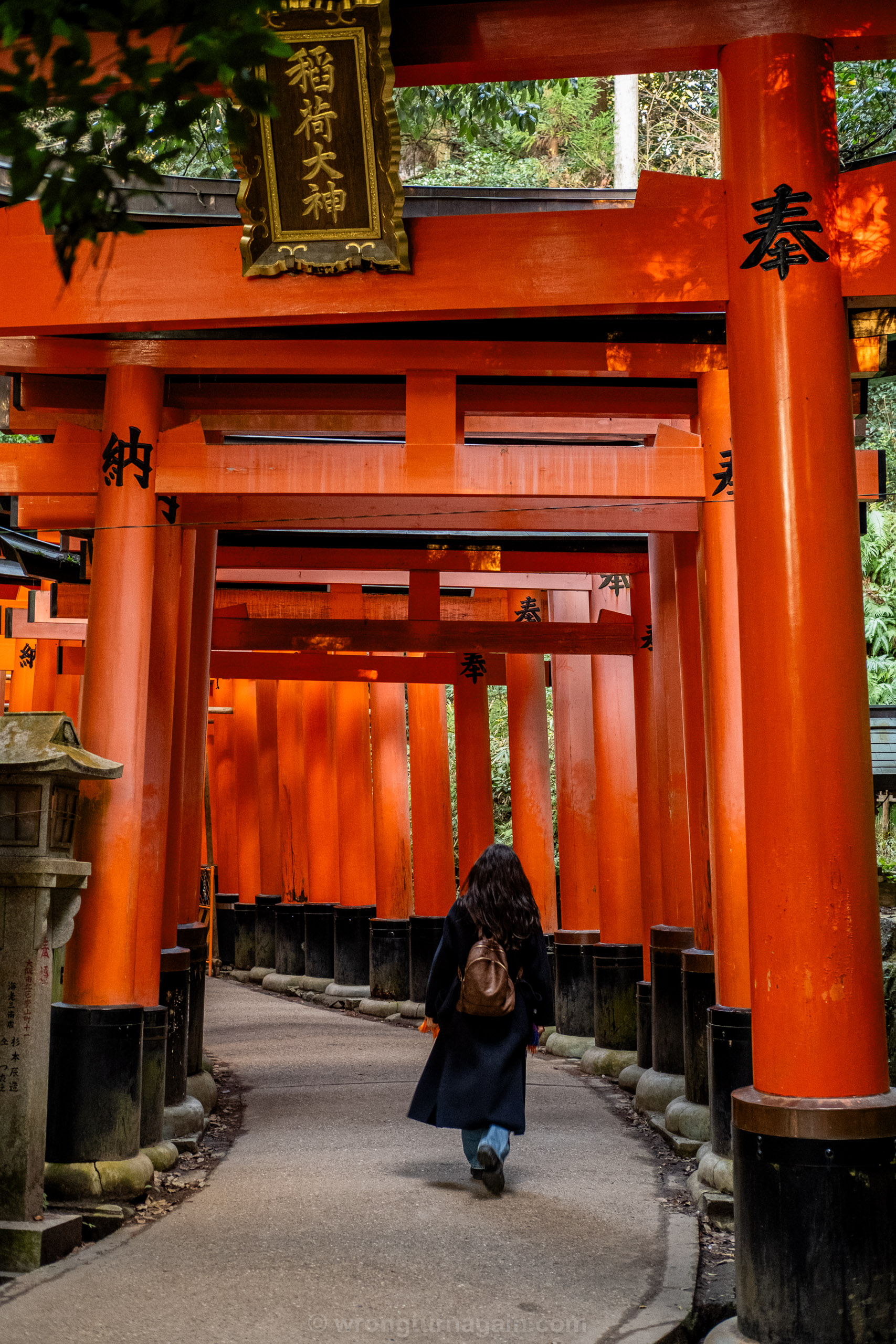
Fushimi Inari Taisha is arguably the most iconic shrine in Kyoto. Dedicated to Inari, the Shinto god of rice, the grounds are guarded by hundreds of stone foxes (kitsune)—messengers of the deity. You will notice many of them hold a key in their mouths, symbolizing the key to the rice granary and ancient wealth.
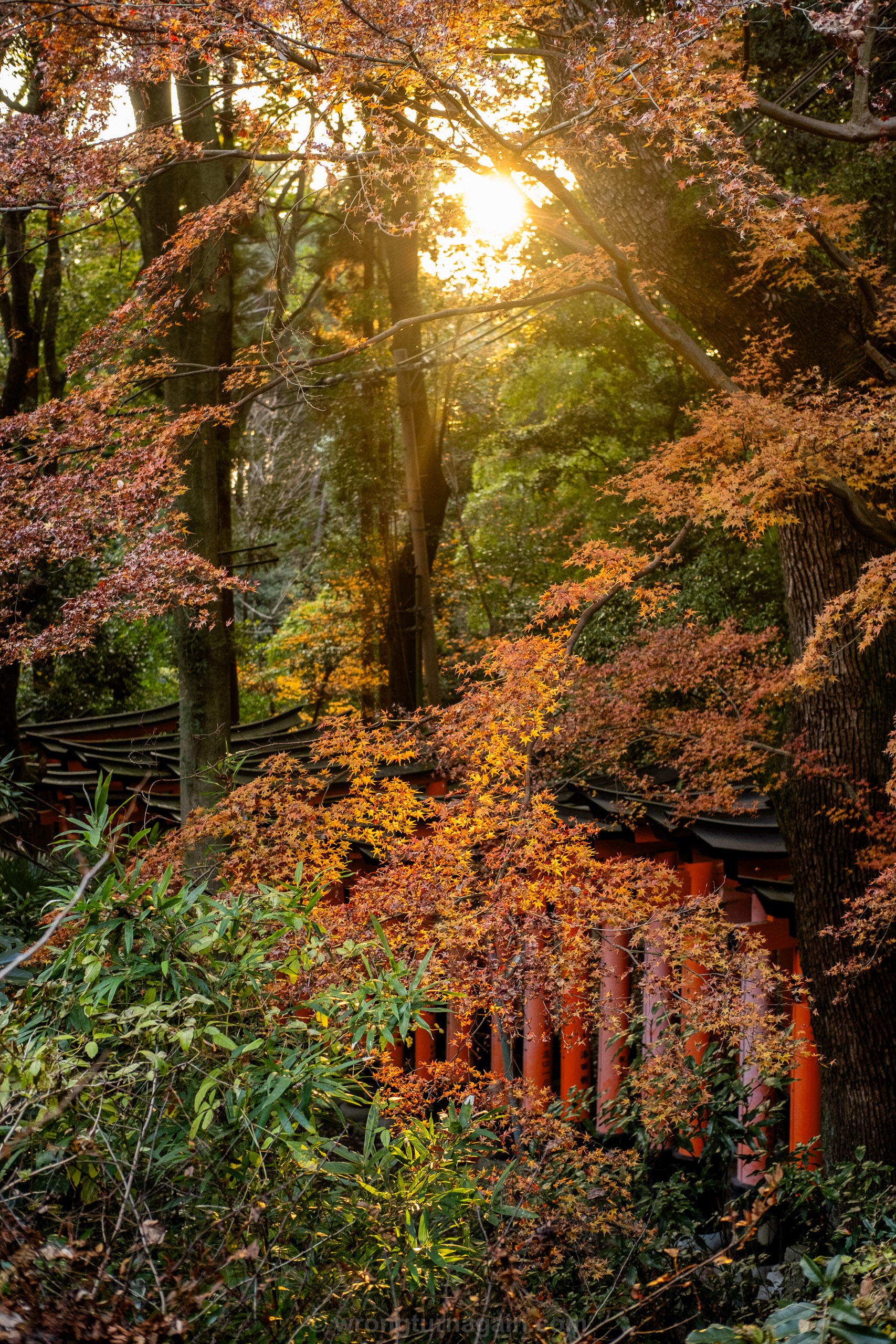
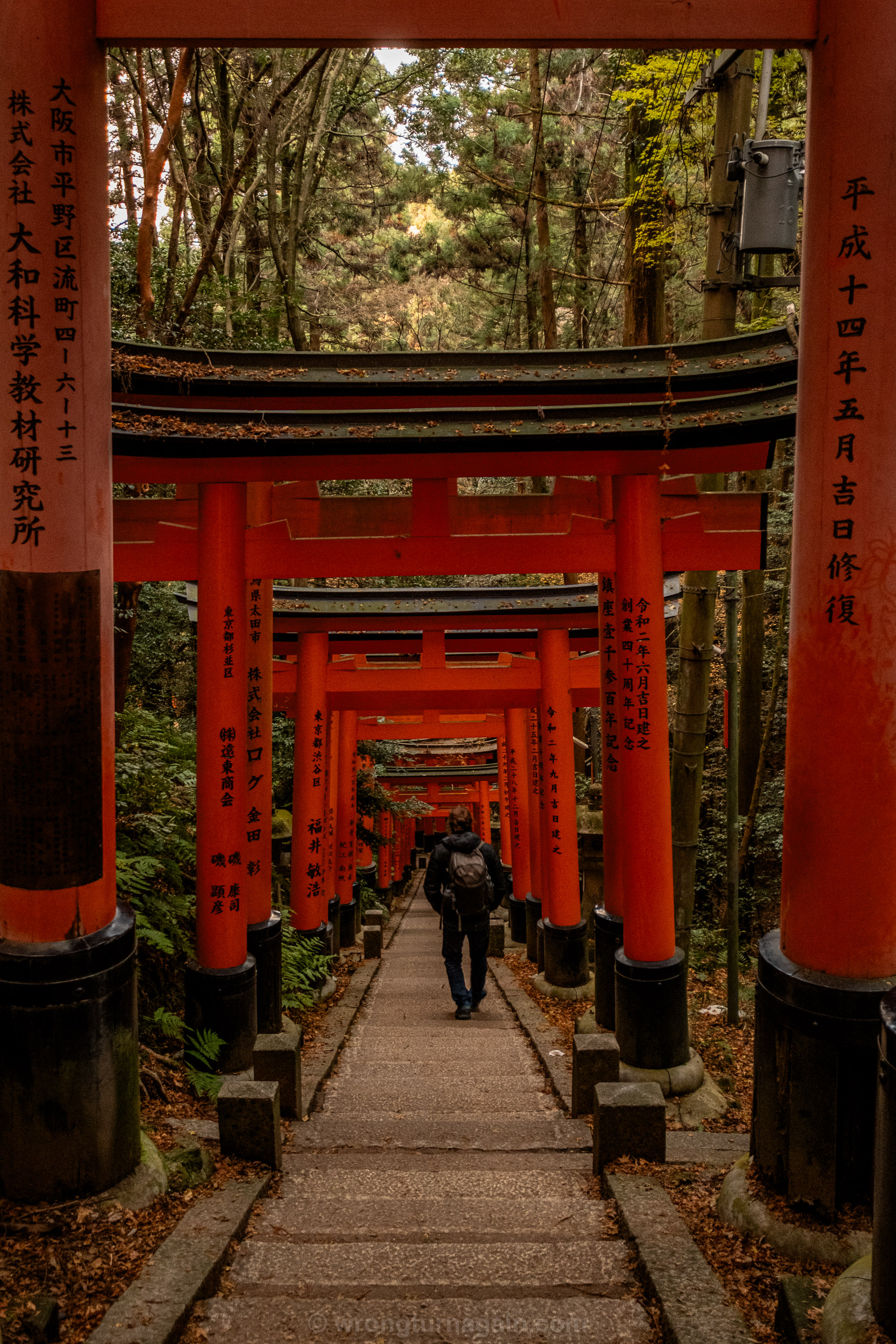
While the main hall is stunning, the real wonder begins just behind it: thousands of vermilion Senbon Torii gates that mark the beginning of a spiritual pilgrimage up the sacred Mount Inari (map).


Hike Overview
The Pilgrimage Hike
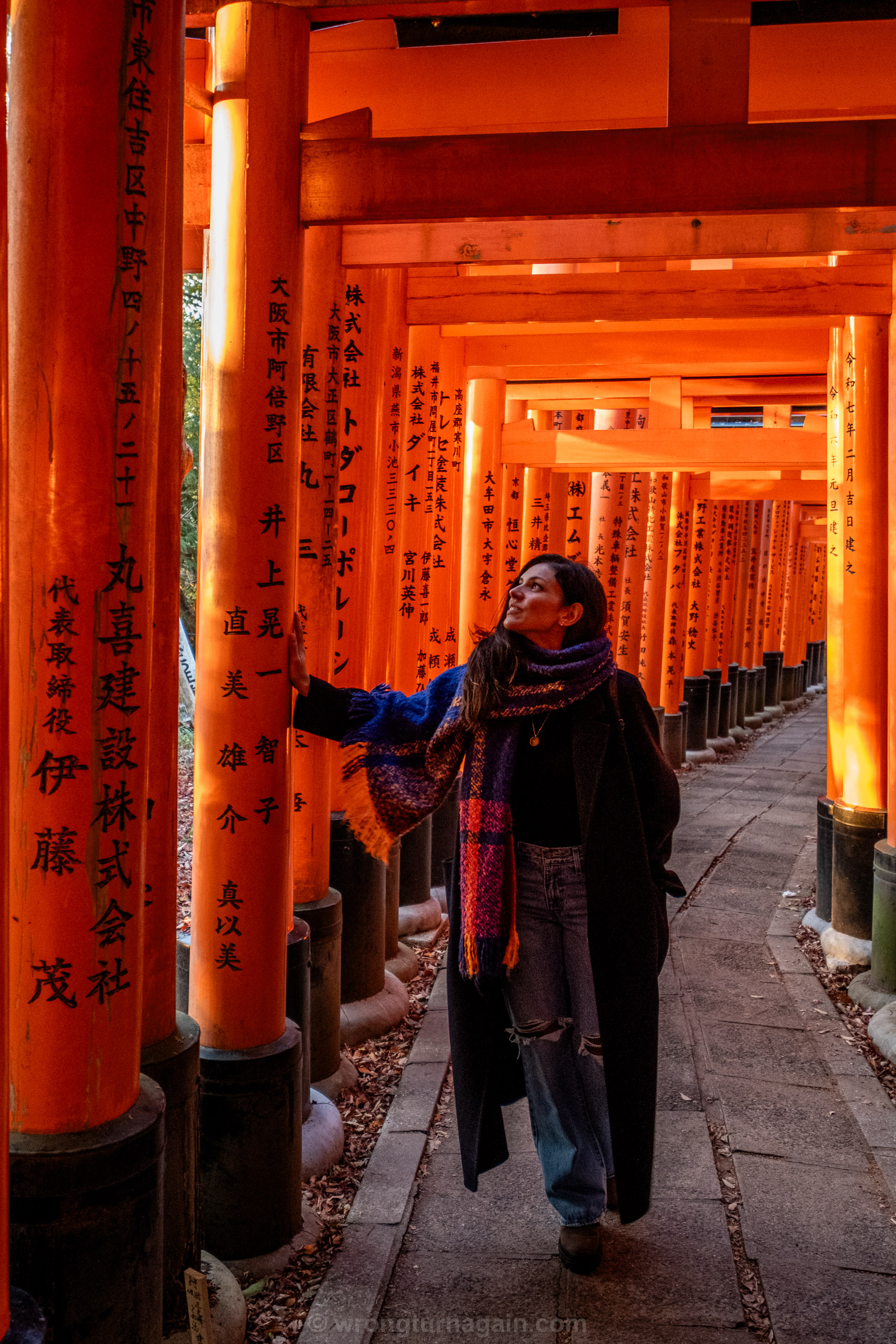
The hike begins at the entrance to the famous Senbon Torii, where the gates are packed so densely they create a mesmerizing red tunnel. The lower sections are naturally the most crowded, as everyone stops for that perfect photo.
However, the true spirit of Fushimi Inari reveals itself higher up. As you ascend, the crowds disappear, and the path plunges into the silence of the forest. The atmosphere shifts from chaotic to mystical, with moss-covered steps and quiet corners where believers leave miniature wooden torii as offerings.
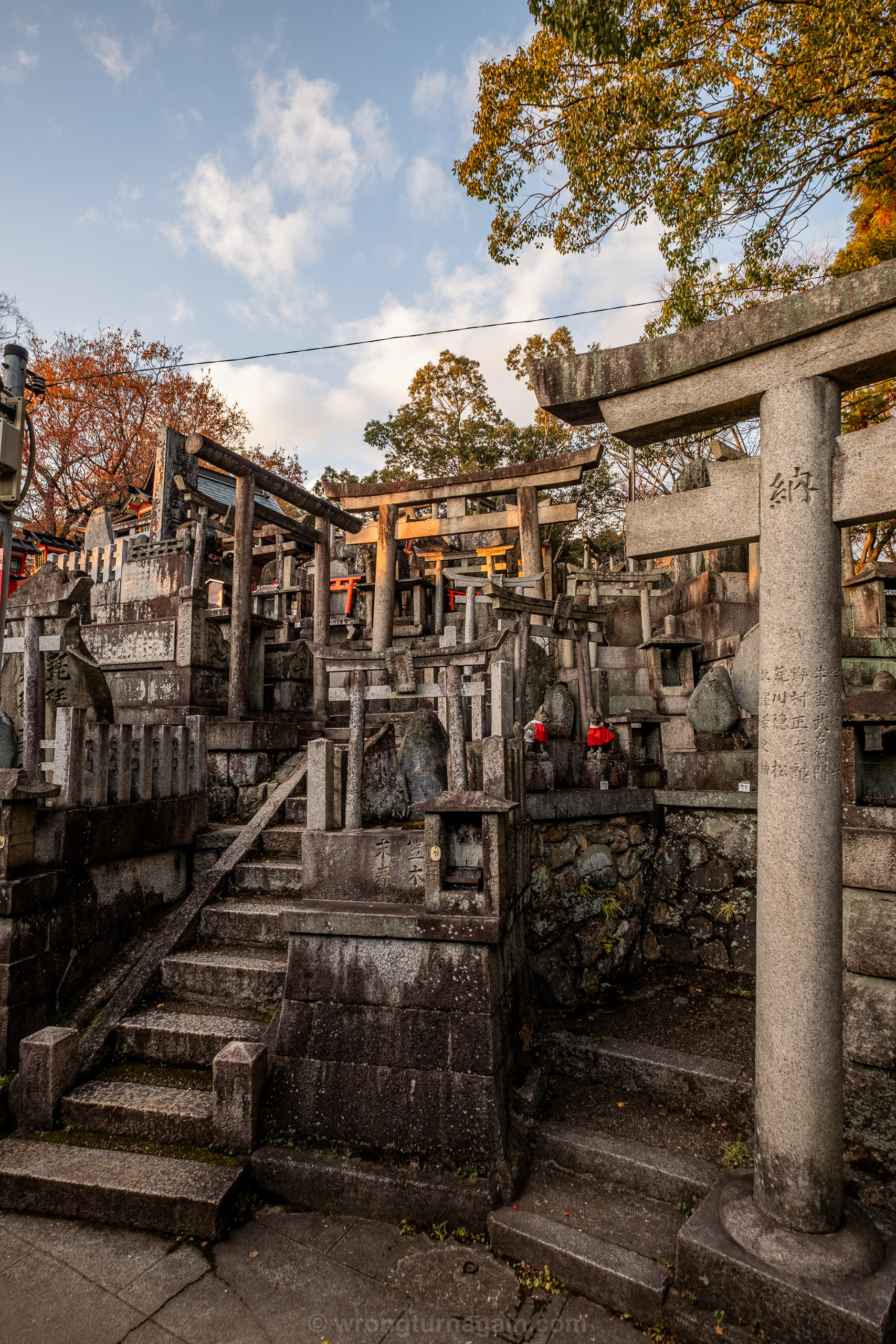
Before you start the main climb, look for the heavy stone lanterns (Omokaru Ishi). Make a wish and try to lift the rounded stone on top. Tradition says that if the stone feels lighter than you expected, your wish will be granted easily. If it feels heavy, you might face some obstacles!
After a 30-45 minute climb, you reach the Yotsutsuji intersection, a scenic checkpoint offering sweeping views over Kyoto—perfect for catching the sunset. Here, the path splits into a circular summit loop, though many hikers choose to turn back. On your descent, treat yourself to an espresso at the stylish Vermillion Cafe, or traditional sweets at Amazake Suetomitei and Itsukichaya.

Many hikers push for the summit expecting an even better view, but the peak is actually enclosed by trees with no outlook. If you are tired, Yotsutsuji is a perfectly fine place to turn back. However, if you crave silence, the loop to the top is the most peaceful part of the mountain, almost entirely void of tourists.
How to get there
Access is incredibly easy as the shrine is located directly opposite the train station. By Train You have two convenient options depending on where you stay:
- From Kyoto Station: Take the JR Nara Line to Inari Station (5 minutes, 2nd stop, covered by JR Pass). The shrine’s massive entrance is right across the street. Alternatively, take the Minami 5 bus to the Inari Taisha-mae stop; the entrance is a 7-minute walk from there.
- From Gion/Higashiyama: Take the Keihan Main Line to Fushimi-Inari Station. From here, it’s a charming 5-minute walk through a lively street lined with food stalls and souvenir shops.
- Guided Tour: Join an organized hiking tour to discover the history and hidden symbols of the shrine through the eyes of a local guide.
To fully immerse yourself in the tradition, look for rental shops around Inari Station. Popular choices include Aiwafuku Fushimiinari and Okamoto Kimono, which offer plans that include hairstyling and luggage storage.
2. Daigo-ji Temple
Stretching across the slopes of Mount Daigo, Daigo-ji is not merely a temple; it is a massive spiritual sanctuary and a UNESCO World Heritage Site with roots reaching back to 874 AD. The complex is physically divided into two worlds (map): the accessible Shimo-Daigo (lower grounds) with its grand halls and gardens, and the wilder Kami-Daigo (upper grounds) hidden deeper in the mountain.
Shimo-Daigo: a survivor of time
The lower grounds are anchored by a true miracle of history: a magnificent five-story pagoda standing 38 meters tall. Built in 951 AD, it is the oldest surviving wooden structure in all of Kyoto, having withstood centuries of fires and wars that reduced much of the city to ash.
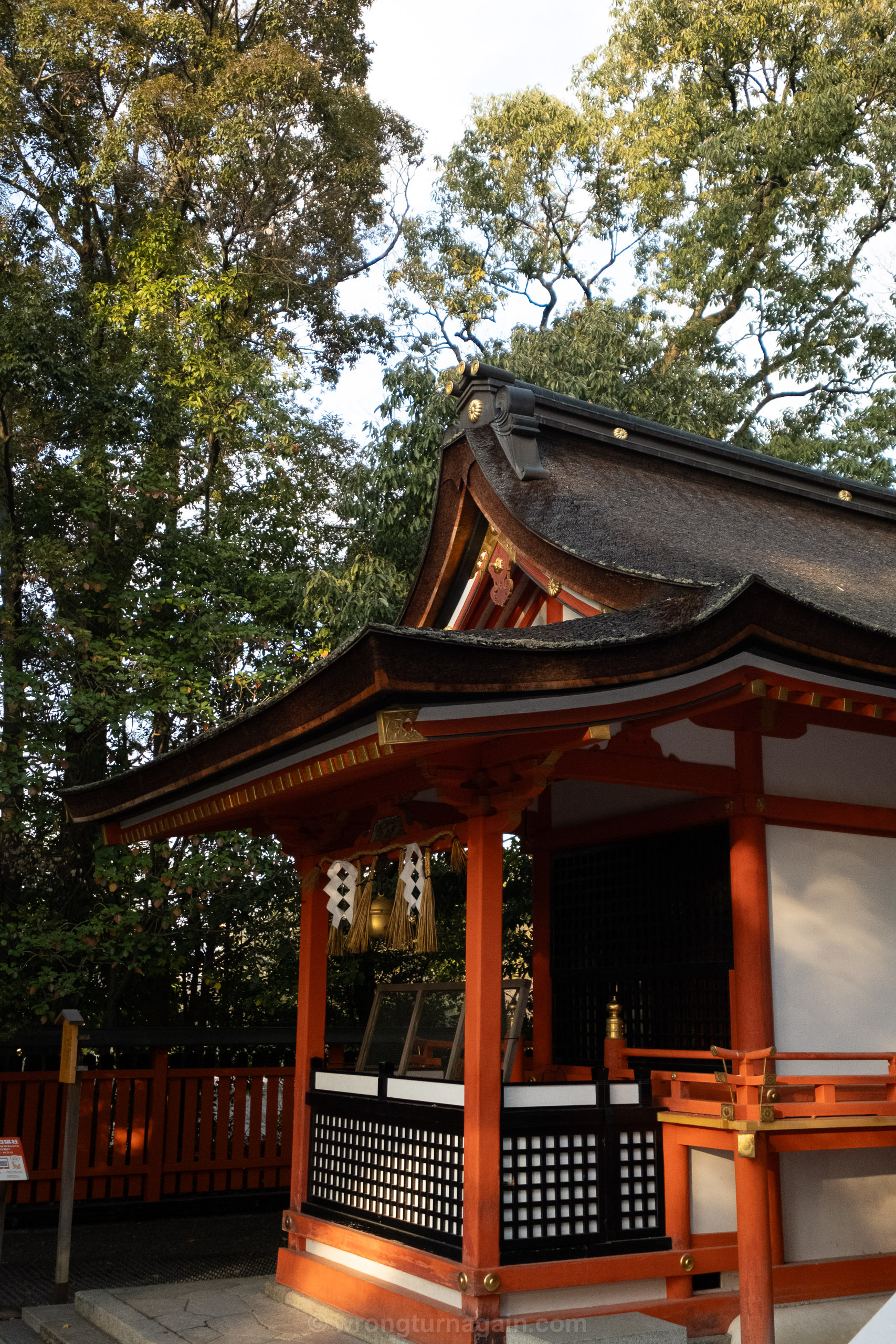
Just steps away lies the Sanbō-in, the opulent former residence of head priests, and the Reihōkan Museum, home to vast treasures of Buddhist art. But the most captivating spot is undoubtedly the Bentendō Hall. Perched on a small island in a pond and connected by a vermilion bridge, this corner of the temple feels like a living painting.
Kami-Daigo: the forest hike
If you have time and energy, leave the crowds behind and hike up to Kami-Daigo. A quiet, forested path leads you to the secluded 10th-century chapels at the summit. Along the way, you will pass the Daigo-sui spring, the “source of life” from which the temple took its name.
Kami-Daigo Hike Overview
When to Visit Daigo-ji
While the architecture is stunning, Daigo-ji is legendary for its seasons. It was here, in 1598, that the warlord Toyotomi Hideyoshi hosted the extravagant “Hanami no Daigo”—a cherry blossom viewing party so grand it entered Japanese folklore. This tradition continues every April, turning the grounds into a cloud of pink.
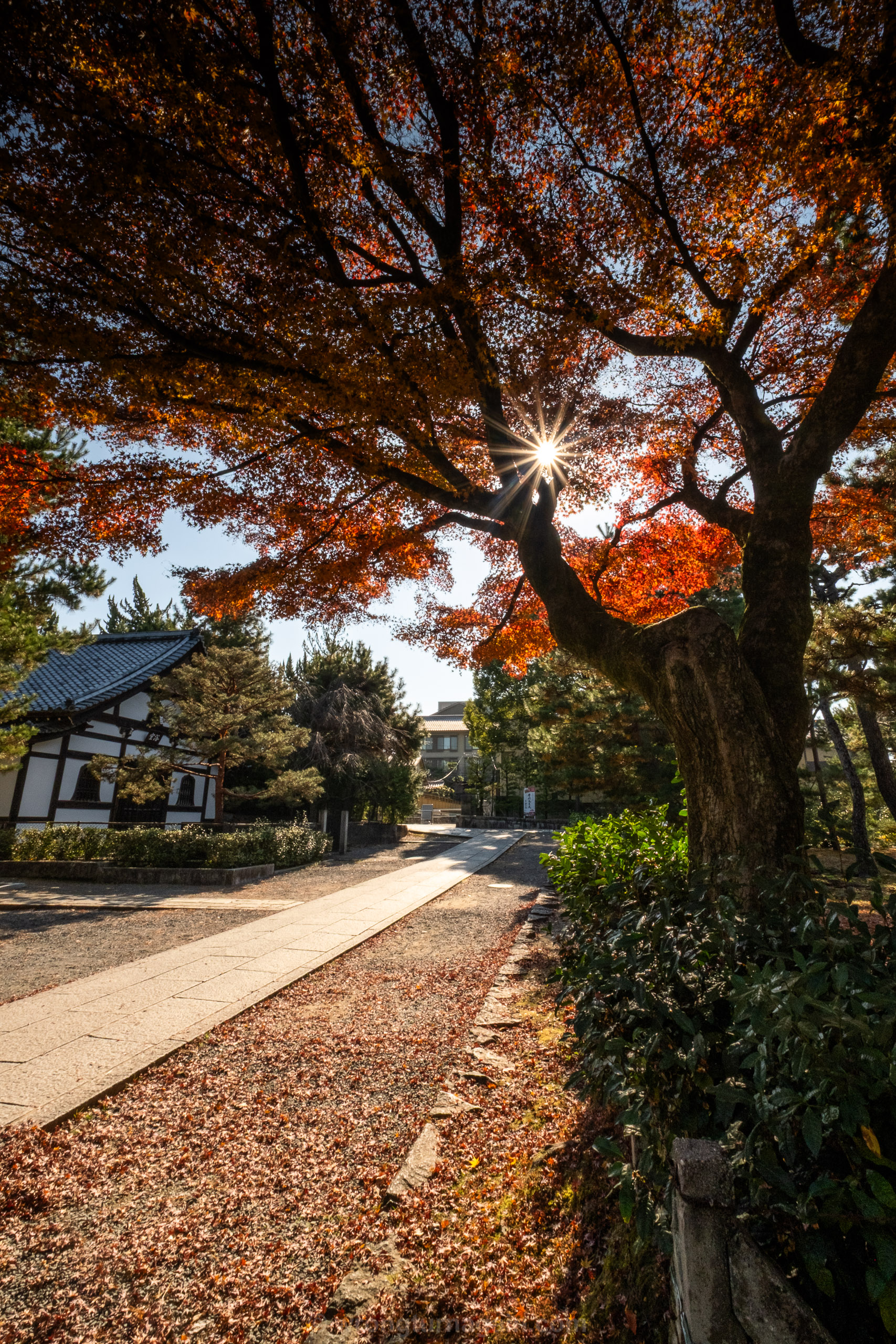
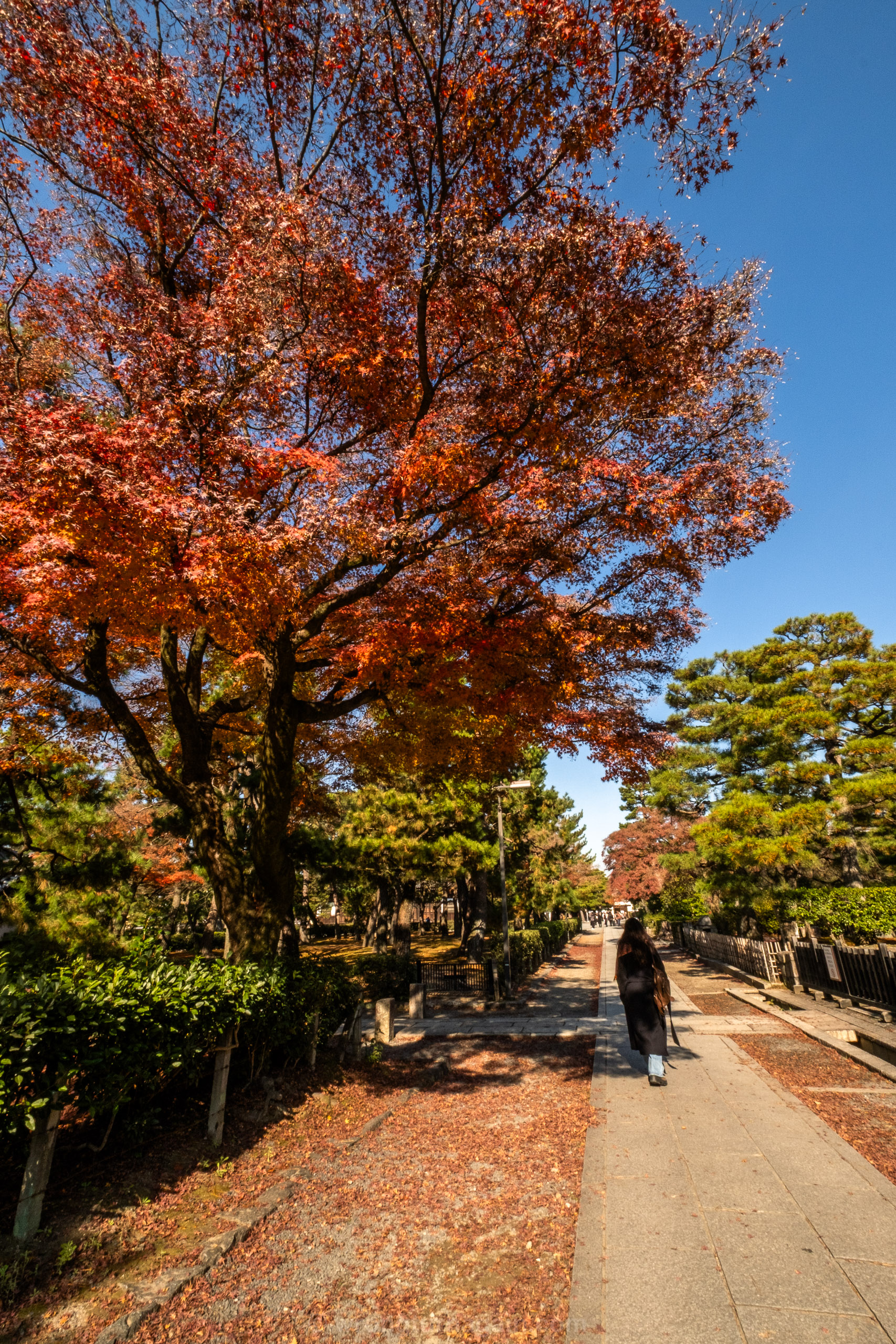
However, many argue the temple is even more breathtaking in late autumn (Nov–Dec). This is when the reflection of the Bentendō Hall on the water is framed by fiery red maples, creating one of Kyoto’s most iconic images.

From Kyoto, take the Tozai Subway Line to Daigo Station and walk about 10 minutes to the temple entrance. Alternatively, take Keihan Bus #301 from Kyoto Station to the Daigo-ji Mae stop; the ride takes approximately 30 minutes.
3. Gion District
One of the absolute highlights of any trip to Kyoto is getting lost in the Gion district—the quintessential image of old Japan. Here, time seems to stand still among the preserved wooden machiya townhouses, willow-lined canals, and the fleeting silhouettes of geiko and maiko hurrying to their evening engagements. While exploring this labyrinthine neighborhood, keep an eye out for the following highlights:
The World of Geiko & Maiko
Gion is the most famous hanamachi (“flower town”) in Japan, a district where the enigmatic world of the Geisha continues to thrive just as it has for centuries. In Kyoto, however, you will rarely hear the word “Geisha.” Instead, fully qualified artists are called Geiko (“children of the arts”), while their apprentices are known as Maiko (“children of the dance”).
Maiko are usually teenagers (15–20 years old). They wear colorful kimonos with long sleeves, tall wooden clogs (okobo), and elaborate hairstyles using their own real hair. Geiko represent the mature stage of the profession; they wear simpler, more refined kimonos and wigs.
Contrary to Western misconceptions dating back to WWII, Geiko are not sex workers. They are highly skilled conversationalists and entertainers, trained for years in classical arts like the tea ceremony, shamisen (lute), and traditional dance.
How to see them
Authentic evenings at exclusive tea houses (ochaya) are strictly “invitation-only” and cost a small fortune. For a genuine and accessible experience, look for tickets to the annual public dances: Miyako Odori (April), Kamogawa Odori (May), and Gion Odori (Nov). Finally, keep your eyes open on the streets—you might just spot a real Maiko walking briskly on her way to work.
Note: Be aware that “geisha experiences” or “tea ceremony” packages sold by tour agencies usually employ actors or dressed-up tourists. While fun, they are not performances by real Geiko.
Yasaka Jinja: The Soul of Gion
Anchoring the eastern end of the district, Yasaka Jinja is the spiritual heartbeat of Gion. Founded in the 7th century, it is famous for hosting the massive Gion Matsuri, Japan’s most famous summer festival. Historically, the entire entertainment district developed around this shrine to serve the flowing stream of pilgrims.
Unlike most temples that close early, Yasaka Jinja is open 24/7. Visit after sunset to see the central stage (Buden) glowing with hundreds of lanterns—a magical contrast to the modern city just outside.
Kennin-ji Temple
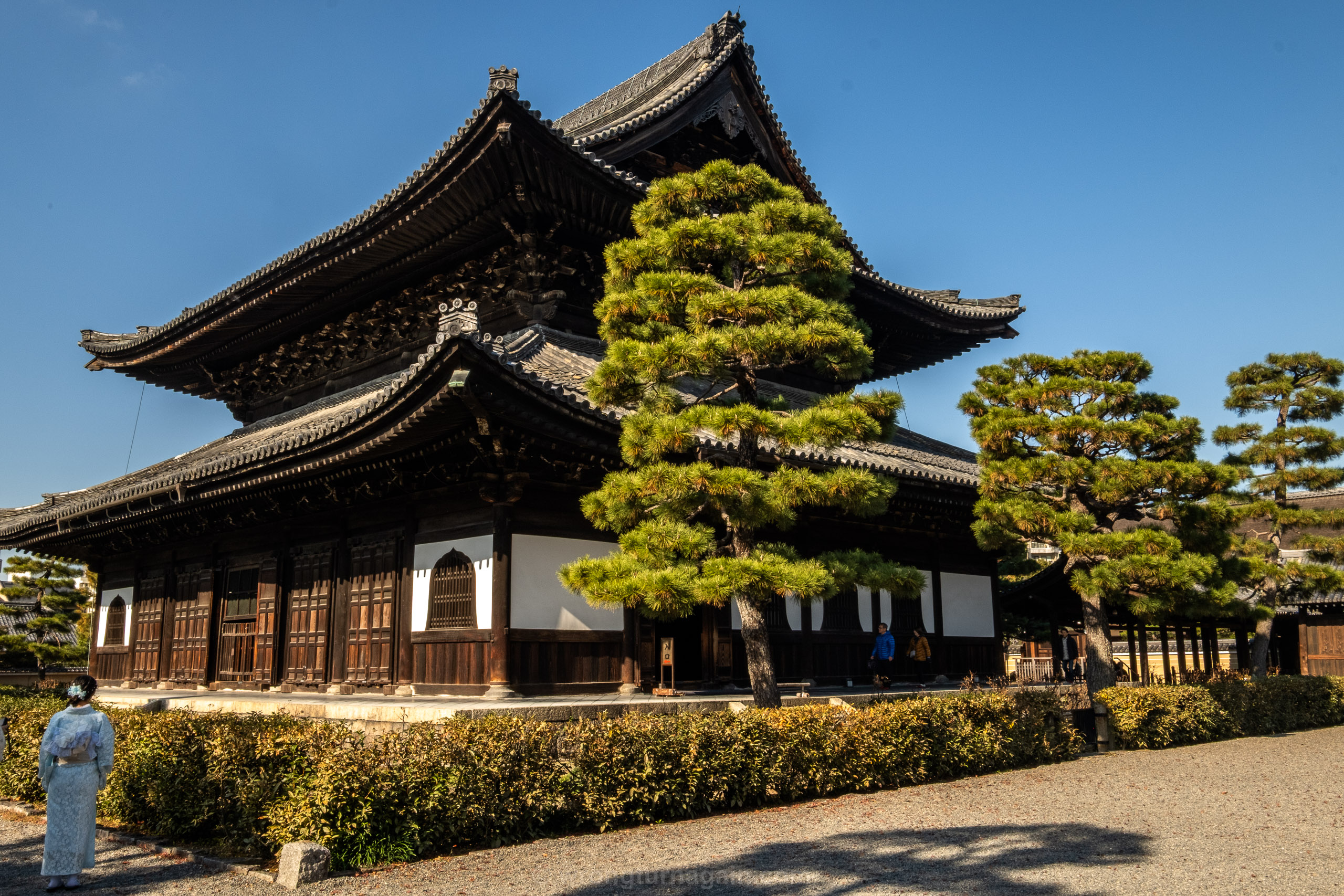
Just steps away from the chaotic streets lies a hidden world of silence. Founded in 1202 by the monk Eisai (who introduced tea to Japan), Kennin-ji is Kyoto’s oldest Zen temple. It is a masterpiece of design, featuring serene moss gardens and the “Twin Dragons” — a dramatic ink painting on the ceiling of the main hall that feels incredibly alive.
Hanamikoji Street
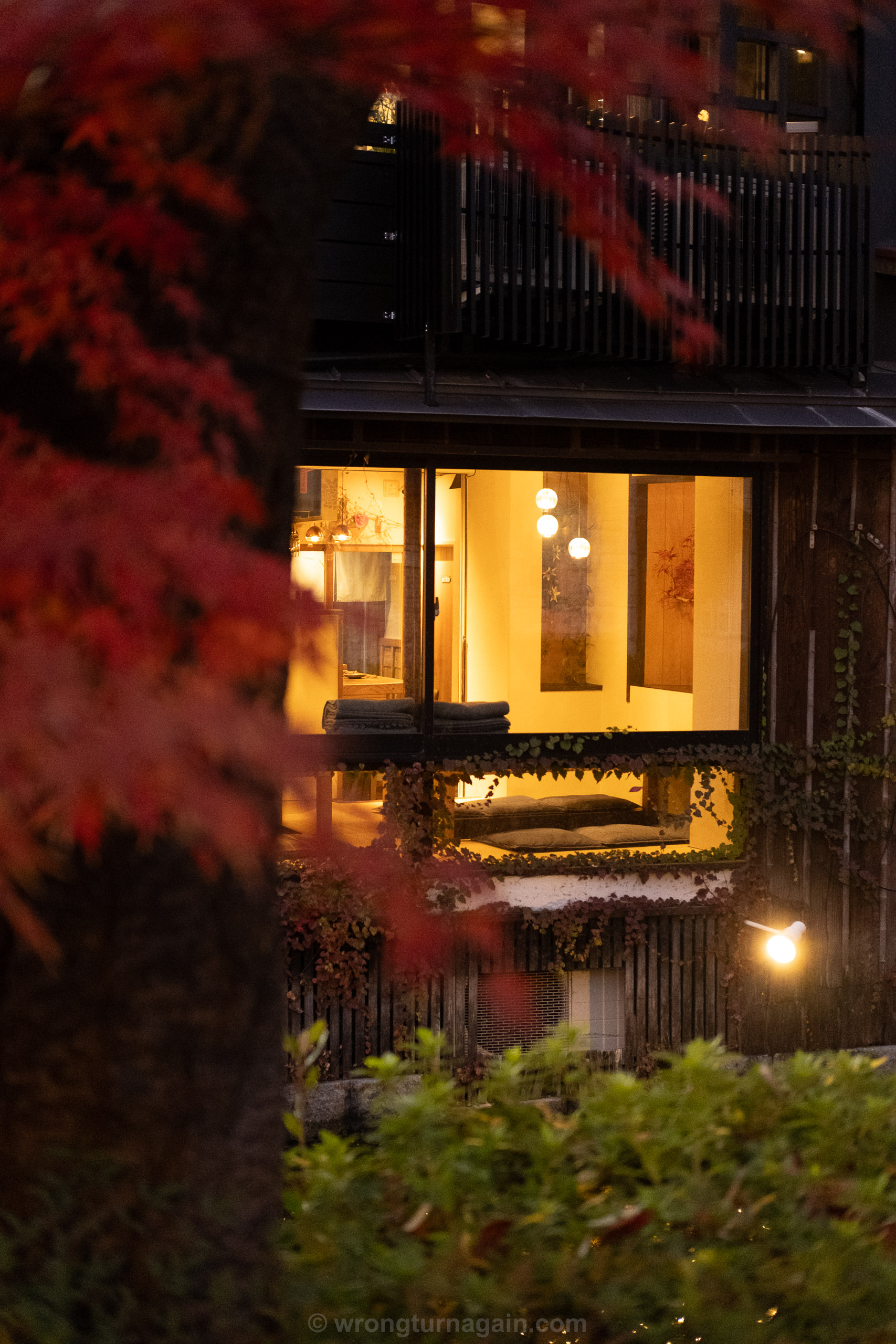
This is the most atmospheric street in Gion, lined with beautifully preserved machiya (traditional wooden townhouses). Many of these buildings function as exclusive ochaya (tea houses) where Geiko entertain high-profile guests. Walking here in the late afternoon offers a glimpse into the “floating world” of old Kyoto.
To protect the privacy of the residents and Geiko, photography is strictly prohibited on private side streets off Hanamikoji. Fines can reach ¥10,000. Please keep your camera packed unless you are on the main public street.
Gion Shirakawa
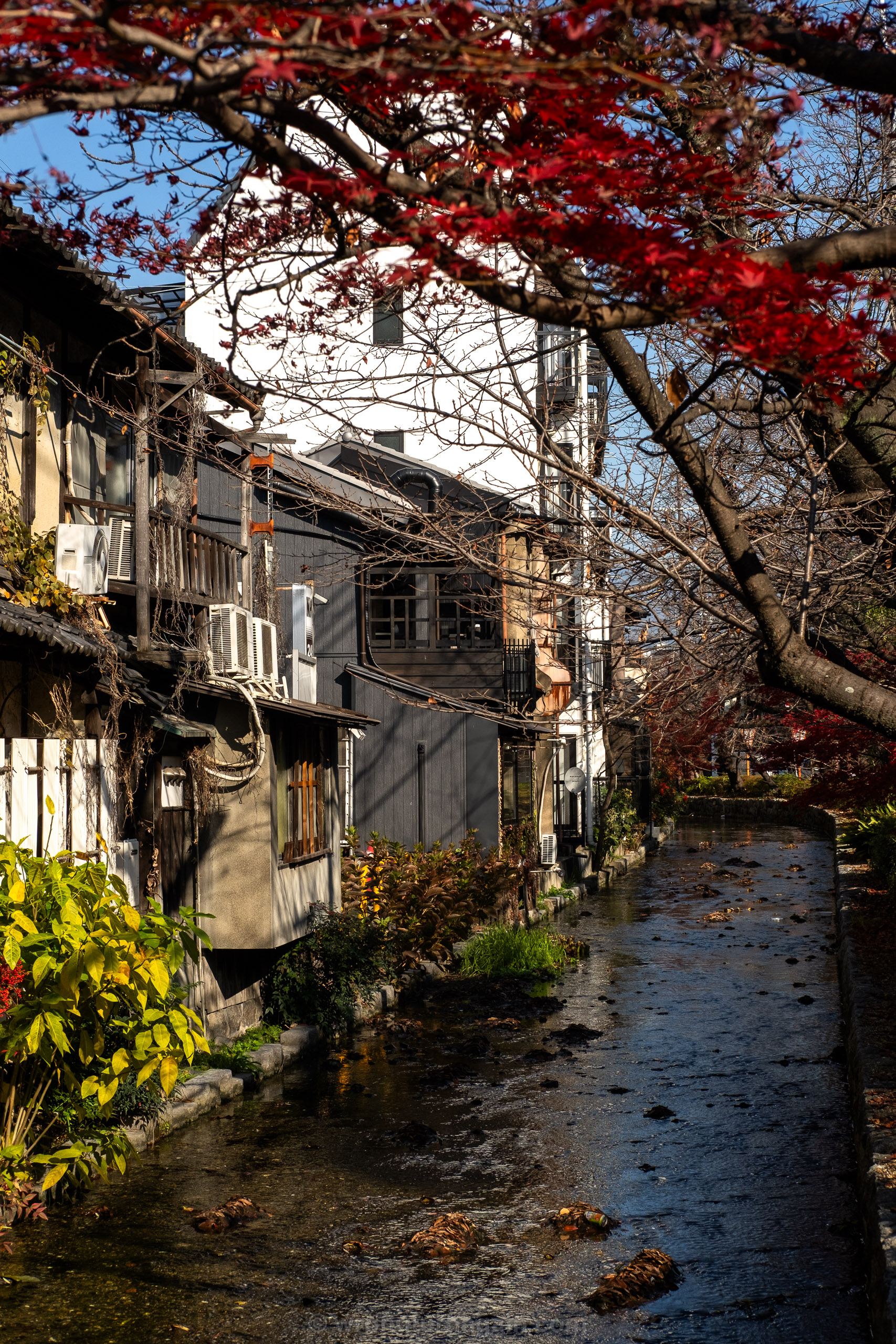
If Hanamikoji is the busy main stage, Shirakawa is the romantic backstage. This cobblestone street runs along a gentle canal shaded by willow and cherry trees. The centerpiece is the small stone Tatsumi Bridge. Framed by vermilion fences and traditional lanterns, it creates a scene straight out of a period movie.
Best Time to Visit: Shirakawa is breathtaking in early April when the cherry blossoms are in full bloom and illuminated at night, reflecting on the water below.
4. Historic Higashiyama: The Old Capital Walking Route
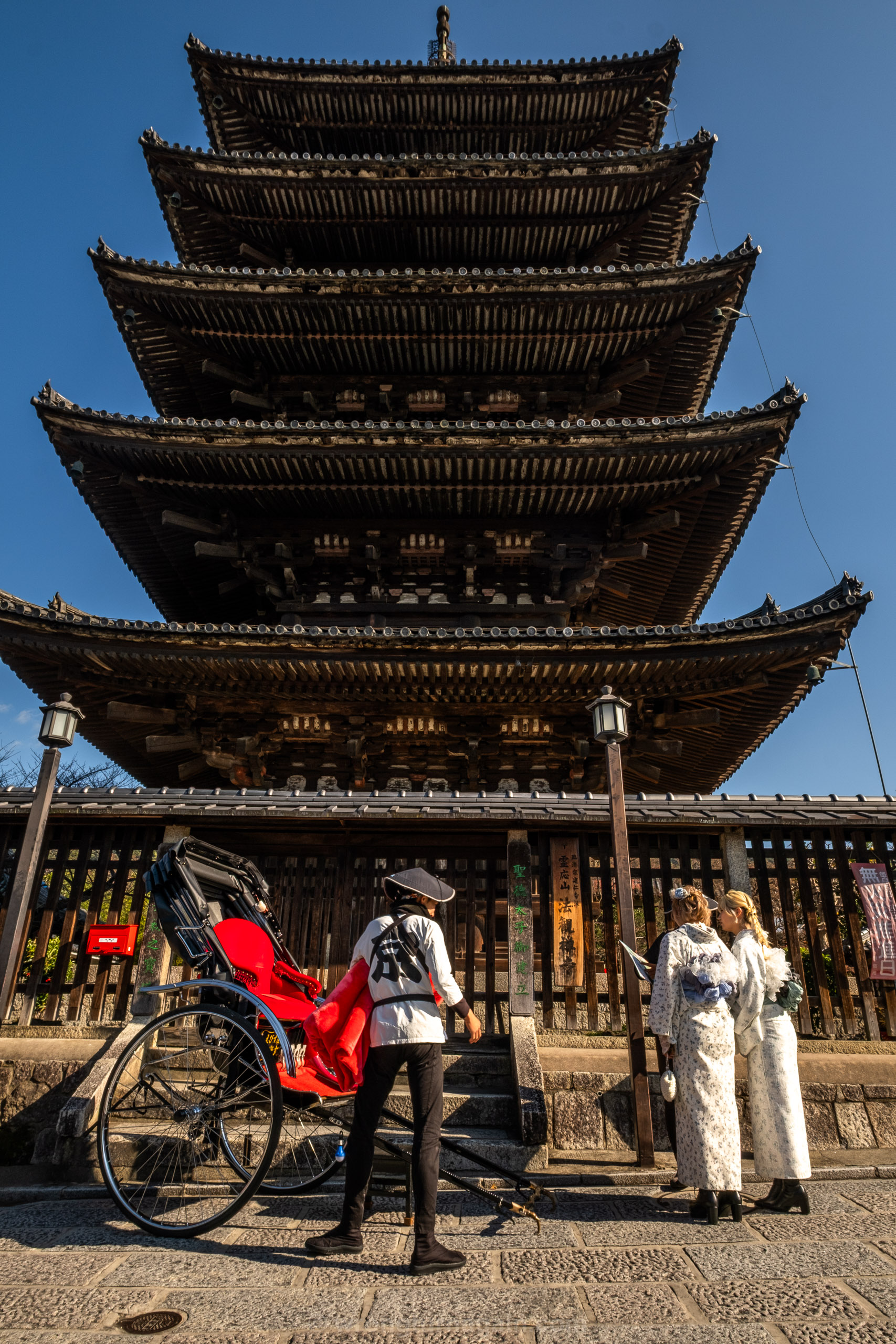
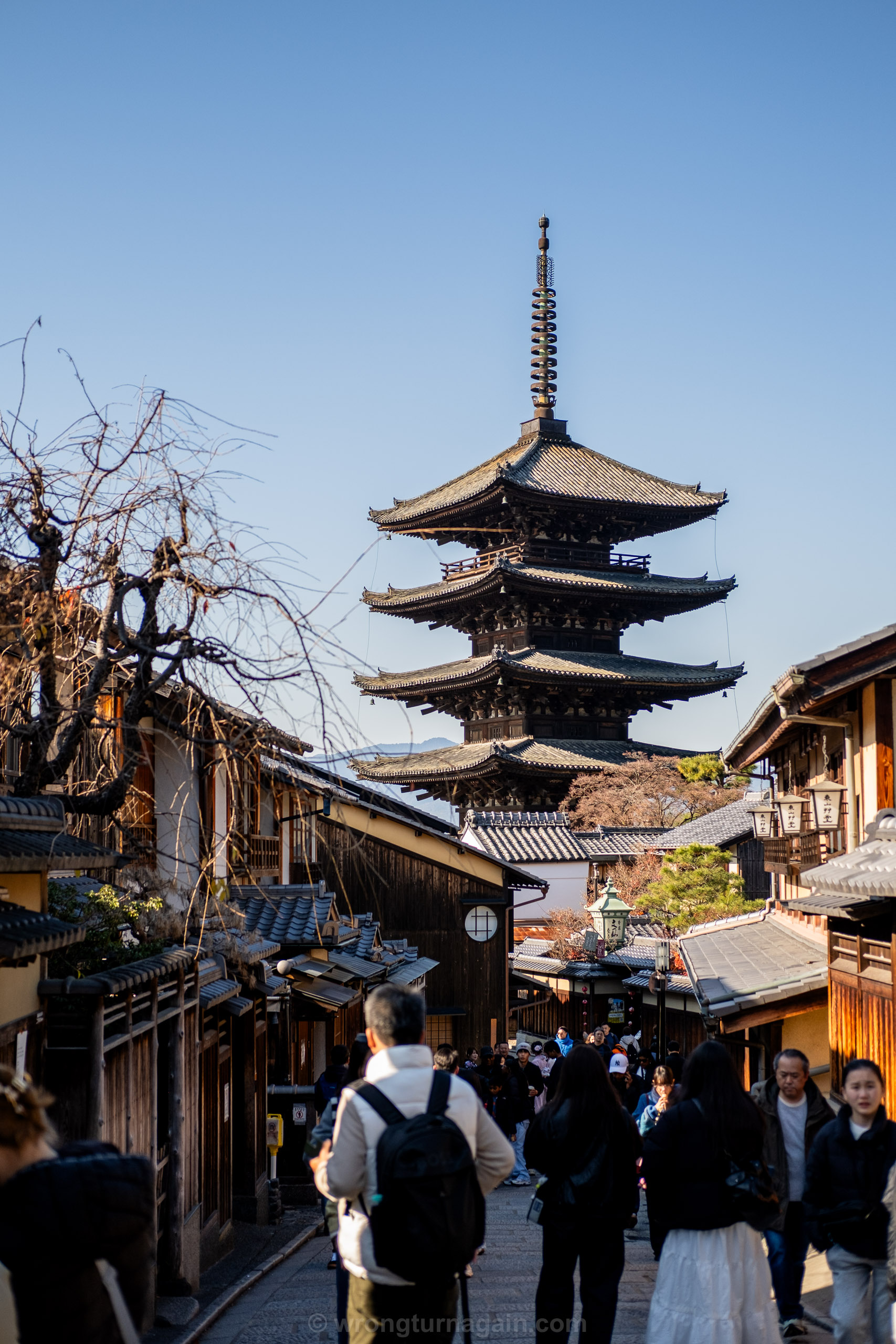
Leaving the Gion district behind, head uphill towards the eastern slopes. This is the Higashiyama district—the most flawlessly preserved slice of historic Kyoto. As you ascend, this route connects three essential experiences into one atmospheric walk: the winding cobblestone alleys of Sannenzaka, the towering architectural marvel of the Yasaka Pagoda, and finally, the grand mountain stage of Kiyomizu-dera.
Sannenzaka & Ninenzaka
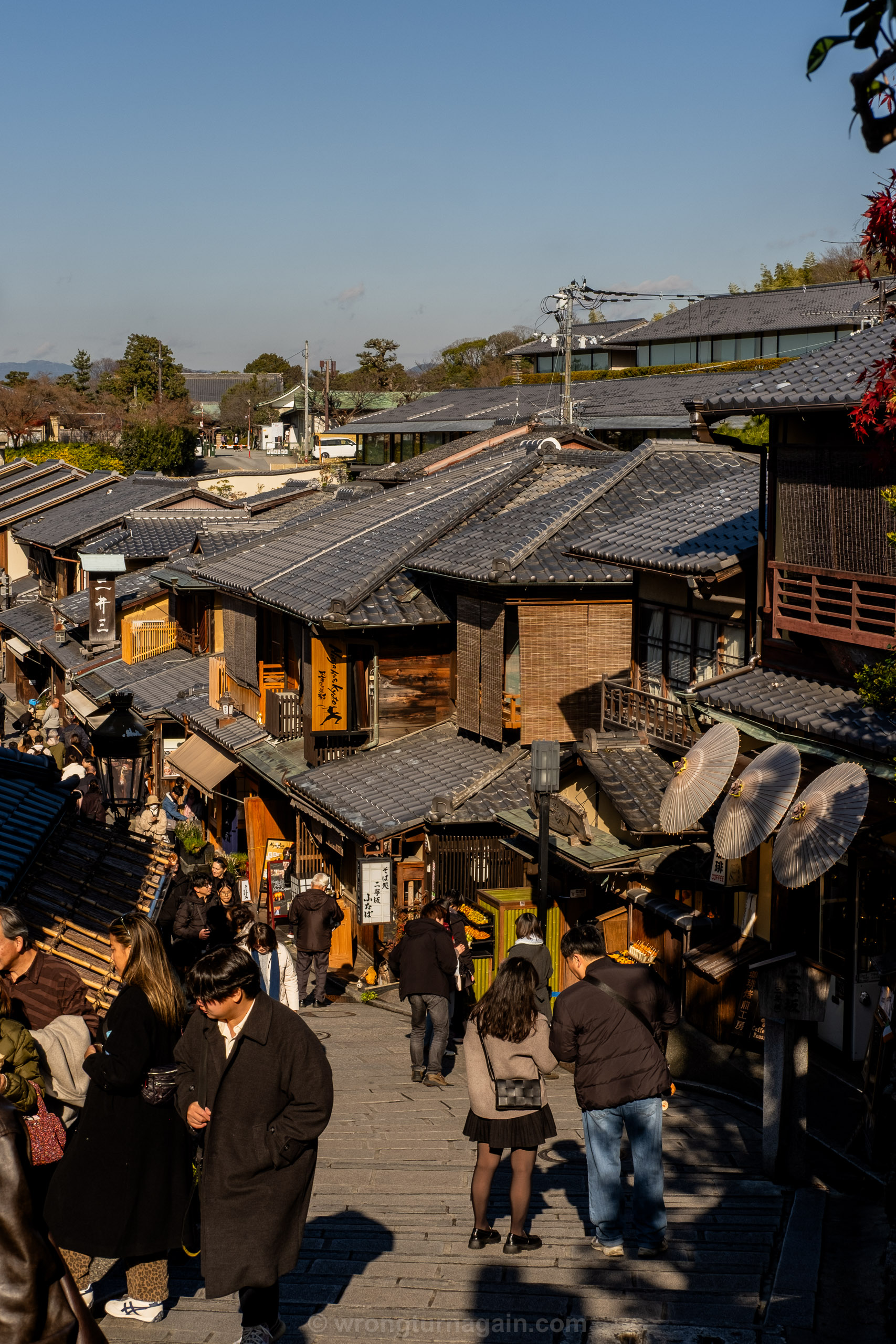
At the heart of the district lie two pedestrian-only slopes: Sannenzaka (Three-Year Slope) and Ninenzaka (Two-Year Slope). These are essentially open-air museums of the Edo period, lined with traditional wooden machiya that house pottery studios, incense shops, and matcha cafes.
Many of these historic buildings have been converted into intimate chashitsu (tea rooms), such as Nagomi, offering a chance to experience an authentic tea ceremony in a setting that feels centuries away from the modern world.
These are the most photographed streets in Kyoto and become impassable by noon. For clear photos and silence, you have two short windows: before 09:00 AM or after sunset when the shops close and the lanterns are lit.
Hōkan-ji Temple (The Yasaka Pagoda)
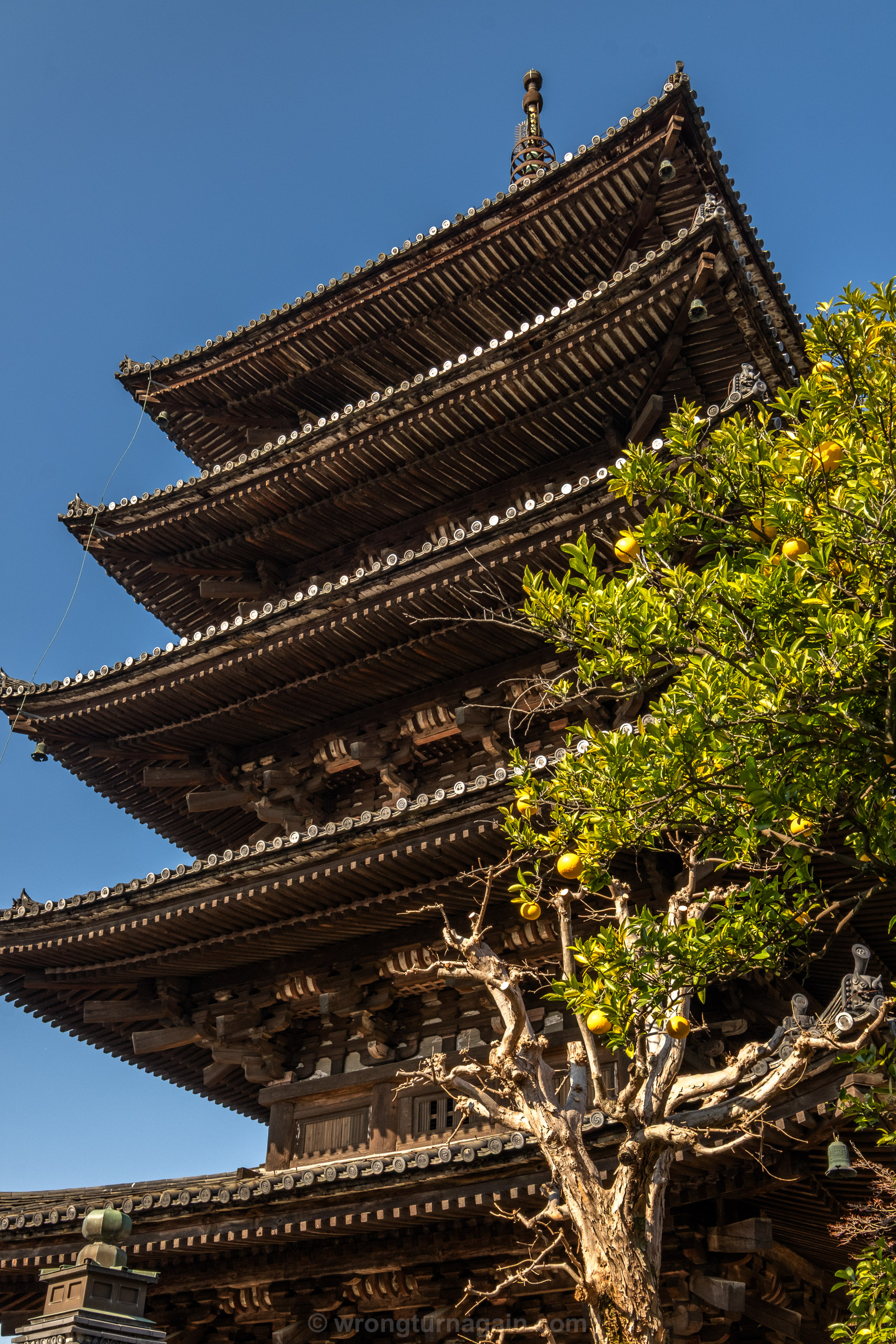
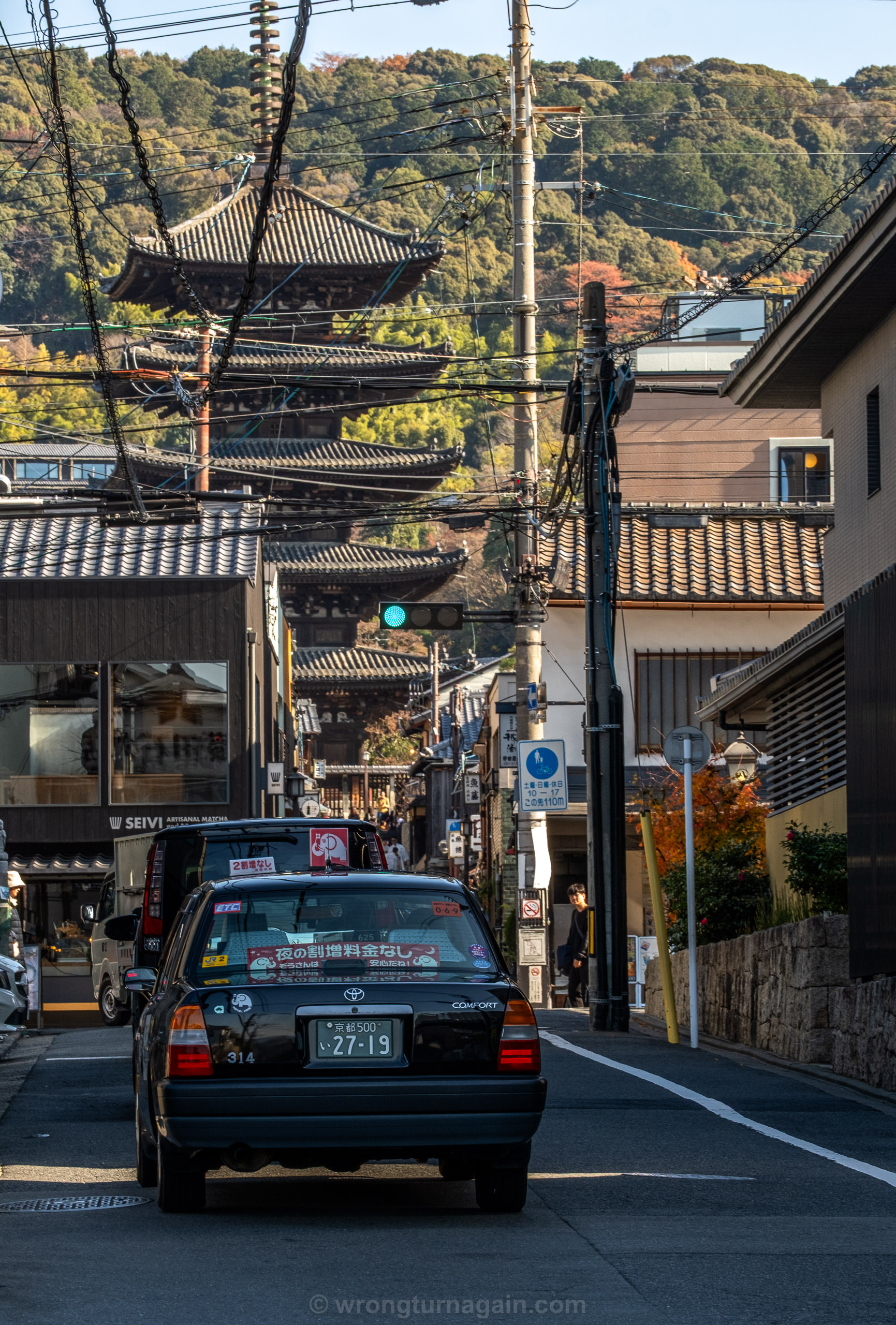
Visible from almost every corner of the street, the Yasaka Pagoda (46 meters tall) is the iconic landmark of the district. It is a classic five-story pagoda, originally founded in the 6th century.
Beyond its beauty, it is an engineering marvel. Like many Japanese pagodas, it features a massive central pillar (shinbashira) that acts as a pendulum to absorb earthquake tremors—a technique now used in modern skyscrapers. Unlike most pagodas which are sealed shut, here visitors are allowed to enter and inspect the ancient timber architecture up close.
Climb the steep wooden ladder to the second floor. Windows on all four sides frame perfect views of the Higashiyama rooftops and the city layout below.
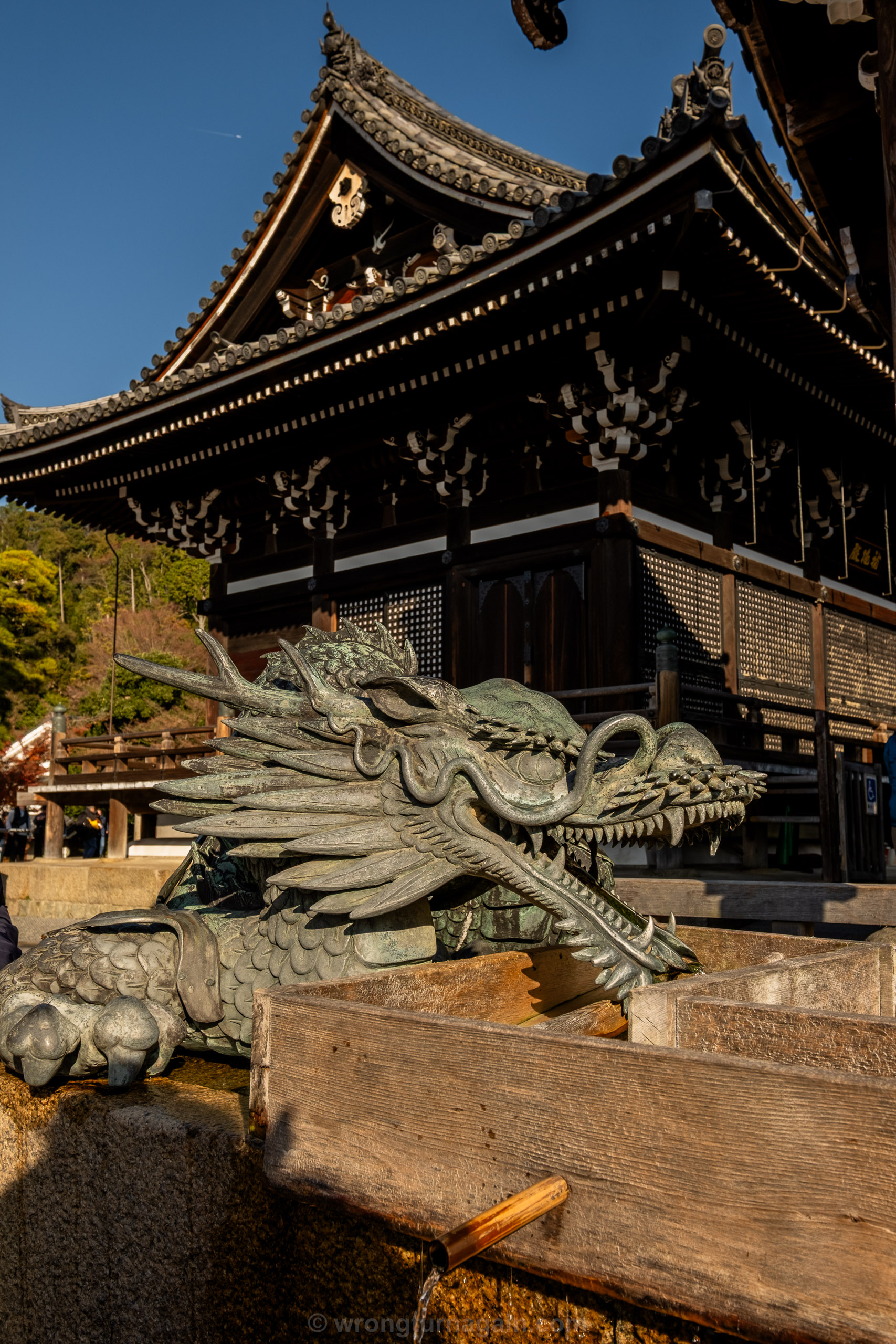
Kiyomizu-dera Temple
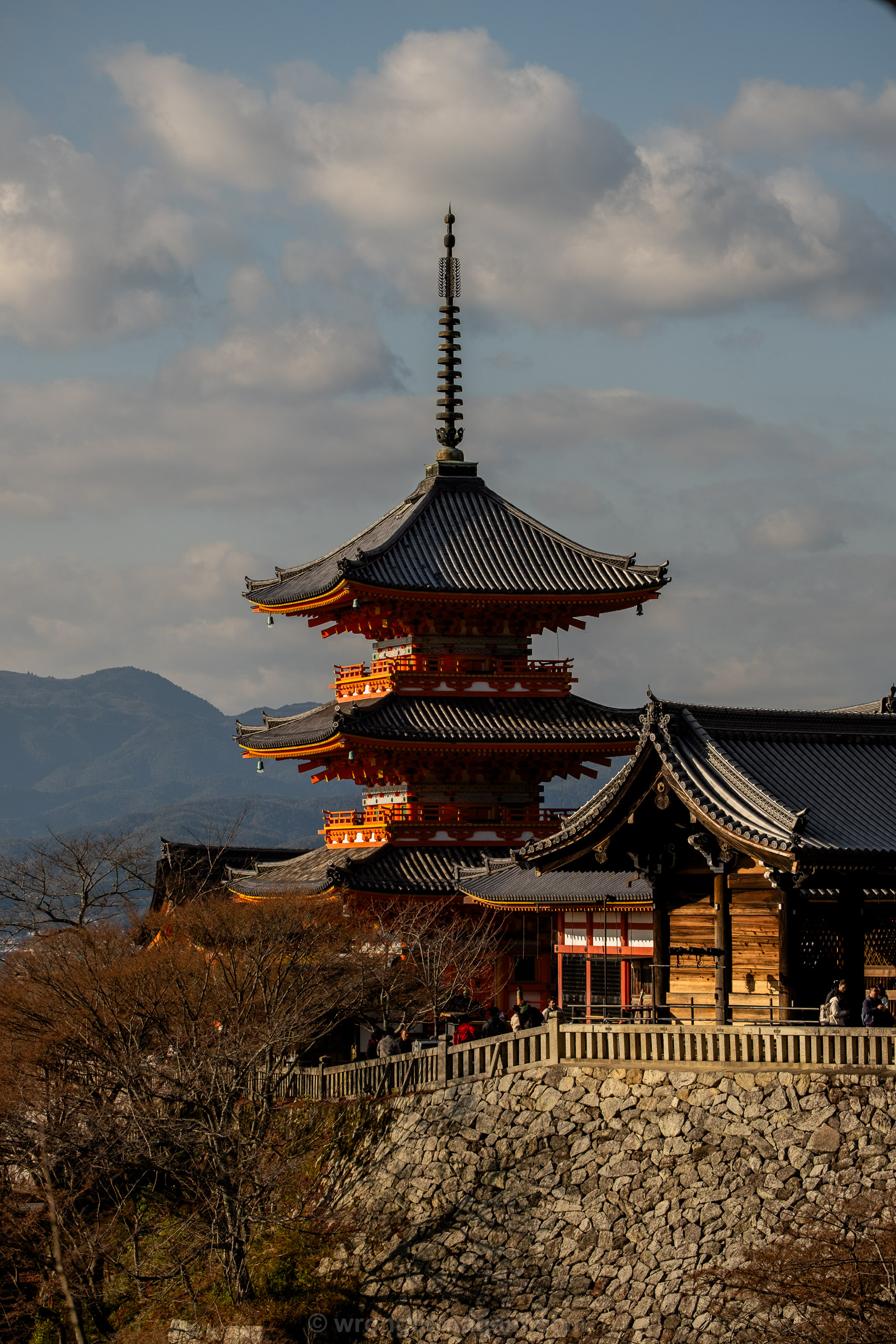
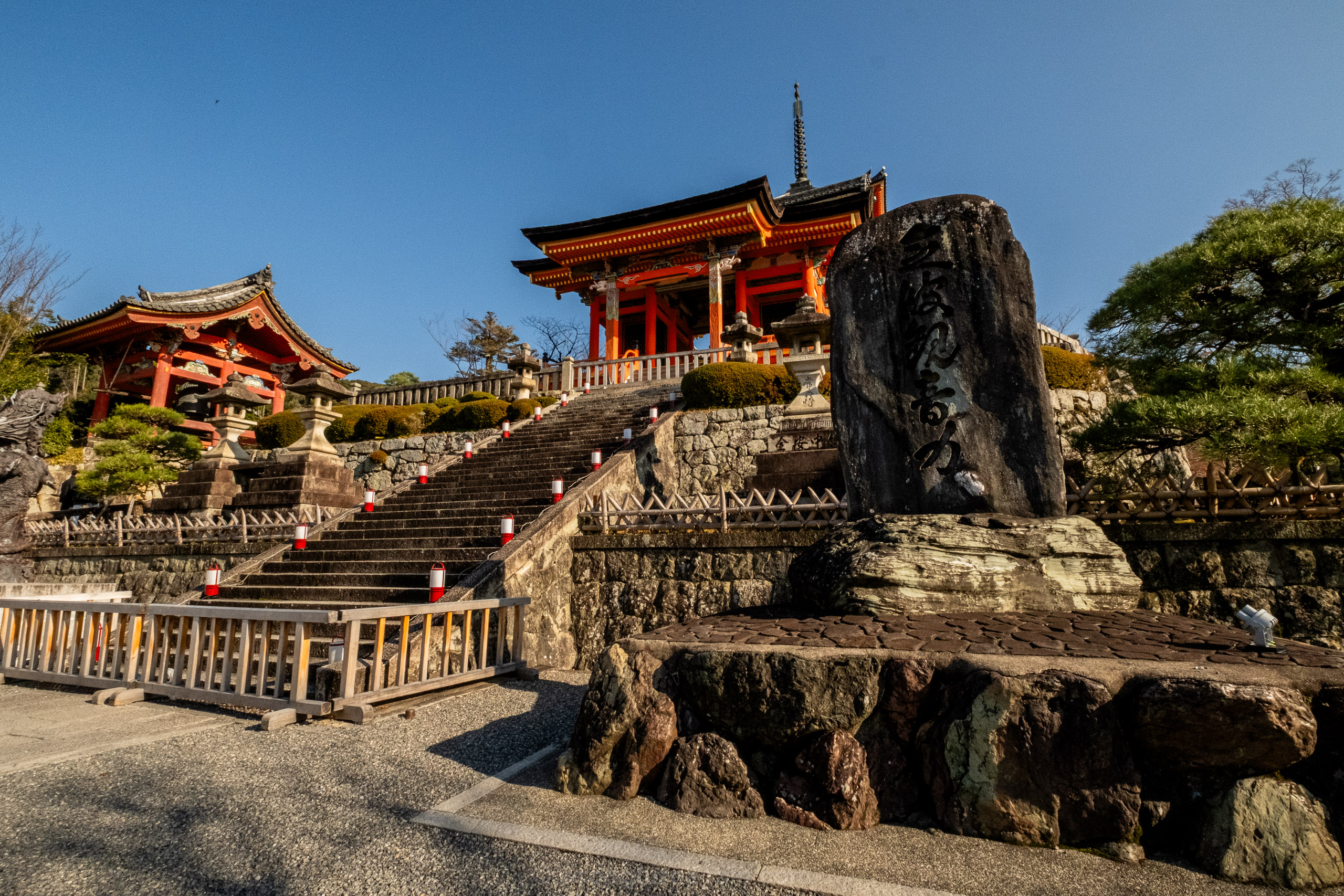
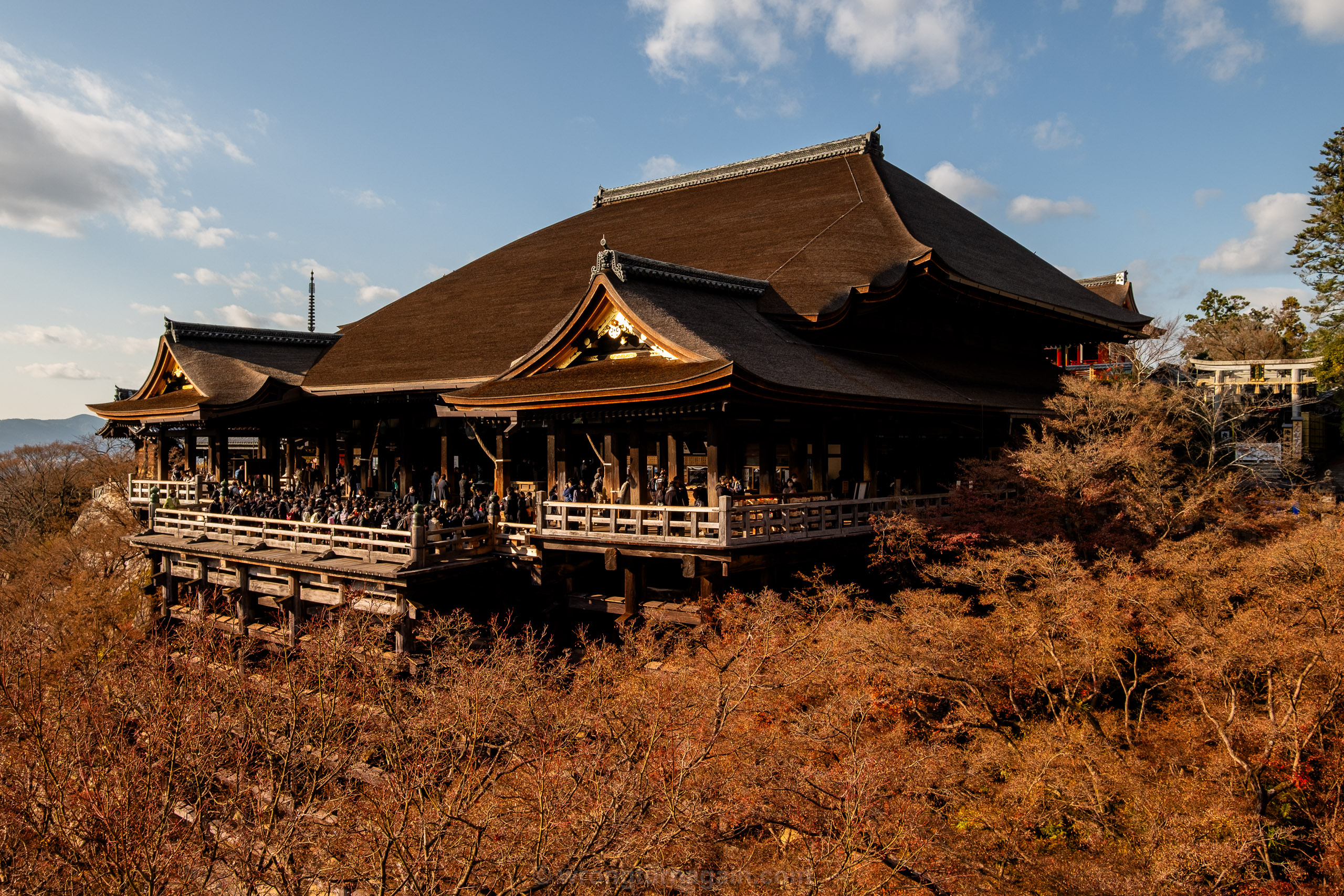
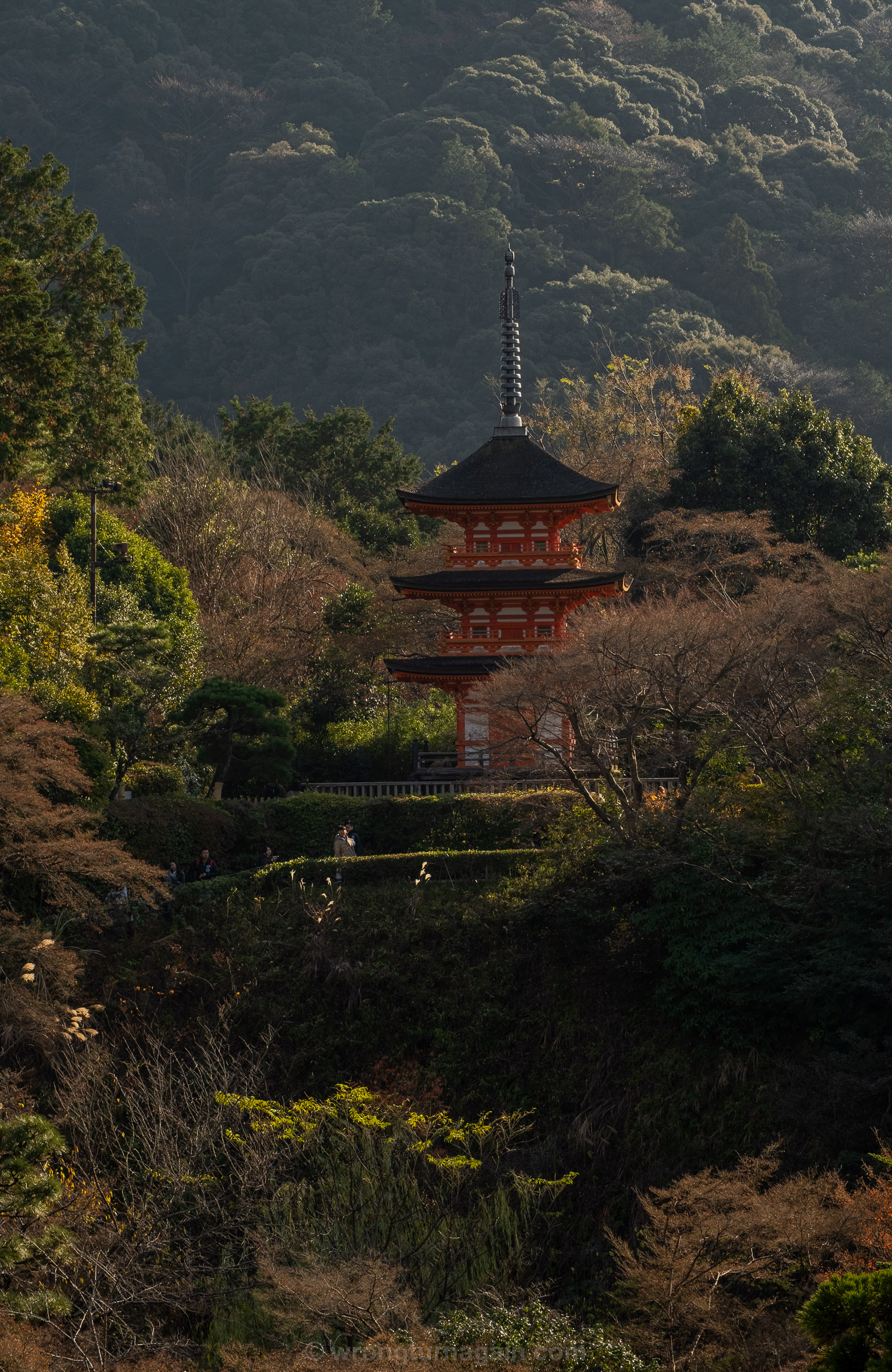
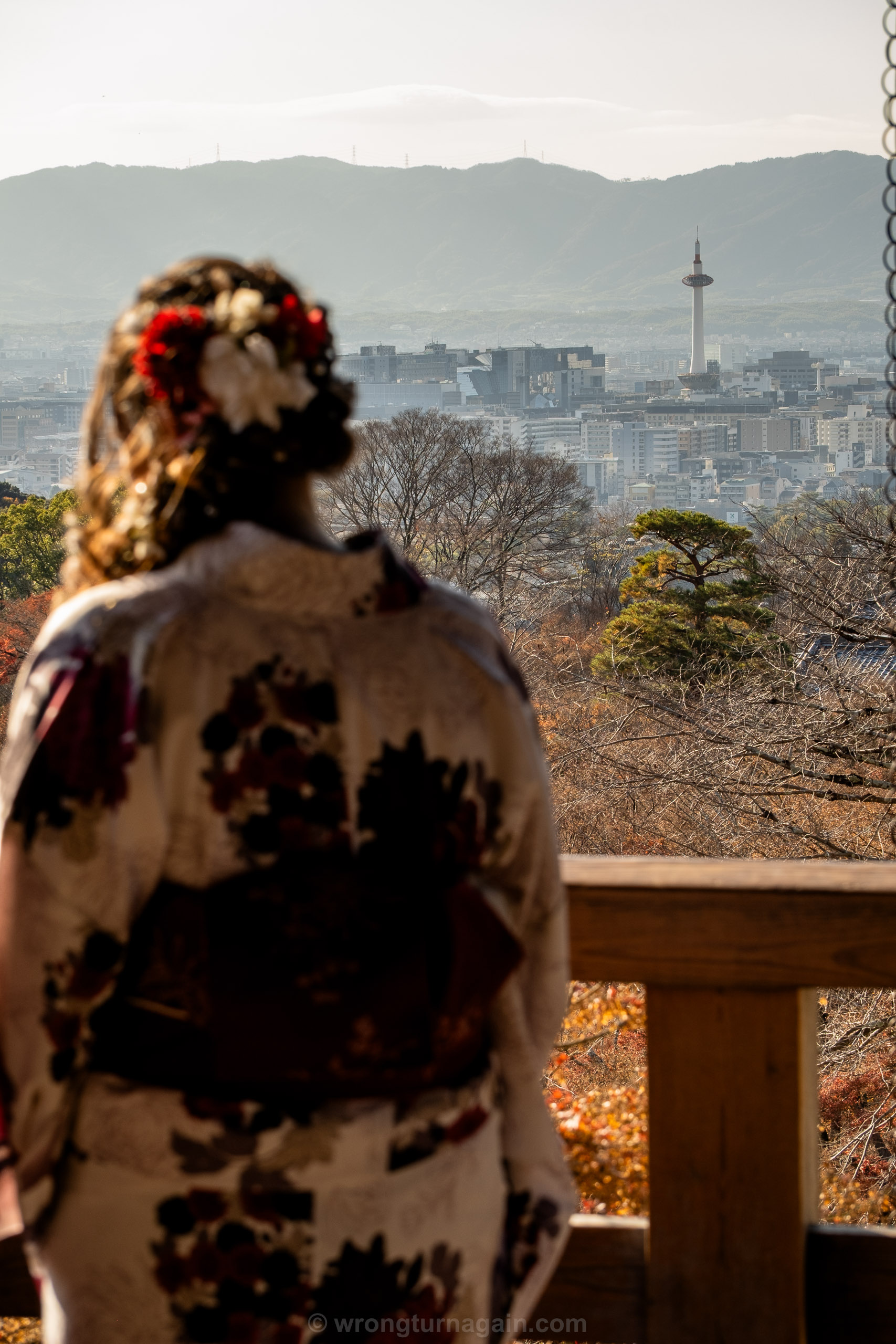
The uphill climb culminates at Kiyomizu-dera (“Pure Water Temple”), a UNESCO World Heritage site perched on the side of Mount Otowa.
The temple is celebrated for its massive Wooden Stage (Butai) that juts out 13 meters over the hillside. A feat of Edo-period carpentry (rebuilt in 1633), the entire structure supports the Main Hall without the use of a single nail, relying instead on complex interlocking joints to withstand centuries of earthquakes.
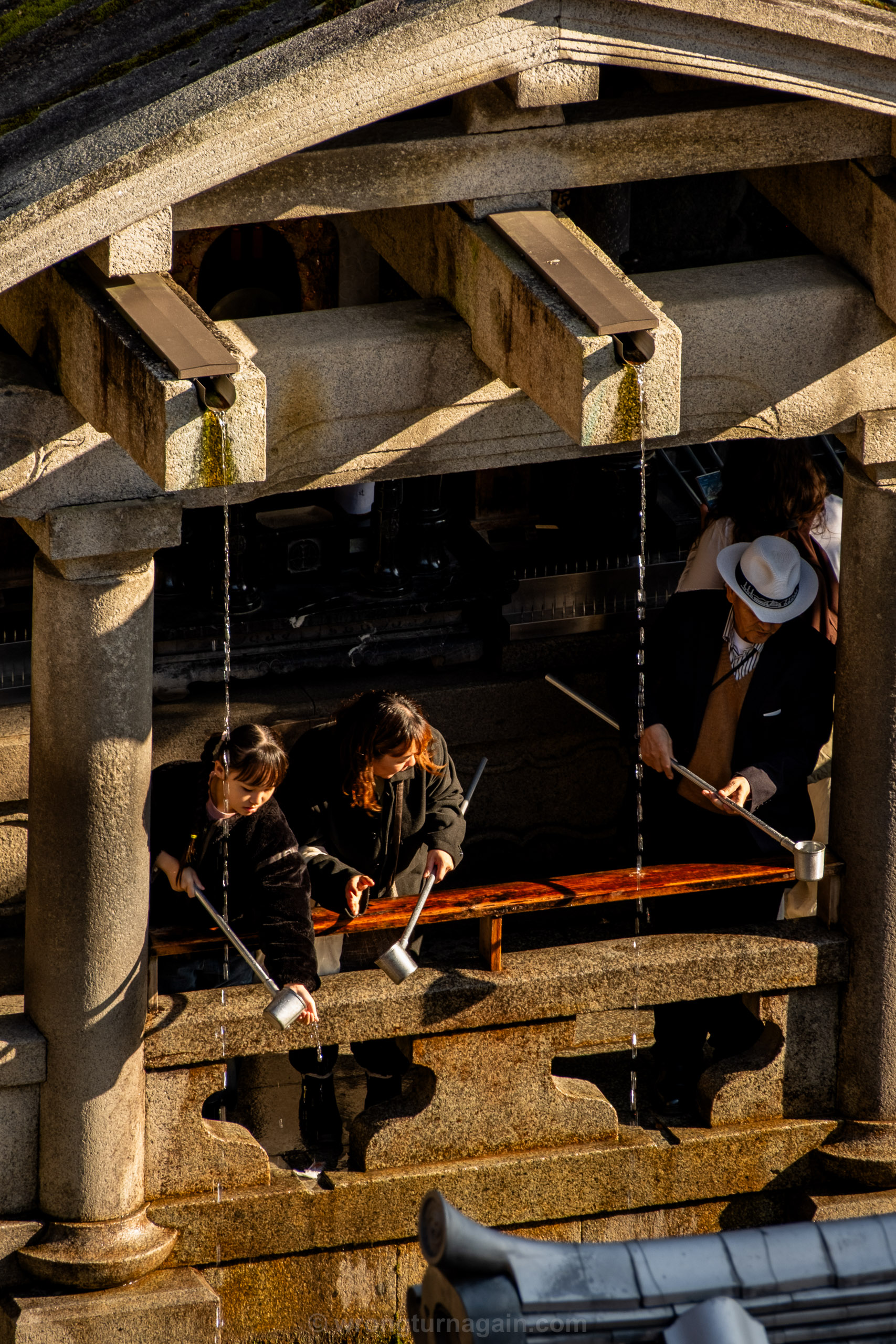
Below the main hall lies the waterfall that gave the temple its name. Visitors line up to catch the water in long ladles from three separate streams. Be sure to choose wisely, as each stream grants a specific benefit: longevity, academic success, or a fortunate love life.
5. Pontocho Alley: Nightlife by the River
As dusk falls over Kyoto, cross the Shijo Bridge from Gion to discover Pontocho, one of Kyoto’s five hanamachi (Geisha districts). Running parallel to the Kamo River for about 500 meters, this narrow, lantern-lit alley is where the old capital comes alive at night.
The alley is so narrow that cars cannot pass, creating an intimate, cinematic atmosphere illuminated by the glow of red paper lanterns and preserved wooden machiya architecture. Walking here feels like stepping onto a movie set of old Japan.
The Dining Scene
While it retains its historical look, Pontocho is best known today as a vibrant culinary destination. Behind the wooden lattices and hidden sliding doors, you will find a staggering variety of dining options.
The beauty of Pontocho is its diversity: venues range from smoky, inexpensive yakitori stands and casual izakaya (pubs) to high-end kaiseki restaurants and modern fusion bistros. It is the perfect place to go “bar hopping” and taste local sake in spaces that ooze character.
Kawayuka: The Summer Tradition
If you visit between May and September, Pontocho transforms. Restaurants on the eastern side of the alley build temporary wooden decks—known as Kawayuka (or Kawadoko)—that extend out over the flowing waters of the Kamo River.
This tradition, dating back to the 17th century, was designed to beat the humid Kyoto summer. Dining al fresco on these stilts, with the cool breeze from the river and the city lights reflecting on the water, is one of the quintessential experiences of a Japanese summer.
Dining on the river decks is incredibly popular. For dinner, reservations are essential, especially on weekends. Be aware that many restaurants charge a table fee or require a dedicated “Kawayuka Course” menu. For a budget-friendly alternative, some cafes (like the Starbucks at Sanjo Bridge) offer decks at a fraction of the price during the day.
6. The Philosopher’s Path & Its Temples
One of the most serene experiences in Kyoto is walking the Philosopher’s Path (Tetsugaku no Michi), a 2km stone path that follows a canal lined with cherry trees. Named after the philosopher Nishida Kitaro who used to meditate here daily, the walk takes about 30–40 minutes but connects three magnificent temple complexes worth exploring.
Starts at Ginkaku-ji (Ginkakuji-michi stop, bus 5 or 100) or conversely from Nanzen-ji (Keage stop, Tozai line).
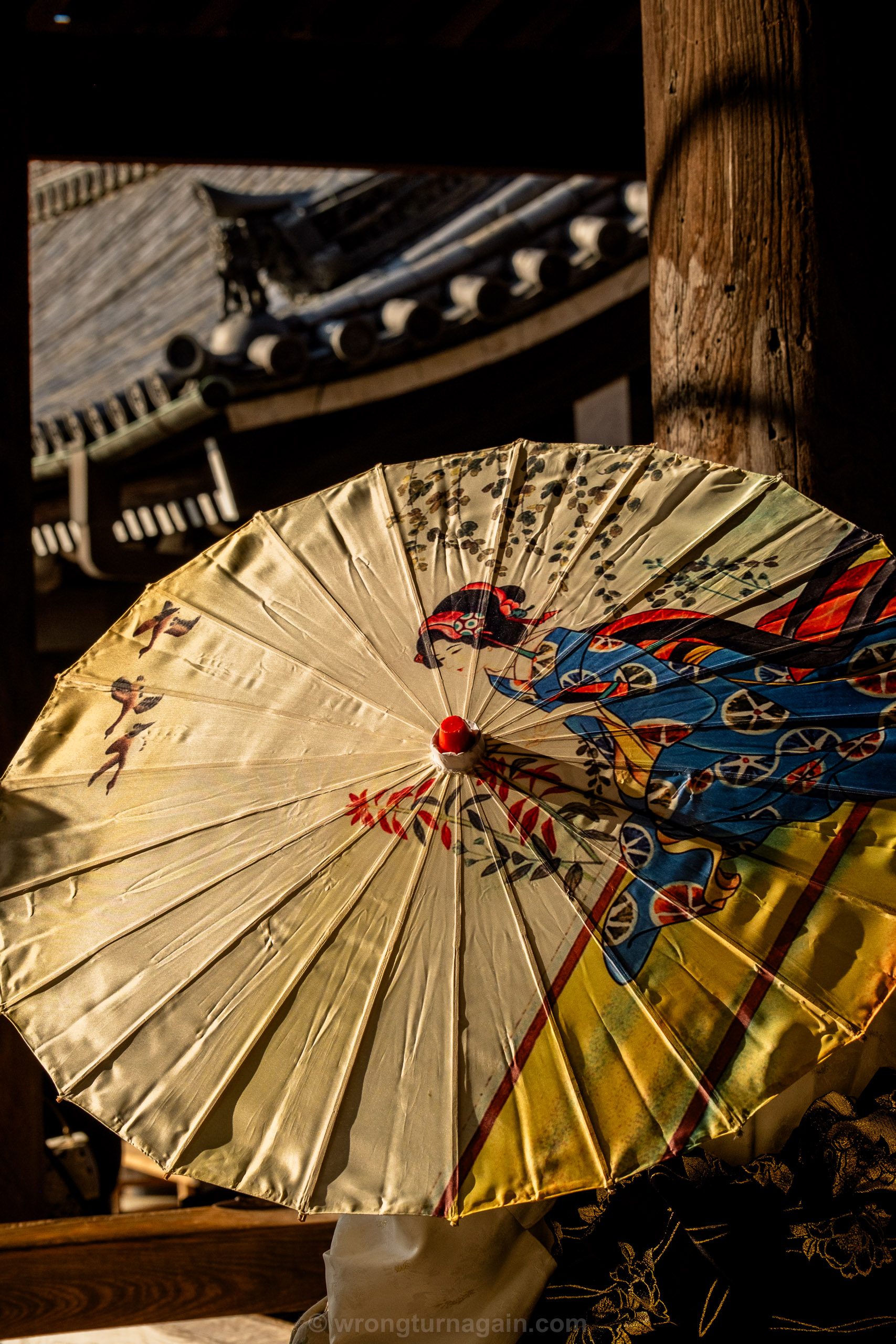
Ginkaku-ji (The Silver Pavilion)
Located at the northern start of the path, this Zen temple is the epitome of wabi-sabi (finding beauty in simplicity). Modeled after the Golden Pavilion (Kinkaku-ji), it was built in 1482 as a shogun’s retirement villa.
Today, visitors follow a circular route that winds through the meticulously raked “Sea of Silver Sand” (including the iconic moon-viewing cone) and climbs up through a lush moss garden, offering a panoramic view of the pavilion against the city backdrop.
Despite its name, the Silver Pavilion was never actually covered in silver foil. The name likely arose later to contrast it with the Golden Pavilion, or perhaps because of the way the moon reflected on its dark lacquered wood.
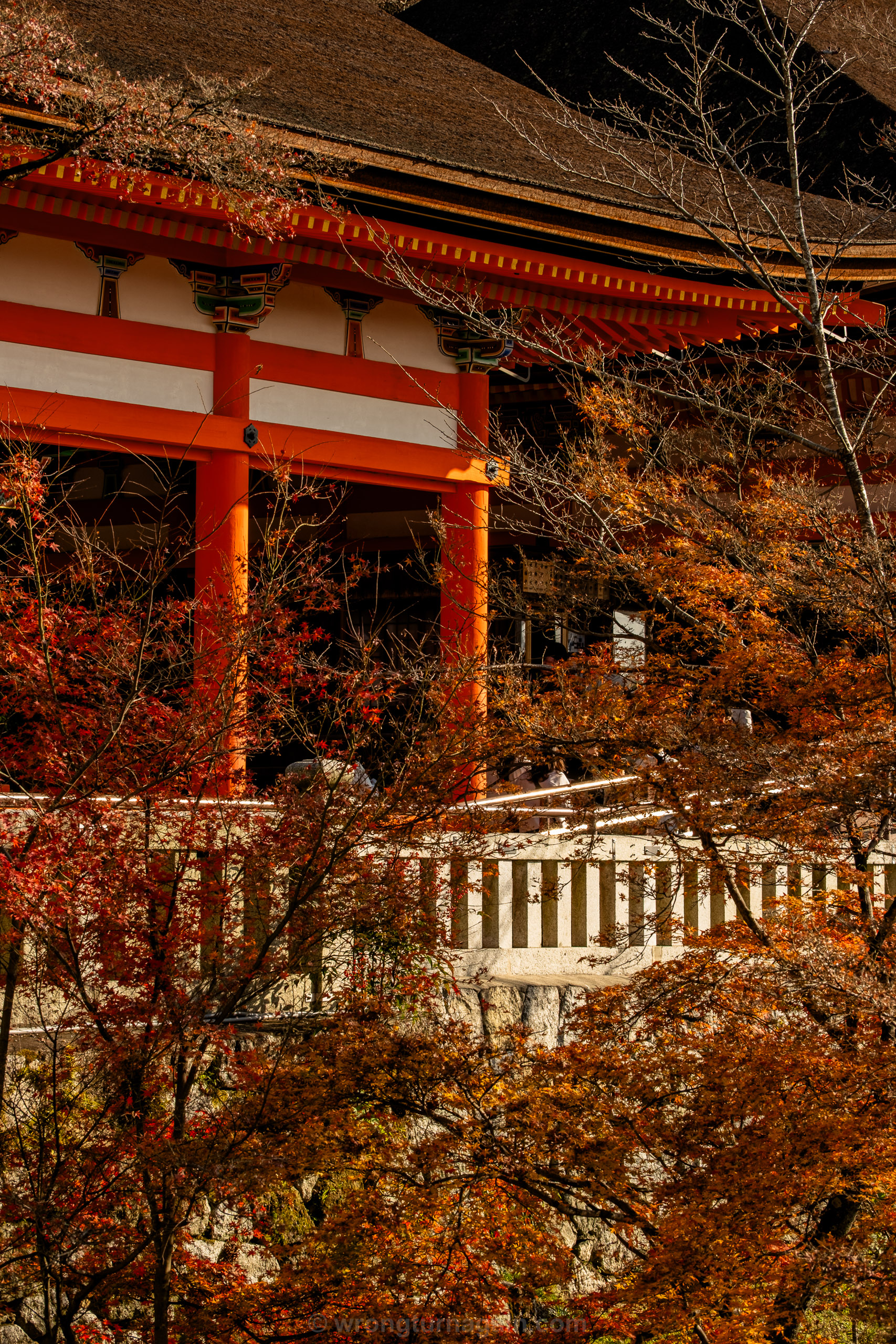
Eikan-dō Temple
Continuing south along the path, you reach Eikan-dō. While often overlooked by hasty tourists, it is a hidden gem famous for its “Mikaeri Amida” statue—a rare Buddha looking back over his shoulder, symbolizing compassion for those lagging behind. It is arguably the No.1 spot in Kyoto for autumn colors (Nov), when its maple trees turn fiery red and the temple is illuminated at night.
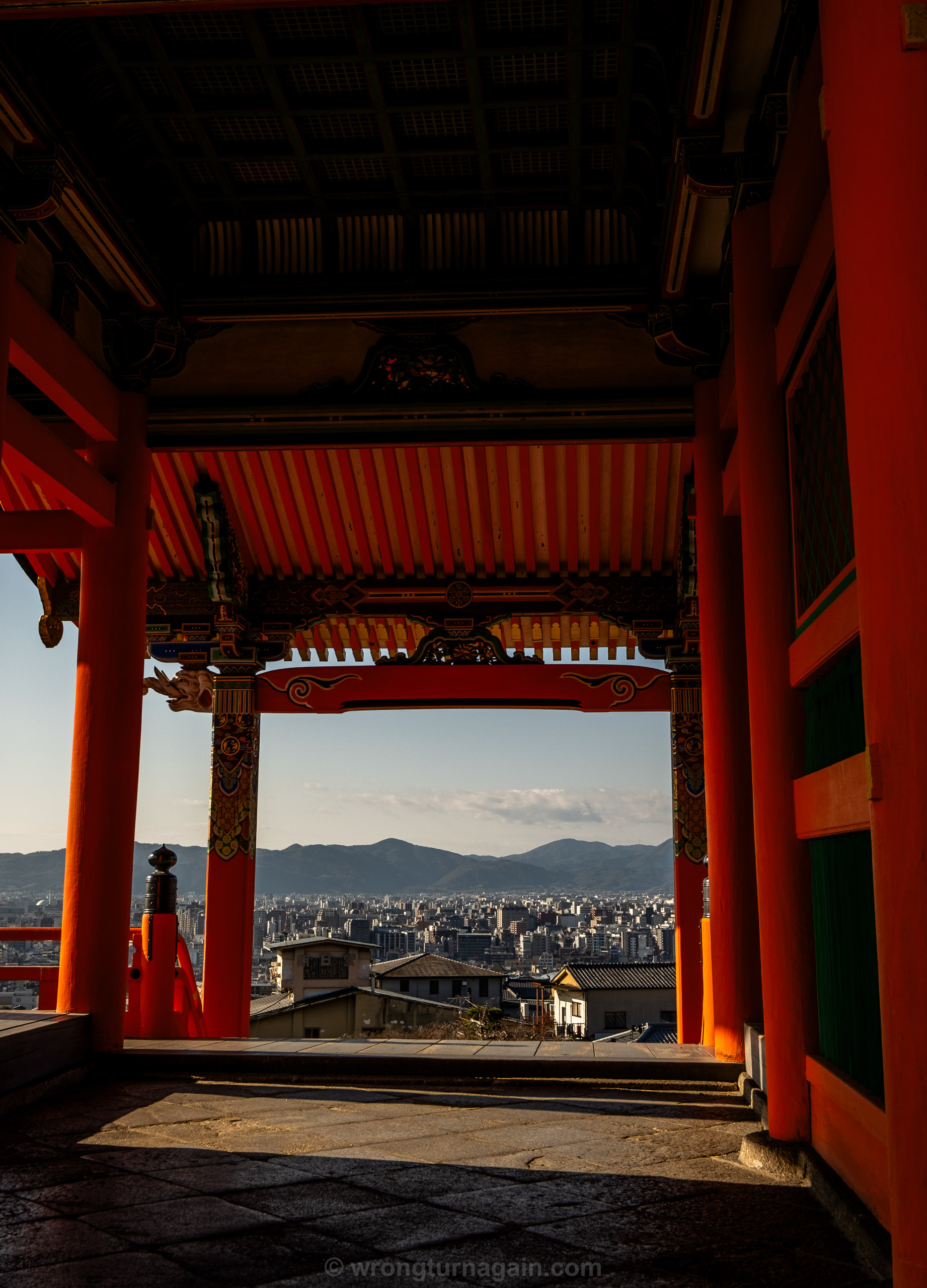
Nanzen-ji Temple
The path ends near the massive grounds of Nanzen-ji, a head temple of Rinzai Zen Buddhism. The scale here is impressive, dominated by the colossal 22-meter-tall Sanmon Gate, which you can climb for a view over the tree canopy.
Don’t miss the Suirokaku Aqueduct, a red brick arched bridge built in 1890 to carry water from Lake Biwa. It is a strange but beautiful sight—a piece of European industrial revolution architecture standing right inside a Zen temple.
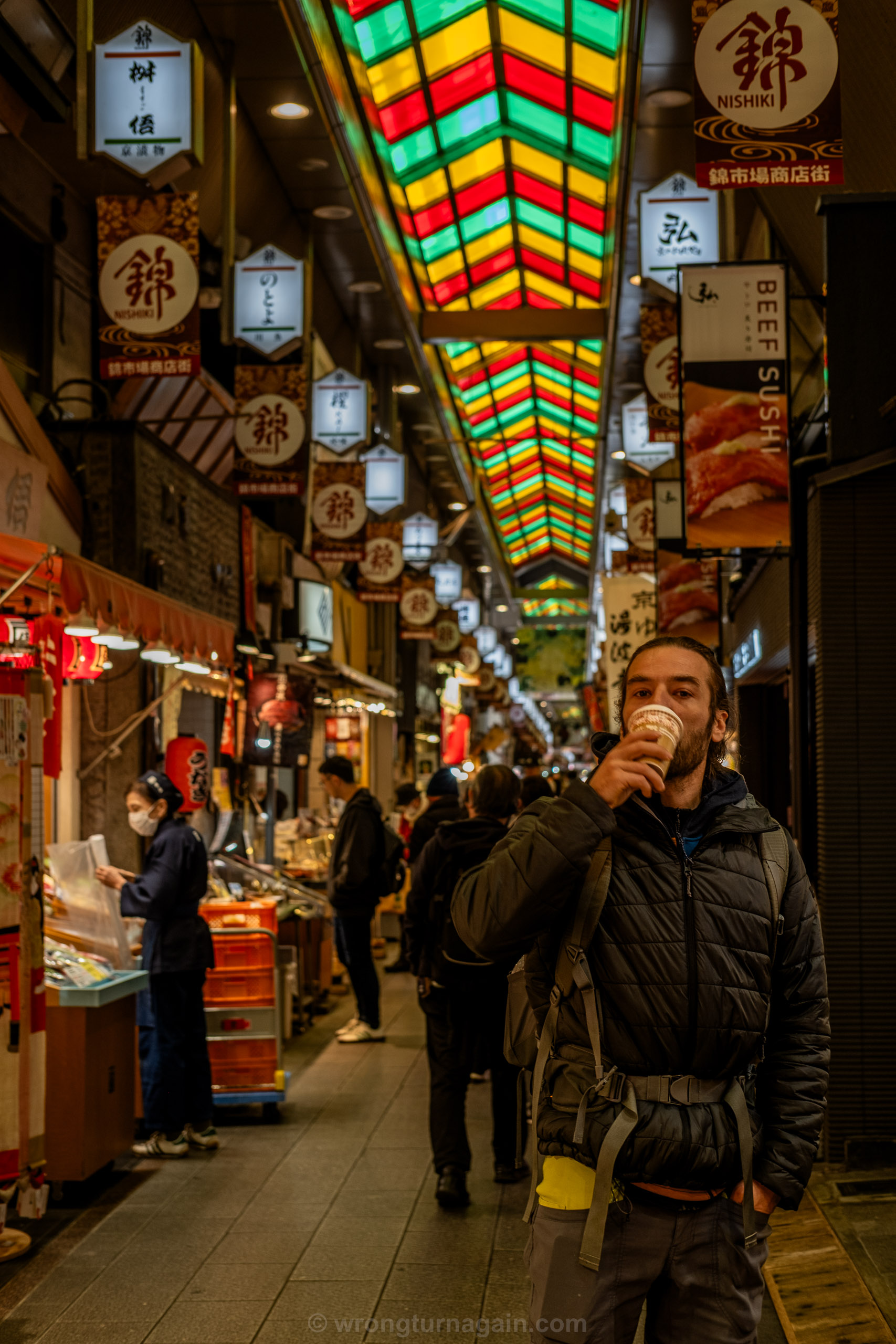
7. Nishiki Market
Known locally as “Kyoto’s Kitchen,” Nishiki Market is a narrow, covered shopping street stretching five blocks through the center of town. Its roots go back to 1310 as a wholesale fish market, later evolving into the city’s main pantry supplying fresh ingredients to temples, aristocratic households, and restaurants.
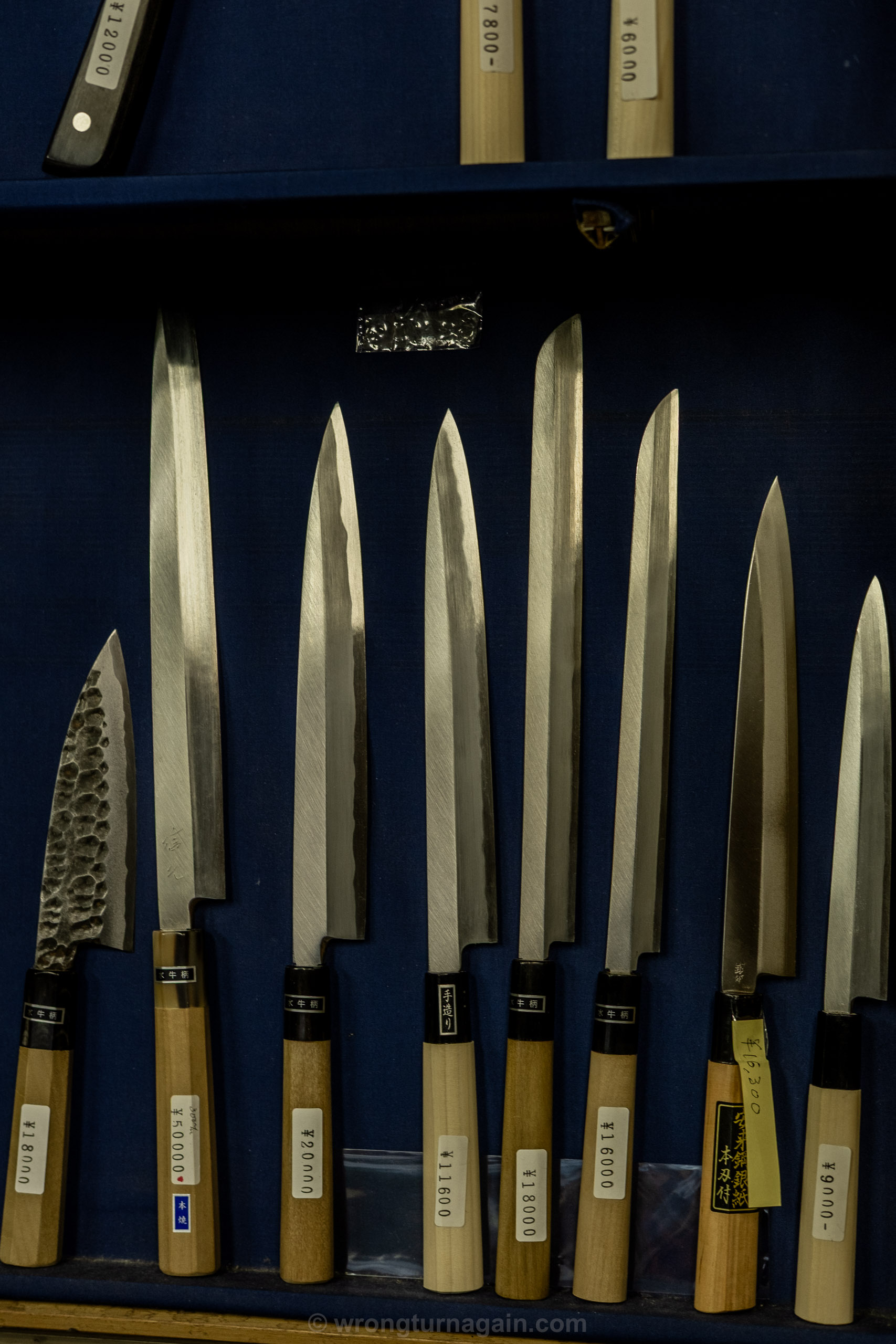
Today, the arcade is lined with over 130 shops—many family-run for centuries. It is the best place to sample Kyoto’s culinary staples, such as tsukemono (pickles), fresh tofu, the famous tako-tamago (grilled octopus stuffed with a quail egg), and matcha sweets. Beyond food, look out for specialist shops selling high-quality cookware and the renowned Kyoto-style knives (Kyo-hōchō).
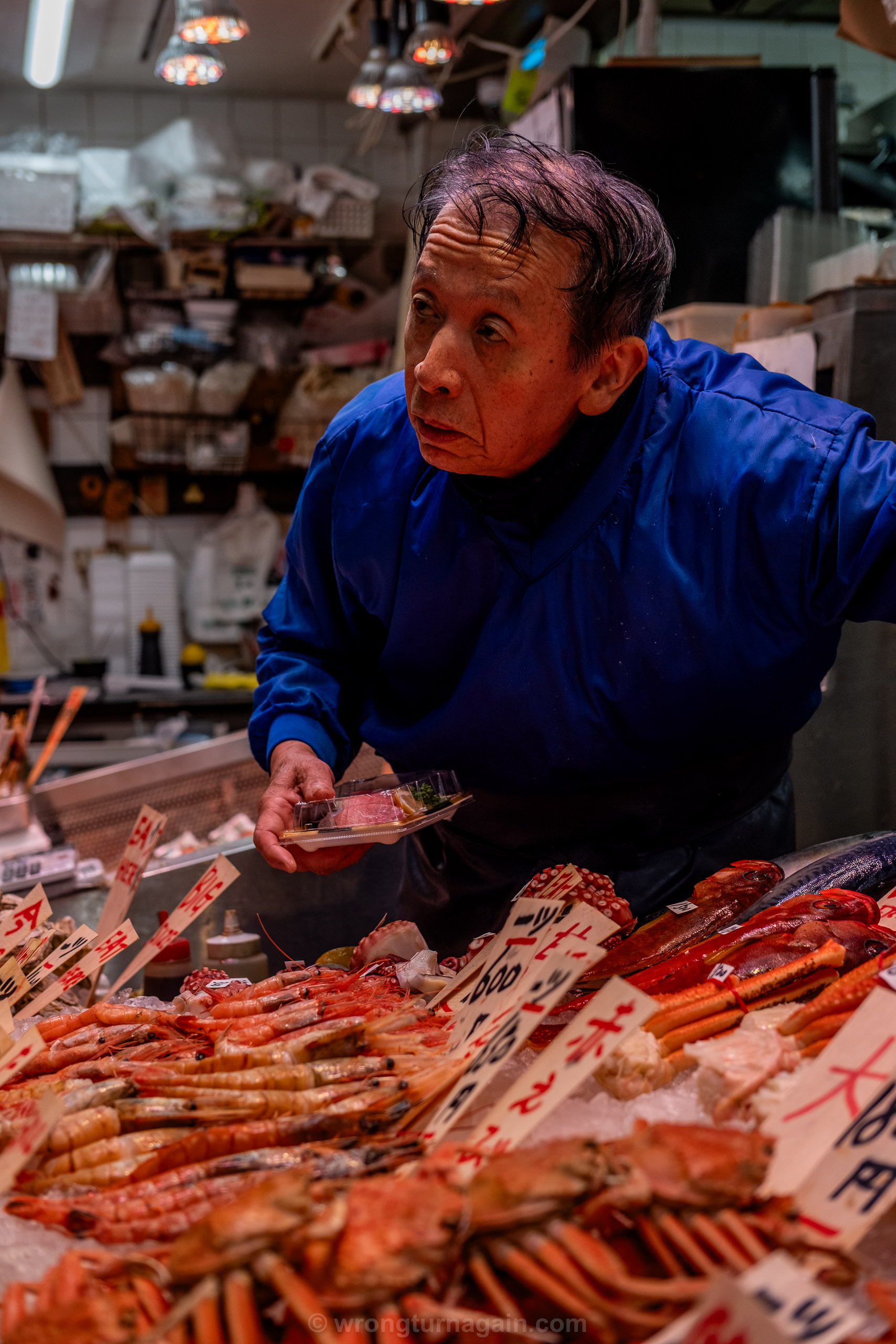
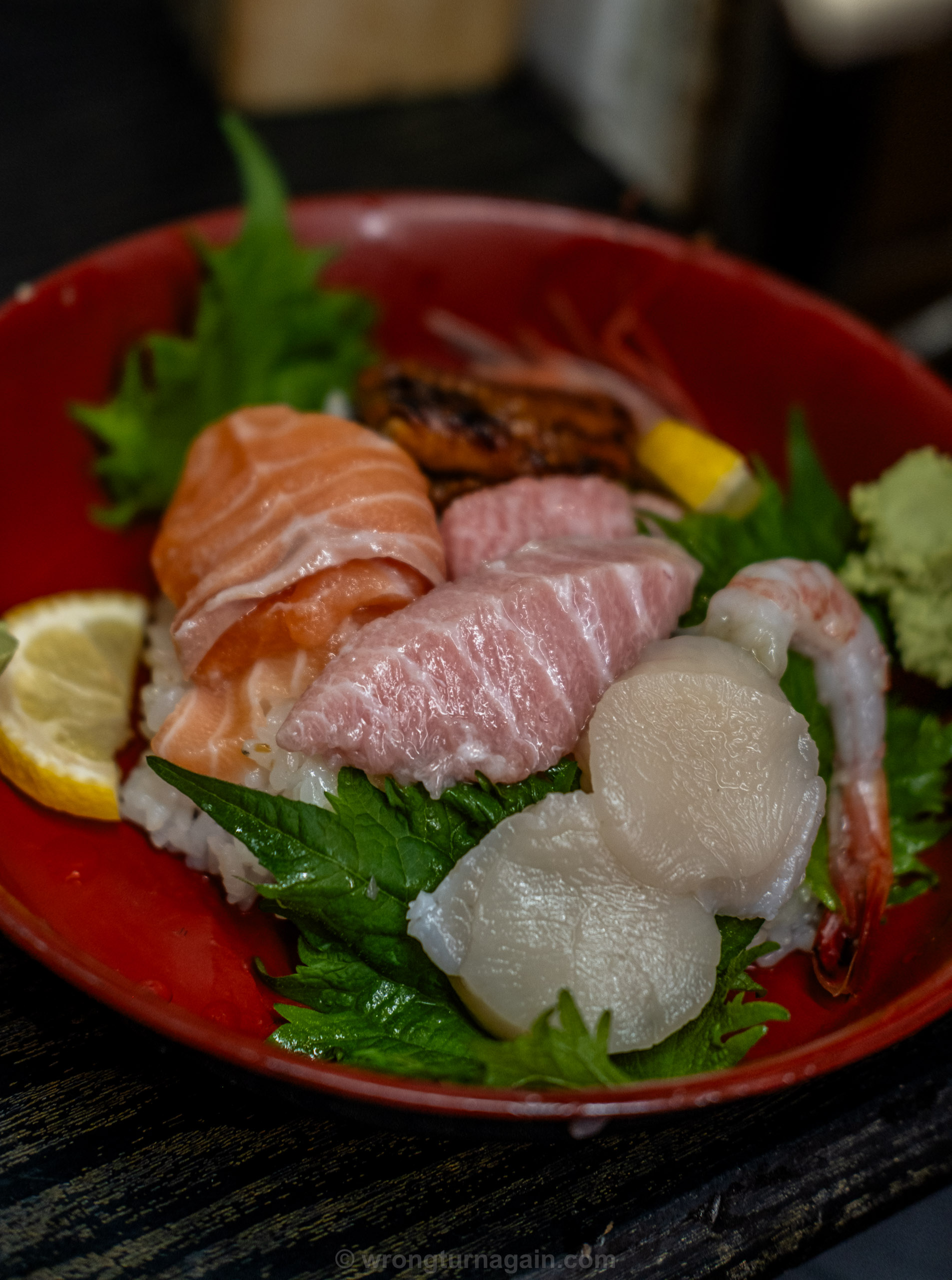
Nishiki can get incredibly crowded. To keep the flow moving and the floor clean, there is a strict local rule: Do not eat while walking. Please finish your snack standing in front of the shop where you bought it before moving on.
8. Kinkaku-ji (The Golden Pavilion)
If there is one image that captures the splendor of Kyoto, it is the shimmering reflection of Kinkaku-ji in the Mirror Pond. Officially known as Rokuon-ji, this UNESCO World Heritage Site is arguably the city’s most iconic monument.
Originally built in 1397 as a retirement villa for Shogun Ashikaga Yoshimitsu, it was converted into a Zen temple after his death. The glittering structure you see today is a flawless 1955 reconstruction, as the original was tragically burned down by a novice monk in 1950—a dramatic event that inspired Yukio Mishima’s masterpiece novel, The Temple of the Golden Pavilion.
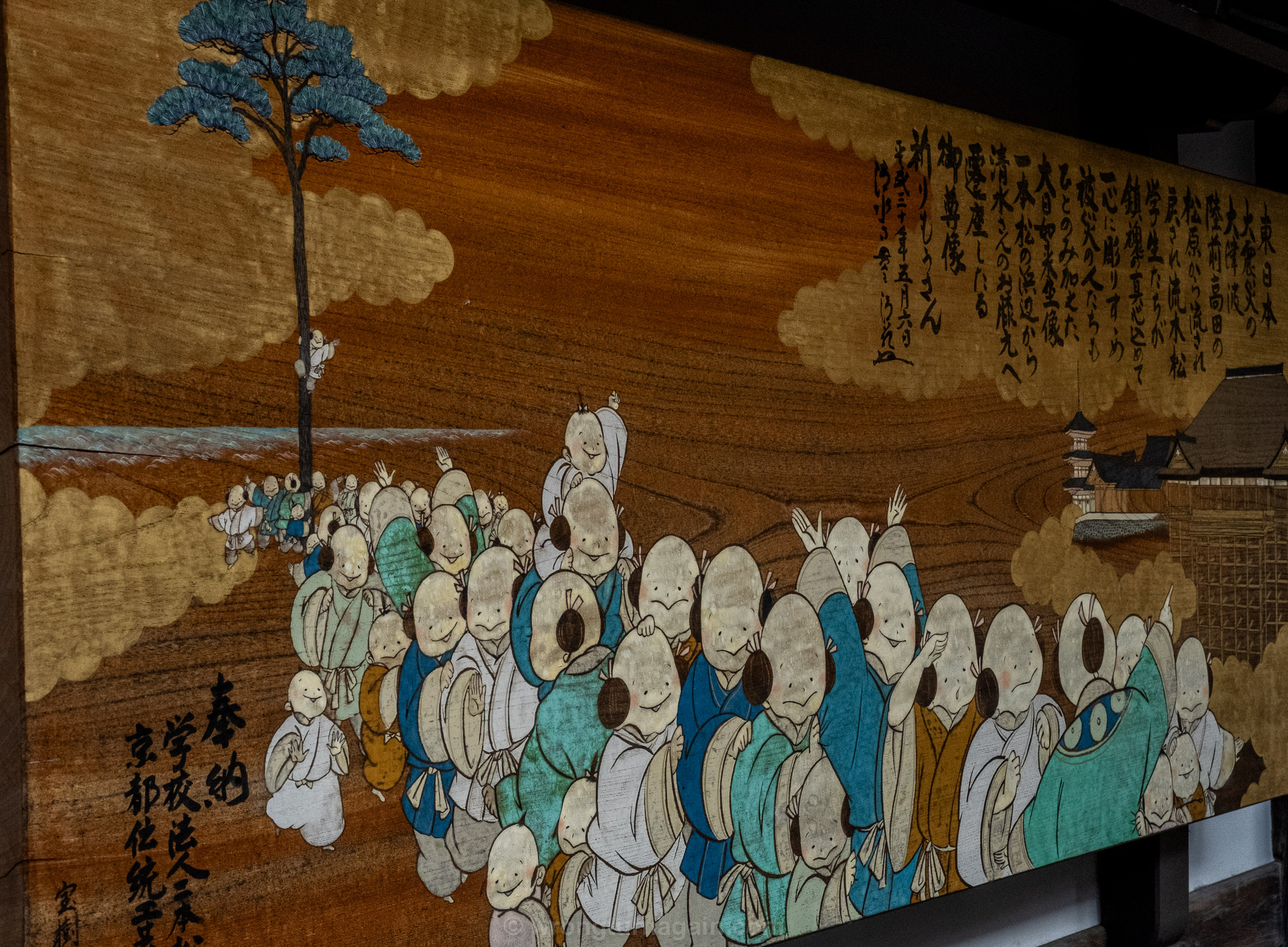
This is one of the most crowded spots in Japan. The classic photo of the pavilion across the pond is taken right near the entrance. It looks best in the morning sunlight when the gold glitters brilliantly, or on a windless day when the reflection in the pond is perfect.
The top two floors are completely covered in gold leaf, topped by a bronze phoenix. The design is a unique architectural fusion: the first floor evokes 11th-century palace aristocracy, the second mimics a samurai residence, and the third is built in the Zen style. The path winds through a pristine walking garden, passing the Kyōko-chi (Mirror Pond) and leading uphill to the Sekka-tei teahouse.
Kinkaku-ji is located in northwest Kyoto, an area not directly served by the subway. To get there directly from Kyoto Station, take City Bus #101 or #205 to Kinkaku-ji-michi (approx. 40 min). Alternatively, take the subway to Kitaoji Station (Karasuma Line), then transfer to bus #101, #102, #204, or #205 (10 min).
9. Nijō Castle
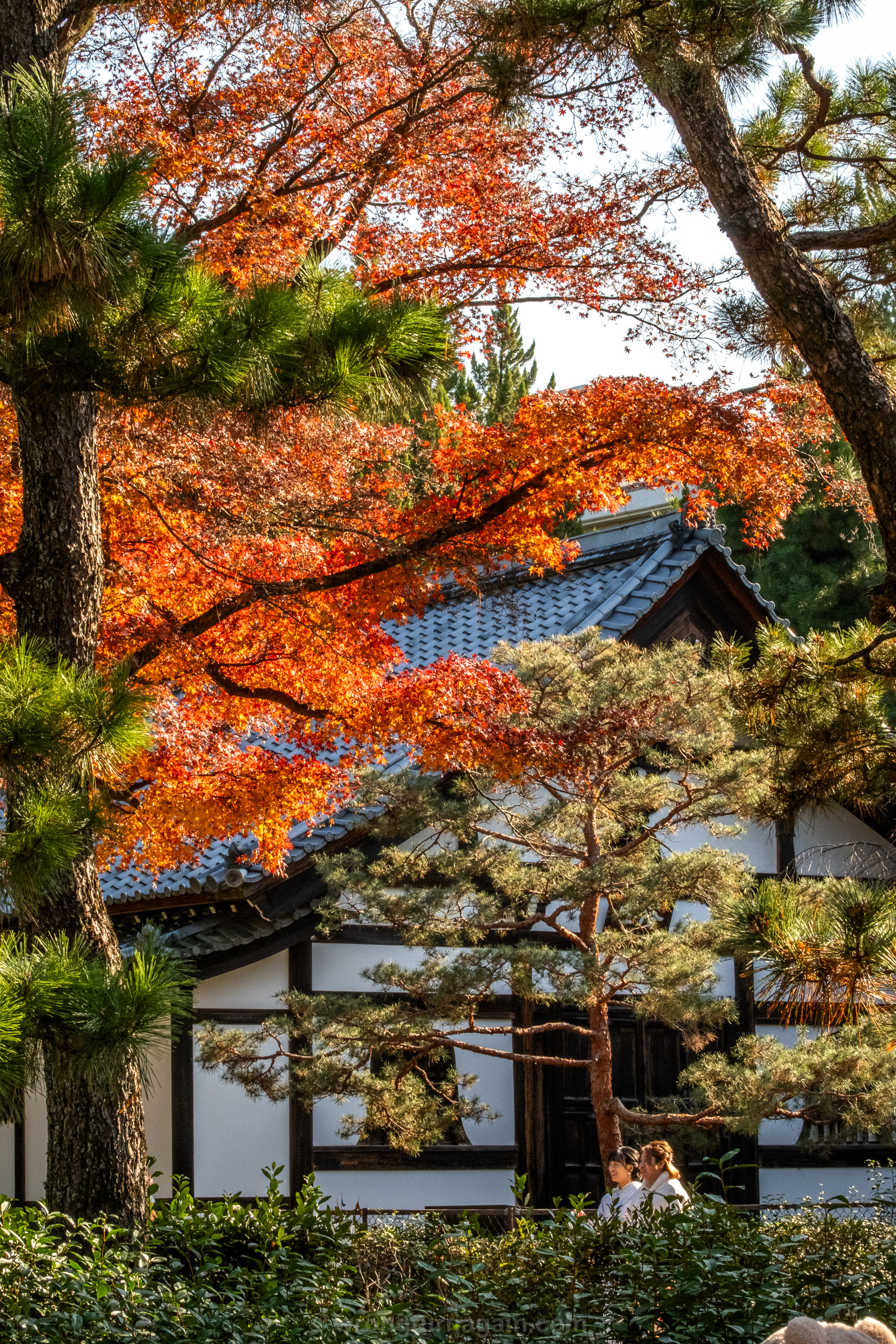
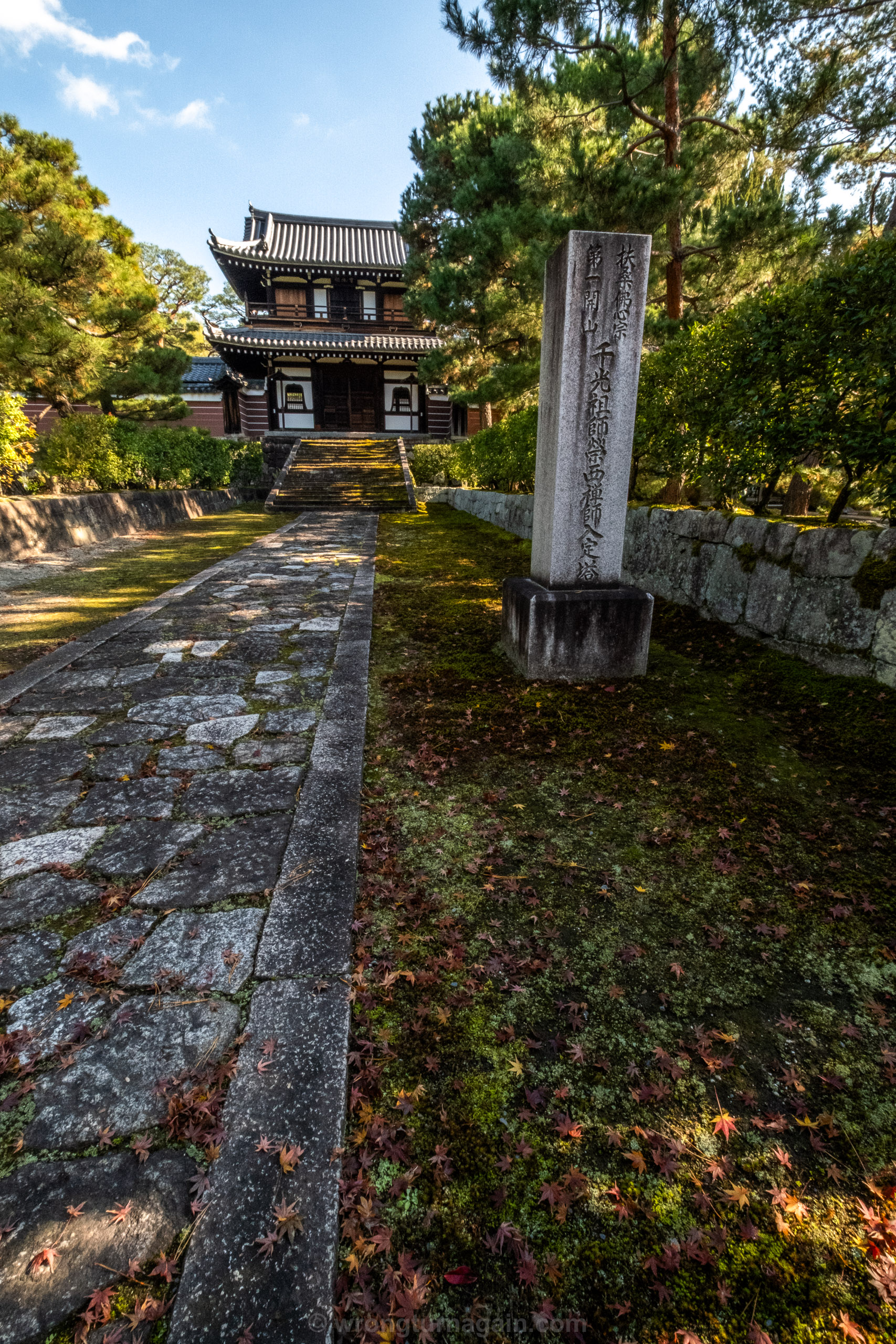
Unlike the austere Zen temples or the Emperor’s palace, Nijō Castle was built to impress and intimidate. Constructed in 1603, it served as the Kyoto residence of Tokugawa Ieyasu, the first shogun of the Edo period. It is a stunning display of power, surrounded by massive stone walls and double moats.
The complex is divided into two main circles of defense: the Honmaru (main circle) and the Ninomaru Palace. The latter is the highlight of the visit—a sprawling wooden structure where the Shogun met feudal lords. Walking through its corridors, you can admire the original fusuma-e (sliding doors) painted by the Kano school, featuring dramatic tigers, pine trees, and cherry blossoms on gold leaf.
As you walk through the Ninomaru Palace, you will hear the floorboards squeak like birds chirping. These are the famous “Nightingale Floors” (uguisubari). They were not a construction defect, but a brilliant medieval security system designed to warn the Shogun’s guards of any intruders—or ninjas—sneaking in the hallways.
10. Take a Day Trip Beyond Kyoto
Kyoto is the perfect base for exploring the Kansai region. If you have a few extra days in your itinerary, hop on a train to explore these three unmissable destinations.
Nara Park
Just a 45-minute train ride from Kyoto lies Nara, Japan’s first permanent capital. The city is famous for two things: the colossal Great Buddha (Daibutsu) inside the Tōdai-ji Temple, and the 1,200 wild Sika deer that roam freely in the park. These deer are considered sacred messengers of the gods and are surprisingly polite—they will actually bow to you in exchange for a cracker!

Planning a visit to the deer park? Read our complete guide on Day Trip to Nara: Top Things to Do.
Koyasan
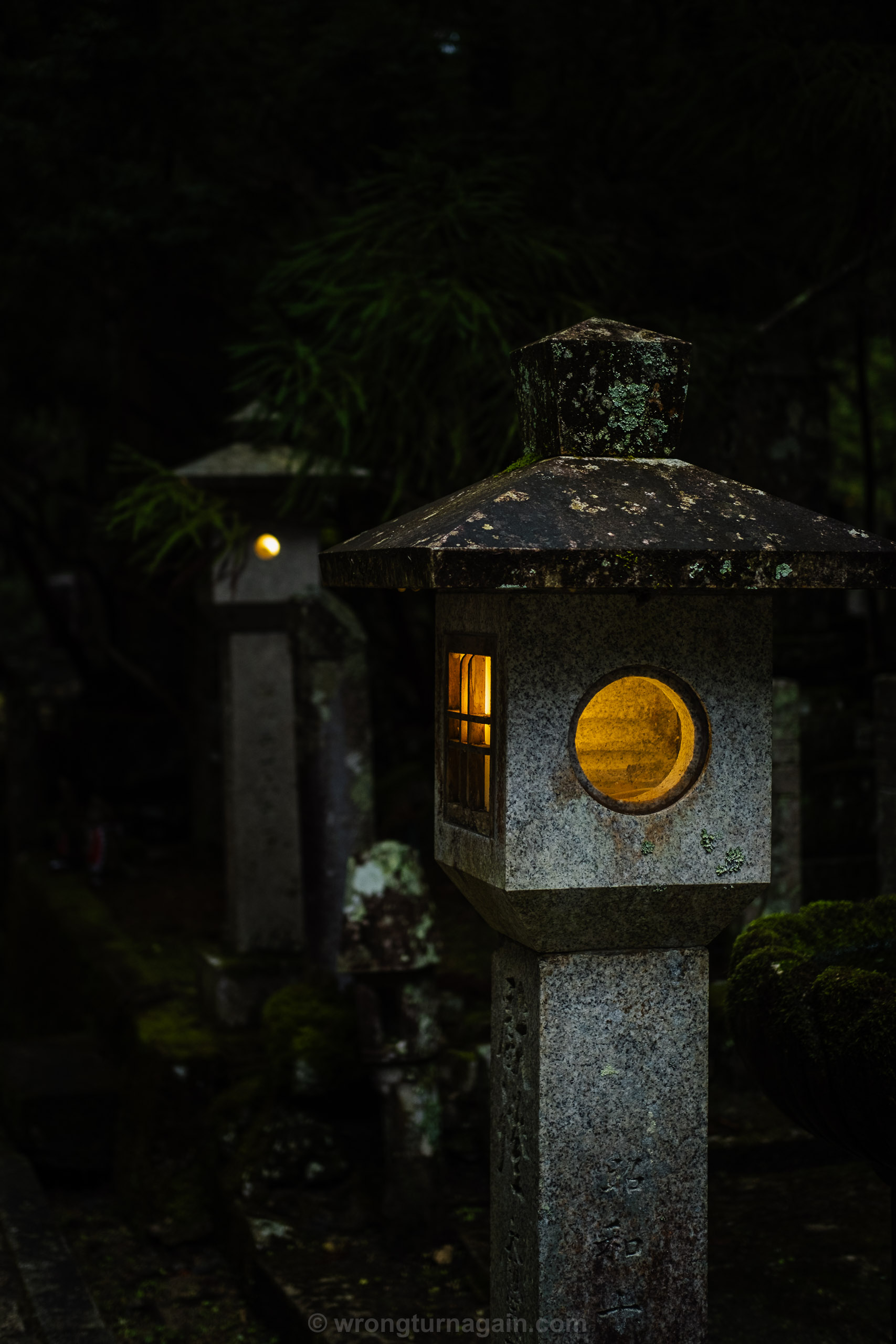
For a deeper spiritual experience, head into the mountains of Wakayama to Mount Koya, the headquarters of Shingon Buddhism. This secluded temple town feels worlds apart from modern Japan. The highlight is walking through the ethereal Okunoin Cemetery, where moss-covered stupas sit beneath ancient cedar trees. It is also the best place to experience a Shukubo (temple stay), where you can sleep on tatami mats and eat vegetarian monk cuisine (shojin ryori).
Want to stay at a temple? Check out our guide to Koyasan: A Guide to Temple Stays & Okunoin.
Arashiyama Bamboo Forest
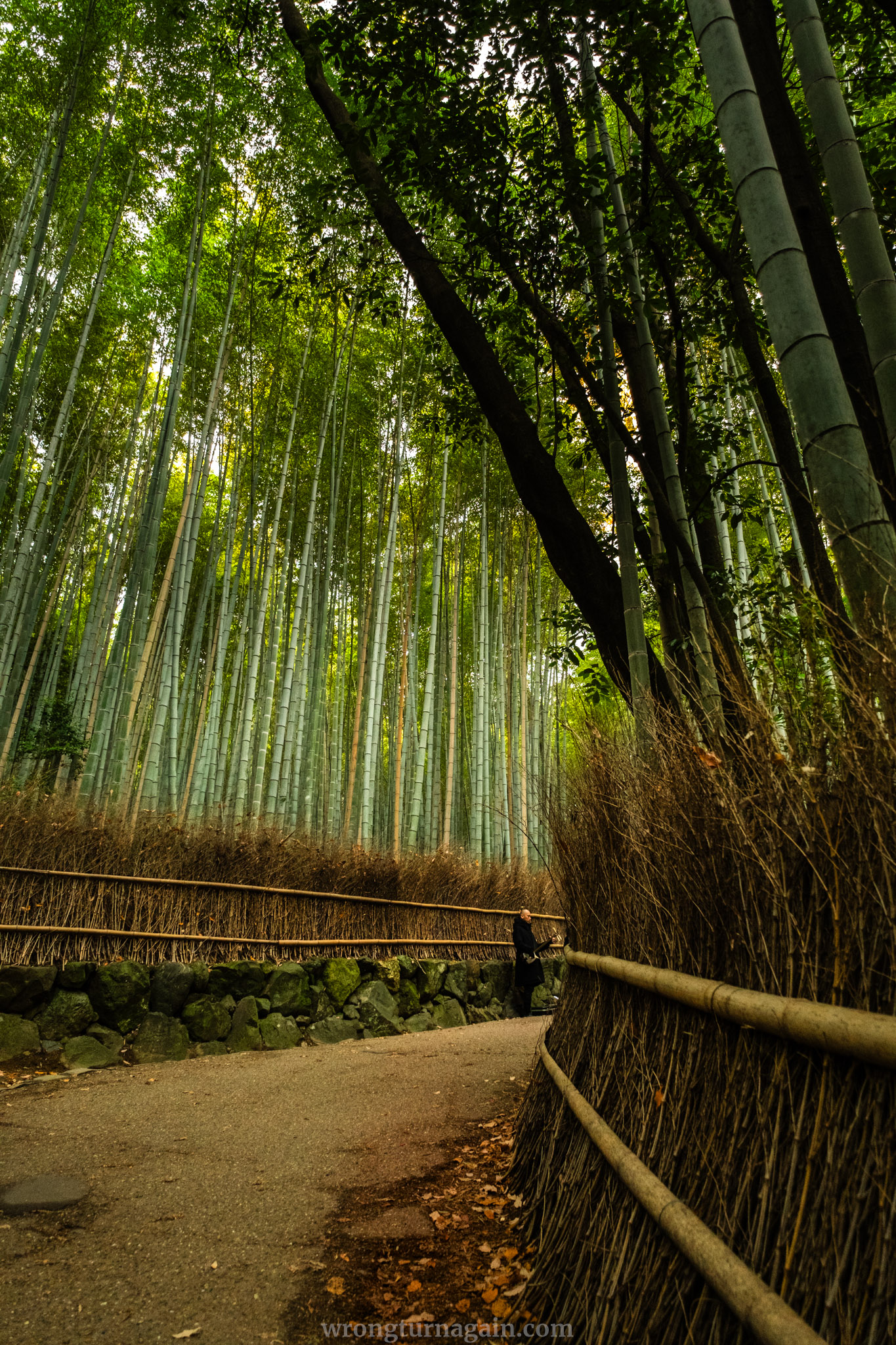
Located on the western outskirts of Kyoto, Arashiyama is famous for its soaring Bamboo Grove. Walking through the towering green stalks as they sway and rustle in the wind is an otherworldly experience. While the grove is the main draw, the area also hosts the magnificent Tenryu-ji Temple and the Iwatayama Monkey Park, offering sweeping views over the city.
How to beat the crowds in the bamboo forest? See our full guide: Arashiyama & The Bamboo Grove.
How to Get to Kyoto
Although Kyoto lacks its own airport, it remains the beating heart of Japan’s travel network. Sitting directly on the Tokaido Shinkansen line, the ancient capital is arguably the most accessible city in the country—just a seamless high-speed train ride away from Tokyo or Osaka.
Here are the most efficient ways to reach the ancient capital depending on where you are starting your journey:
From Tokyo
The gold standard. The Nozomi is the fastest but requires a surcharge for pass holders. The Hikari is slightly slower (2h 40m) but fully covered by the JR Pass.
Buses depart from Tokyo Station or Shinjuku late at night. A good way to save on one night’s accommodation.
Traveling with large suitcases? If your bag’s total dimensions (L+W+H) exceed 160cm, you must reserve a seat with an “Oversized Baggage Area” before boarding to avoid a 1,000 JPY fine.
From Kansai Airport (KIX)
The only direct train to Kyoto Station. Look for the white “Hello Kitty” trains.
Drops you directly at Kyoto Station (Hachijo Exit) or major hotels. Best if you have heavy bags.
From Osaka
Avoid the Shinkansen (overpriced for this distance). The Special Rapid is a fast commuter train.
Depart from Osaka-Umeda. Skips Kyoto Station and drops you in the heart of the city (Kawaramachi).
Connects Yodoyabashi (Osaka) to Eastern Kyoto. Best for Fushimi Inari or Higashiyama.
Getting Around Kyoto
Kyoto is laid out in a straightforward grid pattern, making it geographically easy to understand. However, unlike Tokyo, its train network is not as dense, and the city relies heavily on buses. So be warned: Traffic jams in Kyoto are notorious, and buses are often overcrowded with tourists.
To save time, prioritize the Subway and Trains for long distances, and take a taxi or walk for the “last mile” to the temples. In historic districts like Higashiyama and Gion, transport is practically useless; the true magic lies in the narrow, pedestrian-only alleys. Pack your most comfortable shoes!
Planning a busy day? Buy the Subway & Bus One-Day Pass (¥1,100). It gives you unlimited rides on both networks and pays off if you take public transport just 4 times in a day. You can buy it at subway ticket machines or directly from bus drivers.
Ideal for North-South travel to bypass traffic. The Karasuma Line (Green) serves Kyoto Station and Downtown, while the Tozai Line (Red) connects Nijo Castle and Higashiyama. They intersect at Karasuma Oike station.
Necessary for reaching northern temples like Kinkaku-ji. Simply enter from the rear door and pay at the front upon exiting.
Warning: Avoid bringing large luggage as buses are often crowded.
Use these independent lines to bypass traffic for specific districts:
• Keihan Line for Fushimi Inari & Gion.
• Randen Tram for the scenic route to Arashiyama.
• Eizan Railway for Kibune & Kurama.
Excellent for short hops. While you can hail them on the street, using an app is safer for non-Japanese speakers to ensure the correct destination.
Kyoto is flat and bike-friendly, but street parking is prohibited. You must use designated lots.
Hand-picked for this trip
Where to Eat in Kyoto
Kyoto is widely regarded as the kitchen of Japan. While it is the birthplace of Kaiseki (traditional multi-course haute cuisine), the city’s gastronomic landscape offers far more than just expensive dinners. To truly eat like a local, you need to look beyond the street-level tourist traps. Here are our top picks:
Lunch & Dining
Cafes & Light Bites
The Hidden “Elevator” Bars
Some of Kyoto’s best nightlife isn’t found on the ground floor—you have to look up. In nightlife districts like Pontocho and Kiyamachi, many of the finest cocktail bars are hidden away on the 3rd, 4th, or 5th floors of non-descript buildings. These intimate spaces often seat only 8-10 people. In many of them, there is no menu. You simply tell the bartender (“The Master”) your preferred flavors or mood, and they will craft a bespoke cocktail just for you.
If you are traveling on a budget or need a quick breakfast, do not underestimate Japanese convenience stores (Konbini) like 7-Eleven, Lawson, or FamilyMart – the food here is fresh and high-quality. You can grab delicious Onigiri (rice balls), fluffy egg sandwiches (Tamago Sando), and surprisingly excellent iced coffee for a fraction of the price of a cafe.
Where to Stay in Kyoto
There is no single ‘best’ neighborhood in Kyoto, but your location will define your daily routine. Most travelers choose between the convenience of the Station, the historic charm of the East, or the liveliness of the city center. Here is how to choose the right one for you.
- Best for First Timers Downtown (Kawaramachi / Shijo): The heartbeat of the city. You are surrounded by hundreds of restaurants and Pontocho Alley. Crucially, you can walk to Gion in 10 minutes and have direct train lines to Arashiyama and Fushimi Inari.
- Logistics & Day Trips Kyoto Station Area: It lacks the “old world” charm—expect concrete and malls—but it is unbeatable for convenience. Stay here if you have early Shinkansens or plan multiple day trips to Osaka, Nara, and Hiroshima.
- Atmosphere & Romance Gion & Higashiyama: The Kyoto of your dreams with wooden houses and willow trees. Staying here allows you to enjoy the magic of the streets early in the morning before the tourist crowds arrive. Be aware that it is pricier.
Tired of generic hotels? Look for a “Machiya” rental. These are beautifully restored traditional wooden townhouses. It’s a unique experience to live on tatami mats, often with a private garden, right in the heart of the historic districts.

Our Top Kyoto Ryokan Picks
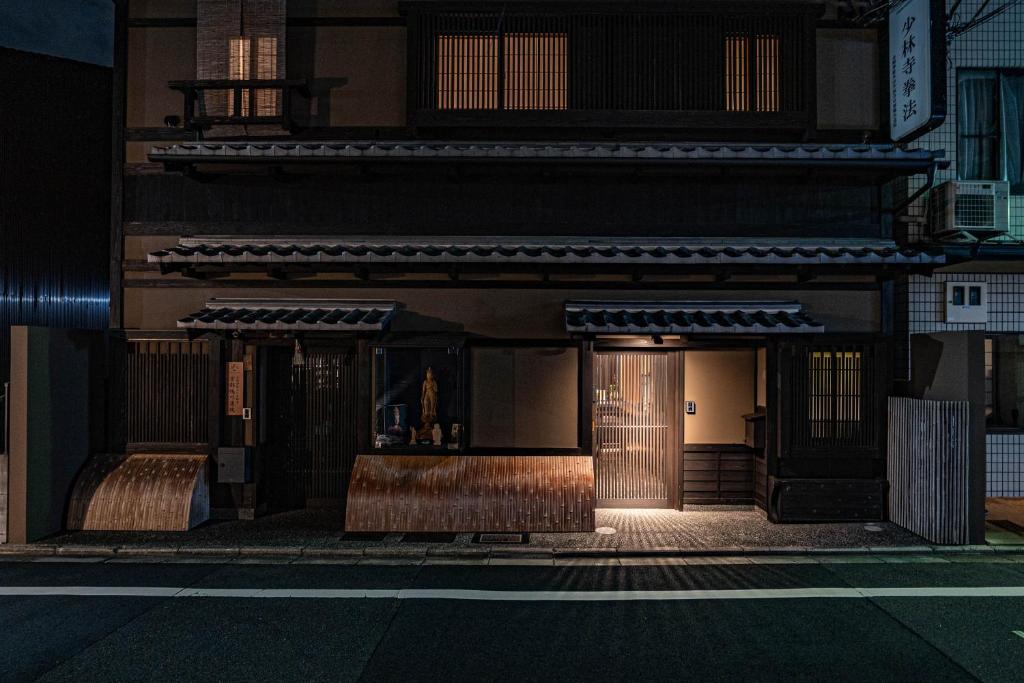 MUROMACHI YUTONE
An intimate 7-room ryokan serving incredible Kaiseki dinners. A quiet escape in the city center.
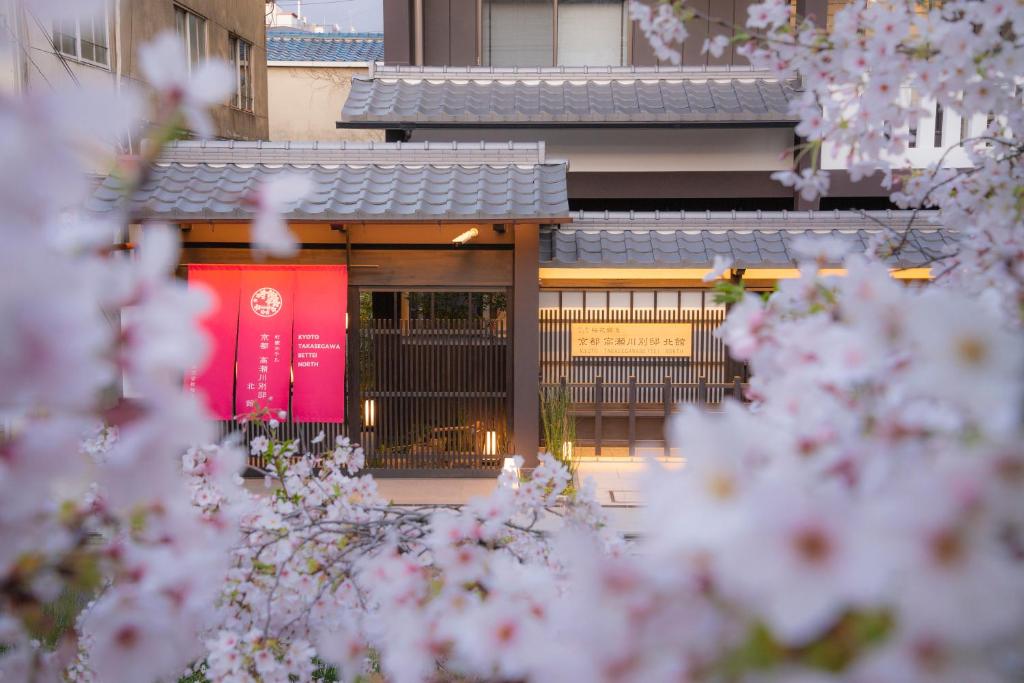 TAKASEGAWA BETTEI
Authentic Machiya-style rooms featuring private cedar baths overlooking the Takase River.
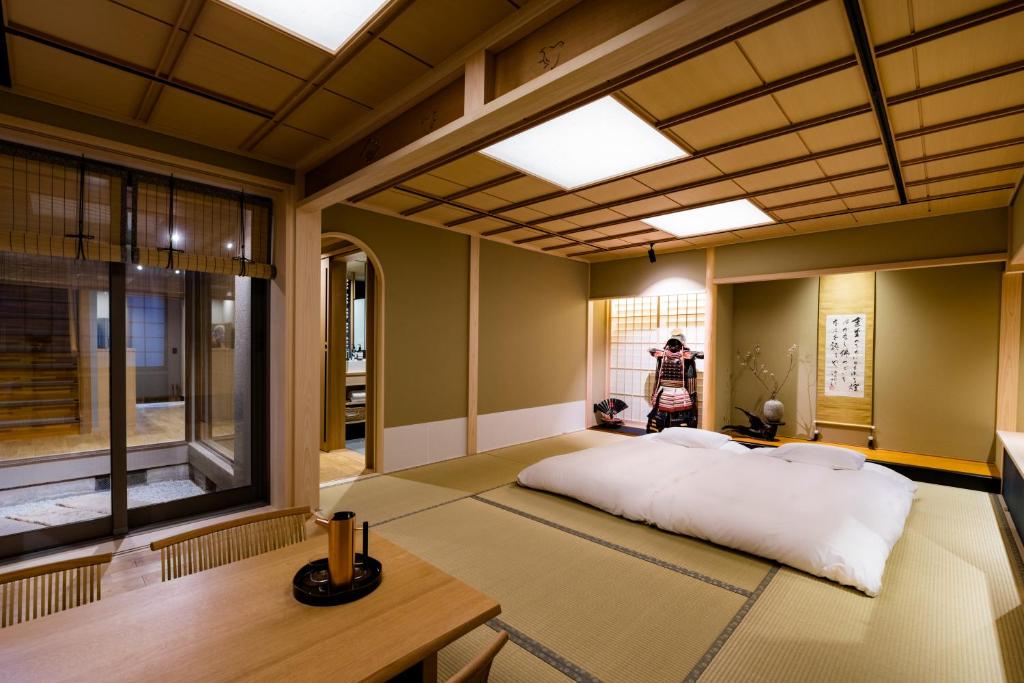 ISHIBEKOJI MUAN
Located on Kyoto’s most atmospheric alley. An adult-only ryokan for ultimate peace.
When to Visit Kyoto
Kyoto sits in a basin surrounded by mountains, which creates a distinct climate: summers are stiflingly hot and humid, while winters cut deep with a damp chill. Therefore, timing your visit is crucial not just for scenery, but for comfort.
The peak seasons are strictly defined by nature: Late March to early April (Cherry Blossoms) and mid-November (Autumn Foliage). While undeniably beautiful, expect exorbitant hotel prices and crushing crowds at major temples.
For the best balance, aim for the “shoulder seasons”: mid-May (lush green maples, pleasant temps) or late October (dry, crisp air before the November rush). Winter (Jan-Feb) is the best time for photographers seeking silence and solitude.
Key Festivals (Matsuri)
Kyoto’s calendar is packed with events, but three major festivals draw massive crowds. If you plan to visit during these dates, book accommodation at least 6 months in advance:
- MAY 15 Aoi Matsuri: A graceful procession recreating the Heian Imperial Court, dating back to the 6th century.
- JULY 17 & 24 Gion Matsuri: Japan’s most famous festival. Massive floats (Yamaboko) are paraded through the streets to appease the gods during the summer heat.
- OCTOBER 22 Jidai Matsuri: The “Festival of the Ages,” featuring a parade of authentic costumes representing every period of Kyoto’s 1000-year history.
How Long to Stay in Kyoto
Kyoto is not a day-trip destination. The major sights are spread out across the city. We highly recommend planning for at least 3 to 4 nights. This gives you enough time to explore Higashiyama, Arashiyama, and Fushimi Inari without rushing. If you plan to take day trips to Nara or Osaka, consider extending your stay to 5 nights.
Kyoto Budget Breakdown
Kyoto caters to all budgets, from backpackers to ultra-luxury travelers. Cash is still king in many smaller temples and family-run restaurants, so always carry Yen. Here is a breakdown of average daily costs per person.