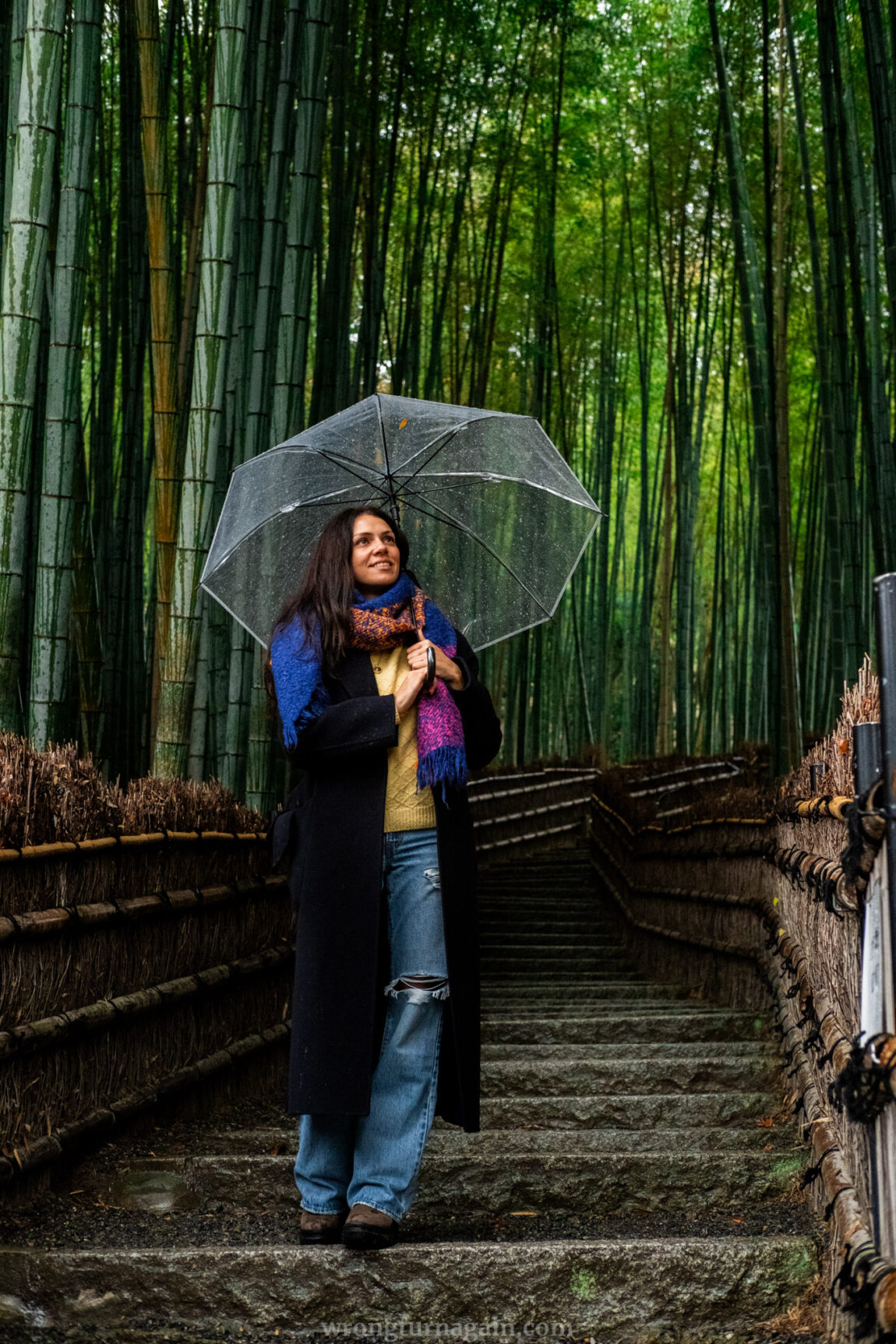
Located just 30 minutes from the city center of Kyoto, Arashiyama is where urban energy gives way to ancient nature. It’s a place where majestic mountains meet the river, and bamboo forests rise like green skyscrapers. Spend your day wandering beneath the towering bamboo, crossing the iconic Togetsukyo Bridge, exploring hidden Zen temples, or sipping authentic matcha at a riverside café. Whether you’re here for a quick day trip or a relaxing overnight stay, here are the best things to do in Arashiyama.
Inside this Guide
11 Unmissable Things to Do in Arashiyama
While central Kyoto charms with its narrow alleys and machiya-lined streets, Arashiyama brings a different, greener energy. Here, everything revolves around the water, the mountains, and a sense of deep tranquility. In fact, don’t be surprised if you feel like you’ve escaped civilization entirely!
The area is a study in contrasts—from the bustling shops near Togetsukyo Bridge to the silent, moss-covered temples tucked away in the forest. In the list below, we’ve curated the top things to do in Arashiyama, mixing absolute “must-sees” with our personal “hidden gems” to help you experience the full magic of the area.
1. Arashiyama Bamboo Forest
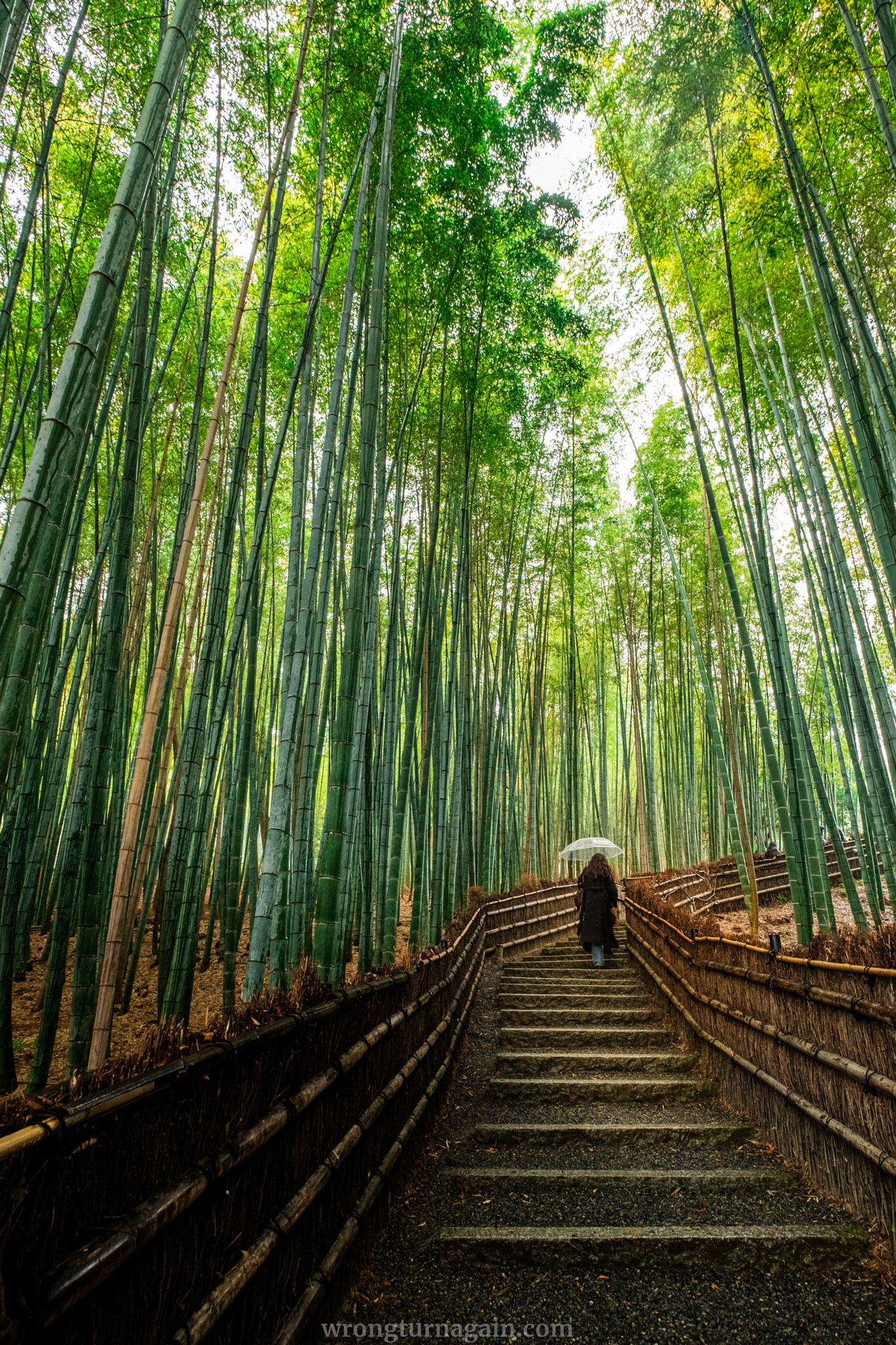
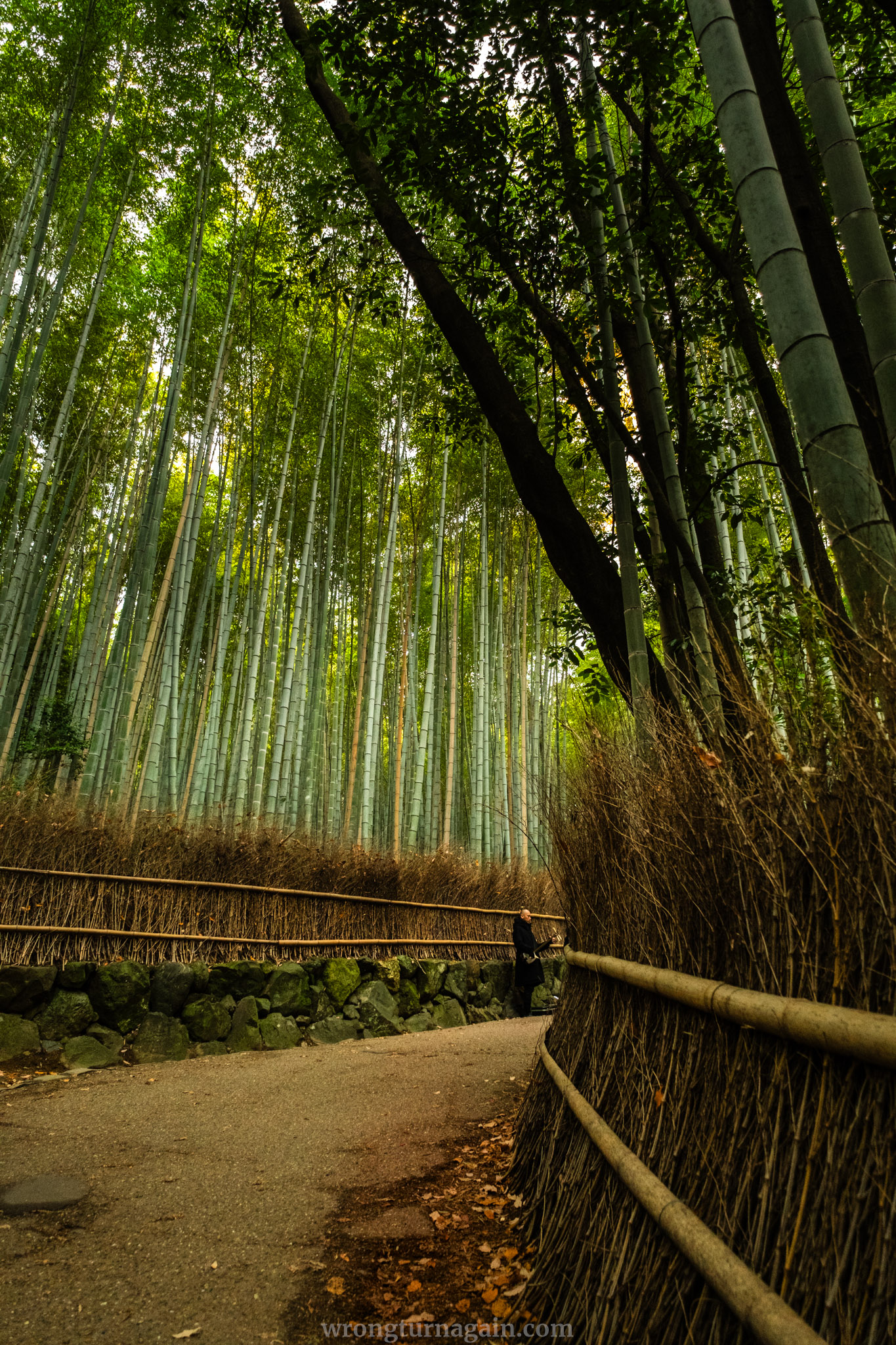
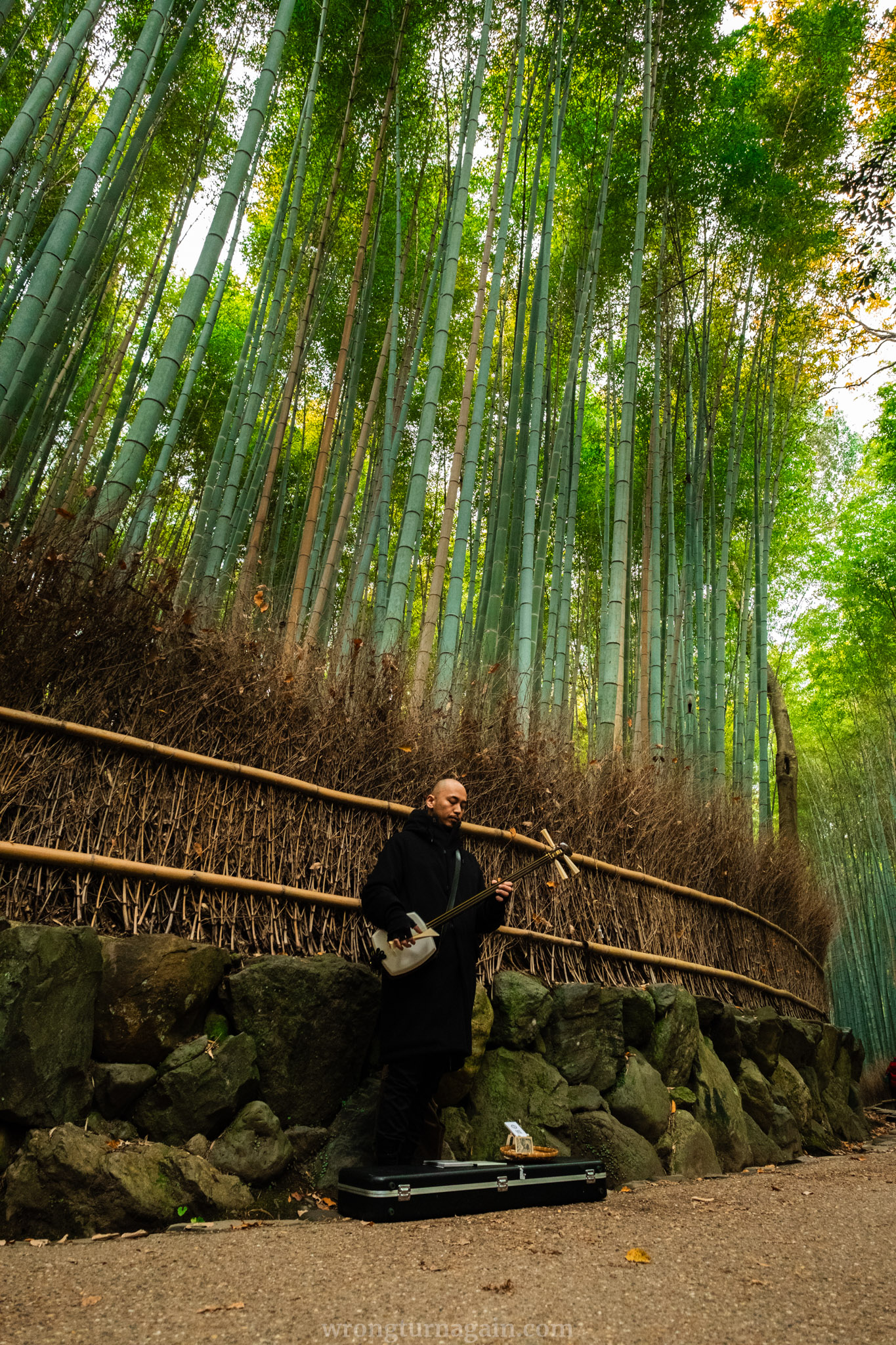
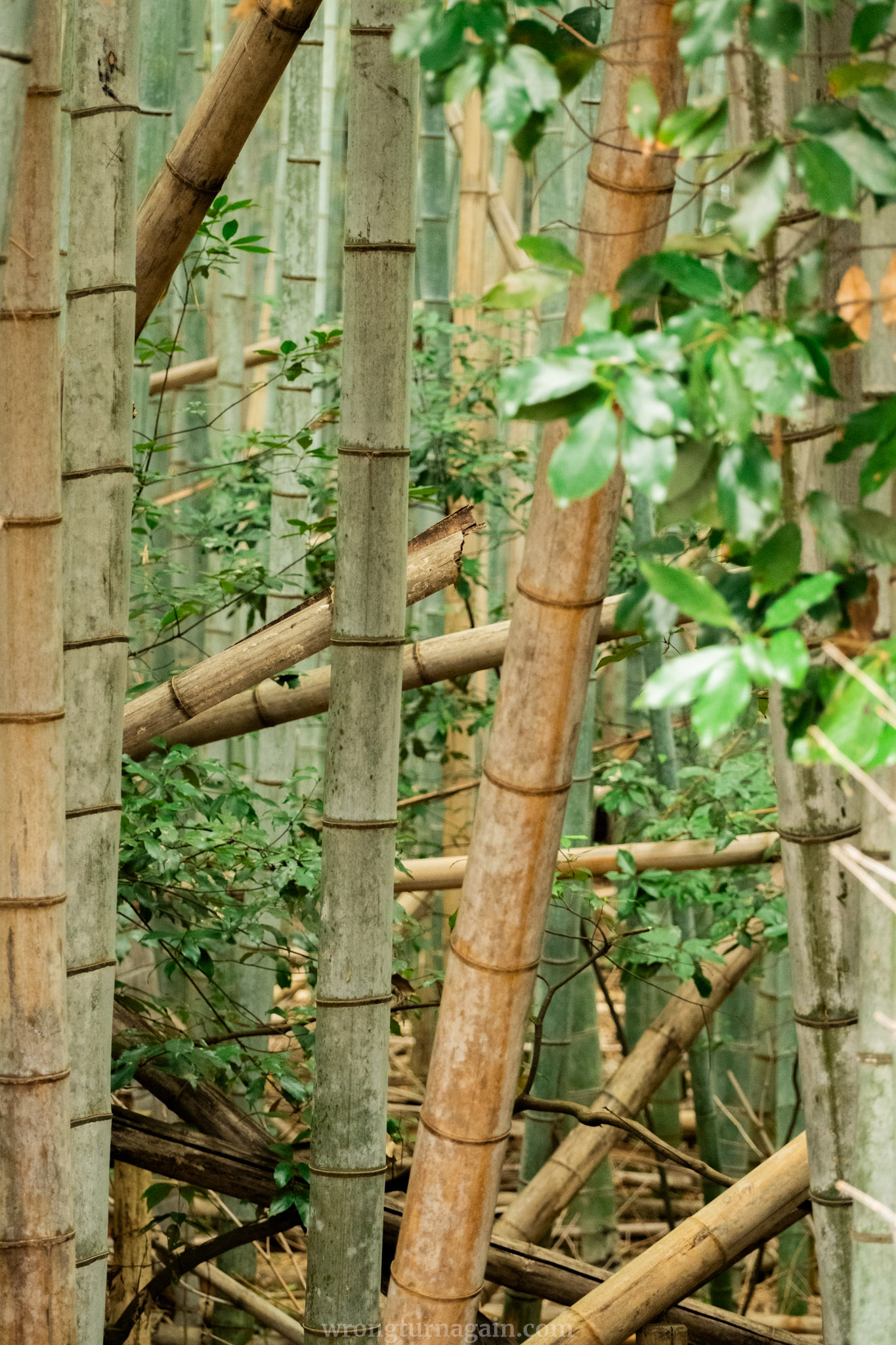
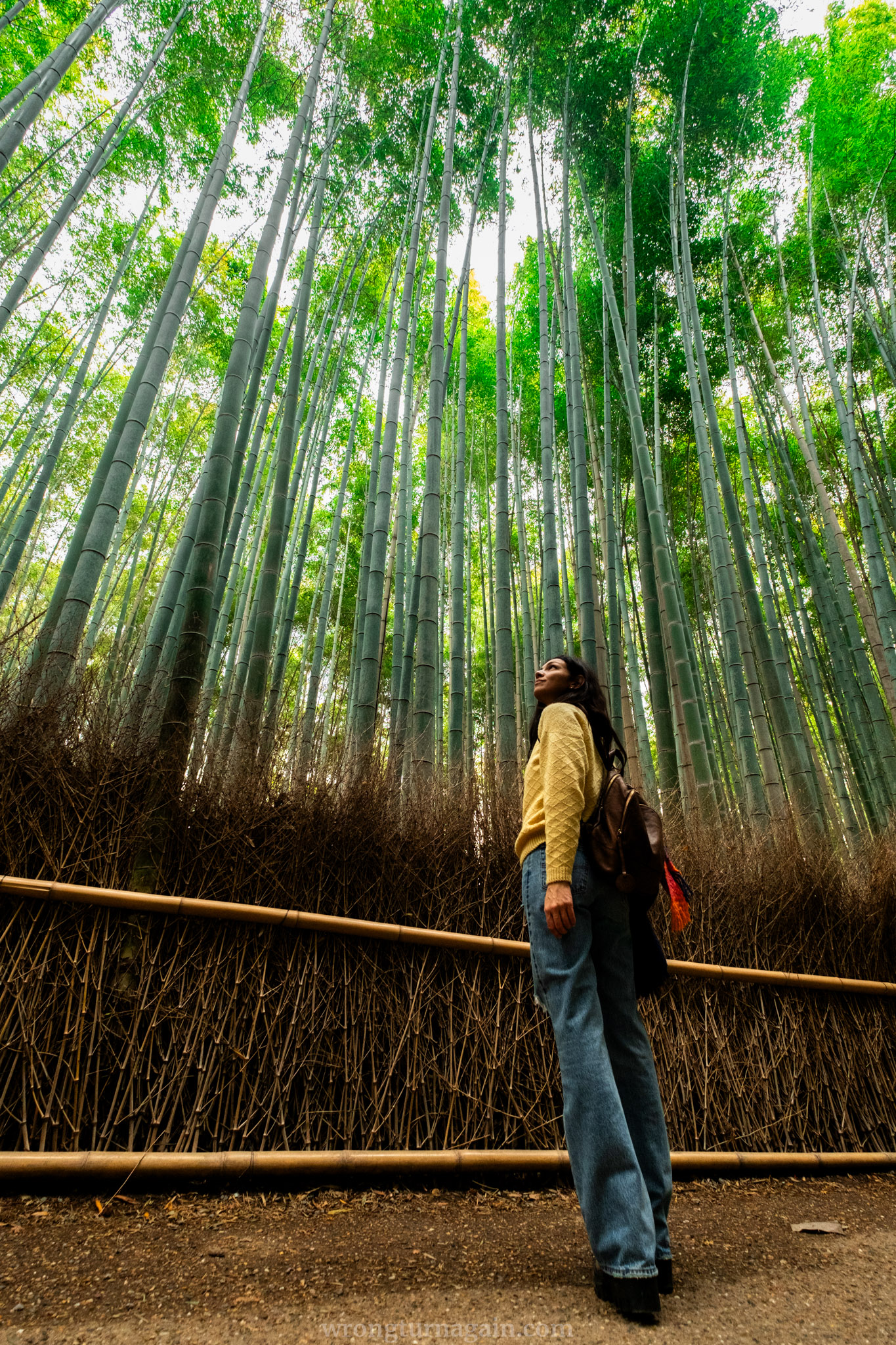
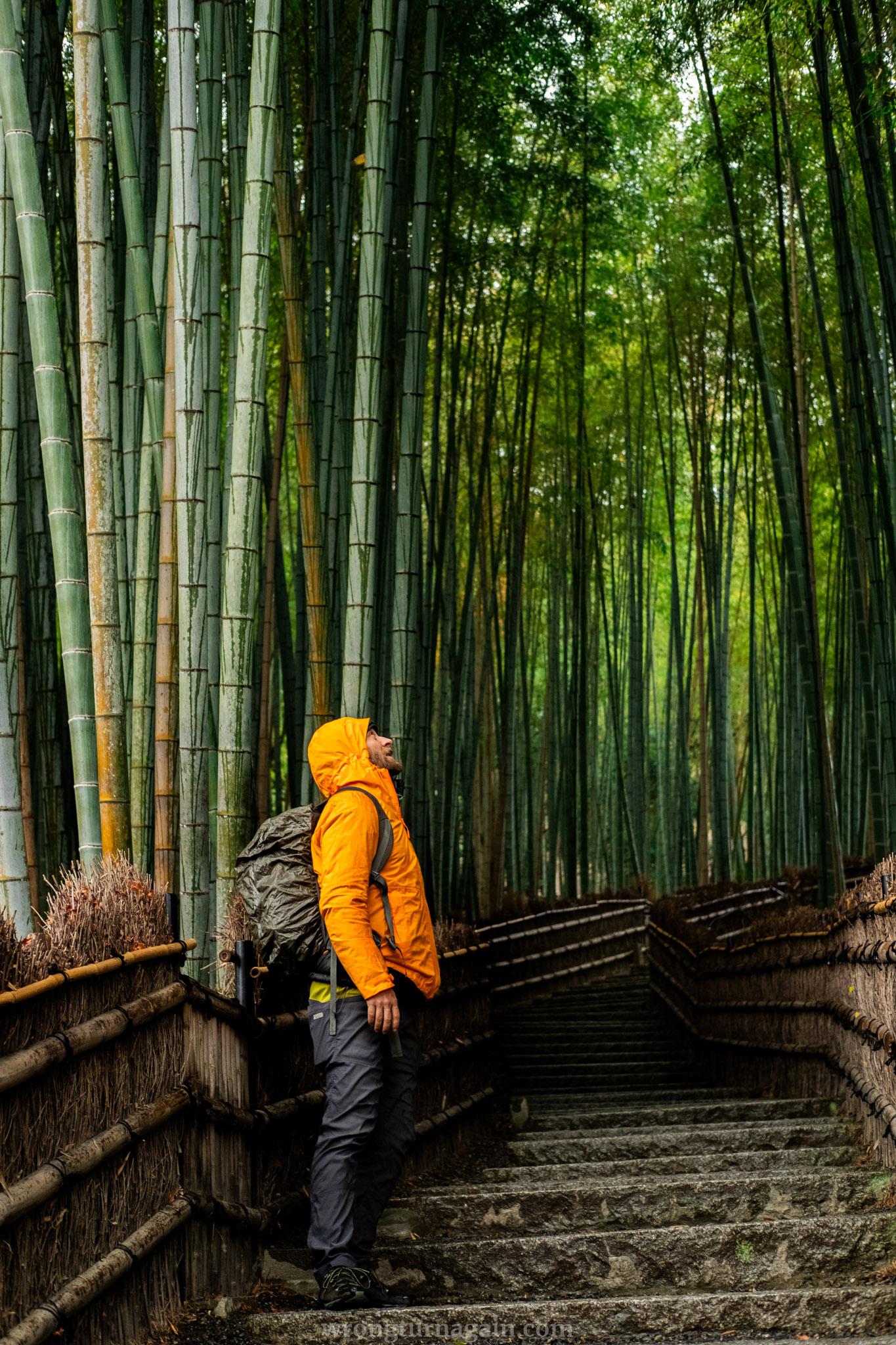
The Arashiyama Bamboo Grove isn’t just the area’s most iconic spot; it is one of the most photographed landscapes in all of Japan. This 400-meter pathway cuts through a dense forest of soaring moso bamboo, which towers over 20 meters high, creating an awe-inspiring natural tunnel.
But beyond its Instagram fame, the location isn’t random. In Japanese culture and Shinto belief, bamboo is a symbol of strength and is believed to ward off evil spirits. The forest sits adjacent to Tenryu-ji Temple and was historically planted there to act as a spiritual shield, protecting the sacred grounds from negative energy.

The Japanese Ministry of the Environment has designated the sound of the wind rustling through the bamboo leaves as one of the “100 Soundscapes of Japan.” The list aims to encourage people to stop and listen to nature, rather than just observing it.


2. Tenryu-ji Temple
Right next to the bamboo forest lies Tenryu-ji, the most important Zen temple in Arashiyama and a UNESCO World Heritage Site. It was founded in 1339 by Shogun Ashikaga Takauji. Legend has it that the Shogun had fought against Emperor Go-Daigo, but when the Emperor died, the Shogun began suffering from nightmares. Fearing the vengeful spirit of the dead Emperor, he built this magnificent temple to appease his soul—and finally get some sleep!
Once inside, there are two masterpieces you simply cannot miss:
- Sogenchi Garden: While the temple buildings have been destroyed by fires and wars multiple times (the current ones date mostly to 1900), the garden remains in its original form from the 14th century. Designed by the monk Muso Soseki using the Shakkei (“borrowed scenery”) technique, the garden has no enclosed walls. Instead, it visually incorporates the Arashiyama mountains in the background, creating the illusion of infinite depth.
- The Cloud Dragon: On the ceiling of the Dharma Hall, look for the “Cloud Dragon” painting. It is painted using the Happo-nirami technique (“staring in eight directions”), an optical illusion that makes the dragon’s eyes appear to follow you wherever you stand in the room.
3. Okochi Sanso Garden
Okochi Sanso is the former villa of Denjirō Ōkōchi (1898–1962), the most famous samurai film star of the silent era—think of him as the Japanese Clint Eastwood of his time. Located at the far end of the Bamboo Forest path, this estate was the actor’s lifelong passion project and is widely considered one of the finest examples of a traditional private garden in Kyoto.
The estate features winding paths, pavilions, and tea houses spread across different levels, offering a peaceful 30-40 minute walking loop. The gardens are designed to shine year-round, offering winding paths and stunning views of Kyoto city, regardless of the season.
The Perfect Ending: After your walk, follow the signs to the tea pavilion. Your admission ticket includes a bowl of authentic matcha tea and a traditional sweet, served in an open-air setting surrounded by greenery—the perfect way to soak in the serenity before heading back.
4. Jōjakkō-ji Temple
If you continue walking north from the Bamboo Forest and head up the slopes of Mount Ogura, you’ll find Jōjakkō-ji. Its name poetically translates to “The Temple of Constant Silent Light,” and the atmosphere certainly lives up to the title.
Unlike other temples that feel fortified, this one lacks imposing walls, giving it a sense of openness. The entrance is a narrow stone staircase canopied by dense maple trees, creating a stunning natural tunnel that completely envelops you in nature before you even reach the main gate.
Don’t stop at the lower buildings. Climb the stairs to the Tahoto (the two-story pagoda) higher up. From there, you’ll get arguably the best panoramic view of Kyoto city, without the crushing crowds of more famous spots.
5. Gio-ji Temple
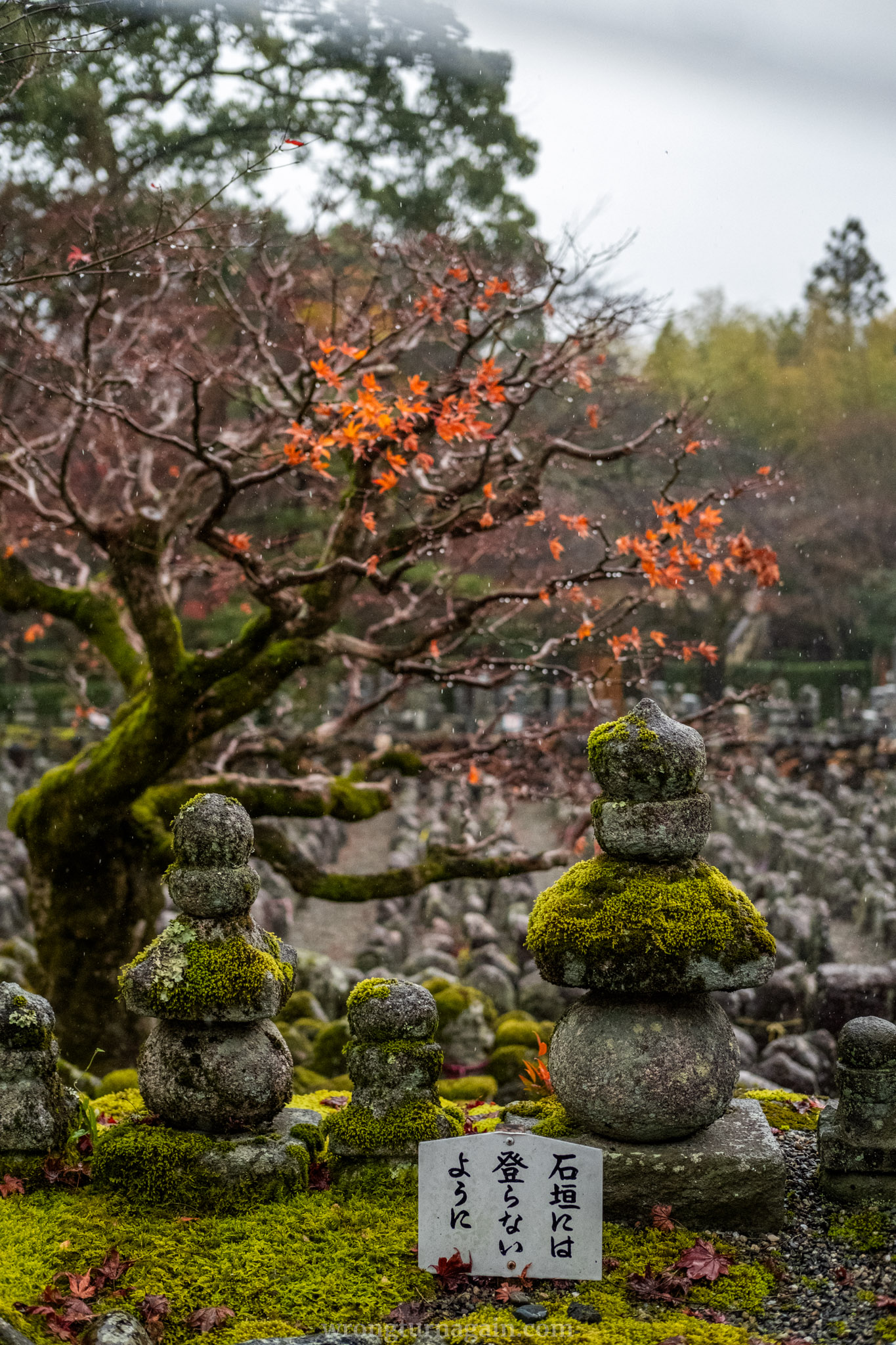
A bit further along hides the tiny Gio-ji, a temple that looks like it was plucked from a fairy tale. The star here isn’t a building, but one of Japan’s most impressive moss gardens. The ground is carpeted in a lush, velvet green layer made up of dozens of different moss species.
According to legend, this is where Giō, a famous court dancer, retreated after being heartlessly rejected by the powerful warlord Taira no Kiyomori in favor of the younger Hotoke Gozen. Giō became a nun here along with her sister and mother. In a moving twist, Hotoke Gozen later appeared at their door; realizing the fleeting nature of beauty and fame, she abandoned her wealth to join the three women in prayer.
In the small thatched-roof hut, look for the round window known as the Yoshino Window. Due to the bamboo lattice weaving and the angle of the light, it creates an optical illusion where shadows inside appear in the colors of the rainbow.
6. Saga Toriimoto Preserved Street
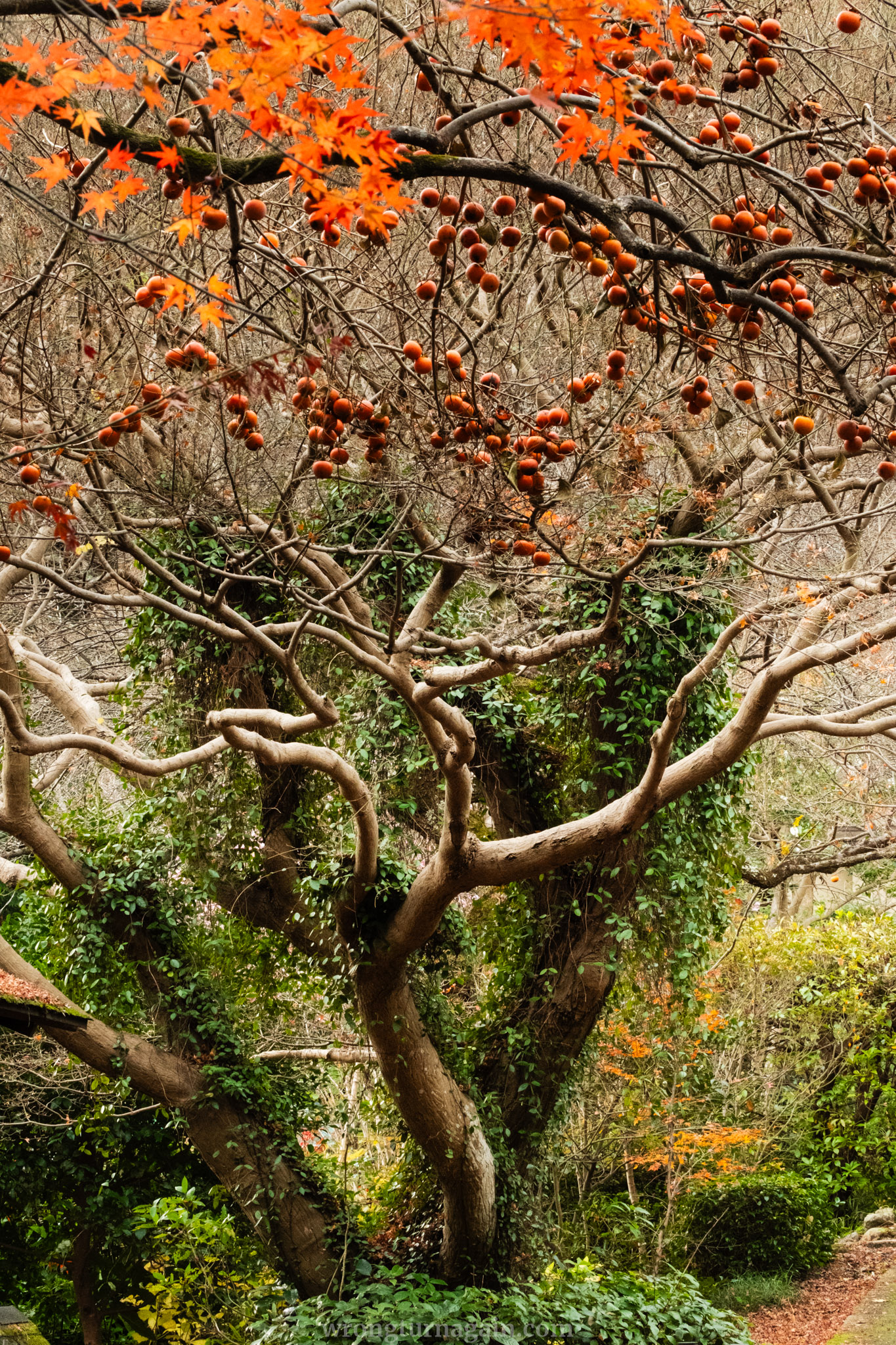
As you head towards the northern, more traditional side of Arashiyama, you’ll stumble upon Saga Toriimoto Preserved Street—a beautifully maintained 500-meter road that captures the atmosphere of 19th-century Kyoto.
This road follows the ancient pilgrimage route leading to Adashino Nenbutsu-ji and retains its original stone gates, bamboo fences, and lanterns. Along the street, you’ll see traditional machiya (merchant houses), many of which have been restored and now operate as charming restaurants, cafes, or small museums.
Recommendation: Stop for a sweet break at one of the quiet traditional cafes, like Saga Toriimoto Café or Café Gabu, to enjoy matcha with a mountain view away from the tourist hubs.
7. Adashino Nenbutsu-ji Temple
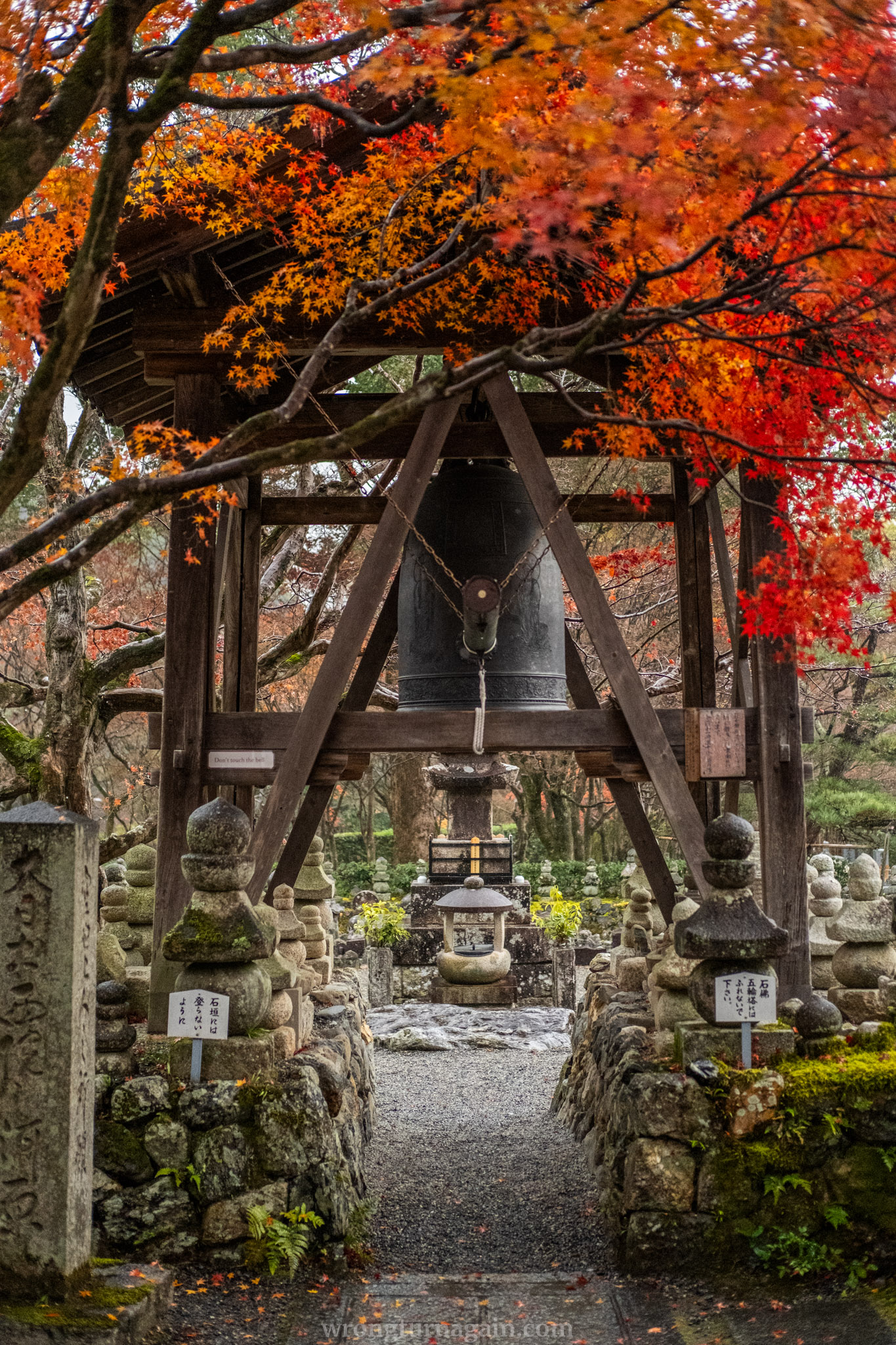
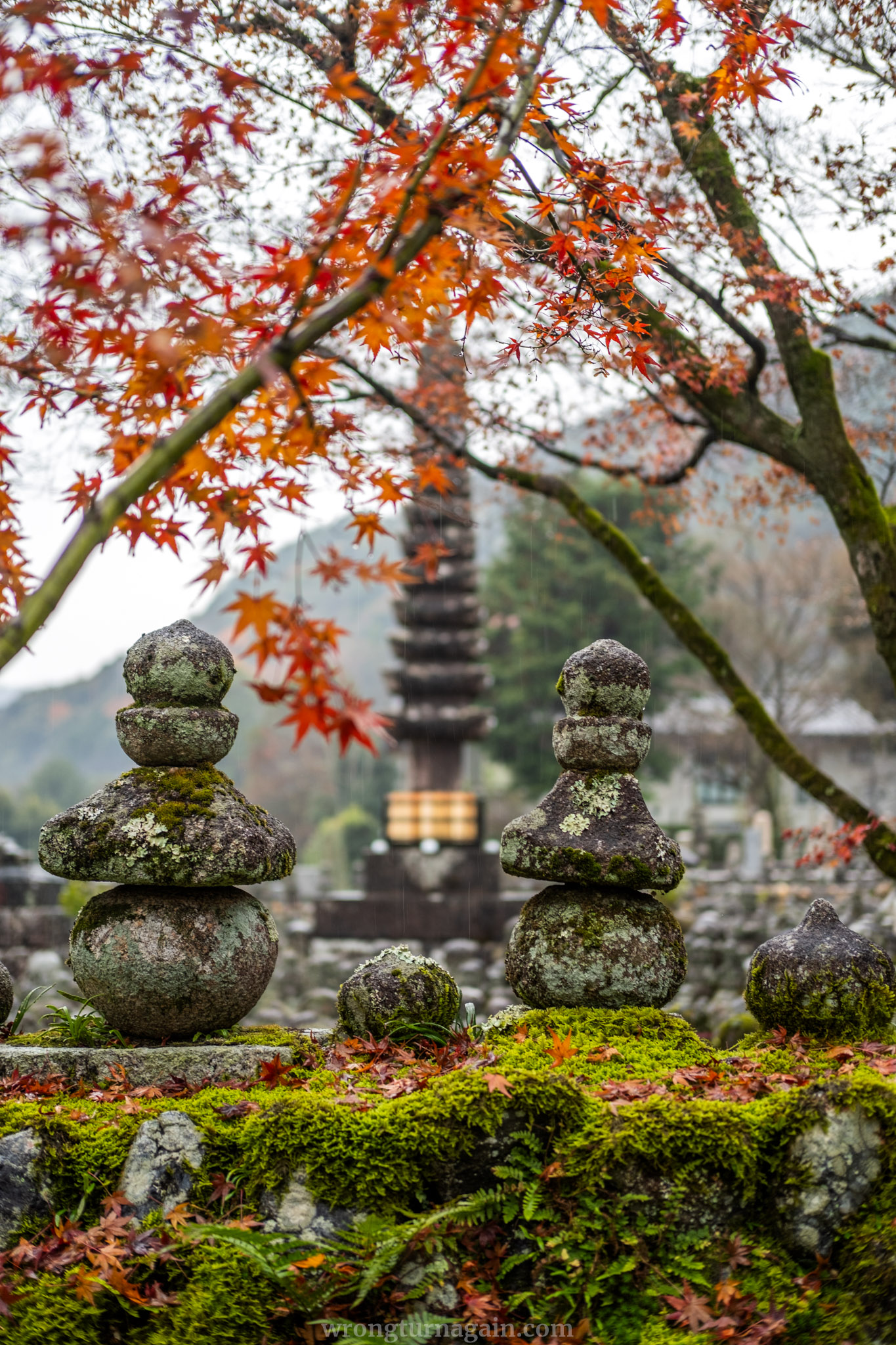
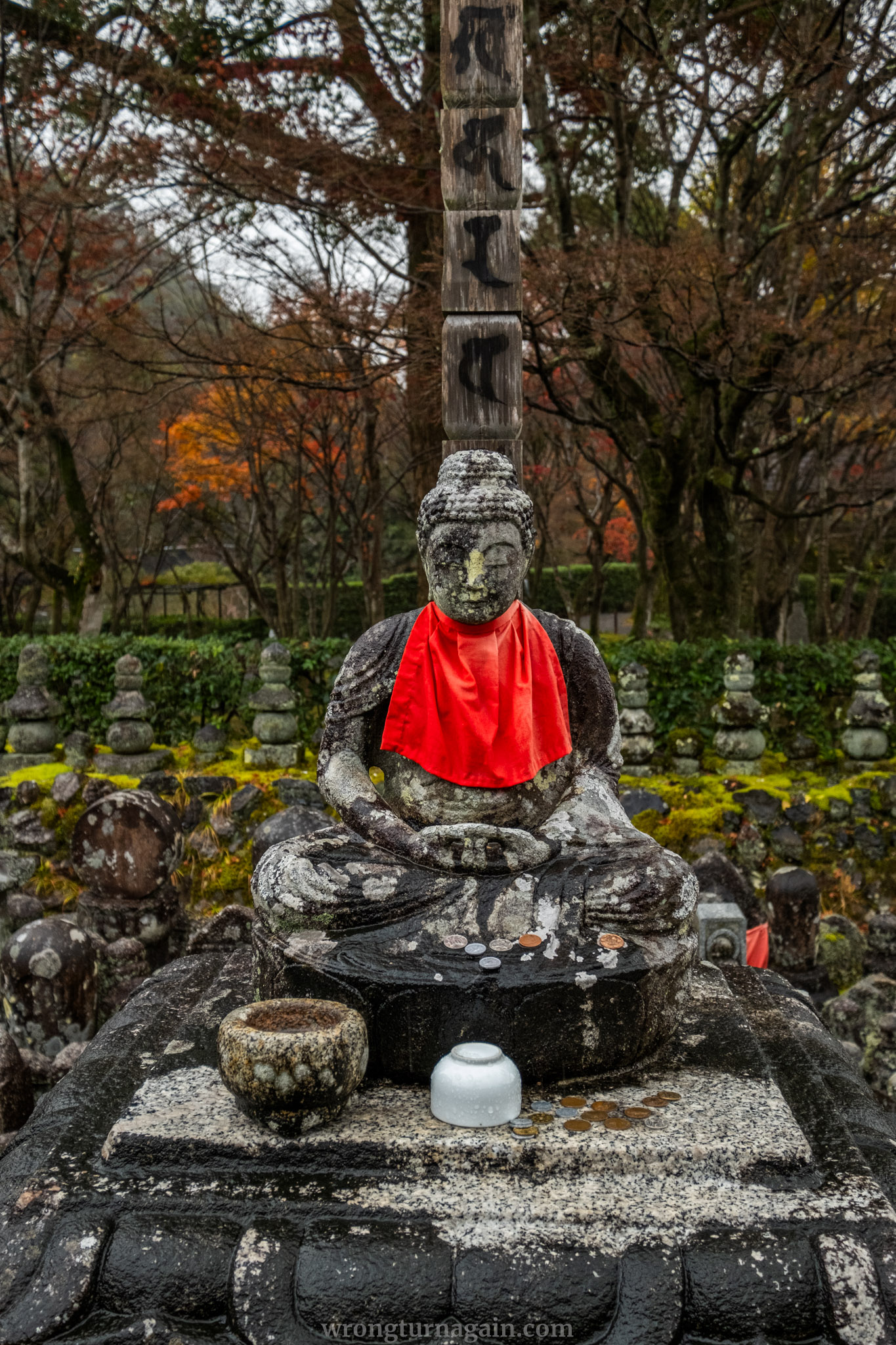
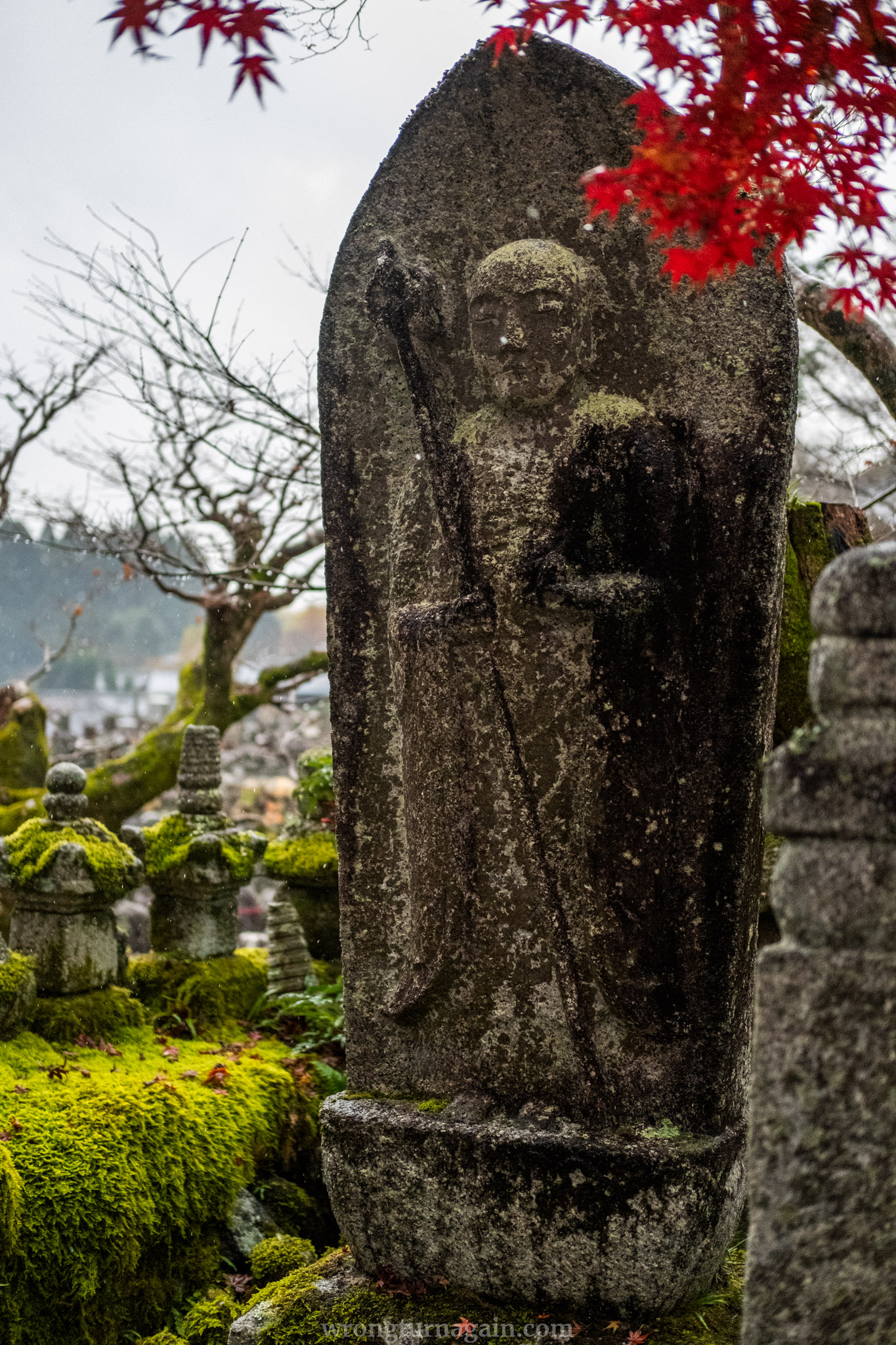
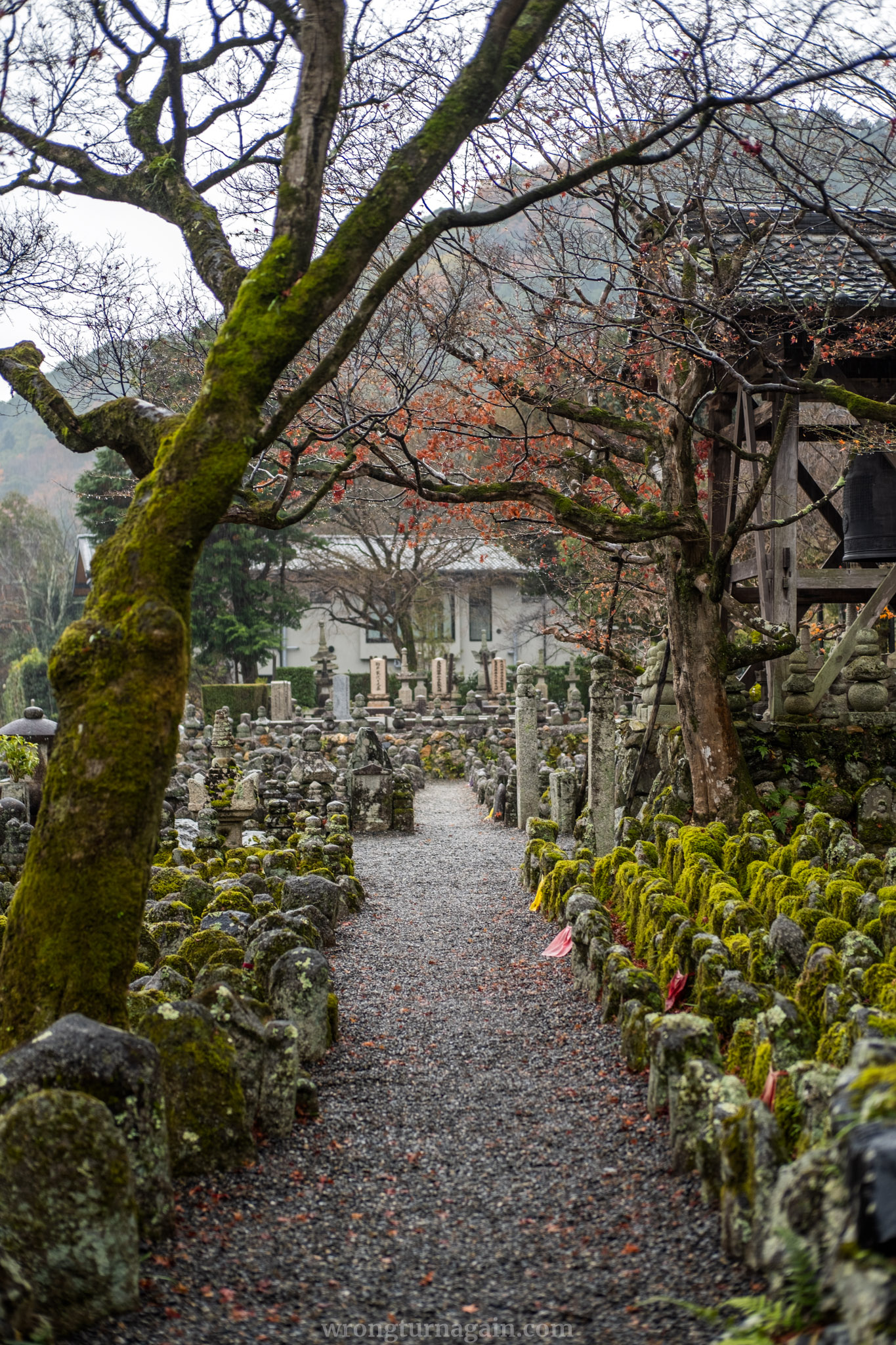
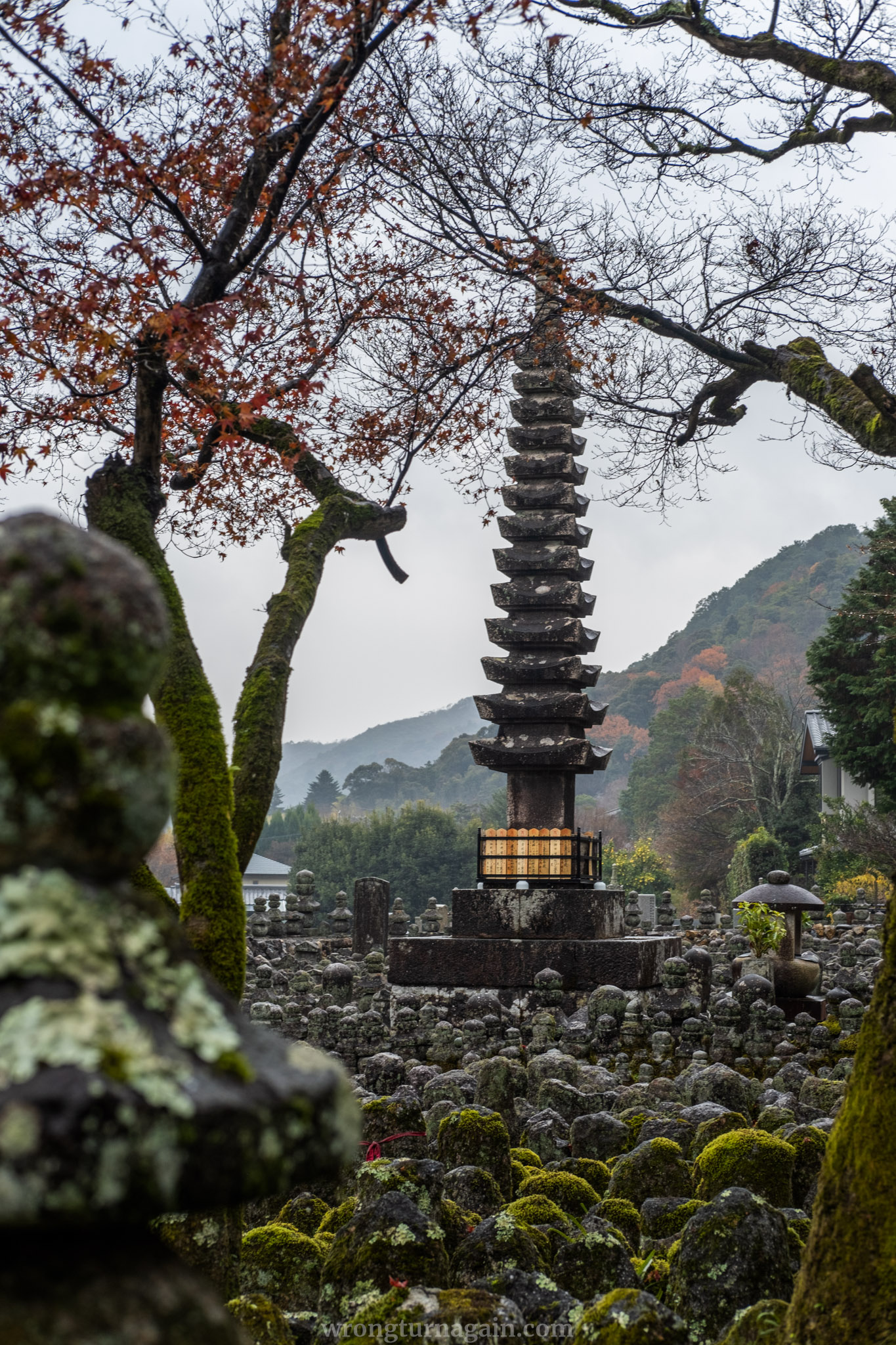
Adashino Nenbutsu-ji sits on the northern edge of Arashiyama and is perhaps the most hauntingly beautiful temple in the area. The location was chosen in the 9th century by the monk Kūkai, as “Adashino” was historically a burial ground for those who died without kin.
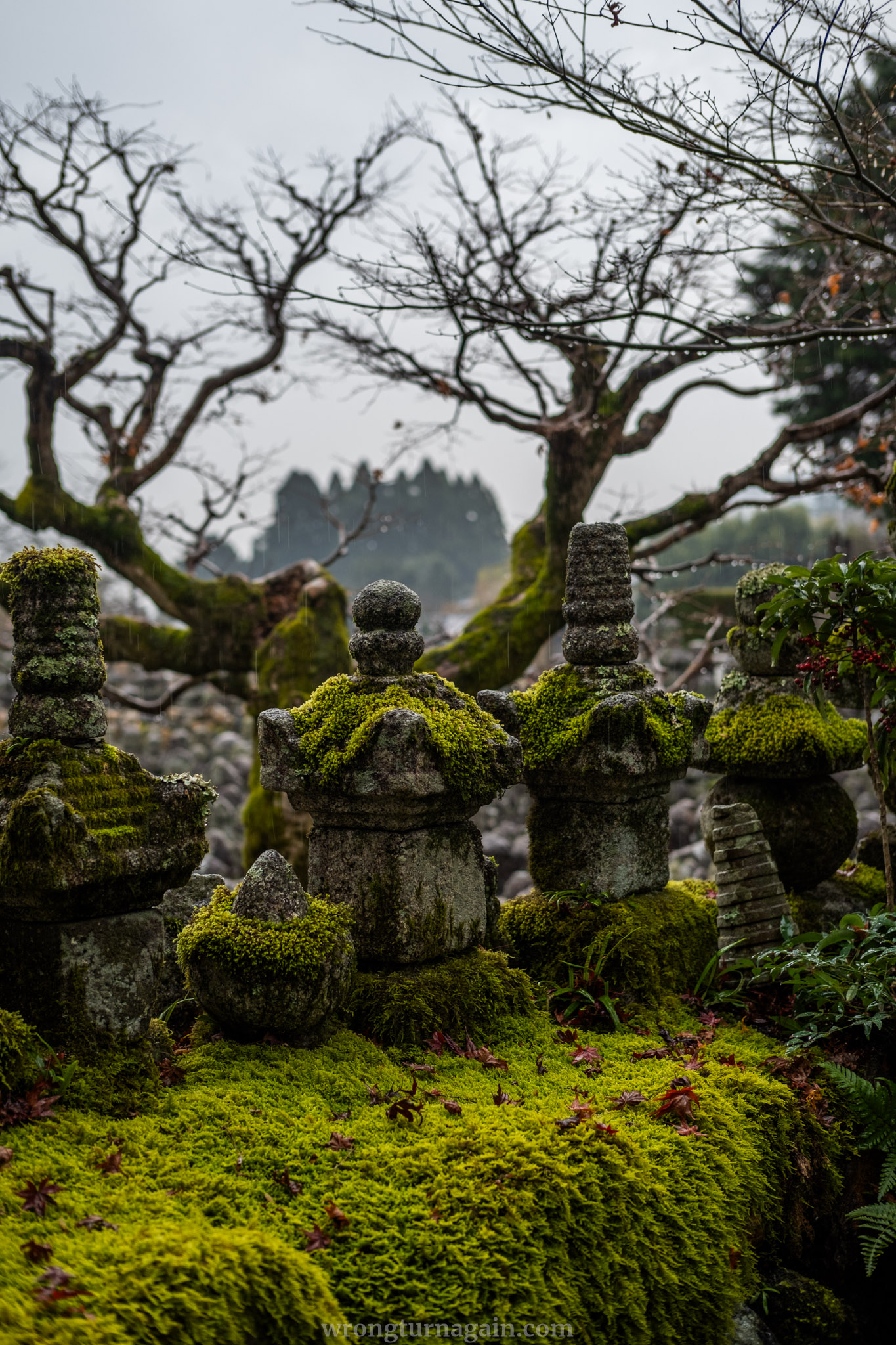
In the courtyard, over 8,000 stone statues stand in silence, gathered from old, forgotten graveyards across Kyoto to honor the souls of the departed. The sight is stark yet moving, especially during the Sento Kuyo ceremony in August, when thousands of candles illuminate the stones.
Behind the statue area lies a stone path cutting through a stunning, secluded bamboo forest. Unlike the main Arashiyama grove, here you will find absolute silence and the perfect opportunity for photos without other people in the frame.
8. Otagi Nenbutsu-ji Temple
More isolated than the rest, Otagi Nenbutsu-ji is the ultimate “hidden gem.” What makes it unique globally are the 1,200 stone rakan statues (disciples of Buddha) covering the hillside. They were carved in the 1980s by ordinary worshipers (amateurs) under the guidance of the head priest and sculptor, Kocho Nishimura.
Although modern, the figures are now covered in moss, looking ancient. Each statue is unique and full of humor: you’ll find monks laughing, holding cats, toasting with sake, or even holding cassette players! Since they were carved by regular people, the expressions are spontaneous and unpretentious, giving the space a warm, human atmosphere rarely found in austere Zen temples.
9. Sagano Romantic Train & Hozugawa River Cruise: The Ultimate Scenic Loop
To experience Arashiyama from a different perspective, combine the mountains and the river into a perfect scenic loop. The journey starts with a retro train ride through the gorge and concludes with a traditional boat ride back to Togetsukyo Bridge.
The Train Journey
Start at Saga-Arashiyama Station and board the Sagano Romantic Train, a retro diesel locomotive with wooden benches. It trundles slowly for 25 minutes along the ravine, connecting Arashiyama with Kameoka. The scenery is nothing short of cinematic. The open-air carriages offer front-row seats to the Hozu River ravine, which transforms completely with the seasons—gliding through clouds of cherry blossoms in spring, lush greenery in summer, or mountainsides set ablaze with autumn colors.
When booking, ask for a seat in “Car No. 5” (The Rich). It’s the only open-air wagon (no glass windows) with a transparent roof, making the river sounds and the breeze much more immersive.
The Boat Return
Upon reaching Torokko Kameoka terminal, take the bus connecting the station to the Hozugawa River Boat Ride pier (approx. 15 mins). From there, you’ll return to Arashiyama via the river. This is a 16km descent on traditional flat-bottomed wooden boats, guided by boatmen using oars and bamboo poles—just as they did centuries ago to transport materials for Kyoto’s temples.
10. Iwatayama Monkey Park
Cross the iconic Togetsukyo Bridge (“Moon Crossing Bridge”) to reach the western bank of the Katsura River, where the trail to Iwatayama begins. The park is home to a troop of over 120 Japanese macaques (snow monkeys)—the same species found at the famous Jigokudani Park in Nagano—living wild in their natural habitat.
Just past the entrance, you’ll embark on a 20-minute uphill hike along a winding forest trail. At the summit of Mount Iwatayama, the reward is twofold: a stunning panoramic view over Kyoto and dozens of macaques wandering freely around you. The scenery is particularly magical in the late afternoon, as the golden light washes over the city.
Interaction & Safety: You can feed the monkeys apples or peanuts purchased at the summit kiosk, but strictly from inside the designated building to ensure safety. While the macaques are accustomed to humans, they remain wild animals. Do not touch them, maintain a respectful distance, and avoid looking them directly in the eye, as they perceive this as a threat.
11. Somekobo Yumeyusai Art Gallery
This is a true hidden gem for art and photography lovers. It is the dyeing workshop of artist Yusai Sakai, housed in a historic 150-year-old building. In fact, Yasunari Kawabata, the first Japanese author to win the Nobel Prize, used to stay and write here. The artist uses a unique dyeing technique (Yusai-zome) that changes color depending on the sunlight—a secret method lost for centuries and revived by Sakai himself.
The circular windows frame the Arashiyama mountains and the emerald Katsura River, while the light reflects off the lacquered tables, creating a stunning effect known as the “Water Mirror.”
How to Get to Arashiyama
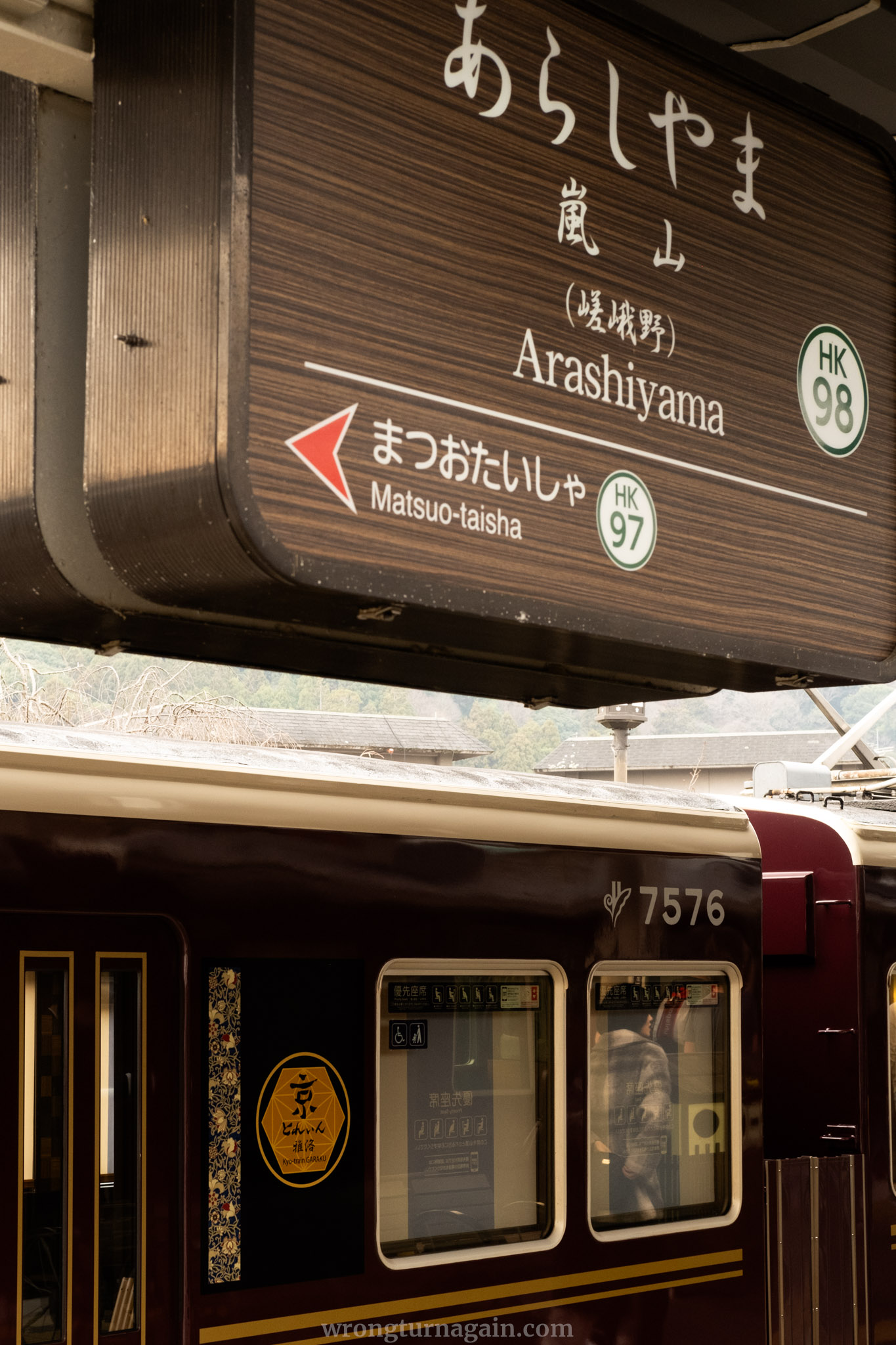
Arashiyama is a historic district located on the western outskirts of Kyoto, roughly 30 minutes from the city center. While you can reach it by train, bus, or bicycle, taking the train is by far the fastest and most reliable option.
Avoid taking the bus. The route is prone to heavy traffic delays, especially during peak seasons. Similarly, driving is not recommended due to severe congestion and scarce parking availability on weekends.
From Kyoto to Arashiyama
From Kyoto Station, take the JR Sagano Line to Saga-Arashiyama Station. It’s a 10 minute walk from the station to the Bamboo Forest.
From Shijo-Omiya Station in central Kyoto, hop on the vintage Randen Tram to Arashiyama Station. Although slower, this retro tram offers a charming, scenic ride through old neighborhoods.
From Osaka to Arashiyama
From Osaka Station, take the Rapid Service to Kyoto Station. Transfer to the JR Sagano Line and get off at Saga-Arashiyama Station.
From Osaka-Umeda Station, take the Hankyu Kyoto Line to Katsura Station (~40 mins). Transfer to the Hankyu Arashiyama Line and get off at Arashiyama Station (~8 mins).
Consider booking an organized tour like this one from Kyoto. These day trips usually include round-trip transportation, a local guide, and entrance fees to key temples.
Check Tour Availability →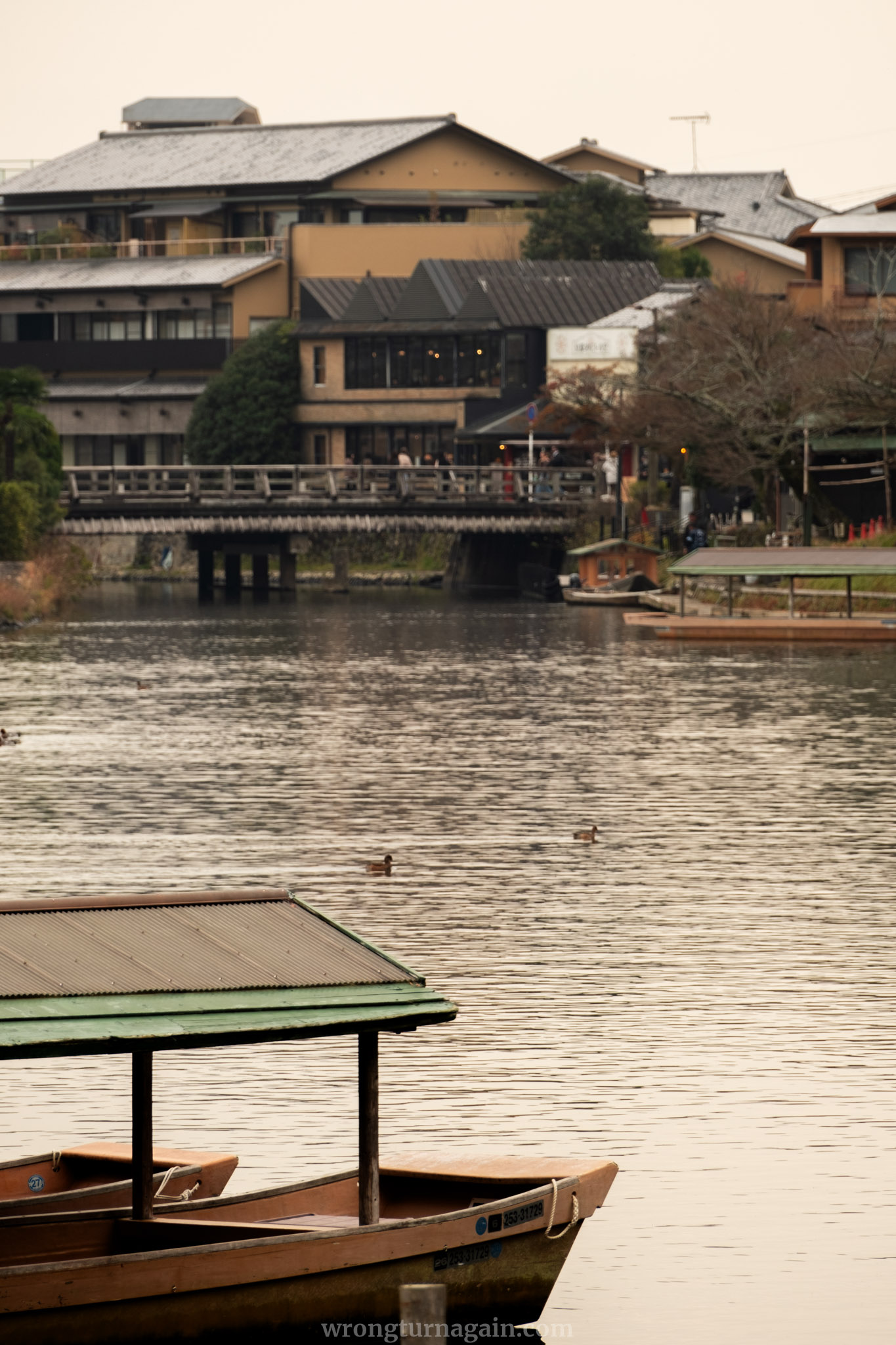
Getting Around Arashiyama
Fortunately, most of the popular things to do in Arashiyama are clustered close together, making the area perfect for exploring on foot. You can walk the entire core route in about 2 hours (excluding time spent inside temples). The area is defined by quiet trails, scenic paths along the Katsura River, and narrow paved streets lined with charming cafes, making walking an absolute pleasure.
Cycling is an equally delightful and practical way to navigate the district. The terrain is mostly flat (with a slight incline towards the northern temples), and most major sites offer designated bicycle parking. You will find several rental shops near Saga-Arashiyama Station and the Togetsukyo Bridge. Expect to pay around ¥1,000–¥1,500 per day for a standard bicycle
Recommended Walking Route
If you plan to combine the Sagano Romantic Train with the Hozugawa River Cruise, start your day at Saga-Arashiyama Station. The boat ride terminates near Togetsukyo Bridge, placing you perfectly for the rest of your walk.
Hand-picked for this route
Where to Eat in Arashiyama
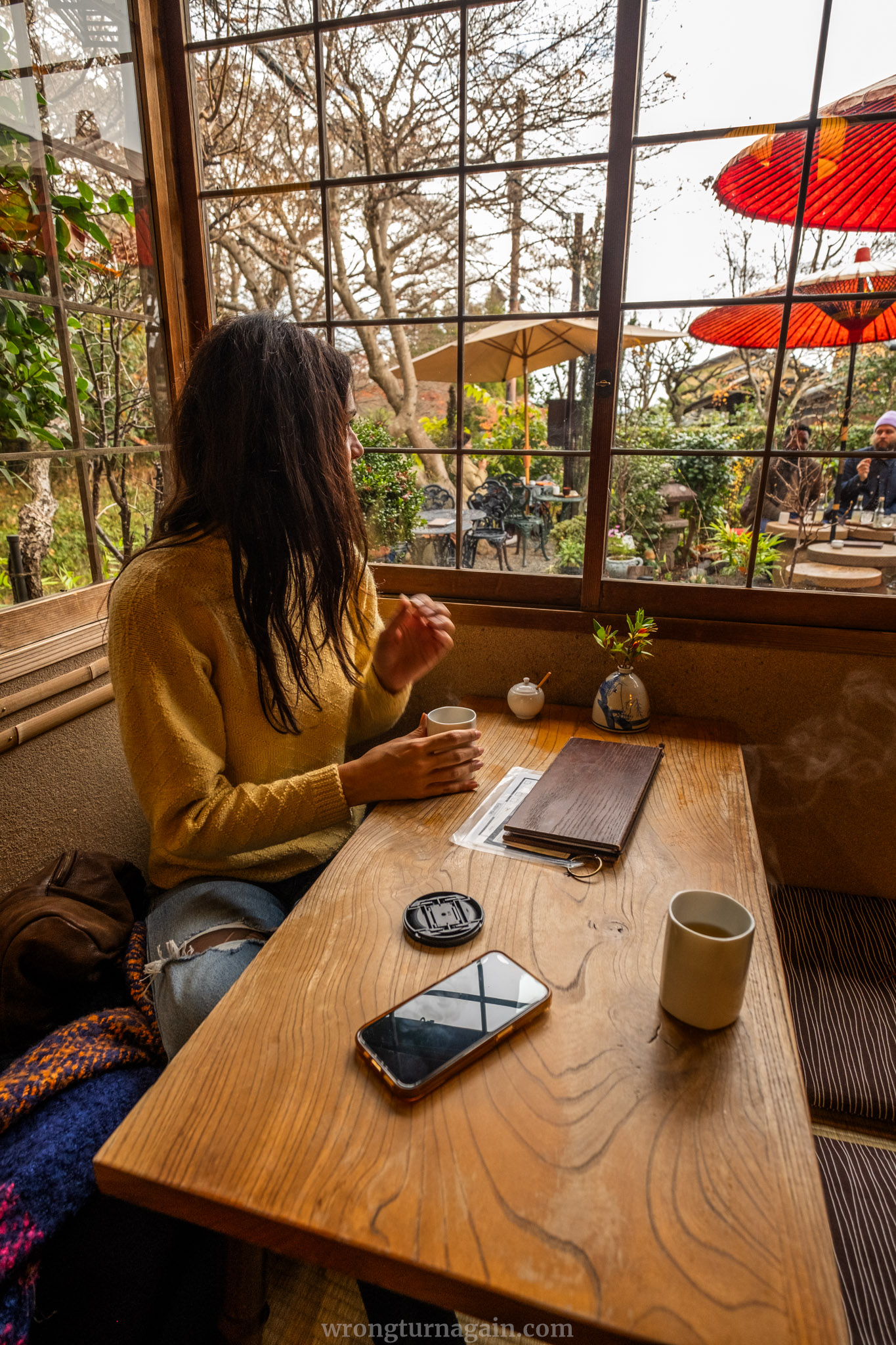
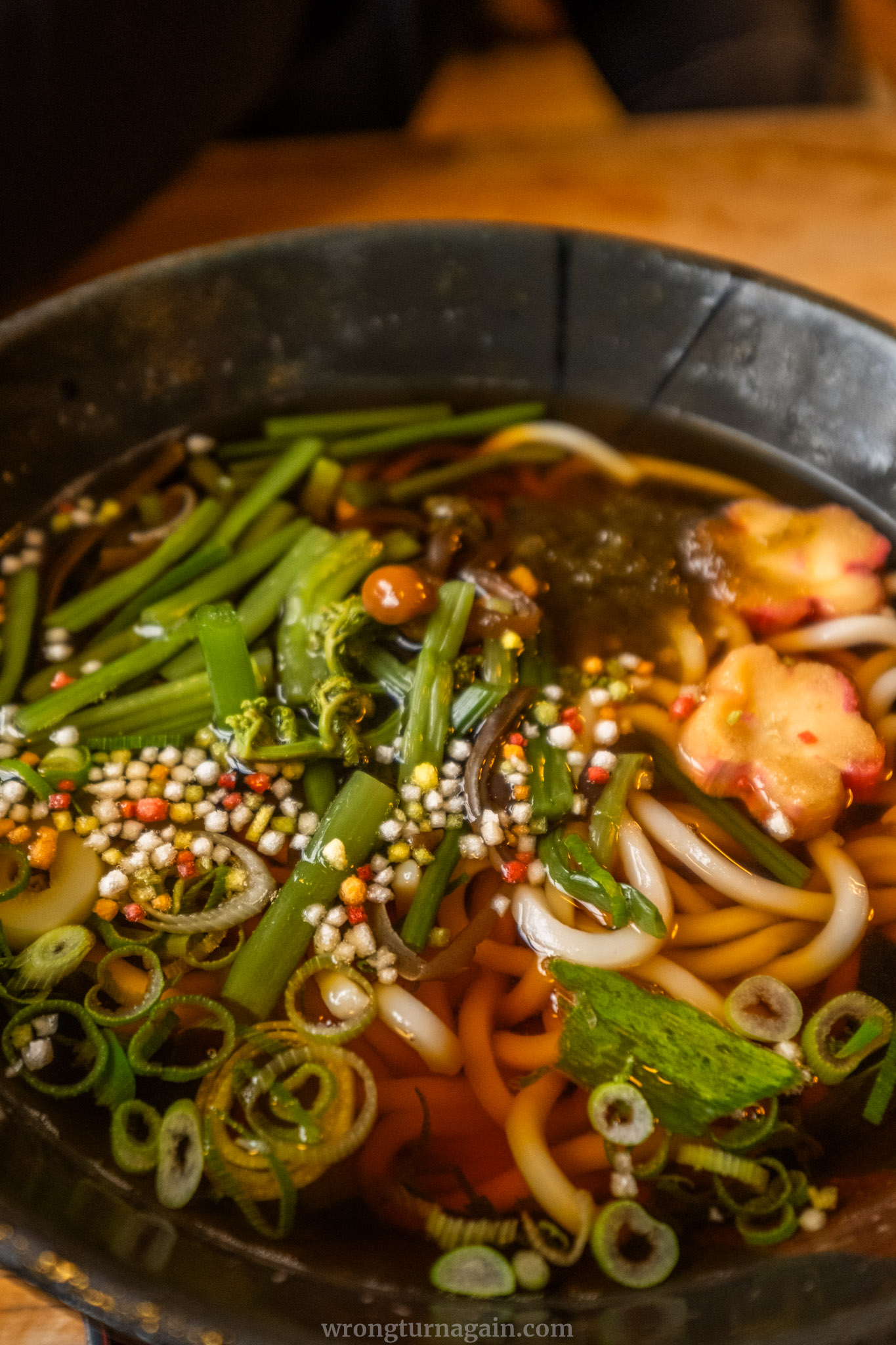
Dining in Arashiyama offers a mix of experiences scattered throughout the area — from lively restaurants near the Togetsukyo Bridge and the Katsura River to quiet, hidden spots along Saga Toriimoto Street and the paths leading to the northern temples.
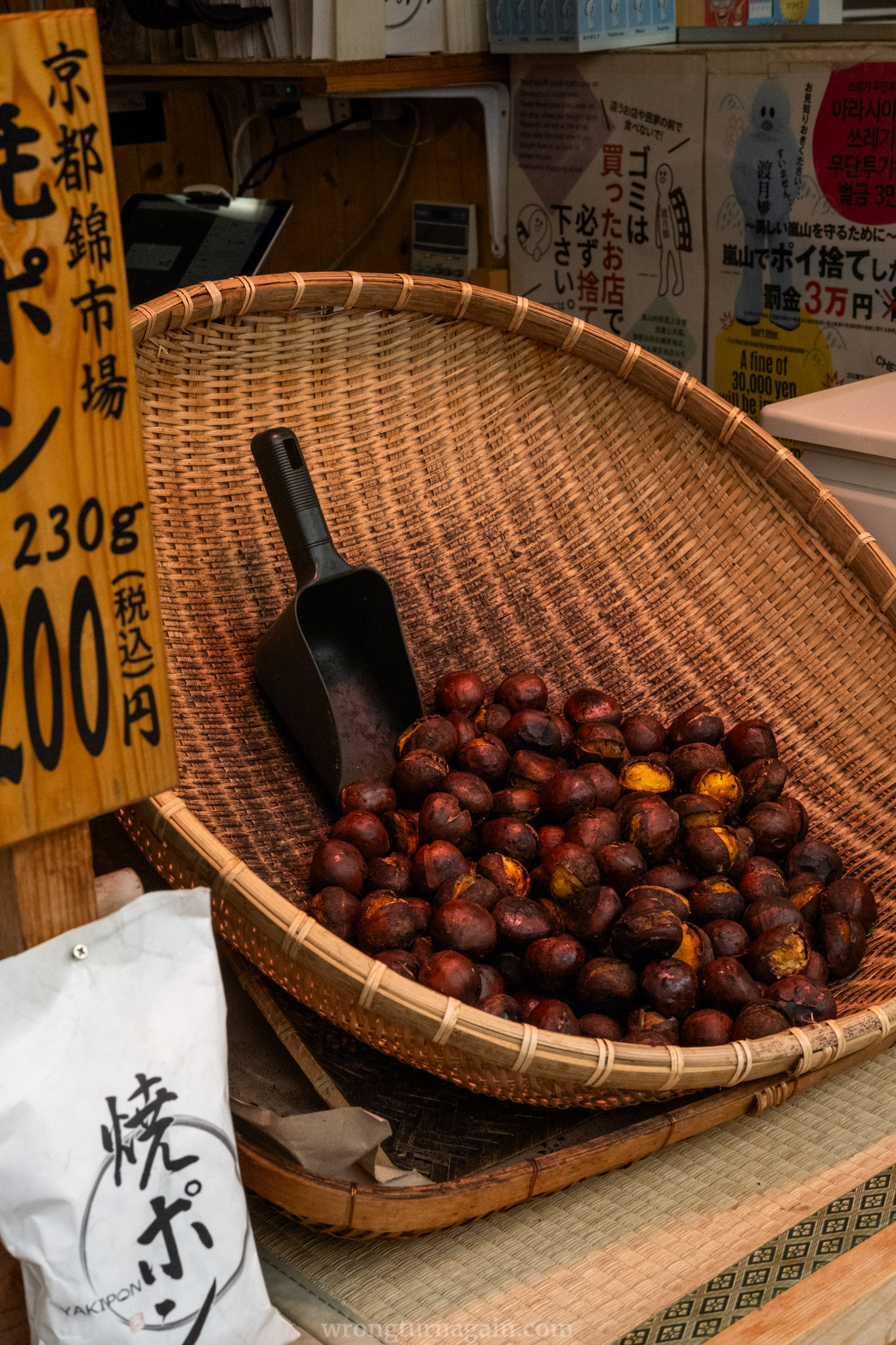
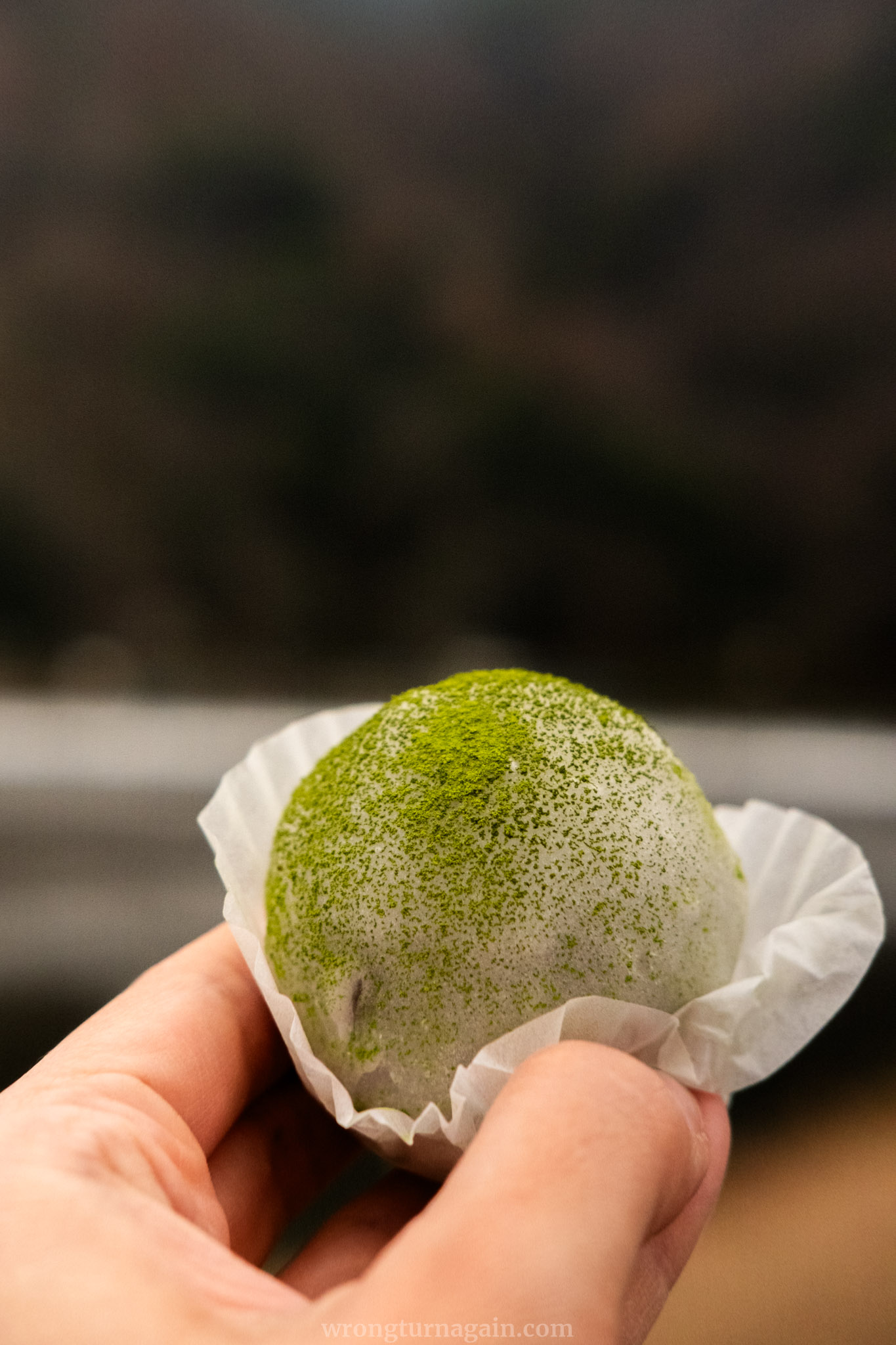
Lunch & Dinner
Coffee & Tea
Where to Stay In Arashiyama
If you plan to stay overnight, aim for the area west of Togetsukyo Bridge, near Arashiyama Park and the Katsura River. This is where you’ll find the most atmospheric ryokans and boutique hotels. The area is peaceful and walkable to the Bamboo Forest, yet tucked away from the busy train station crowds.
If you prioritize easy access to varied restaurants, nightlife, and transport hubs, it’s better to base yourself in Central Kyoto (e.g. Gion or near Kyoto Station) and visit Arashiyama as a day trip. It is just a 30-minute ride on the JR or Randen lines.
Our Top Arashiyama Hotel Picks
 HOMM STAY NAGI
A modern, convenient base located just steps from the JR station. Clean, comfortable, and perfect for early morning starts.
 TANIMACHI-KUN
Spacious apartment-style rooms with kitchenettes and river views. Ideal for families or those wanting more space than a hotel.
 RYOTEI RANGETSU
A traditional luxury ryokan directly on the Hozu River. Features exquisite kaiseki dining and private cypress baths with views.
Best Time to Visit Arashiyama
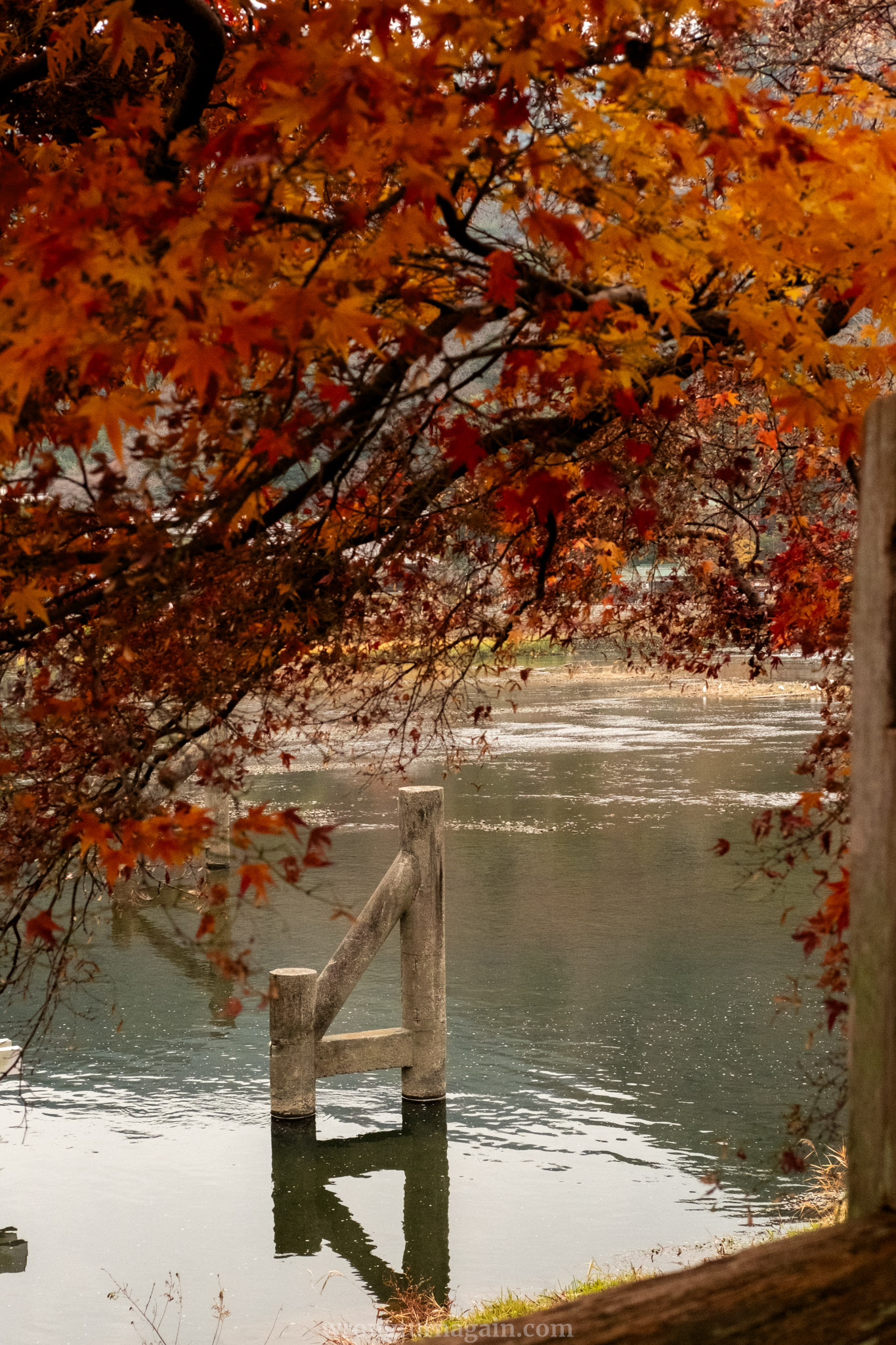
Arashiyama transforms completely with the seasons. In spring, cherry blossoms (sakura) bloom along the Katsura Riverand surround the Togetsukyo Bridge, creating one of Kyoto’s most iconic scenes. Autumn is perhaps the most magical time; the mountains and temple gardens are draped in vibrant red and gold maple leaves, with the afternoon light casting a warm glow over the landscape.
In summer, the area becomes quieter and lush green, offering a cool respite along the river trails. Winter brings a serene atmosphere; if you are lucky enough to see snow, the temples and the Bamboo Forest take on a dreamlike quality.
Avoid weekends and public holidays, as the area fills with day-trippers from Kyoto and Osaka. If possible, visit early in the morning (before 9:00 AM) or after 4:00 PM, when the light is softer and the paths are almost empty.
Arashiyama Day Trip Budget Breakdown
How much does a day in Arashiyama cost? If you are visiting independently (DIY trip) from Kyoto or Osaka and skip the organized tours, it is surprisingly affordable. Surprisingly, many of the best things to do in Arashiyama—like the Kimono Forest and the Bamboo Grove—are completely free.
A realistic daily budget is approximately ¥3,000 – ¥5,000 ($20–$35) per person. This estimate covers round-trip trains, admission to the top sights, and a casual lunch. Here is what you can expect to pay for the essentials: