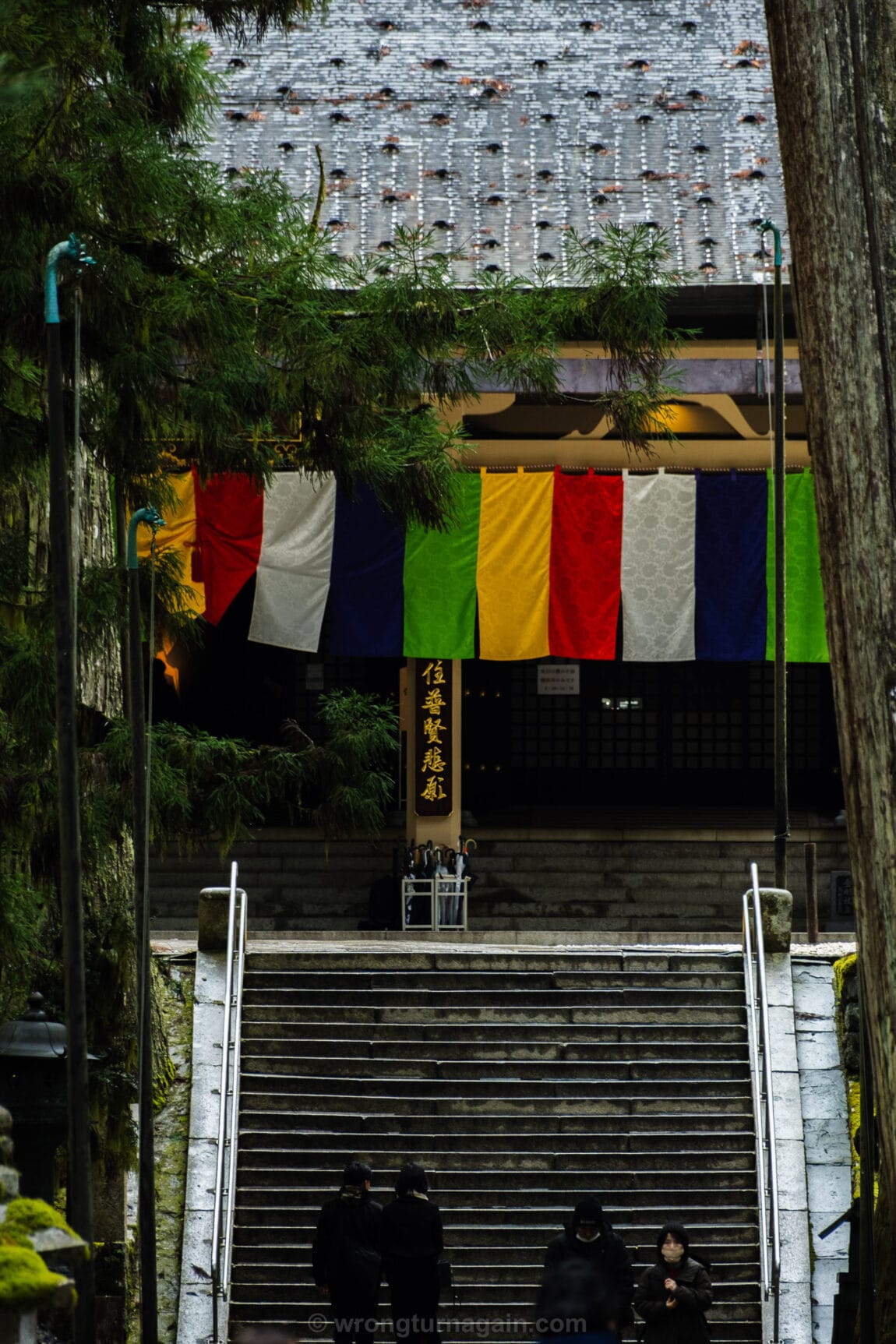
Deep in the misty mountains south of Osaka lies the Kii Peninsula, a land of ancient cedar forests, towering waterfalls, and spiritual trails that have welcomed pilgrims for over 1,000 years. This region offers a side of Japan that feels worlds away from the modern cities of Tokyo and Kyoto. While most travelers follow a standard Japan Itinerary, taking a Kii Peninsula road trip allows you to unlock hidden onsens and coastal wonders that trains simply cannot reach.
This guide is your blueprint for the ultimate 4-day Kumano Kodo self-drive itinerary. We are not just listing shrines; we are breaking down exactly how to navigate the legendary Route 311, where to find the best best ryokans in Japan, and the honest costs of renting a car. From the sacred Kumano Sanzan shrines to the rugged coastline of Ise, here is everything you need to know to drive Japan’s most mystical route.
Inside this Guide
About the Kii Peninsula & Kumano Kodo
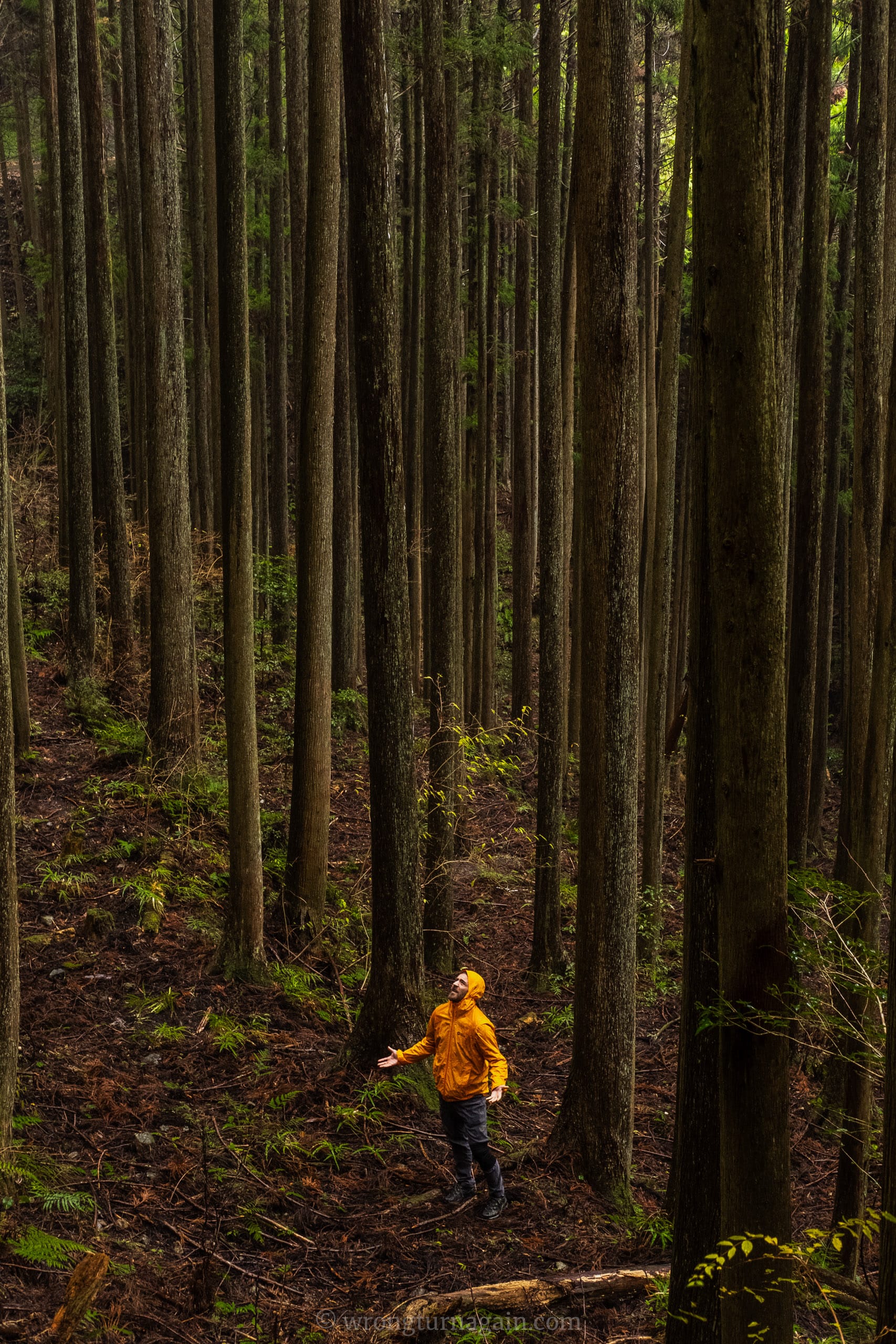
Before you turn the key, it is essential to understand the landscape you are about to traverse. The Kii Peninsula (Kii Hanto) is the largest peninsula in Japan, protruding into the Pacific Ocean just south of Osaka. It is a rugged region defined by the Yoshino-Kumano National Park, a place where jagged mountains meet the sea.
While it is famous for the Kumano Kodo pilgrimage trails, exploring by car offers a unique advantage. You get to witness the spiritual grandeur without the grueling multi-day hike. Driving allows you to combine the sacred mountain sites with spectacular coastal formations that hikers often miss.

The Kumano Kodo and the Camino de Santiago in Spain are the only two pilgrimage routes in the world designated as UNESCO World Heritage sites. Travelers who complete both treks can register as “Dual Pilgrims,” a prestigious title celebrated by both nations. Even by car, visiting the Kumano shrines connects you to this global spiritual history.
To navigate like a pro, distinguish the trail from the shrine. Kumano Kodo refers strictly to the network of ancient pilgrimage roads. Your goal, however, is the Kumano Sanzan—the three Grand Shrines (Hongu, Hayatama, and Nachi) that serve as the pilgrimage’s spiritual climax.
While hikers spend days trekking the Nakahechi Route (the Imperial Route), drivers can follow Route 311, a scenic highway that runs parallel to the trail. This allows you to “hop” between major spiritual sites and remote villages like Yunomine Onsen efficiently, making it one of the best things to do in Japan for travelers seeking a mix of adventure and comfort.

Day 1 Overview: Koyasan
Day 1 – Koyasan Temple Village
Your journey begins with a climb to the spiritual rooftop of Japan. Perched in a basin 800 meters above sea level, Mount Koya (Koyasan) is more than a destination; it is a living monastic town that has served as the headquarters of Shingon Buddhism for over twelve centuries. Founded by the legendary monk Kobo Daishi, the area feels suspended in time. Upon arrival, the atmosphere shifts instantly, enveloping you in a quiet, mist-covered forest of 117 temples.
While the town is filled with historic sites, the ideal route covers the four most iconic landmarks. You enter through the towering Daimon Gate, the massive wooden structure guarding the western edge of the plateau. Moving toward the town center, you encounter the Danjo Garan, a sacred complex anchored by a vibrant vermilion pagoda, followed by Kongobuji Temple, the administrative headquarters famous for Japan’s largest rock garden.
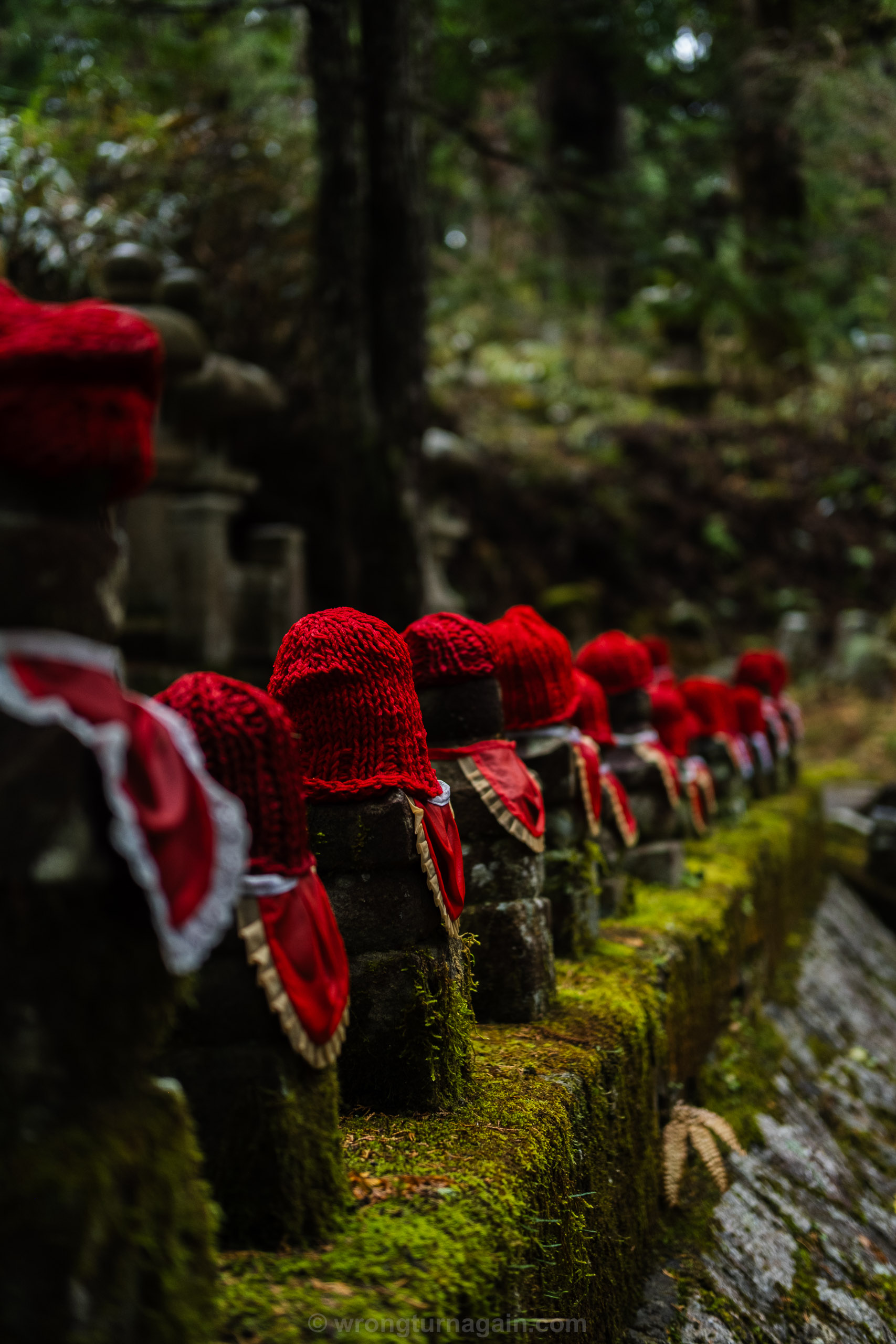
The journey culminates at the spiritual peak of Koyasan: Okunoin Cemetery, where a mystical path winds through ancient cedars and over 200,000 moss-covered tombstones, leading to Kobo Daishi’s mausoleum.
How to Get to Koyasan
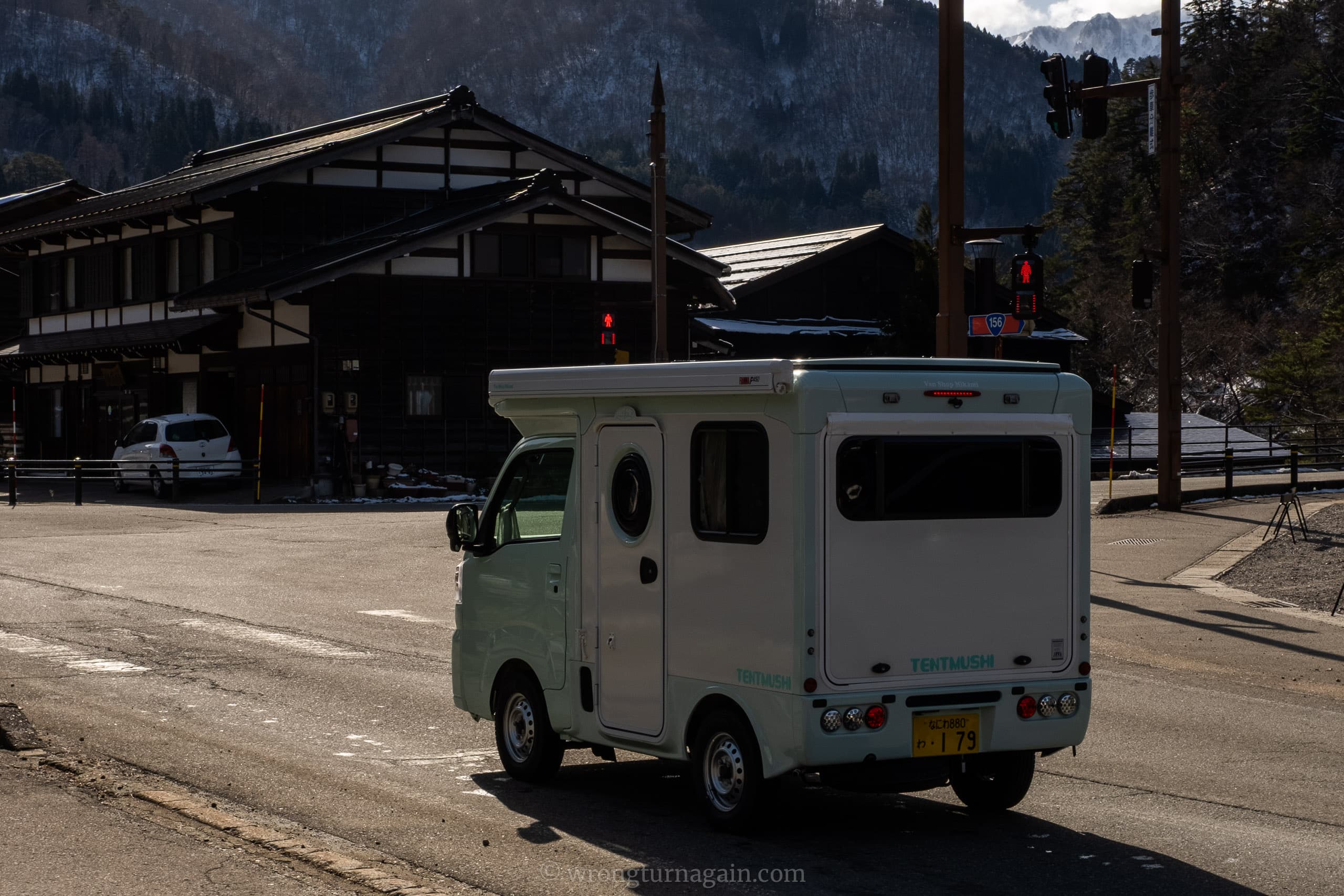
From Osaka or Kyoto, the drive typically takes 2.5 to 3 hours (approx. 100–130 km). The most common route involves taking the expressway (Hanwa Expressway) and then switching to National Route 480. The final stretch (Hashimoto to Koyasan) is a scenic mountain climb. While the road is well-paved, it is narrow and winding with many hairpin turns, so drive cautiously.
Detour Tip: On your way up to Koyasan via Route 480, consider a stop at Niutsuhime Shrine in Katsuragi. It is a UNESCO World Heritage site and one of the oldest shrines in the region, dedicated to the guardian deity who, according to legend, guided Kobo Daishi to Koyasan. It’s a peaceful, less crowded gem with a stunning red bridge over a pond.

Cars are allowed inside the village, but the streets are tight. We strongly recommend using the large free parking lots at at Daimon Gate or next to Okunoin-mae. While some smaller paid lots exist along the main road, the free lots are spacious and convenient.
Where to Stay in Koyasan
To truly experience Koyasan, book a night at a shukubo (temple lodging). Staying in one of the 50+ active monasteries offers a rare immersion into monk life, complete with traditional tatami rooms and exquisite Shojin Ryori (Buddhist vegetarian dinner).
The real highlight, however, is waking up at dawn to participate in the morning chanting or Goma fire rituals—a deeply atmospheric start to your day that you simply cannot get on a day trip.

Our Top Koyasan Temple Picks
 KOMYO-IN
Famous for its stunning moss and rock gardens. A peaceful, authentic retreat serving delicious Shojin Ryori.
 EKO-IN TEMPLE
The most foreigner-friendly choice offering daily Goma fire rituals, meditation classes, and the Okunoin night tour.
 FUDO-IN TEMPLE
A historic temple offering a luxury experience with exquisite architecture, spacious rooms, and high-end cuisine.
Day 2 Overview: Nakahechi Villages
Day 2 – Nakahechi Villages
Day 2 is all about the journey. Instead of rushing directly to the main shrines, today opens a window into the rural soul of the pilgrimage. You will drive one of Japan’s most scenic skyline roads before descending into the mist-covered valleys of the Nakahechi route. This is your chance to see the “living” side of the Kumano Kodo—the ancient statues, tea plantations, and wooden post-towns that hikers walk through—while enjoying the freedom and comfort of your car.
Stop 1: Ryujin Skyline & Ryujin Onsen
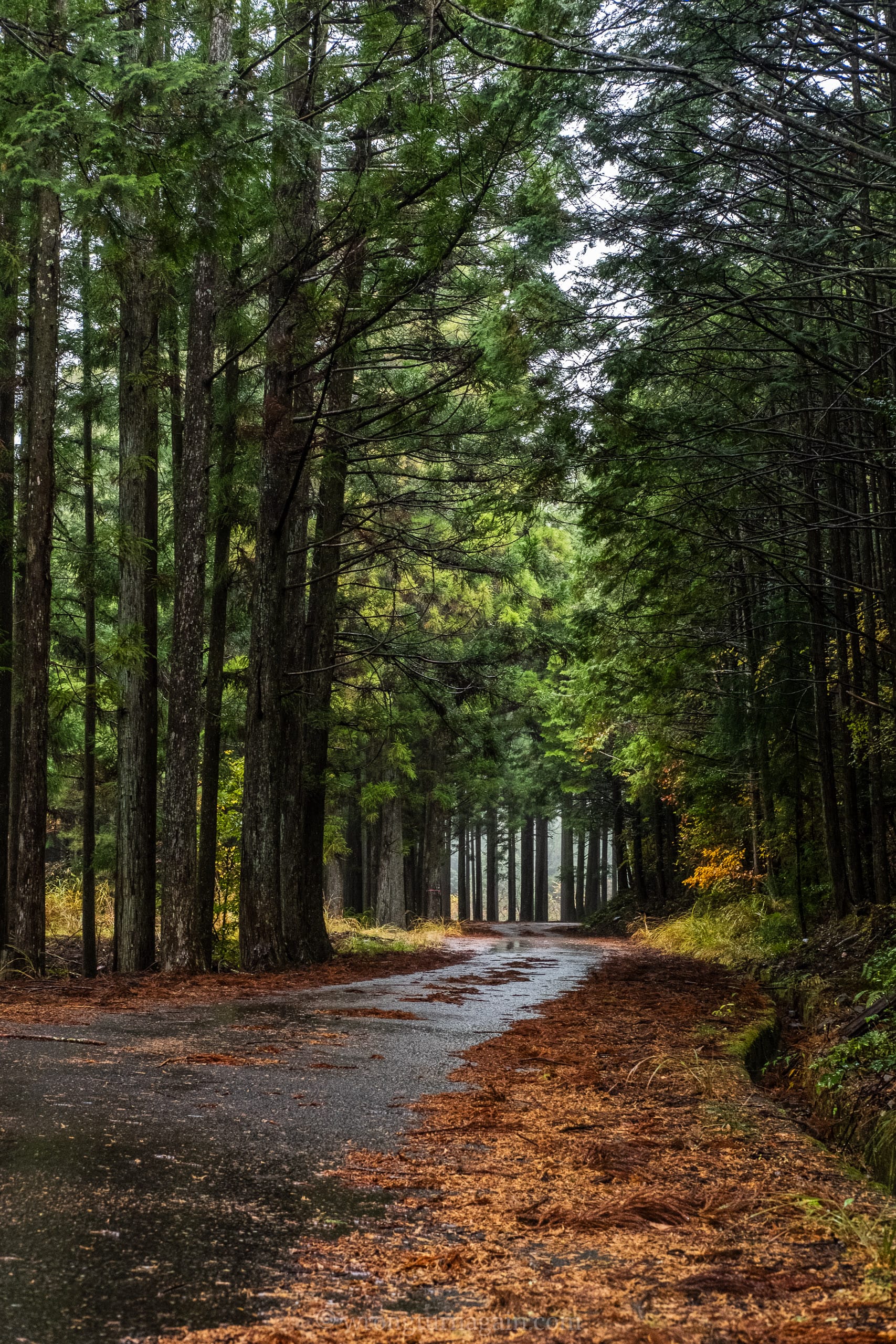
Leaving the sacred mountain of Koyasan, take the Ryujin Skyline (Route 371) heading south. This high-altitude road winds along the mountain ridges, offering sweeping views of the Kii peninsula’s “sea of mountains.”
As you descend, make a pit stop at Ryujin Onsen. Hidden in a deep valley, this tiny hamlet is famous for its high-quality waters, considered one of Japan’s “Three Beautifying Onsens” (Bijin-no-yu). A quick coffee break or a 20-minute footbath by the river is the perfect way to break up the mountain drive.
Stop 2: Takahara (The Village in the Mist)
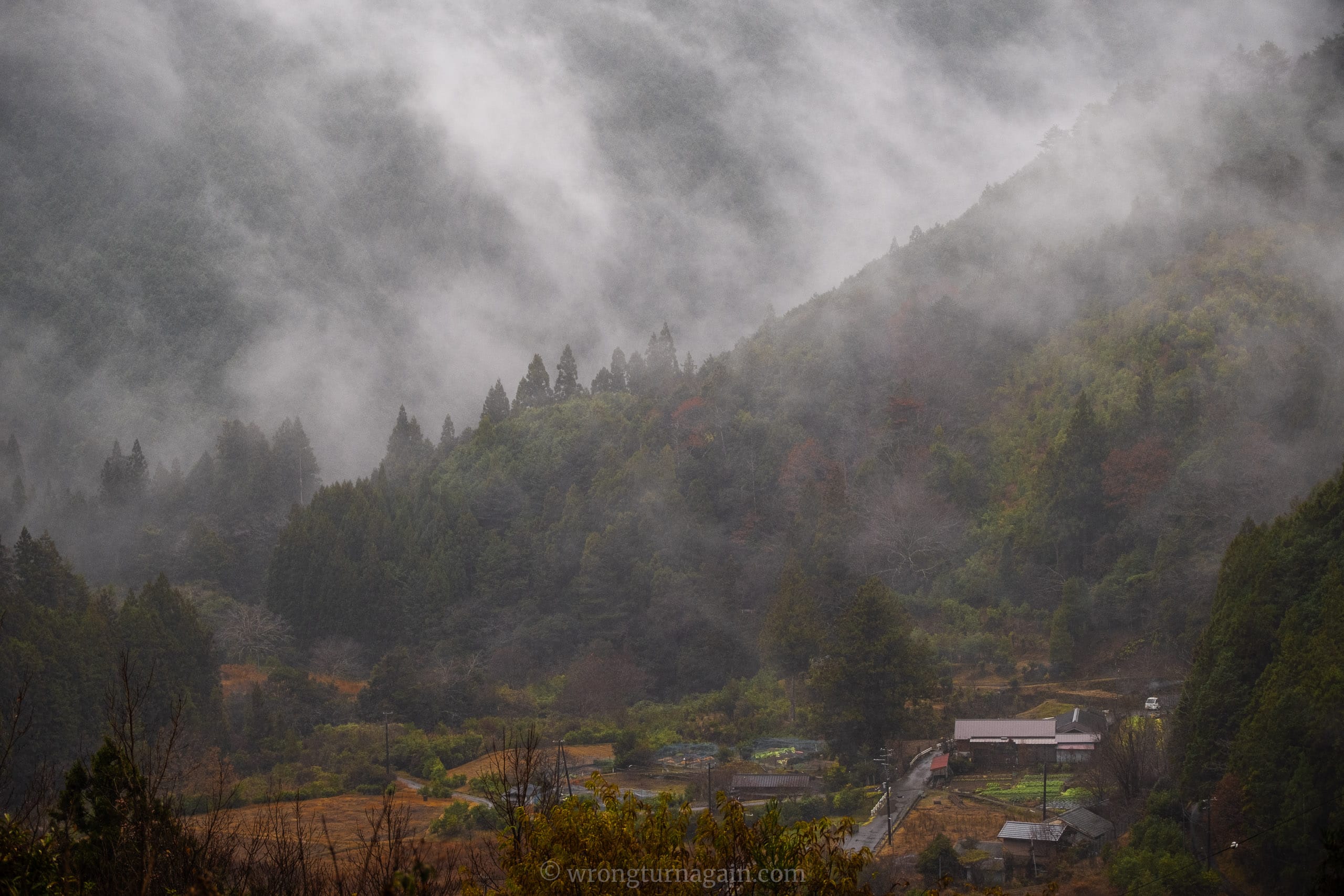
As Route 371 merges into Route 311, keep an eye out for the turn-off to Takahara Village. Known as “Kiri-no-sato” (Village in the Mist), it sits high on a ridge offering panoramic views of the Hatenashi mountain range.
The village is incredibly quiet and picturesque. Since the Nakahechi hiking trail cuts directly through here, you can park your car and walk a small section of the path to get a feel for the pilgrim’s journey without the heavy backpack.
Visit Takahara Kumano-jinja, one of the oldest shrines on the route. You can’t miss it—its vibrant vermilion color and unique ancient roof stand in striking contrast to the giant camphor trees surrounding it.
Stop 3: Chikatsuyu Oji (The Old Post Town)
Returning to Route 311 and heading east, prepare for a scenic detour. Before reaching the Ujiyama Bridge, take the distinct left turn onto the narrow road leading to Fukusada. Almost immediately, you will encounter one of the region’s most impressive natural landmarks standing within the precincts of Hosenji Temple: the tree Fukusada-no-Oicho.
This massive Ginkgo tree is a designated city natural monument with a legacy spanning over 400 years—legend has it that it was planted by a former emperor. It boasts a trunk circumference of 5.3 meters and a height of 22 meters, but its most striking feature is how the trunk splits into multiple branches just 4 meters from the base, earning it the nickname the “Thousand-Trunk Ginkgo.”
This 8.5km road runs parallel to the Nakahechi trail and leads you into the heart of Chikatsuyu, historically the most important station for pilgrims between the coast and the shrines. Today, it maintains a lovely, slow pace with small cafes, art museums, and shops selling local plum (ume) products.
Park your car near the center and walk to the Chikatsuyu-Oji, the historic site where pilgrims would perform purification rituals in the river. If you want to spot one of Kumano’s most beloved symbols, take the easy 15-minute walk from the nearby “Michi-no-Eki” to find the Gyuba-doji, a tiny, moss-covered statue of a monk riding a beast that looks like a mix of a co
Stop 4: Yunomine Onsen for the night
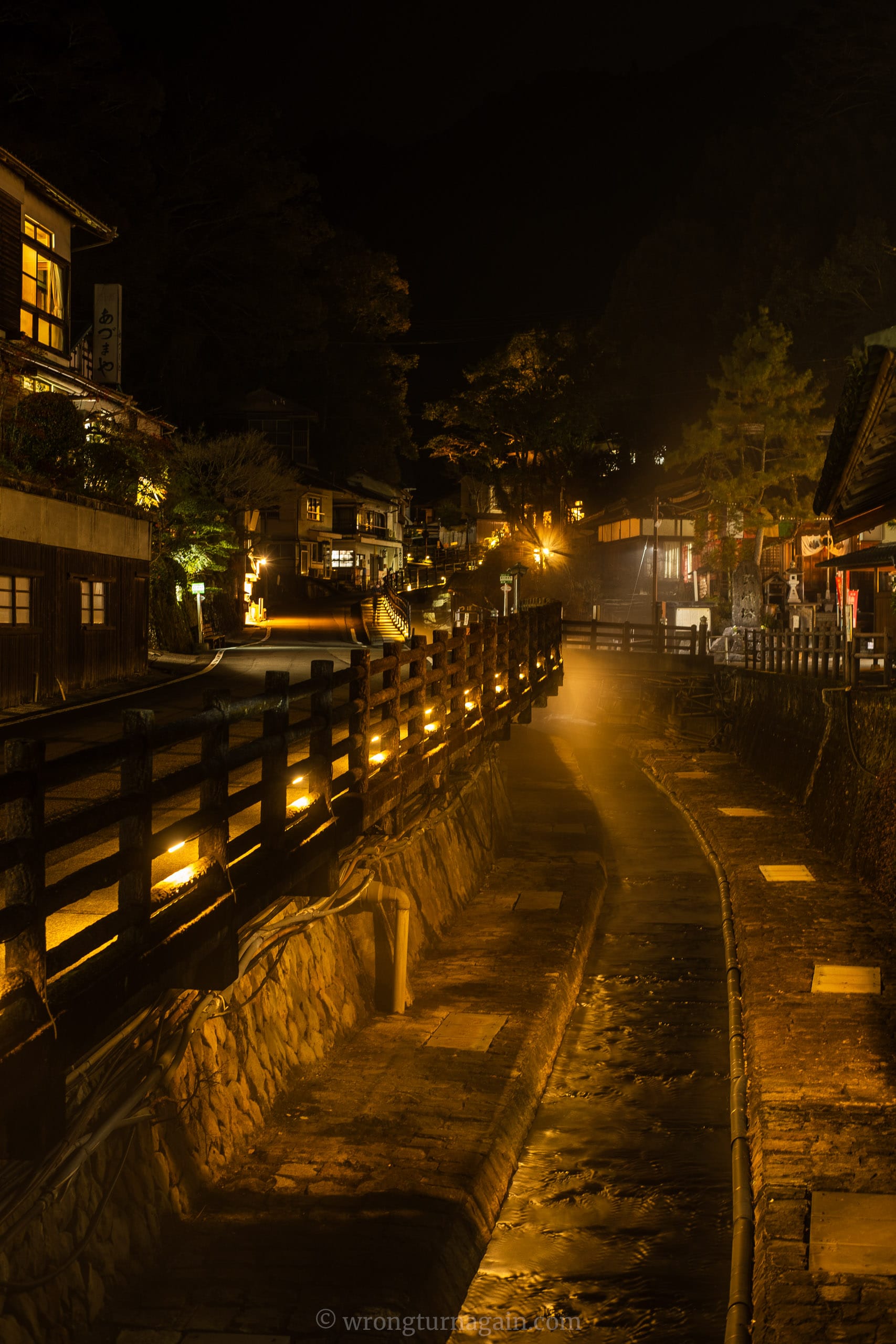
In the late afternoon, drive the final 20km east to check into Yunomine Onsen. Hidden in a narrow valley that smells of sulfur and history, this is one of the oldest hot spring villages in Japan (1800 years old).
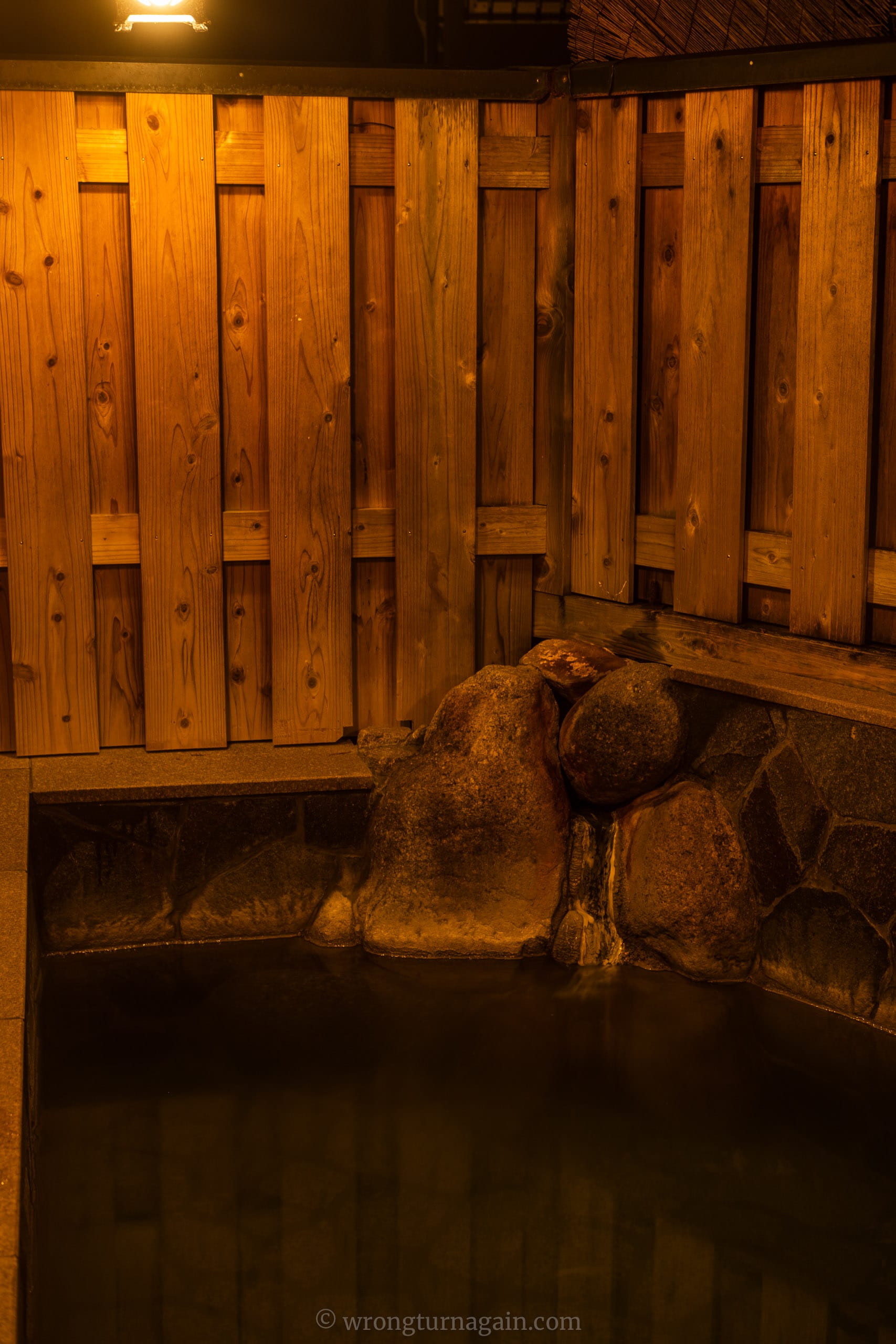
We recommend booking a Ryokan with its own onsen, but the ultimate experience is the Tsuboyu Hot Spring. It is a small wooden cabin built over a natural hot spring in the riverbed and is the only hot spring in the world that is a UNESCO World Heritage site. Legend says its water changes color seven times a day!
Did you know? In the center of Yunomine Onsen lies the Yuzutsu, a public cooking basin where 90°C hot spring water bubbles up from the ground. Locals and travelers alike buy nets of raw eggs and vegetables from the nearby shops and boil them right in the water. The sulfur adds a distinct, smoky flavor to the eggs—a perfect snack to enjoy by the river after your bath.
How to Get There
From Koyasan to Yunomine Onsen, the total distance is approx. 120km and takes about 2.5 to 3 hours (pure driving time). We strongly recommend taking Route 371 (Ryujin Skyline). It is a toll-free scenic road with smooth tarmac and banking turns, perfect for driving enthusiasts.
Driving Notes (Crucial)
- GPS Warning: When setting your navigation, it will likely suggest taking Route 168. Ignore this. Route 168 runs through the valley floor, meaning it is heavy on tunnels, lacks scenic views, and carries commercial traffic (trucks/buses).
- Danger Warning: Under no circumstances should you take Route 425. Although it looks like a shortcut on the map, it is known locally as a “rugged national route”—extremely narrow, prone to landslides, and dangerous for tourists. Stick to the Skyline and Route 311.
Navigation Tip (The Scenic Detours): Once you hit Route 311, don’t just stay on the main highway. Take the parallel side roads (like the one to Chikatsuyu mentioned above). They are paved and run alongside the Nakahechi trail, allowing you easy access to the villages where hikers stop, without the physical exertion.
Chikatsuyu: Use the parking lot near the river. | Yunomine Onsen: There is a dedicated public parking lot at the entrance of the village (free).
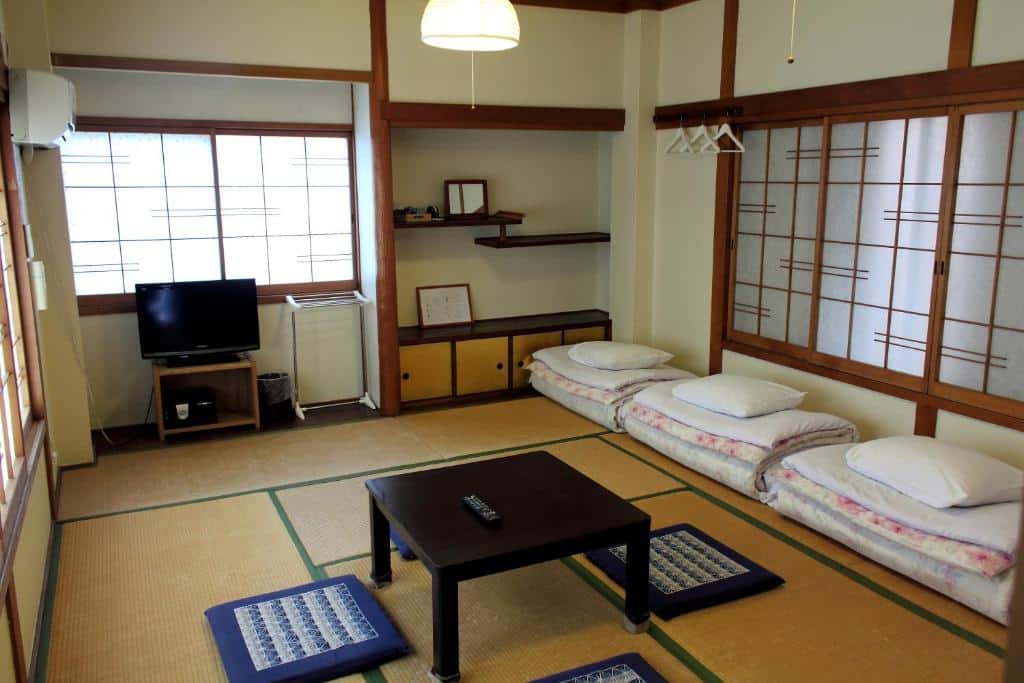
Where to Stay
After visiting the shrines, the tradition is to purify yourself in the healing waters of the nearby Onsen villages. You have two excellent choices within a 15-minute drive from Hongu. The most famous is Yunomine Onsen, a quaint valley village considered one of the oldest spa towns in Japan – and home to Tsuboyu hot spring.
Alternatively, Kawayu Onsen offers a unique experience where the hot spring water bubbles up directly into the riverbed; in winter, they create the massive “Sennin-buro” (Thousand Person Bath) right in the river.
Top Stays: Yunomine & Kawayu
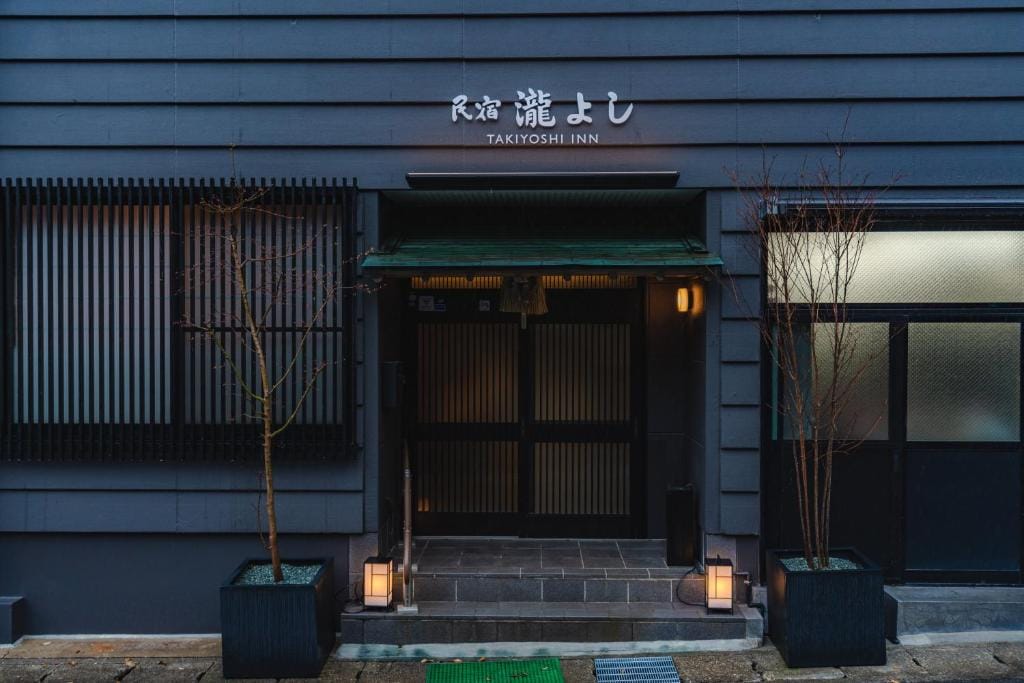 MINSHUKU TAKIYOSHI
A homely, traditional minshuku located right by the river. Famous for its delicious homemade meals.
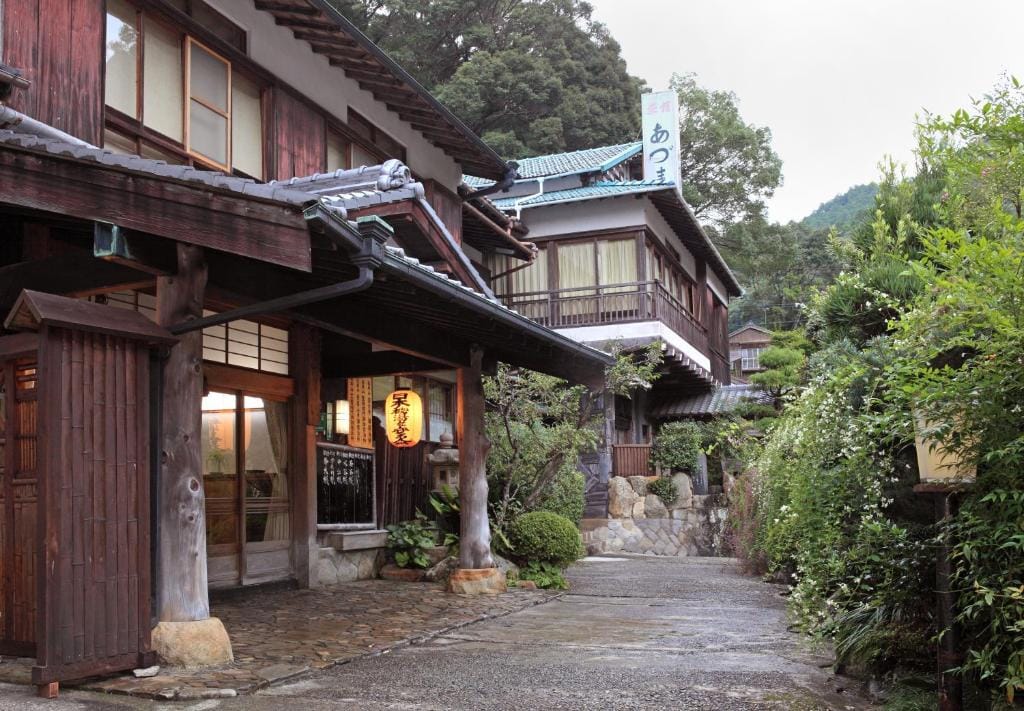 RYOKAN ADUMAYA
The oldest and most prestigious ryokan in the village. Features large wooden baths and deep history.
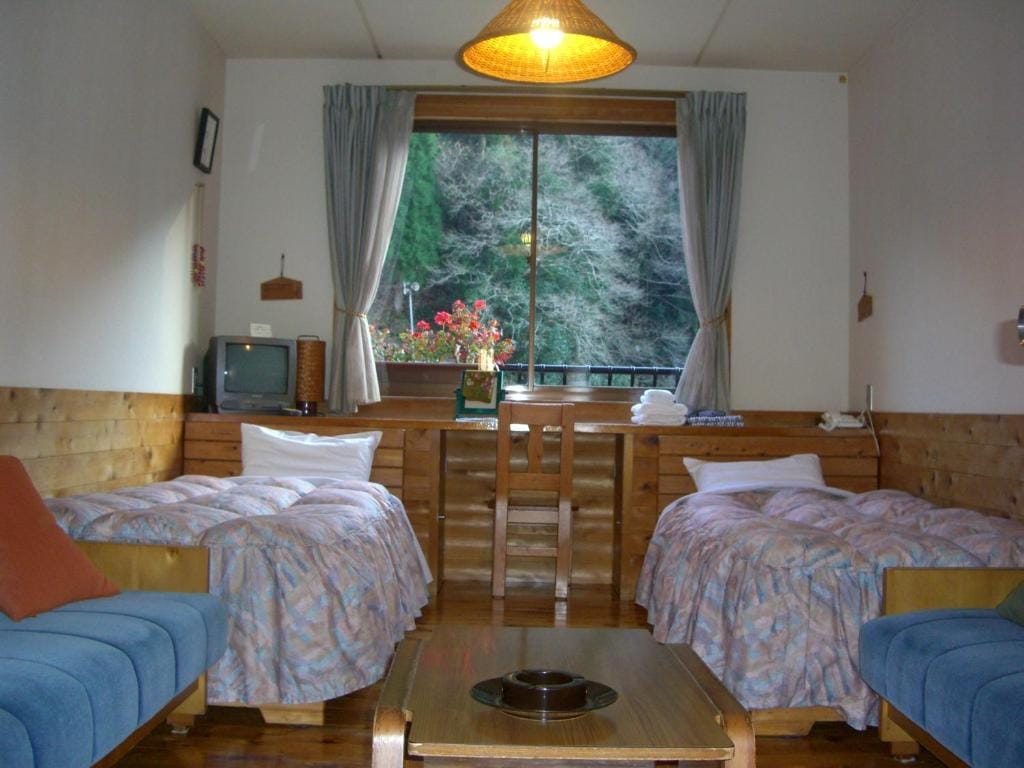 ASHITA NO MORI
A cozy guesthouse located in Kawayu Onsen. Perfect for enjoying the unique riverbed baths.
Day 3 Overview: The Three Grand Shrines
Day 3 – The Three Grand Shrines & Nachi Waterfall
After the intimate village atmosphere of Nakahechi, Day 3 brings a dramatic shift in scale. Today is the crescendo of the pilgrimage, where you will complete the “Kumano Sanzan” circuit by visiting all three Grand Shrines. The journey follows the river from the mountains down to the ocean, culminating in the region’s most famous view.
Stop 1: The Forest Sanctuary (Hongu)
Start your morning early at Kumano Hongu Taisha, the spiritual center of the region. Unlike the vibrant shrines of Kyoto, this shrine is a masterclass in austerity. Its massive roofs, made from layers of cypress bark, blend seamlessly into the surrounding cedar forest.
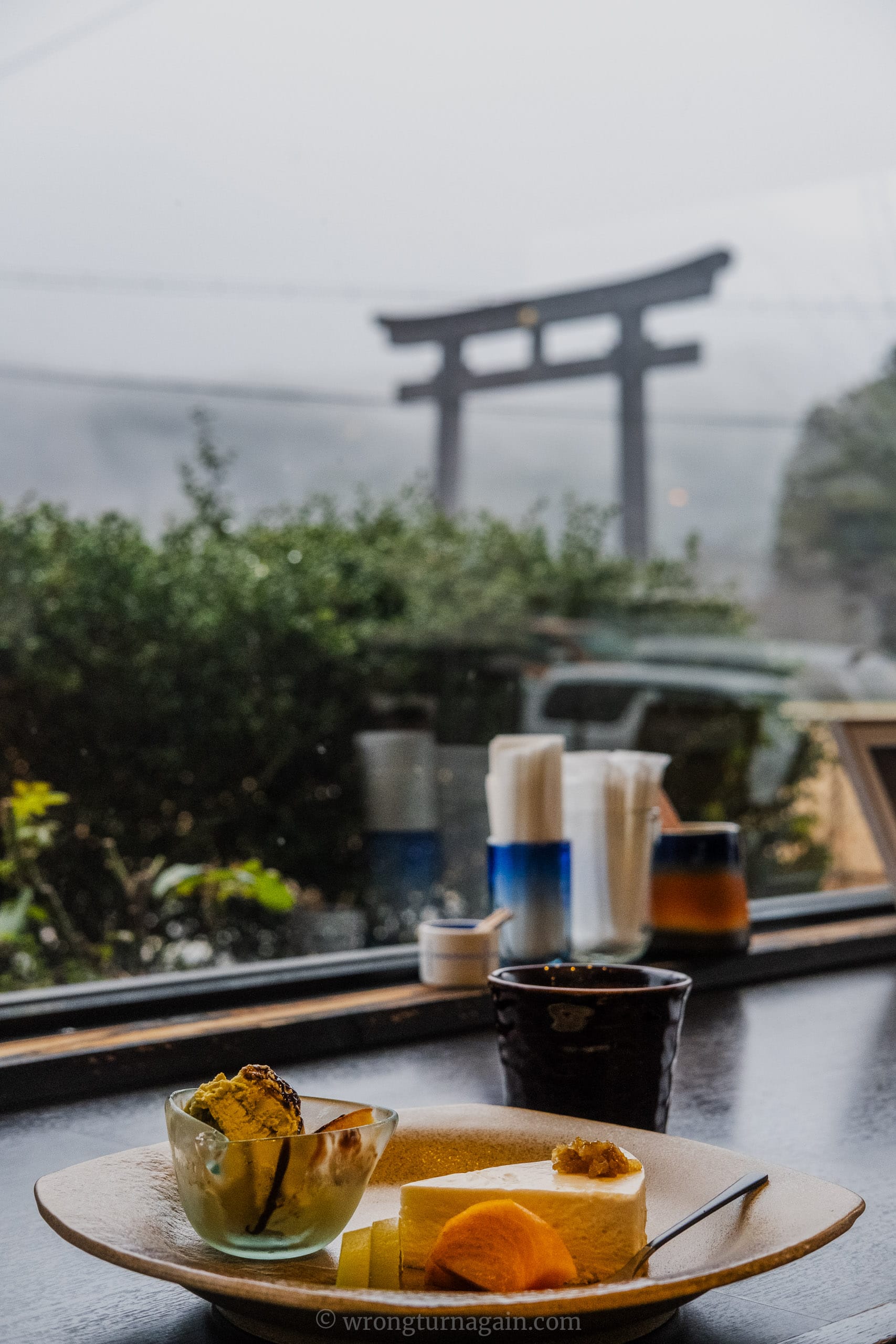
Just a ten-minute walk down the road lies Ōyunohara, the original site where the shrine stood before the 1889 floods. Today, it is marked by Japan’s largest Torii gate. Seeing this 34-meter steel giant standing solitary in the middle of the open rice fields puts the sheer size of the landscape into perspective.
For those who want to claim they walked the Kumano Kodo without committing to a multi-day trek, there is a perfect “hack” here. Park at the Heritage Center and take a local bus to Hosshinmon Oji. From there, walk the trail back to Hongu Taisha. It is a gentle, mostly downhill 7km walk through mist-covered forests and tea plantations that leads you right back to your car.
Stop 2: The River Drive to Shingu
Leaving Hongu, steer your car onto Route 168 heading south. This drive winds through massive gorges alongside the turquoise Kumano River—a route traditionally traveled by pilgrims on small wooden boats. Upon reaching the coast, visit the second Grand Shrine: Kumano Hayatama Taisha. In stark contrast to Hongu, this shrine greets you with brilliant vermilion architecture and a sacred 1,000-year-old Nagi tree.
Located a short drive from the main shrine, a steep climb of 538 jagged stone steps leads you to Kamikura-jinja. This is said to be the spot where the Kumano gods first descended to earth, marked by Gotobiki-iwa—a gigantic sacred rock perched on a cliff edge with a commanding view over the city and the Pacific Ocean.
Stop 3: Nachi Waterfall
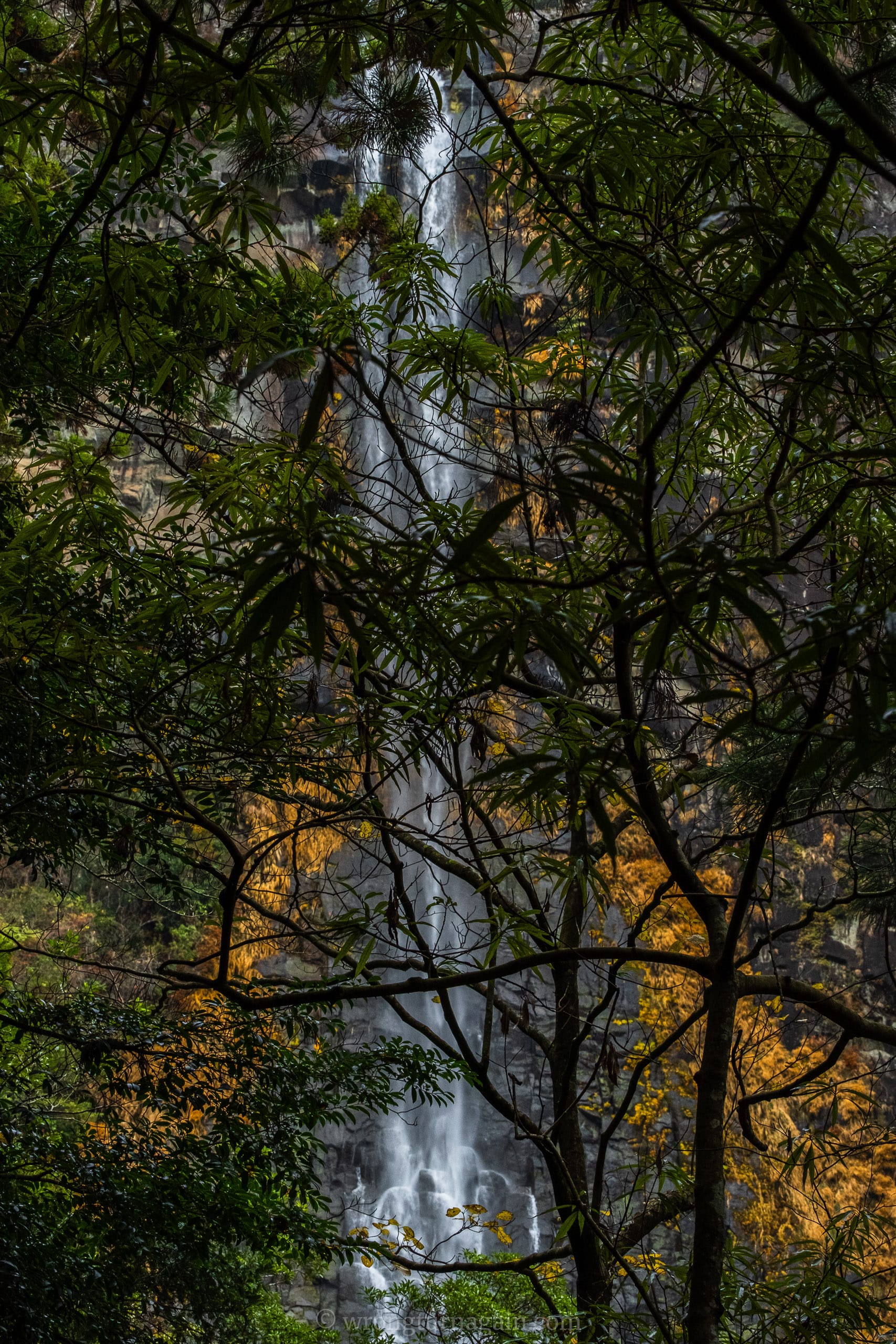
A 20-minute coastal drive brings you to the most spectacular destination for today: Mt. Nachi. This is the postcard view of Wakayama, where the striking vermilion Three-Story Pagoda perfectly frames the raw power of the waterfall.
Park at the base and ascend the Daimon-zaka Slope, an ancient cobblestone path lined with cedars that transports you to the sacred grounds. At the top, visit Nachi Taisha and Seiganto-ji, then walk towards the Three-Story Pagoda for that iconic photo against the waterfall. Finally, follow the path down to the base of Nachi Waterfall to feel the spray of Japan’s tallest drop up close.
Stop 4: Tuna & Hot Springs in Nachikatsuura
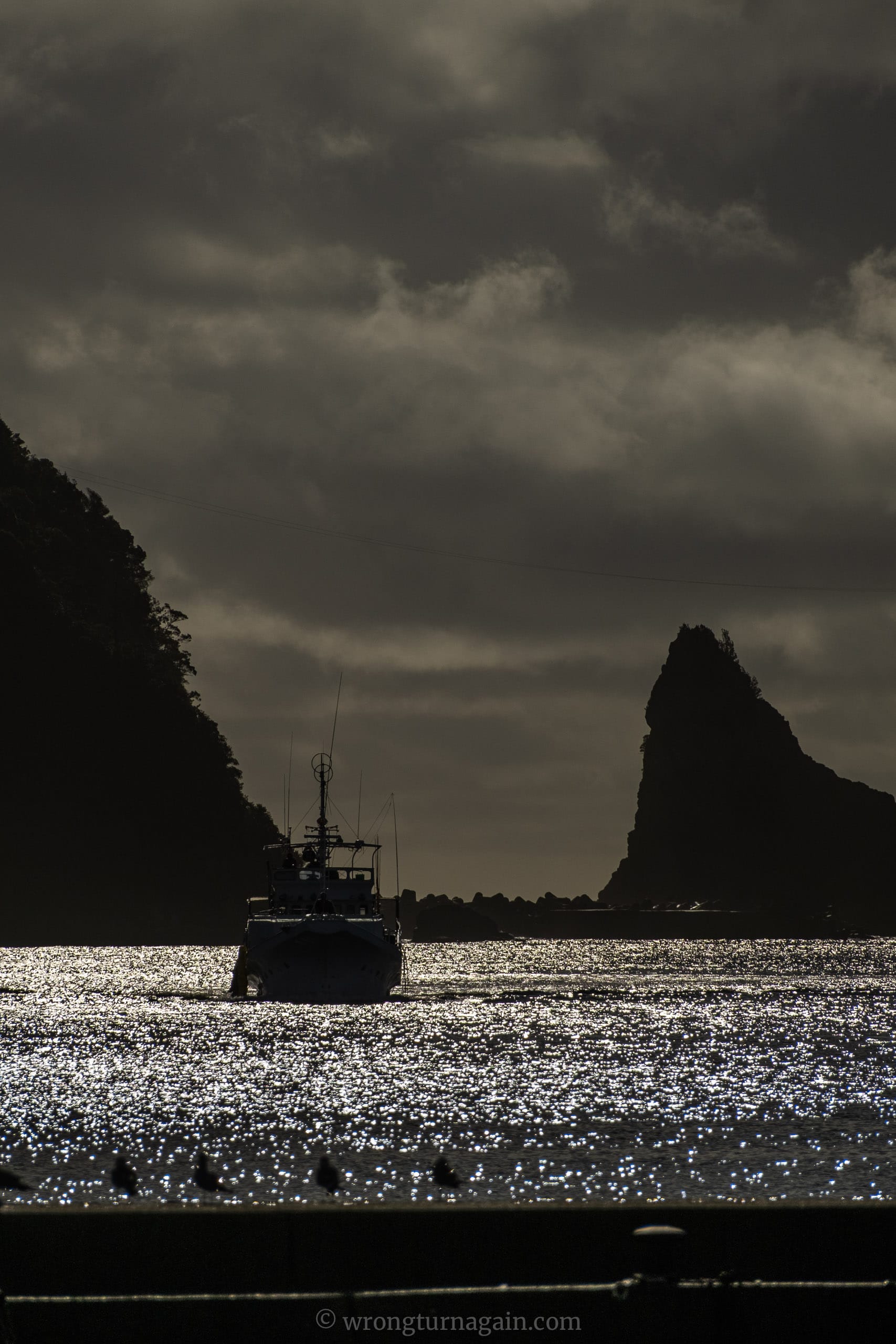
End your day in the bustling port town of Nachikatsuura. Famous for having the highest catch of raw tuna in Japan, this is the ultimate spot to reward yourself with a fresh Maguro dinner.
The town’s other claim to fame is its dramatic “Cave Onsens.” Iconic hotels like Hotel Urashima feature natural hot springs nestled inside cavernous sea caves, allowing you to soak while the Pacific waves crash just meters away.
How to Get There
From your morning base in Yunomine, a short 10-minute drive brings you back to Hongu. From there, the journey transforms into a scenic river cruise on wheels as you follow Route 168 alongside the turquoise Kumano River down to the coast at Shingu. The final leg is a short coastal drive on Route 42/46 to Mt. Nachi, before a quick 20-minute hop to the port of Nachikatsuura for the night.
Hongu Taisha: Near the Heritage Center (free and spacious). | Shingu: Here for Hayatama Taisha and here for Kamikura-jinja. | Nachi Falls: Daimonzaka Parking Lot (for the hike), Nachi Taisha (for the pagoda), or Nachinotaki Parking (for the waterfall). | Nachikatsuura: Pier Park Parking lot (if no parking at the hotel).
Where to Stay in Nachikatsuura
We highly recommend basing yourself in the coastal town of Nachikatsuura, which turned out to be an unexpected highlight of our entire Japan itinerary. Far from being just a practical stopover near the falls, this charming fishing village won us over with its relaxed vibe, seaside scenery, and authentic character.
Staying here gives you the perfect evening setting: soaking in a cave onsen listening to the waves, and being perfectly positioned to experience the lively tuna market the next morning.
Our Top Nachikatsuura Picks
OYADO HANAA charming, family-run inn featuring clean tatami rooms. Perfectly located near the station and port.
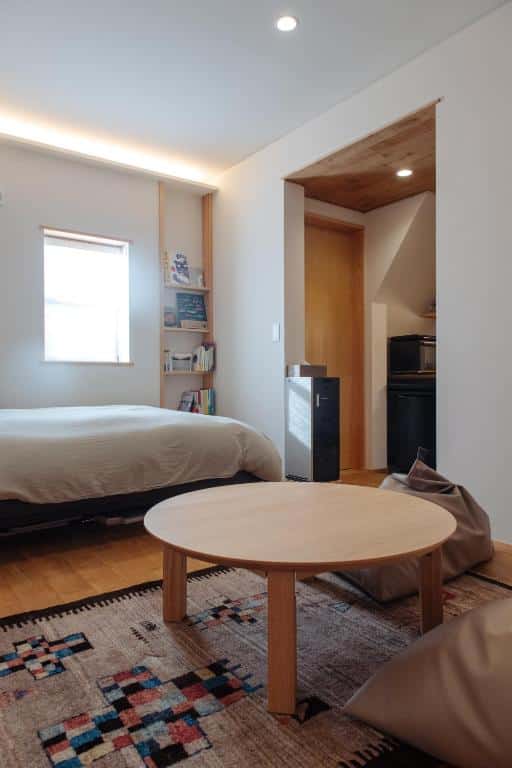
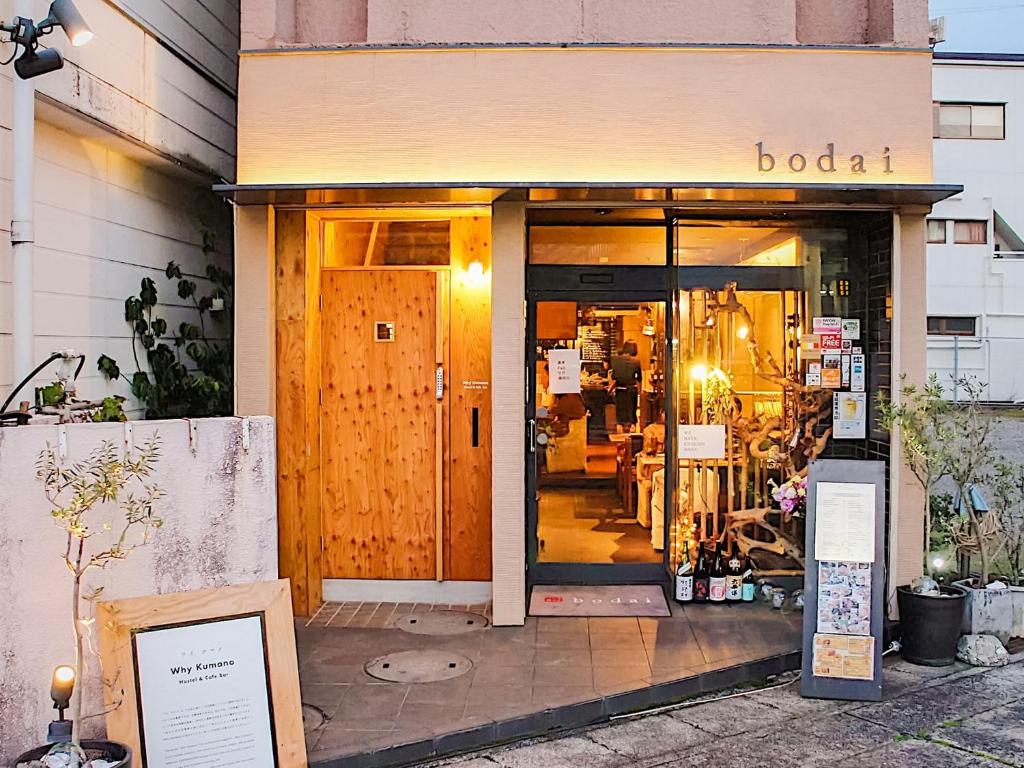 WHY KUMANO
A stylish, modern hostel with a cafe bar downstairs. The best hub for solo travelers seeking local tips.
 TOKIJIKU
A highly-rated guesthouse offering a warm, traditional Japanese welcome. Clean, quiet, and convenient.
Day 4 Overview: The Grand Finale
Day 4 – The Rugged Coast
Wake up to the raw energy of Japan’s biggest tuna port before hitting the road for the final leg of your journey. Day 4 follows the scenic “Iseji” coastal route north into Mie Prefecture. The plan is efficient yet spectacular: a drive along the Pacific coastline stopping at roadside natural wonders, a visit to Japan’s most sacred shrine, and a return to Osaka or Kyoto by nightfall.
Stop 1: The Tuna Auction (Nachikatsuura)
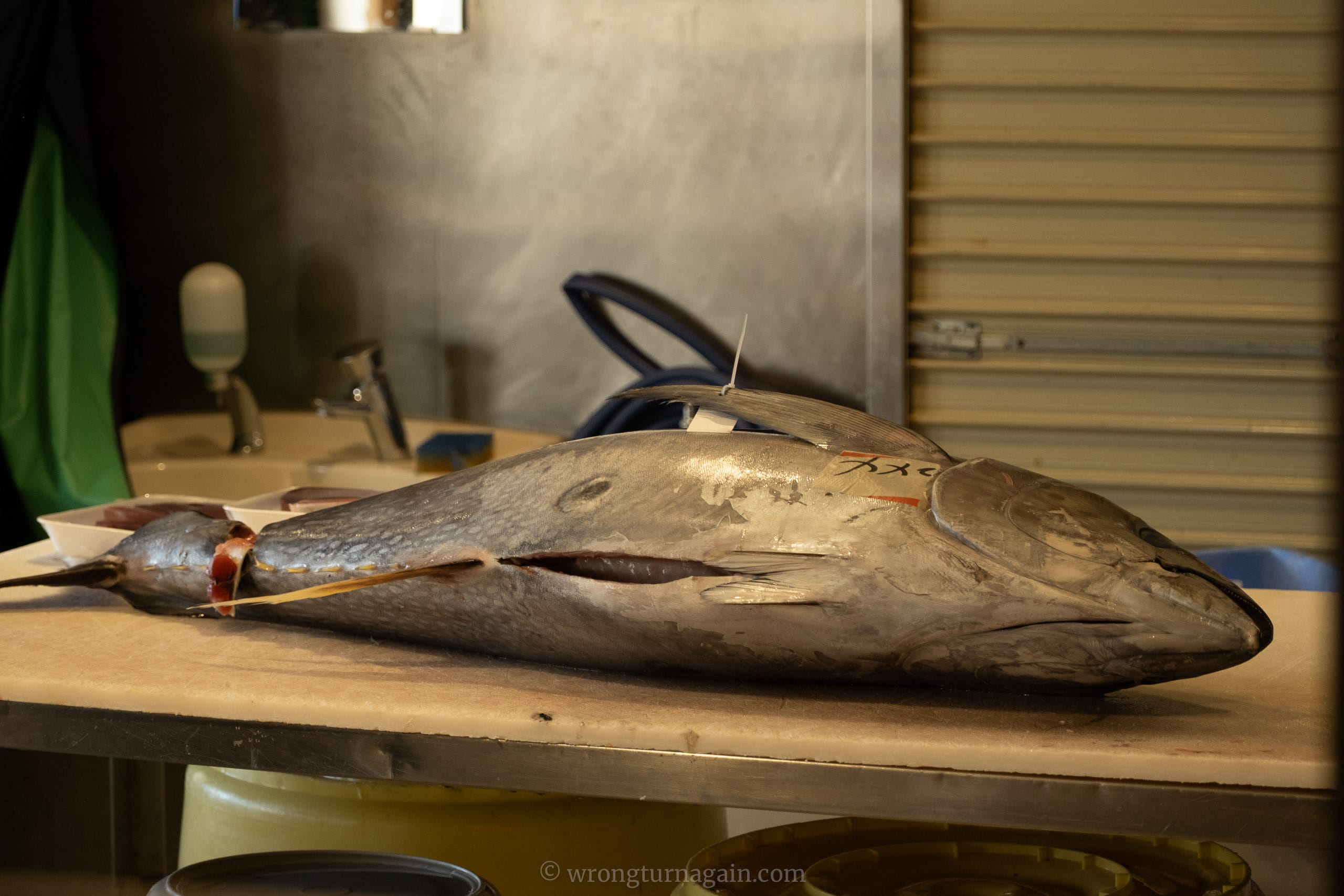
Start your day early right where you slept. Walk down to the Katsuura Fishing Port (usually around 7:00 AM; closed Saturdays) to watch the lively Tuna Auction. Unlike the tourist-packed markets in Tokyo, seeing rows of massive tuna laid out on the concrete while buyers silently bid is a raw, authentic spectacle unique to this town.
Grab a fresh sushi breakfast or tuna grilled over charcoal at the market entrance area before hitting the road.
Optional Detour: Hashiguiiwa Rocks
If you decide to make the detour to Kushimoto, you will find the Hashiguiiwa Rocks, a surreal line of 40 pointed rock pillars stretching 850 meters into the sea. Legend says the monk Kobo Daishi tried to build a bridge here in one night but was thwarted by a demon before he could finish. It is one of the most famous photography spots in Wakayama, especially at sunrise.
Note: This spot is located 25km south of Katsuura (in the opposite direction of your route). Only add this if you don’t mind adding ~50 minutes of extra driving.
Stop 2: Giants of Nature (Hananoiwaya & Onigajo)
Drive north on Route 42 for about 40 minutes to reach Hananoiwaya-jinja. Recognized as the oldest shrine in Japan, it predates traditional architecture and has no main hall. Instead, worship is directed at a colossal 45-meter rock face, believed to be the tomb of the mother-goddess Izanami.
Just 3km further north, pull into the Onigajo Center. This facility serves as the gateway to Onigajo (Demon’s Castle), a spectacular 1km stretch of porous coastline carved by wind and waves. You don’t need to hike the whole trail; simply walk 5 minutes from the parking lot along the cliffside path to see the most dramatic cavernous shapes hanging over the crashing ocean.
Stop 3: Ise Jingu
Continue north (approx. 1.5 hours) to reach Ise Jingu, the spiritual heart of Japan dedicated to the Sun Goddess Amaterasu. The complex is divided into two main parts located a few kilometers apart. Tradition dictates that you first visit Geku (Outer Shrine), the sanctuary of food and shelter, to purify your spirit before proceeding to the holier Naiku (Inner Shrine).
Arriving at Naiku, you cross the wooden Uji Bridge—symbolizing the transition from the mundane to the sacred world—and walk through a vast forest of ancient cypress trees. At the very end of this path lies the Main Sanctuary. While entrance is restricted, catching a glimpse of the thatched roofs over the wooden fences is a powerful moment. The experience here is less about sightseeing and more about feeling the profound sanctity and ancient energy of the place.
Just outside the shrine exit lies Okage Yokocho, a bustling street that recreates the vibe of the Edo period. It is packed with wooden merchant houses, drum sounds, and delicious aromas.
Don’t leave without trying Akafuku (the region’s iconic sweet mochi) or Ise Udon (thick noodles in dark sauce). For a taste of luxury, hunt down Matsusaka Beef—Mie’s answer to Kobe beef. Since a full steak dinner can be pricey, look for street stalls selling beef skewers (kushi) or beef croquettes (“menchi-katsu”) to enjoy the rich flavor at a fraction of the cost.
Stop 4: Futami Okitama Shrine
Before leaving the area, drive 20 minutes to the coast to visit Futami Okitama Shrine. Traditionally, pilgrims visited here before Ise Jingu to purify themselves in the ocean, but nowadays, it is a popular final stop.
The highlight here is the Meoto Iwa (Wedded Rocks)—two sacred rocks in the sea, representing husband and wife, connected by a heavy shimenawa (straw rope). You will also notice countless frog statues around the shrine. In Japanese, the word for “frog” (kaeru) sounds the same as “return home” (kaeru), making this the perfect spot to pray for a safe drive back.
Stop 5: Return to Osaka or Kyoto
With the pilgrimage complete, hop on the Ise Expressway. It is a straightforward drive back to Osaka or Kyoto (approx. 2 to 2.5 hours), marking the end of your Kumano Kodo road trip.
If you are returning to Osaka, the route passes conveniently close to Nara. Instead of rushing back, consider staying the night there. This strategic stop allows you to beat the notorious crowds and enjoy a magical, peaceful morning walk with the deer in Nara Park before completing the final short drive to the city.
How to Get There
From Nachikatsuura, the drive north on Route 42 is a breeze, hugging the coastline for about 2.5 hours until you reach the Ise area. It is a scenic and well-maintained road with plenty of convenience stores for pit stops.
Once you finish at the shrines, the return leg is all about efficiency: hop onto the Ise Expressway for a smooth, high-speed drive (approx. 2 hours) that takes you directly back into the heart of Osaka or Kyoto.
Tuna Auction: Katsuura Port Parking | Hananoiwaya: Roadside Station Hananokura | Onigajo: Onigajo Center Parking Lot | Ise Jingu (Naiku): Municipal Parking (A or B) near Okage Yokocho | Futami Okitama: Futamiura Park Parking lot
Essential Tips for Renting a Car in the Kii Peninsula
Exploring the Kii Peninsula by car unlocks a level of freedom that public transport simply cannot match. It allows you to chase sunrises at remote rocks, reach hidden onsens late at night, and store your luggage easily while hiking. However, driving in Japan comes with specific quirks that differ from Europe or the US. Here is what you need to know to secure your vehicle and stay safe on the road.
1. The Golden Rule: The Right Paperwork
Japan is notoriously strict about documentation. Bringing your passport and home driving license is mandatory but not enough; you strictly need a physical International Driving Permit (IDP) based on the 1949 Geneva Convention.
Ensure your IDP explicitly states “1949 Geneva Convention” on the cover. Be very careful here, as this is the most common mistake travelers make. Many countries (especially in Europe) issue permits based on the 1968 Vienna Convention. Japan does not accept these. If you show up with the wrong booklet, you will be denied the car on the spot, with no exceptions.
Travelers from Belgium, France, Germany, Monaco, Slovenia, Switzerland, and Taiwan are exempt from the IDP but must carry an official Japanese translation of their license (obtainable from the JAF or their embassy).
2. Payment: Physical Credit Card Only
Even if you have prepaid for your rental online, the agency will require a credit card under the main driver’s name at the counter to cover the deposit and verify your identity. Crucially, this must be the physical plastic card. Digital wallets like Apple Pay or Google Pay are almost never accepted for this initial authorization.
While some agencies might theoretically accept cash for smaller car classes, this often triggers strict background checks (like demanding return flight tickets or employment details). Stick to a physical credit card to ensure a smooth handover.
3. Navigating Tolls (The ETC Card)
Japanese highways are excellent but can be surprisingly expensive. To make your life easier, you should rent an ETC Card (Electronic Toll Collection) along with the car.
- How to get it: While the reader device is standard in most rentals, the card itself is an add-on (usually ~330 JPY) that you must explicitly request during booking.
- How it works: Inserting this chip card into the dashboard allows you to breeze through the purple “ETC” toll gates without stopping to count coins. You simply pay the total toll amount to the rental agency when you return the vehicle, often benefiting from a small highway discount.
4. Choosing the Right Vehicle
Size matters in the Kii Peninsula. The coastal roads are wide, but the routes leading to mountain highlights like Yunomine Onsen or the narrow roads of the Nakahechi villages can be challenging. We strongly recommend renting a compact or standard size car. Avoid large SUVs unless you are extremely confident maneuvering on single-lane winding roads.
If traveling between December and March, parts of the route (especially around Koyasan and Hongu) may freeze. You must request winter tires (studless tires) in advance, usually for an extra daily fee.
5. At the Gas Station
Most stations in Japan are Self-Service. The color coding is universal: Red is Regular Petrol (standard for rental cars), Yellow is High Octane, and Green is Diesel. Prices currently hover around ¥170–¥180 per liter.
Payment & Receipts:
- Cash: You must insert your bills first to authorize the pump. If you insert ¥10,000 but only use ¥5,000, the machine will not give you change directly. Instead, it issues a receipt with a barcode. You must take this receipt to a separate “Change Machine” nearby to get your money back.
- Credit Card: You can also pay by card. Note that the machine often pre-authorizes a maximum amount (e.g., ¥15,000) to unlock the pump. Do not panic—the actual charge will be adjusted to the exact amount you pumped, and the difference will be released back to your card after a few days.
- Avoid “Prepaid Cards”: The touchscreen may ask if you want to issue a “Member Card” or “Preca” (Prepaid Card) for a discount. Always select “No” / “Cash” / “Credit”. If you accidentally create a prepaid card and insert a ¥10,000 bill, the machine will load your entire change onto that card. This balance is non-refundable and can only be used at that specific gas station chain.
The Return Rule: You must return the car with a full tank. Unlike in other countries, the agency will ask to see the actual receipt from a gas station near the drop-off point to prove you just filled up. Keep it safe!
Best Time to Visit the Kii Peninsula
The optimal time for a Kii Peninsula road trip is during Spring (March to May) and Autumn (October to November). These seasons offer mild temperatures ideal for hiking the Kumano Kodo trails and driving through mountain passes. Spring brings the famous cherry blossoms (sakura), while Autumn transforms the forests into vibrant shades of red and gold.
While summer offers lush greenery, be prepared for high humidity and the rainy season (June–July). Winter provides a mystical, quiet atmosphere, though icy roads in mountainous areas like Koyasan require caution.
Key Festivals & Events
- Oto Matsuri (Fire Festival) Feb 6Held at Kamikura-jinja in Shingu. Around 2,000 men dressed in white run down 538 steep stone steps carrying flaming torches. It is one of the most ancient and dramatic fire festivals in Japan, symbolizing purification and renewal.
- Hongu Spring Festival Apr 13 – 15The quintessential festival of the Kumano Kodo. The main event features fathers carrying their young sons on their shoulders in a colorful procession to Oyunohara, accompanied by traditional music and purification rituals in the hot spring waters of Yunomine.
- Nachi Fire Festival July 14One of Japan’s three largest fire festivals. Twelve massive torches, weighing 50kg each, are carried up the approach to Nachi Falls to purify the path for the portable shrines. The sight of flames against the backdrop of the waterfall is unforgettable.
- Candle Festival (Rosoku Matsuri) Aug 13A deeply spiritual event at Okunoin Cemetery. Over 100,000 candles are lit along the 2km path to Kobo Daishi’s mausoleum to guide the souls of ancestors. The atmosphere in the ancient cedar forest is incredibly moving and photogenic.
Kii Peninsula Budget Breakdown
You may ask how much a road trip to the Kii Peninsula costs. Compared to the tourist hotspots of Tokyo or Kyoto, this region is surprisingly affordable, though the biggest expense will be your vehicle. A 4-day self-drive itinerary generally averages between ¥60,000 and ¥90,000 per person, depending largely on your accommodation choices.
While car rental and expressway tolls are the primary fixed costs, you can save significantly by eating at local shokudo (cafeterias) and choosing guesthouses over luxury ryokans.