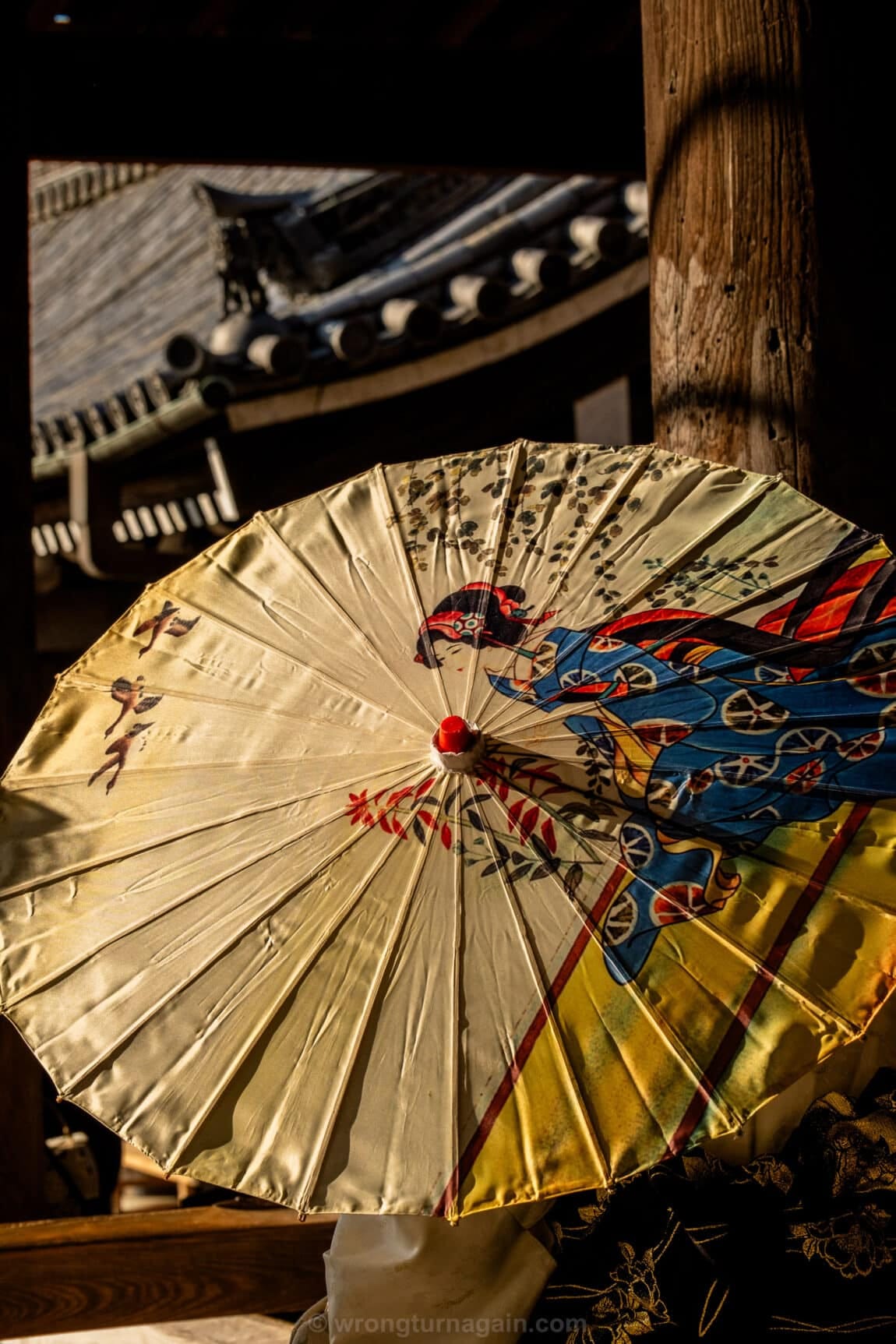
Deciding on the best places to visit in Japan can feel completely overwhelming. It is a country of striking extremes, where blinding neon cityscapes and futuristic bullet trains seamlessly give way to silent Shinto shrines and ancient cedar forests.
If you are figuring out where to go in Japan for first timers, your eyes will naturally be drawn to the central island of Honshu. This is the heart of the legendary “Golden Route,” hosting the urban energy of Tokyo and the timeless geisha districts of Kyoto.
However, the true magic often lies just beyond the city limits. This guide balances those iconic heavy hitters with the most beautiful landscapes in Japan. From remote mountain trails within Honshu itself to a few spectacular outliers in the far north and deep south, we’ve included the rugged, Japan off the beaten path spots that most tourists miss.
As you can see from the map above, these incredible spots are scattered across thousands of miles. While a well-planned 3-week Japan itinerary is just enough time to comfortably cover the essential highlights and cultural hubs across Honshu, experiencing every destination on this list would take at least 5 weeks.
If your time is limited, don't try to rush through them all. Instead, pick a few of your absolute favorites—whether you want to focus on pristine Japan nature destinations or hunt down truly unique places to visit in Japan—and build a more relaxed, focused trip around them.
1. Tokyo
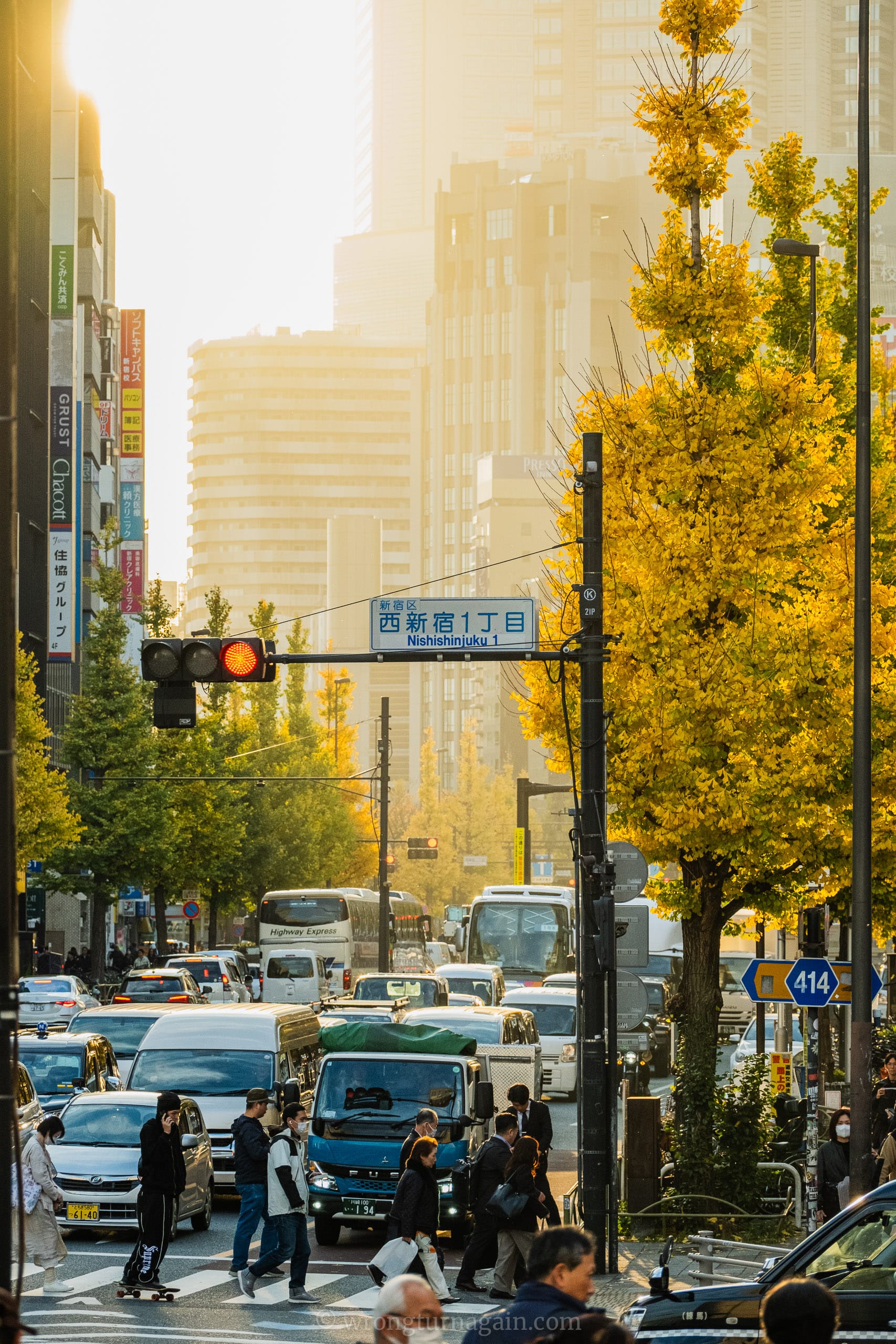
No trip to Japan is complete without diving headfirst into its sprawling, neon-lit capital. The sheer scale of Tokyo is initially overwhelming, defined by towering skyscrapers, multi-level train stations, and the organized chaos of Shibuya Crossing moving with clockwork precision.
Yet, step away from the bustling fashion hubs of Harajuku or the lively seafood stalls of the Tsukiji Outer Market, and you will quickly find yourself navigating narrow, smoke-filled izakaya alleyways or quiet, incense-filled temple grounds.
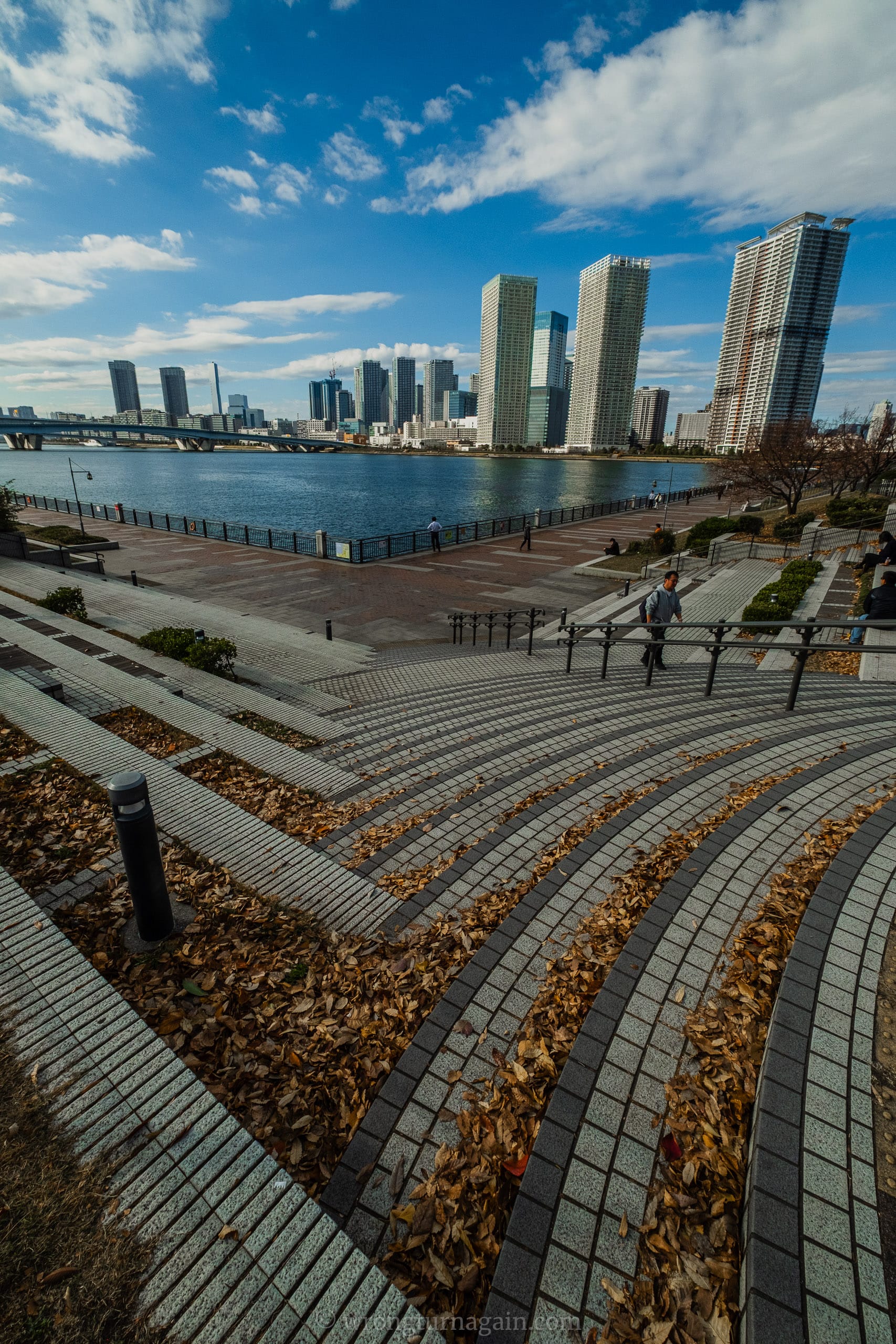
This endless collision of the ultra-modern and the deeply traditional is exactly what makes the city so addictive. You can easily spend your morning marveling at the massive red lantern of Senso-ji Temple, your afternoon wandering through the serene, forested paths of the Meiji Shrine, and your evening eating world-class ramen in a tiny, six-seat restaurant tucked away in Shinjuku.
2. Mount Fuji
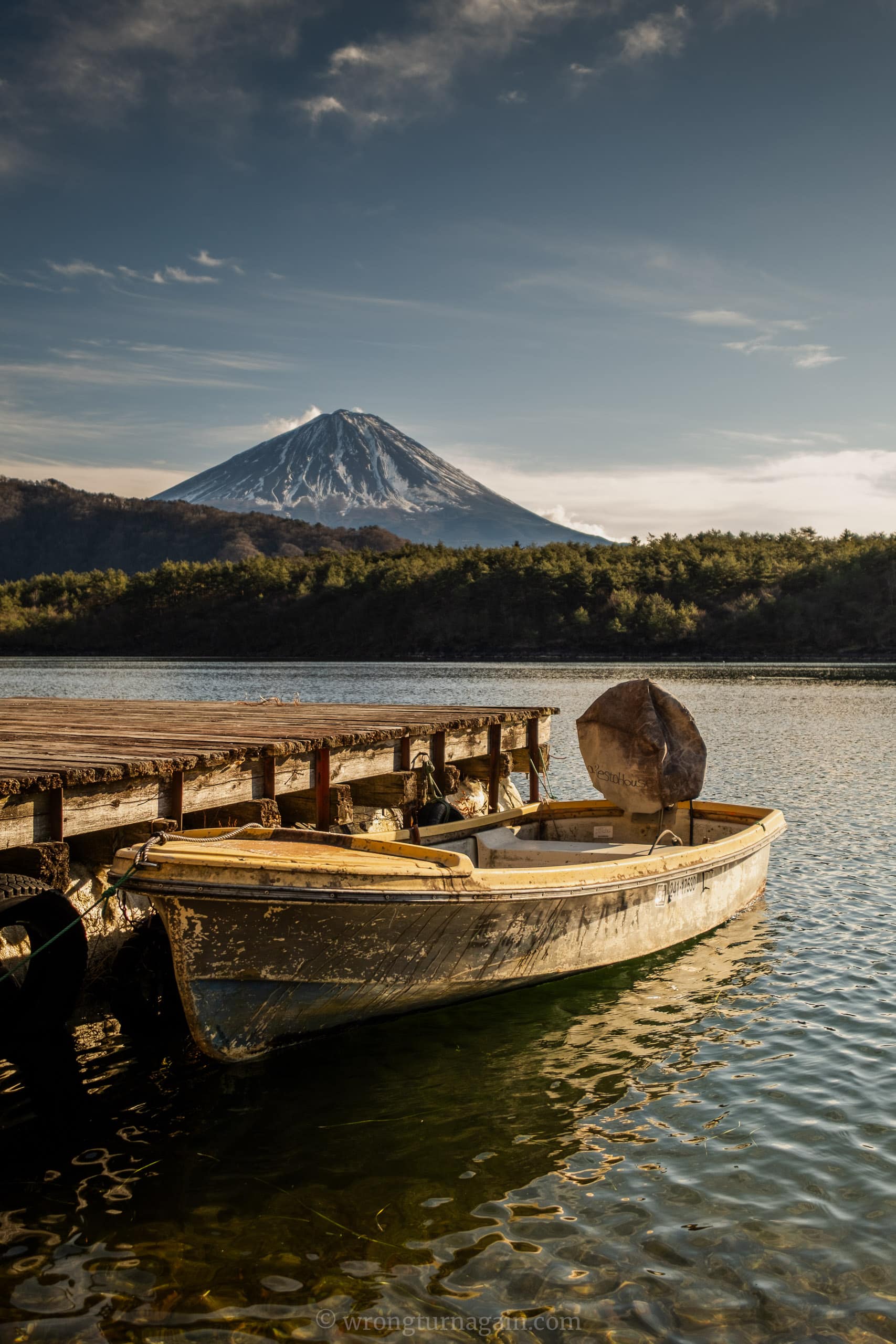
Mount Fuji is far more than just a mountain; it is a sprawling region of lakes, historic shrines, and unforgettable vantage points. The sheer scale of this perfectly symmetrical, snow-capped volcano has inspired travelers for centuries. Standing in its shadow is a deeply humbling experience, whether you are admiring it from afar on a crisp morning or preparing to tackle its steep slopes.
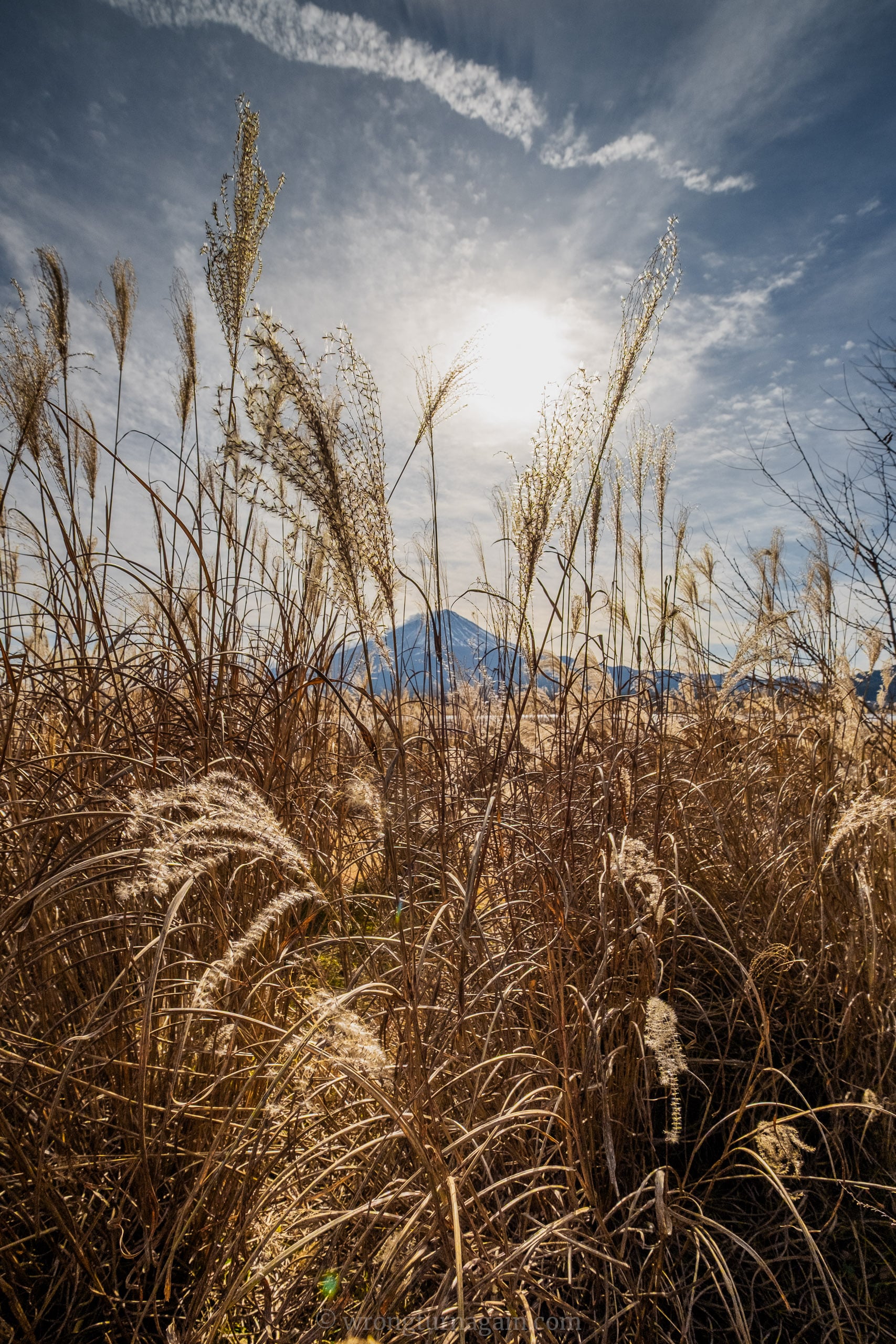
The classic, postcard-perfect view awaits at the Chureito Pagoda, where climbing nearly 400 steps rewards you with the sight of vibrant red tiers framing the mountain. If you prefer a more relaxed pace, renting a bicycle to cruise around Lake Kawaguchiko offers the chance to catch the famous reflection on the calm waters. For the truly adventurous, the overnight summit hike to witness the sunrise in summer remains one of the most memorable hiking experiences in the country.
3. Jigokudani Snow Monkey Park
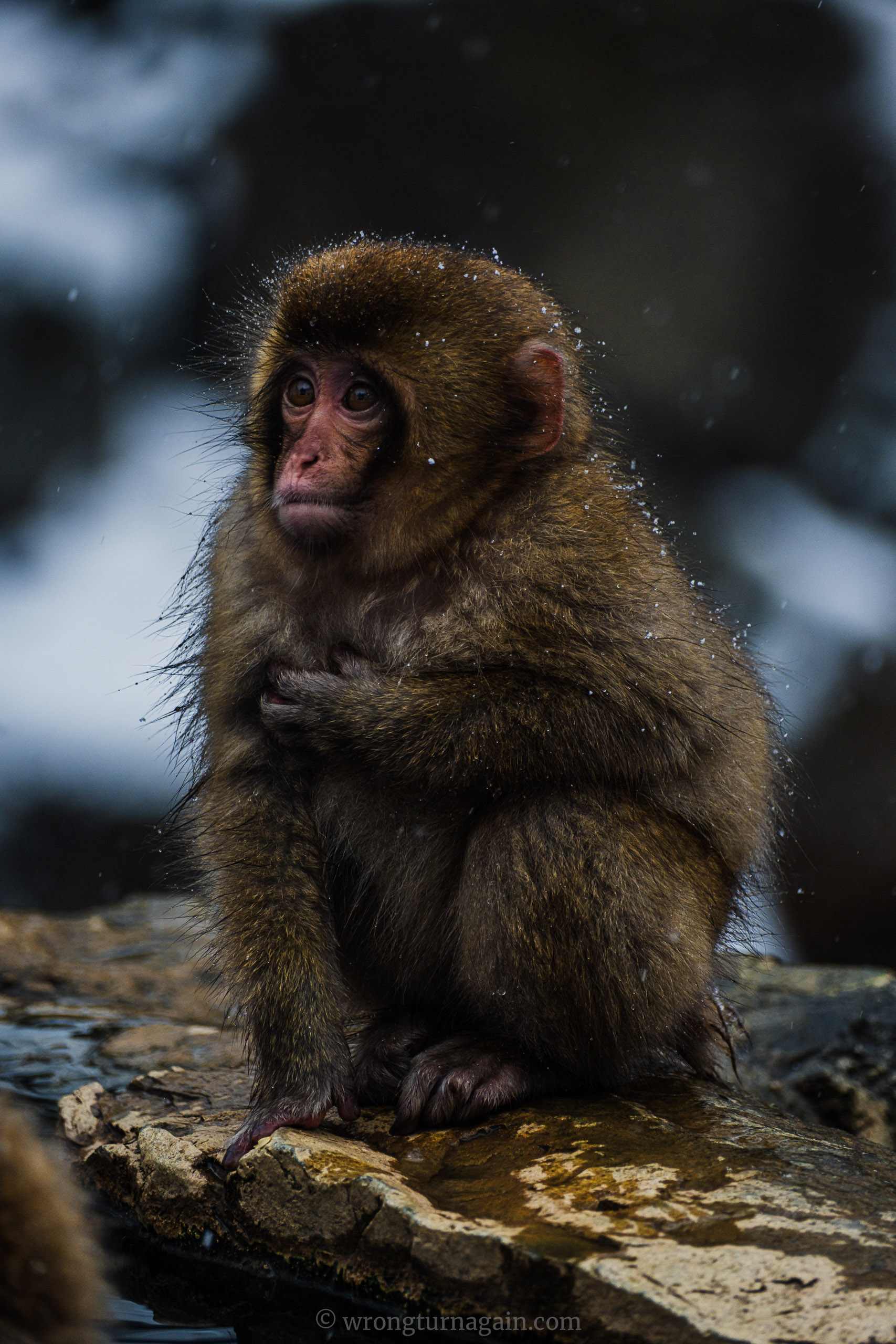
Deep in the rugged mountains of Nagano Prefecture, Jigokudani translates to "Hell's Valley" due to its steep cliffs and steaming hot springs. During the harsh winter months, this dramatic, snow-covered landscape transforms into a serene haven for the region's famous wild Japanese macaques. Watching these incredibly expressive animals interact, groom each other, and relax in the steaming water feels like stepping directly into a nature documentary.
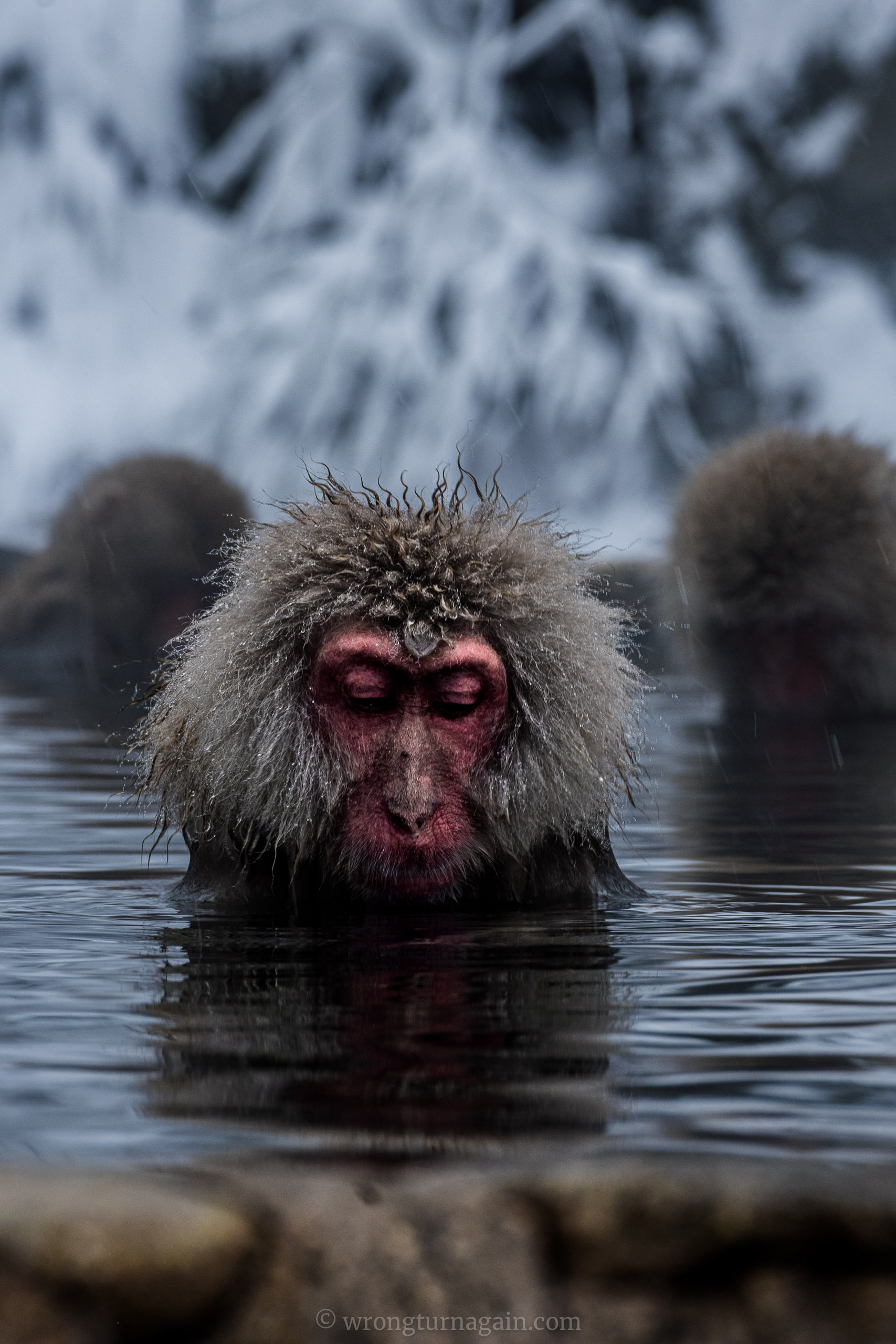
The journey itself sets the tone, requiring a highly scenic walk through a frosted pine forest to reach the main Monkey Park. Once there, you can observe the macaques up close as they bathe in the natural Yokoyu River hot springs, completely unfazed by human visitors. After spending time with the monkeys, wandering back down to the nearby Shibu Onsen allows you to soak in traditional thermal baths yourself, perfectly capping off a freezing, magical day out.
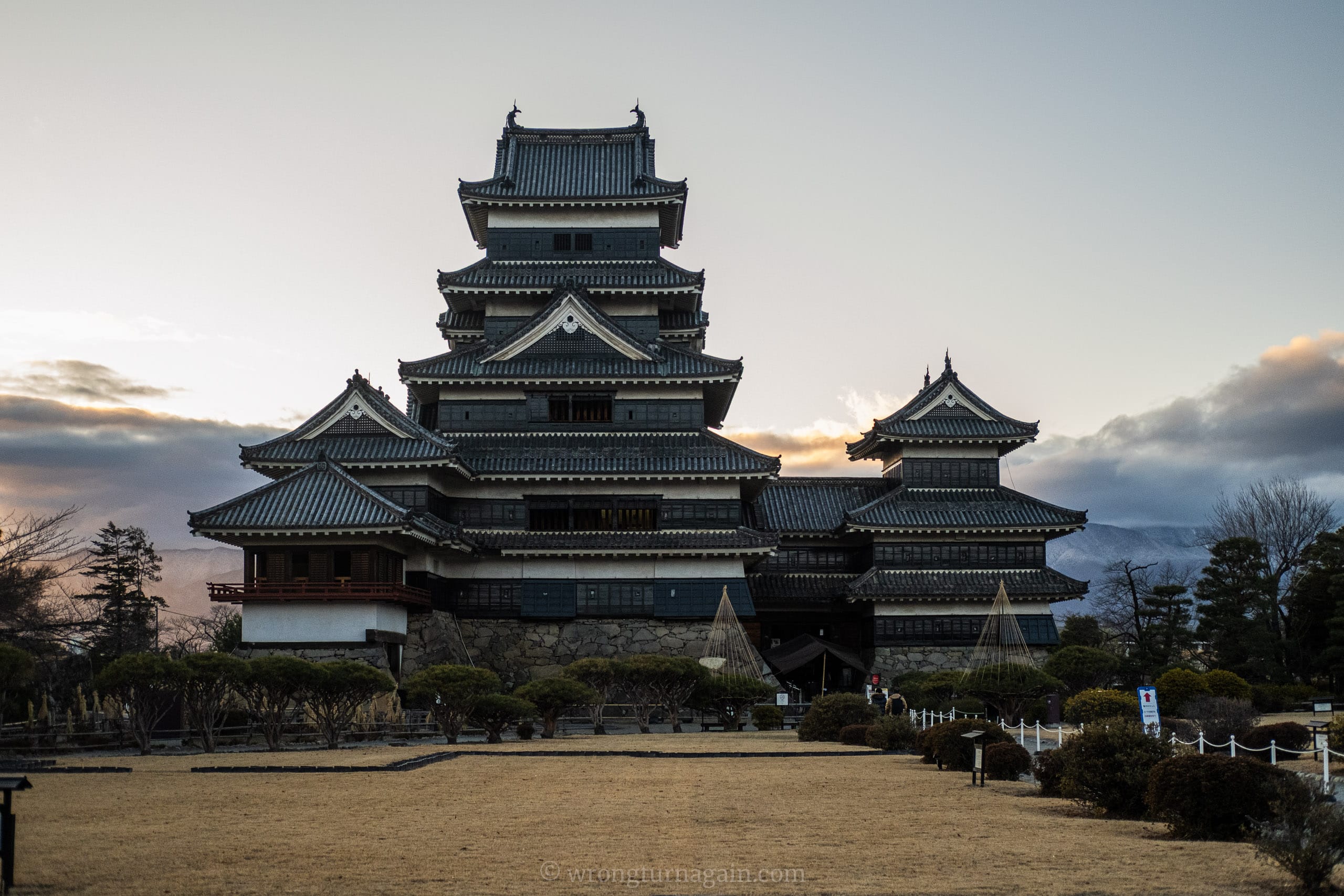
4. Matsumoto Castle
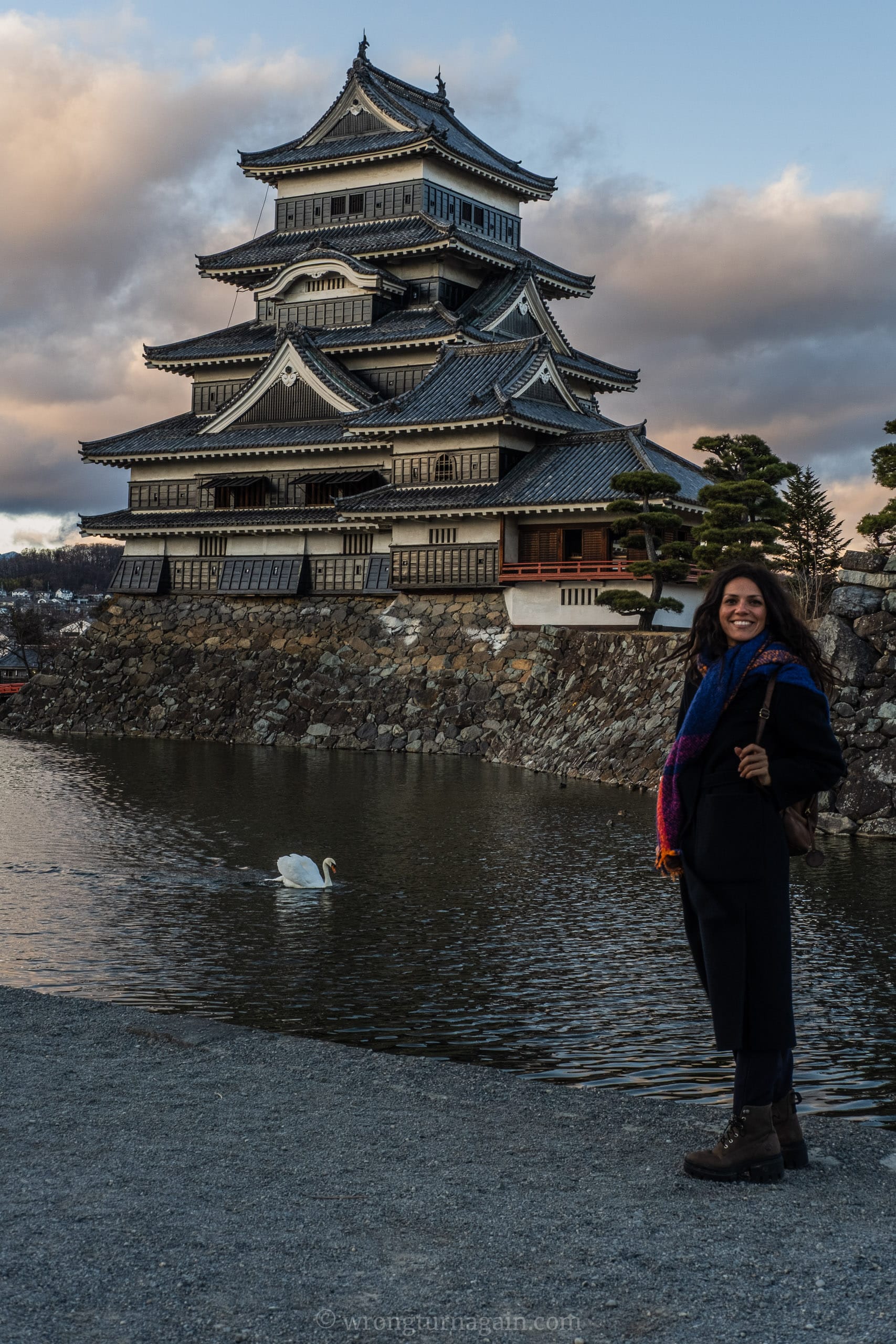
Affectionately known as the "Crow Castle" for its striking black-and-white facade, this imposing 16th-century fortress is one of Japan's most magnificent original structures. Set against the breathtaking backdrop of the Japanese Alps, the multi-tiered stronghold appears to float elegantly above a wide, swan-filled defensive moat. Unlike many rebuilt landmarks, it proudly retains its authentic, steep wooden interiors.
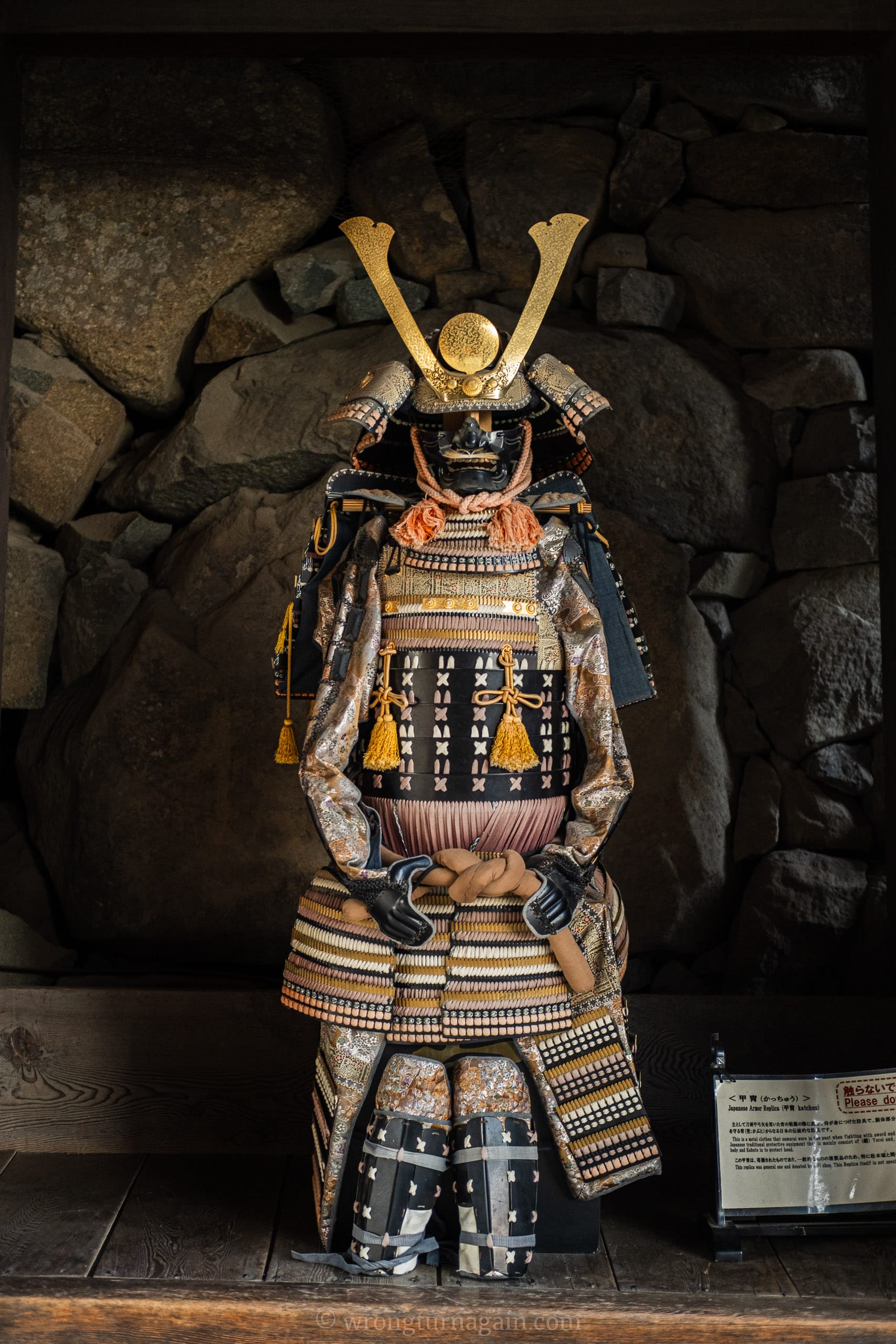
Exploring the inside requires navigating narrow staircases past fascinating displays of authentic samurai armor, eventually rewarding you with spectacular panoramic views from the top floor. After descending, a short stroll takes you to the nearby Nakamachi Street. Here, you can easily spend an afternoon wandering past preserved merchant storehouses creatively transformed into boutique craft shops and cozy cafes.
5. Takayama
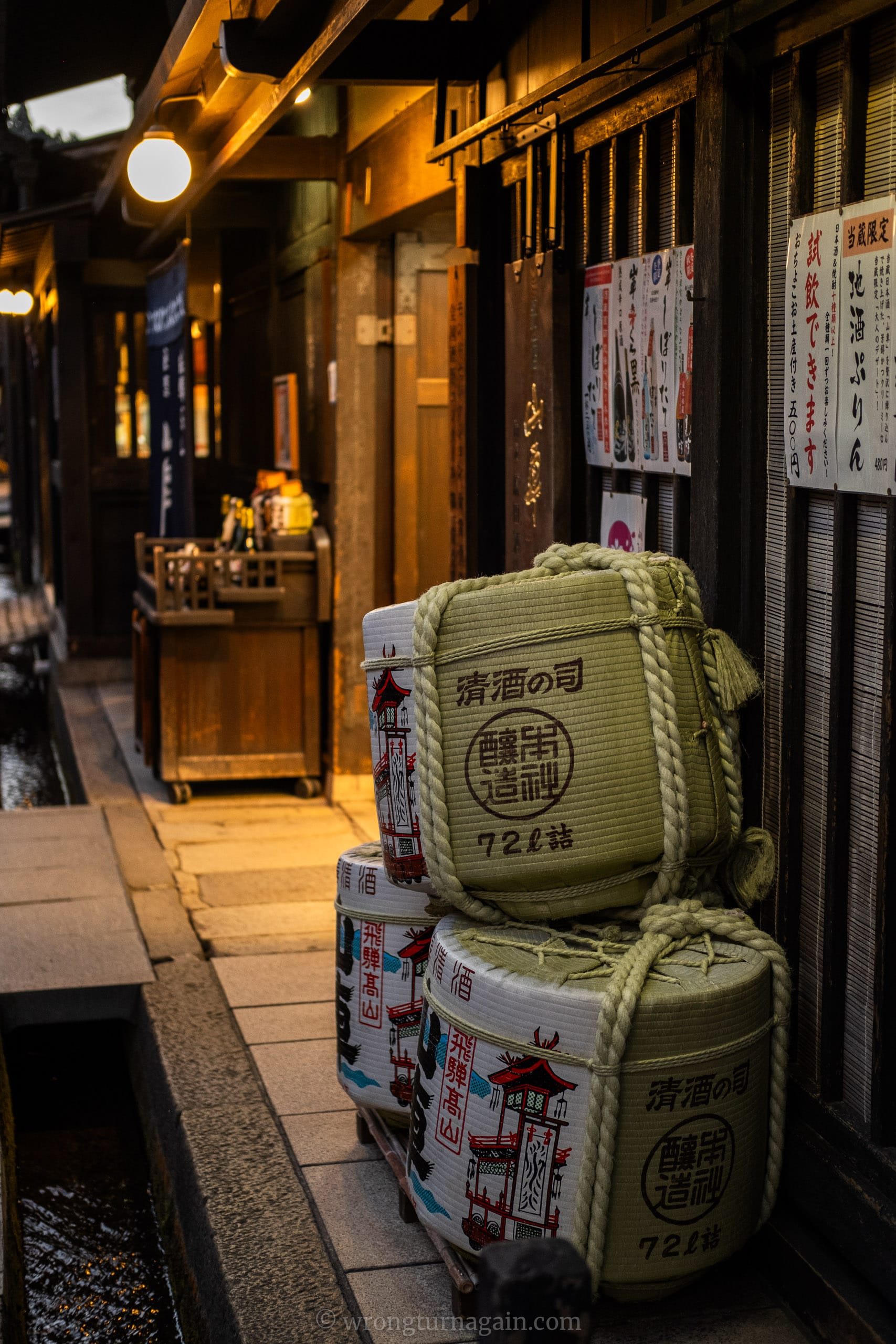
Nestled in the mountainous Hida region, Takayama offers a remarkably intact historic center that transports you straight back to the Edo period. Its narrow streets are completely free of neon lights and modern high-rises, defined instead by preserved wooden merchant houses, centuries-old sake breweries, and the unmistakable scent of cedar.
The main draw is the Sanmachi Suji district, where you can sample world-renowned Hida beef skewers right off the grill and sip local sake from tiny ceramic cups. In the mornings, the riverside Miyagawa Morning Market bursts into life with vendors selling fresh alpine produce and handmade crafts. Just outside the center, the Hida Folk Village (Hida no Sato) features a stunning open-air collection of traditional, steep thatched-roof houses.
6. Shirakawa-go & Gokayama
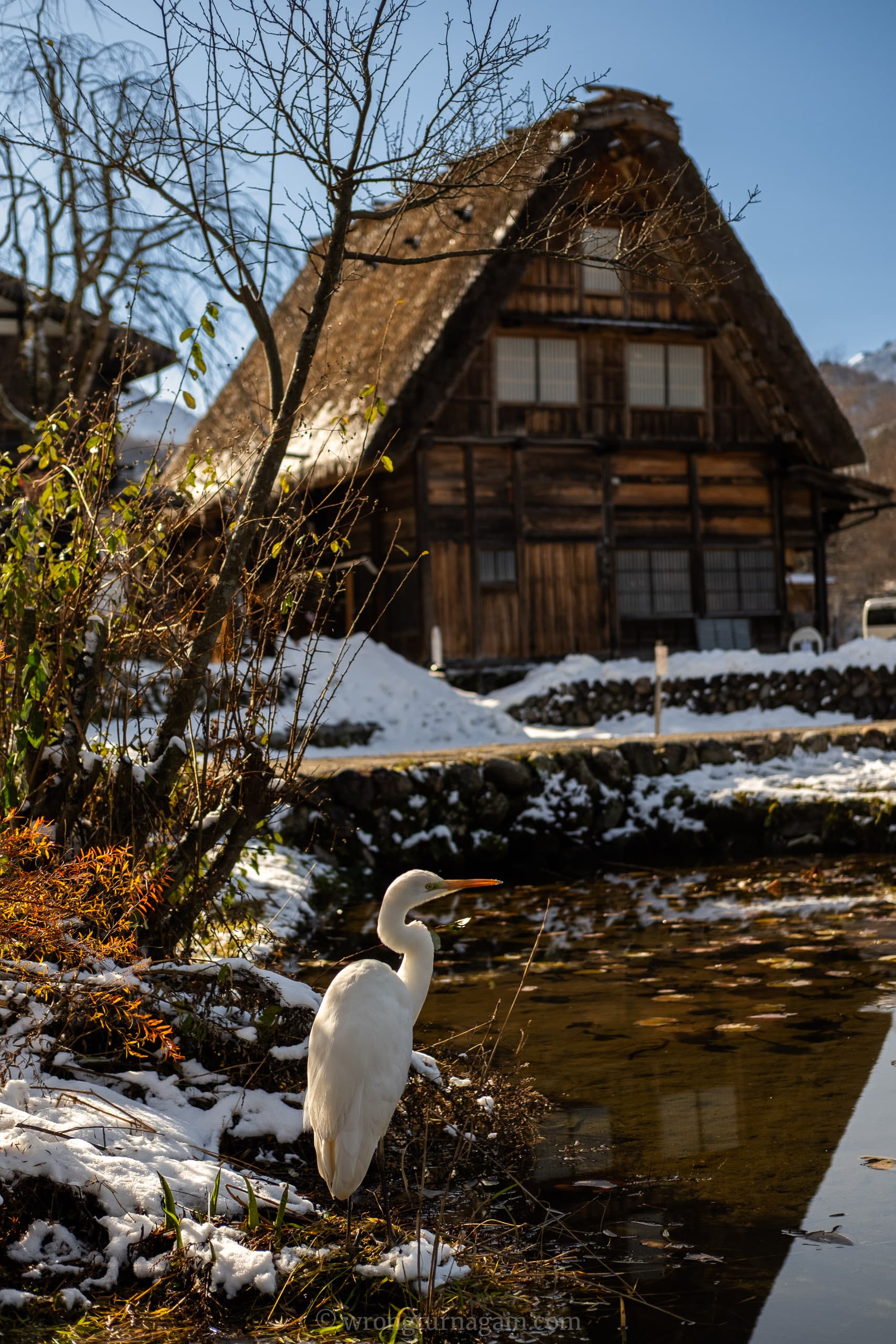
Tucked away in the remote Shogawa River Valley, these UNESCO World Heritage villages look like they were pulled straight from the pages of a winter fairytale. The defining feature here is the gassho-zukuri farmhouses, known for their steep, thatched roofs designed to resemble hands pressed together in prayer to withstand heavy snowfall. Visiting during the colder months, when the valley is blanketed in thick snow and illuminated softly at night, is undeniably one of the most magical things to do in Japan.
Ogimachi is the largest and most accessible village in Shirakawa-go, offering dozens of preserved houses to explore, with some even operating as traditional inns or museums. For a much quieter experience, heading slightly north to the neighboring Gokayama region allows you to wander through the intimate settlements of Suganumaand Ainokura almost entirely alone.
7. The Nakasendo Trail
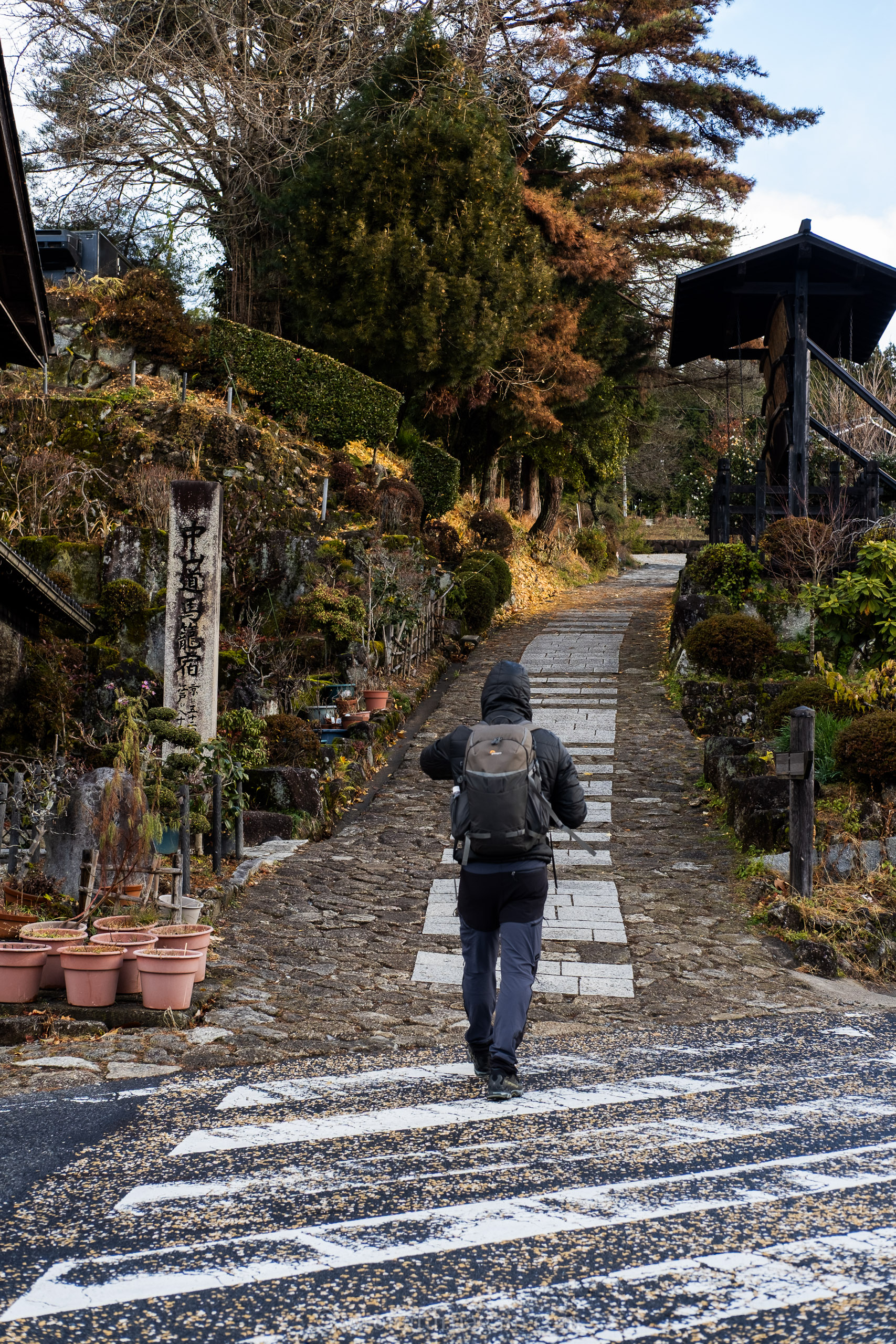
Walking the ancient Nakasendo Trail is the closest you can get to experiencing Japan during the samurai era. Originally a vital feudal routing network connecting Kyoto and Edo (Tokyo), the section running through the lush Kiso Valley remains beautifully untouched. It is a tranquil, forested journey entirely free of modern distractions, where the only sounds are rushing streams and the gentle ringing of brass bear bells attached to hikers' backpacks.
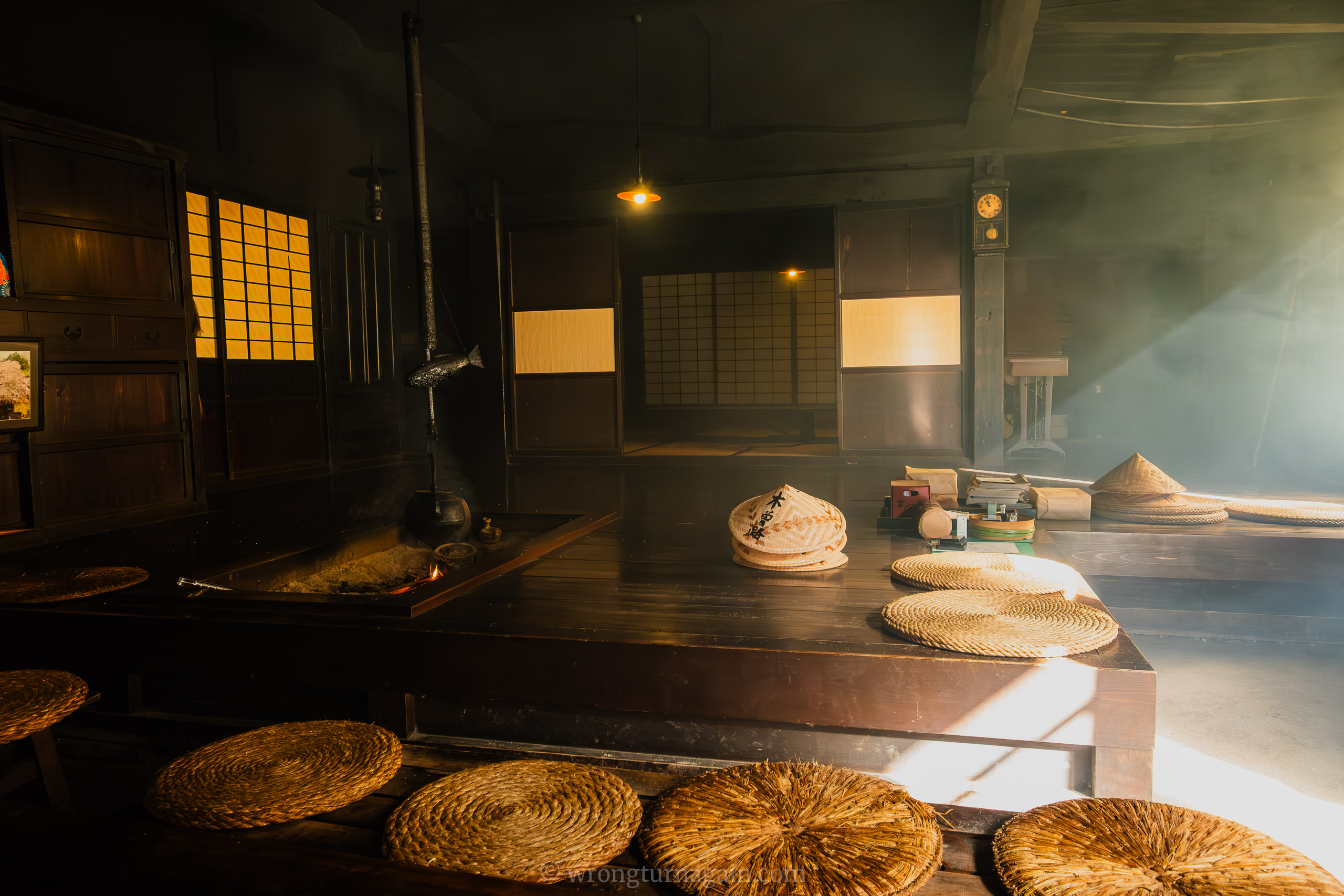
The most famous and accessible stretch is the hike between the meticulously preserved post towns of Magome and Tsumago. As you leave the steep, cobblestone streets of Magome, the trail winds through dense cedar forests, past small cascading waterfalls, and alongside rural farming plots. Arriving in Tsumago feels incredibly rewarding, allowing you to rest your legs and sip matcha at a traditional wooden teahouse just as weary travelers did centuries ago.
8. Kyoto
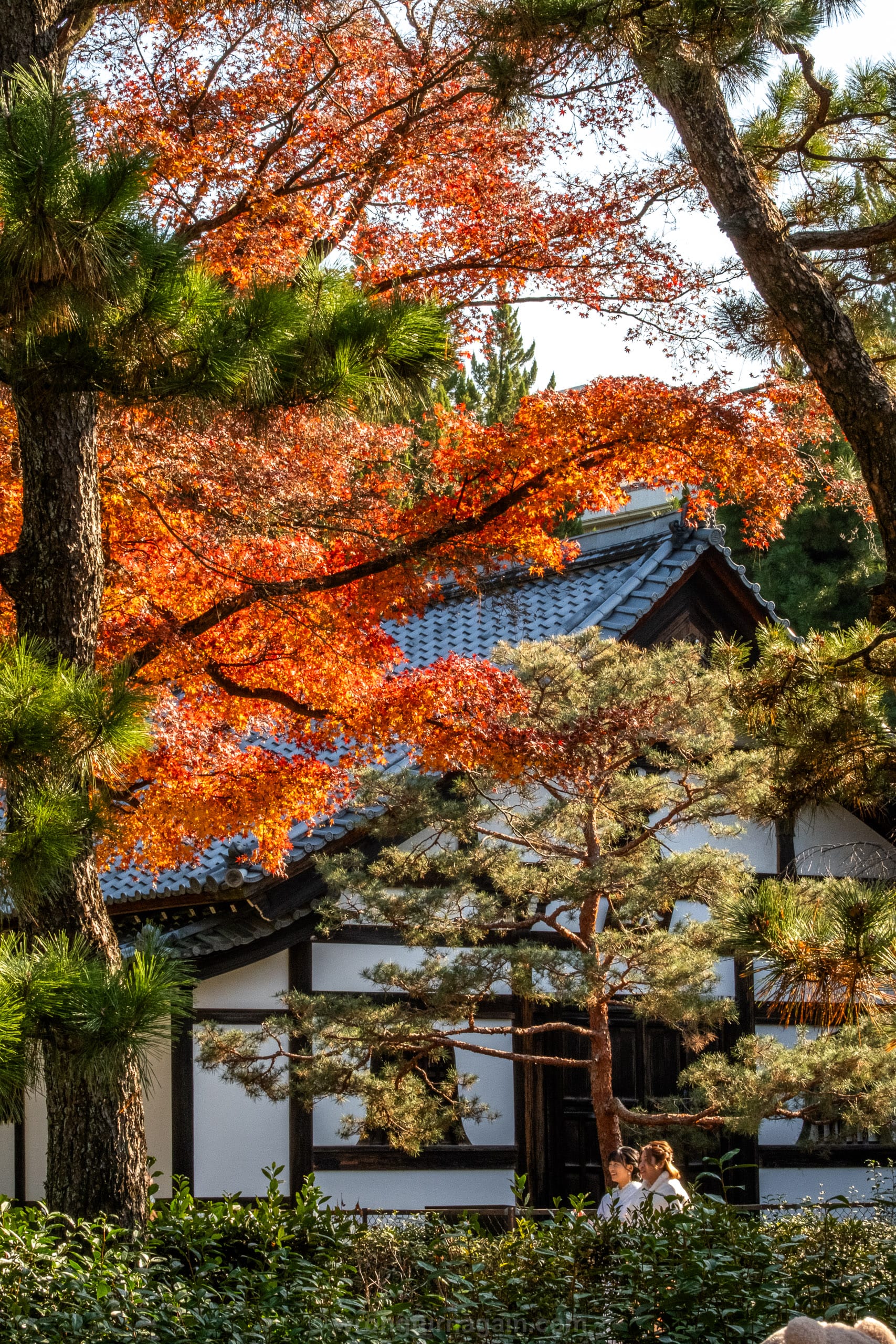
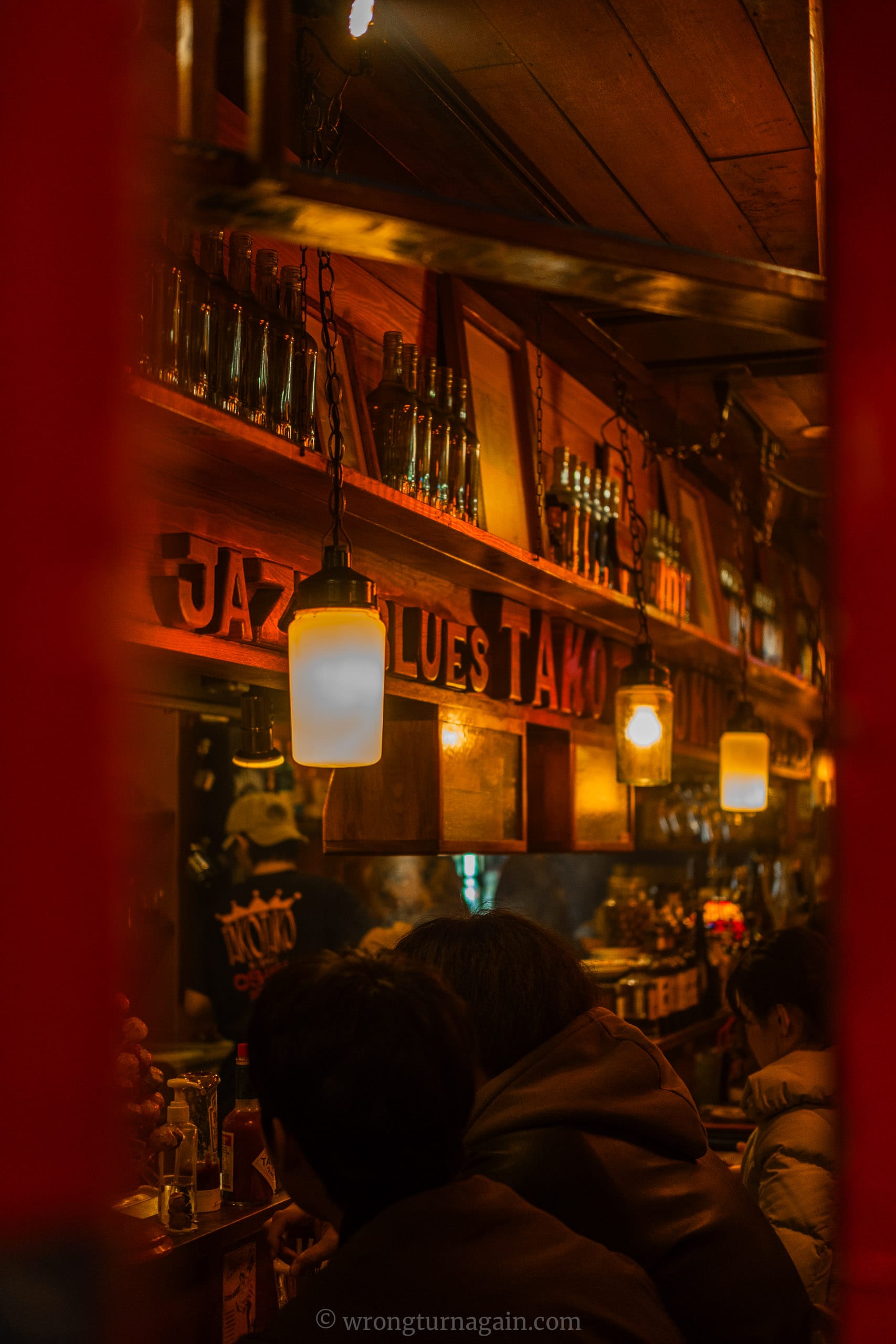
Kyoto is exactly what you picture when you dream of old-world Japan. It is a city where centuries-old wooden machiya houses line narrow, lantern-lit alleys, and geishas still hurry between evening appointments in the historic Gion district. From there, walking down the wonderfully preserved stone steps of Sannenzaka, flanked by traditional teahouses and artisan shops, feels like stepping onto a movie set.
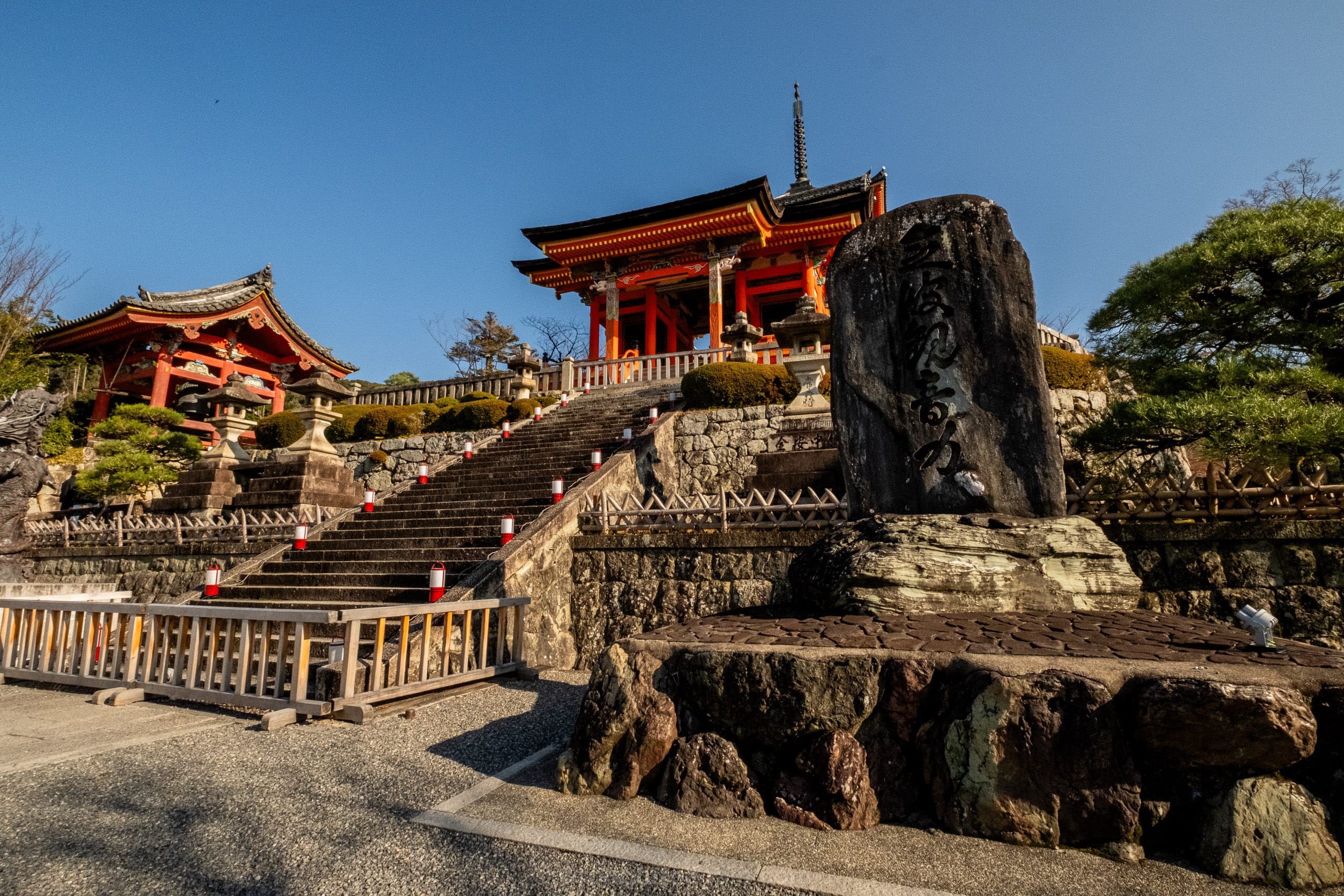
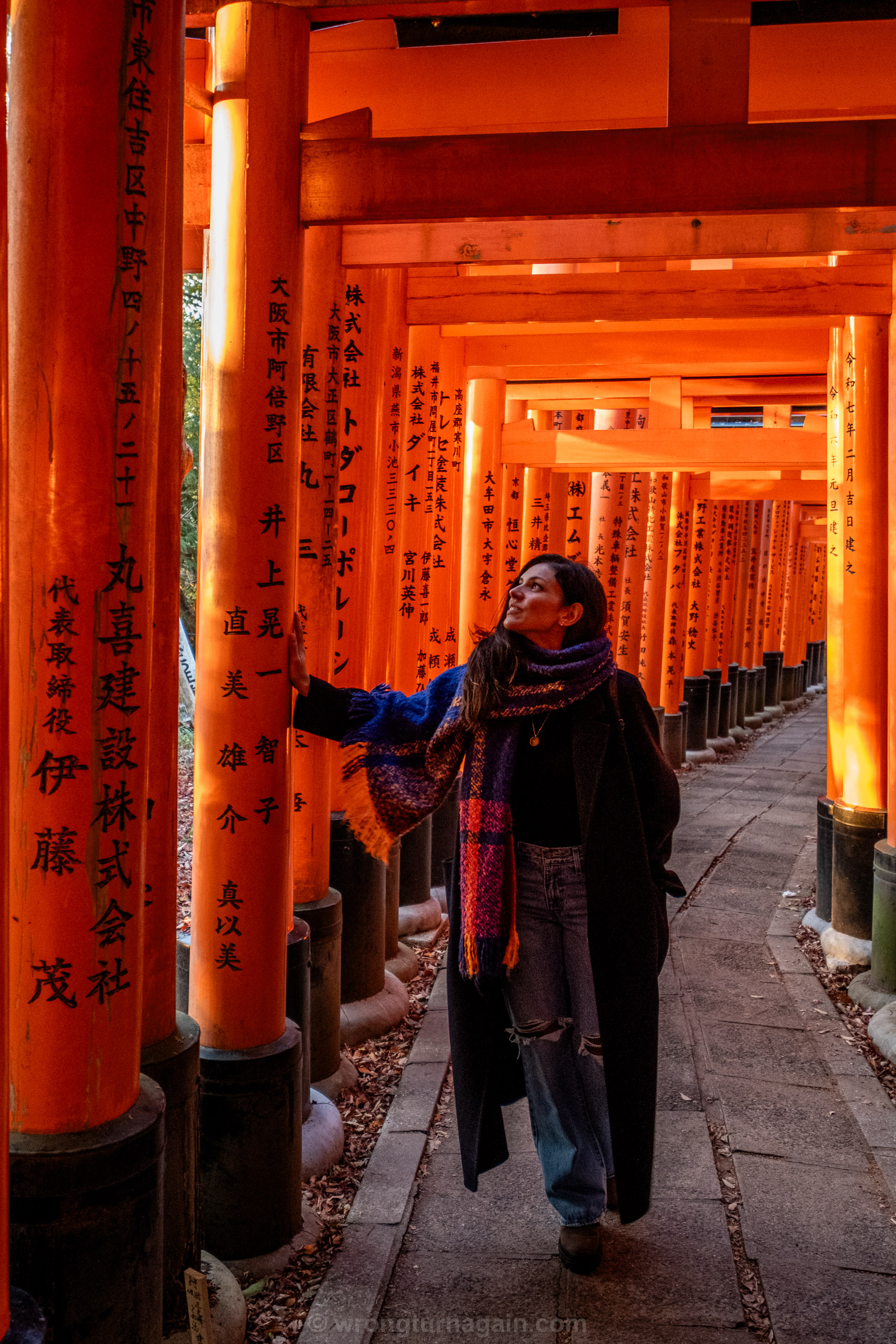
Beyond the atmospheric streets, the city is home to thousands of temples. You can easily lose yourself hiking through the seemingly endless tunnel of vibrant red torii gates at Fushimi Inari, or escaping the massive crowds by exploring the sprawling, tranquil grounds of Daigo-ji.

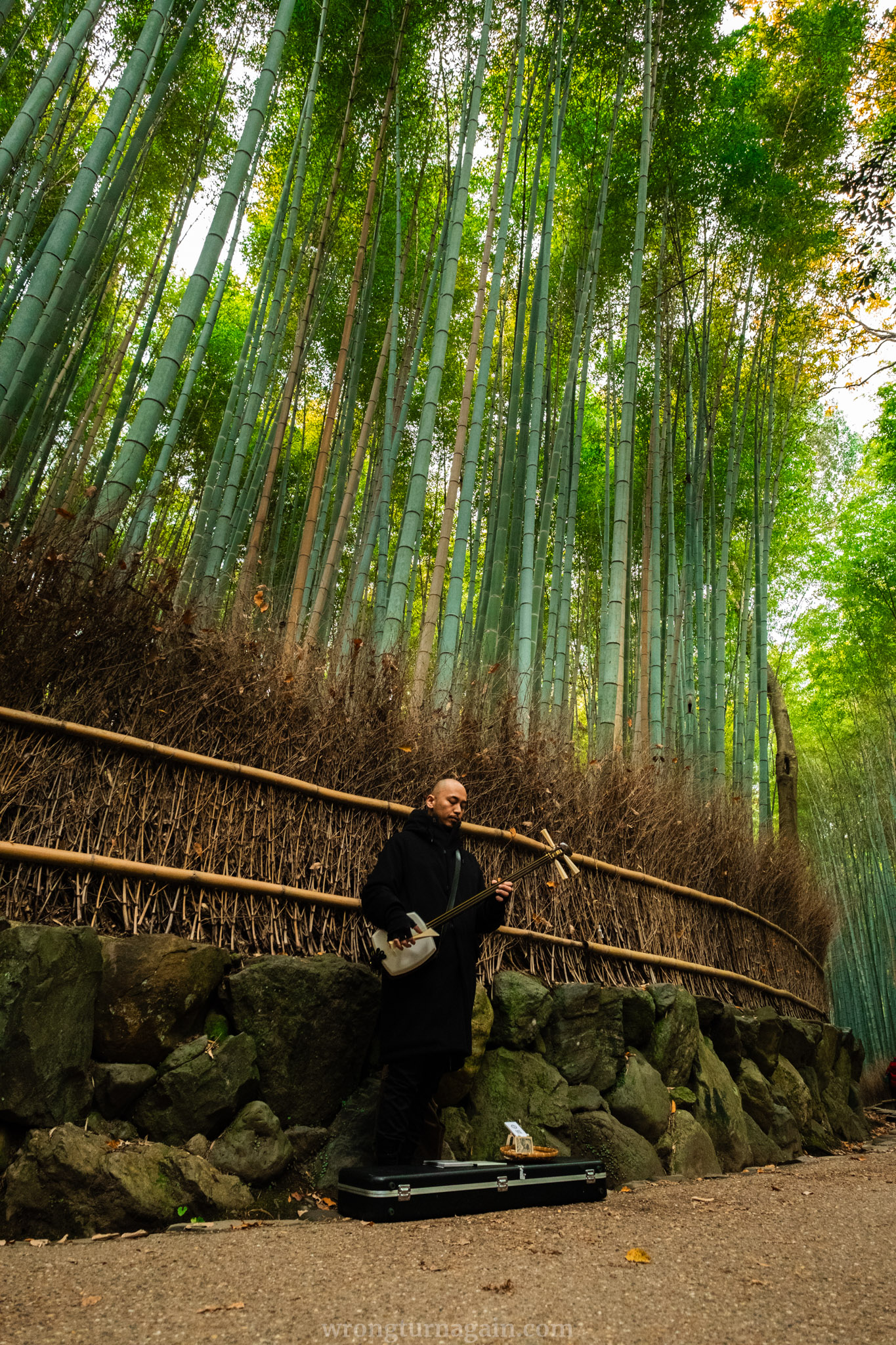
If you want a break from temple-hopping, book a hands-on cultural experience to truly immerse yourself in the city. Try a Private Tea Ceremony in a kimono, learn the craft of Chopstick Making in Gion, or take a ramen cooking class from scratch.
9. Arashiyama Bamboo Forest
Stepping into Arashiyama feels like leaving the bustling streets of Kyoto for a living fairytale, where the iconic Bamboo Grove immediately steals the show. Walking beneath thousands of towering, deeply green stalks that sway softly in the wind is a surreal experience, especially when the sunlight filters through the dense canopy to cast golden patterns across your path.
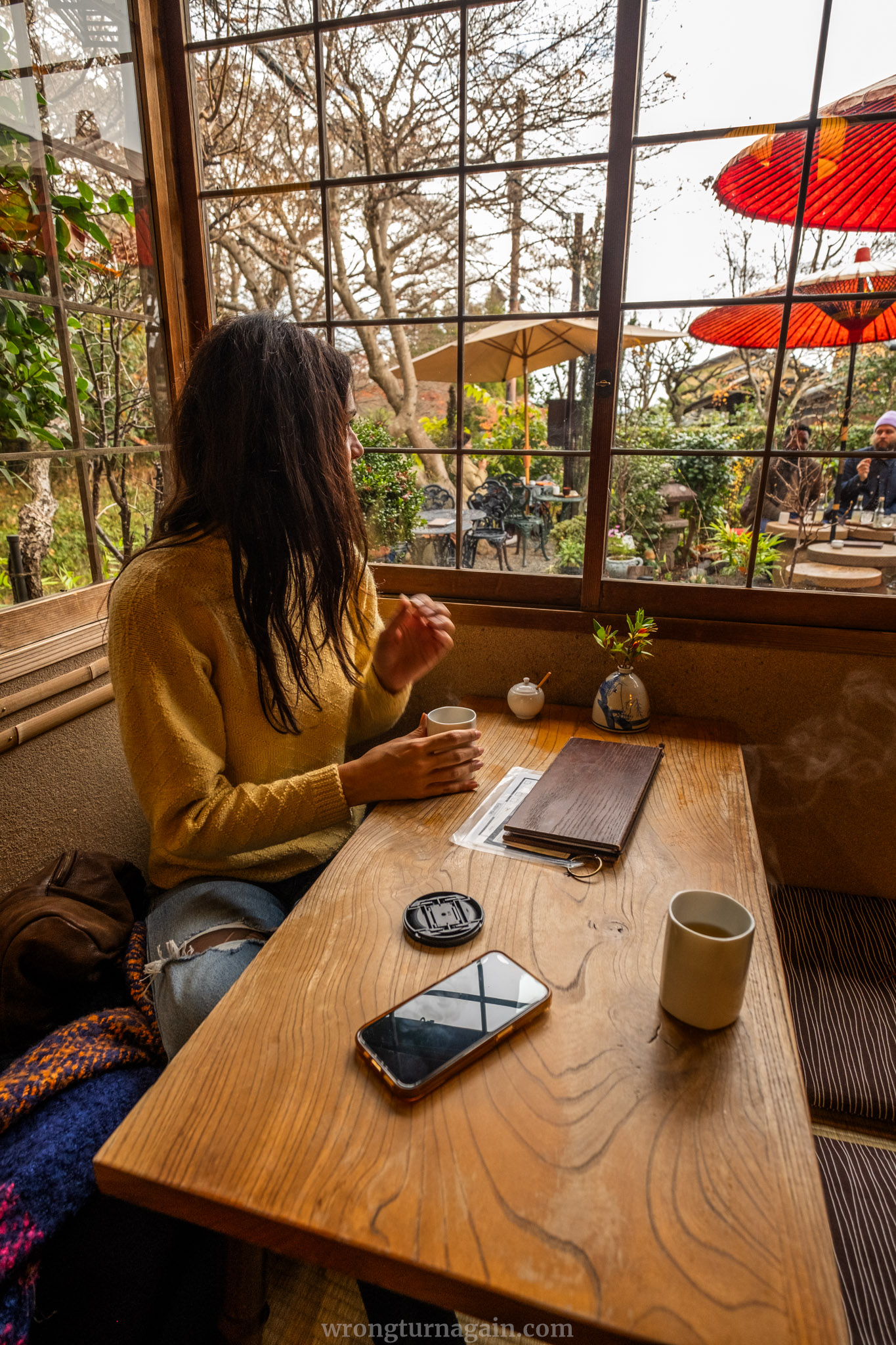
Once you emerge from the trees, the landscape beautifully opens up to the magnificent Katsura River, seamlessly connecting you to serene Zen gardens and hidden hillside temples. From watching traditional wooden boats glide across the water to hiking up to mingle with the wild macaques at the Iwatayama Monkey Park, the entire district serves as a tranquil, breathtaking retreat into nature.
10. Nara Deer Park
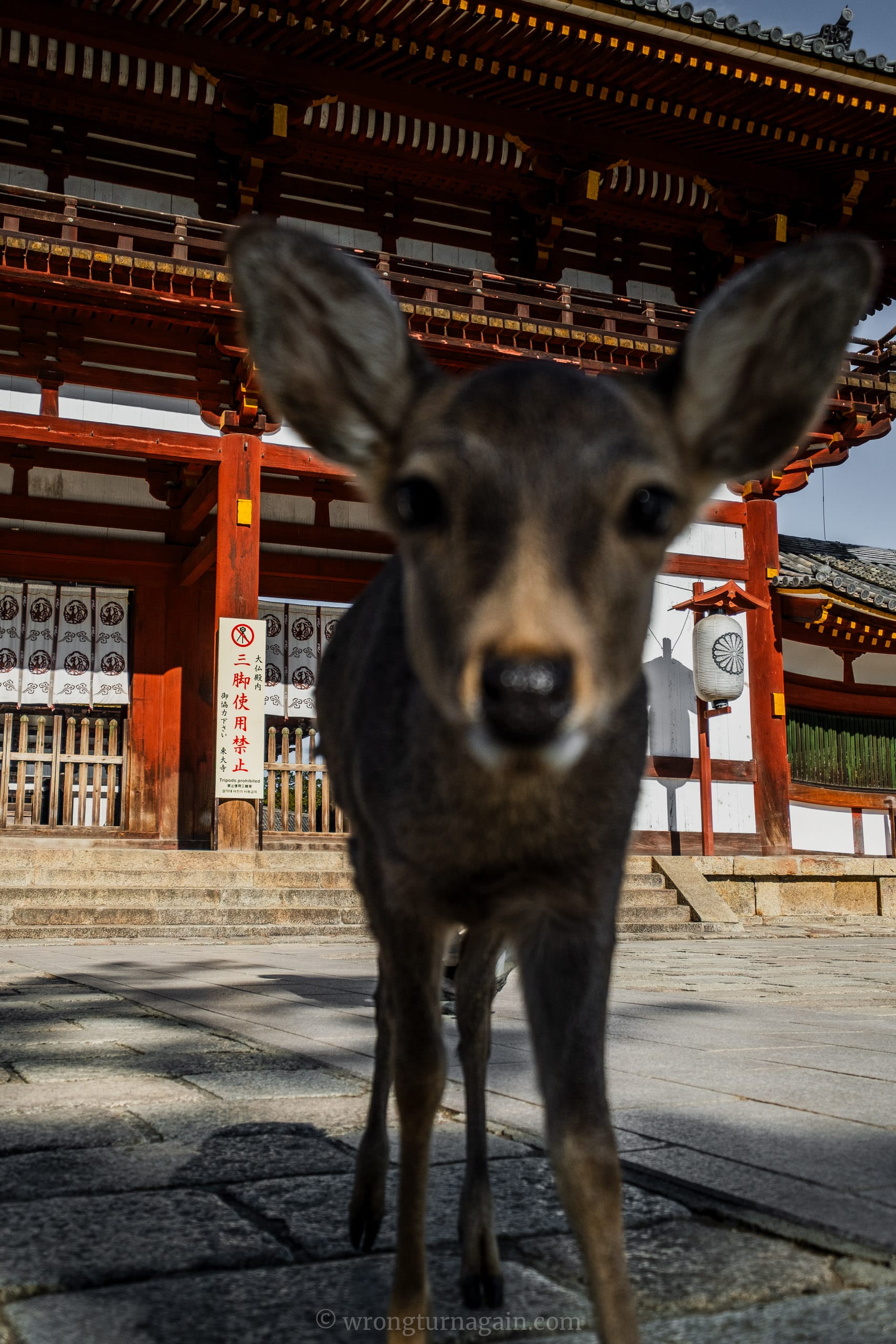
Before Kyoto or Tokyo took the spotlight, Nara was Japan’s first permanent capital. Today, its massive central park is famously ruled by hundreds of wild, free-roaming sika deer, considered sacred messengers of the gods. These animals have learned to literally bow to visitors in exchange for special crackers sold along the pathways.
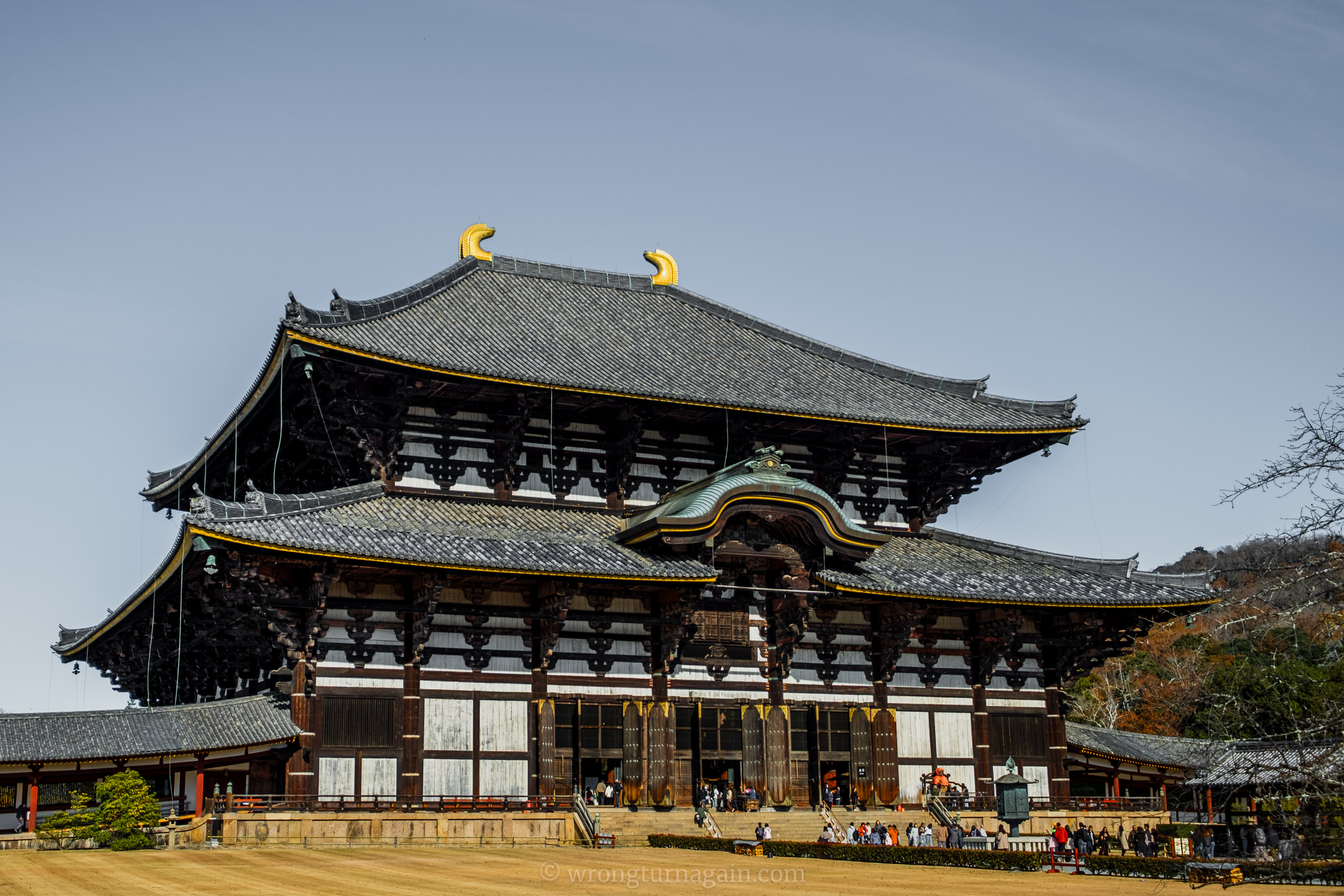
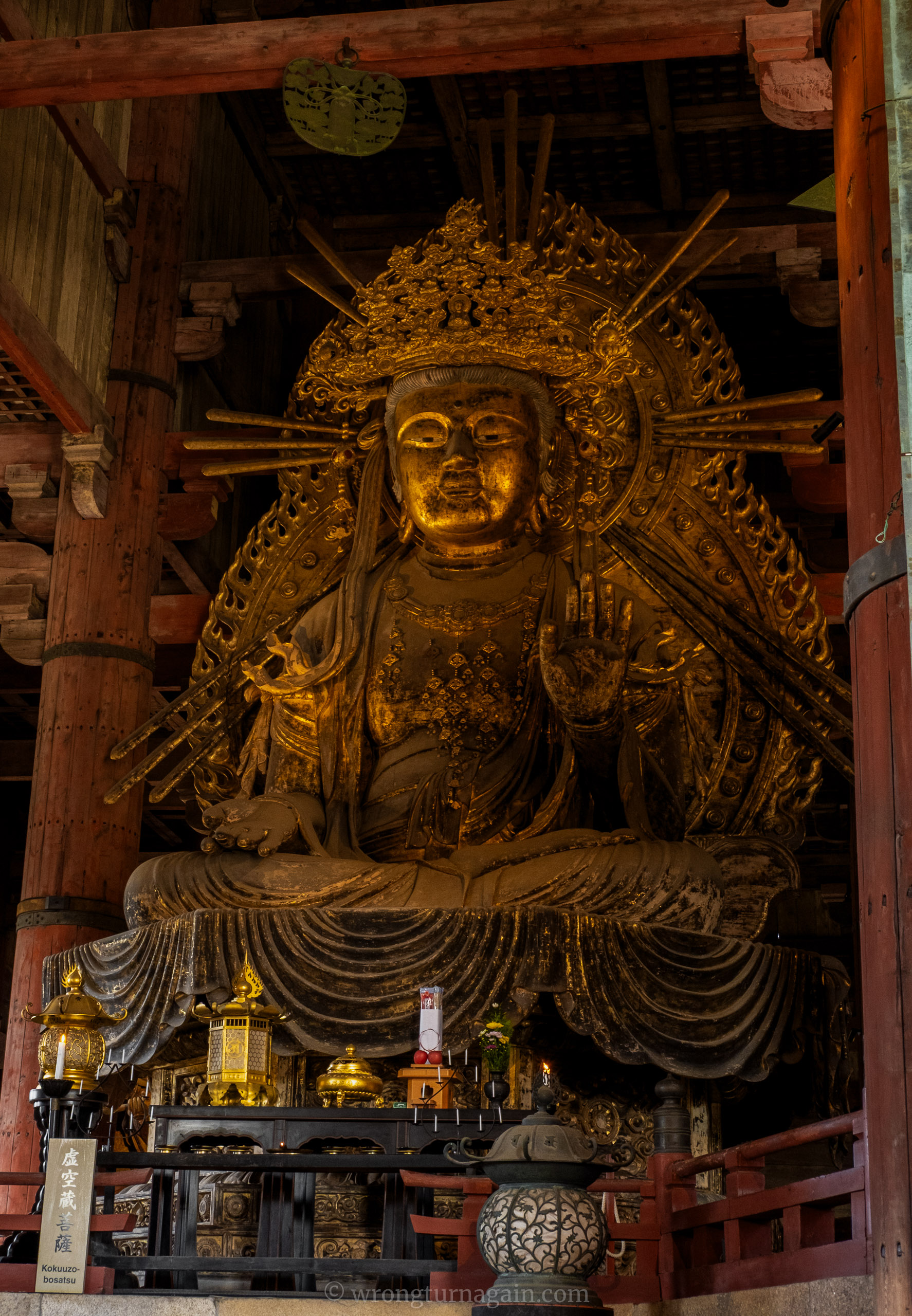
Beyond the wildlife, the sheer scale of the historical sites is staggering. Following the main park route alongside your antlered companions leads you straight to Todai-ji Temple, a massive wooden structure housing a 15-meter-tall bronze Buddha statue.
Once you finish marveling at its size, the paved walkways naturally transition into dirt paths lined with thousands of stone lanterns, guiding you quietly toward the Kasuga Taisha Shrine deeper in the forest.
11. Osaka
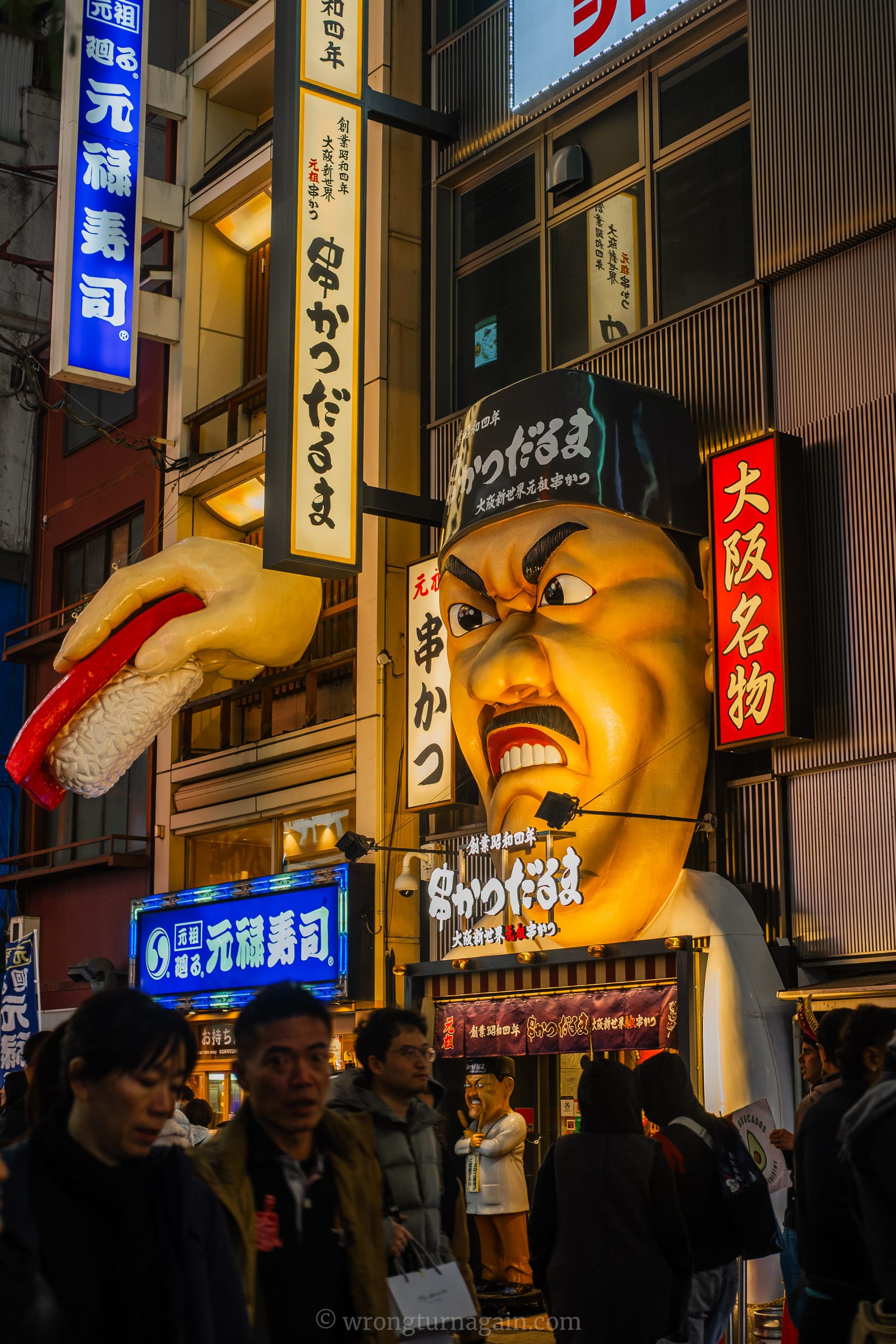
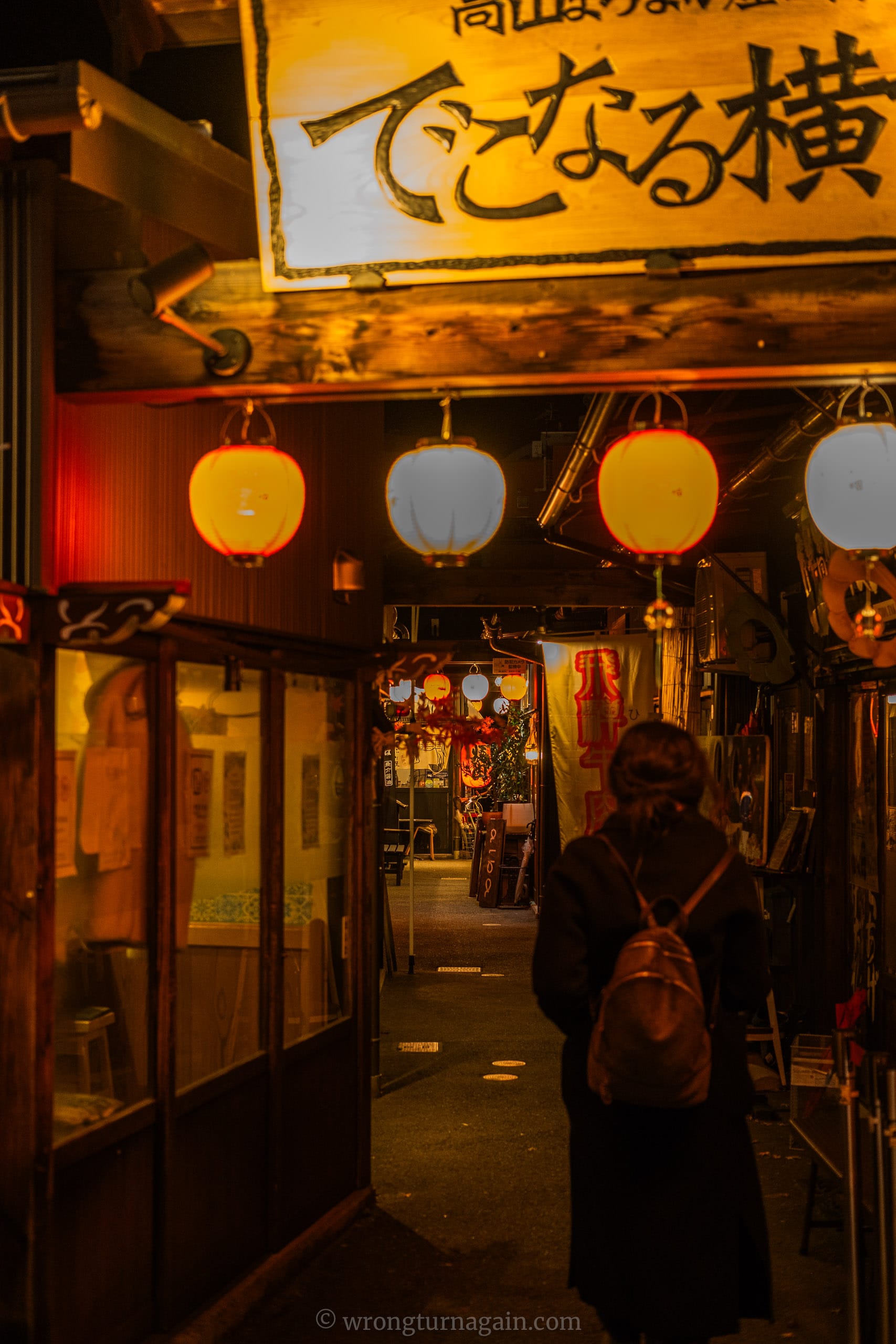
If Kyoto is Japan's refined, traditional heart, Osaka is its loud, energetic, and unpretentious stomach. This sprawling metropolis operates on the local philosophy of kuidaore (eat until you drop), offering a gritty, neon-lit urban experience driven by some of the friendliest locals in the country.
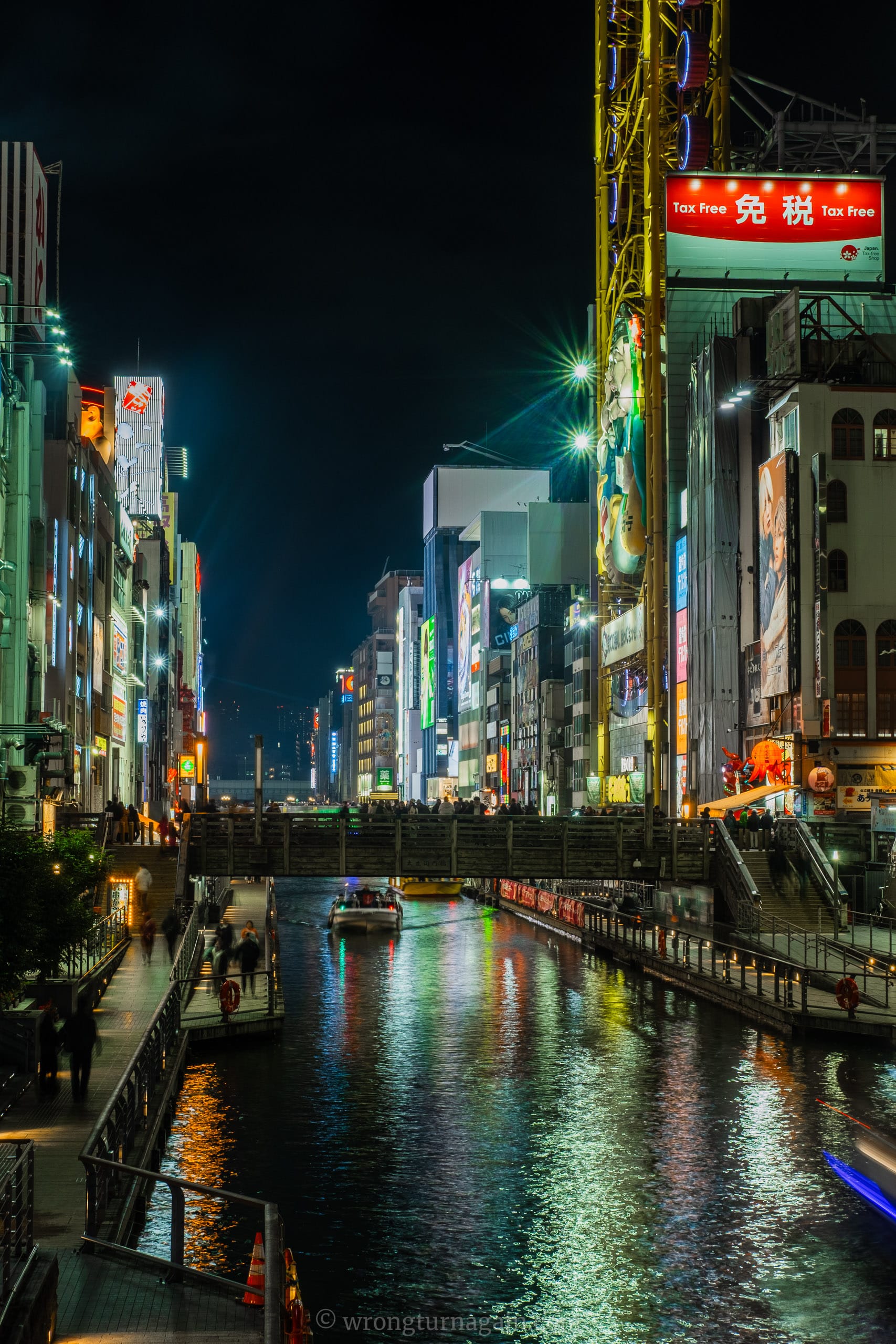
Dive straight into the sensory overload of the Dotonbori canal district, where giant, glowing mechanical crabs and the iconic Glico Running Man sign tower above endless rows of bustling stalls. Here, you can easily spend hours hopping between street vendors to sample sizzling takoyaki (octopus balls) and savory okonomiyaki pancakes right off the iron griddle.
To experience a delightfully retro side of the city, head south to the colorful Shinsekai neighborhood. Dominated by the towering steel frame of the Tsutenkaku Tower, this nostalgic entertainment district is the perfect place to grab a cheap beer and crunch down on kushikatsu (deep-fried skewers) while surrounded by flashing vintage arcade lights.
12. Koyasan (Mount Koya)
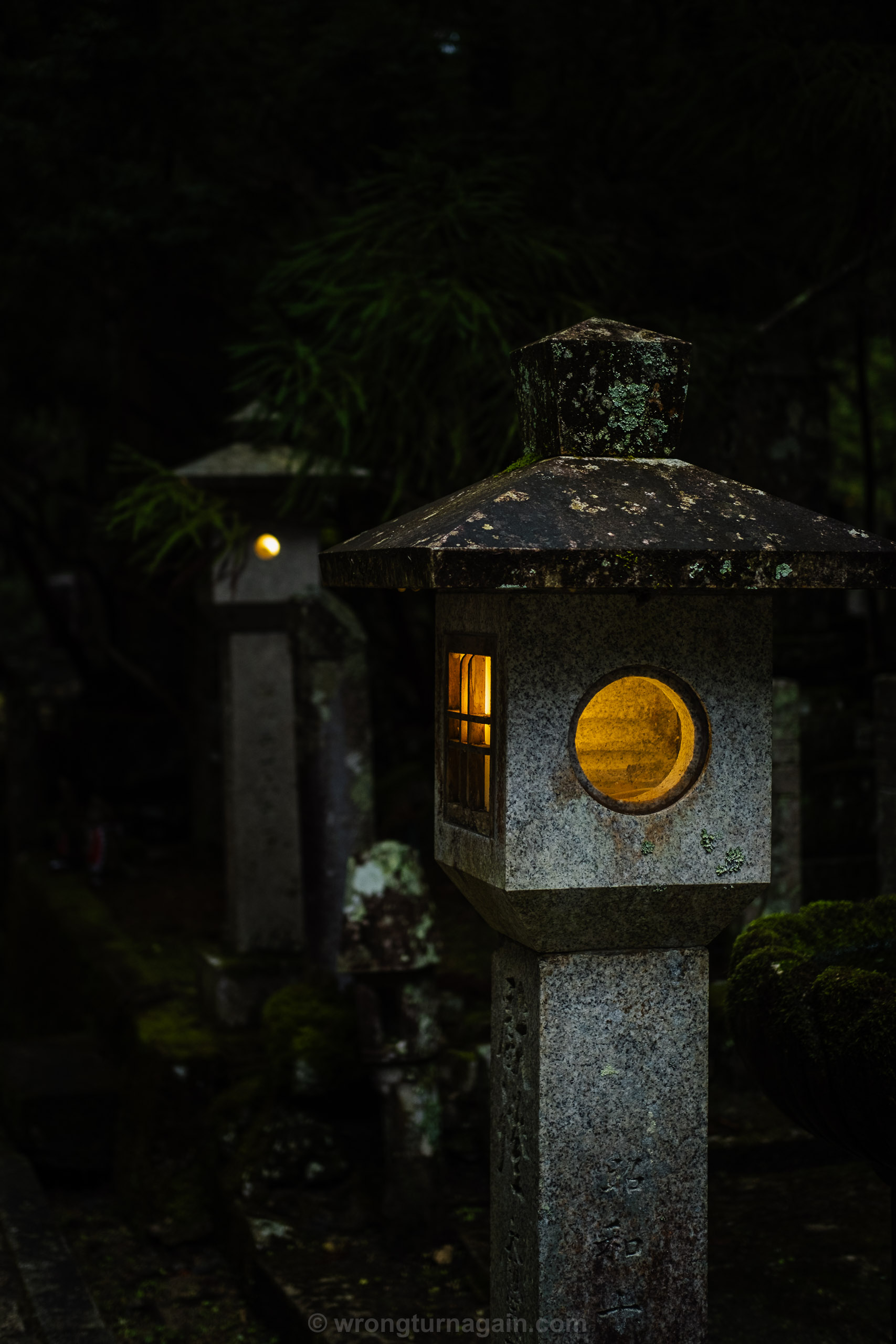
Serving as the ancient headquarters of Shingon Buddhism, Koyasan offers a profoundly different, highly spiritual side of Japan. Reaching this sacred temple town is an atmospheric adventure in itself, requiring a scenic train ride followed by a steep, winding cable car ascent up the forested mountainside of the Kii Peninsula.
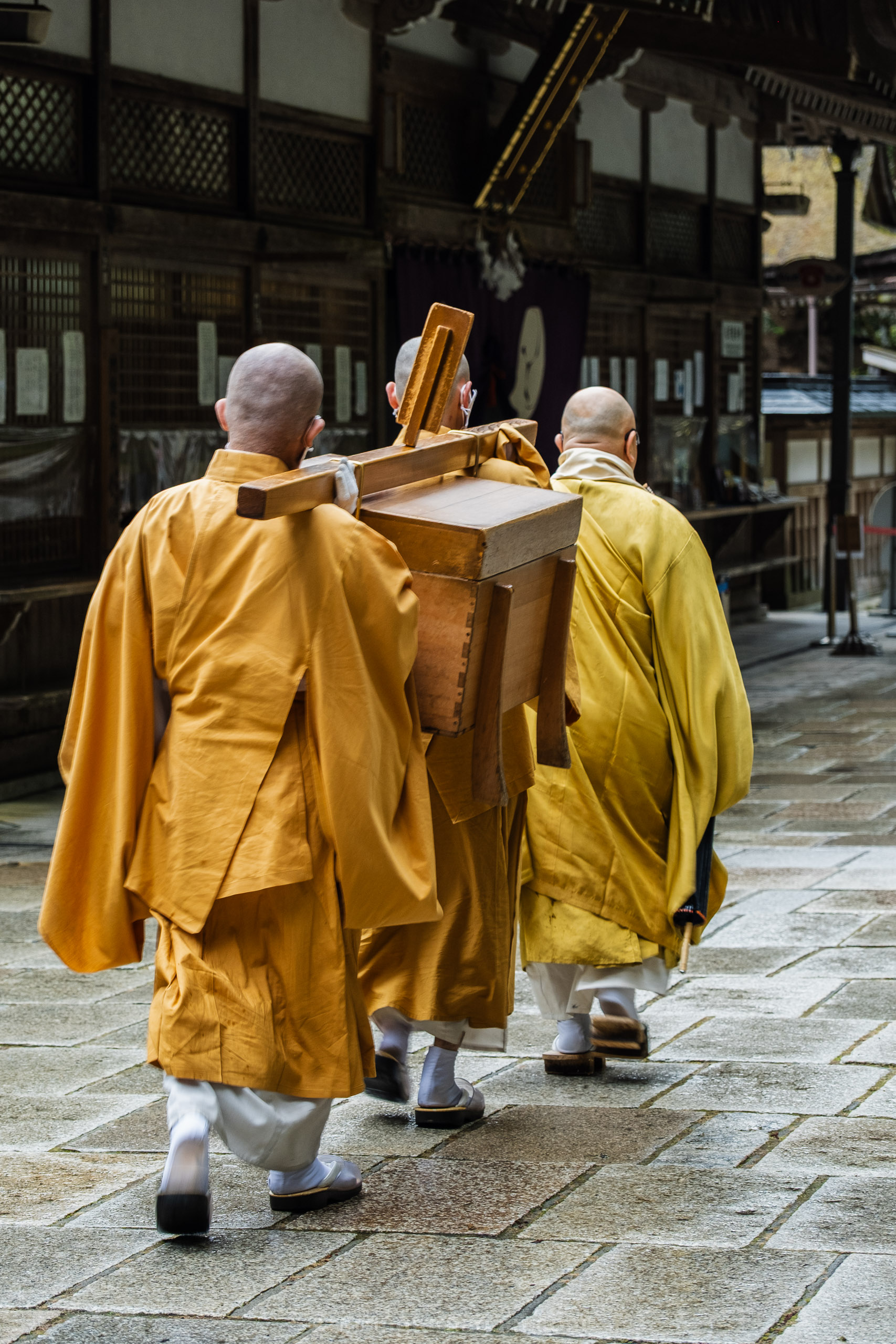
The ultimate experience here is booking a shukubo (traditional temple lodging), where you spend the night sleeping on tatami mats, eating exquisite vegetarian monk cuisine, and joining the morning chanting rituals. During the day, walking through the mystical Okunoin Cemetery—the largest graveyard in the country, shaded by towering centuries-old cedars—is incredibly peaceful and visually stunning.
13. Kumano Kodo
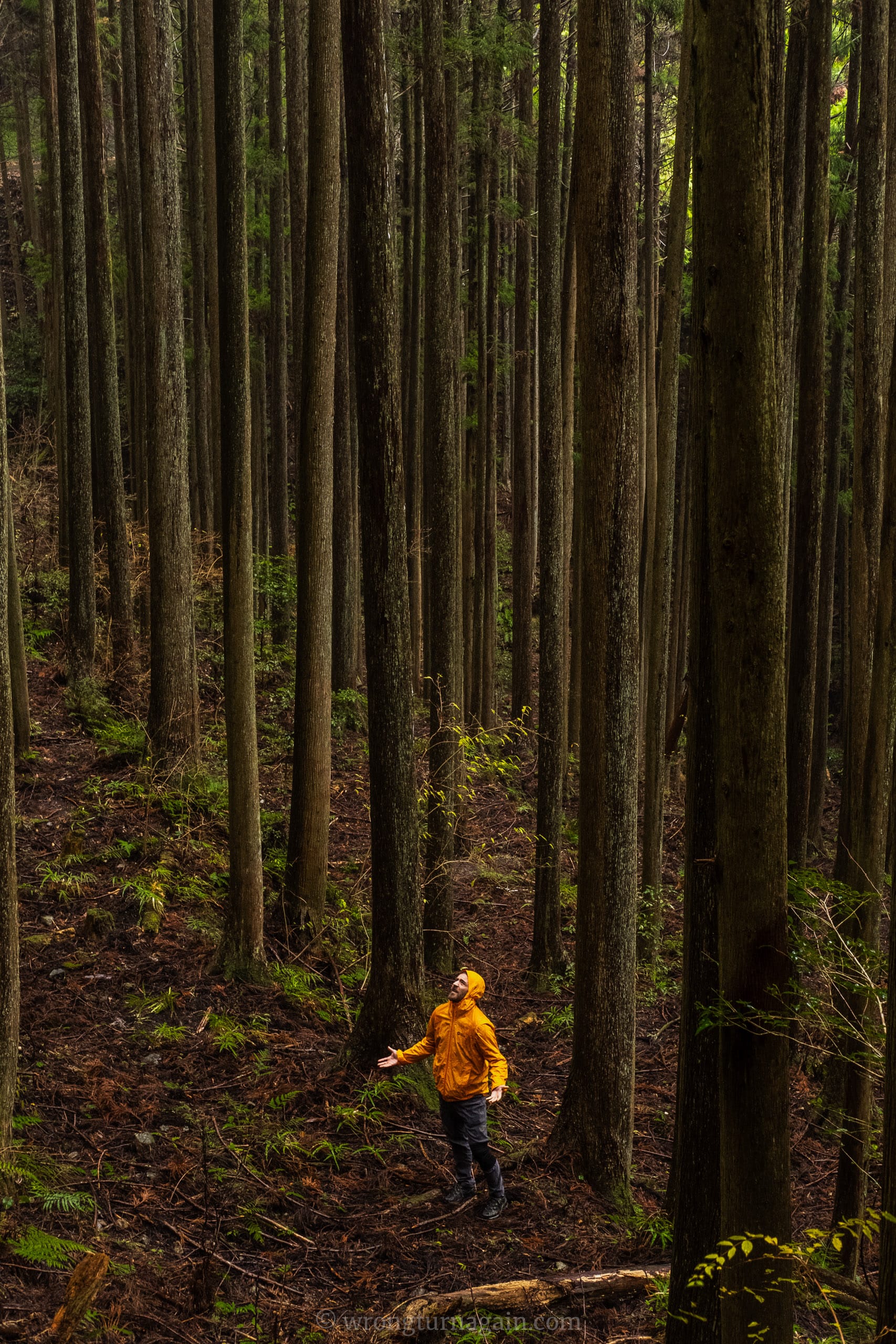
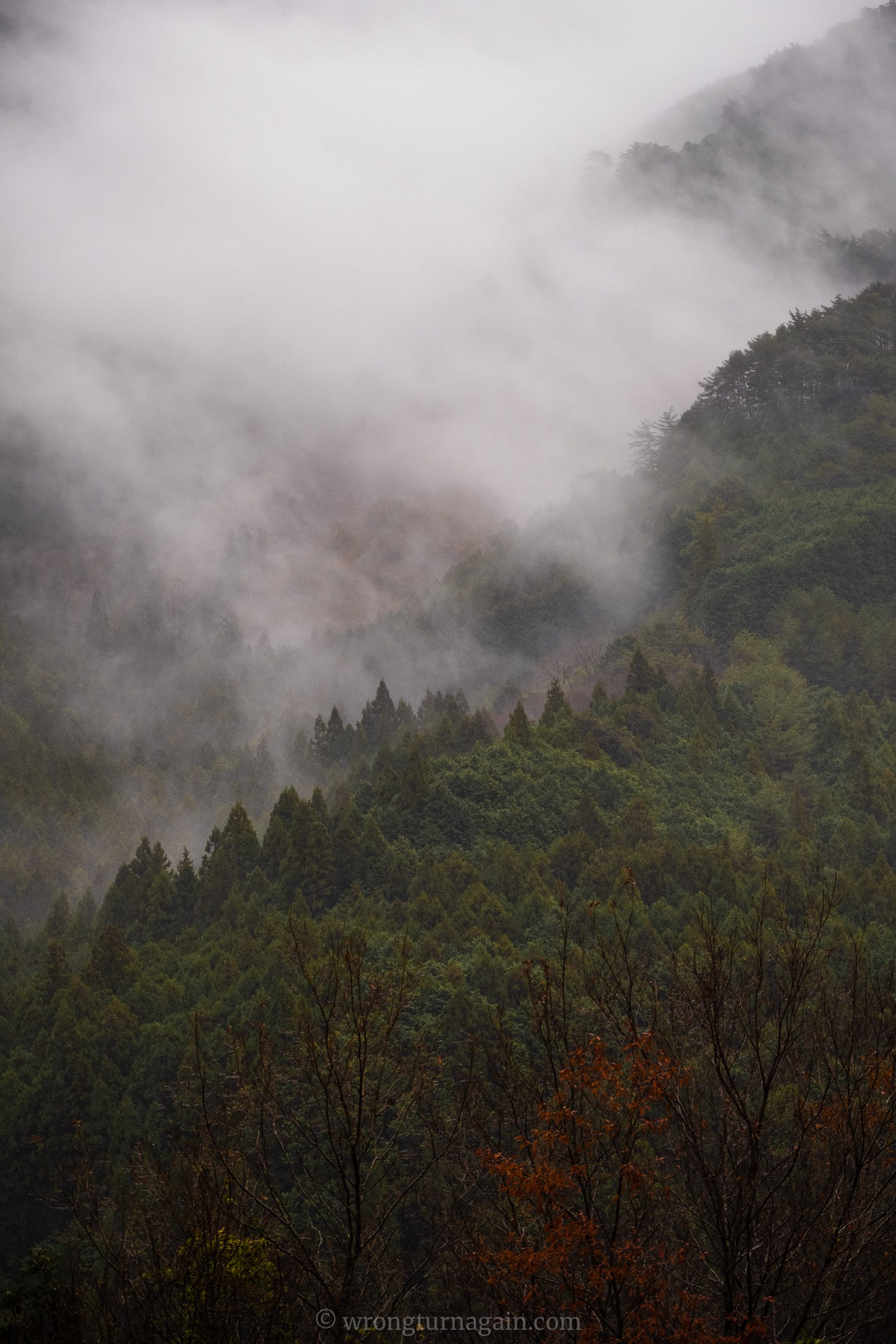
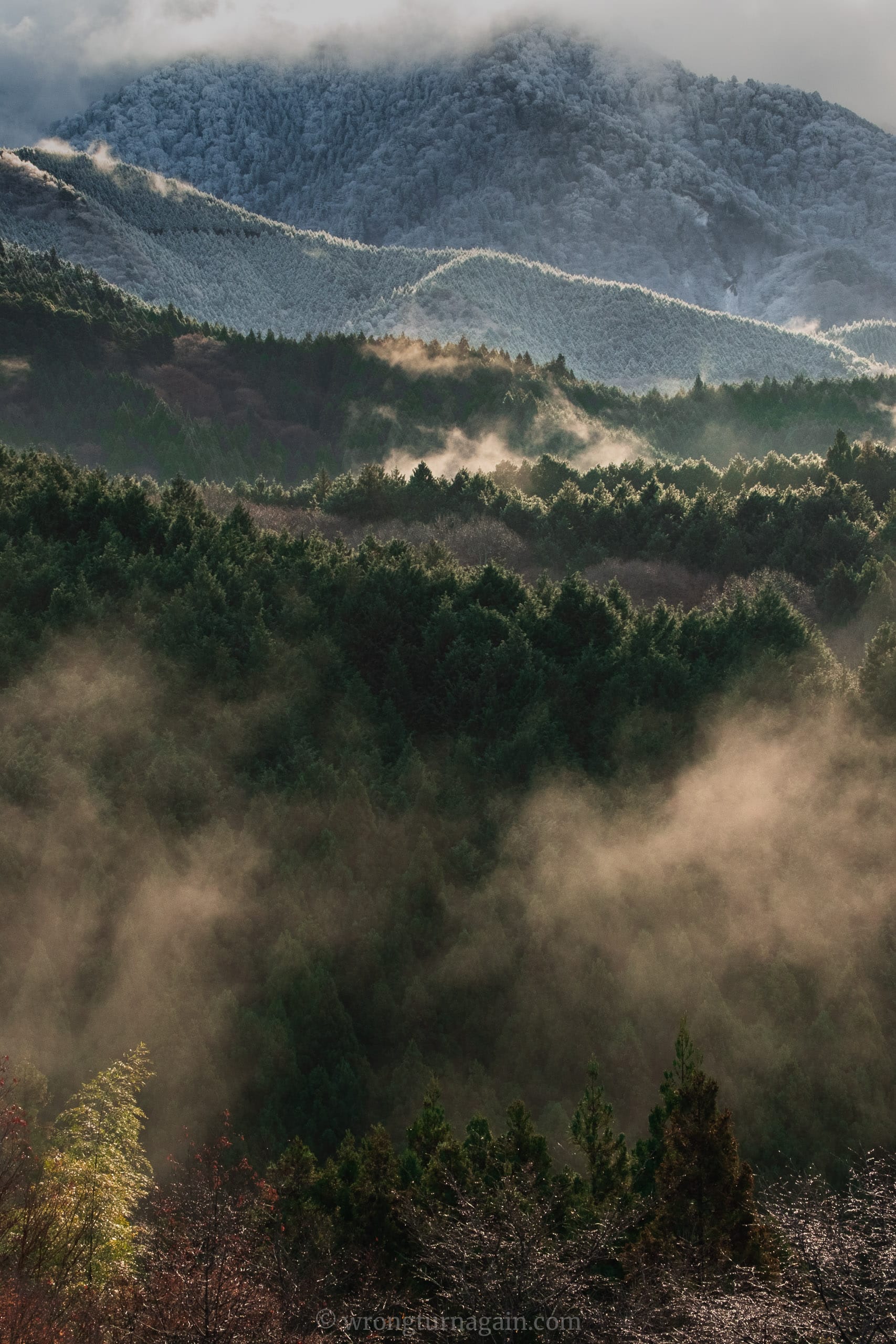
Stretching across the rugged Kii Peninsula, the Kumano Kodo is a millennia-old network of sacred pilgrimage trails. Walking these paths means following in the exact footsteps of ancient emperors, surrounded by deeply atmospheric cedar forests, mist-covered mountains, and moss-draped stone markers.
To experience the region, you can tackle the classic Nakahechi Route on foot, spending multiple days hiking between isolated, traditional villages. Alternatively, renting a car transforms the area into an epic road trip, allowing you to comfortably drive between the three grand shrines of the Kumano Sanzan while freely pulling over for stunning valley viewpoints and hidden river hot springs.
14. Nachi Falls & Nachikatsuura
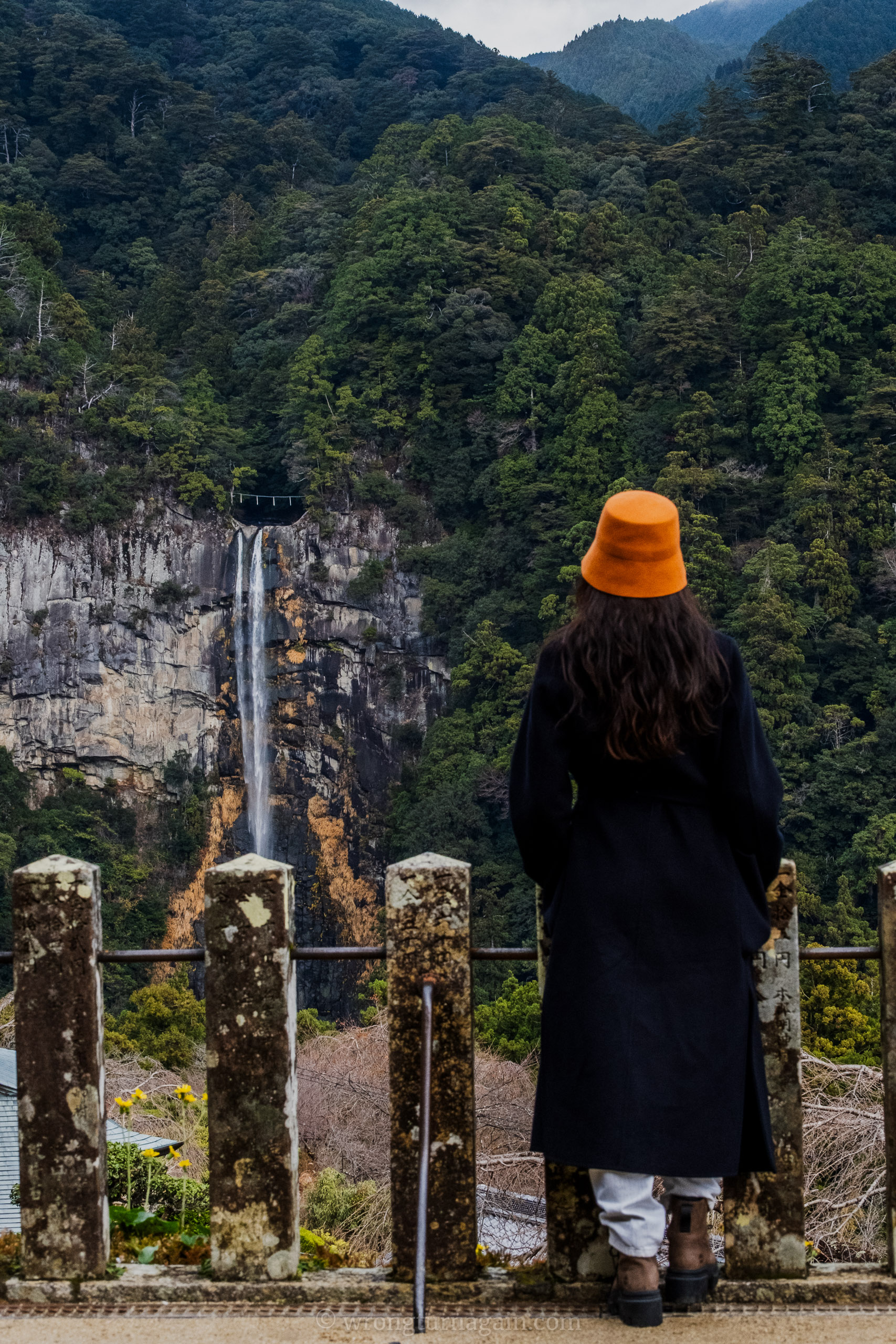
Standing as Japan’s tallest continuous drop, Nachi Falls serves as the spectacular visual climax of the Kii Peninsula. The view of the thundering water perfectly framed behind the bright orange tiers of the Seiganto-ji Pagoda is undeniably one of the most recognizable and striking images in the entire country.
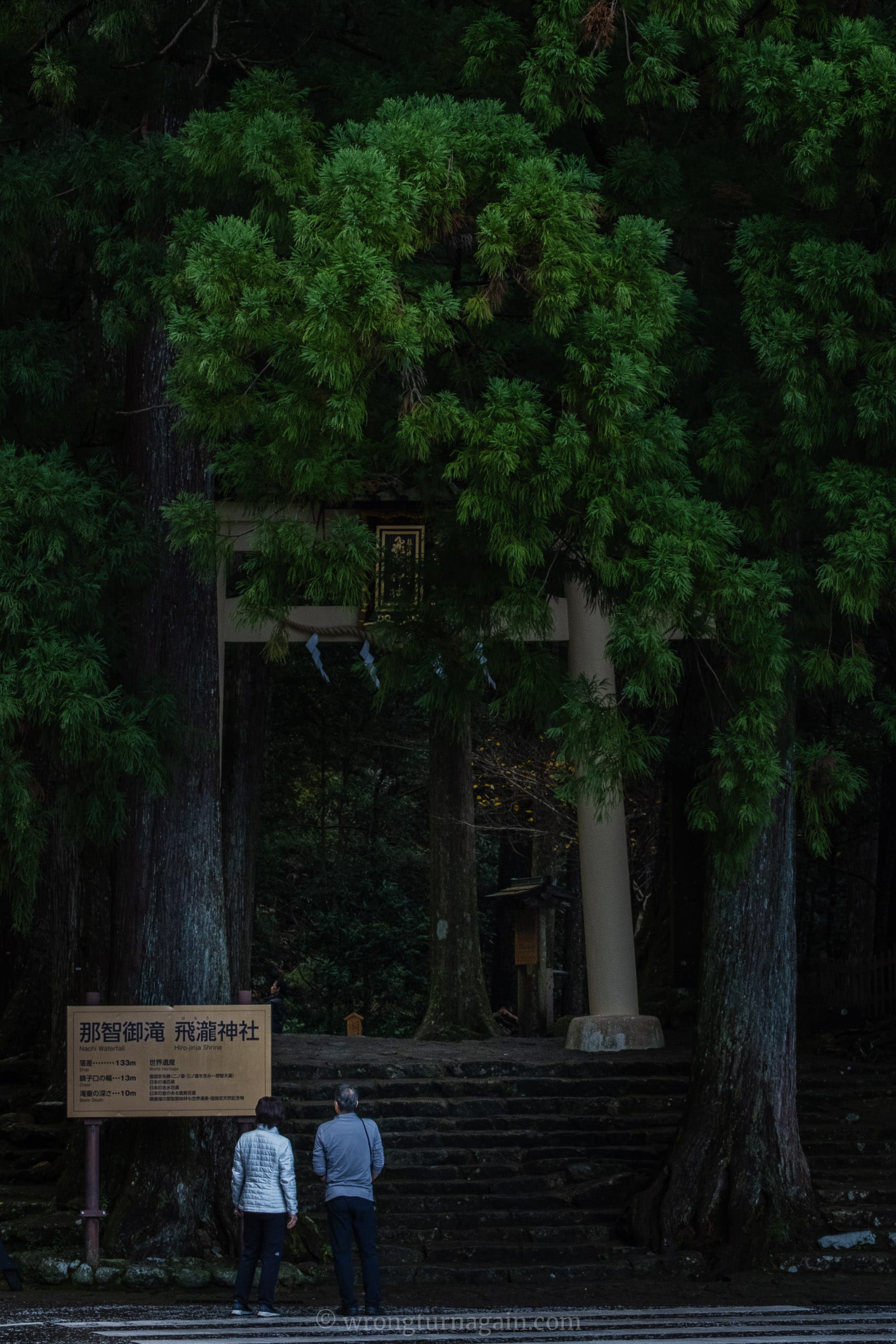
Just a short ride down from the mountain, the coastal fishing town of Nachikatsuura provides the perfect basecamp to relax. After exploring the shrines, you can soak in natural ocean-view hot springs before heading into the town center to eat incredibly fresh, raw tuna sourced directly from the bustling local port.
15. Yakushima Island
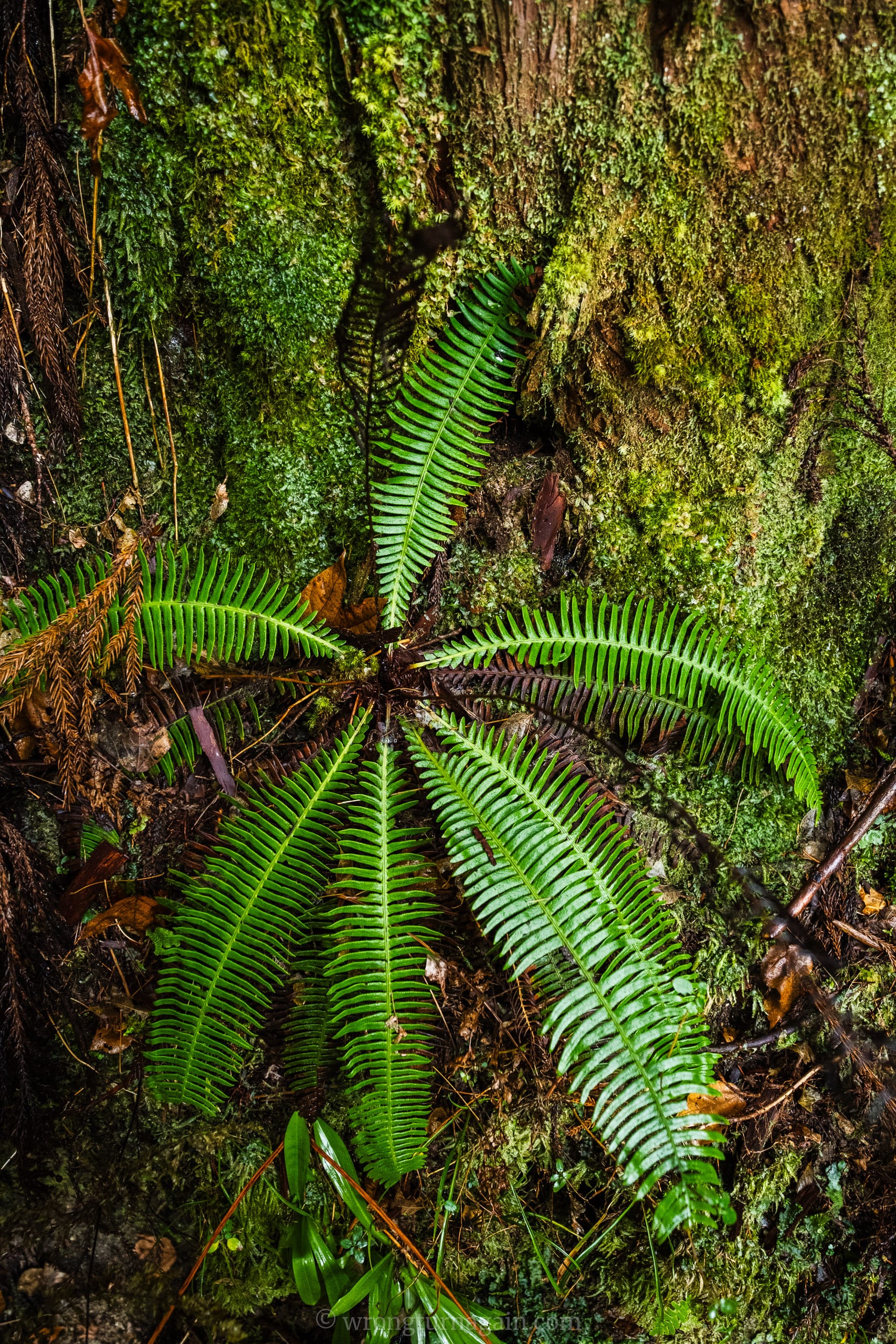
Stepping onto the subtropical island of Yakushima feels like entering a prehistoric world. Covered almost entirely by dense, ancient cedar forests draped in thick emerald moss, this UNESCO World Heritage site famously inspired the mystical setting of Studio Ghibli’s animated masterpiece, Princess Mononoke.
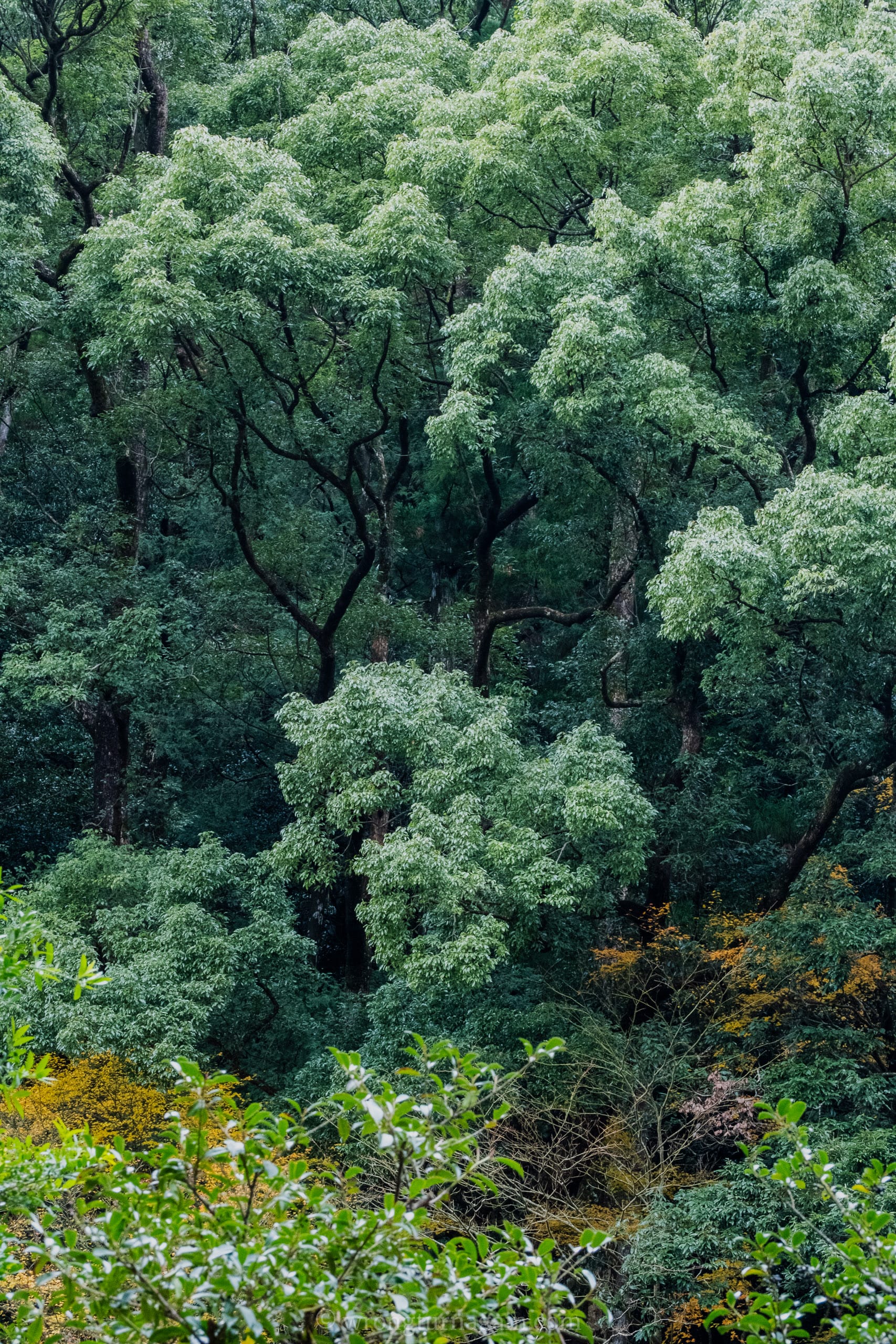
To truly experience the magic of the island, hike through the hauntingly beautiful Shiratani Unsuikyo Ravine, where sunlight pierces through the dense canopy to illuminate the vibrant green forest floor. For a more challenging trek, navigating the rugged trails towards the Jomon Sugi—a colossal, deeply weathered cedar tree estimated to be up to 7,000 years old—offers an unforgettable and deeply humbling adventure.
16. Takachiho Gorge
Carved over thousands of years by the sudden cooling of volcanic lava, Takachiho Gorge is a spectacular natural chasm on the southern island of Kyushu. Sheer, towering basalt columns rise dramatically on both sides of the deep green waters of the Gokase River, creating a striking, otherworldly environment deeply tied to Japanese mythology.
Renting a small wooden rowboat is the ultimate way to experience the sheer scale of the gorge from the bottom up. Rowing gently down the river takes you right up to the misty spray of the 17-meter-high Minainotaki Waterfall, cascading directly over the cliffs into the gorge below. After returning the boat, walking the paved trail along the rim provides a perfect overhead vantage point of the entire canyon.
17. Shiretoko National Park
Entering Shiretoko National Park takes you to the absolute edge of Japan’s untamed wilderness. Located on the remote northeastern tip of Hokkaido, this rugged peninsula is famously known as the "End of the Earth" and remains one of the most isolated regions in the country.
In the warmer months, hiking the elevated wooden boardwalks around the Shiretoko Five Lakes offers stunning reflections of the surrounding mountain ranges and frequent sightings of wild brown bears. During the freezing winter, donning a drysuit for a guided drift ice walk from the port town of Utoro allows you to physically step onto the frozen floes drifting down from the Sea of Okhotsk.