How to Visit the Jigokudani Snow Monkey Park, Japan: A Complete Travel Guide (2026)
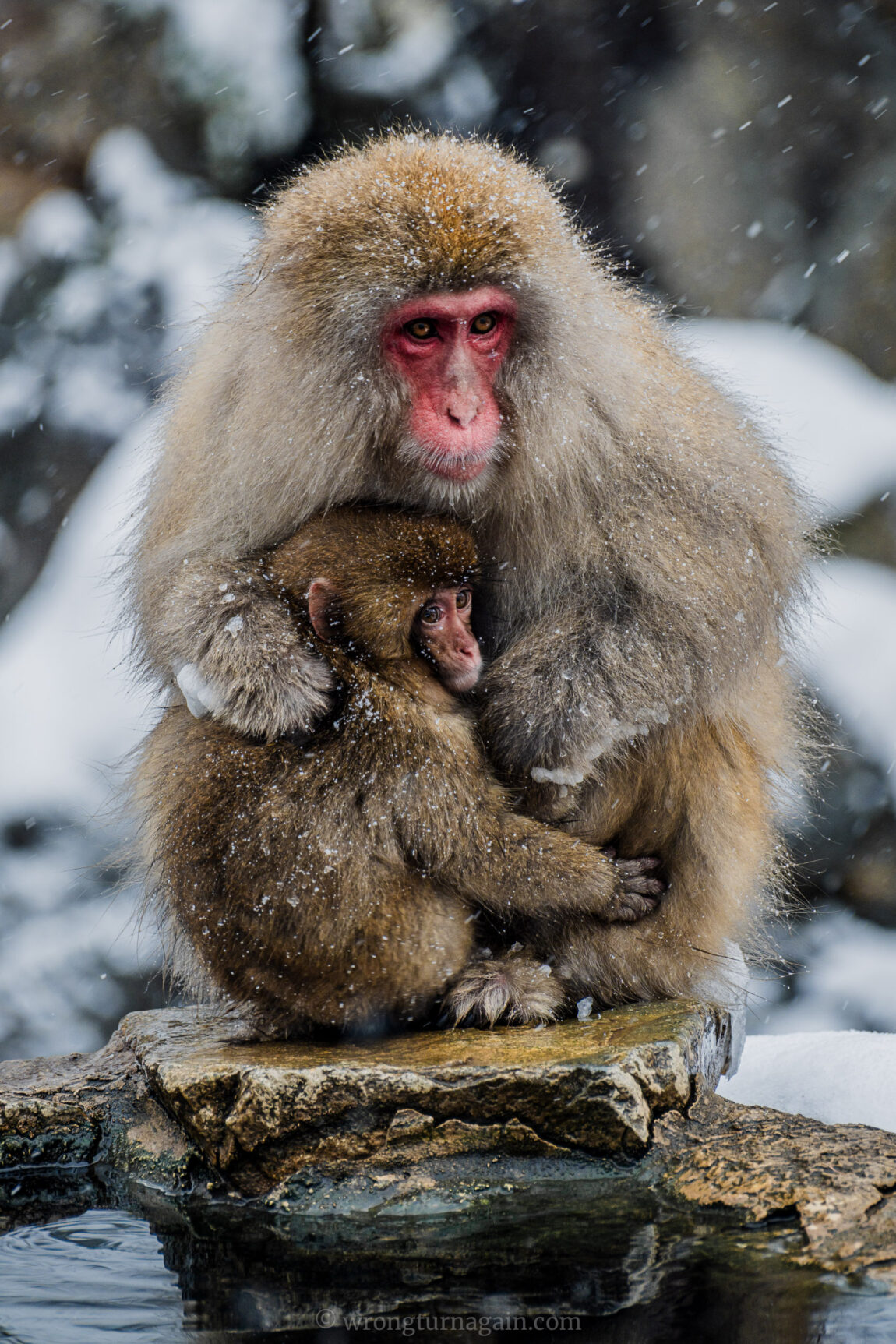
Tucked away in the snow-covered valleys of the Japanese Alps, the Jigokudani Snow Monkey Park offers one of the Japan’s most iconic wildlife encounters. Watching wild Japanese macaques descend from the steep forests to soak in steaming geothermal baths is a surreal experience. It is a rare chance to observe primate culture up close in a completely natural, unfenced environment.
Whether you are wondering how to get to the Snow Monkey Park, searching for the best time to visit, or calculating your travel budget, this complete guide covers everything you need to know.
Inside this Guide
The Story of Jigokudani Snow Monkey Park
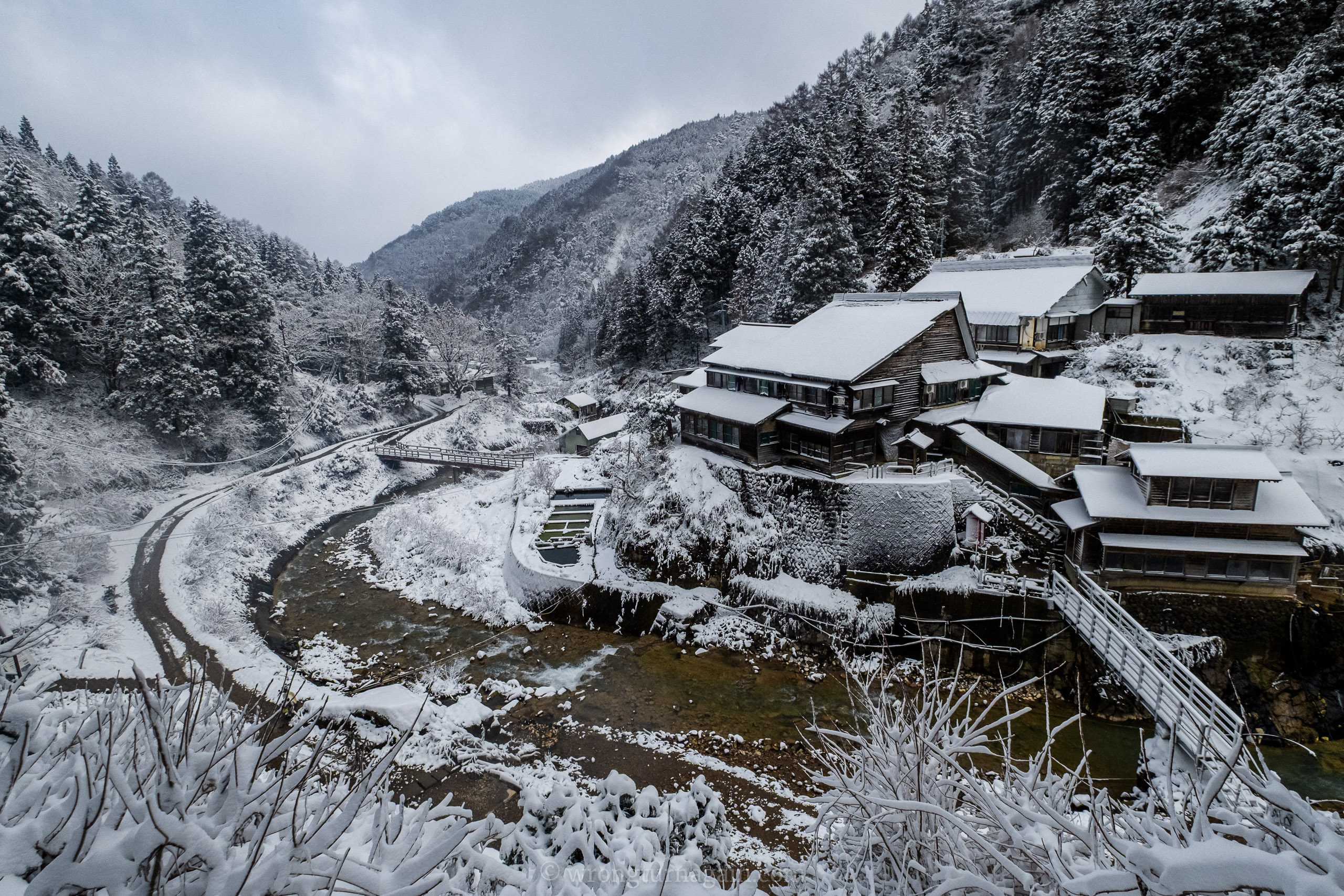
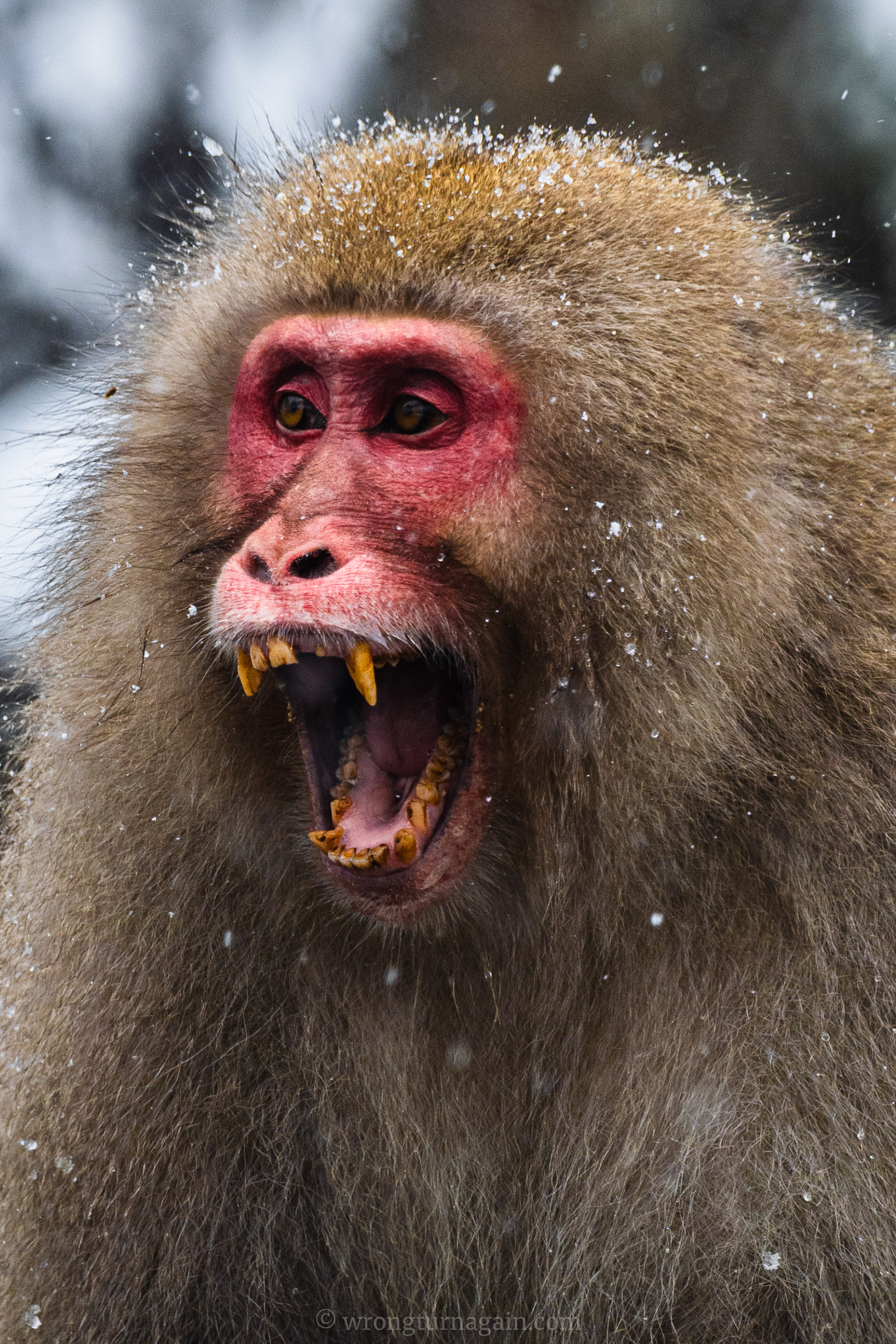
The Jigokudani valley—which translates to “Hell’s Valley” due to its steep cliffs and bubbling geothermal vents—is the traditional home of the Japanese macaques. They are the only primates, other than humans, capable of surviving so far north in environments where temperatures regularly plummet below -10°C.

While globally famous as “Snow Monkeys,” in Japan they are simply called Nihonzaru (a combination of Nihon “Japan” and saru “monkey”). Amazingly, this highly adaptable species doesn’t just live in the freezing Alps—they thrive all the way down to the warm, subtropical forests of southern Japan!
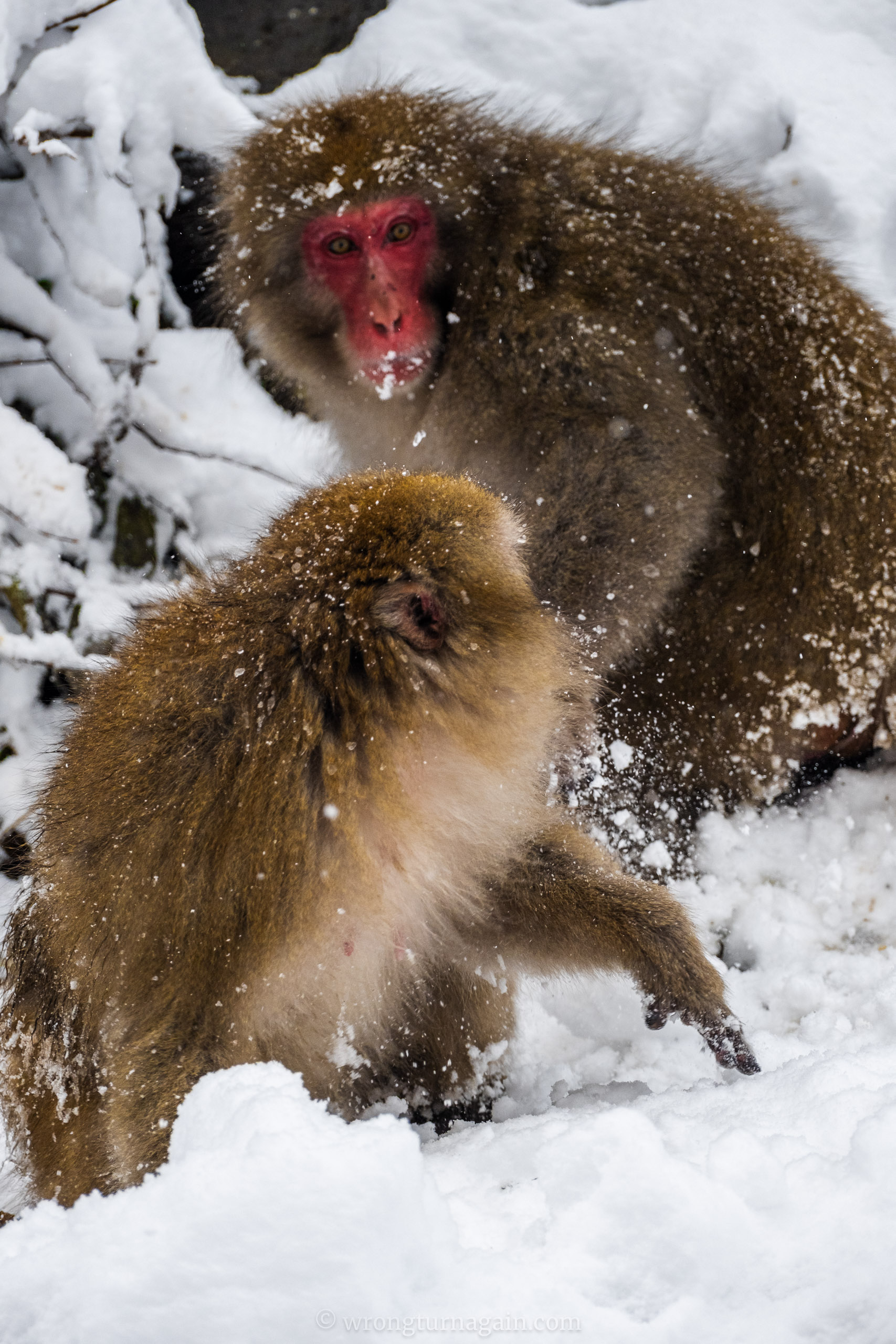
During the 1950s, the rapid development of nearby ski resorts in the Shiga Kogen area severely damaged their natural alpine habitat. Displaced and hungry, the macaques descended into the lower villages, raiding local apple farms. Treated as agricultural pests, they faced the immediate threat of extermination.
That is when Sogo Hara, a local nature enthusiast, intervened with a simple but brilliant idea: if the monkeys were fed high up in the mountains, far away from the villages, they would have no reason to descend and ruin the farms.
He began leaving food—initially expensive apples, and later soybeans and barley—near the historical Korakukan ryokan in the valley. The plan worked flawlessly, sparing the farmers’ crops and giving the monkeys a permanent safe haven.
Discovering the Hot Springs
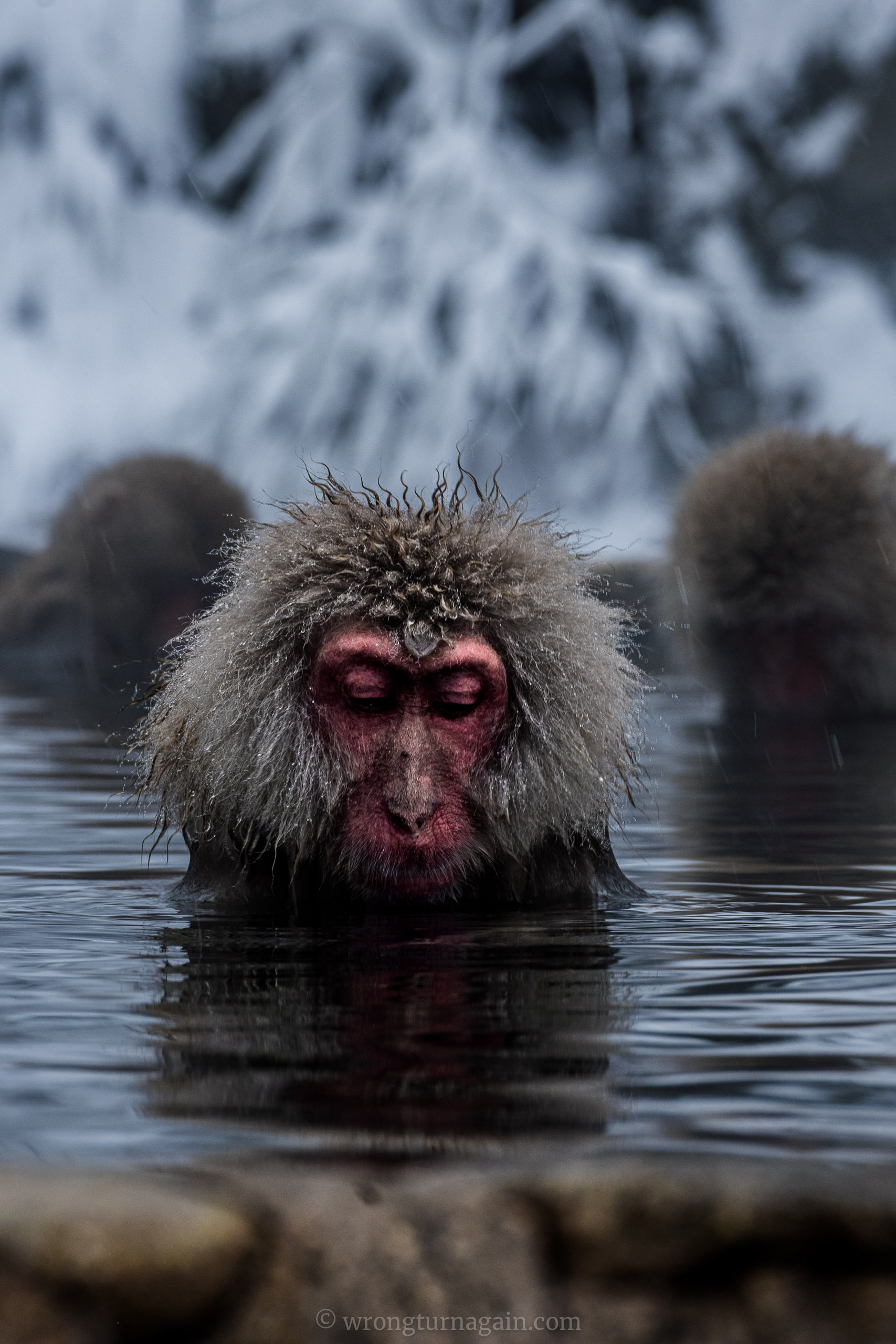
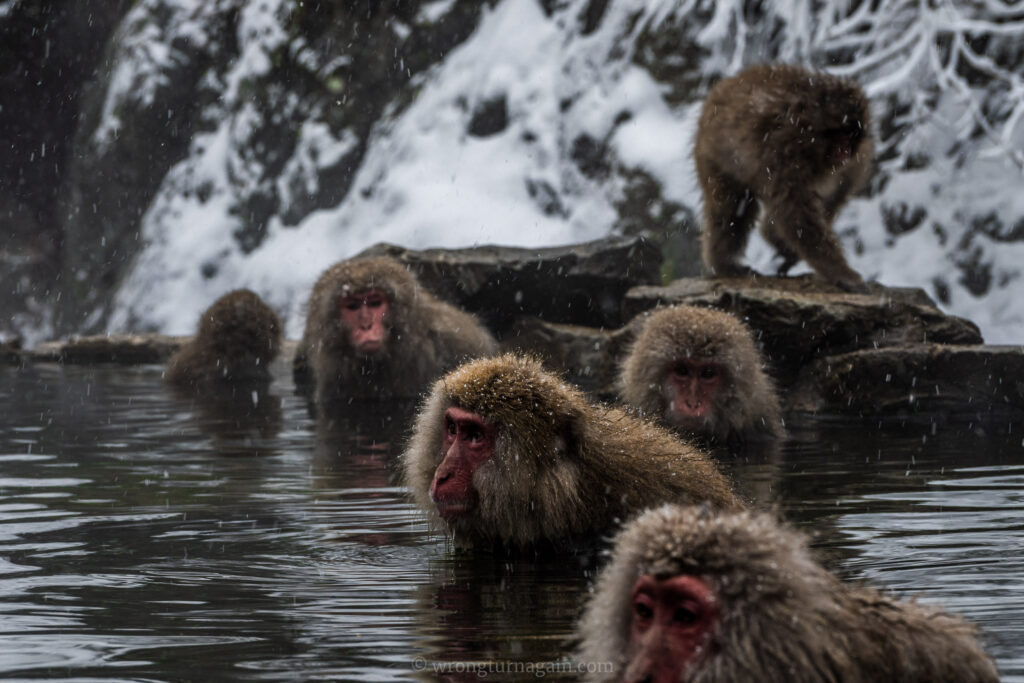
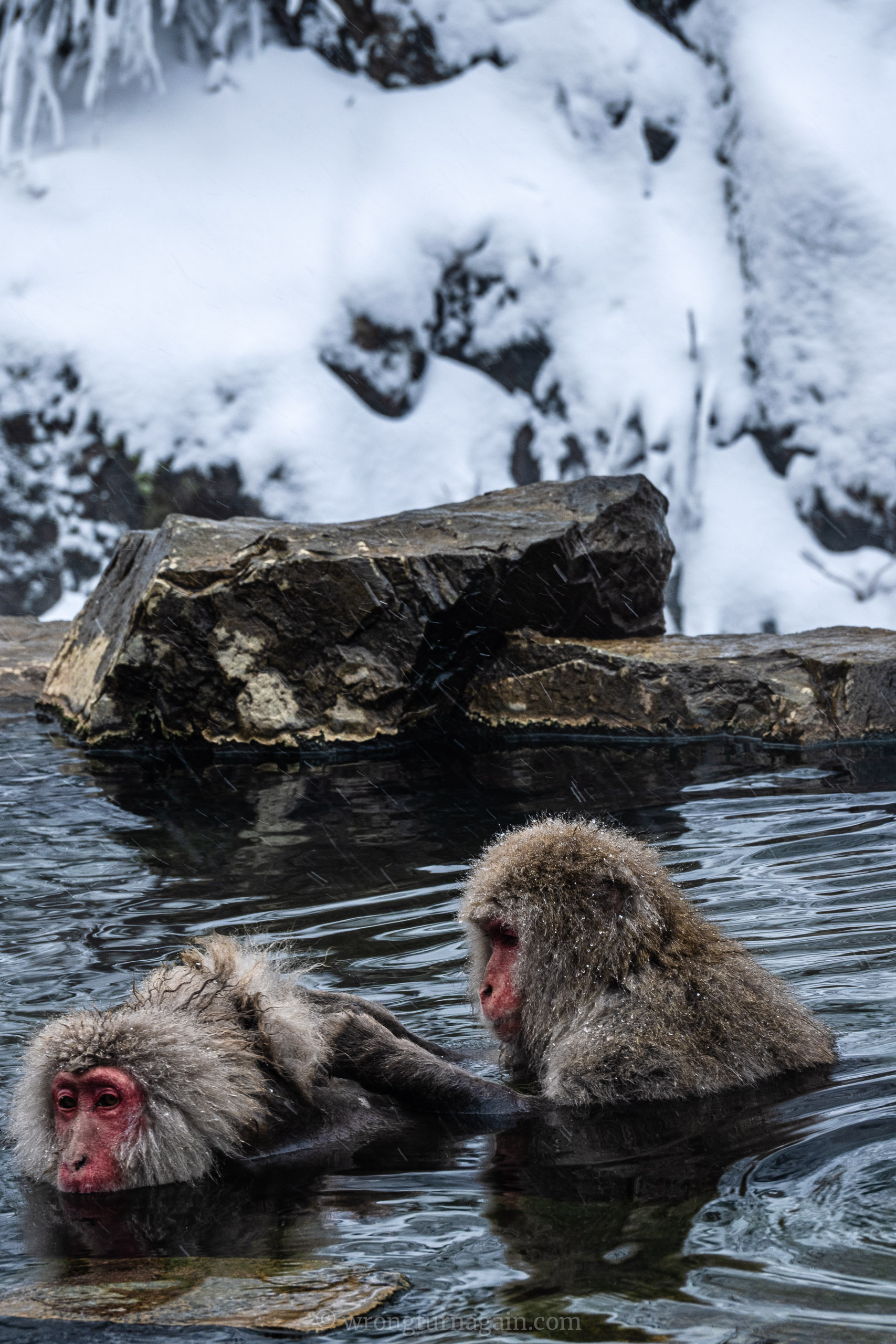
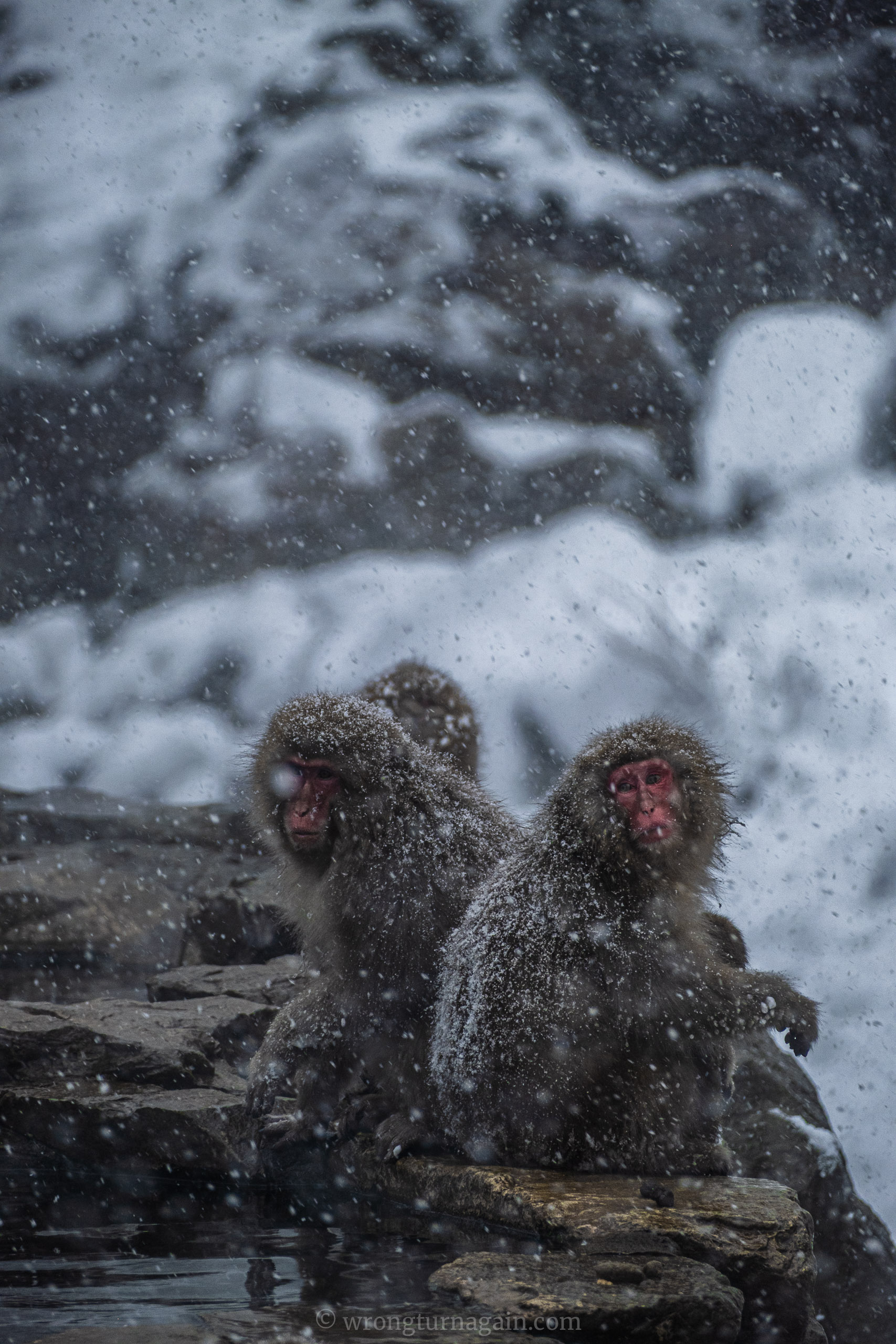
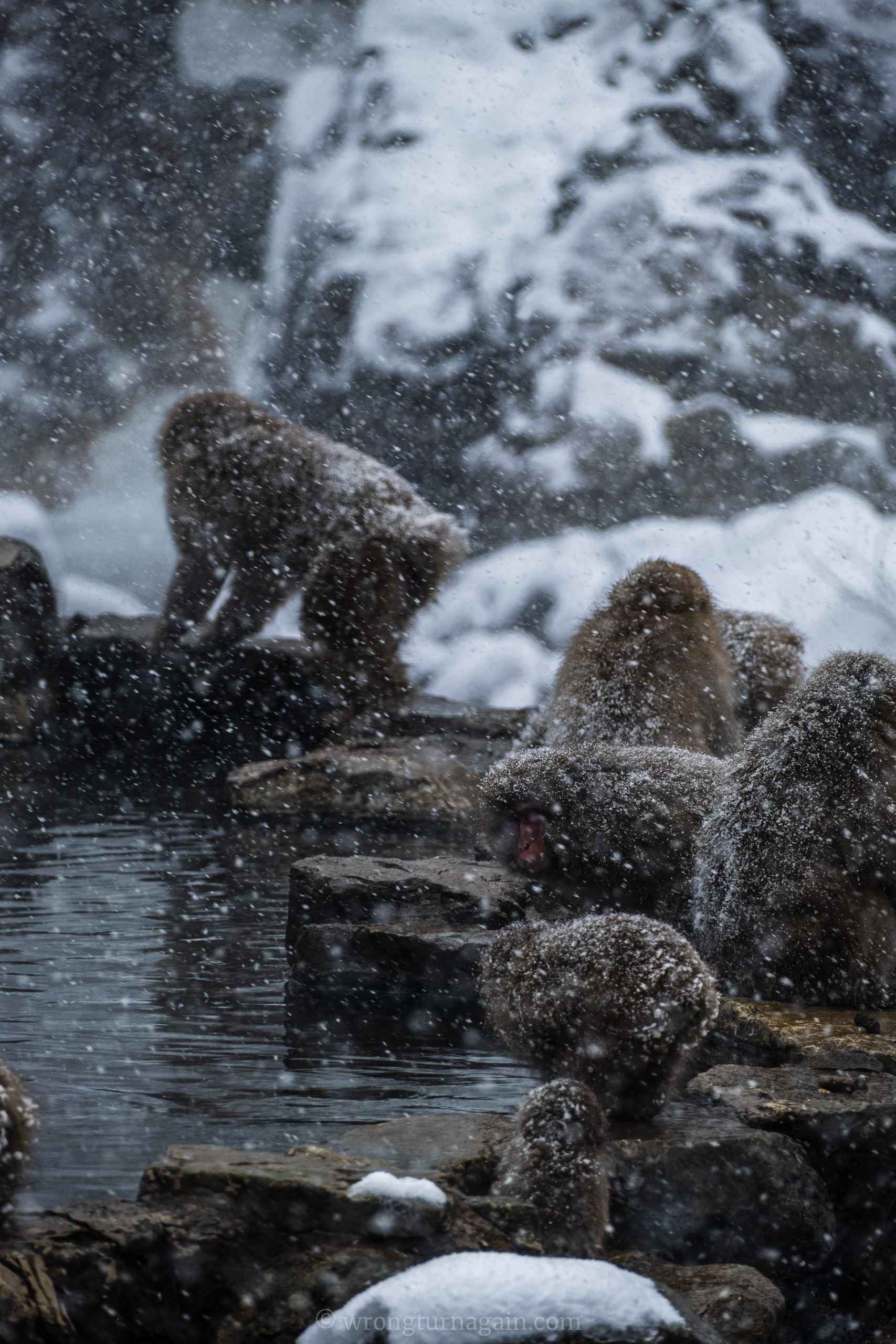
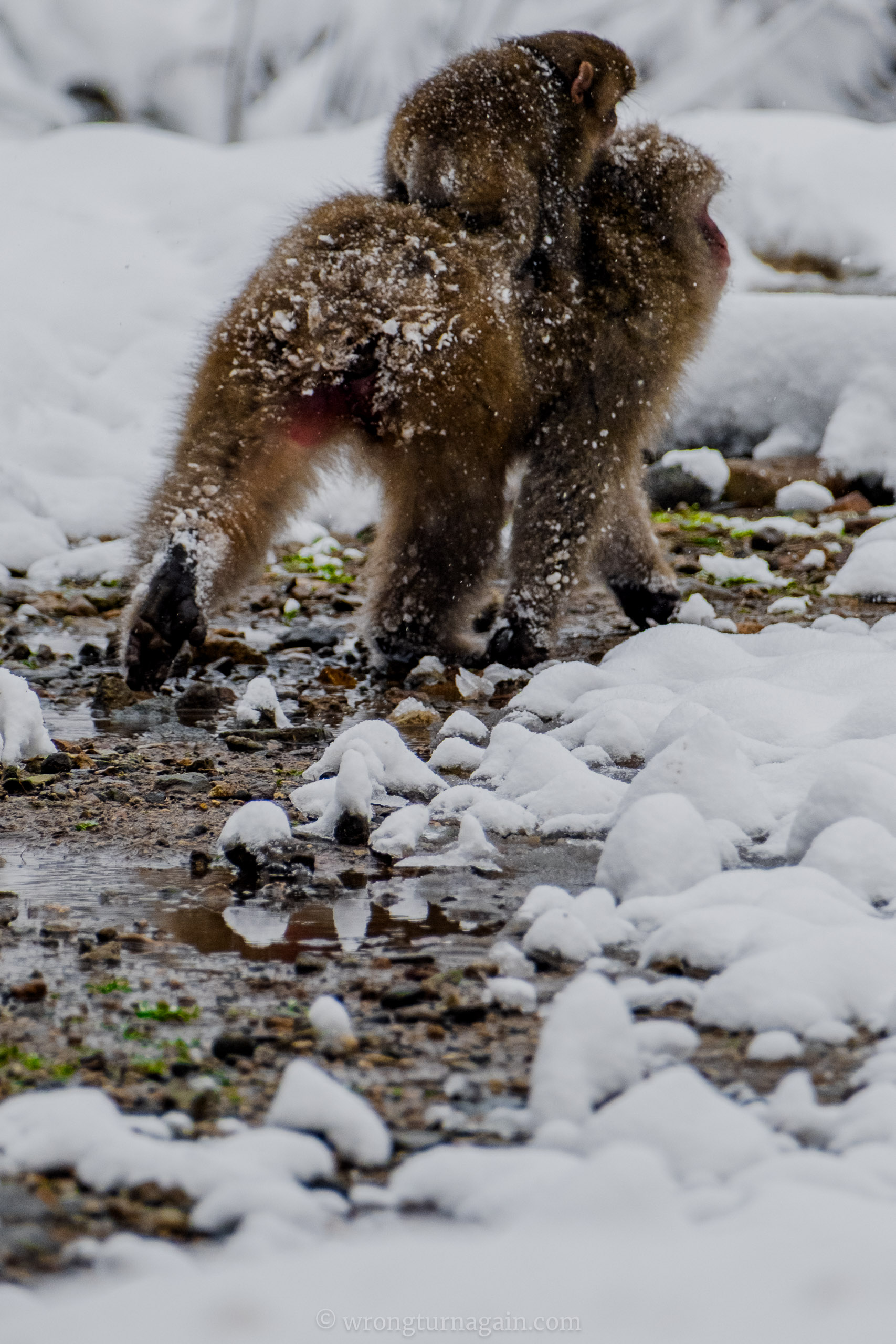
The iconic image of monkeys bathing in hot springs was not a biological instinct, but a pure accident: In 1963, while waiting for their daily food near the ryokan, the macaques began observing humans relaxing in the outdoor thermal baths. According to local lore, a curious young macaque was the first to take the plunge—either chasing a floating apple or falling in by mistake.
What began as pure curiosity quickly evolved into a learned behavior, with younger monkeys imitating their elders to pass down this unique local tradition. However, the macaques do not bathe for hygiene. Instead, the hot spring serves purely as a “recharging station” against the biting cold. Because of this, their bathing habits are entirely weather-dependent; while the pool is packed on freezing winter days, you will often find it completely empty during the hot summer months.
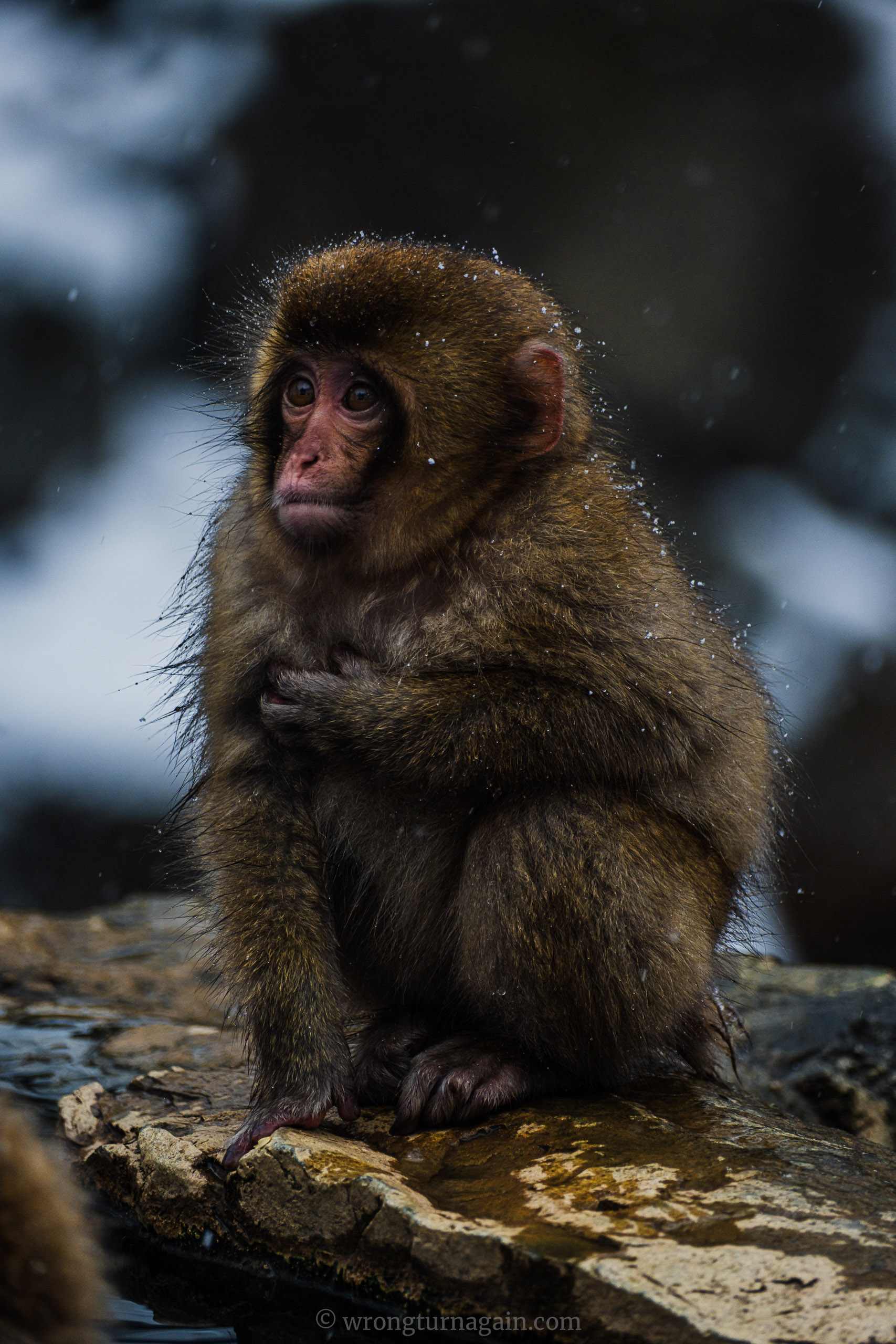
The secret lies in their unique double-layered fur. While the outer coat gets wet and freezes in the -10°C air, the dense inner fur remains completely dry, acting as waterproof insulation. Furthermore, their bodies smartly restrict blood flow to their extremities, keeping their vital organs warm while allowing them to walk barefoot on the snow.
Creating a Fence-Free Park
As the monkeys realized how wonderful the hot springs were, they began invading the human baths of the Korakukan ryokan en masse. To solve the obvious hygiene issues without chasing the animals away, locals came up with an innovative solution: giving the monkeys their own space.
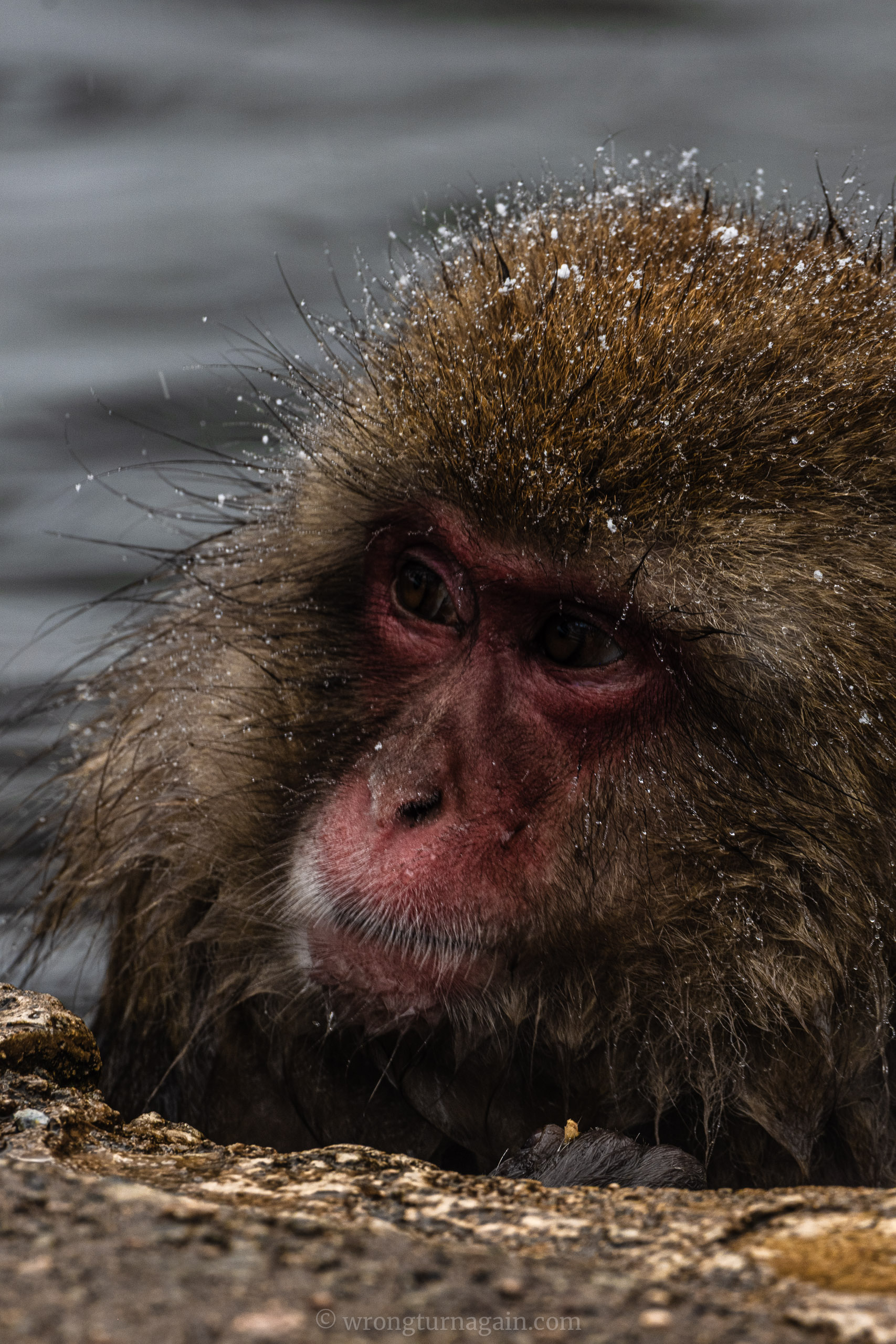
This led to the official establishment of the Jigokudani Yaen-Koen in 1964, followed by the construction of a custom-built, macaque-only thermal pool in 1967. Today, this unique setup remains completely true to its original vision: it is not a zoo. There are no cages, nets, or fences keeping the animals inside. The monkeys remain completely wild, roaming freely in the surrounding mountains, and descend to the valley voluntarily to eat, relax, and socialize.
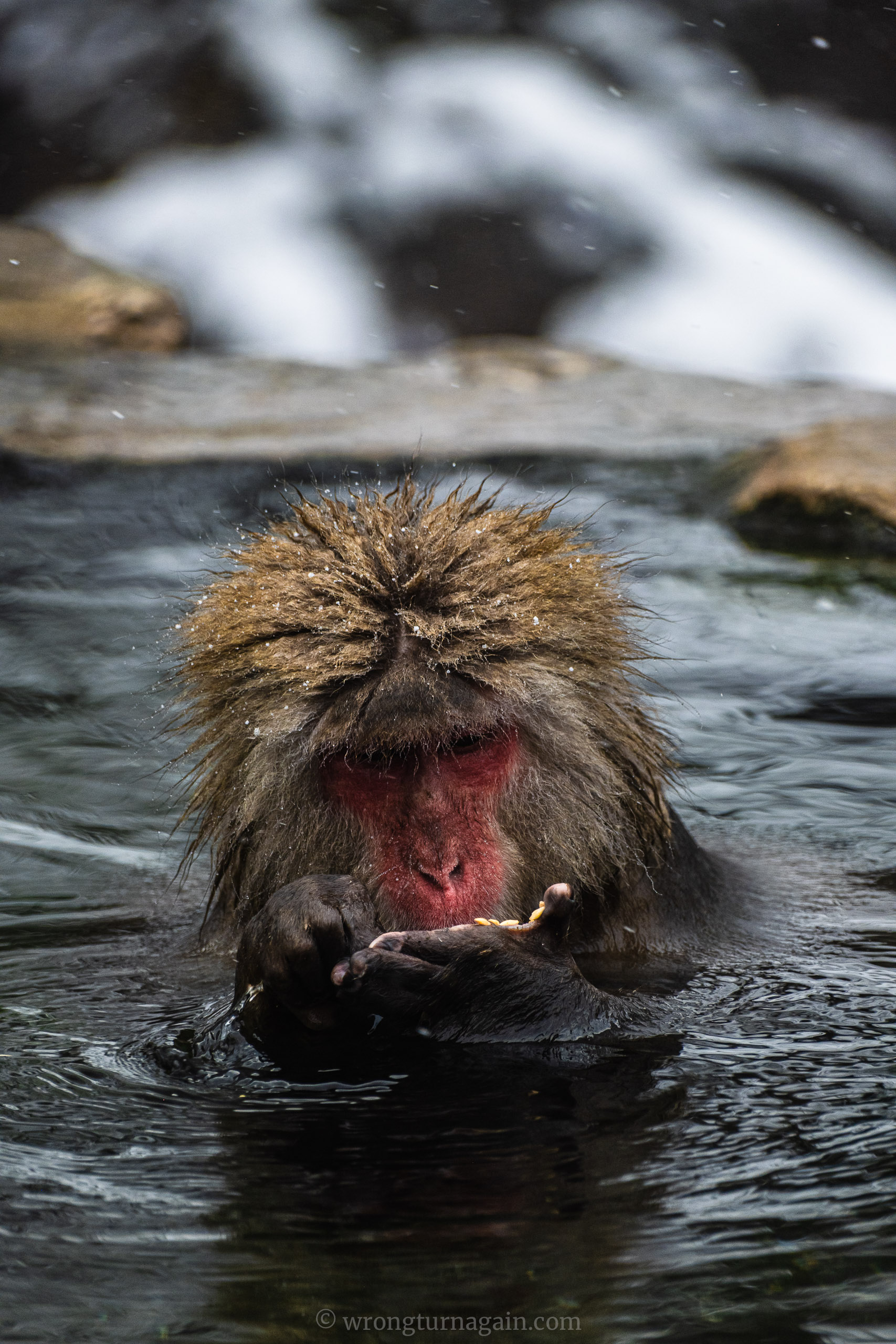
Through a perfectly calculated feeding routine! Park staff provide just enough high-quality barley and soybeans to attract the macaques daily, but never enough to fully satisfy them. This ensures the troop retains its wild survival instincts and foraging abilities—which is exactly why visitors are strictly forbidden from feeding them.
Visiting the Jigokudani Snow Monkey Park
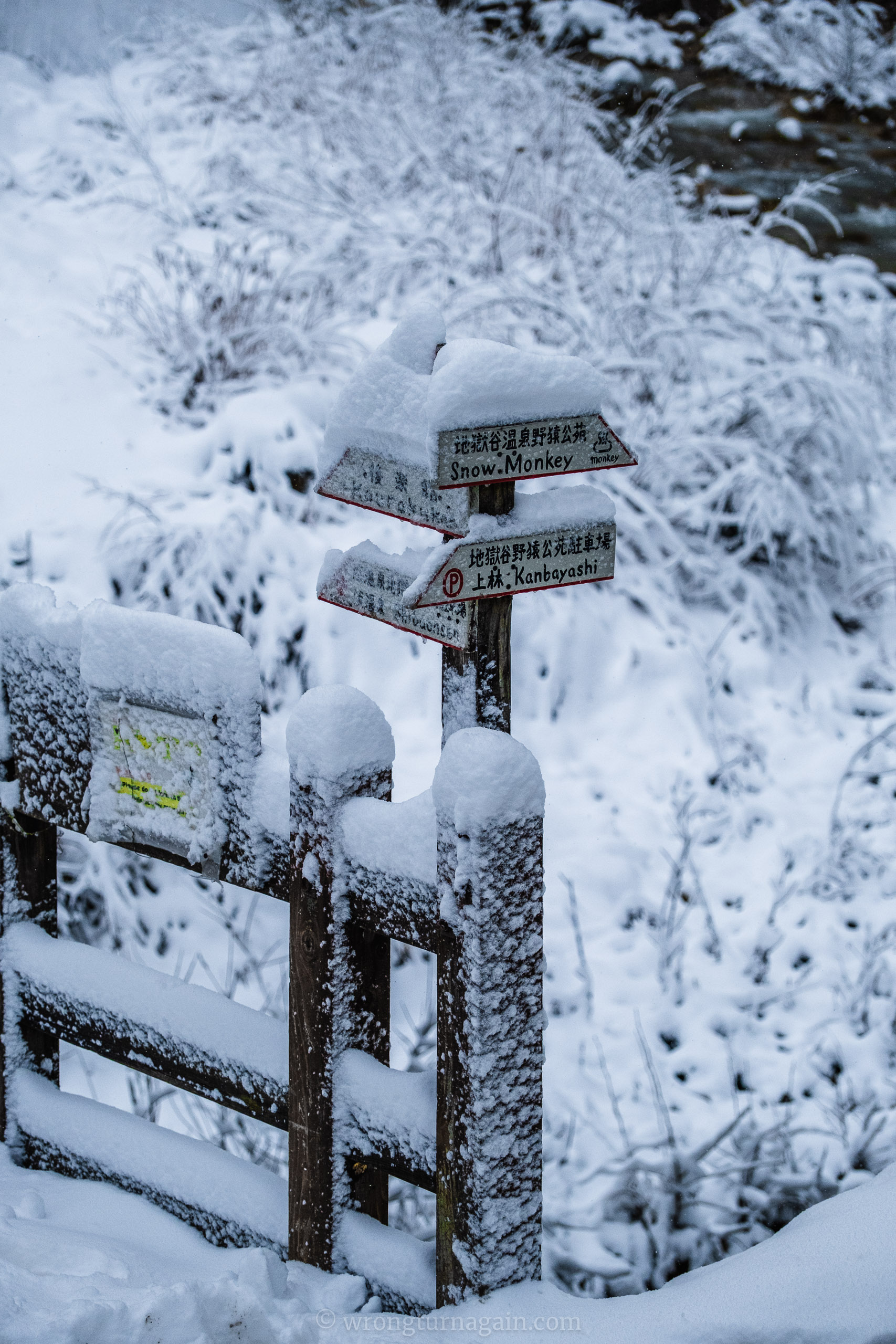
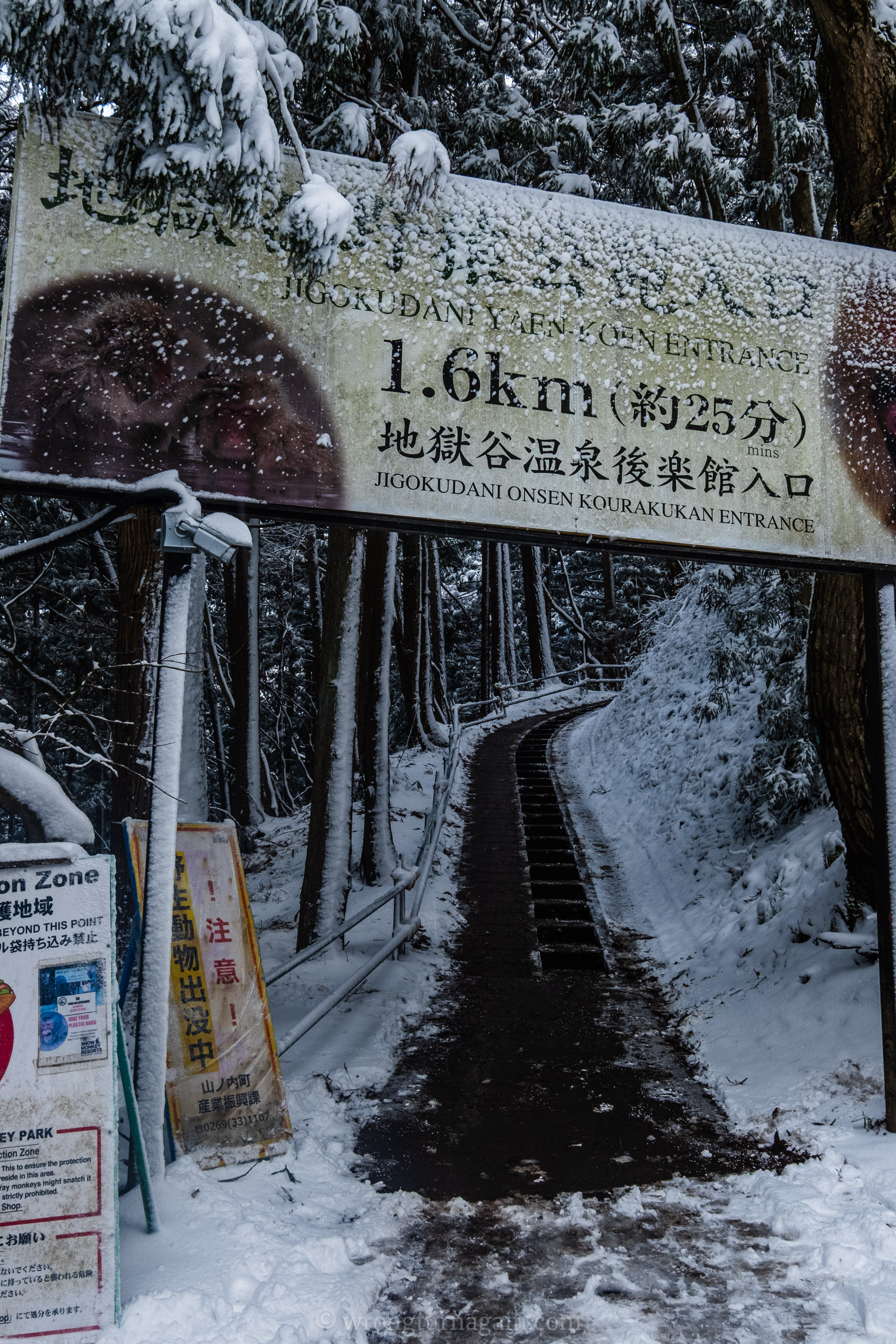
Nestled deep within the Yokoyu River valley in northern Nagano, the Jigokudani Monkey Park intentionally maintains its remote isolation. The experience actually begins long before you spot your first macaque—it starts the moment the paved road ends. No cars or buses can reach the entrance, meaning that upon arriving at the base area, you must enter the monkeys’ world on foot.
For most visitors, the journey starts at the Snow Monkey Resorts Info & Gift Shop, conveniently located a few minutes from the main bus stops and the free, year-round public parking lot. From here, it is a 1.6-kilometer (1-mile) walk that typically takes about 30 minutes.
Note: If you are driving during the summer months, a paid private parking lot opens much closer to the park, reducing the walk to just 10-15 minutes. However, the narrow road leading to it is strictly closed in winter
The Forest Trail (Walking In)
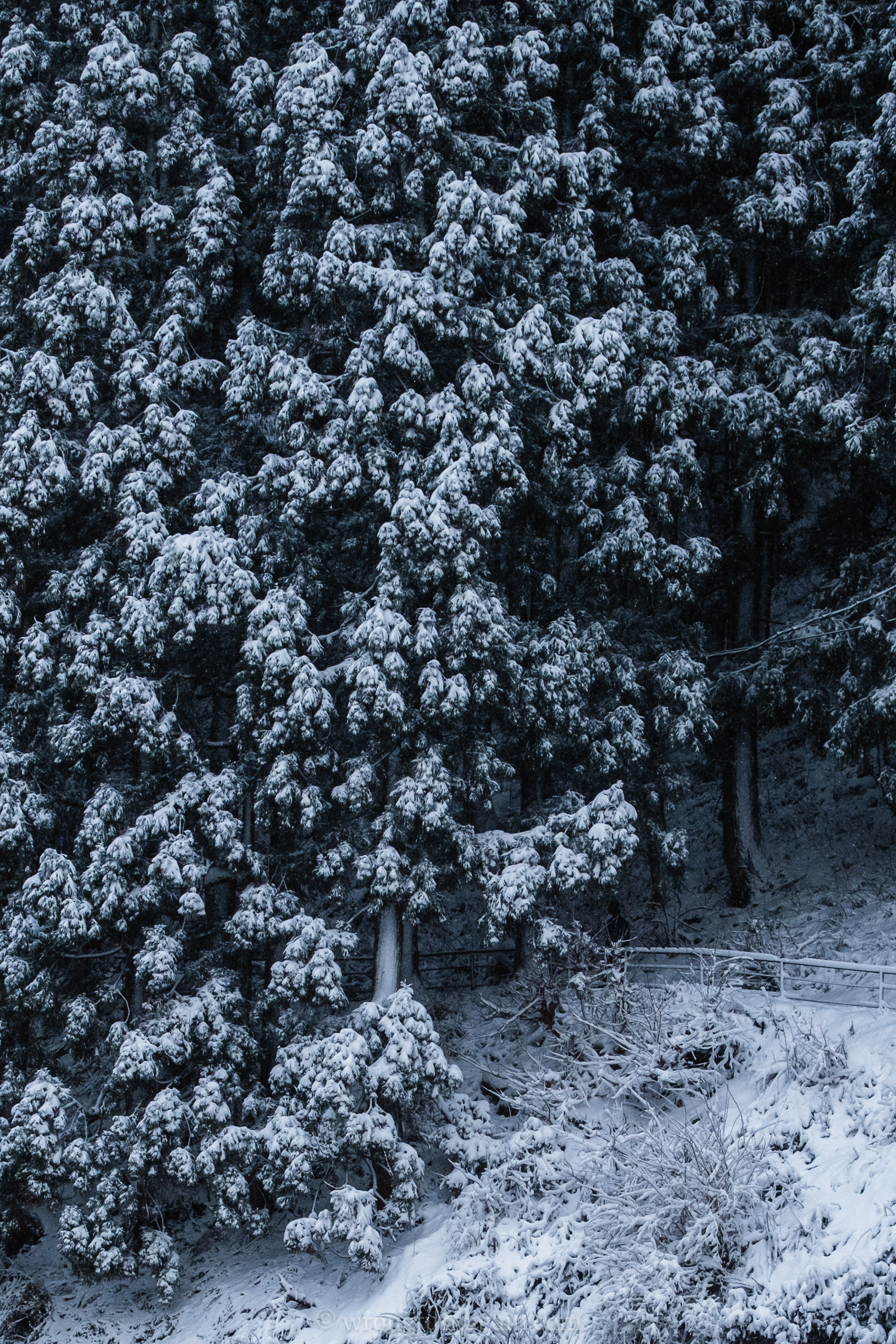
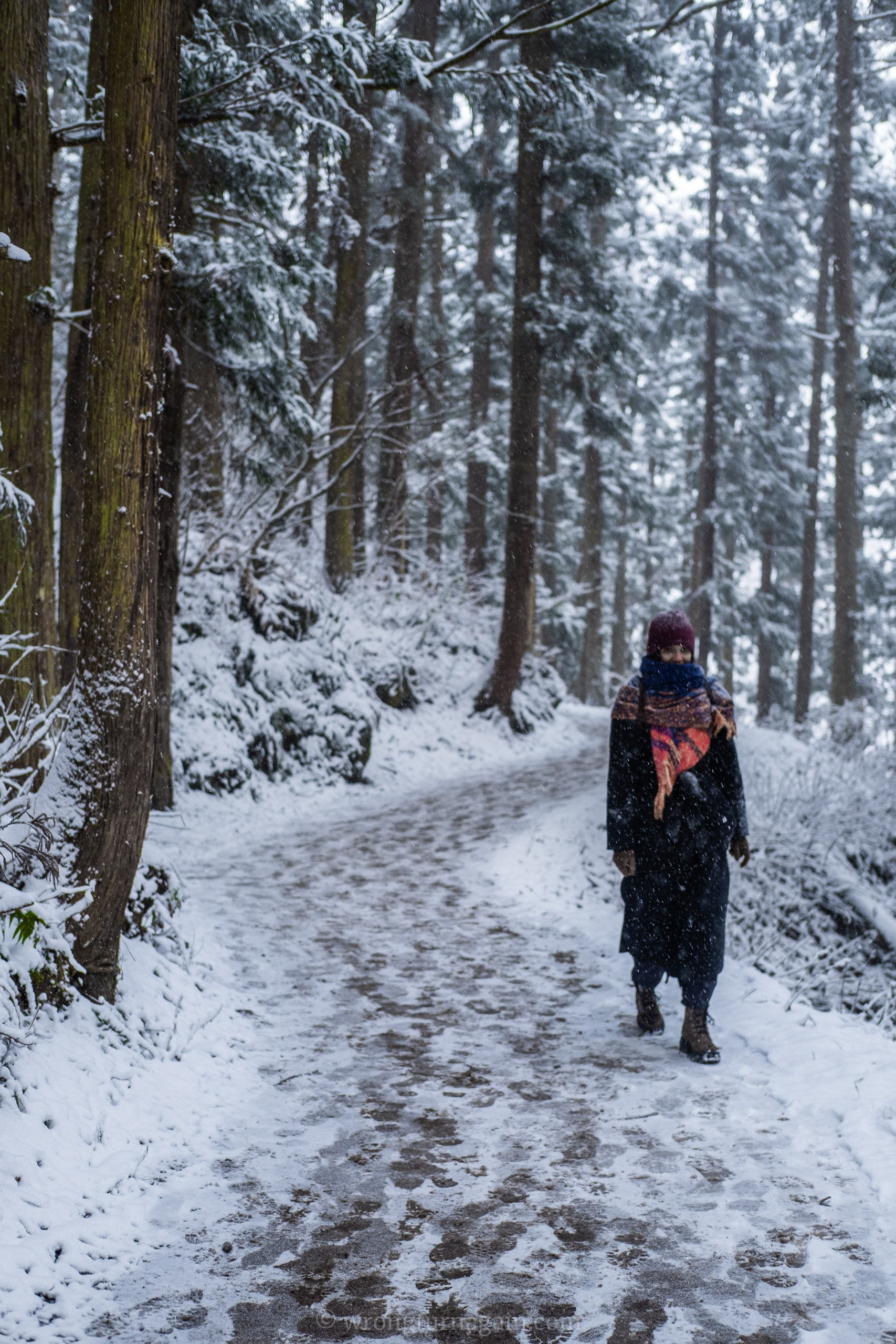
The trail itself is a gentle, mostly flat stroll that is breathtakingly beautiful, especially when blanketed in winter snow. You will walk through a dense, ancient forest of towering Japanese cedars (sugi) that seem to touch the sky. Along the way, informative signboards prepare you for the encounter, explaining the macaques’ complex social hierarchy and how they raise their young.
Winter Warning: While the path is flat, heavy foot traffic on the snow quickly turns the trail into a sheet of solid ice, making the ground extremely slippery. Appropriate winter footwear, such as snow boots or attachable crampons, is absolutely essential.
As you approach the end of the trail, the scenery changes dramatically. The steep valley opens up, and you are greeted by the area’s trademark: the Jigokudani Geyser, forcefully shooting boiling water and steam high into the air. It is a loud, hissing reminder of the powerful geothermal energy beneath your feet.
The presence of this geyser—along with other smaller vents that used to dot the landscape—is exactly why the area is named Jigokudani (Hell’s Valley). For the ancient locals, the constant roaring noise, the thick sulfurous steam covering the ground, and the bubbling boiling water looked entirely like a scene from the underworld.
Tickets, Hours & Facilities
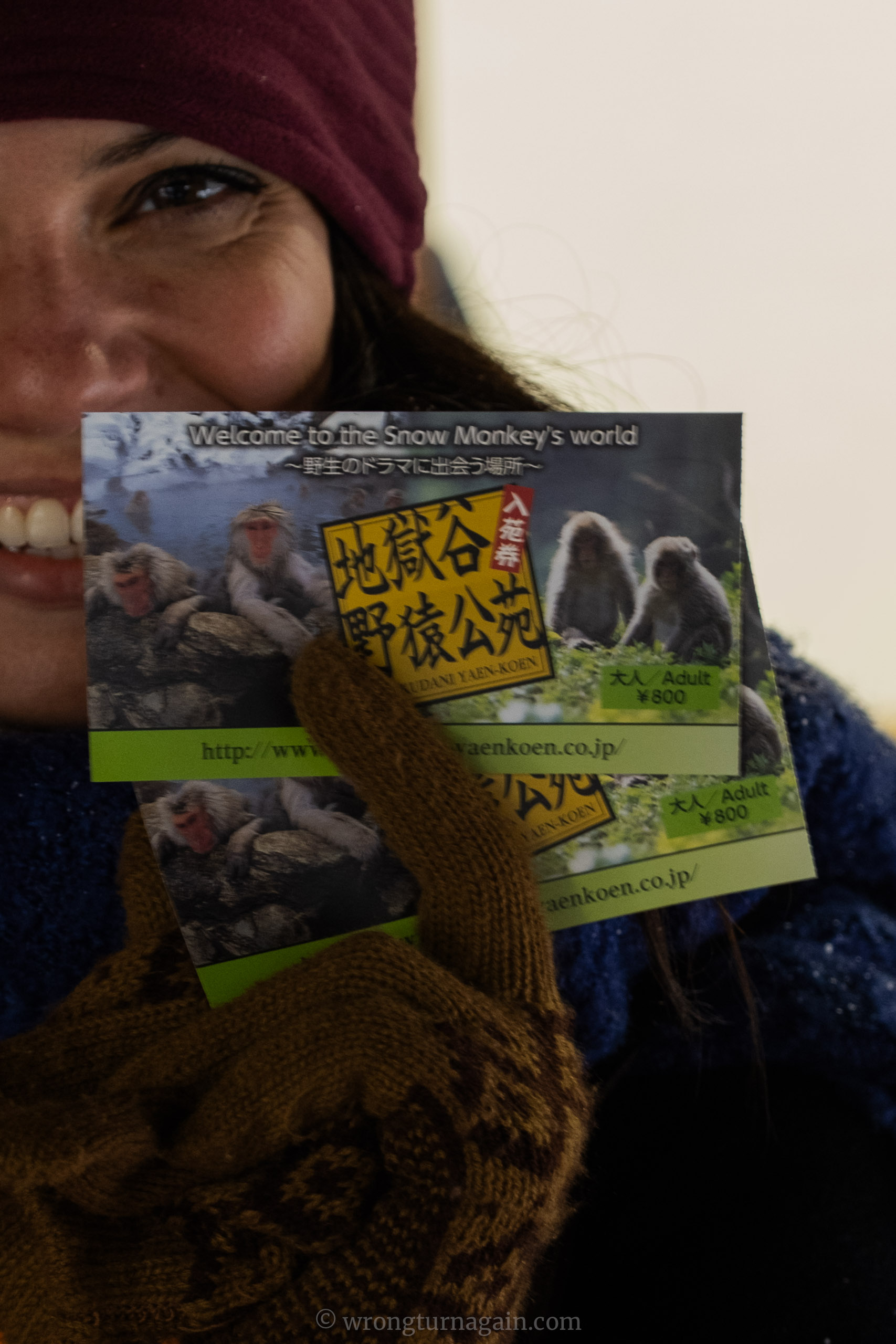
At the end of the trail, a final set of stairs leads to the visitor center where you can purchase your admission on-site. There is currently no option to buy them online in advance, and credit cards are widely accepted. While the park is open year-round, the best time of the year to visit is undoubtedly winter, when the macaques are most active in the hot springs.

Because Jigokudani is designed to interfere with nature as little as possible, on-site facilities are intentionally basic. Restrooms are only available at the start of the forest trail and inside the visitor center, with absolutely no facilities located inside the actual monkey zone. Before stepping outside, it is highly recommended to use the coin lockers in the main building to safely store any backpacks or plastic bags.
Tip: Take a moment to view the visitor center’s small exhibition. It features a fascinating photo gallery of every “Alpha Male” that has led the troop since 1964, offering great insight into the macaques’ complex social hierarchy and seasonal life cycle.
Park Rules & Etiquette
Visiting Jigokudani is a rare opportunity to observe wild primates up close in their natural habitat. Because the macaques roam freely without fences, maintaining a safe and respectful environment is crucial. To protect both the wildlife and visitors, the park enforces a strict set of etiquette rules that everyone must follow.
-
Hide Plastic & Snacks
Strict RuleMacaques associate the crinkling sound of plastic with treats and may try to snatch your bags. Keep all belongings inside securely zipped backpacks. Because human food disrupts their routine, eating or drinking outdoors is strictly forbidden—leave any snacks in the visitor center lockers.
-
Maintain Physical Boundaries
Wildlife SafetyThese are completely wild animals, not zoo residents. You must maintain a respectful distance at all times and never attempt to pet or touch them. Additionally, for the safety and health of the wild troop, no domestic pets are allowed inside the park.
-
Avoid Eye Contact
Primate EtiquetteStaring directly into a macaque’s eyes is perceived as a sign of aggression or a direct challenge in primate culture. Observe them naturally without locking eyes to avoid provoking them.
-
Photography Limits
Camera RulesTaking photos is warmly welcomed, but unorthodox methods that startle the troop are prohibited. Do not use selfie sticks, fly drones, or place waterproof cameras directly into the hot spring pool.
Beyond the Monkeys: 4 Things to Do Nearby
Since a typical visit to the Jigokudani Snow Monkey Park takes about two to three hours (including the scenic forest walk), you will have plenty of time left to explore. Fortunately, the Yamanouchi region and the surrounding Nagano area offer incredible cultural and alpine experiences to fill out your day trip or weekend itinerary.
1. Stroll Through Historic Shibu Onsen
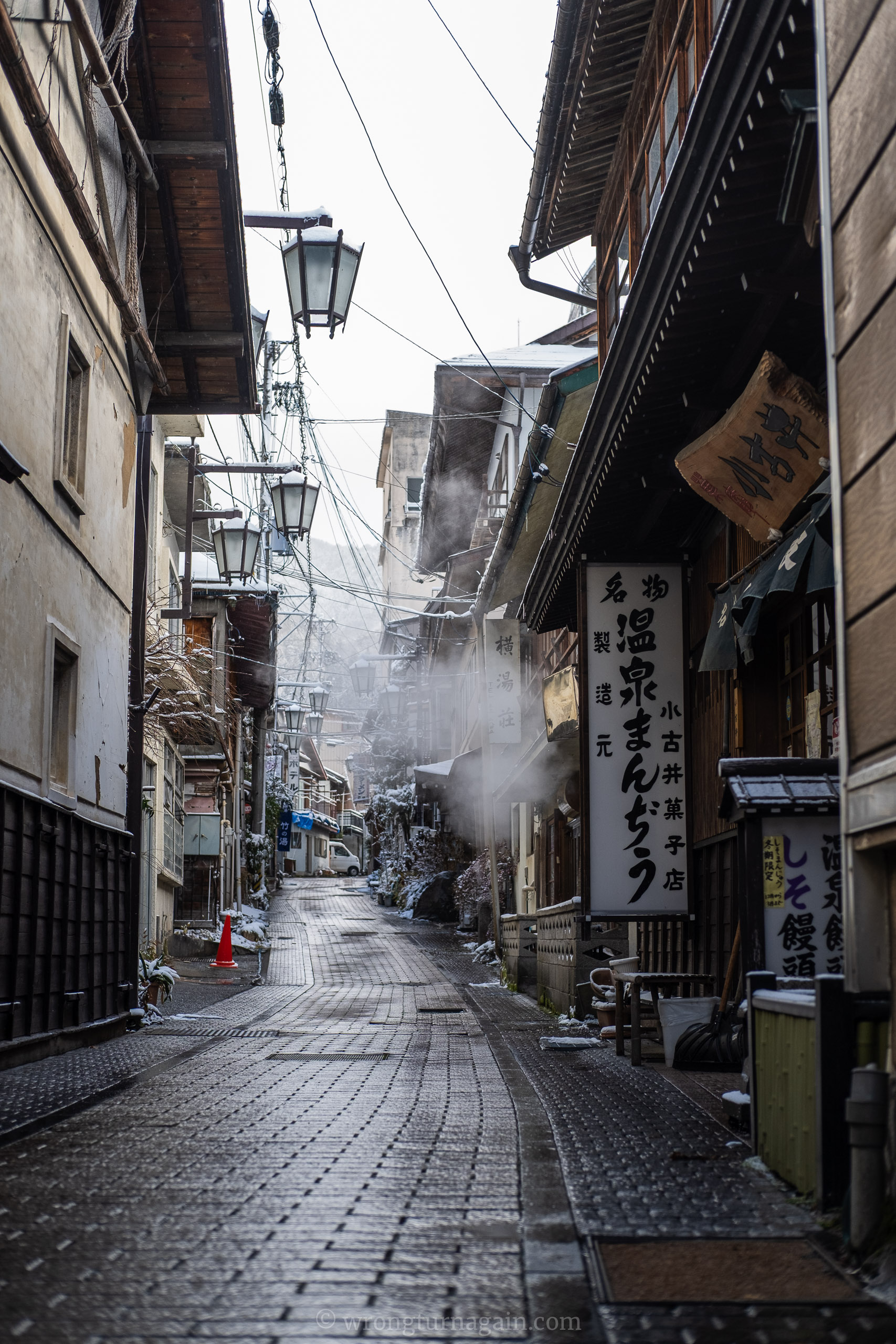
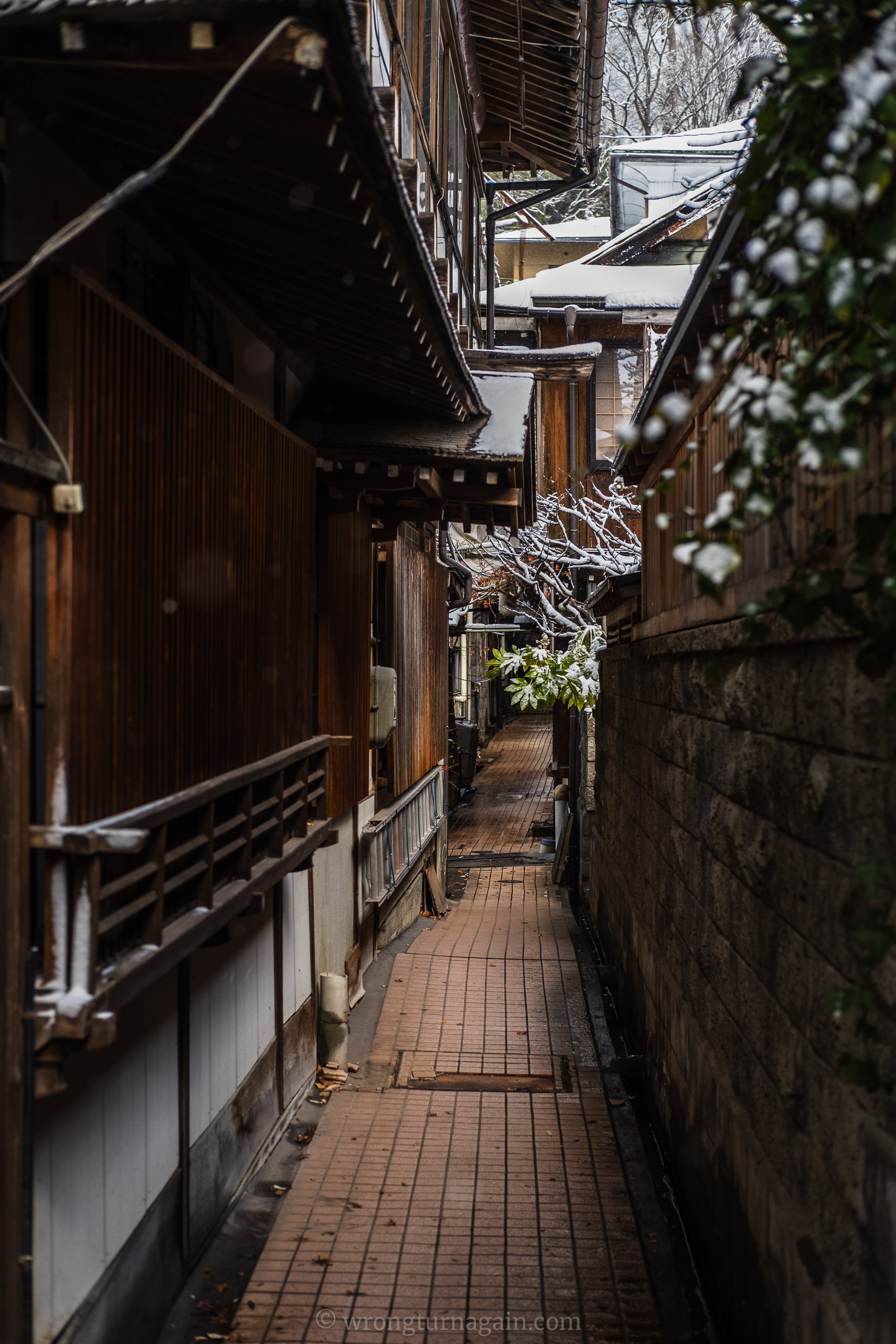
Just a short bus ride—or a pleasant downhill walk—from the monkey park lies Shibu Onsen, a 1,300-year-old hot spring village. Walking through its narrow, cobblestone streets feels like stepping back in time, especially since it is customary for overnight guests to stroll around town dressed in traditional cotton yukata robes and wooden geta sandals.
The village is most famous for its Kyu-to-meguri (nine bath tour). However, these nine historic bathhouses are kept securely locked. Only locals and visitors staying at a village ryokan are given a master key to unlock and experience all of them. If you are just visiting for the day, you can still enjoy the hot springs by paying a small fee to enter the largest bath, the O-yu, or by relaxing at the free footbaths (ashiyu) scattered around town.
If you plan to bathe, keep in mind the strict rules of authentic Japanese onsen culture. Public baths are separated by gender, and bathing is done completely naked, as swimsuits are strictly forbidden. For couples or families who prefer privacy, many ryokans offer reservable private baths (kashikiri).
2. Hit the Slopes at Shiga Kogen
If you are visiting during the winter, you are right at the doorstep of Japan’s largest ski resort area. Shiga Kogen was a primary venue for the 1998 Nagano Winter Olympics and offers massive interconnected skiable terrain with incredibly high-quality powder snow.
The best part? The exact same Nagaden local bus that drops you at the monkey park continues directly up the mountain to the ski fields, making it incredibly easy to combine wildlife watching with winter sports in a single day.
Top Shiga Kogen Winter Tours
3. Stop by Obuse: The Town of Chestnuts and Hokusai
When it is time to head back to civilization, the historic town of Obuse is the perfect cultural detour. Located halfway down the Nagaden train line between Yudanaka and Nagano City, Obuse is famous across Japan for two things: its locally grown chestnuts and its connection to Katsushika Hokusai, the legendary ukiyo-e artist.
To make the most of your stop, start at the dedicated Hokusai Museum to see his stunning masterpieces. Right next to the museum, you will find Kuri-no-Komichi (Chestnut Path), a charming, peaceful alley paved with local chestnut wood blocks. After a short walk, you can also visit the nearby Gansho-in Temple to marvel at Hokusai’s breathtaking, massive Phoenix painting on the ceiling.
Along the town’s picturesque streets, you will discover traditional breweries offering local sake tastings, as well as historic shops selling rich, locally fermented miso. Finally, sit at a local cafe to indulge in the town’s famous chestnut sweets, including chestnut rice, chestnut ice cream, and incredible Mont Blanc cakes.
Experience Historic Obuse
4. Extra Day: Myoko Togakushi Renzan National Park
If you have an extra day in the Nagano area, this national park is an absolute must-visit. While it requires heading back to Nagano City to catch a mountain bus, it rewards you with the impressive Togakushi Shrine complex. Rather than a single building, Togakushi is made up of five distinct shrines spaced out across the mountain, each dedicated to a different deity from Japanese mythology.
To visit all five shrines, you can follow the Togakushi Kodo (also known as Kanmichi), a well-maintained forest trail that perfectly connects the entire area. The undeniable highlight of this route is the final approach to the Upper Shrine. Here, the path turns into a spectacular two-kilometer avenue lined with gigantic cedar trees, some of which are over 800 years old.
Togakushi Nature & Shrine Tours
How to Get to Jigokudani Snow Monkey Park
The Jigokudani Monkey Park is located in the Yamanouchi area of northern Nagano Prefecture, within the Joshinetsu Kogen National Park. It sits just up the valley from the historic hot spring towns of Shibu Onsen and Yudanaka Onsen, making it a convenient stop.
Whether you are planning a scenic winter road trip through the Japanese Alps or looking for the fastest Shinkansen connection from Tokyo, reaching the Snow Monkey Park is straightforward. While the park is remote, it is well-connected by expressways and a reliable network of trains and buses.
By Car from Tokyo
Driving offers the most flexibility to explore Nagano. The most practical route is via the Joshin-etsu Expressway exiting at Shinshu-Nakano IC. While avoiding tolls is possible, it is not recommended as it nearly doubles the travel time.
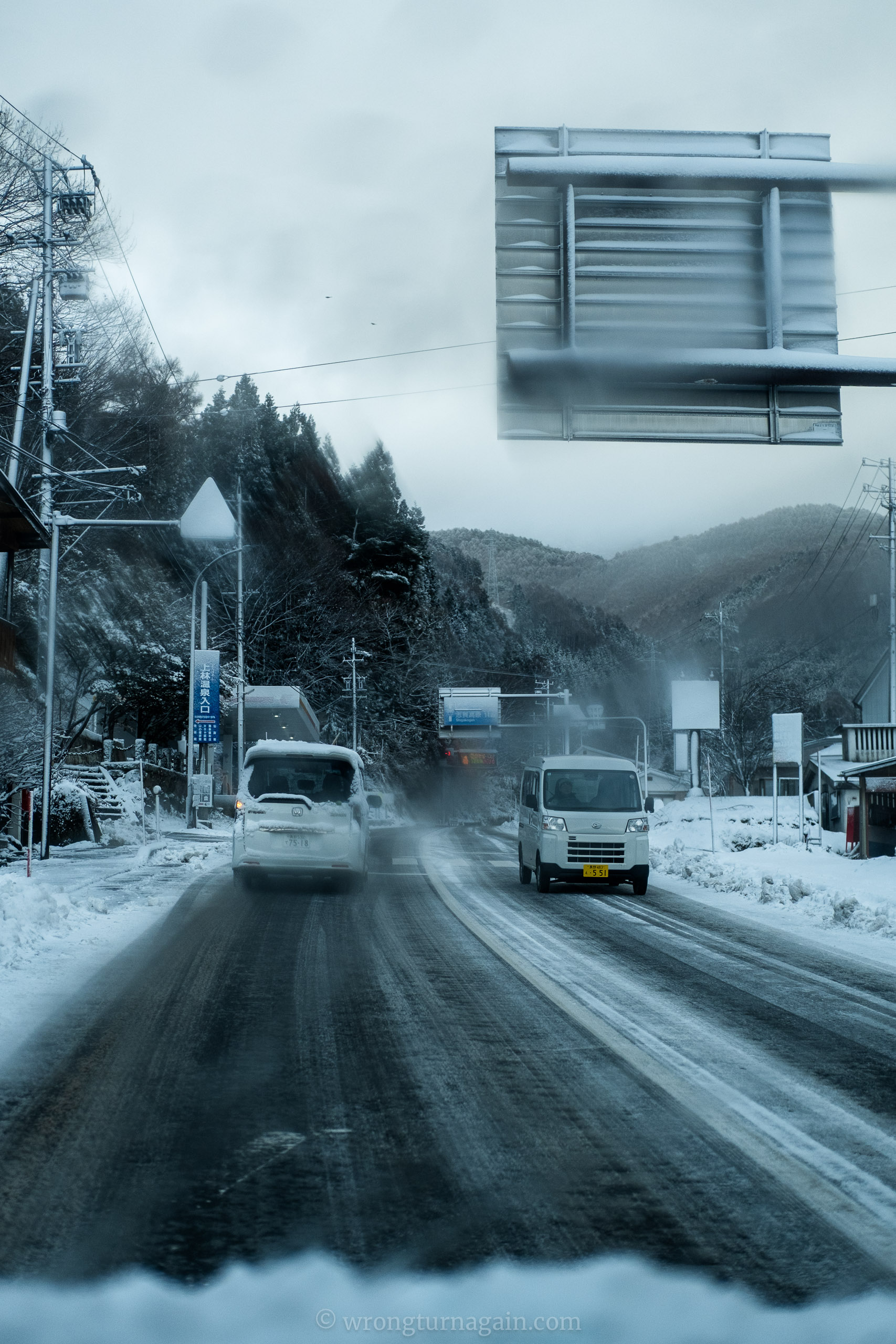
Road Conditions: The expressway is wide and well-maintained. However, the final 20-minute drive on Route 292 towards the park becomes narrower and climbs into the mountains. In winter (Dec–Mar), this section is frequently frozen, and snow tires are mandatory by law.

For peace of mind, aim for the Jigokudani Yaen Koen Free Parking. Located near Enza Cafe, this large lot is open year-round and safe for all vehicle types.
During summer only, you can park closer to the entrance at this private lot for ~¥500. Warning: The narrow road leading here is dangerous and strictly closed in winter (Dec–Mar). Do not follow GPS directions to this specific point during the snowy season.
By Public Transport from Tokyo
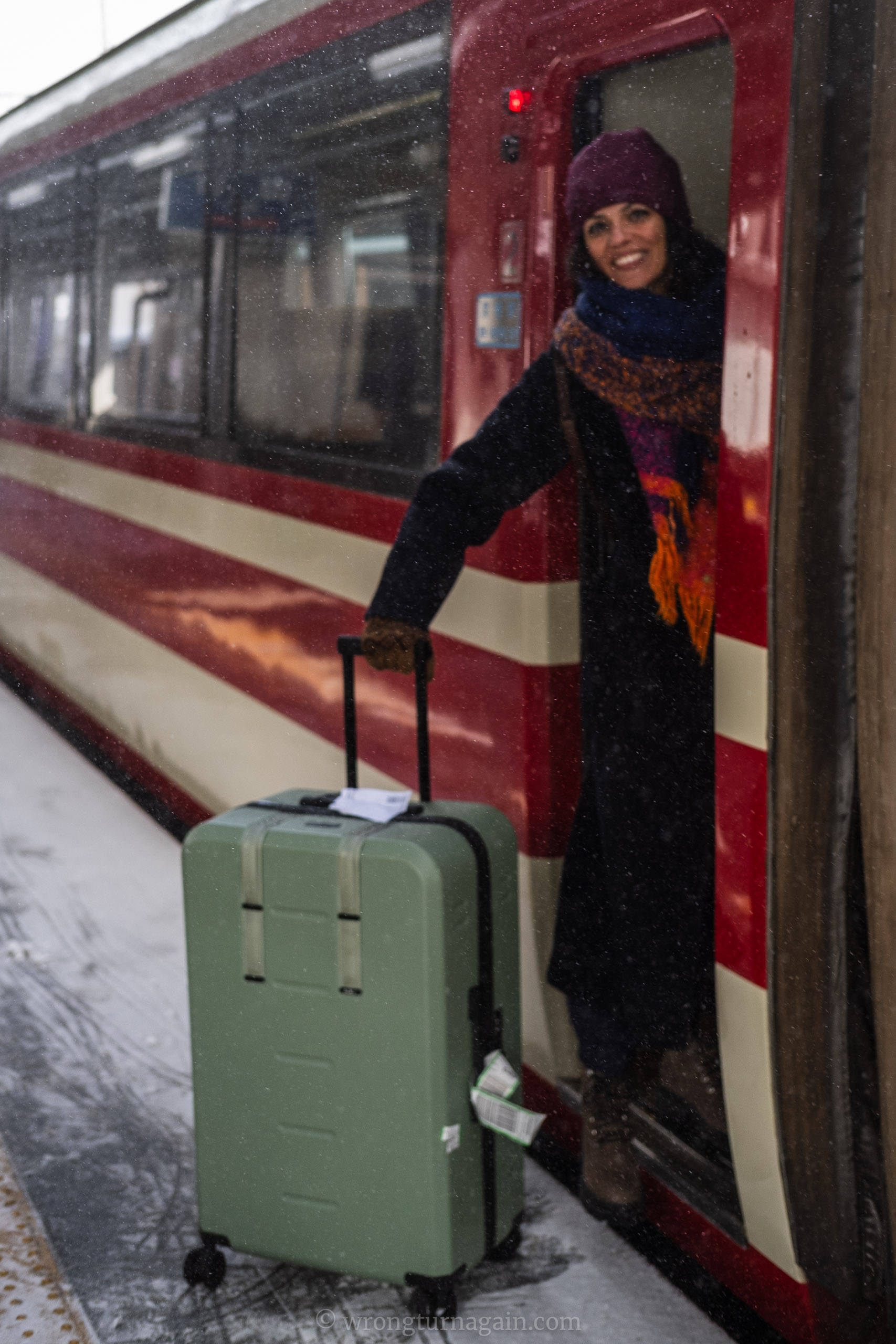
Reaching the park via public transport is the most popular and scenic method. The journey is split into two stages: first reaching Nagano City via the Shinkansen, and then navigating into the mountains using local transit.
Tokyo Station and Nagano are connected via the Hokuriku Shinkansen. Although budget highway buses exist (4.5 hours, from ¥1900), the bullet train is highly recommended for day trips to maximize your time at the park.
Departs from Nagano Station (East Exit, Stop #23). This bus goes directly to the Snow Monkey Park bus stop without making stops in central Yudanaka or Shibu Onsen.
Take the scenic electric railway (local or limited express) to the terminal, Yudanaka Station. From Yudanaka, transfer to a local bus for a short 10-minute ride to the “Snow Monkey Park” stop. Best if you plan to stay overnight in Yudanaka Shibu Onsen.
The Snow Monkey Passes
The Snow Monkey Pass is a comprehensive value ticket that bundles your transportation and park admission into one convenient purchase. Please note that the pass is not available during October and November, and there are currently two distinct types to choose from:
- Train & Local Bus Pass: Covers one park admission, the Nagano Dentetsu Train (including express trains) and the Local Bus from Yudanaka to Snow Monkey Park Bus Stop. Best for sightseeing (e.g., stopping at Obuse) and skipping ticket lines.
- Express Bus Pass: Covers one park admission and the direct Express Bus. Convenient as there are no transfers, but must be purchased in person at the Nagaden Bus Ticket Center “Aruyo” ticket machine, located on the 1st floor of the East exit of Nagano Station.
Hand-picked for this route
Getting Around the Snow Monkey Park
Once you arrive at Yudanaka Station, navigating the Yamanouchi region is straightforward. Think of the station as your central hub dividing the area: the train heads West (downhill) back towards Nagano and Obuse, while buses and taxis head East (uphill) into the mountains.
If you are staying overnight in Shibu Onsen or Yudanaka, check with your accommodation if they offer free shuttle services to the Snow Monkey Park. Most traditional inns (ryokan) do, and they will drive you directly to the park entrance and pick you up later.
Getting Around Options
-
Nagaden Local Bus
Daily 08:00 – 18:00
For Park & Shiga KogenFor the mountains, your primary option is the Shiga Kogen Line. This bus connects Yudanaka Station, Shibu Onsen, the Snow Monkey Park, and Shiga Kogen Ski Resort. Service runs roughly once per hour (more frequently in winter).
-
Taxis in Yudanaka
From ¥1,600 One-Way
For Park & Shibu OnsenReliable but limited. You can find them at the Nagaden Taxi Office across from Yudanaka Station, but hailing one on the street in Shibu Onsen is nearly impossible. If you need a ride back from the park, ask the staff at Enza Cafe to call one for you.
-
Dentetsu Train
Covered by Pass
For Obuse & NaganoThe train line runs through Nagano and terminates at Yudanaka; it does not go further into the mountains. Use the train only to head back west. This is how you reach Obuse, located 20 minutes back towards Nagano. The Snow Monkey Pass fully covers this ride, making Obuse a perfect stopover on your return trip.
The Ultimate 3-Day Jigokudani Itinerary
If you are wondering how to plan a Jigokudani Snow Monkey Park itinerary, the best approach is to turn a rushed day trip into a comprehensive 3-day Nagano adventure. Here is a step-by-step guide to perfectly link these destinations together.
Where to Eat
Dining in the Yamanouchi area is a delightful mix of rustic charm and authentic flavors. From traditional izakayas hidden in the narrow lanes of Shibu Onsen to cozy coffee stands near the Yudanaka station, the region offers intimate dining experiences often run by local families. Whether you are craving fresh sushi, hearty gyoza, or a warm latte after seeing the monkeys, here are the top-rated spots to visit.
Lunch & Dinner
Coffee & Tea
Where to Stay near the Snow Monkeys
While day trips from Tokyo are possible, spending the night allows you to experience the magic of the Japanese Alps without the rush. The most atmospheric base is undoubtedly Shibu Onsen, where staying overnight grants you a special key to unlock local bathhouses.
However, depending on your arrival time and focus, the transport convenience of Yudanaka or the alpine heights of Shiga Kogen might suit your logistics better. Here is a breakdown of the three main areas to help you decide:
-
Shibu Onsen
Best Atmosphere
Onsen HoppingLocated just 2 km from the station, this 1,300-year-old town is the highlight. Apart from the “Spirited Away” vibes, staying here allows you to do Kyū-tō-meguri (nine bath tour). Guests get a master key to enter all 9 public bathhouses scattered around the village for free, in addition to your ryokan’s private baths.
-
Yudanaka Onsen
Transport Hub
ConvenientThis is the terminal station area. It is more modern than Shibu but offers critical conveniences like a Lawson convenience store and the station’s own hot spring (Kaede-no-Yu). It is the best choice if you are arriving late at night and want immediate access to your hotel without a transfer.
-
Shiga Kogen
Ski Resort
High AltitudeLocated much higher up the mountain range, this is Japan’s largest ski area. While it lacks the traditional village charm, it offers large ski-in/ski-out hotels and direct bus access to the Monkey Park. Choose this only if your primary goal is winter sports.
Our Top Ryokan Picks
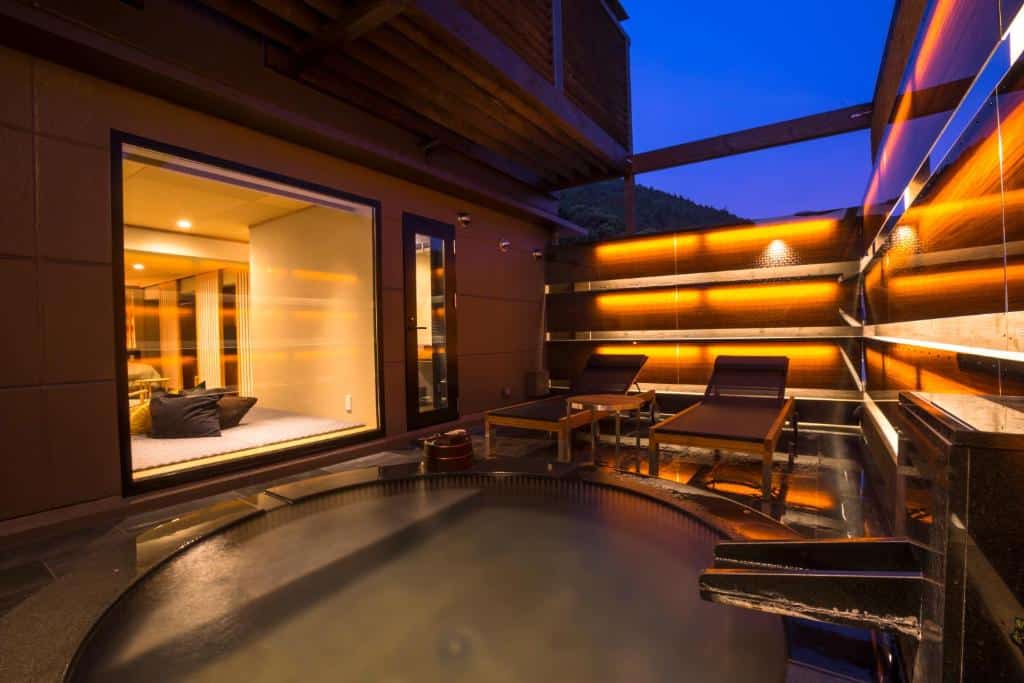 SAKAEYA RYOKAN
A refined ryokan famous for its unique amber-colored waters and exceptional Kaiseki cuisine.
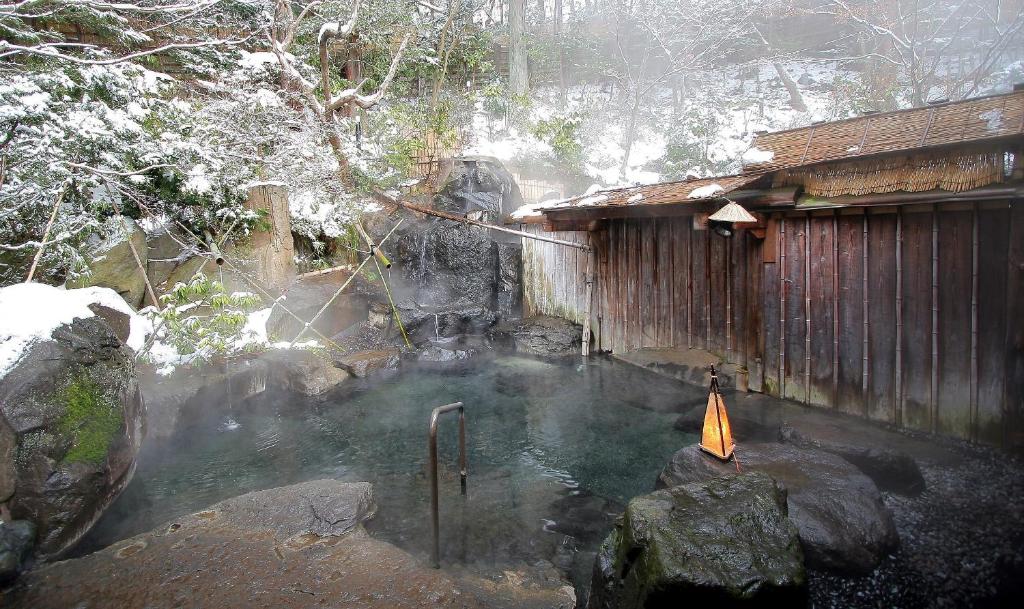 SENJUKAKU
Favored by the Imperial Family. Historic luxury with massive indoor pools, just a walk from the monkeys.
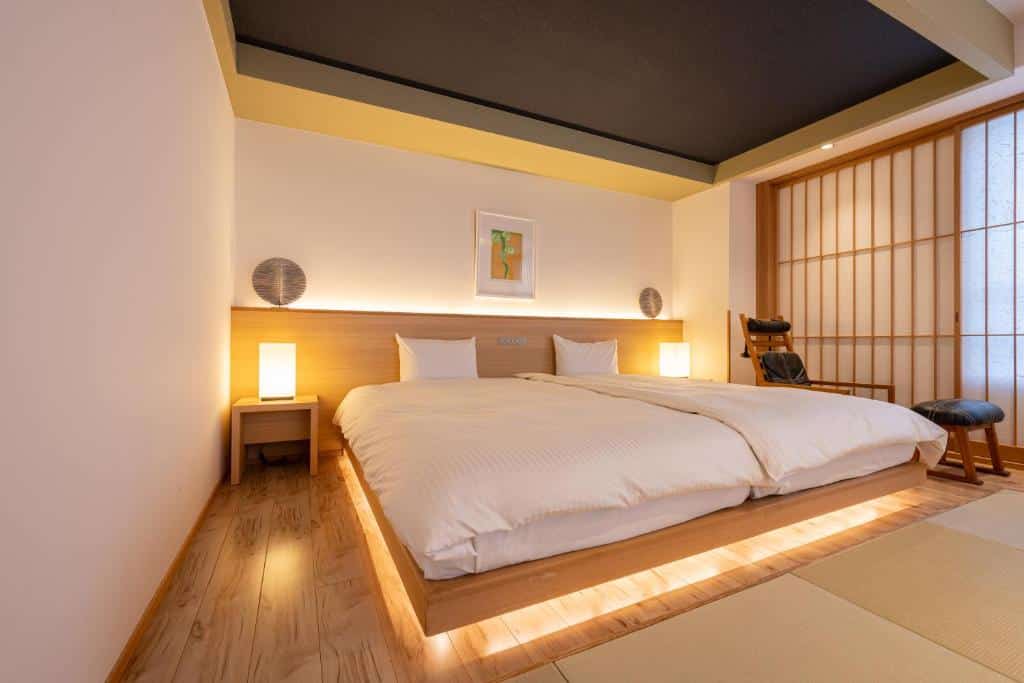 SUMINOYU
A welcoming, traditional ryokan with excellent value. Great indoor/outdoor baths right on the main street.
When to Visit the Snow Monkey Park
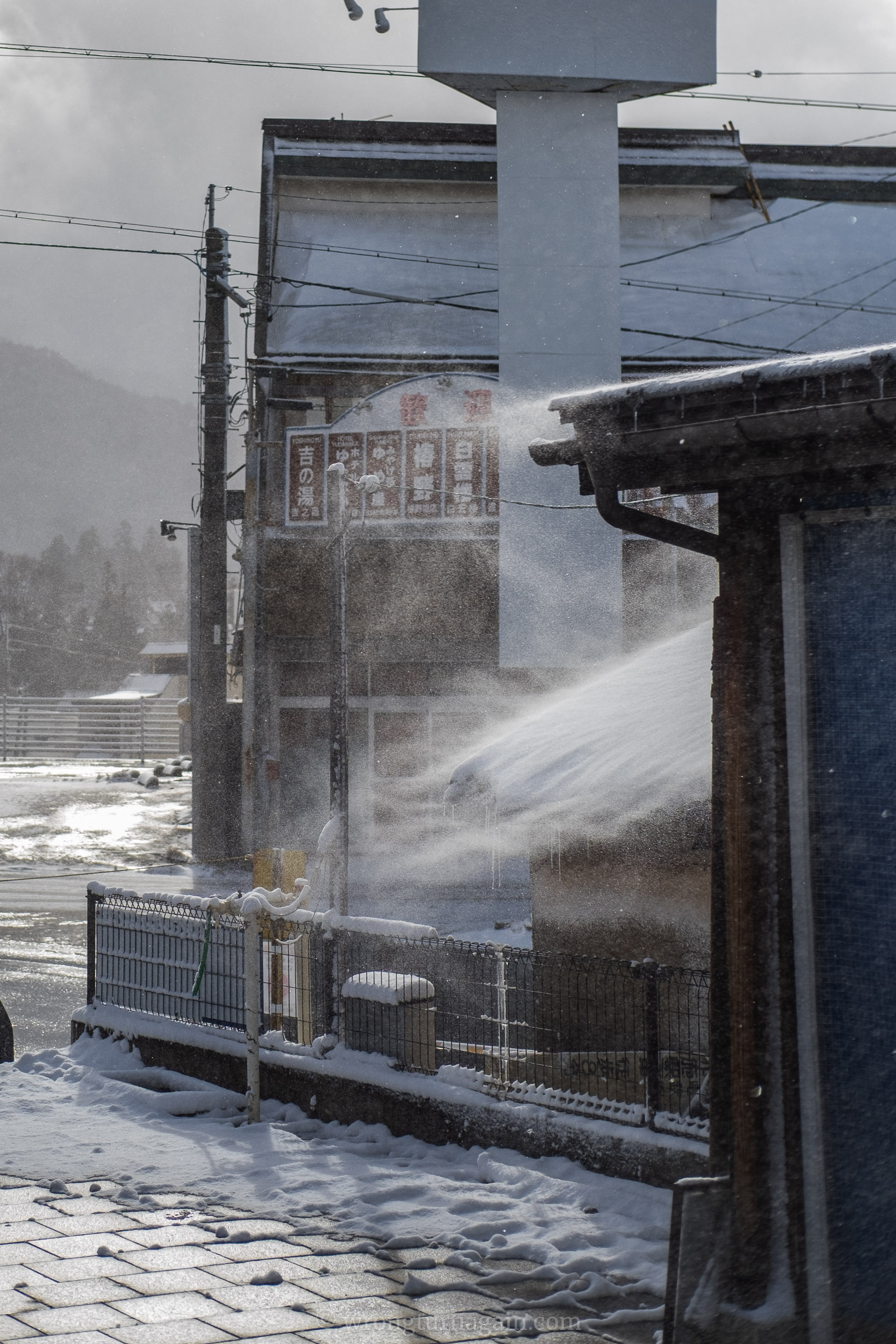
The best time to visit the Snow Monkey Park is during the winter months, from December to March. During this period, snow blankets the valley, temperatures drop below freezing, and the macaques bathe daily in the hot springs to stay warm, offering the park’s iconic photo opportunity.
Outside the winter months, the scenery and behavior change drastically. In spring and summer, the surrounding mountains provide plenty of natural food. While the macaques are still drawn to the valley by the controlled feeding from the park rangers, once they are warm and full, they often move higher up into the forest. On very hot days, they might not even approach the pool.
Before you start your journey, check the online live camera. Additionally, the park rangers post daily “Monkey Visit Forecasts” on X and Facebook, updating visitors on whether the troop has descended into the park that day.
Snow Monkey Park Budget
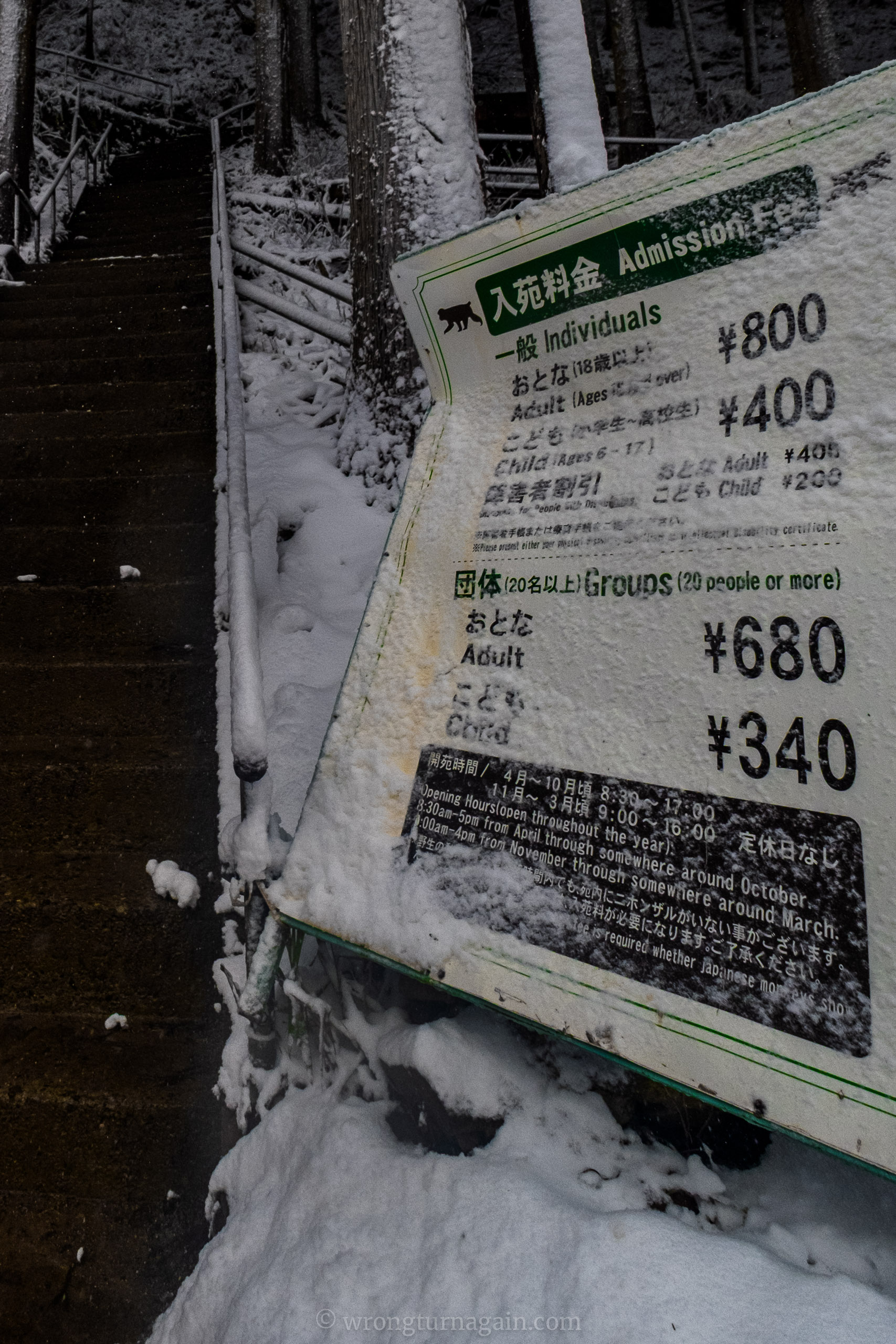
If you are wondering how much it costs or if visiting the Jigokudani Snow Monkey Park is expensive, the good news is that the core experience is highly budget-friendly. The actual entrance fee is very cheap (only ¥800), meaning your total budget will depend entirely on your transport and accommodation choices.
A day trip is very affordable once you are in the Nagano area, but keep in mind that if you are traveling all the way from Tokyo, the bullet train (Shinkansen) tickets will be your biggest expense. Also, staying overnight in a historic Shibu Onsen ryokan is another major—but highly rewarding—investment.