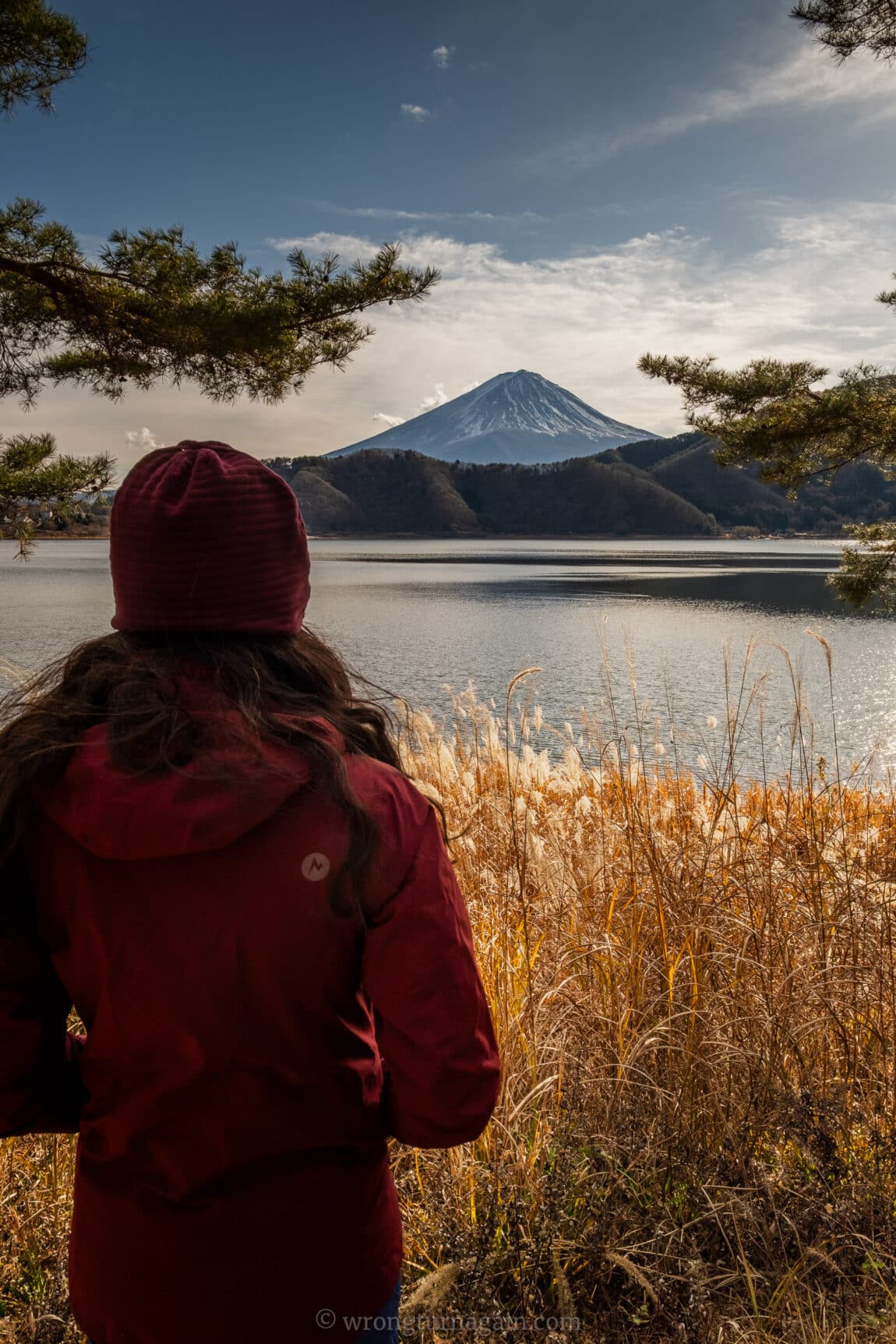
Beholding the snow-capped peak of Mount Fuji (3.776m) is an experience you will remember for the rest of your life. And while the mountain is impressive on its own, the most breathtaking scenery awaits in the surrounding Fuji Five Lakes (Fujigoko) region.
Here, at the volcano’s northern base, you will soak in open-air onsens as the sun paints the snowy peak pink, walk under tunnels of fiery red maples, and watch the mountain’s reflection ripple across silent blue waters.
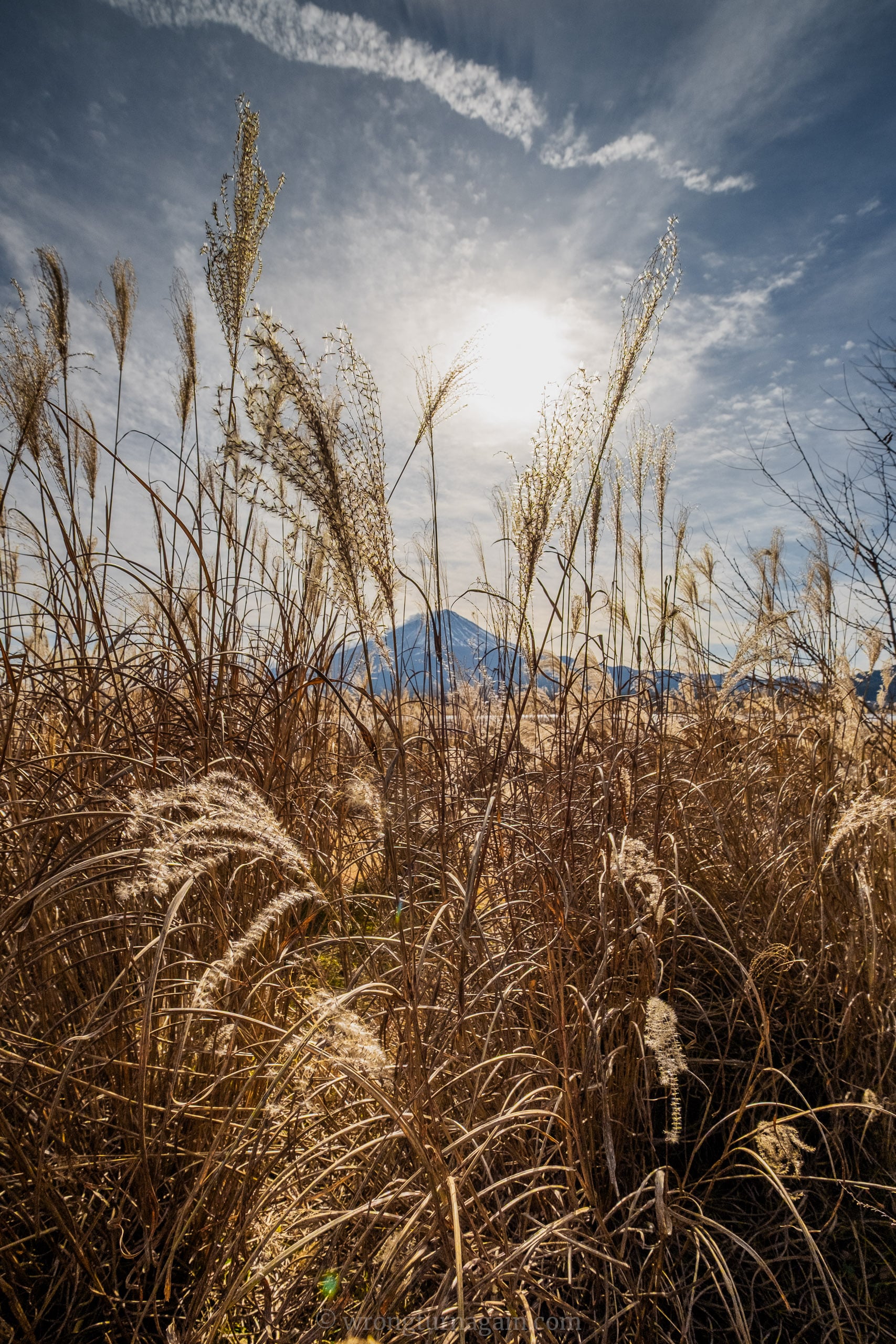
Whether you are planning a day trip from Tokyo or a relaxing weekend escape, this guide is your blueprint. From the best things to do in Mount Fuji and how to get there, to where to stay for unmissable views and budget tips, here is everything you need to know to experience the symbol of Japan.
Inside this Guide
Best Things to Do in Mount Fuji & The Five Lakes
Mount Fuji (Fujisan) is the undisputed icon of Japan. Rising in a near-perfect symmetrical cone to 3,776 meters, it serves as the majestic backdrop for an entire region dedicated to its beauty. Visiting this area is widely considered one of the best things to do in Japan, offering a mix of nature, culture, and photography that you simply cannot find anywhere else.
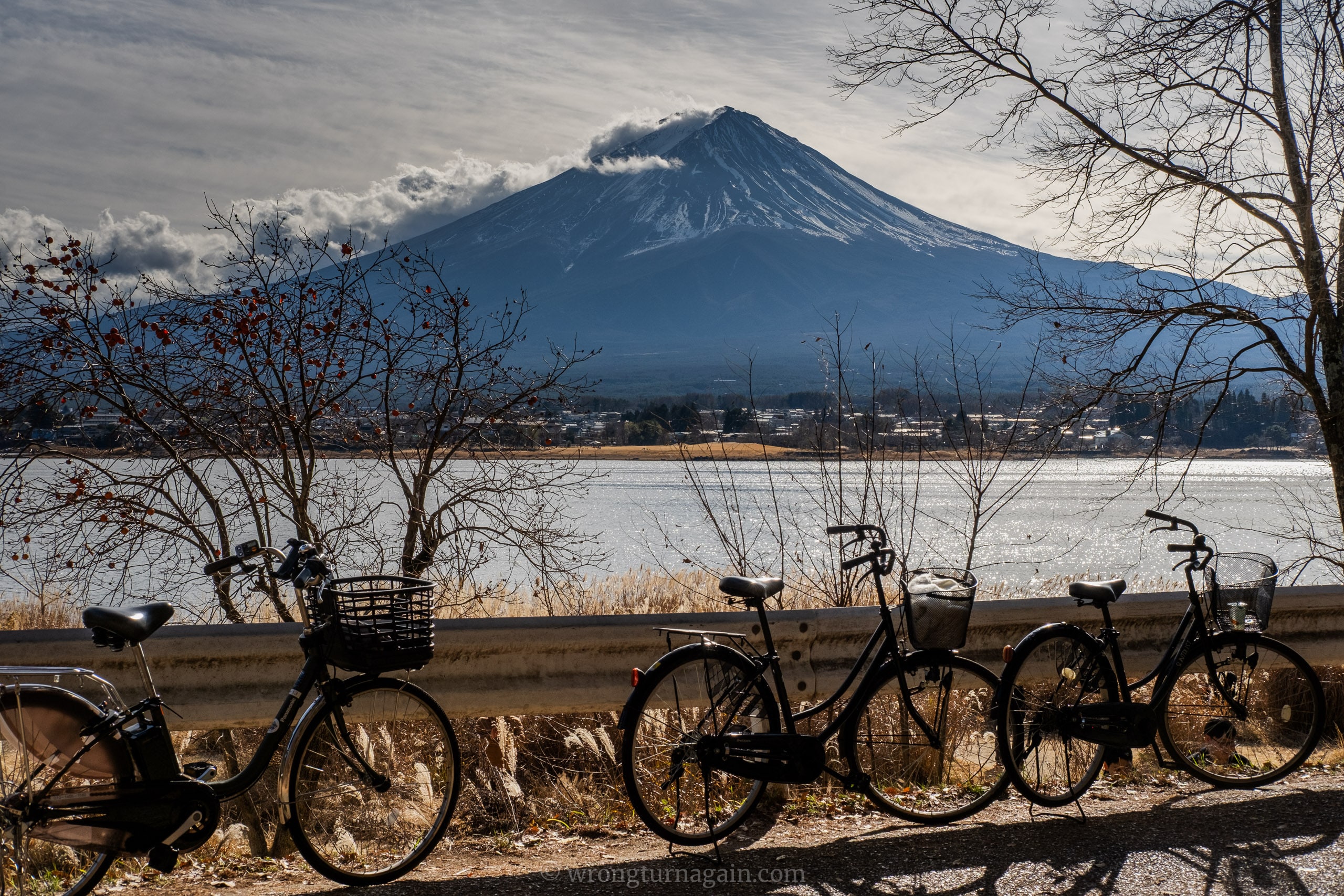
The heart of this experience is the Fuji Five Lakes (Fujigoko). Formed by ancient lava flows, these five lakes—Kawaguchi, Yamanaka, Sai, Shoji, and Motosu—act as giant natural mirrors for the volcano. Together, they create the ultimate vantage point, filled with scenic parks and atmospheric shrines that offer the best views of Mt. Fuji.
Below, we have curated the 12 absolute best experiences in the region, helping you find the perfect angle for that dream shot.

While a Mount Fuji day trip from Tokyo is a popular option, we highly recommend staying for at least two nights. Not only is the mountain notoriously shy (often hiding behind clouds), but the region is packed with so many sights—from waterfalls to ancient shrines—that a single day simply isn’t enough to see it all.
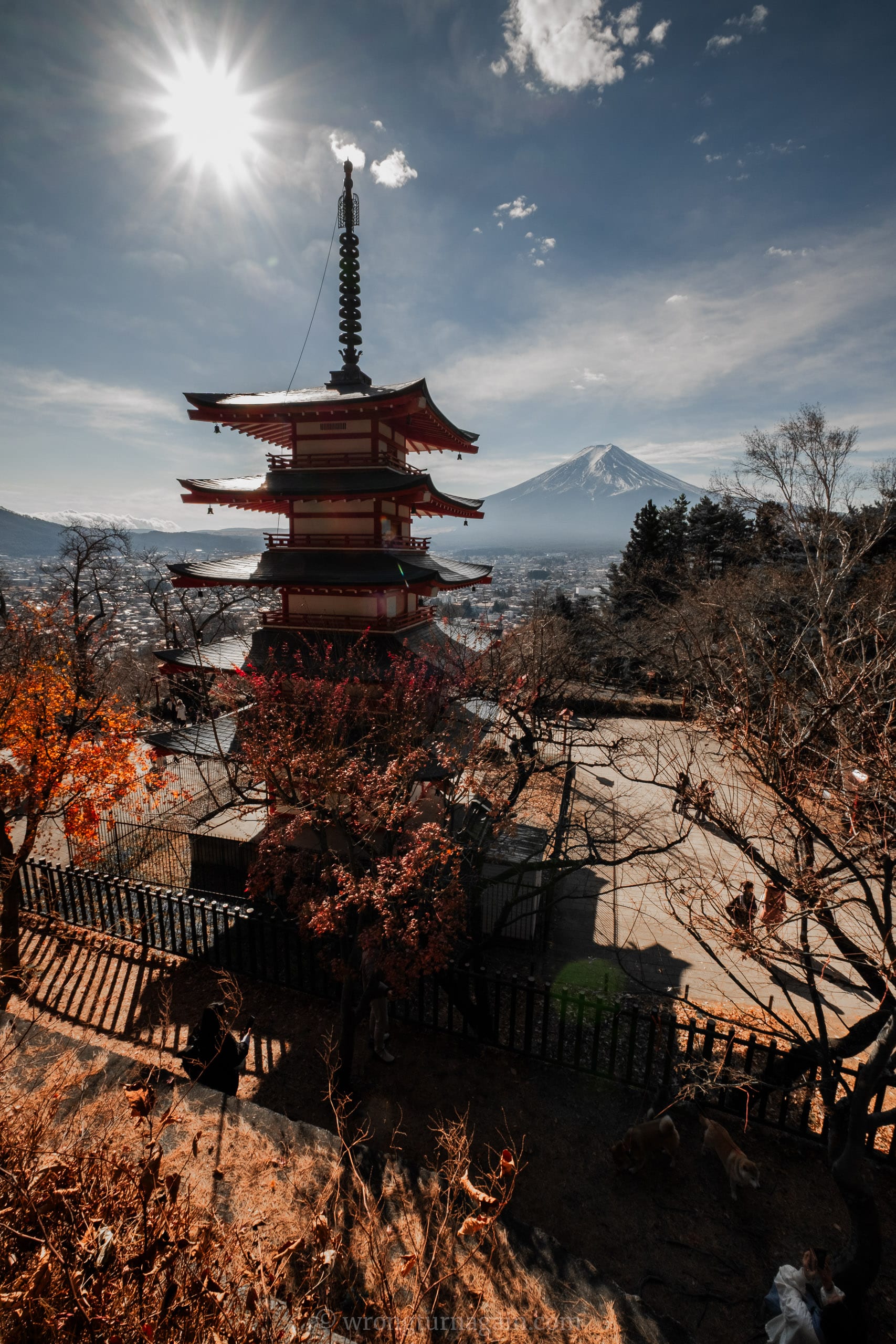
1. Chureito Pagoda
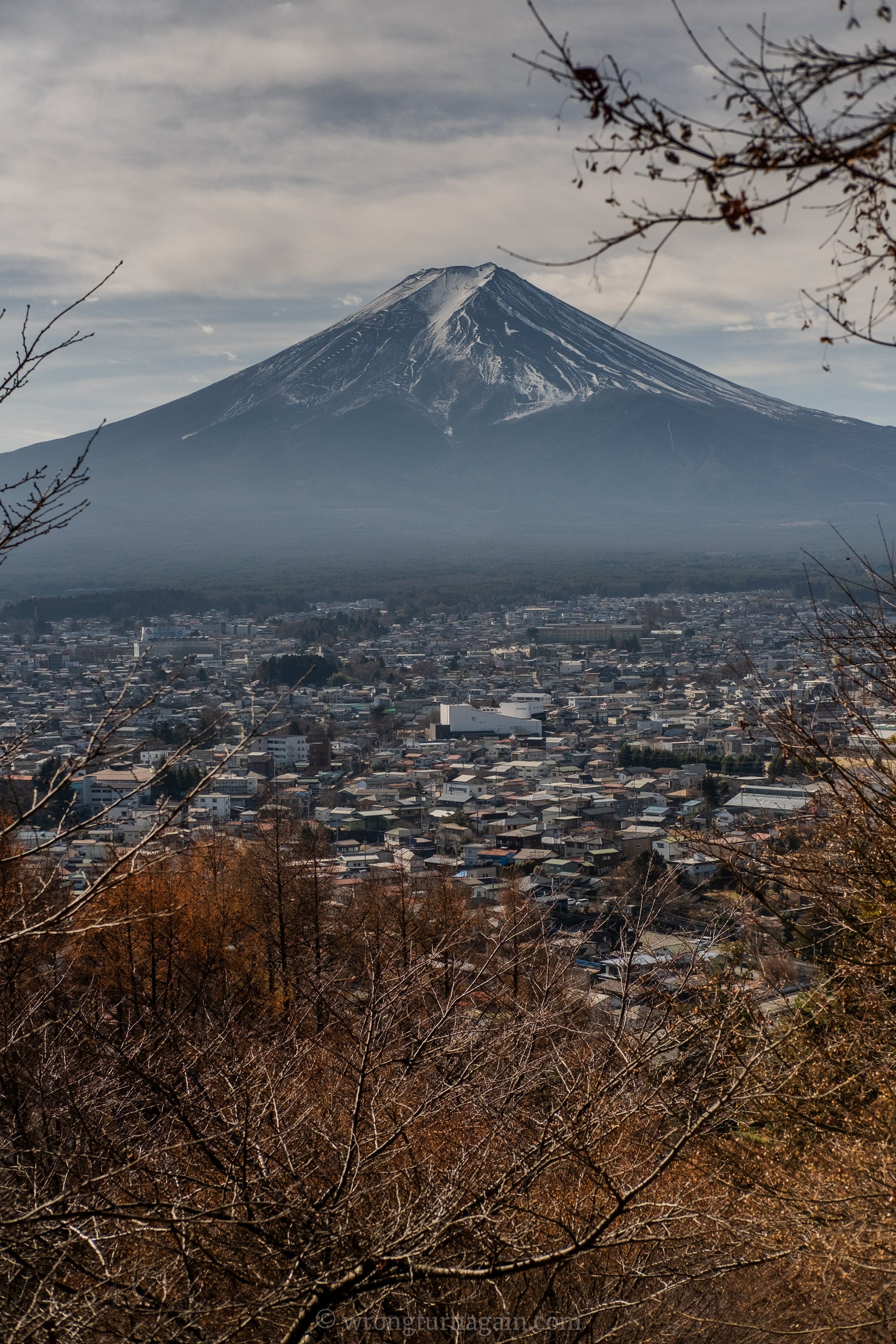
If there is one iconic image you have likely seen of Japan, this is it. Located within Arakurayama Sengen Park, the Chureito Pagoda offers the quintessential postcard view: a vermilion five-story pagoda framing the majesty of Mount Fuji, with the city of Fujiyoshida sprawling below.
Your journey begins at the base of the hill at the Arakura Fuji Sengen Shrine, a spiritual site founded in the 8th century to honor the deity of the mountain. From here, a path of roughly 398 steps (about a 15-minute ascent) cuts through a forest of cedar and cherry trees, leading you up to the observation deck.
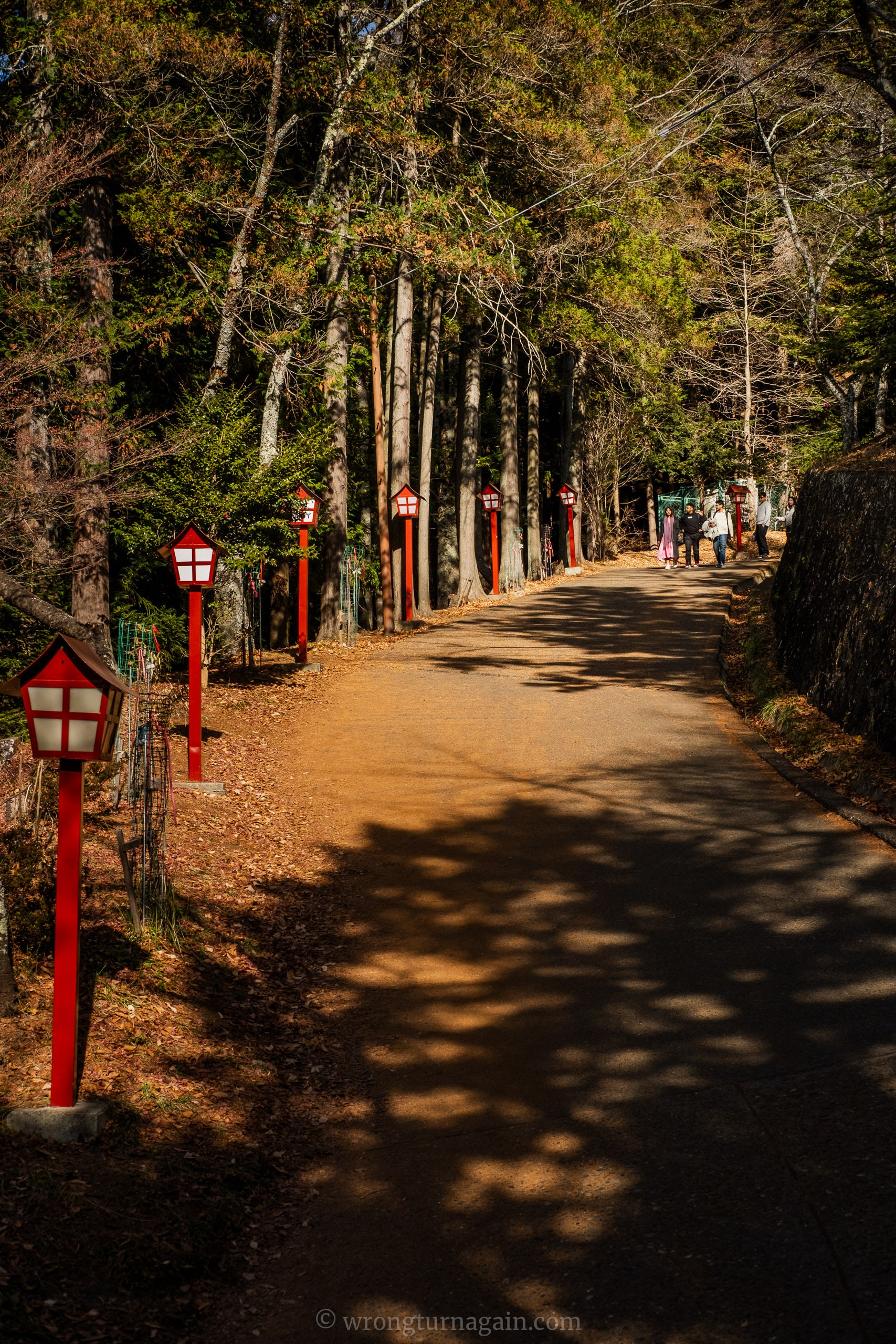
This is arguably the most famous photo spot in the country. Although the park is open 24/7, the small observation deck can get extremely crowded, with queues often exceeding an hour during sakura season. To avoid the wait and catch the best light—when Mount Fuji is usually clearest—aim to arrive right at at sunrise.
While the pagoda itself is a relatively modern peace memorial (built in 1963), the view it commands is timeless. It is spectacular year-round, but truly comes alive in mid-April for the cherry blossoms (sakura) and in early November when the autumn maples turn fiery red.



2. Shimoyoshida & Honcho Street
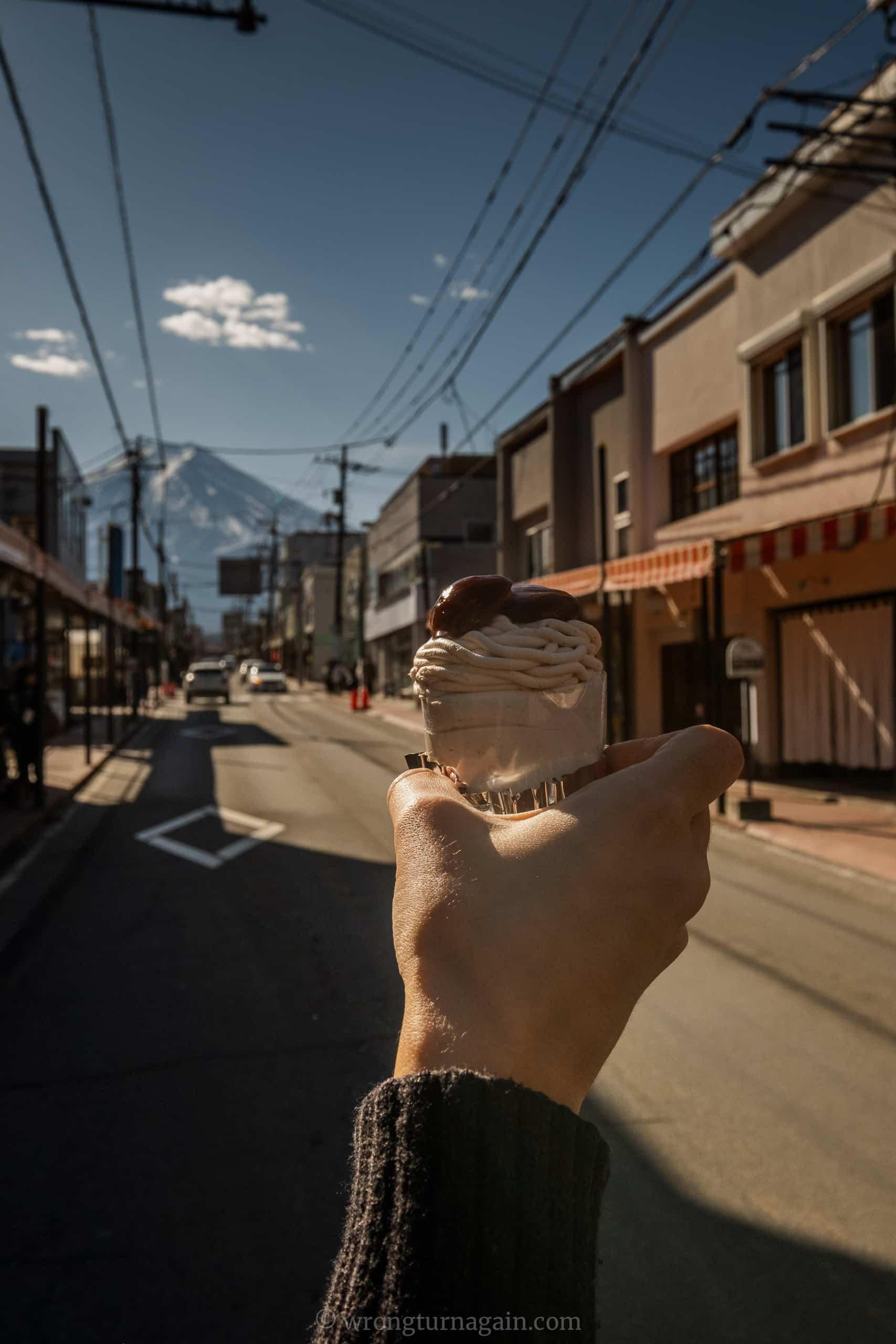
Just a 10-minute walk downhill from the Chureito Pagoda lies Shimoyoshida, a quiet neighborhood that feels like a time capsule. Once a thriving hub for silk weaving and textiles, the area retains a nostalgic “Showa-era” atmosphere, with narrow lanes, family-run shops, and old wooden houses.
While the neighborhood is charmingly sleepy, one specific intersection has become a global photography sensation: Honcho Street (Honcho-dori). Here, the majestic snow-capped cone of Mount Fuji looms dramatically at the end of the shopping street, framed by a chaotic web of power lines, street lanterns, and retro shop signs.
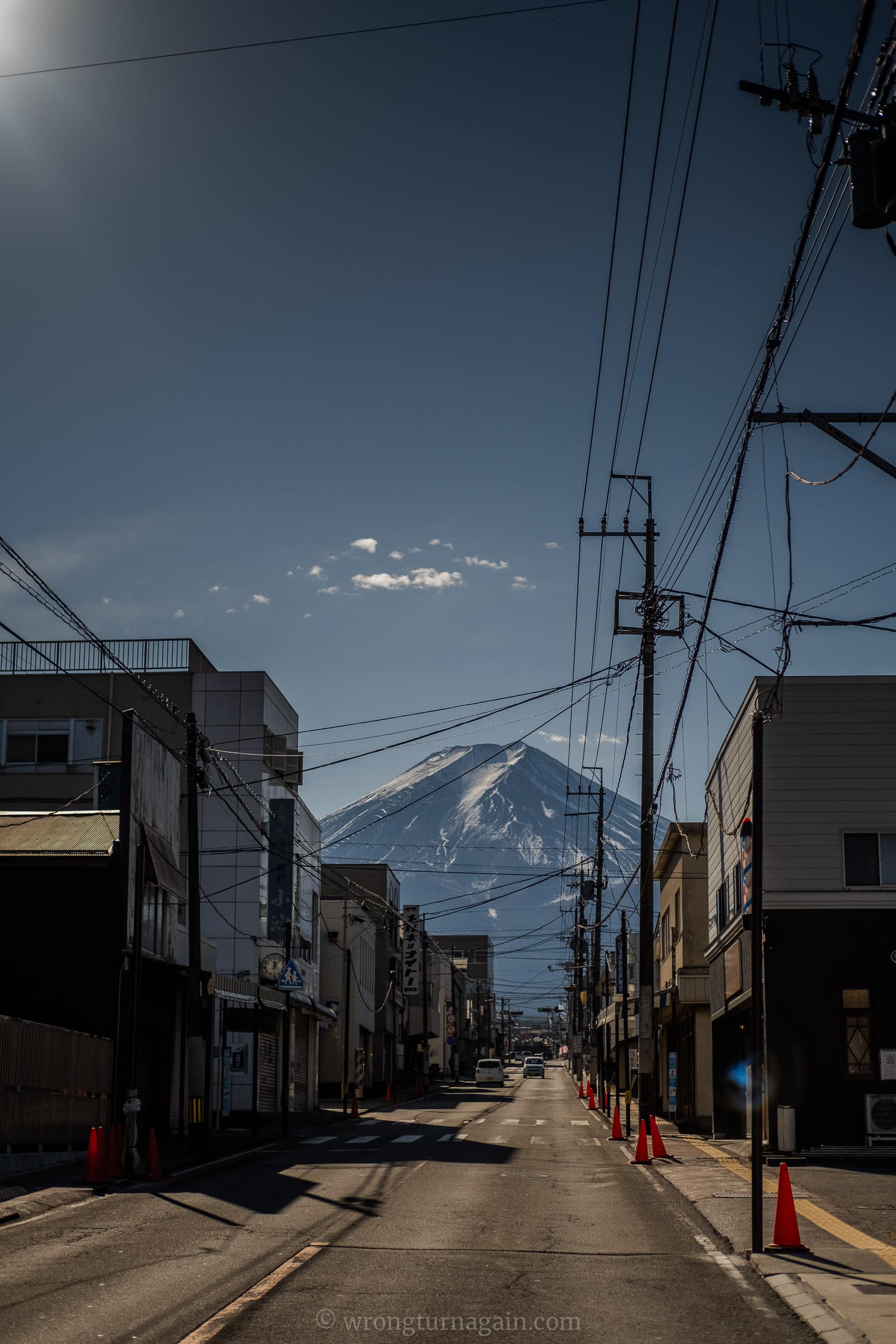
This street is an active road with regular traffic. Recently, it has become very crowded with photographers. Please stay on the sidewalk and do not step into the middle of the road to get “the shot.”
3. Kitaguchi Hongu Fuji Sengen Shrine
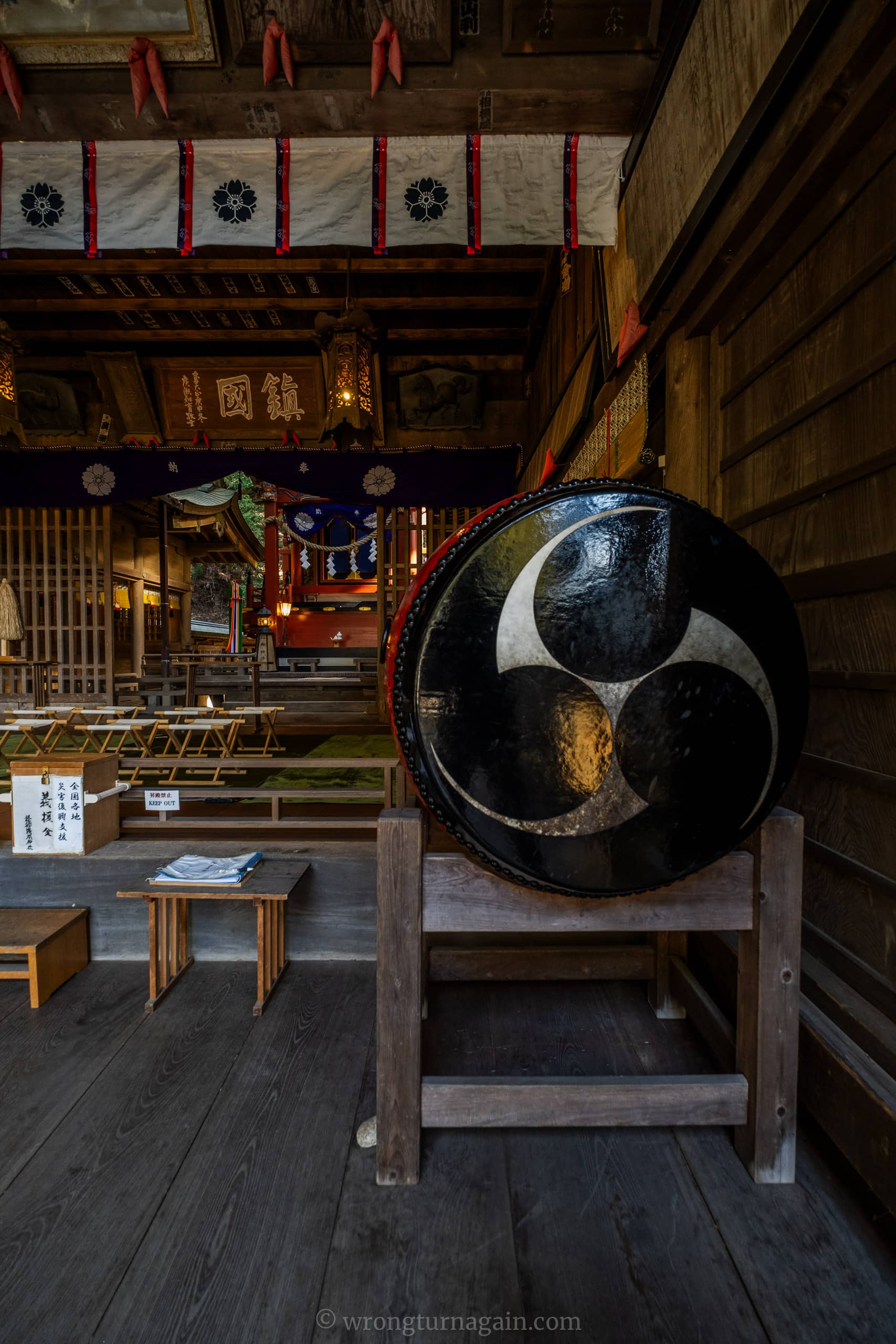
While most tourists rush to the pagodas for a quick photo, those seeking the spiritual heart of the region come here. Tucked away in a dense, old-growth forest, Kitaguchi Hongu Fuji Sengen Shrine is historically the most significant entry point to the sacred mountain. According to legend, its roots stretch back over 1,900 years (founded in 110 AD), making it one of the oldest hallowed sites in Japan.
The experience begins long before you reach the buildings. Walking down the long approach (sando) feels like stepping into another era. You pass under a massive wooden Torii gate—one of the largest in Japan—and walk beneath towering Japanese cedar trees (sugi). These ancient giants, some dating back 1,000 years, create a dense canopy that keeps the path dark, silent, and profoundly mystical.
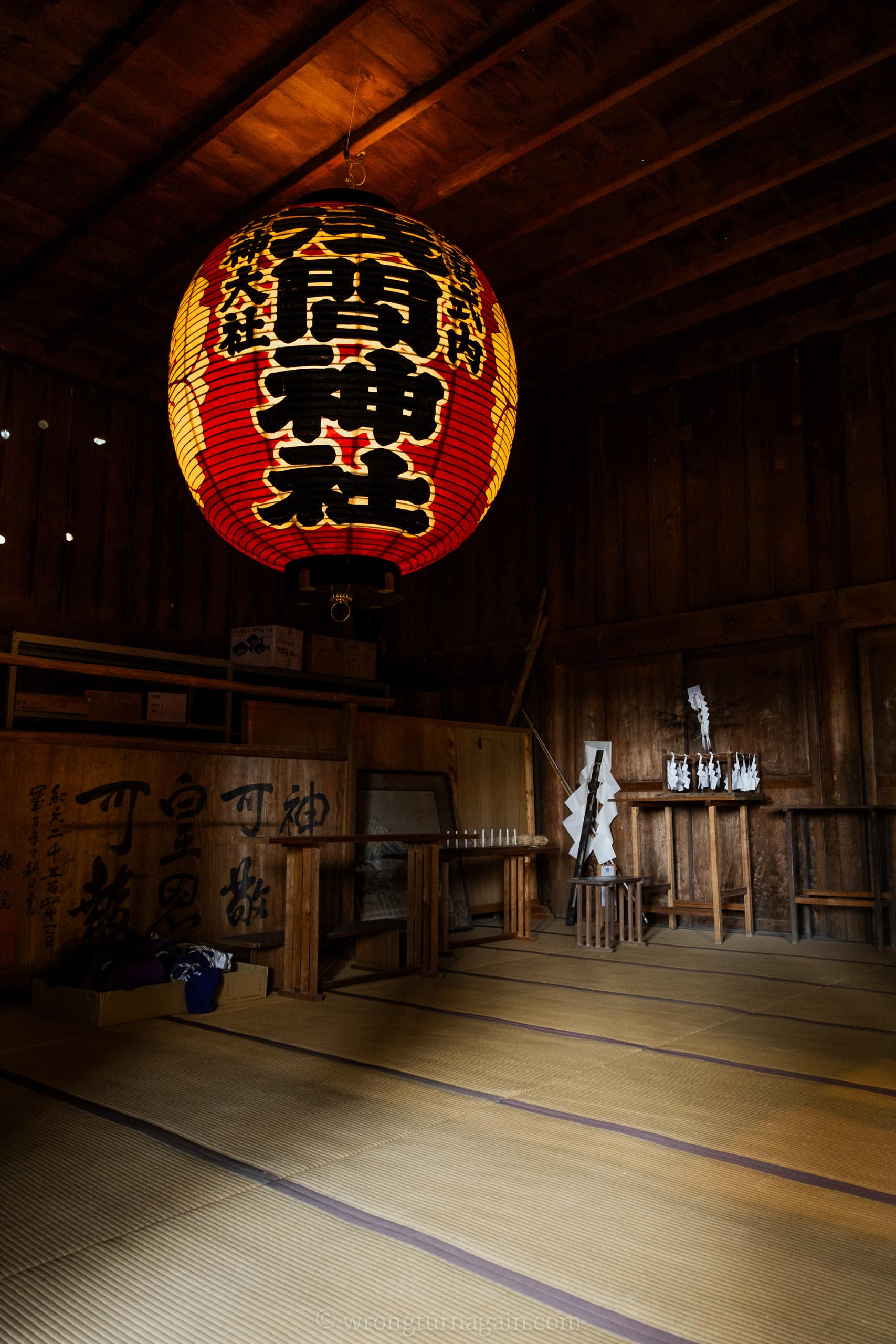
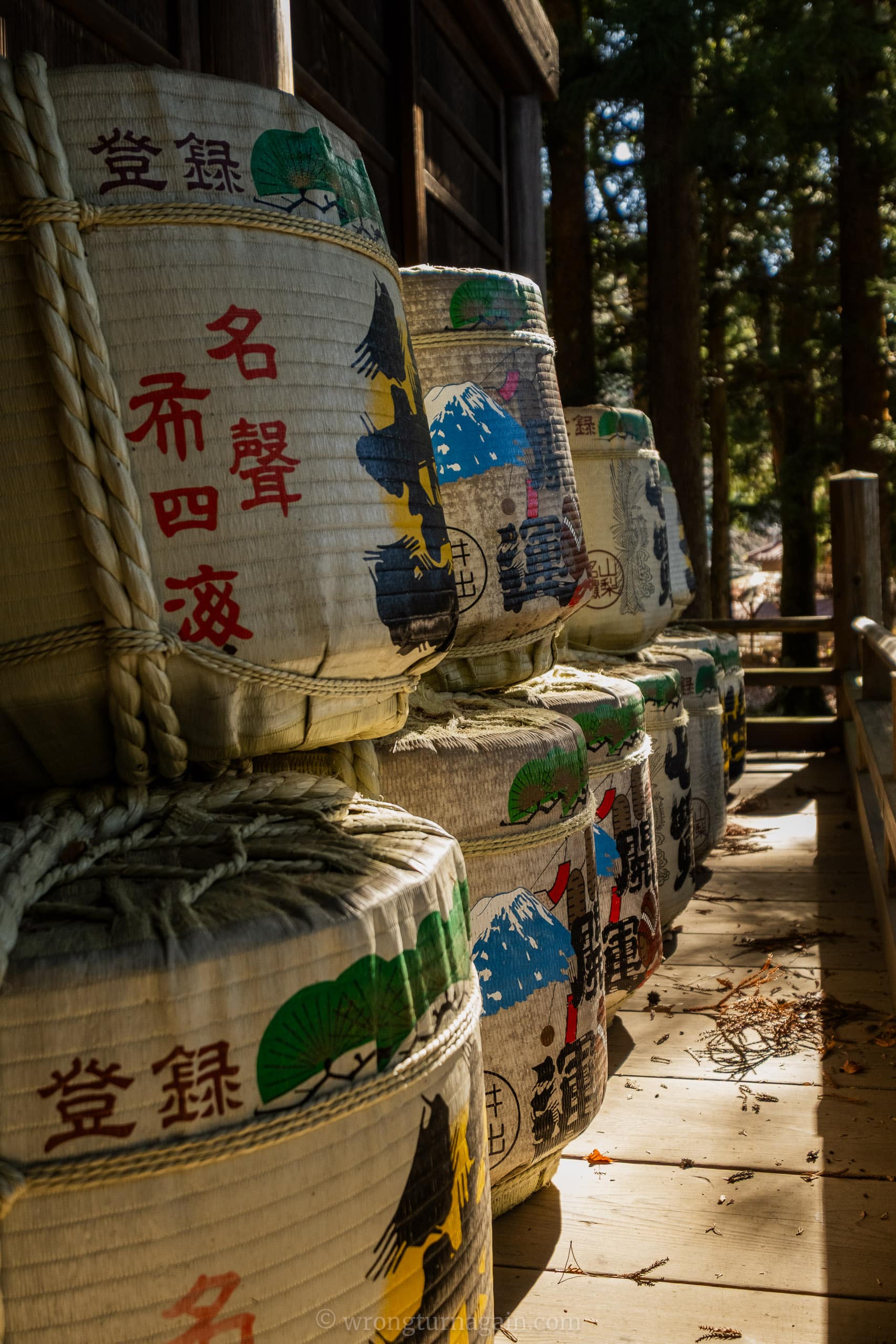
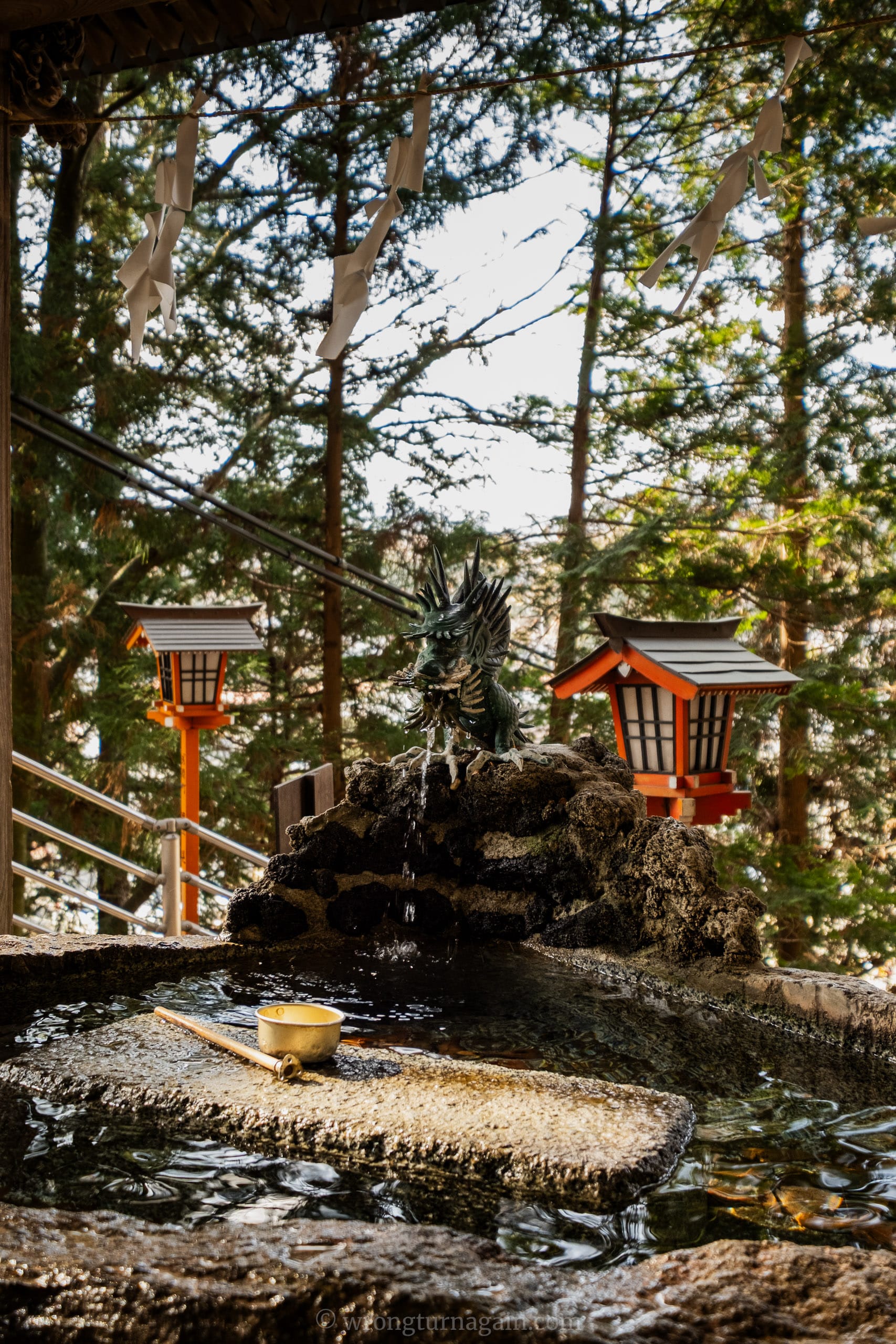
At the end of the path lies the Main Hall, dedicated to Konohanasakuya-hime, the Shinto goddess of Mount Fuji who is believed to control the volcano’s fire. For locals, visiting this shrine is an act of purification, a tradition that climbers still follow today before setting foot on the mountain.
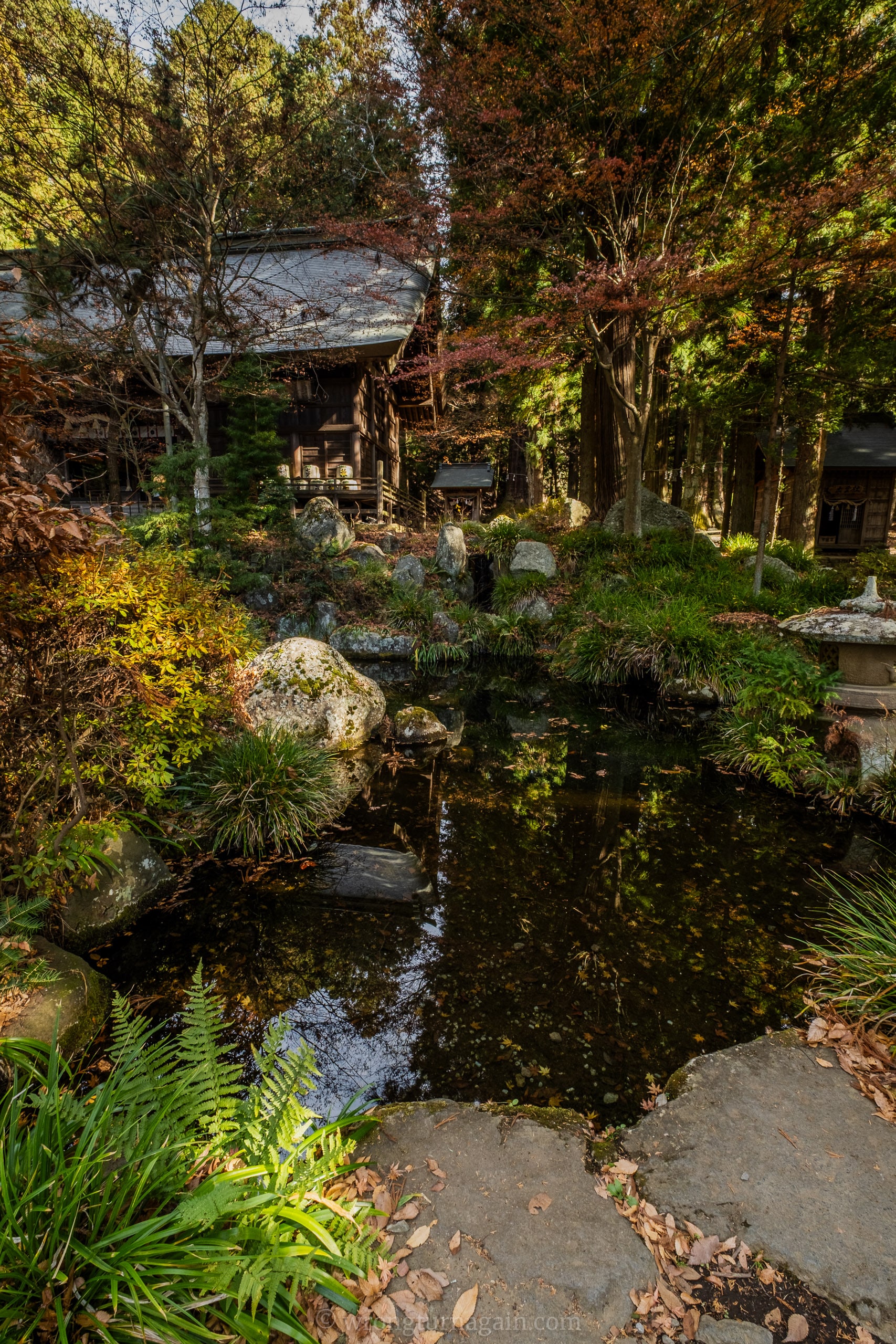
Walk around to the right rear corner of the complex, behind the main buildings. There, hidden in the shadows, stands a weathered wooden gate. This is the actual historic entrance to the Yoshida Trail, where pilgrims would leave the shrine grounds to take their first step onto the mountain itself.
4. Lake Yamanaka Viewpoints
Located on the eastern side of the mountain, Lake Yamanaka is the largest of the Fuji Five Lakes and physically the closest to the volcano. Because of its high altitude and open geography, it offers a massive, unobstructed view of Mount Fuji that feels closer and more overwhelming here than anywhere else.
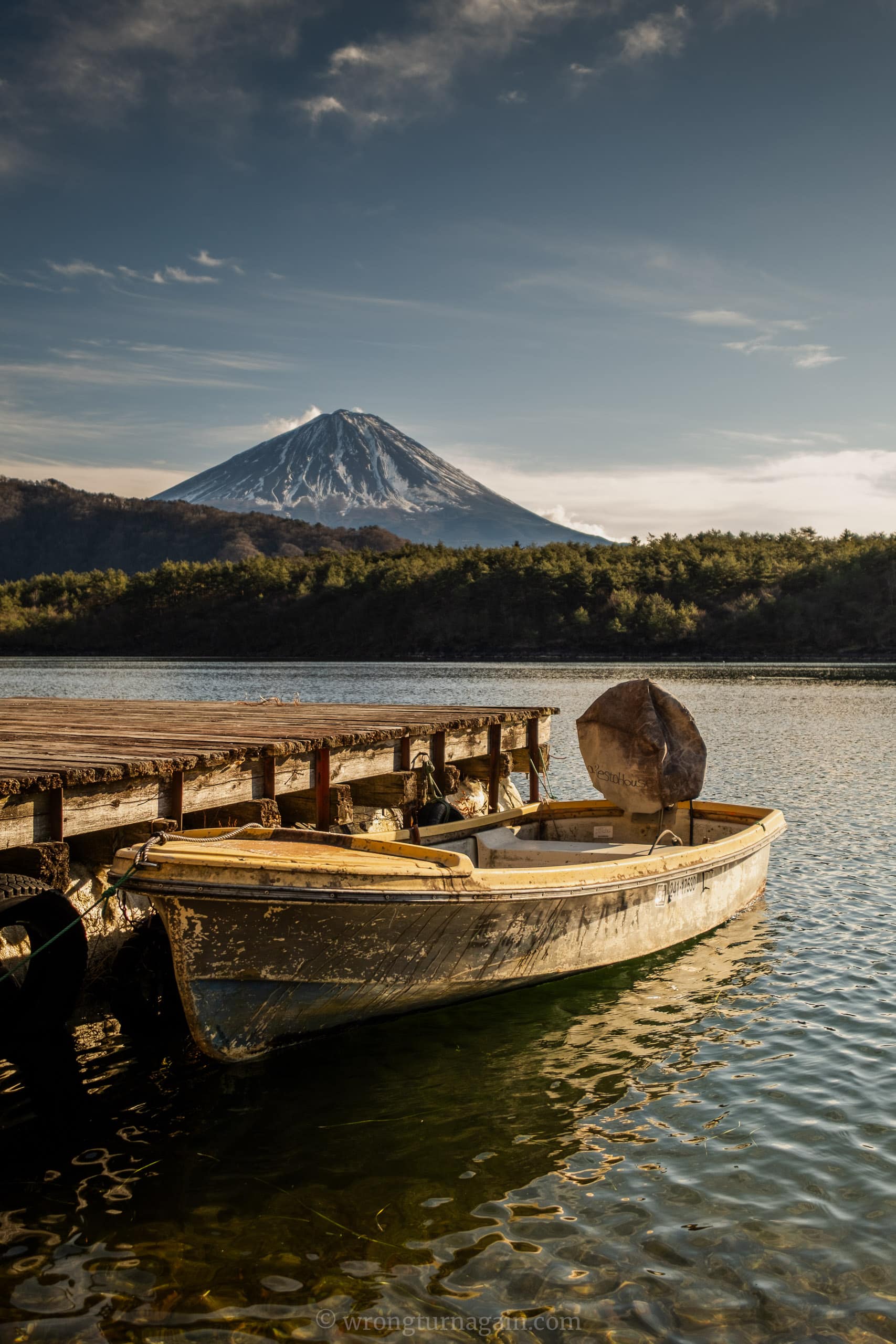
The most famous spot along the shore is Shiratori-hama (Swan Beach). True to its name, the area is home to dozens of white whooper swans that glide elegantly over the water. Seeing these graceful birds with the snow-capped giant in the background is one of the most serene scenes in the region.
Beyond the swans, photographers flock to Lake Yamanaka specifically to capture two magical moments:
- Diamond Fuji (Nagaike Water Park): Just a short walk from the swans, this is the prime spot to witness the sun setting precisely on the mountain’s peak. Shining like a jewel in the crater, this alignment typically occurs here in late autumn and winter (mid-Oct to Feb).
- Reverse Fuji (Hirano Beach): On the northern shore, this shallow, quiet bay is famous for “Sakasa Fuji.” On clear, windless days, the mountain is mirrored perfectly on the calm water, creating a stunning double image.
5. Kawaguchi Asama Area
This location offers a fascinating “three-stage” experience on the mountainside: an ancient UNESCO site at the base, a viral photography spot in the middle, and a sacred waterfall at the top.
Start at the foot of the hill at the historic Kawaguchi Asama Shrine. Built in 865 AD to appease the volcano gods after a massive eruption, it is a place of deep silence. The highlight here is the “Seven Cedars” (Shichi-hon-sugi), a cluster of sacred trees over 1,200 years old that tower over the shrine grounds.
From the shrine, a 25-minute uphill hike leads you to the famous Tenku no Torii (“Torii in the Sky”). Erected in 2019, this freestanding gate frames Mount Fuji perfectly, creating the illusion that it is floating in the clouds. It has quickly become one of the most iconic photo spots in the region.
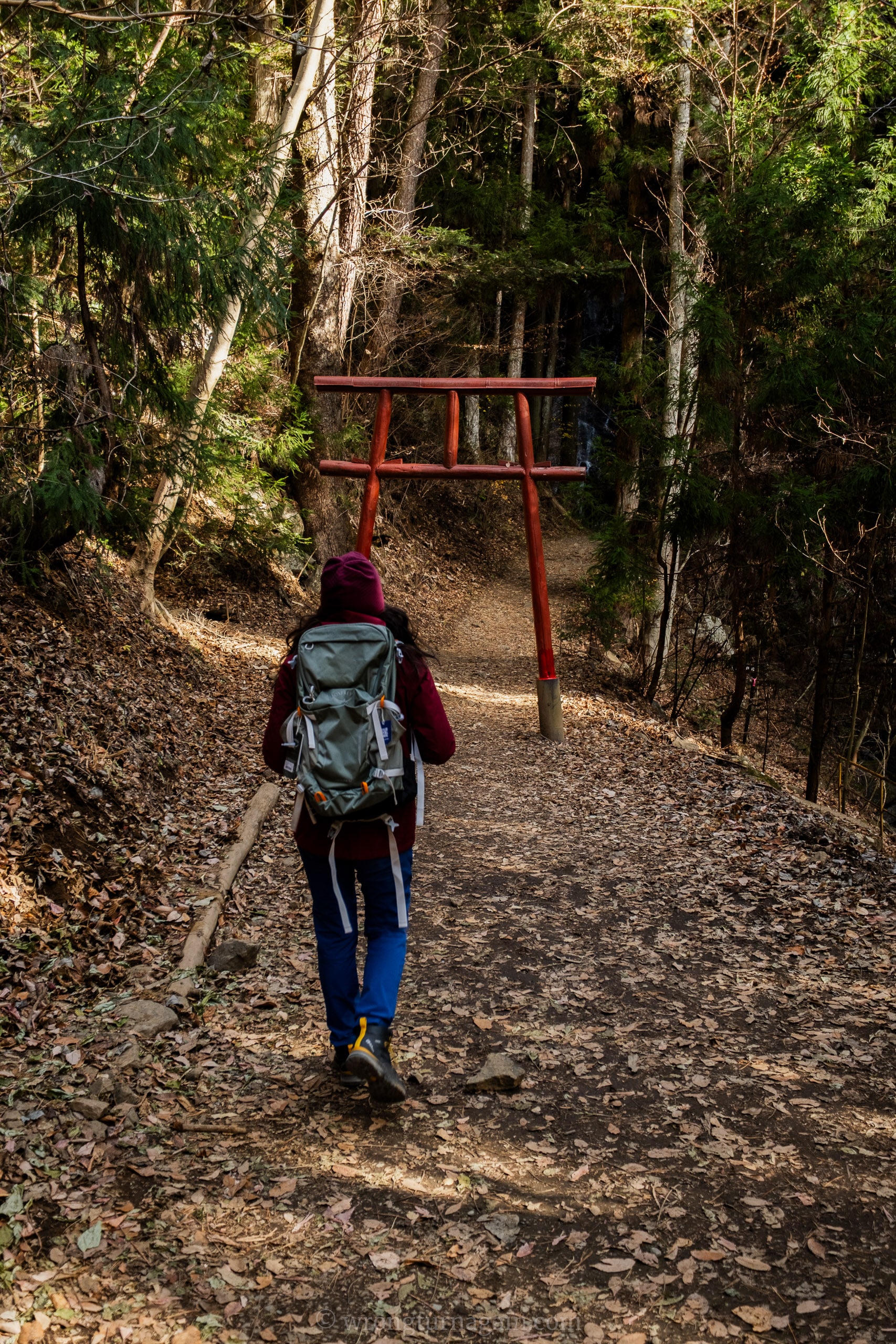
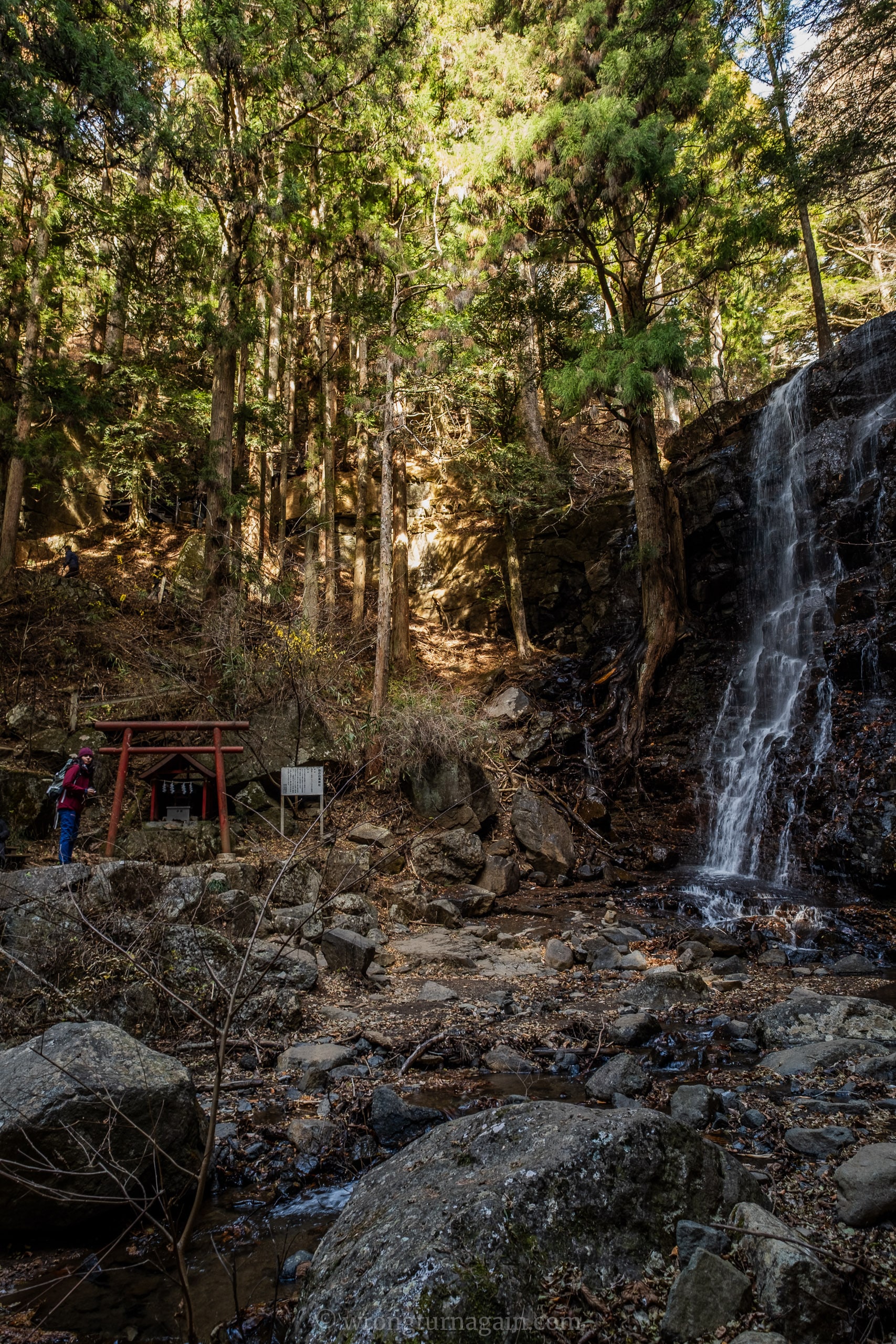
Don’t turn back at the Torii. Continue hiking for another 15 minutes to reach Haha no Shirataki (Mother’s White Waterfall). Historically a place of purification, this serene spot offers a rare composition where you can capture the waterfall and a rustic wooden torii in a single frame. In winter (Jan–Feb), the falls freeze completely, creating a dramatic ice sculpture.
6. The North Shore of Lake Kawaguchiko
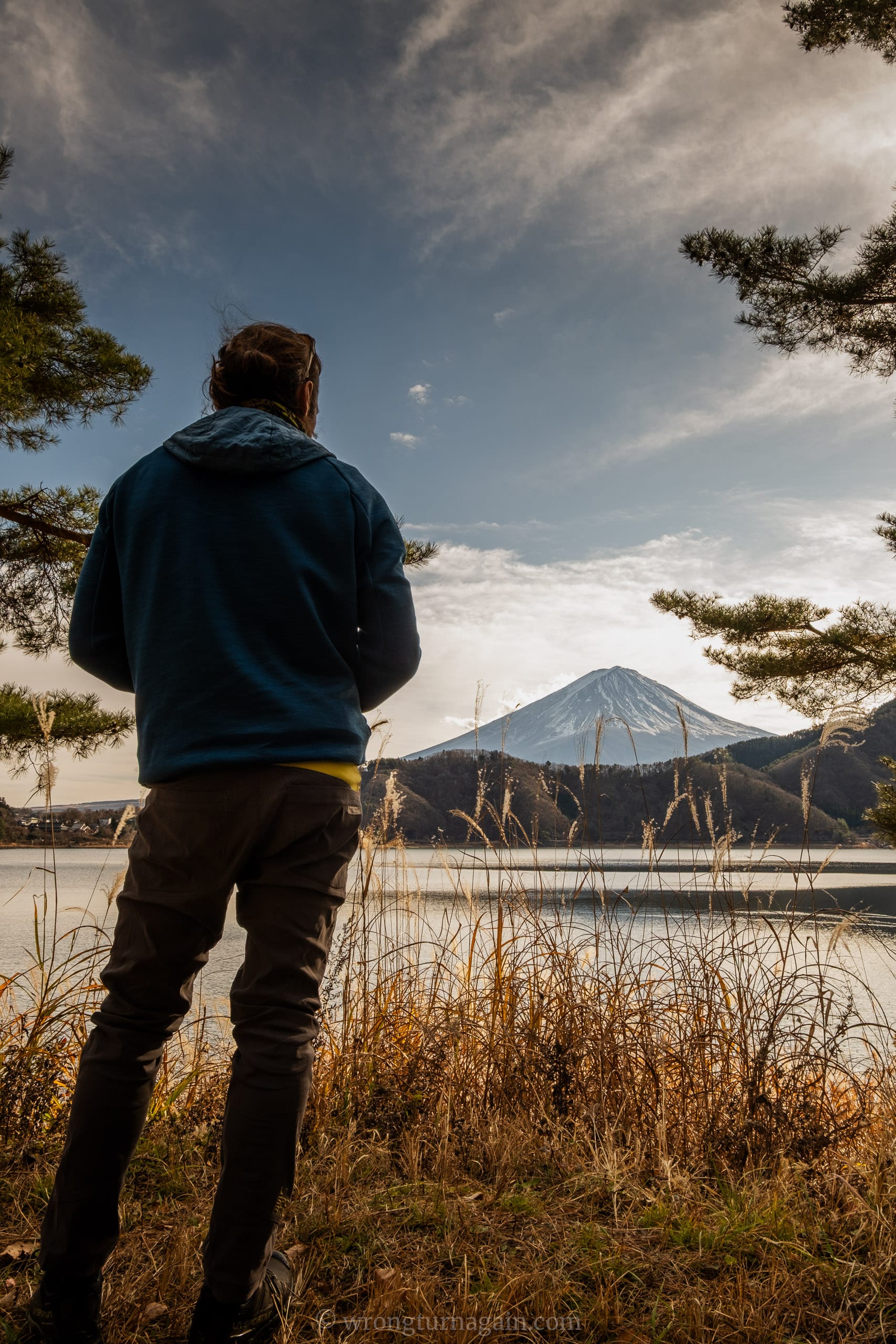
The northern shore of Lake Kawaguchiko is the most photogenic area, offering the classic “water-and-mountain” composition. Here, you have two distinct choices: a quiet retreat on a cape and a bustling floral hub further down the road.
Nagasaki Park (The Raw View)
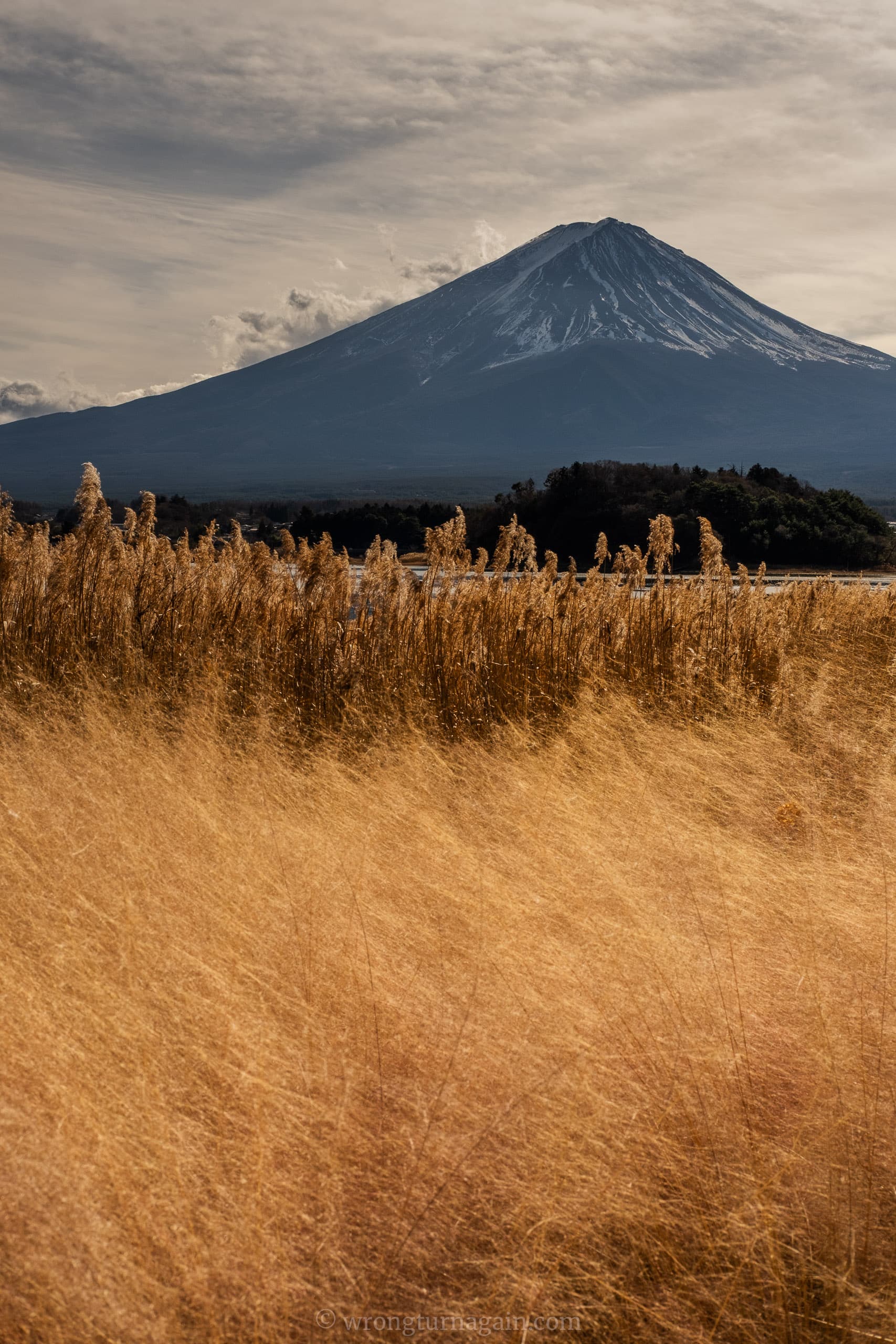
As you circumnavigate the northern coast, you will first find Nagasaki Park. Located at the tip of a small cape, this is a hidden gem with no shops or cafes—just open grassy fields and silence. Because it juts out into the water, it offers perhaps the most unobstructed view of Mount Fuji on the entire lake, making it perfect for catching the mountain’s reflection on calm days.
Visiting in November? Just before reaching Nagasaki Park, don’t miss the Momiji Corridor. It is a dried canal lined with 60 giant maple trees that form a spectacular tunnel of red and gold, illuminated at night during the Autumn Leaves Festival. A bit further, the Momiji Tunnel is where maples frame Mt. Fuji perfectly.
Oishi Park (The Postcard Shot)
Continuing further west along the scenic drive, you arrive at Oishi Park. Known as the “superstar” of the region, it features a 350-meter “Flower Road” where blooms change with the seasons—from tulips in April to the famous lavender fields in June/July and fiery red Kochia bushes in autumn. It also houses the Natural Living Center, famous for its blueberry soft-serve ice cream.
Nagasaki Park: Stop at “Sunnide Resort” (#18) and walk down to the cape.
Oishi Park: Last Stop (#20).
7. Saiko Iyashi-no-Sato Nenba
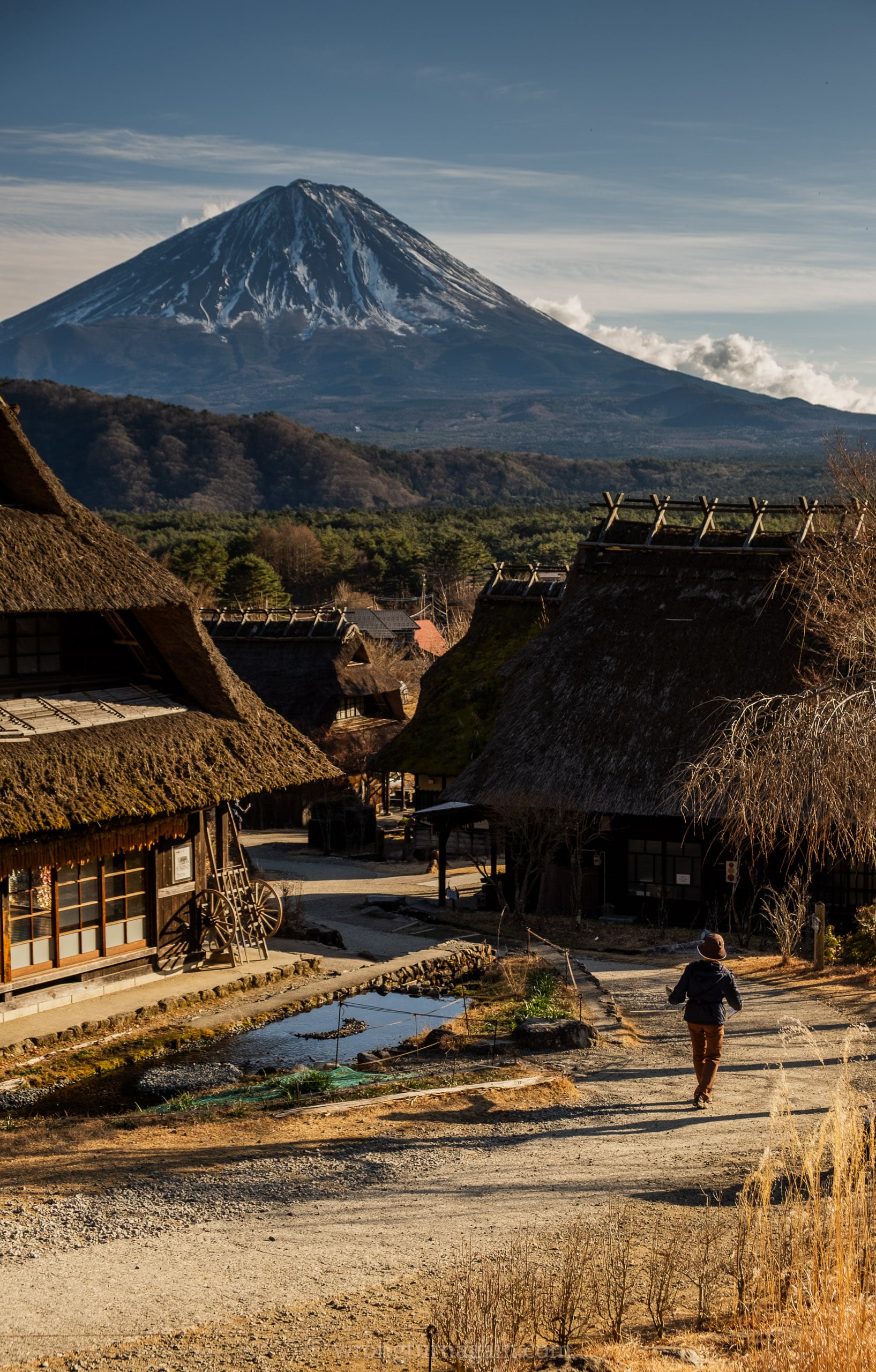
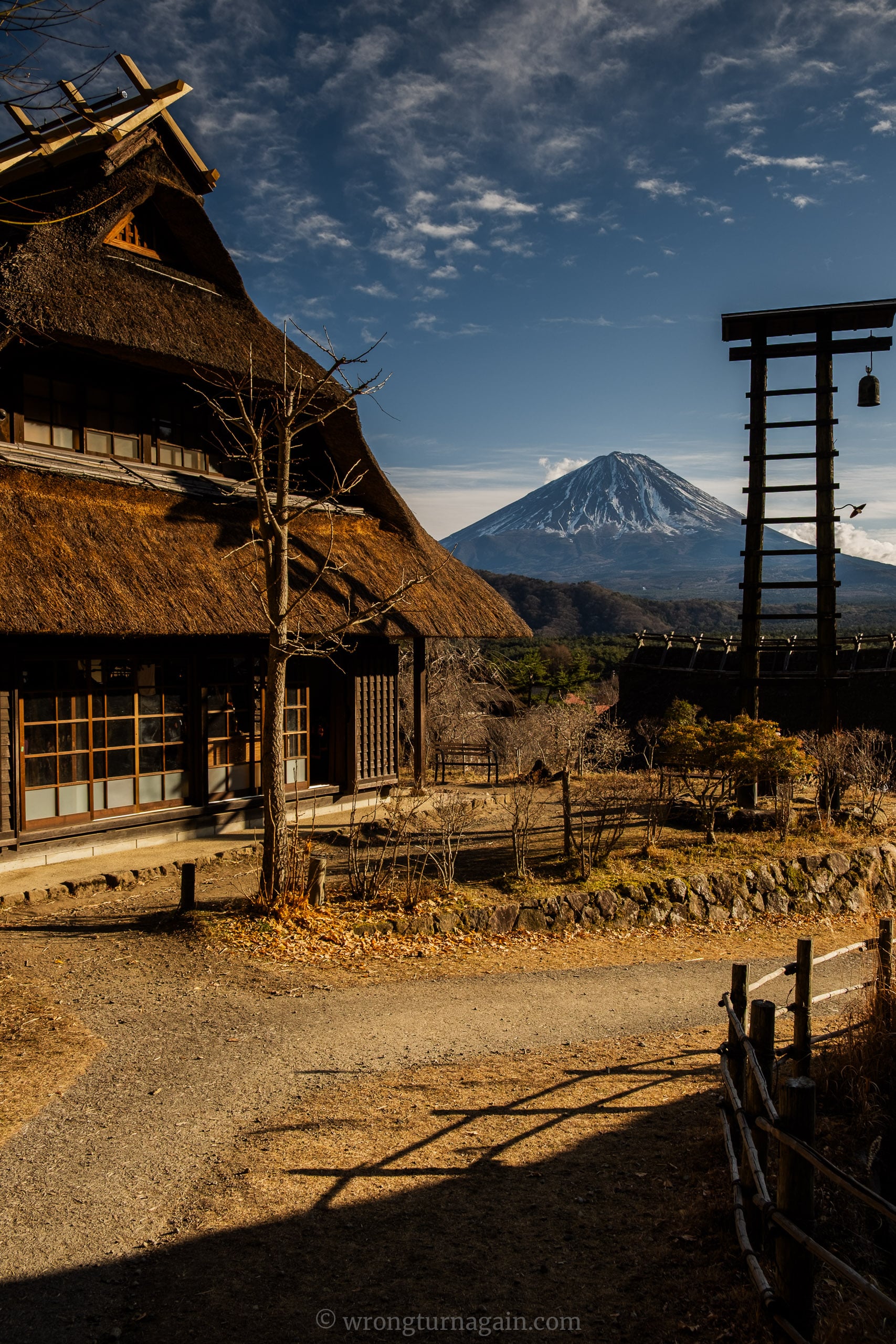
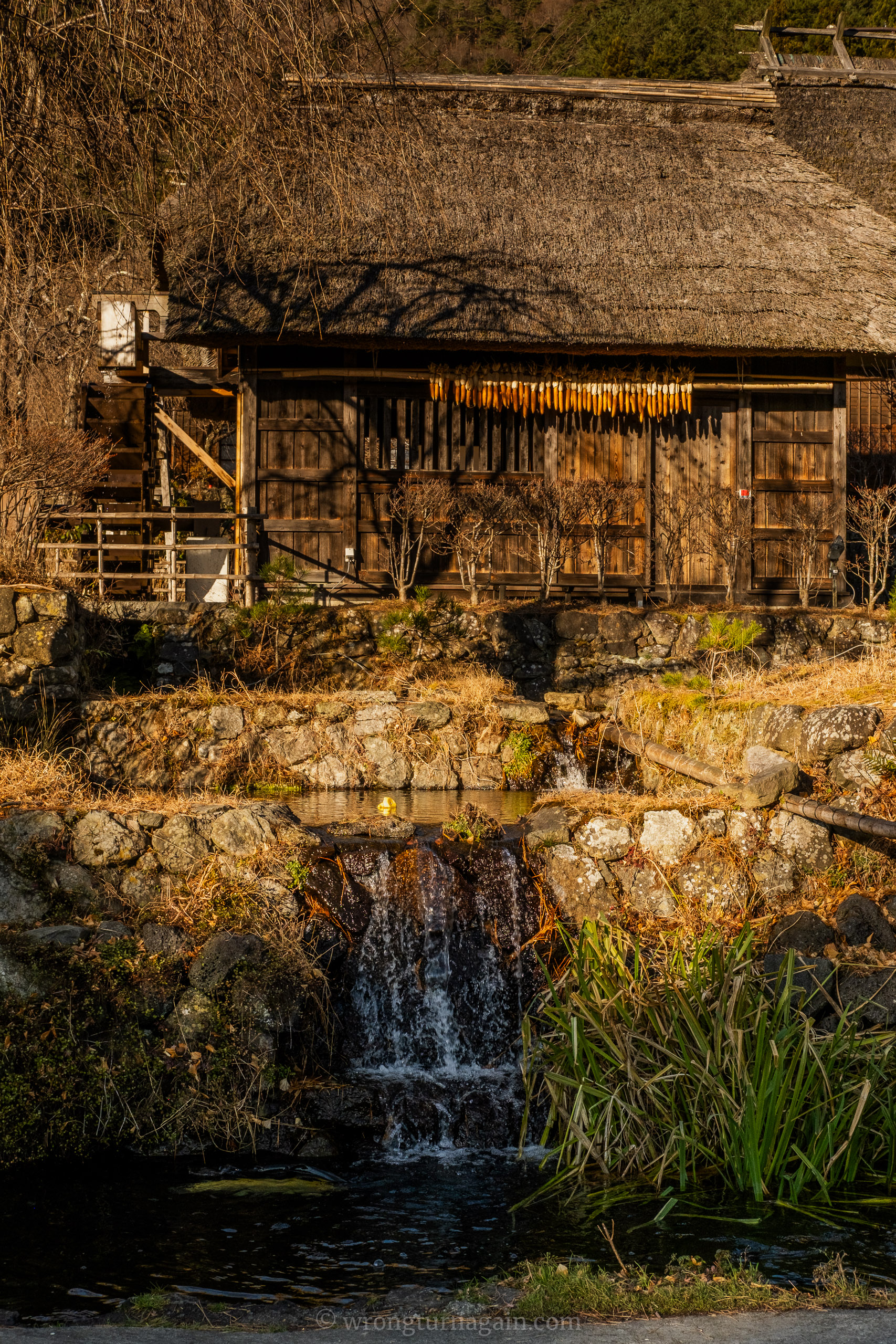
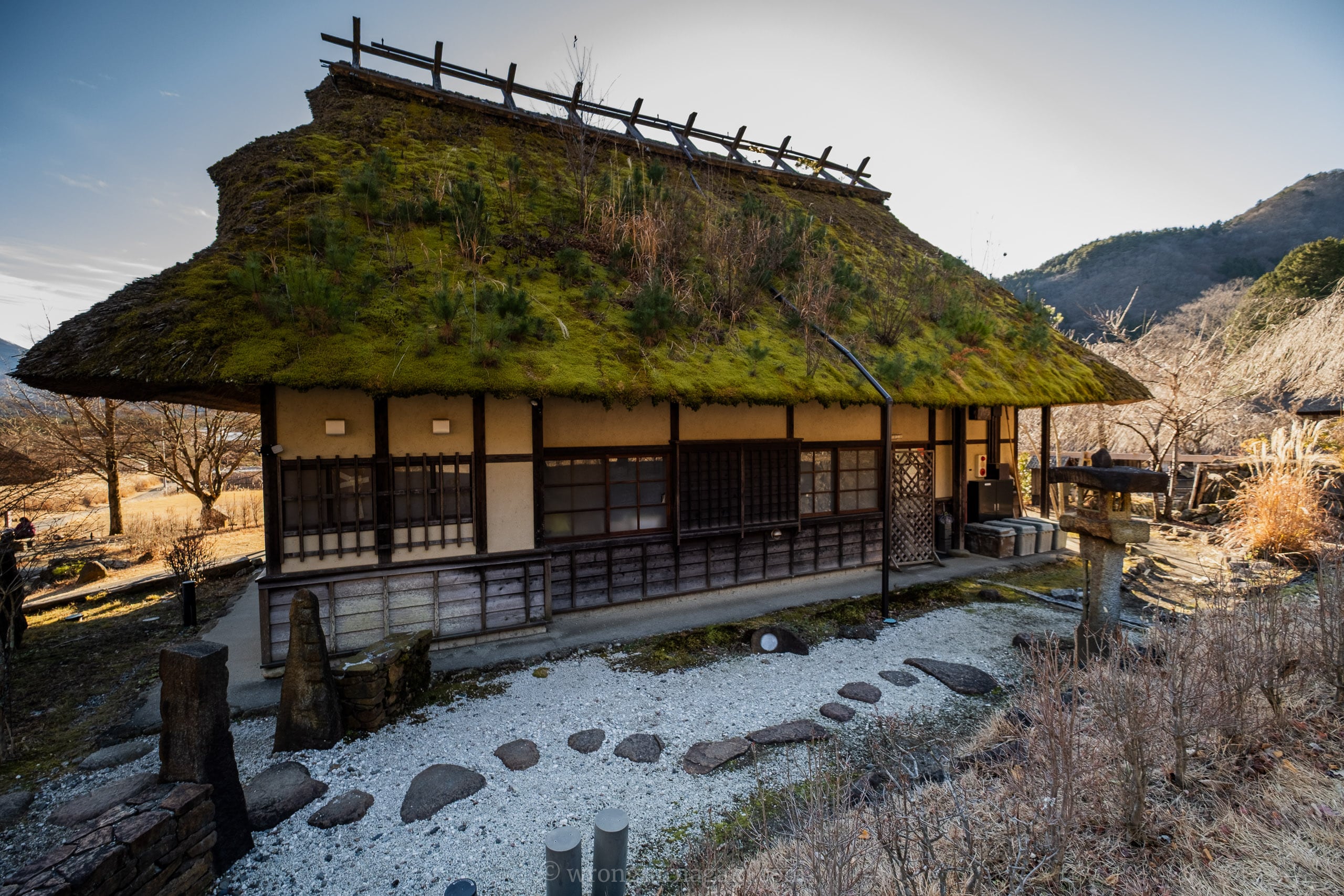
Perched on a gentle slope overlooking Lake Saiko, this open-air museum features a charming cluster of traditional thatched-roof houses (kayabuki-minka). While the village looks like a scene from ancient Japan, it is actually a faithful reconstruction. The original settlement was swept away by a landslide in 1966 and decades later, the site was lovingly restored to its former glory.
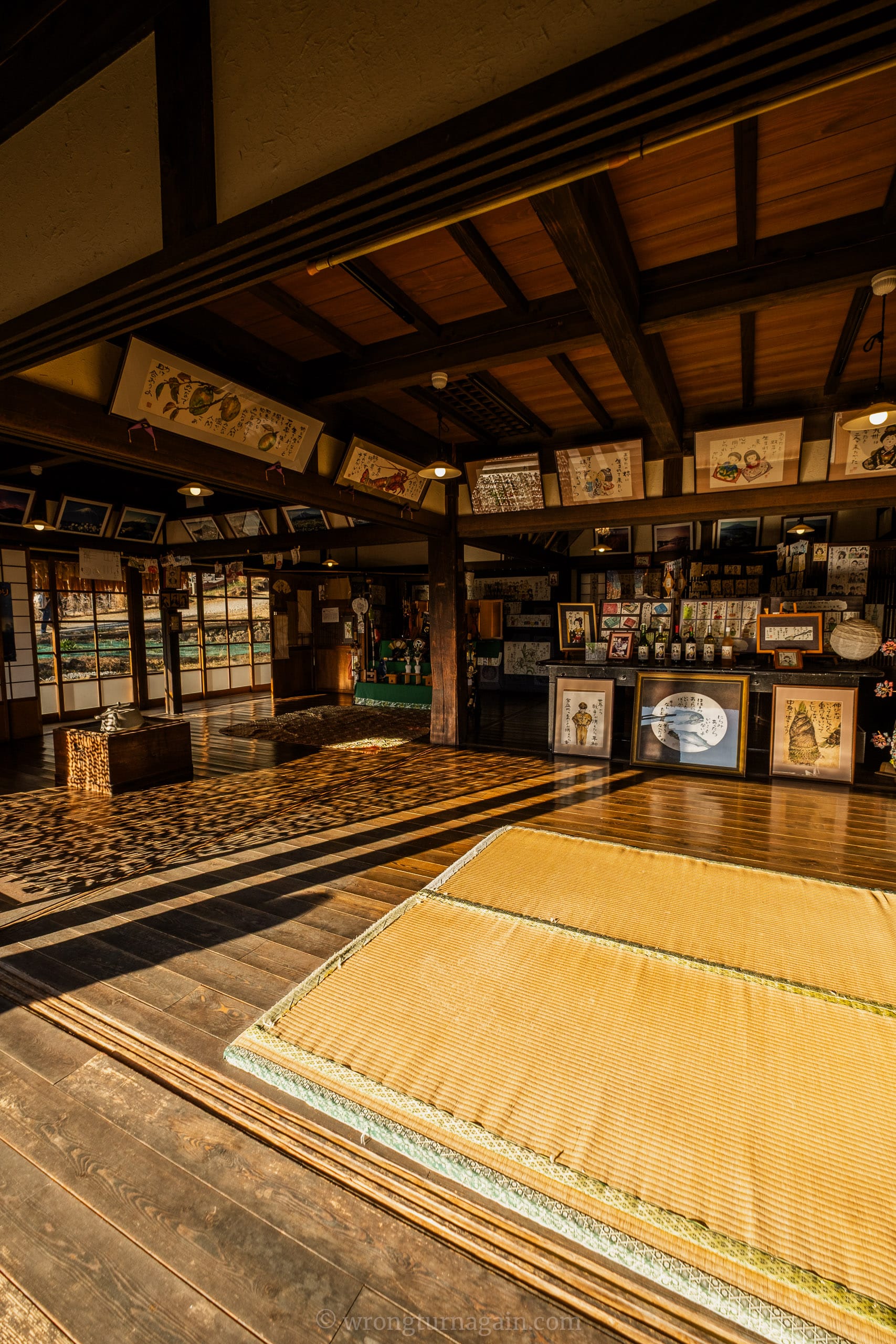
Often compared to the famous UNESCO village of Shirakawa-go, Iyashi-no-Sato (“The Healing Village”) functions as a cultural craft center. Each of the 20 houses serves as a workshop, museum, or gallery. You can watch local artisans creating pottery, weaving fabrics, or making washi paper. It is also a great place to try local hearths, such as Hoto noodles or sweet dumplings, in a rustic setting with tatami mats and sunken hearths (irori).
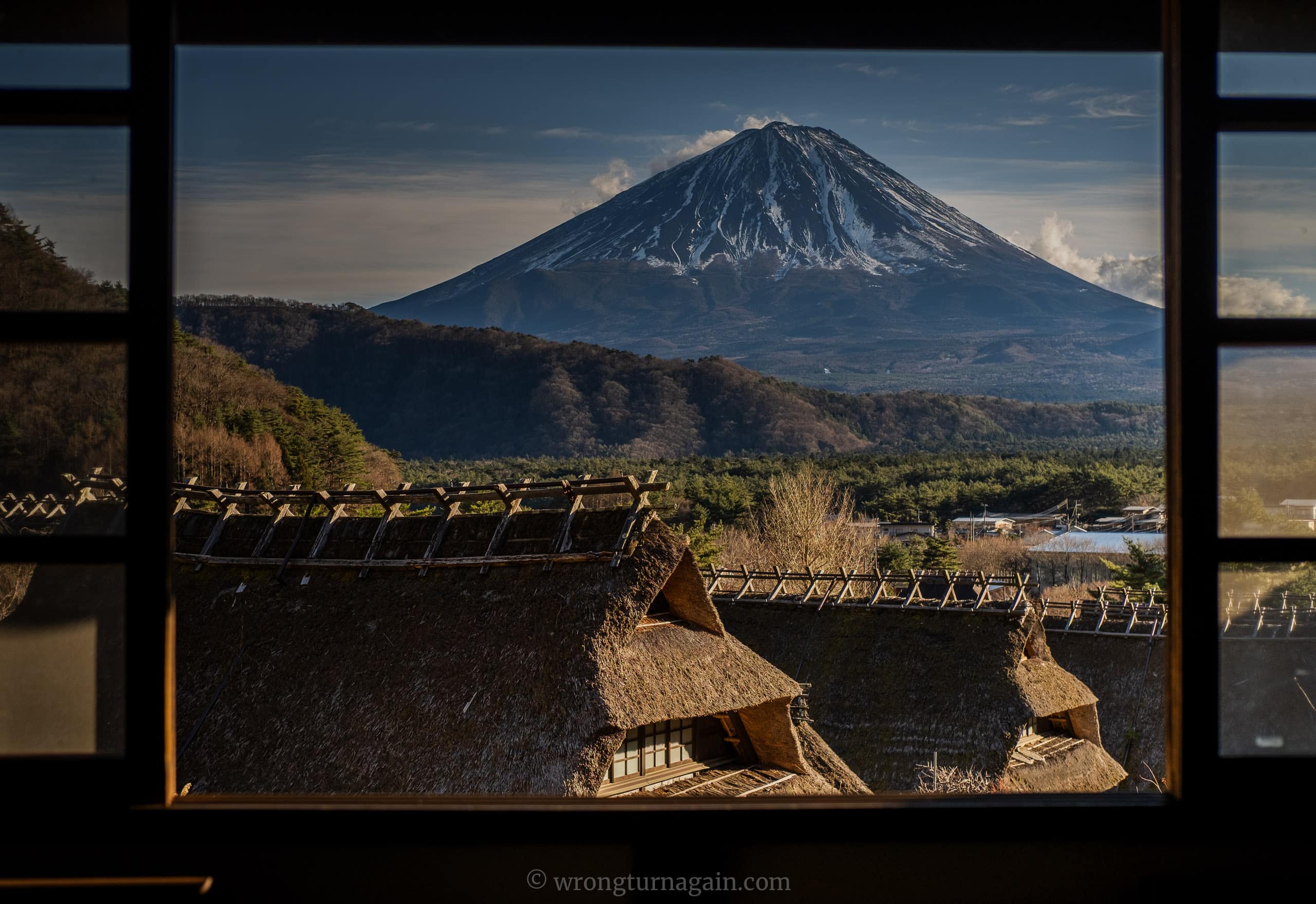
One of the most popular activities here is the Kimono & Samurai Armor Rental (House #11). Unlike in Kyoto where rentals are expensive, here you can dress up as a samurai or in a colorful kimono for a very reasonable fee (from ¥2,000) and take epic photos wandering among the thatched houses with Mount Fuji in the background.
Dec–Feb: 09:30–16:30
8. Sunrise at Tatego-Hama Beach (Lake Shoji)
With a circumference of just 5km, Lake Shoji is the smallest of the Fuji Five Lakes. Surrounded by steep mountains on three sides, it feels less like a tourist destination and more like a hidden mountain pond.
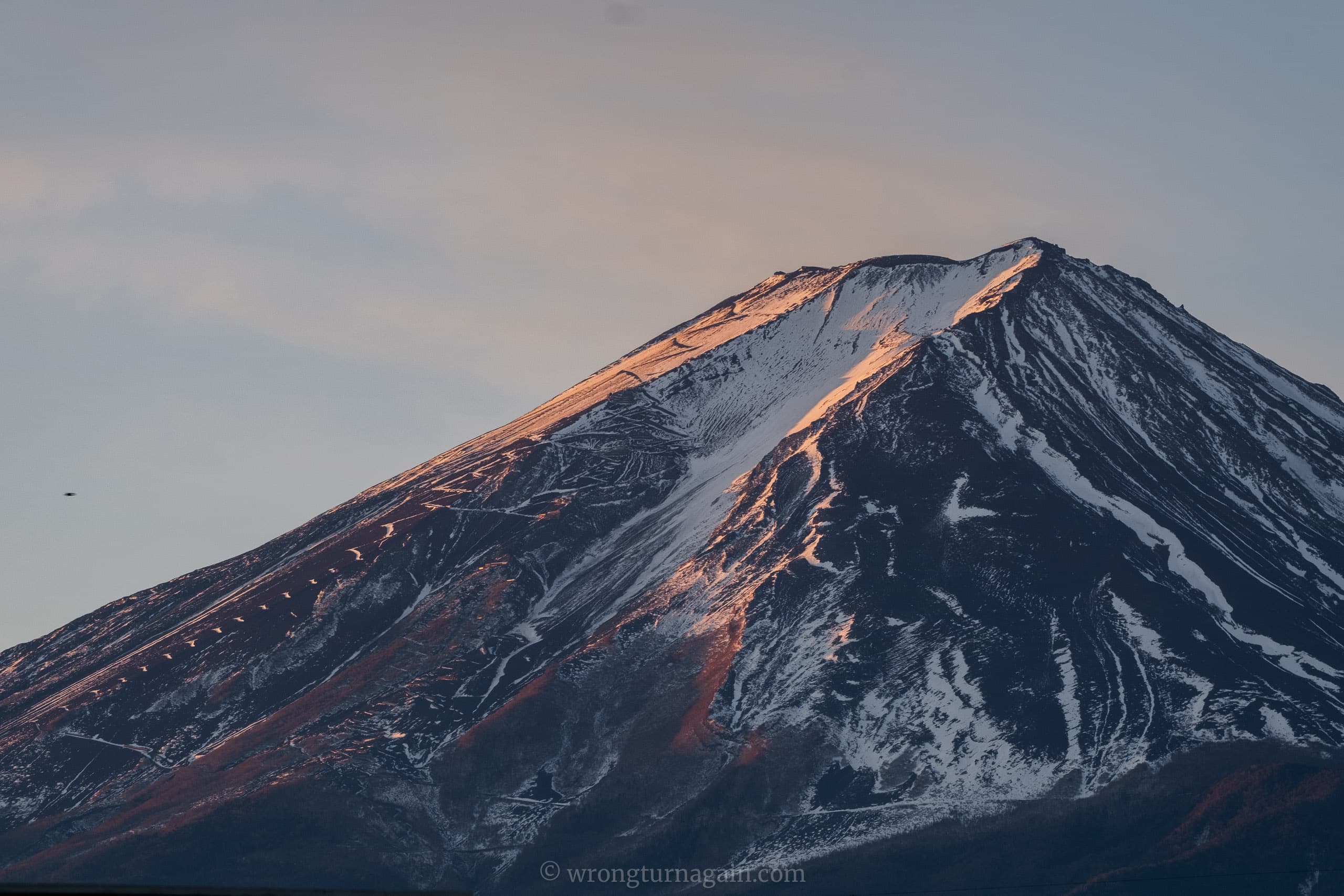
The highlight here is Tatego-Hama Beach on the northern shore. While other lakes offer wide panoramas, this spot is famous for a unique composition known as “Kodaki Fuji” (Child-Holding Fuji). Due to the specific angle, the giant volcano appears to wrap around the smaller Mount Omuro in the foreground, resembling a mother gently embracing her child.
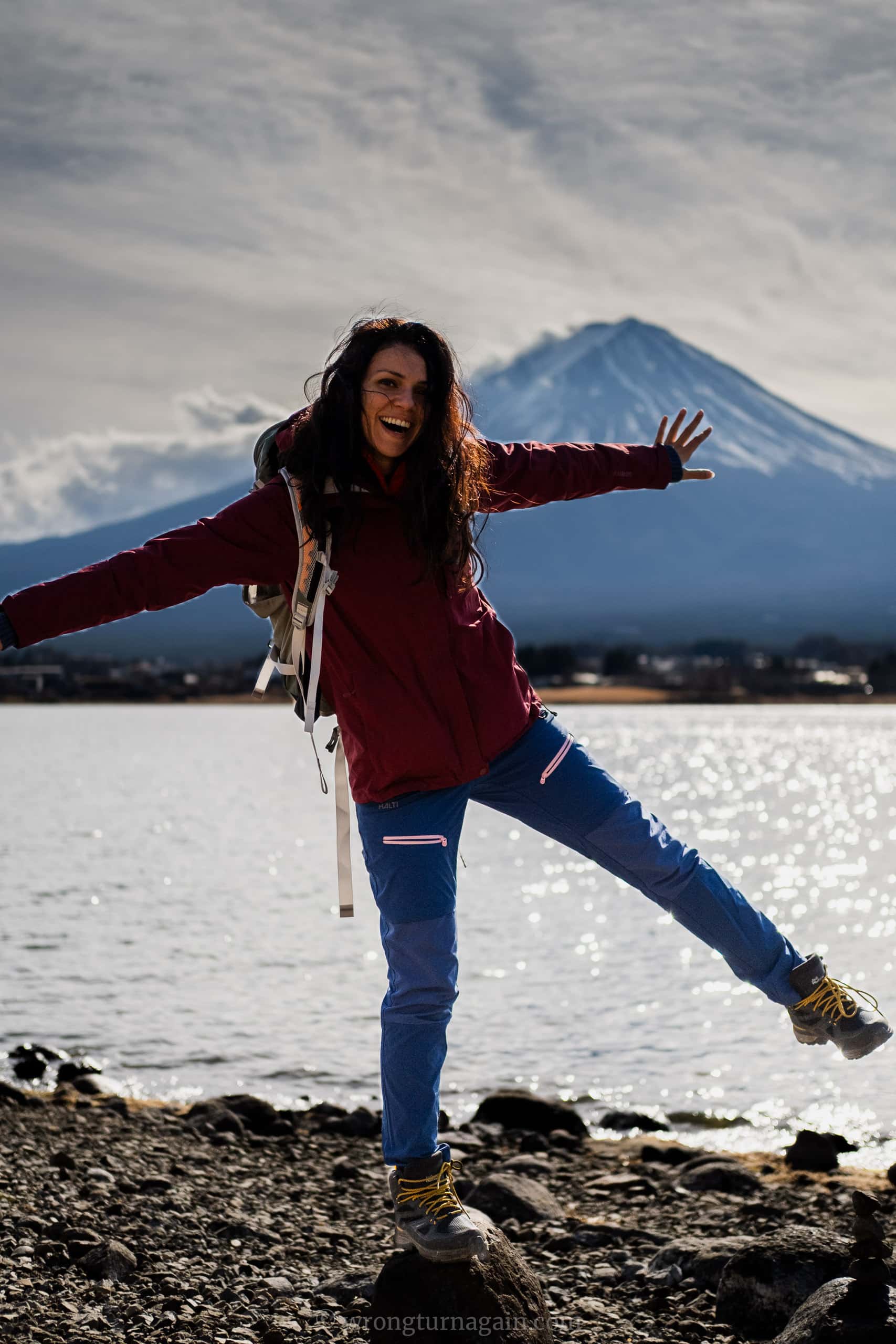
Lake Shoji is most magical at dawn. Because it is small and protected by mountains, the water usually remains perfectly still. On cold mornings, a mystical mist often floats above the surface, creating a dreamlike reflection of the “Kodaki Fuji” that is prized by landscape photographers.
Take the Blue Line (Motosuko Sightseeing Bus) from Kawaguchiko Station. Get off at stop #116 “Kodaki-Fuji View Point” (approx. 45 min).
9. The 1,000 Yen View (Lake Motosu)
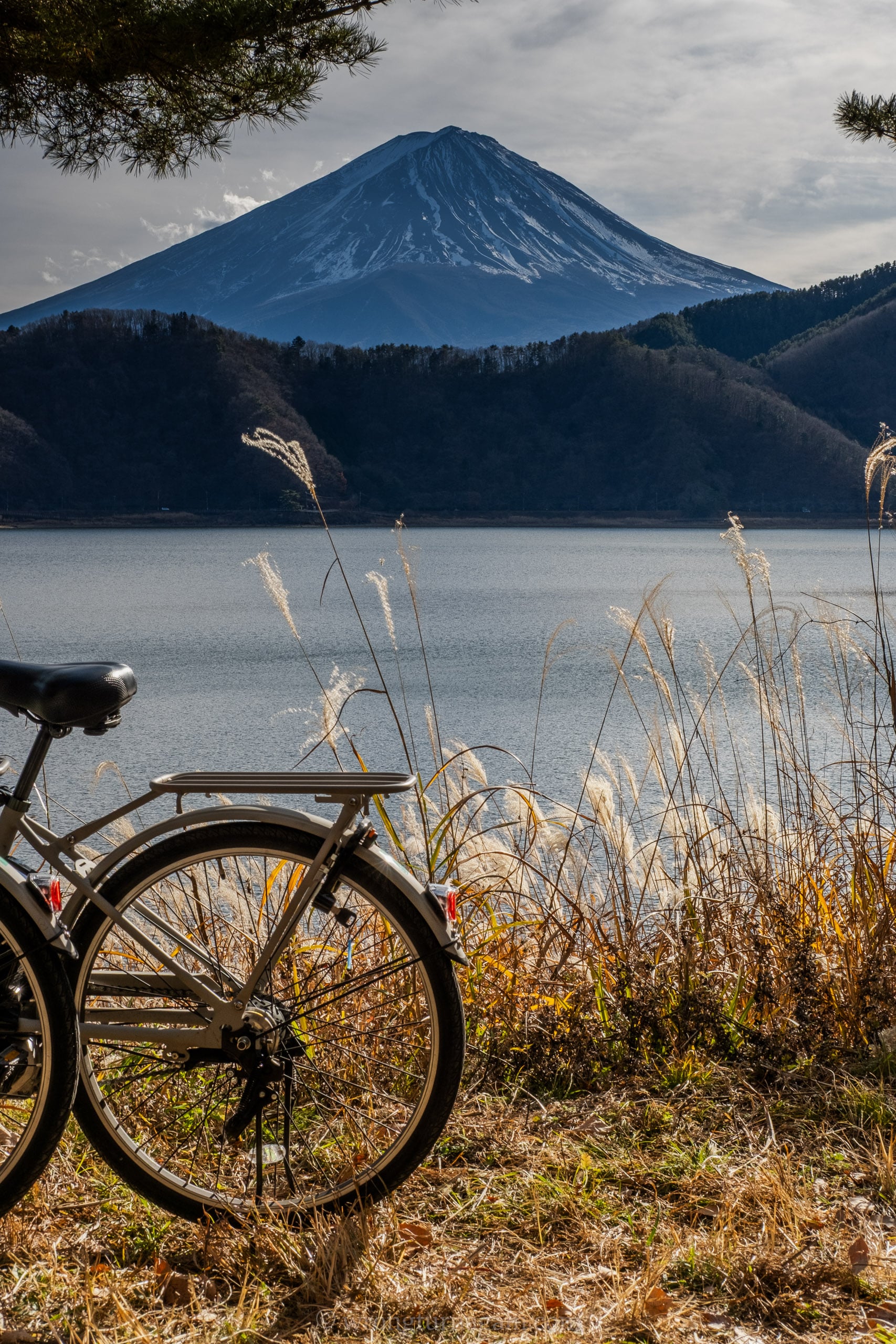
Located on the far western edge, Lake Motosu is the deepest and clearest of the group, famous for its brilliant sapphire color known locally as “Motosu Blue.” While these crystal-clear waters make it a haven for campers and windsurfers, the lake’s true fame comes from a view that you will eventually carry in your pocket.
That is because the majestic scene of Mount Fuji rising above the water here is the exact image depicted on the back of the 1,000 Yen banknote. Based on the famous photograph “Lakeside Spring” by Koyo Okada, this iconic composition is arguably the most widely circulated landscape in the country.
To match the view on the banknote, head to the northwest shore near Koan Camping Ground. From the parking lot, a steep 30-minute hiking trail leads up to the Nakanokura Pass Observation Point. This is where the original photo was taken. Even if you don’t hike, the view from the lakeshore parking lot is still spectacular.
Take the Blue Line from Kawaguchiko Station to the last stop, “Motosuko Tourist Information Center” (50 min).
Note: The famous view (Koan Camping Ground) is on the opposite shore, a 4km walk (~50 min) from the bus stop. It is best reached by rental car or bicycle.
10. Shiraito Falls
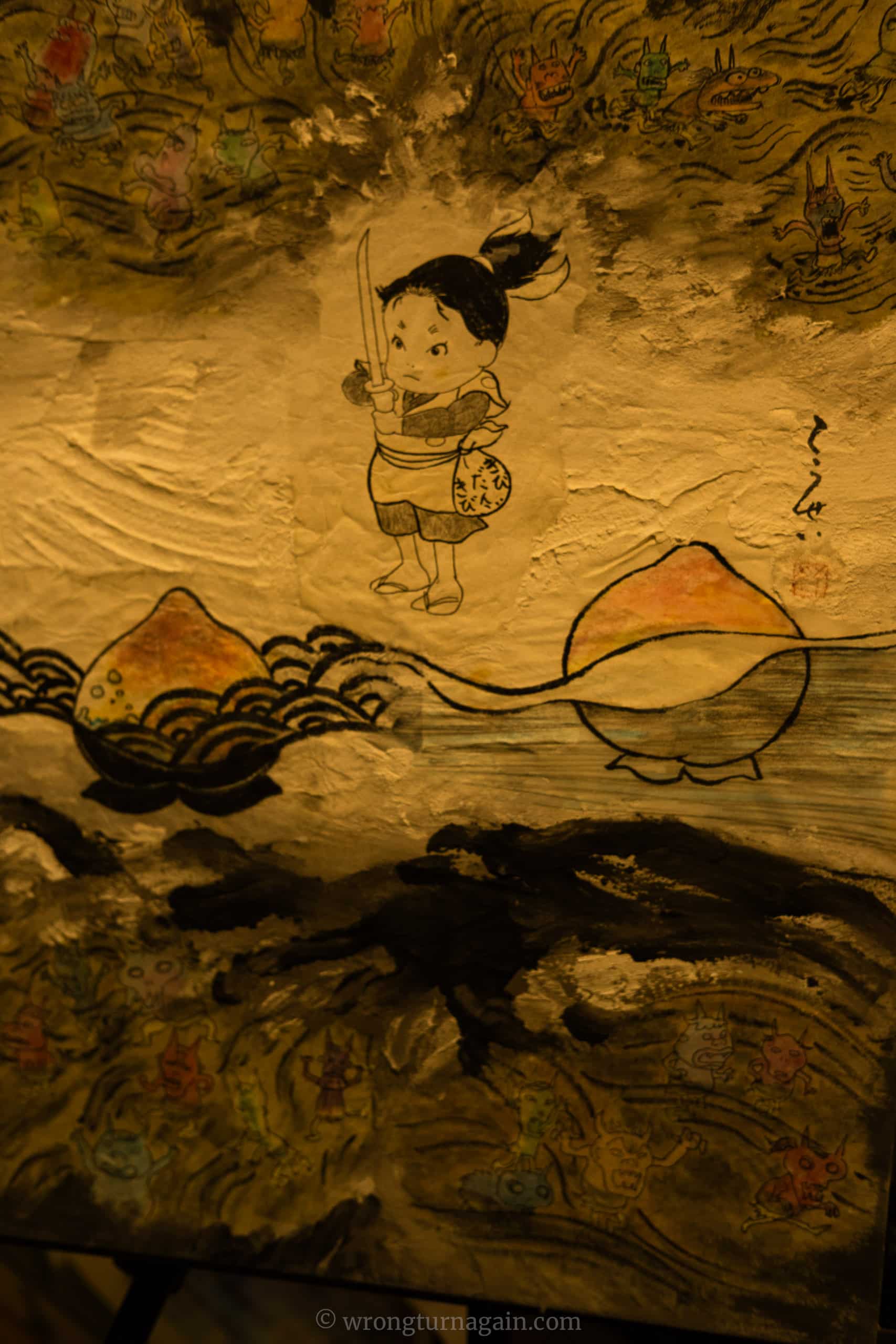
Tucked away in the southwestern foothills of the mountain, this UNESCO World Cultural Heritage site is one of Japan’s most elegant natural monuments. What makes Shiraito Falls (Shiraito-no-Taki) unique is its source: rather than a river tumbling over a cliff, this is Mount Fuji’s own groundwater springing directly from the earth.
The name translates to “Falls of White Threads,” a perfect description of the scenery. Hundreds of thin streams filter through the porous lava rock layers, creating a 150-meter wide curtain of water that resembles fine silk draping over the mossy cliff. Since the water originates from volcanic snowmelt, it remains crystal clear and maintains a refreshing 12°C temperature year-round.
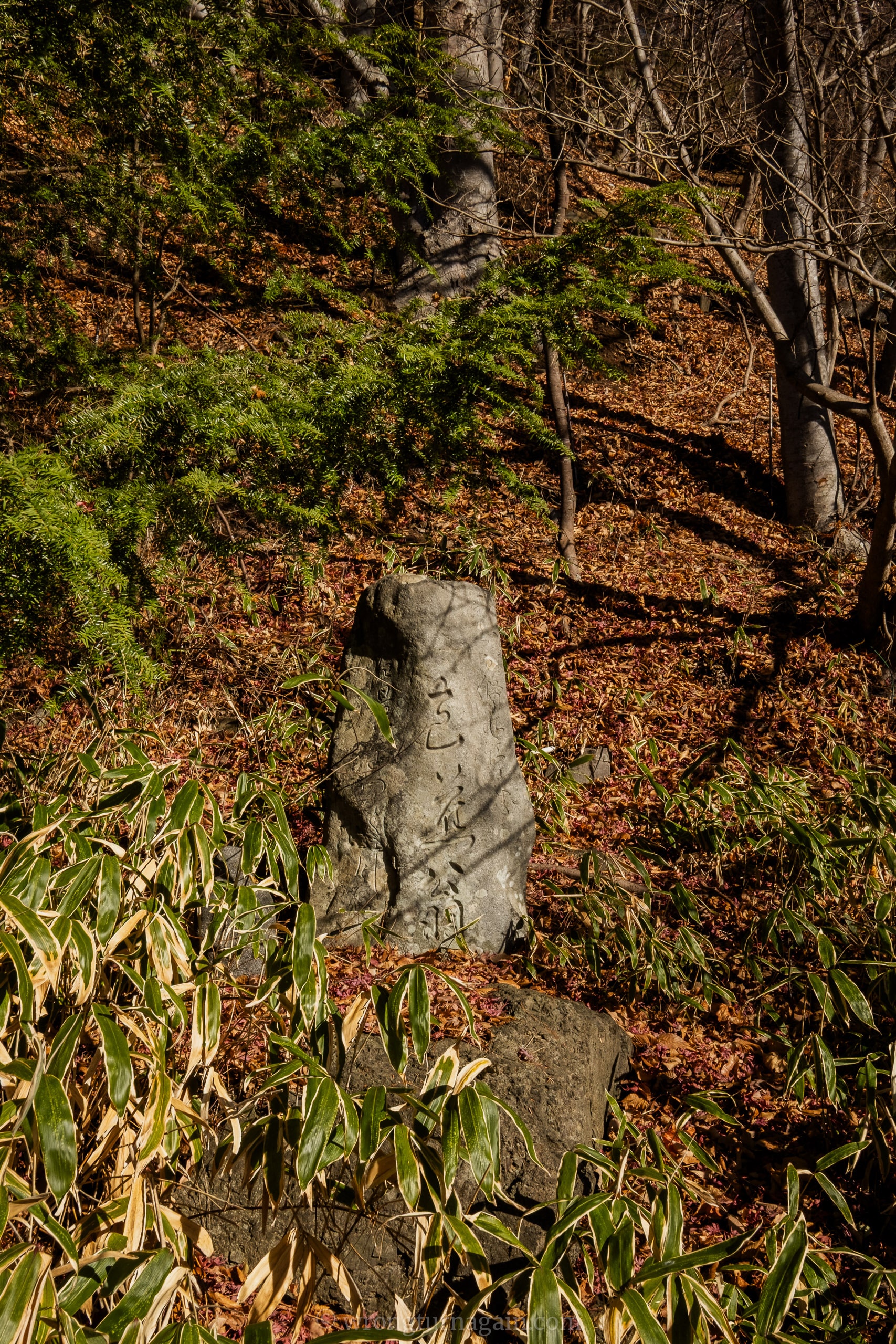
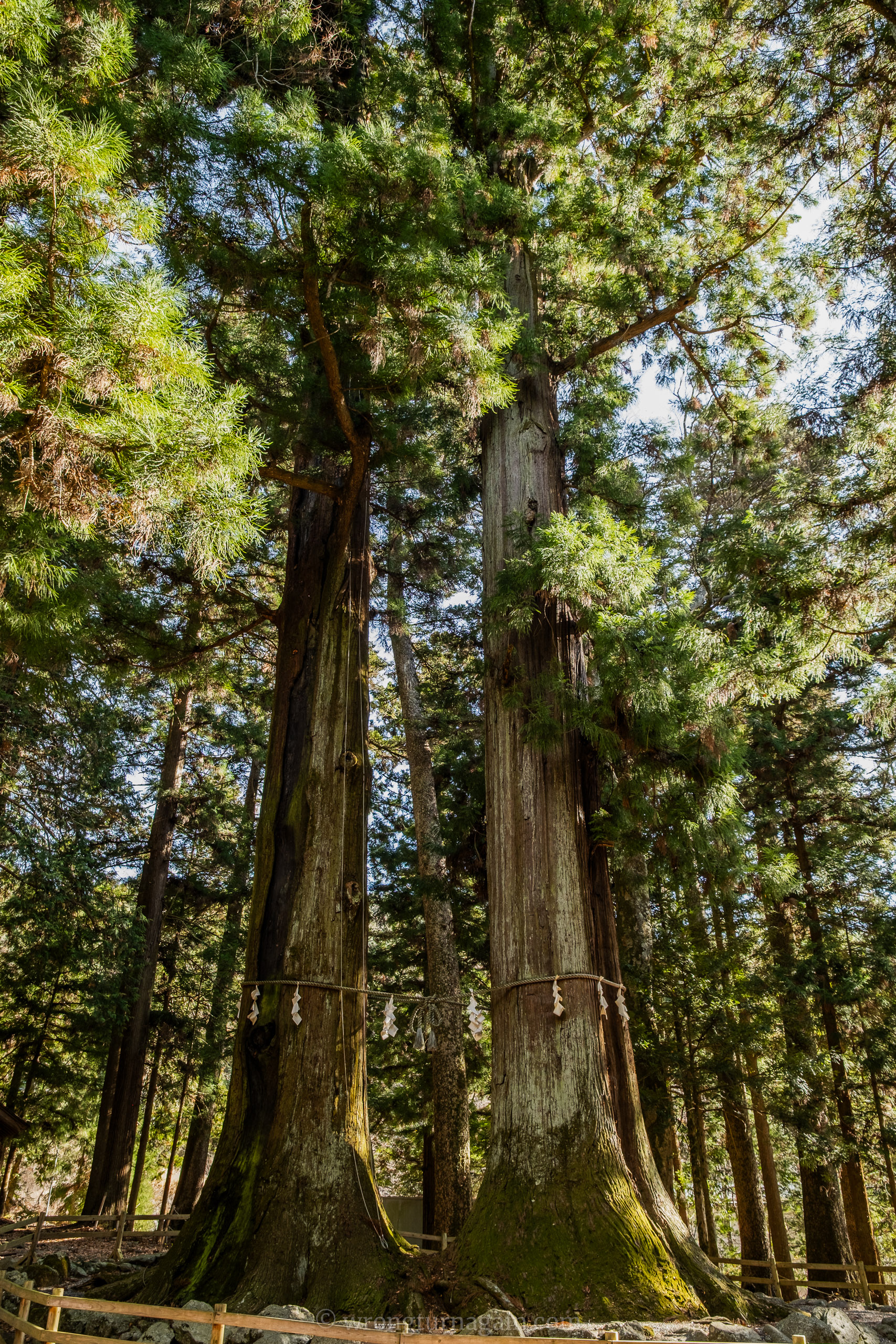
Just a 5-minute walk from the elegant Shiraito Falls lies its loud, aggressive brother: Otodome Falls (Sound Stopping Falls). Unlike the gentle silk threads of Shiraito, this is a massive, thundering column of water crashing down 25 meters.
11. Aokigahara Forest & Lava Caves
For a completely different kind of adventure, head to the northern slopes to explore the Aokigahara Jukai (the famous “Sea of Trees”). Born from the massive volcanic eruption of 864 AD, this primeval forest grows directly on top of hardened lava. The porous rock absorbs sound, creating a deep, mysterious silence as you walk among the twisted, moss-covered roots.
Beneath this green ocean lie spectacular lava tubes that remain naturally frozen year-round.
- Narusawa Ice Cave: A slippery, adventurous descent into a subterranean world where pillars of ice stand tall even in summer.
- Fugaku Wind Cave: A gentler cave historically used as a natural refrigerator to store silkworm cocoons due to its constant cool temperature (0-3°C).
12. Climbing Mount Fuji
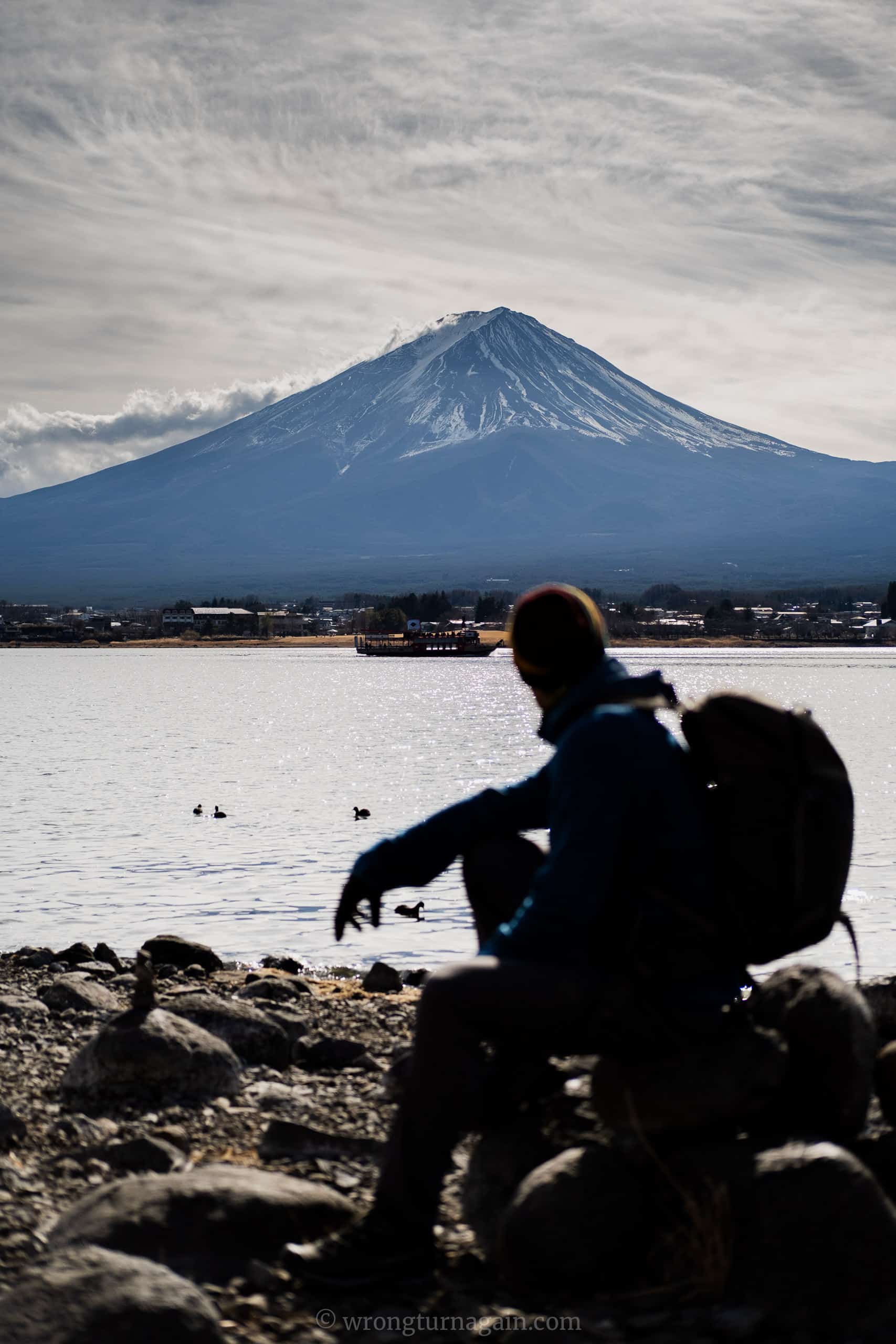
For many travelers, admiring Mount Fuji from a distance is enough. But for those with a spirit of adventure, standing on the summit of Japan’s highest peak (3,776m) is the ultimate bucket list experience. While the climb does not require technical mountaineering skills, it demands stamina, proper gear, and preparation.
Hike Overview: Yoshida Trail
The Hiking Route
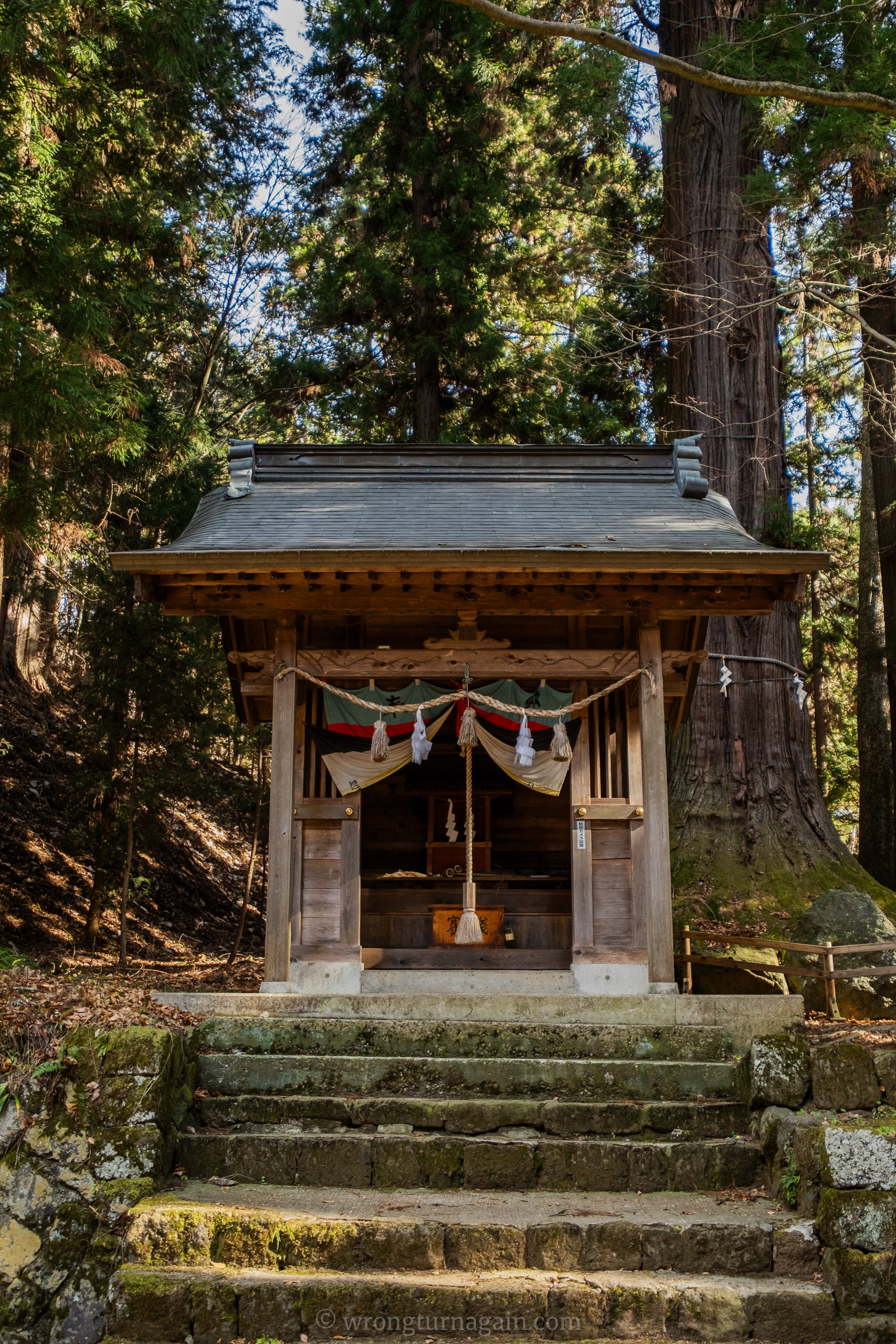
Of the four main trails, the Yoshida Trail is the most popular route for beginners. It starts at the Fuji Subaru Line 5th Station (halfway up the mountain). Most climbers hike for 5–7 hours, rest for a few hours in a mountain hut, and wake up around 02:00 AM to push for the summit. The goal? To reach the top in time for Goraikō—the spiritual sunrise above the sea of clouds.
Starting from the 2024 season, strict measures have been introduced to combat overtourism. The Yoshida Trail now has a daily cap of 4,000 climbers, and reservations are mandatory. Additionally, the entrance gate at the 5th Station closes between 16:00 and 03:00 to prevent “bullet climbing” (hiking overnight without rest).
Not a climber?
You don’t have to summit to feel the mountain’s power. You can simply take the “Fuji Subaru Line 5th Station” hiking bus (approx. 50 min) to the 5th Station to enjoy the atmosphere above the clouds. Alternatively, if you prefer a stress-free experience that covers the best viewing spots without the hiking gear, we recommend a guided day trip.
From Kawaguchiko Station, take the “Fuji Subaru Line 5th Station” hiking bus (approx. 50 min).
How to Get from Tokyo to Mount Fuji
Reaching the Fuji Five Lakes region is straightforward, whether you prefer the speed of the railway, the affordability of a highway bus, or the privacy of a car. Most travelers start their journey from Tokyo, aiming for Kawaguchiko Station, which serves as the central transport hub for the entire area.
Here is a detailed breakdown of how to get to Mount Fuji from Tokyo, helping you choose the best option for your budget and schedule.
By Car
Driving is a great option if you have heavy luggage or plan to visit spots not covered by public transport. The most direct route from Tokyo is via the Chuo Expressway (exit at Kawaguchiko IC). The roads are excellent, but be prepared for heavy congestion when re-entering Tokyo on Sunday evenings.
By Train
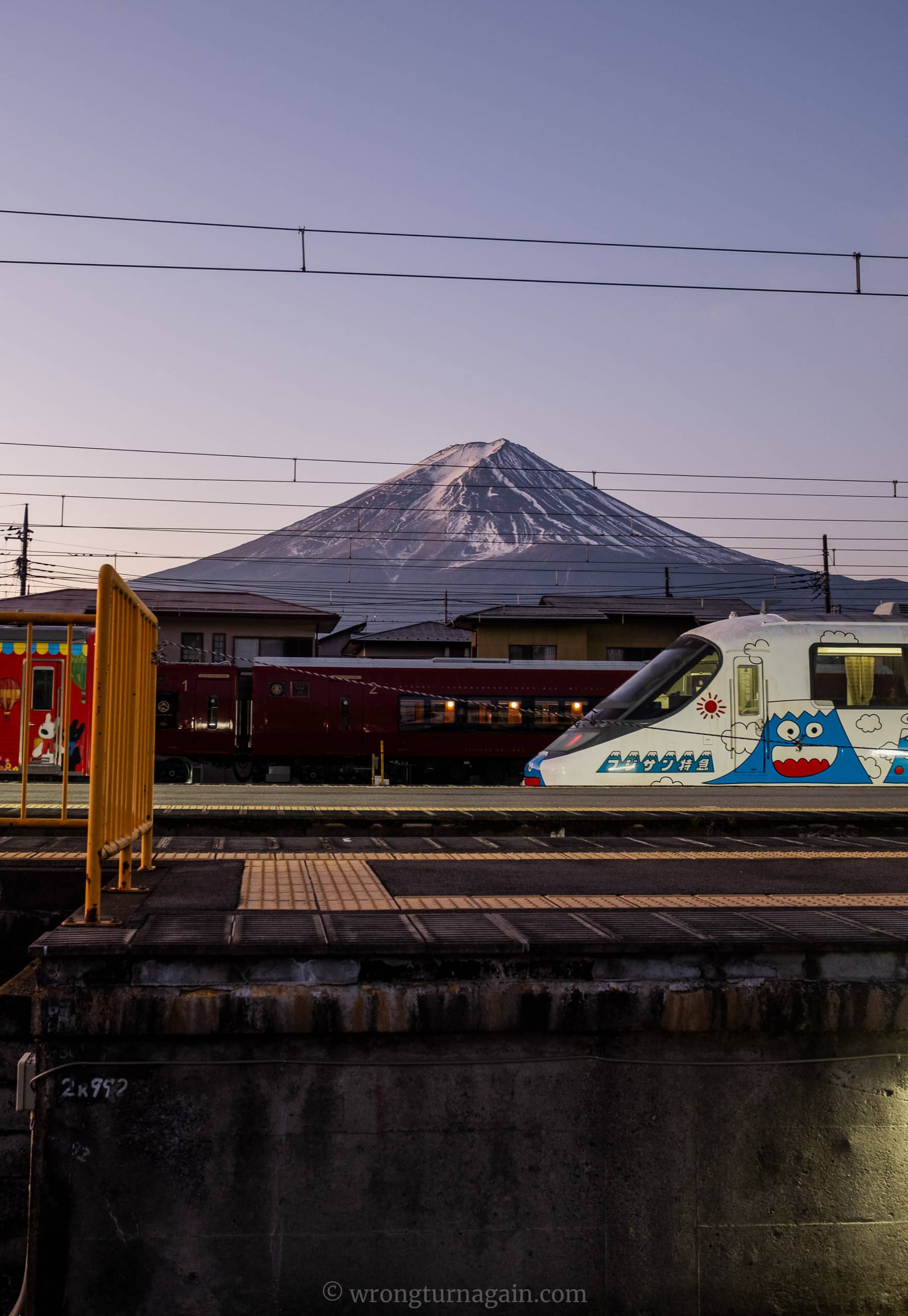
The only direct train is from Shinjuku Station to Kawaguchiko Station.
Important: It is comfortable and fast, but seats are limited. Reservation is mandatory as it sells out days in advance.
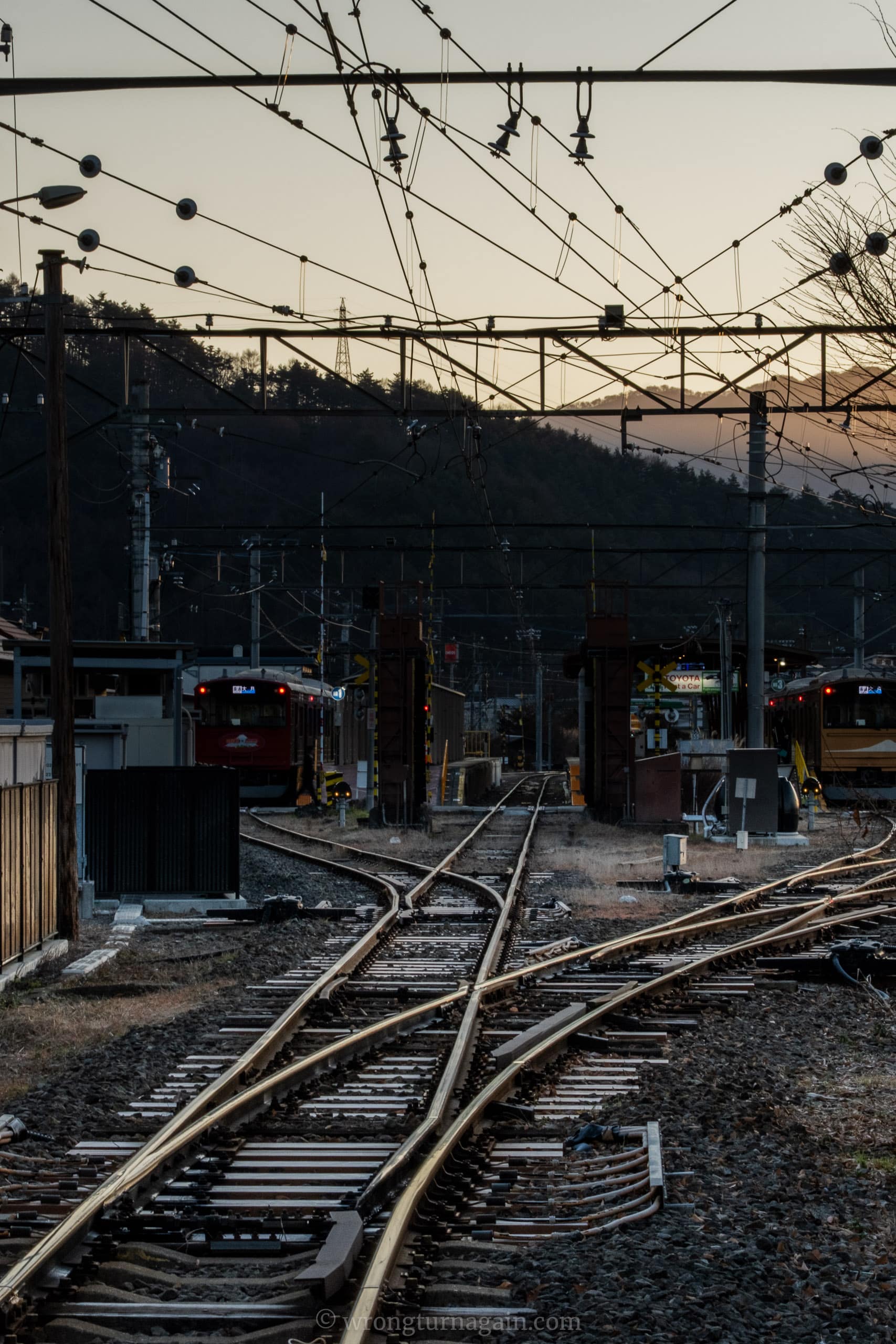
Take the JR Chūō Line (Limited Express Azusa or Kaiji) to Otsuki Station. There, transfer to the Fujikyu Railway Line for the final leg to Kawaguchiko Station.
By Bus
Buses are cheaper than trains and run frequently from major Tokyo hubs like Shinjuku Expressway Bus Terminal, Shibuya Station, and Tokyo Station. Most lines make a stop at Fujisan Station before terminating at Kawaguchiko Station
Note: Traffic jams getting out of the city can add 30+ minutes to the trip, especially on weekends and holidays.
Hand-picked Mt. Fuji Tours
Getting Around the Fuji Five Lakes
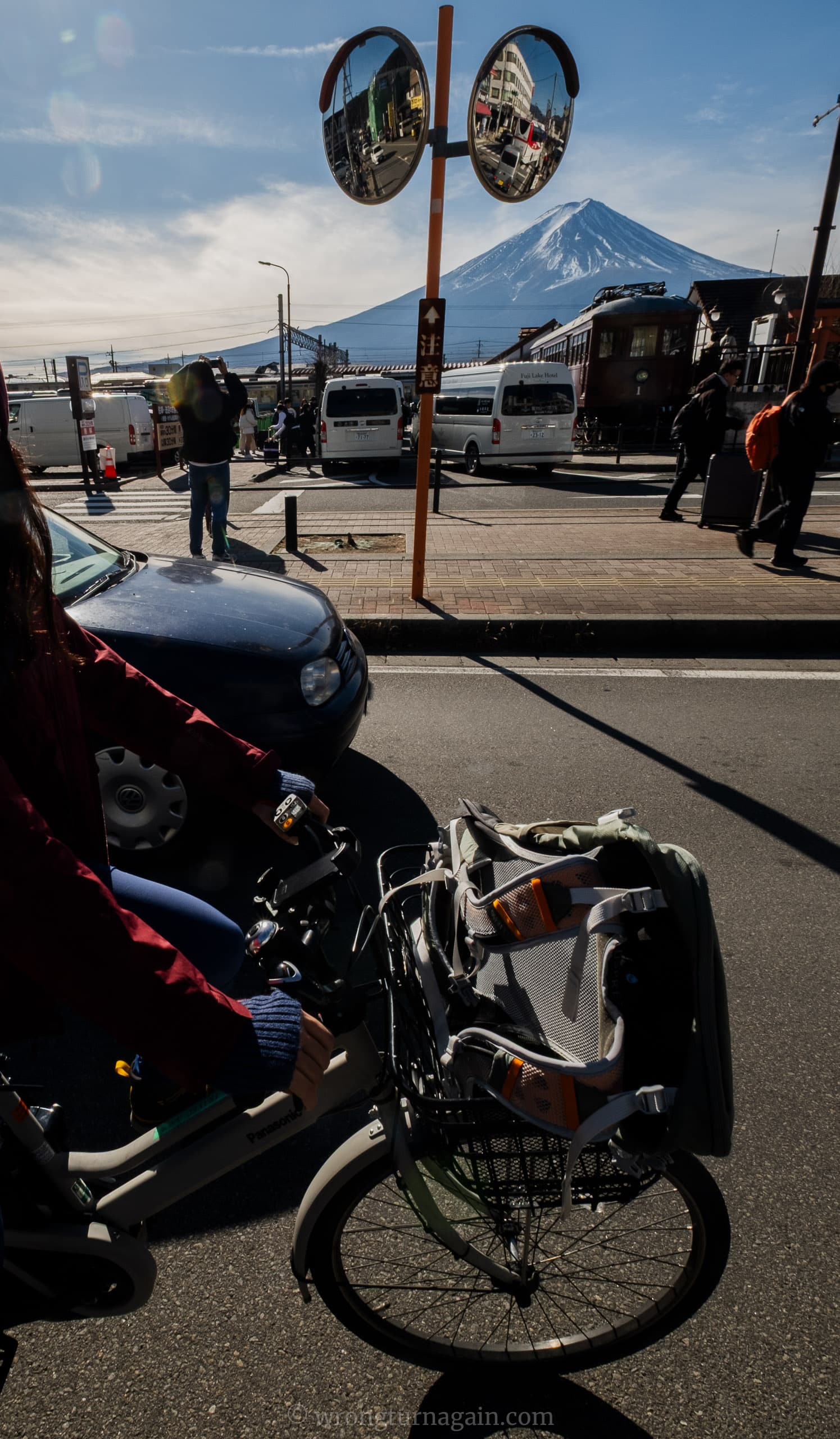
Navigating the Fuji Five Lakes region requires a bit of strategy. While a rental car offers the ultimate freedom to reach hidden gems and distant waterfalls, the area is also serviced by a reliable network of sightseeing buses. For a leisurely pace around Lake Kawaguchiko, renting an e-bike is the best way to enjoy the view.
By Car
Ideal for reaching remote spots like Lake Motosu and Shiraito Falls where buses are infrequent. Be aware that free parking lots around Lake Kawaguchiko fill up very fast during peak seasons.
Did you arrive by train? You can rent a car locally for a day or two to reach the further lakes. Reliable local agencies include Yoshimura and Fuji Premium Car Rental.
By Bus
The Fujikyu Sightseeing Buses run every 15–30 minutes depending on the season.
🔴 Red Line: Loops around Lake Kawaguchiko (Oishi Park, Ropeway, Museums).
🟢 Green Line: Goes to Lake Saiko, Iyashi-no-Sato village, and the Wind Cave.
🔵 Blue Line: The longest route, reaching Lake Shoji and Lake Motosu.
By E-Bike
Cycling around Lake Kawaguchiko is magical, as the northern shore is relatively flat and offers constant views of the mountain. We highly recommend renting an e-bike.
Tip: Bikes sell out within an hour of shops opening on sunny days. Go as early as possible (around 9:00 AM).
The Perfect 3-Day Mt Fuji Itinerary
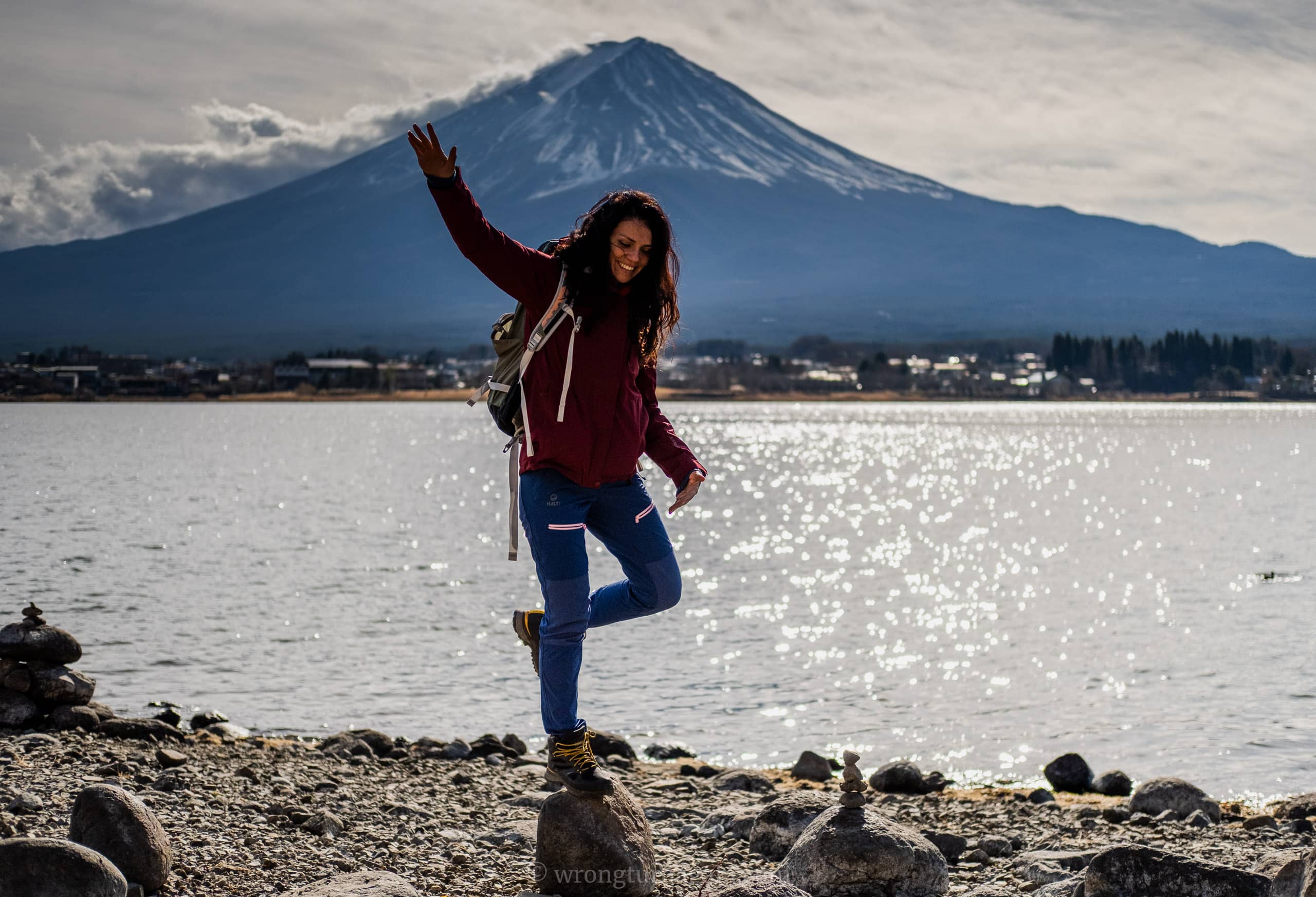
Planning the perfect Mt. Fuji itinerary can be tricky because the attractions are spread out across five different lakes. To help you navigate efficiently and maximize your time, we have organized the best things to do in Fuji into a logical, day-by-day route.
Where to Eat in Mount Fuji: Best Restaurants & Cafes
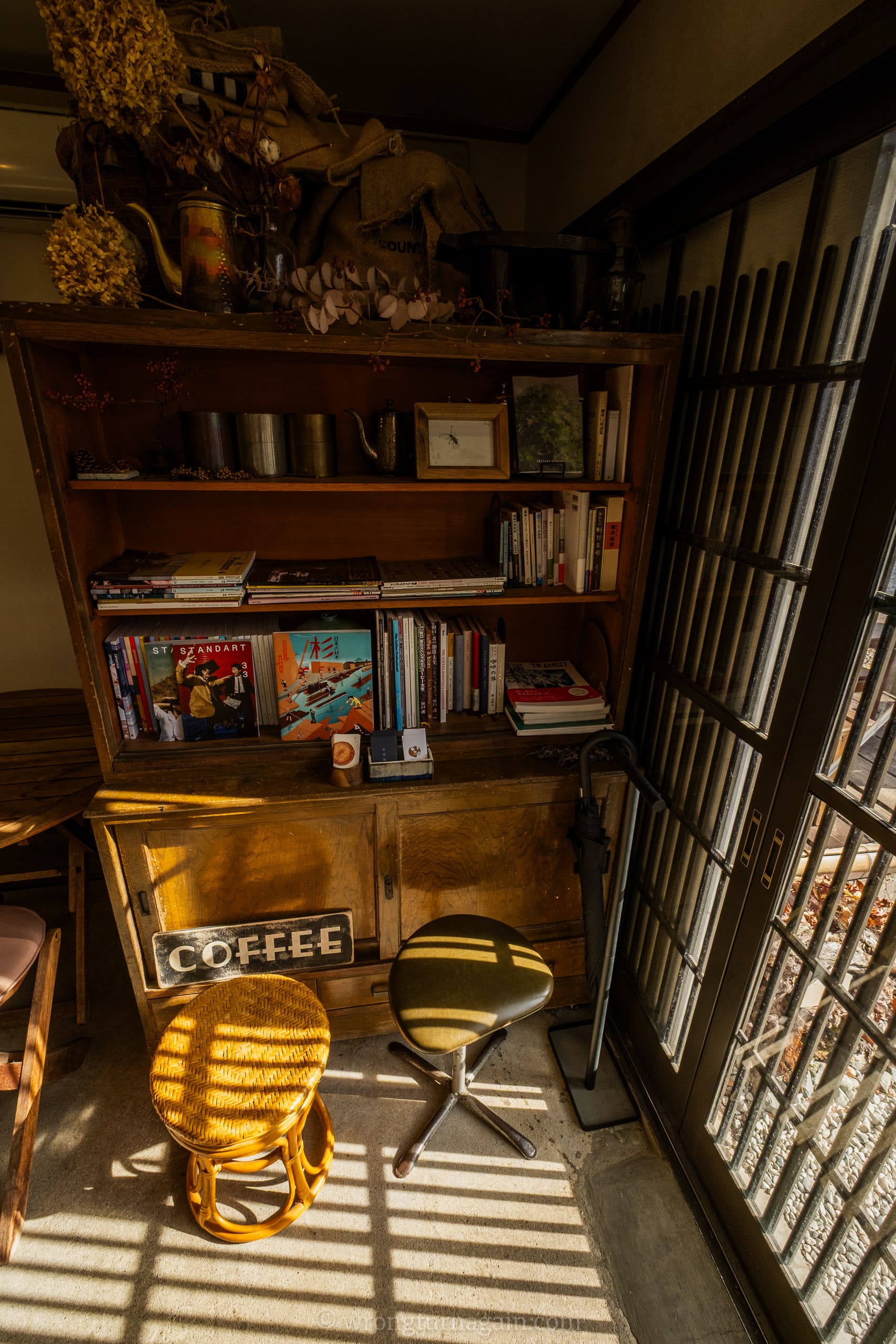
Most of the region’s dining options are concentrated around the shores of Lake Kawaguchiko. The food scene here is unpretentious but delicious, ranging from rustic noodle shops serving the local specialty Hoto, to stylish lakeside cafes where you can enjoy a latte with a direct view of the volcano.
Lunch & Dinner
Coffee & Tea
Where to Stay in Mount Fuji
Most sightseeing spots, cafes, and panoramic viewpoints are clustered around Lake Kawaguchiko, making it the most convenient base for exploring the region—especially if you rely on public transport. For those with a car seeking solitude, the smaller lakes of Saiko or Shojiko offer a quieter, “wilder” experience.
Onsen with a View
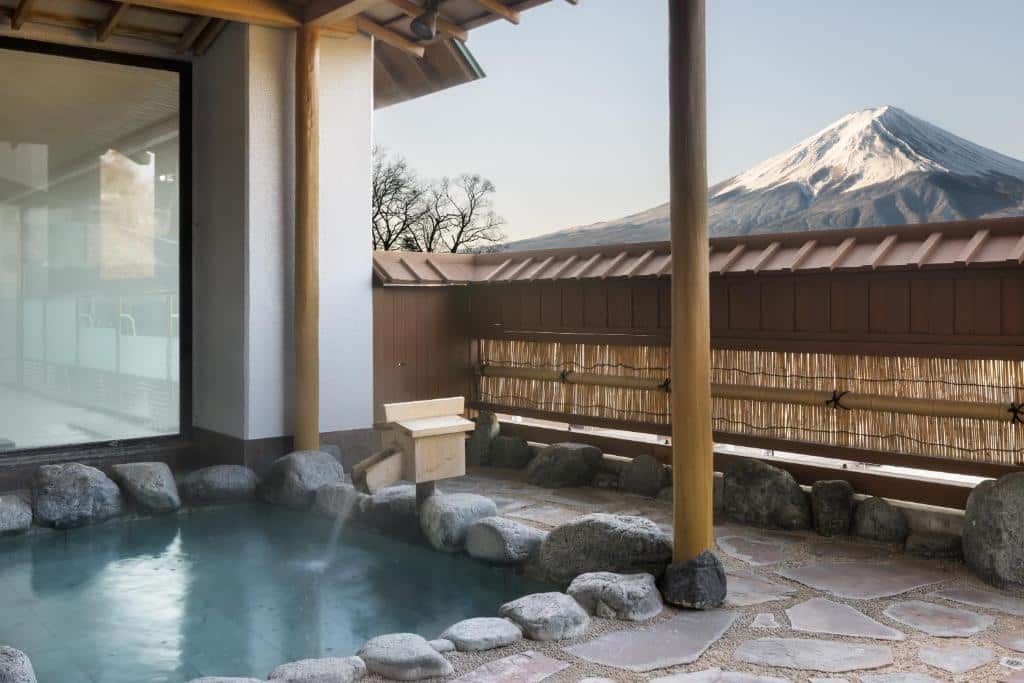
Relaxing in a hot spring (onsen) while gazing at Mount Fuji is one of the quintessential Japanese experiences. The area around Kawaguchiko is home to many hotels and public baths that tap into mineral-rich volcanic water, known for soothing tired muscles after a day of hiking.
If you are not comfortable with public nudity, look for hotels that offer private baths (kashikiri) or rooms with open-air baths on the balcony. Staying overnight gives you the advantage of an early morning soak, which is often the best time to see the mountain clearly before the afternoon clouds roll in.

Our Top Mt. Fuji Picks
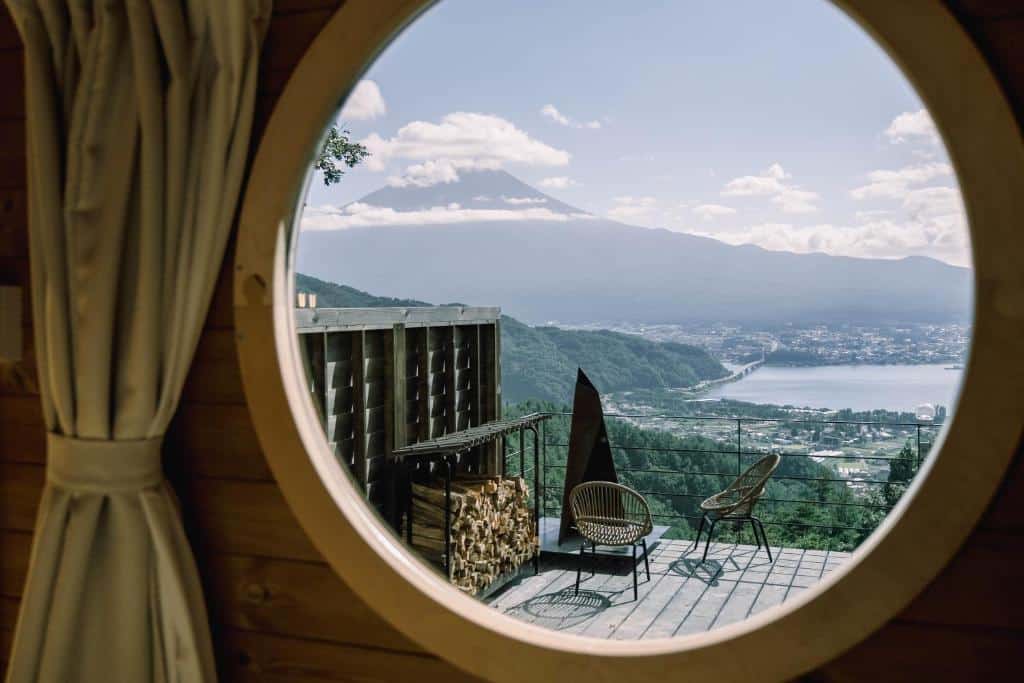 QOONEL+ TASOKARE
A modern glamping resort offering stylish domes with direct views of Mt. Fuji. Perfect for nature lovers who want comfort.
 ONSEN KONANSO
A classic ryokan with rooftop foot baths and stunning Fuji views. Excellent choice for a traditional Japanese experience.
 GUESTHOUSE GUU
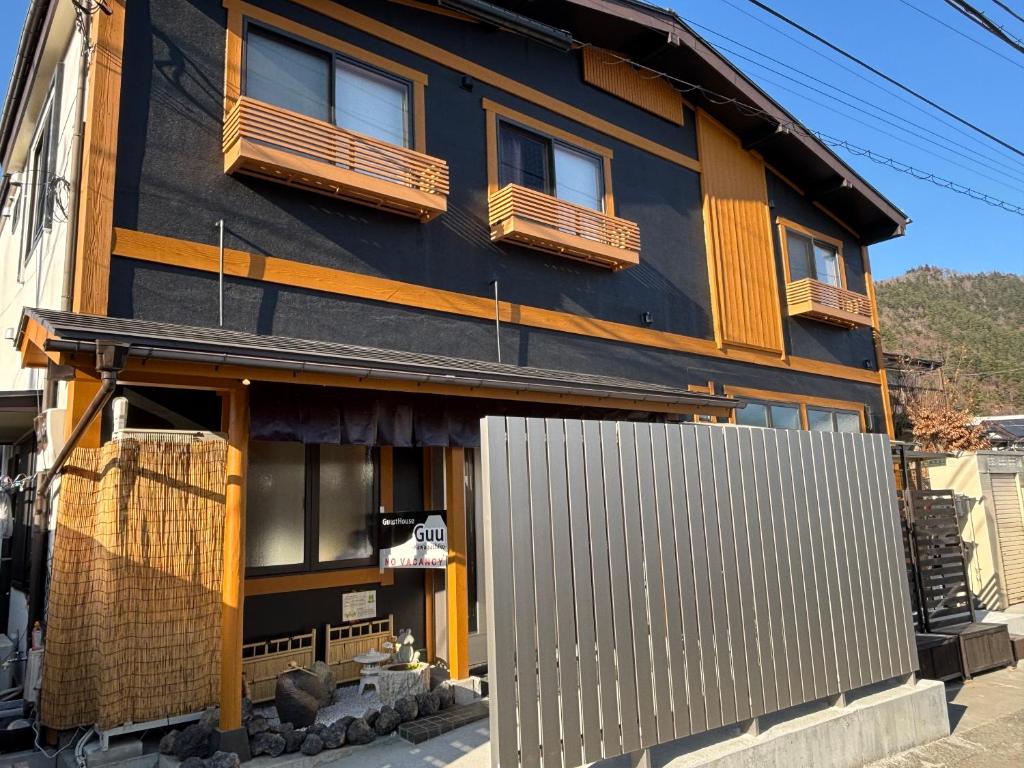
Ideally located near the station. Clean, affordable, and cozy—perfect for solo travelers or those on a budget.
How Long to Stay in Mt. Fuji?
Mt. Fuji notoriously hides behind clouds; staying for at least 2 nights significantly increases your chances of a clear view. Beyond the weather, the region is packed with sights—from ancient shrines to distant waterfalls—that simply cannot be covered in a single day. If you want to explore the further lakes (Motosu/Shoji) or Shiraito Falls without rushing, plan for 3 nights.
Best Time to Visit Mt. Fuji
Choosing when to visit depends on what you value most: crystal-clear views or seasonal colors.
- For the Best Views (Nov – Feb): Winter brings the highest chance of seeing the mountain clearly. The air is crisp and dry, though temperatures often drop below freezing.
- For Cherry Blossoms (Mid-April – May): Spring is magical. The Sakura Festival takes over the lakeside promenade, while the famous Fuji Shibazakura Festival covers the fields near Lake Motosu in a carpet of vivid pink moss phlox.
- For Climbing (Jul – Aug): This is the only season the trails to the summit are open. However, be aware that visibility is often poor; the mountain is frequently shrouded in haze or clouds during midday.
- For Autumn Colors (Nov): The shores turn gold and crimson. The highlight is the Maple Corridor, which is illuminated at night for a breathtaking spectacle.
Plan your viewing spots for the early morning. The visibility is best between sunrise and 9:00 AM. As the ground warms up, clouds typically form around the peak, often hiding it completely by noon.
Fuji Budget Breakdown
Budgeting for a trip to Mount Fuji varies wildly depending on your travel style. You can keep costs low by staying in cozy guesthouses and exploring the lakes by bicycle, or you can splurge on a luxurious Ryokan experience complete with private hot springs and multi-course dinners. While nature itself is free, it is wise to budget for reliable transport and a few key experiences.
Here is a breakdown of what to expect per person.