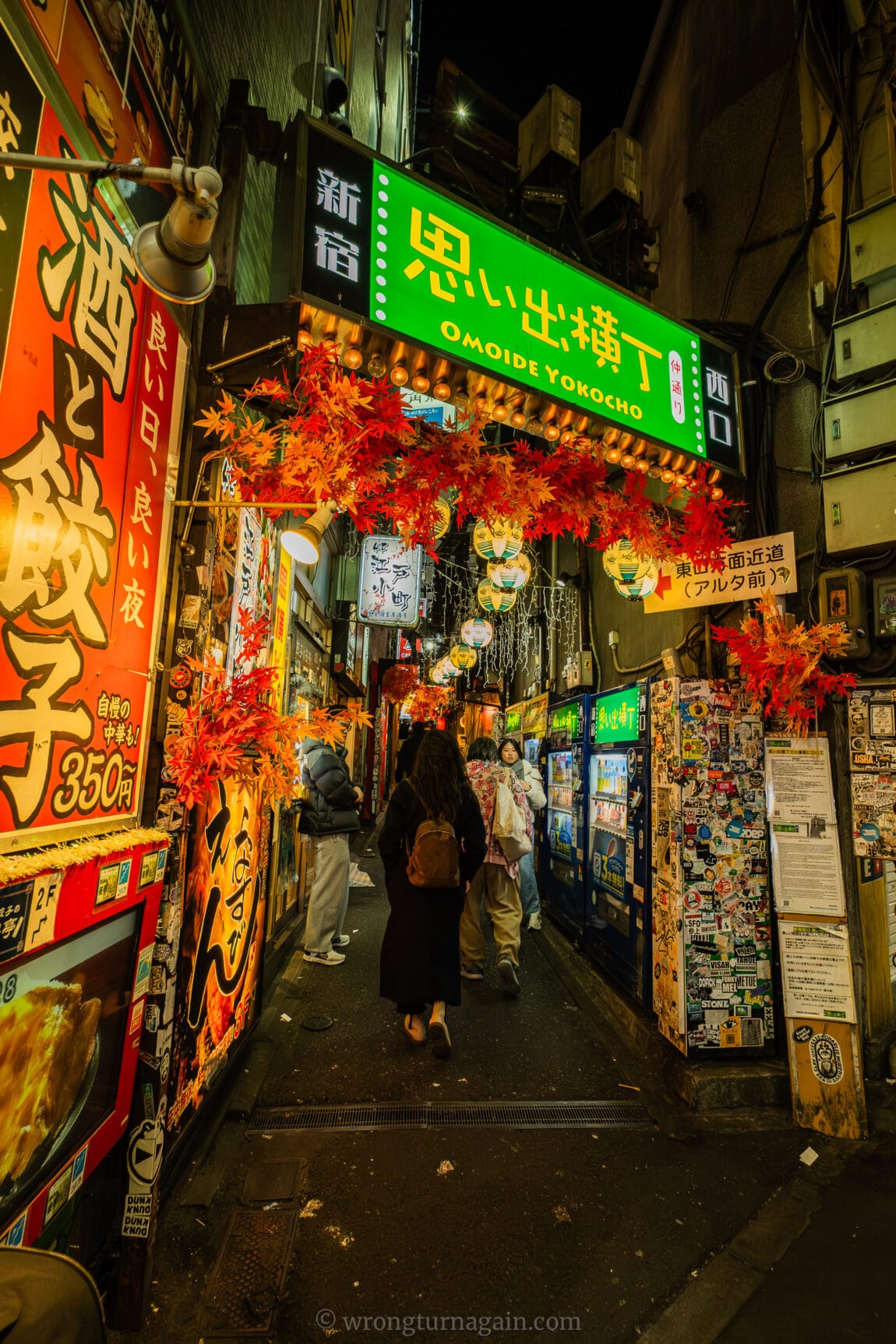
Τokyo is a sensory overload in the best way possible. It is a sprawling metropolis where abstract digital art museums and neon-lit alleys sit just blocks away from silent wooden shrines and manicured Zen gardens. Whether you are navigating the organized chaos of the Shibuya Scramble, hunting for world-class street food, or connecting to Kyoto and Osaka via the bullet train, Tokyo is the ultimate anchor for any Japan itinerary.
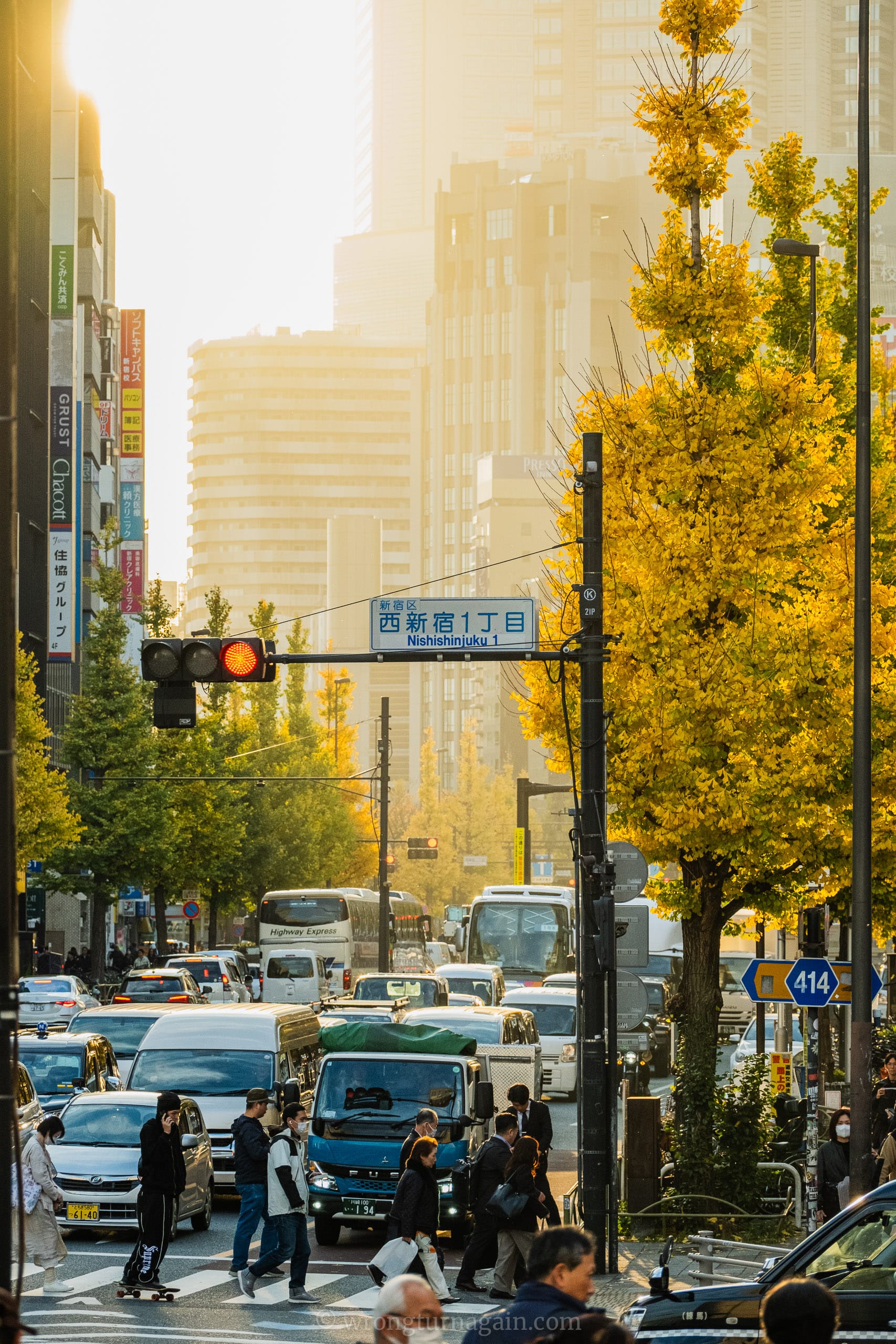
Planning a trip to this massive capital can feel overwhelming, but this guide covers absolutely everything. From the top things to do and authentic eateries to a realistic daily budget, transit tips, and the smartest neighborhoods to base yourself in, here is your complete blueprint for Tokyo.
Inside this Guide
Best Things to Do in Tokyo
Tokyo is not just a single city; it is a massive collection of 23 distinct wards, each functioning like its own vibrant mini-metropolis. Because the sights are spread out across such a vast area, tackling the best things to do in Tokyo requires grouping your activities by neighborhood to avoid spending half your day on the subway.
The key to a successful Tokyo itinerary is balancing the high-energy tech hubs of the west—like Shinjuku and Harajuku—with the deeply traditional, historic districts of the east, such as Ueno and Asakusa.

Tokyo was originally a small fishing village named Edo. Today, it is the most populous metropolitan area in the world, home to over 37 million people and more Michelin-starred restaurants than Paris or New York.
Whether you are building a larger best things to do in Japan bucket list or dedicating your entire vacation to exploring the capital, here are the absolute must-see attractions to anchor your trip.
1. Tsukiji Outer Market
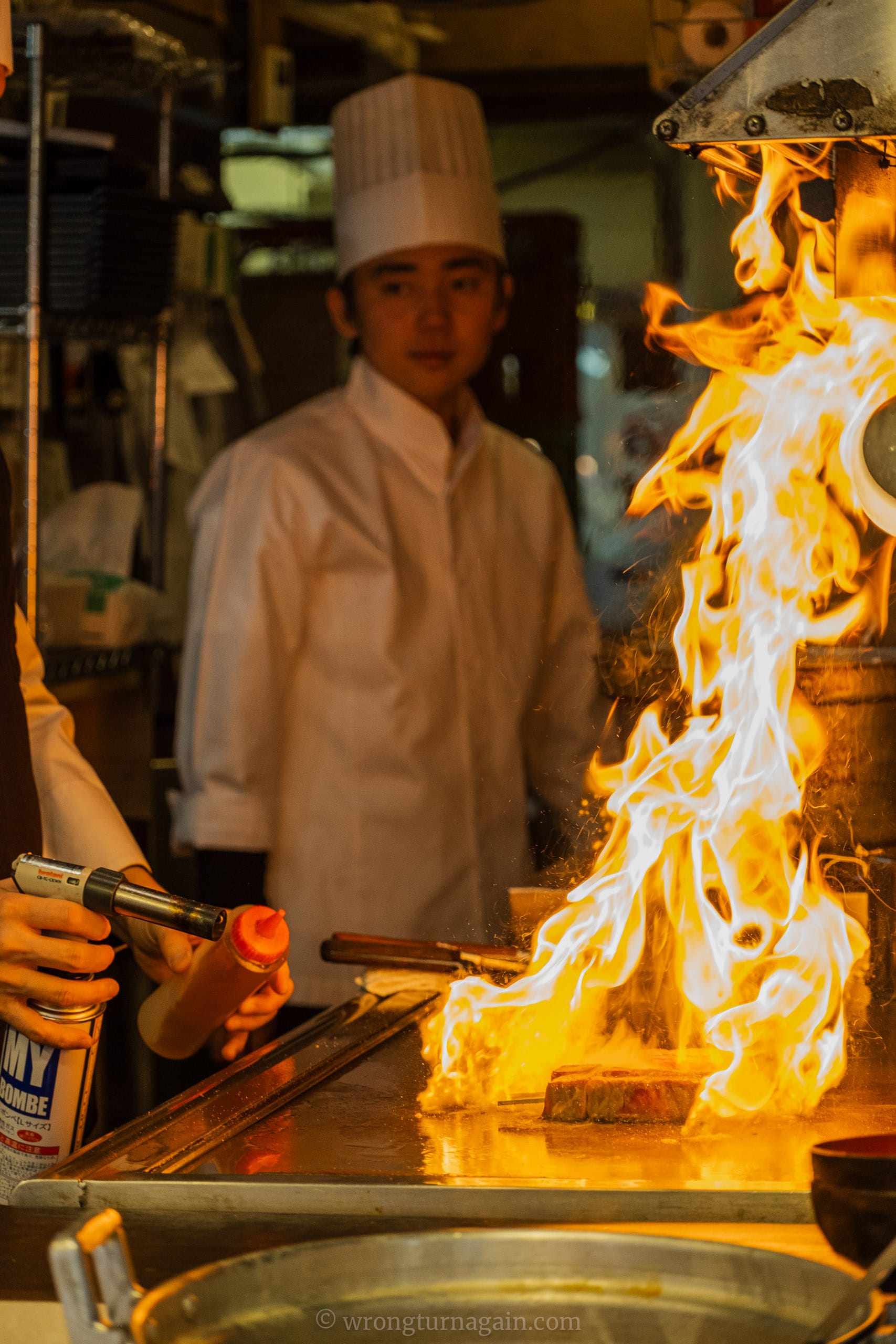
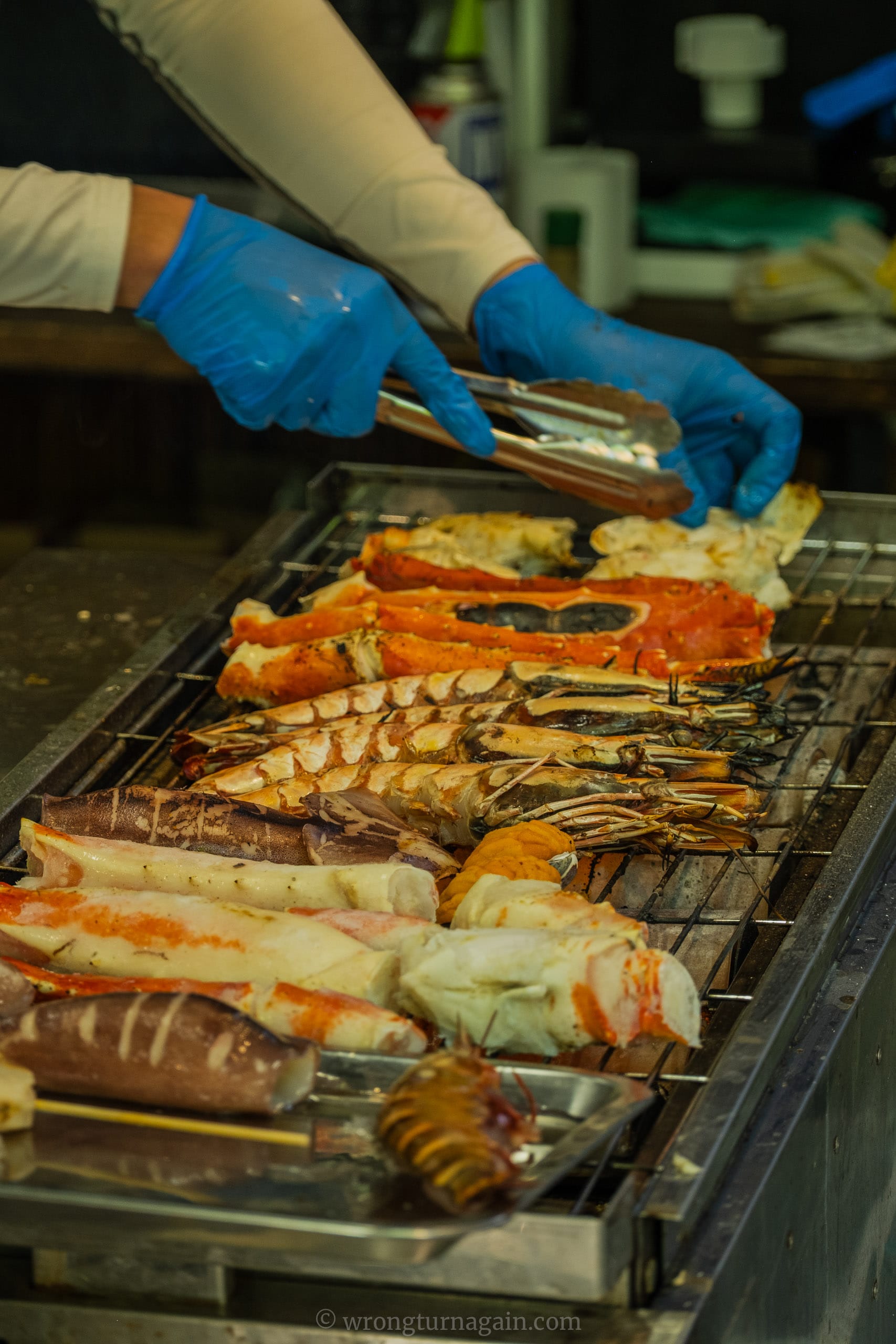
Even though the famous inner wholesale market moved to Toyosu in 2018, the Tsukiji Outer Market remains the beating culinary heart of Tokyo. This dense network of narrow alleys is packed with over 400 stalls, shops, and tiny restaurants, offering some of the freshest seafood and street food in Japan. It is loud, crowded, and authentic — definitely one of the best things to do in Tokyo.

*Note: Many shops are closed or operate with limited hours on Wednesdays and Sundays.

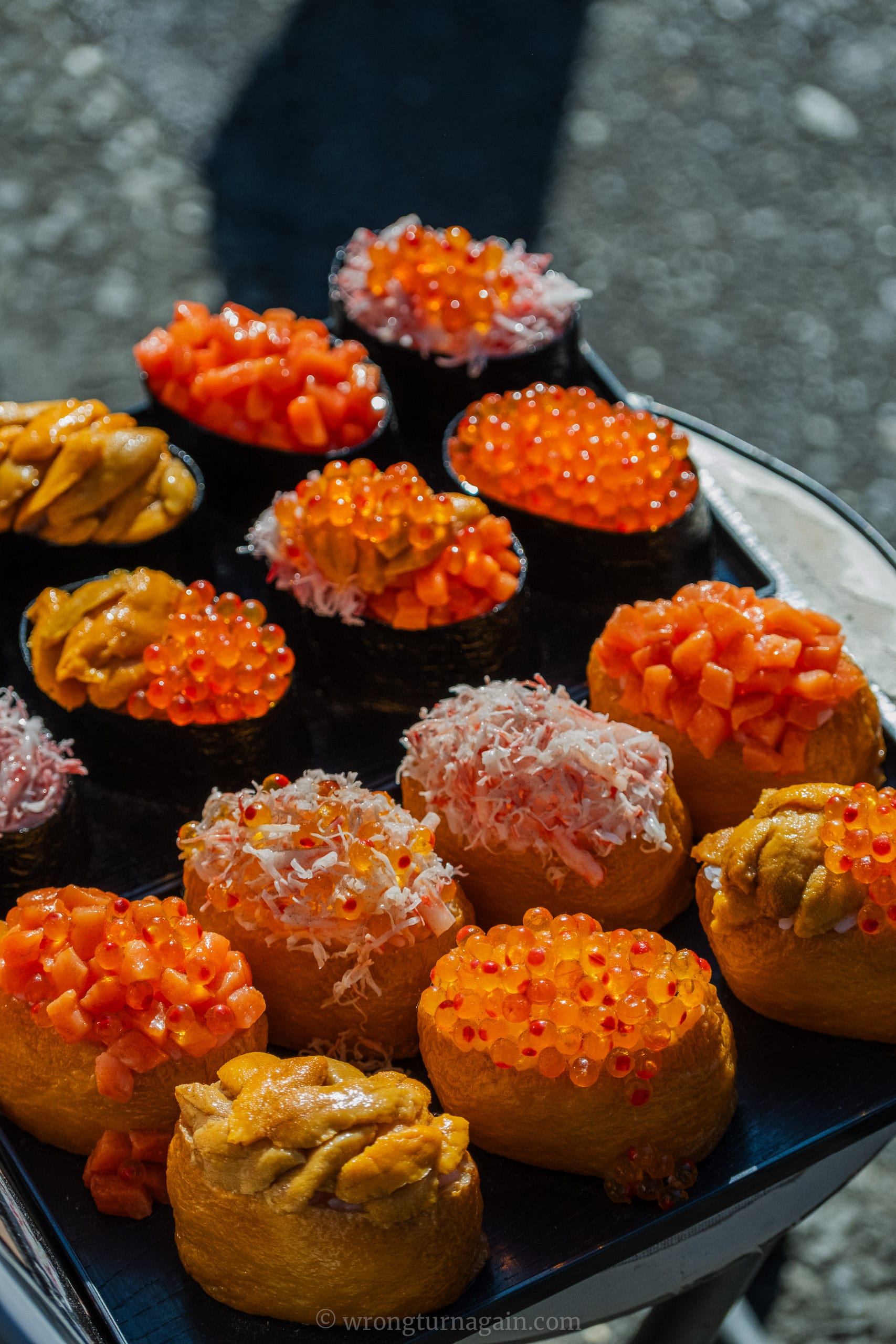
Wandering through Tsukiji is a sensory overload in the best possible way. Since most shops have only a few counter seats, you will often find yourself eating just like the locals: quickly and standing up.
You can start your morning by sampling premium fatty tuna (otoro) sashimi right off the cutting board, or watching chefs expertly prepare sweet tamagoyaki (Japanese rolled omelet). From there, grab a sizzling skewer of Wagyu beef, or try uni (sea urchin) over warm rice—not our cup of tea, by the way.
Hand-picked for this route
2. Izakaya Alleyways: Omoide Yokocho & Golden Gai
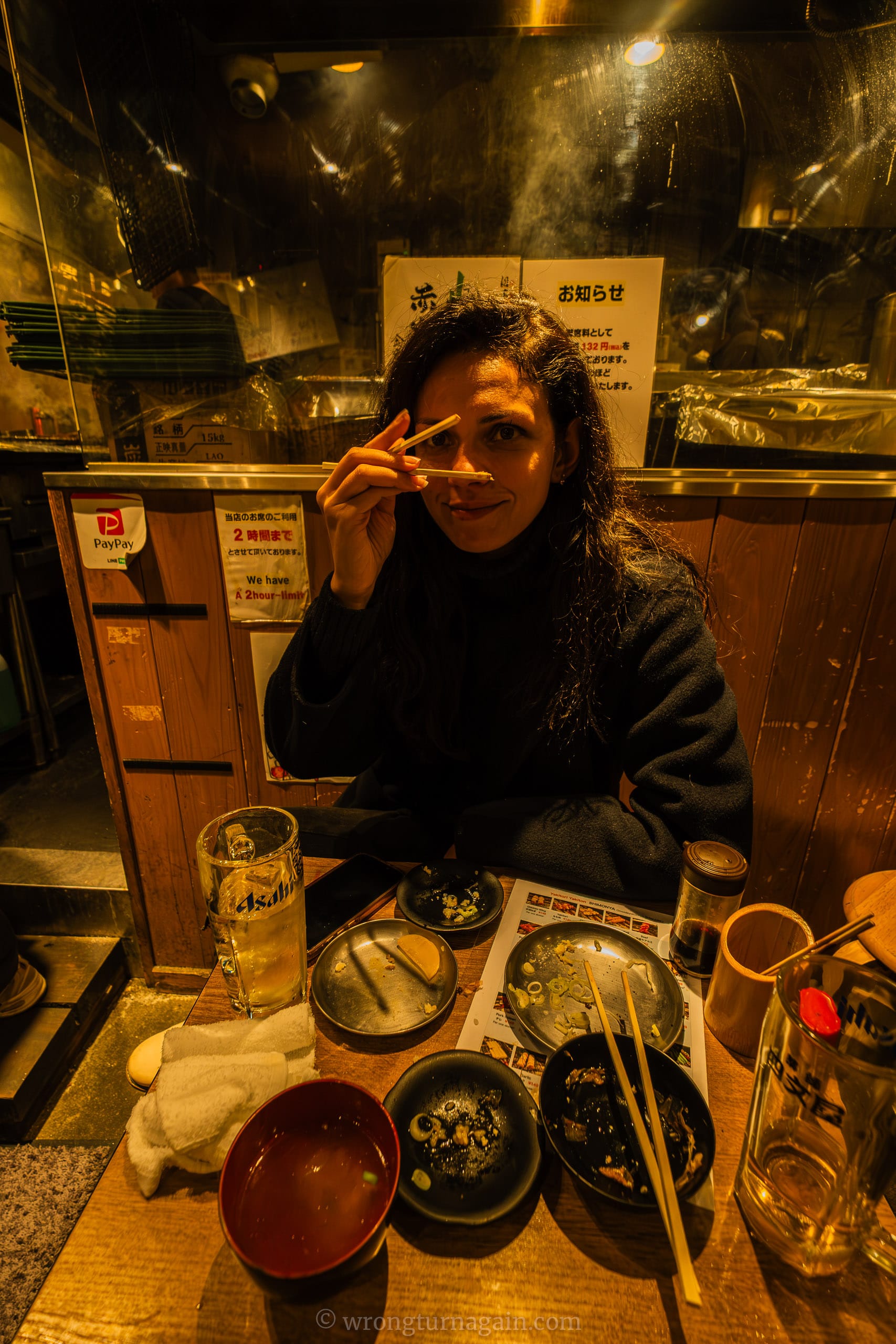
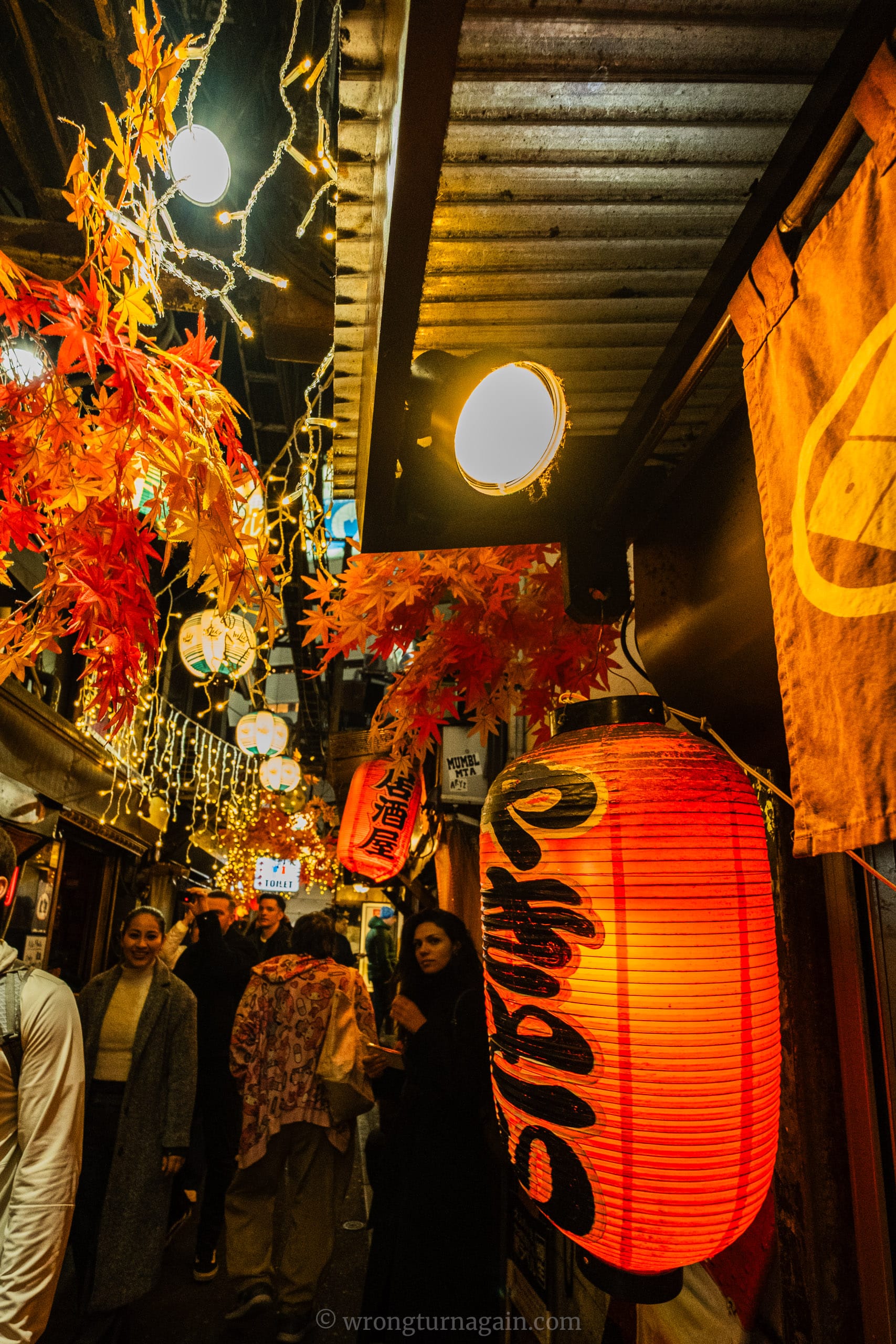
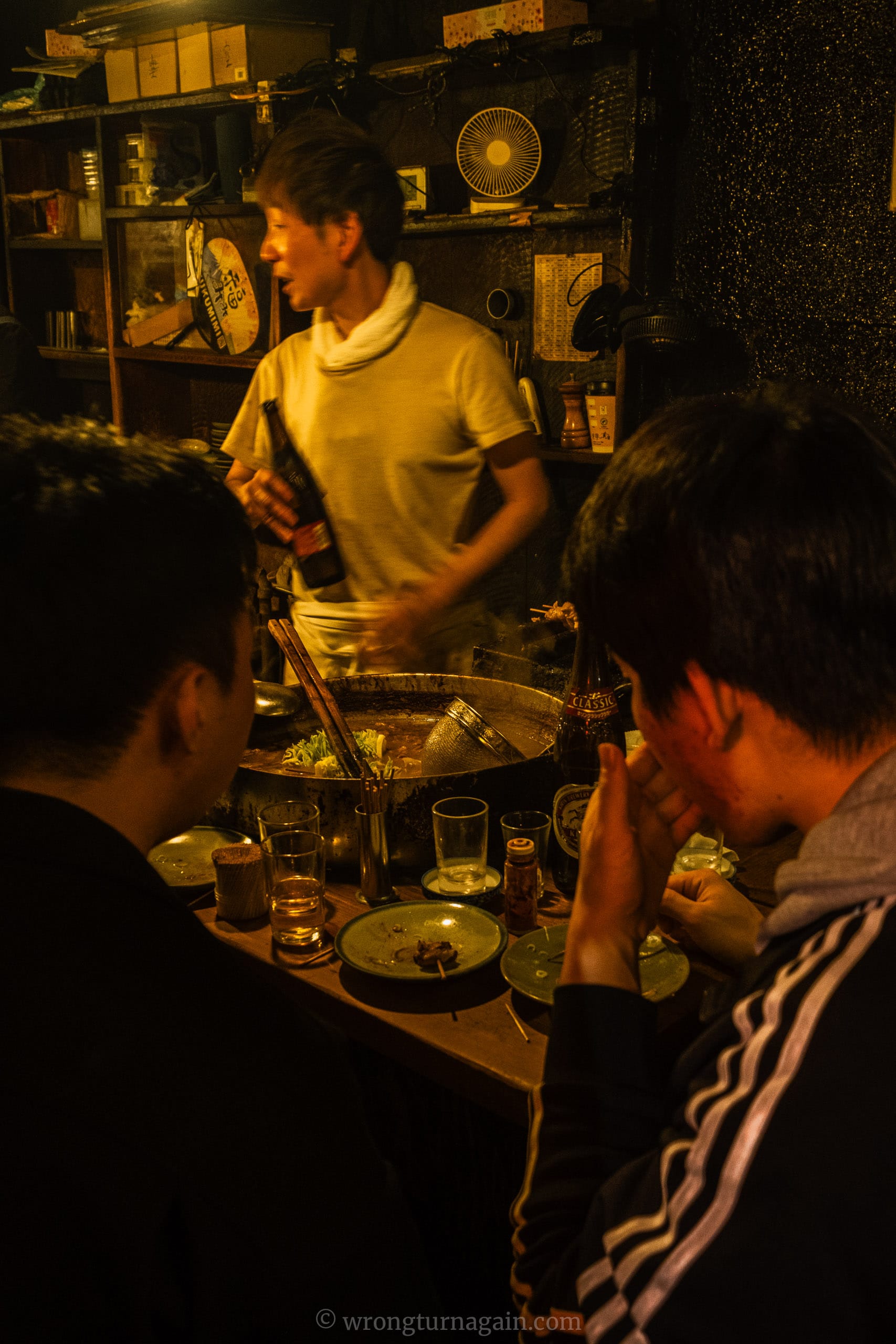
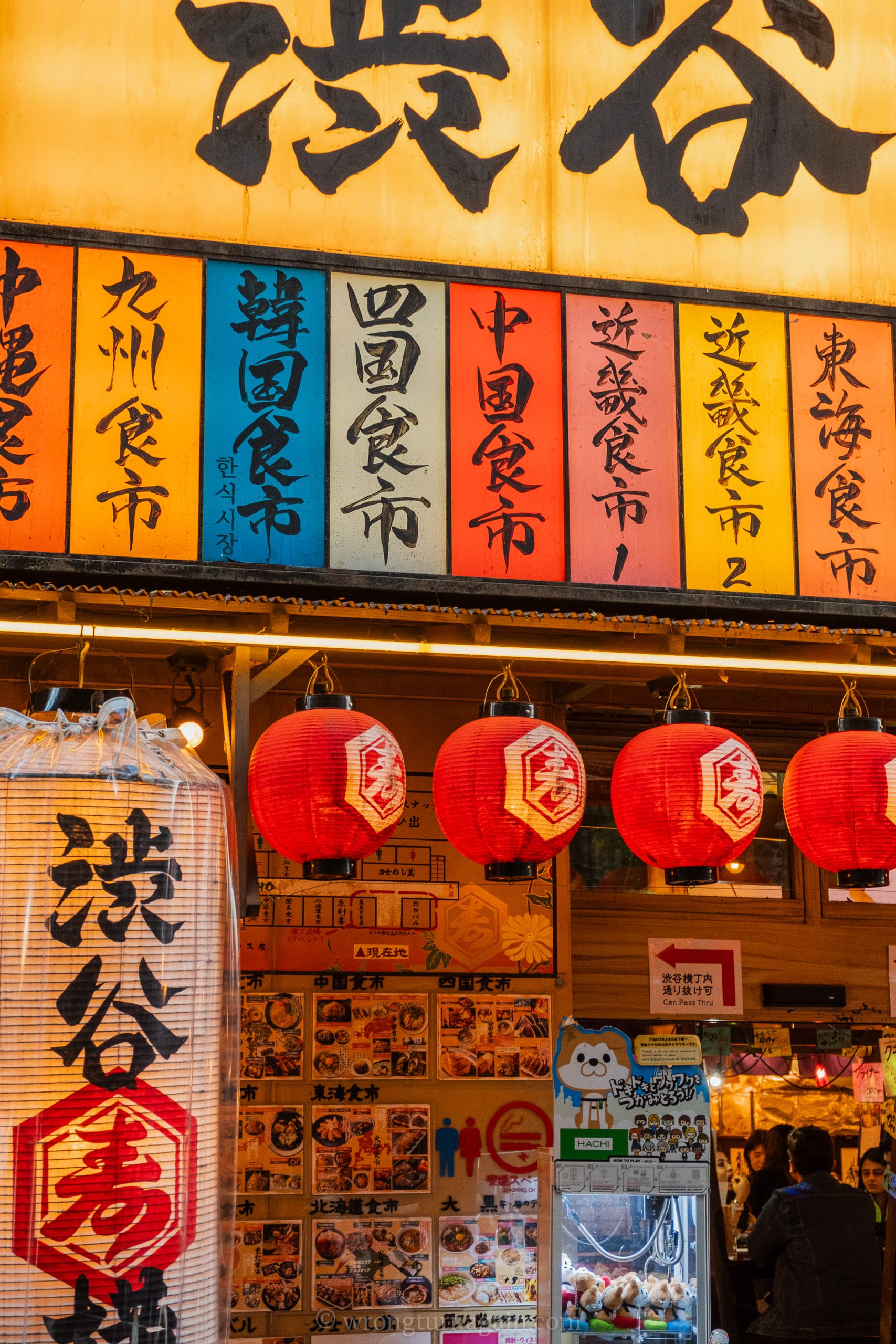
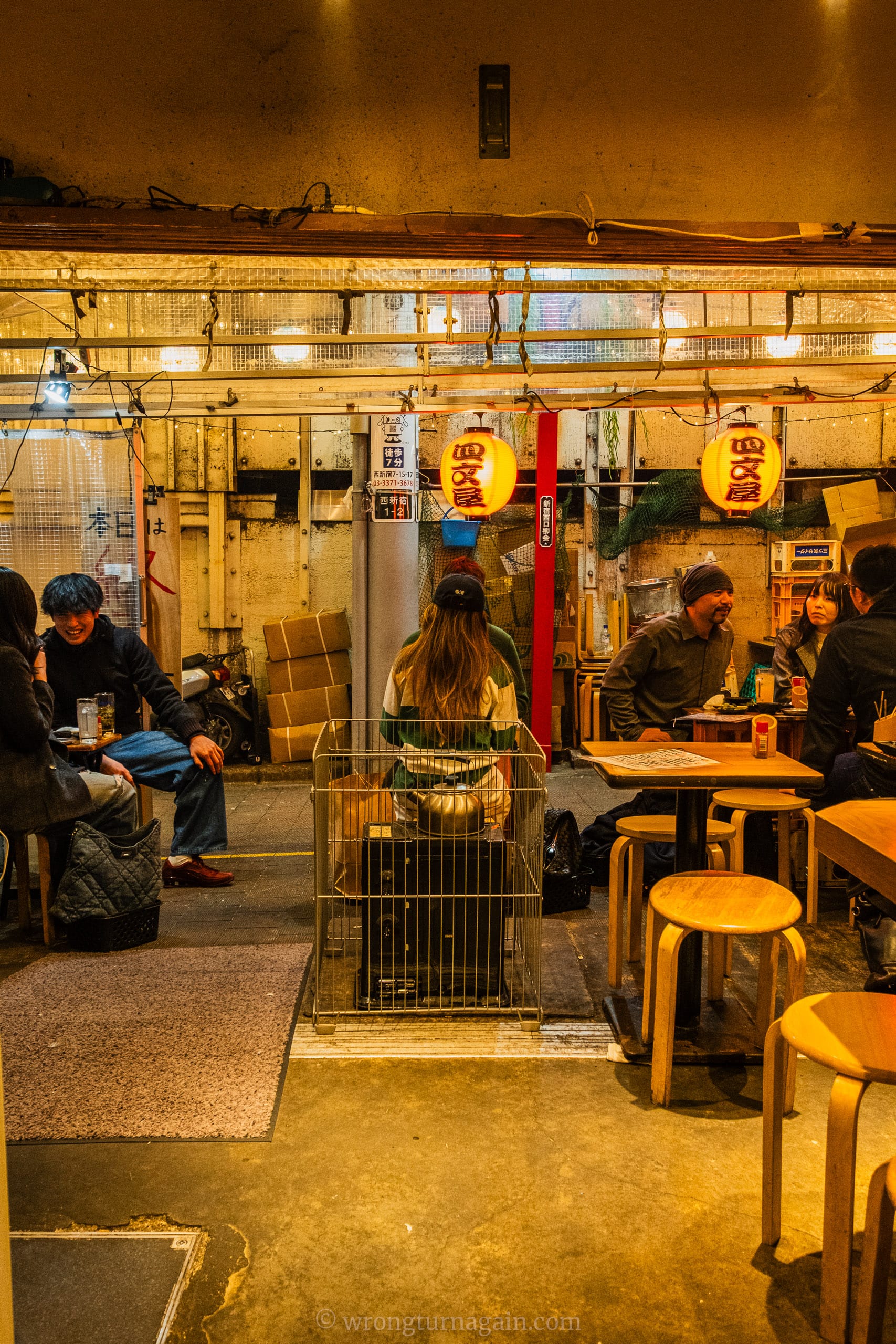
When the sun goes down, the neon-lit streets of Shinjuku offer a stark contrast to the city’s hidden, post-war alleyways. These narrow lanes, known as yokocho, are packed with tiny izakayas (Japanese pubs) that usually seat no more than six to eight people. Exploring them is the best way to experience Tokyo’s intimate, chaotic, and nostalgic nightlife.
Omoide Yokocho
Your first stop should be Omoide Yokocho (Memory Lane), a tight alley completely clouded in savory smoke. Dozens of small stalls here specialize in yakitori—skewers of grilled chicken and vegetables—served alongside cold beer and sake. You sit shoulder-to-shoulder with local salarymen, ordering mostly by pointing at whatever looks good on the grill.
Today it is officially known as Omoide Yokocho (Memory Lane), but it started as a post-WWII black market. Before public restrooms existed, patrons simply relieved themselves on the nearby train tracks, earning it the infamous nickname “Piss Alley” (Shomben Yokocho), a name locals still affectionately use today.
Golden Gai
Just a short walk away, deep in the neon-drenched entertainment district of Kabukicho, lies Golden Gai, an architectural marvel consisting of six narrow alleys crammed with over 200 microscopic bars. Each establishment has its own quirky theme, ranging from punk rock to vintage cinema or photography.
While Omoide Yokocho is primarily about the food, Golden Gai is all about the drinking culture and striking up conversations with the bartender and the person sitting inches away from you. Because these places are tiny, it is considered polite to have a drink or two and move on to the next bar to free up the seat for others.
Many bars in Golden Gai charge a seating fee (otoshi) ranging from ¥500 to ¥1,000, which usually includes a small snack. Look for English signs outside that clearly state “No Cover Charge” if you want to avoid it.
3. Meiji Shrine
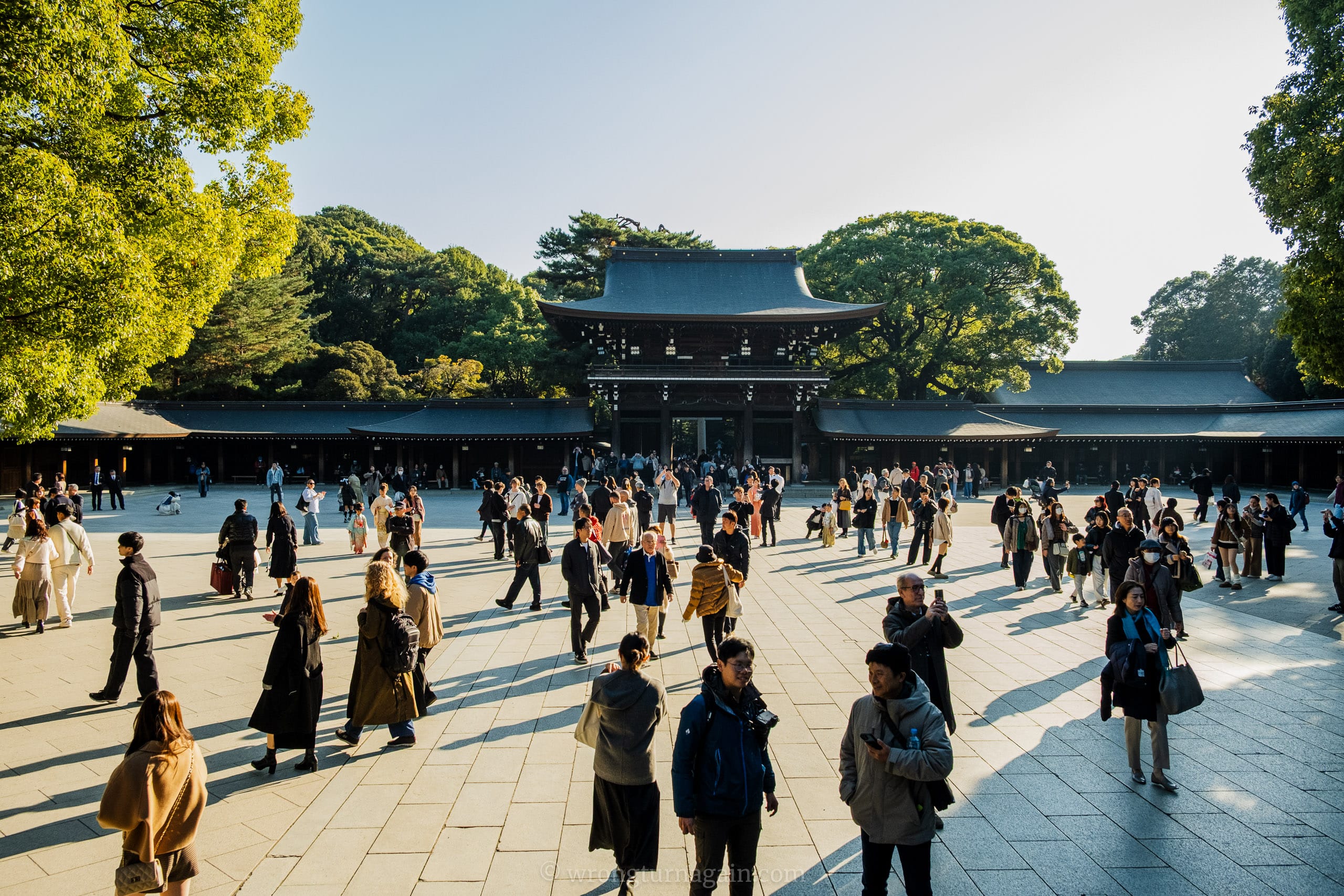
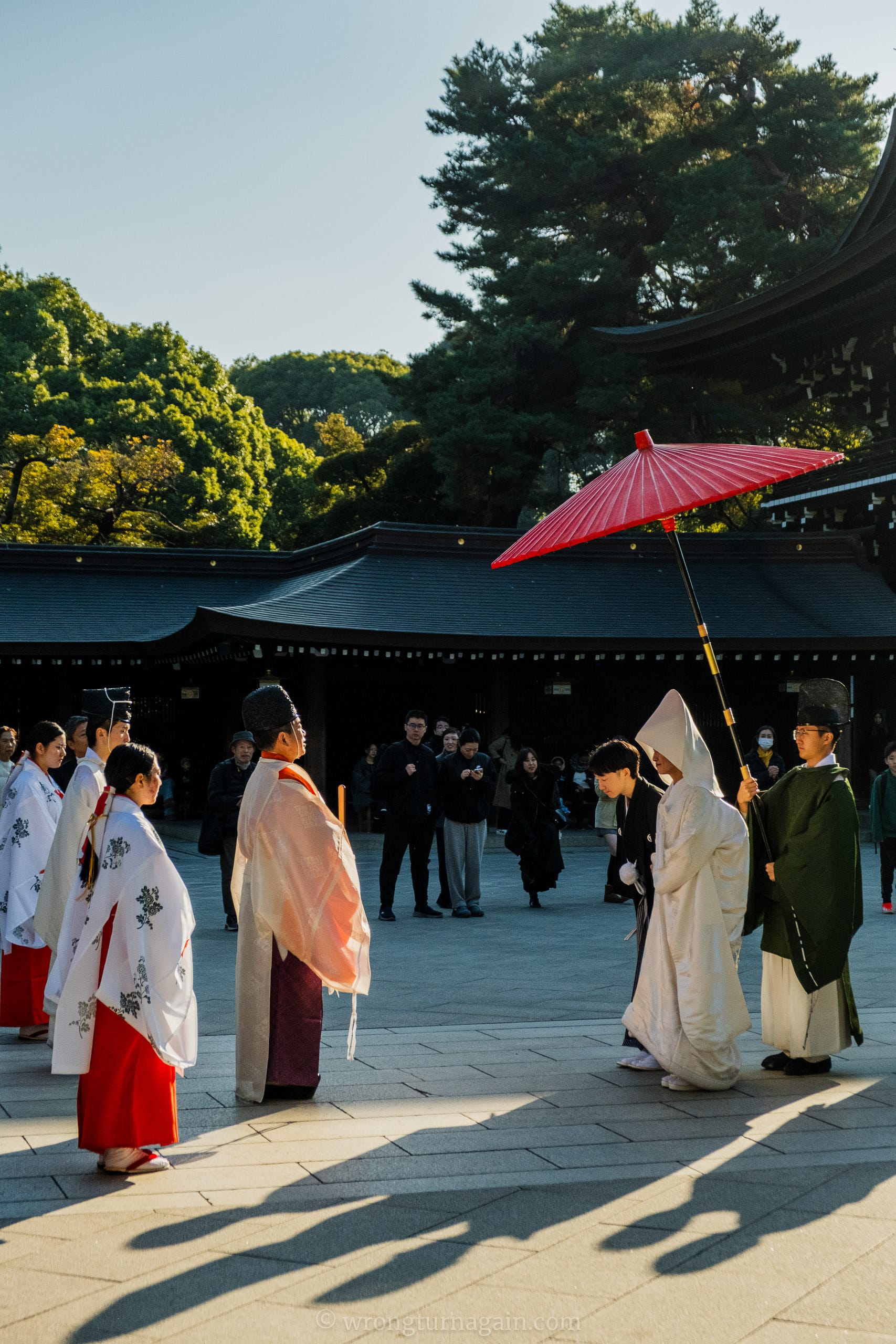
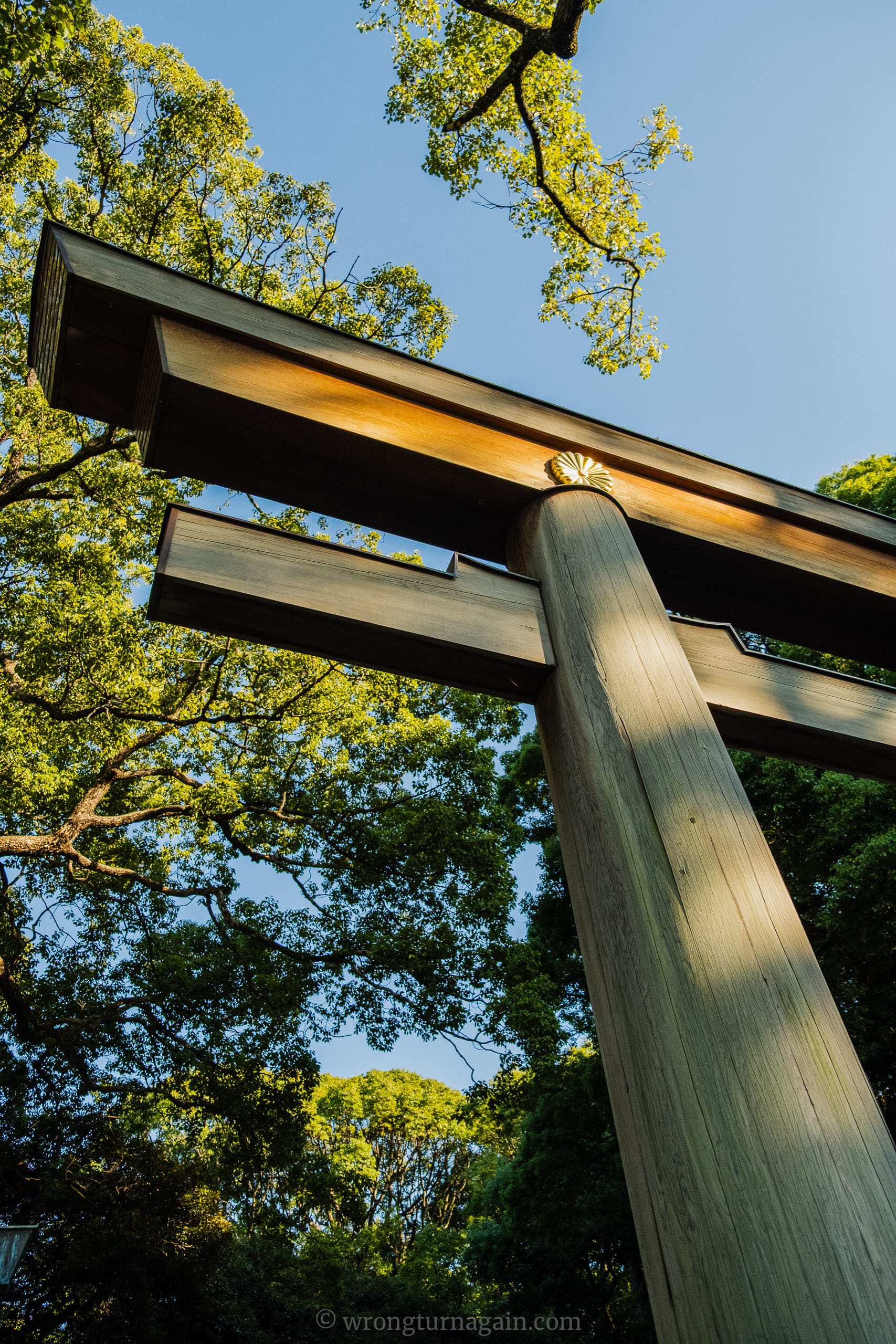
Stepping into the grounds of Meiji Shrine feels like leaving Tokyo entirely, even though it is located just a few steps away from the frantic, neon-lit energy of Harajuku Station. Dedicated to the deified spirits of Emperor Meiji and his consort, Empress Shoken, this Shinto shrine is enveloped by a massive, tranquil forest made up of 100,000 trees donated from all over Japan.
The experience begins the moment you pass under the towering wooden torii gate. A major photographic highlight along the approach is the impressive display of stacked sake barrels (kazaridaru) facing a row of French wine barrels, all offered in tribute to the deities. This unusual display is a nod to Emperor Meiji, who famously embraced Western culture and enjoyed European wine, leading the Burgundy region to donate these barrels in his honor.
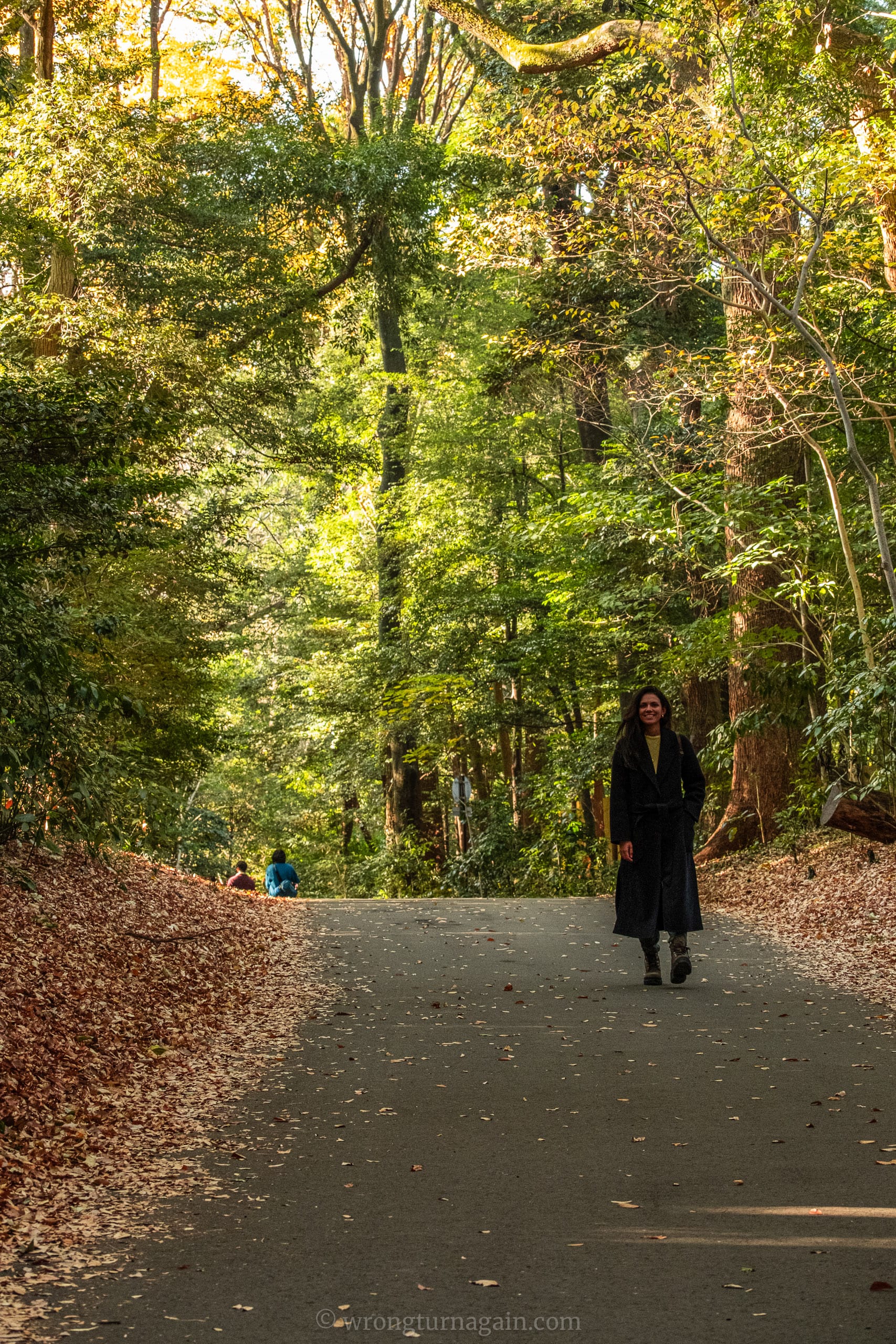
At the main complex buildings, you can observe traditional Shinto practices. You can toss a coin into the offering box, buy an ema (a small wooden plaque) to write down your wishes, or simply sit by the courtyard. If you visit on a weekend morning, there is a very high chance you will witness a traditional Shinto wedding procession walking through the grounds.
4. Harajuku & Takeshita Street
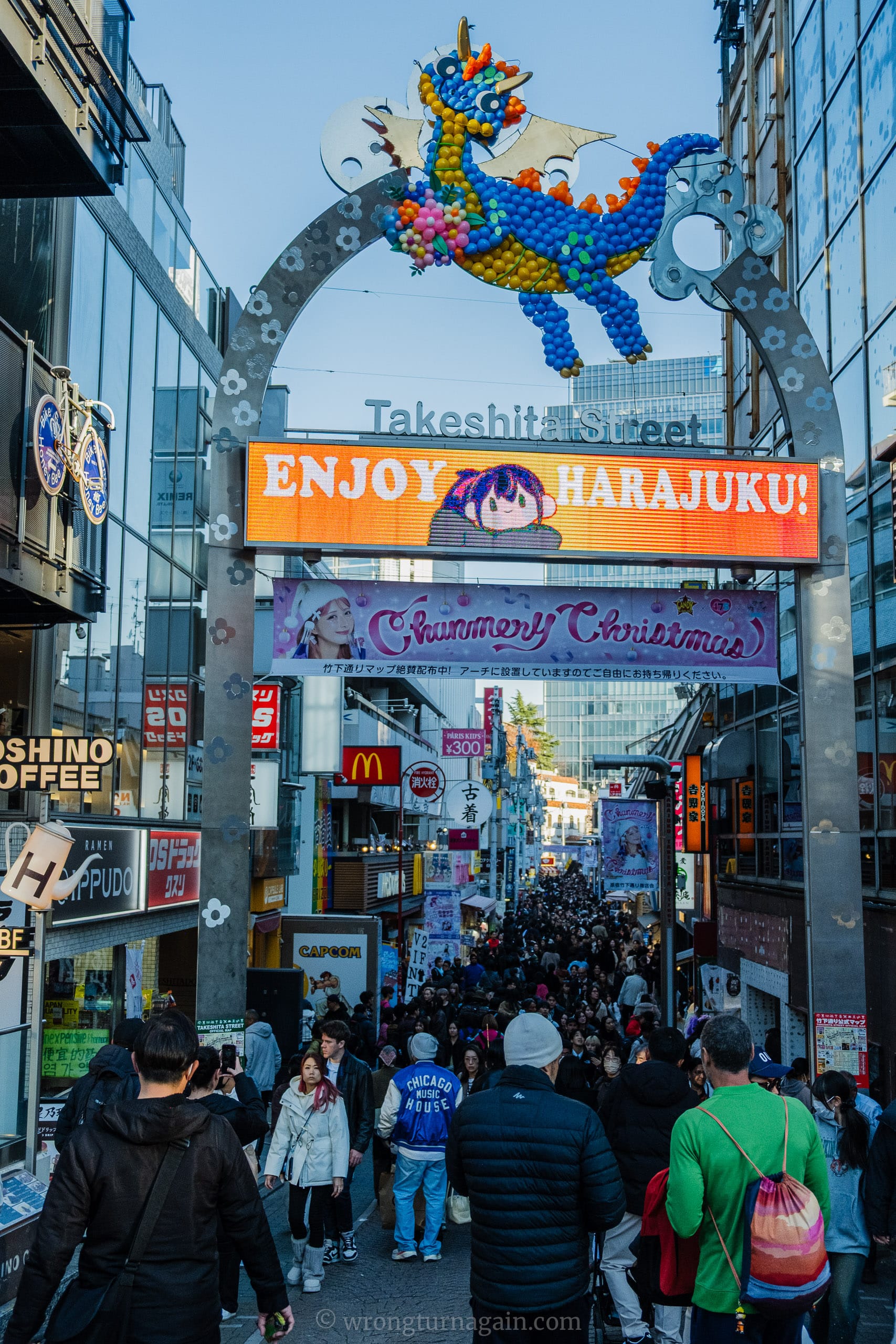
Just across the railway tracks from the peaceful Meiji Shrine forest lies Harajuku, the undisputed epicenter of Japan’s extreme youth culture and street fashion.
The main artery here is Takeshita Street (Takeshita-dori), a narrow pedestrian lane packed shoulder-to-shoulder with teenagers and tourists dressed in everything from pastel gothic Lolita to oversized vintage streetwear. Walking here is less about serious shopping and more about absorbing the energy of quirky boutiques, underground idol shops, and flashy purikura (photo sticker) booths.
Grabbing a massively overloaded crepe or a giant, rainbow-colored cotton candy is a Harajuku rite of passage. You’ve likely had tastier sweets elsewhere, but eating them here is all about the kawaii (cute) vibe!
If the neon sensory overload of the main street becomes too much, simply dive into the maze of backstreets known as Ura-Harajuku (Ura-Hara). This network of alleys is much quieter and serves as the real hub for Tokyo’s indie streetwear brands, high-quality thrift stores, and trendy third-wave coffee shops.
5. Shibuya Scramble Crossing
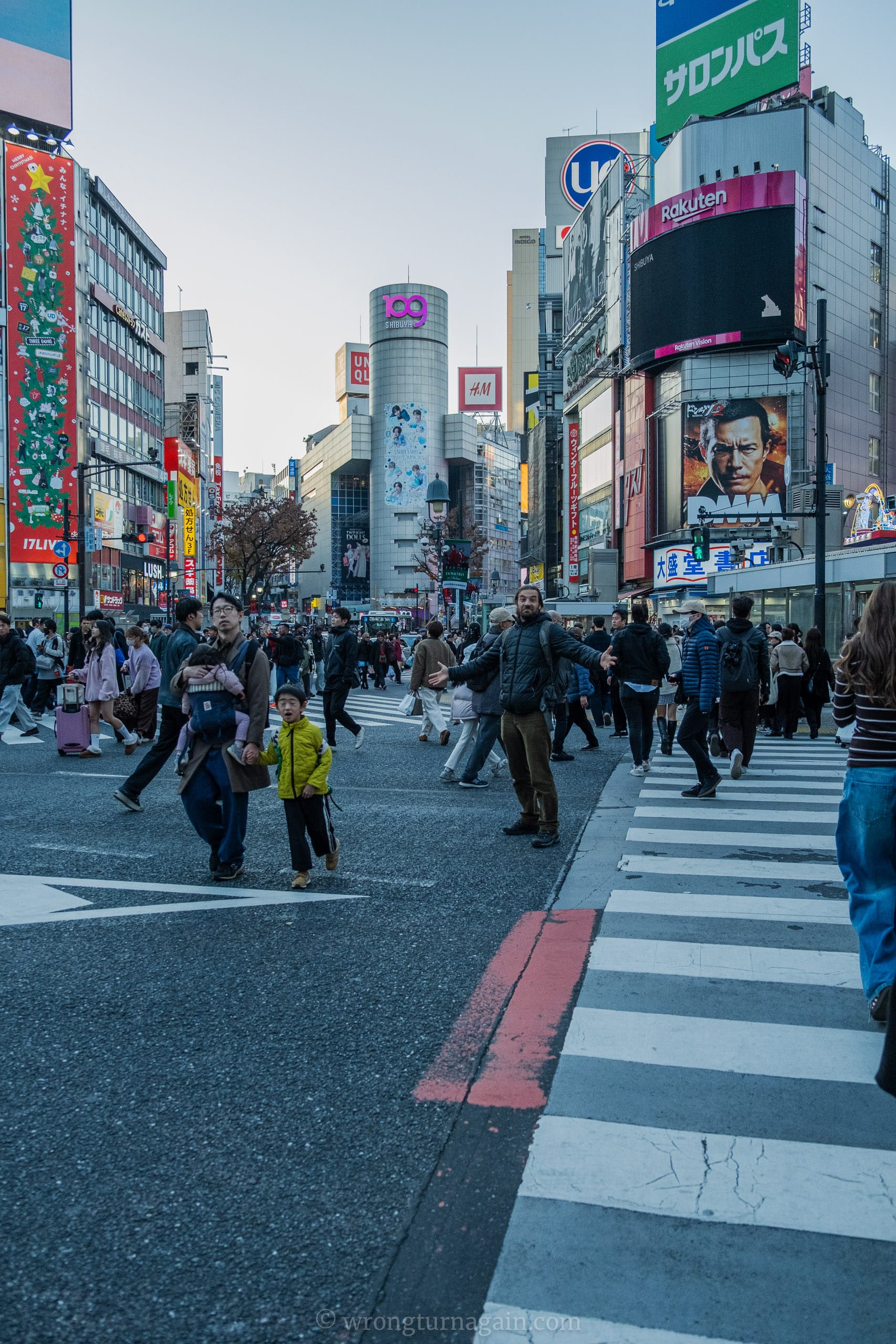
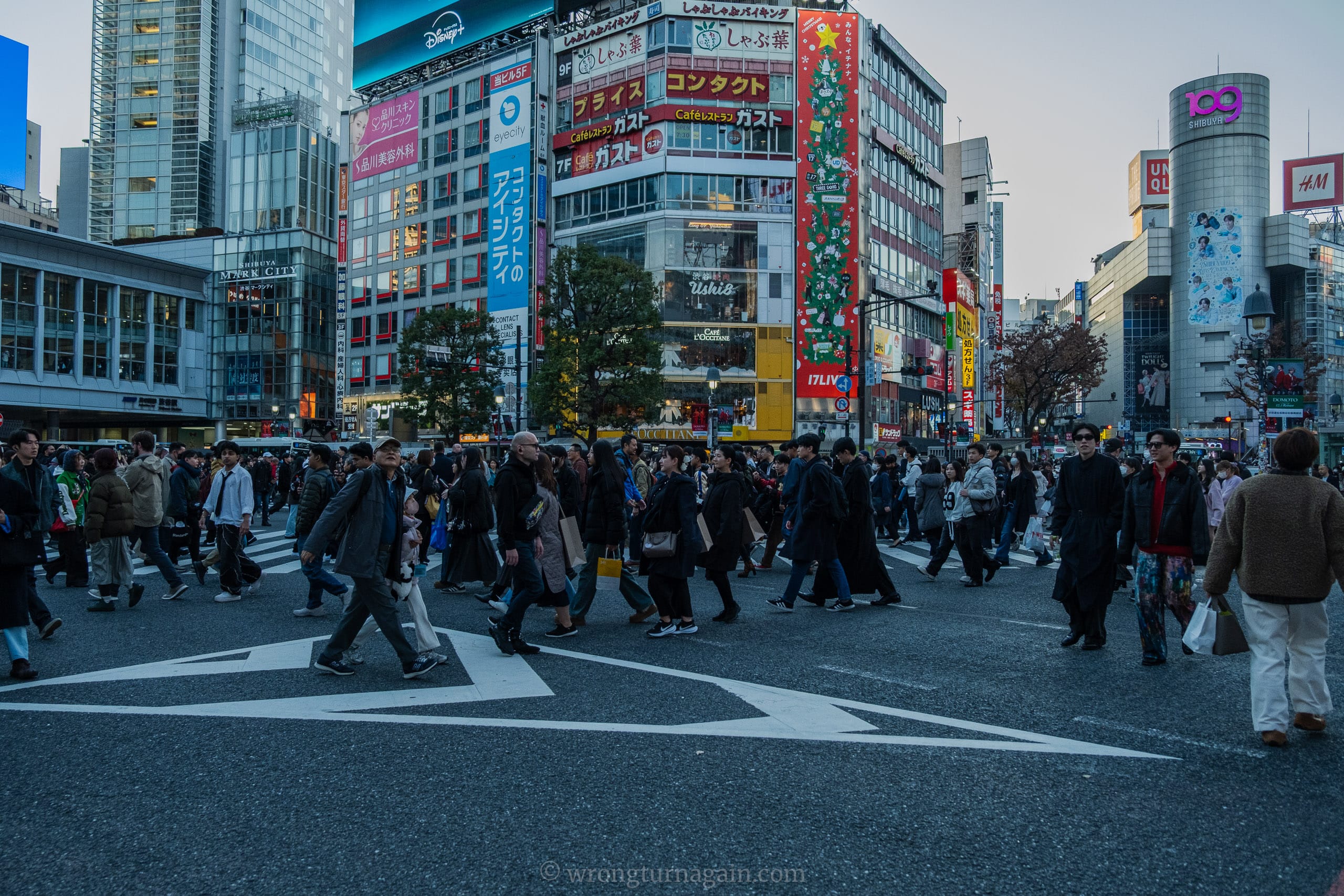
Just outside Shibuya Station lies the most famous intersection in the world. Every time the traffic lights turn red at this multi-directional crossing, up to 3,000 people step off the curbs simultaneously, weaving past each other in a mesmerizing display of organized chaos.
Crossing the street yourself is a mandatory Tokyo experience, but to truly appreciate the scale of the scramble, you need to see it from above. While the Starbucks directly across the street is the classic free viewing spot, it is almost always packed. For a better, unobstructed view, head to the Mag’s Park rooftop at the Magnet by Shibuya 109 building, or go much higher to the open-air Shibuya Sky observation deck.
Right between the station exit and the crossing, you will find the bronze statue of Hachiko, Japan’s famously loyal dog. It is Tokyo’s most popular meeting spot, so expect a small line if you want to snap a photo before hitting the crossing.
Hand-picked for Shibuya
6. Tokyo Imperial Palace (Kōkyo)
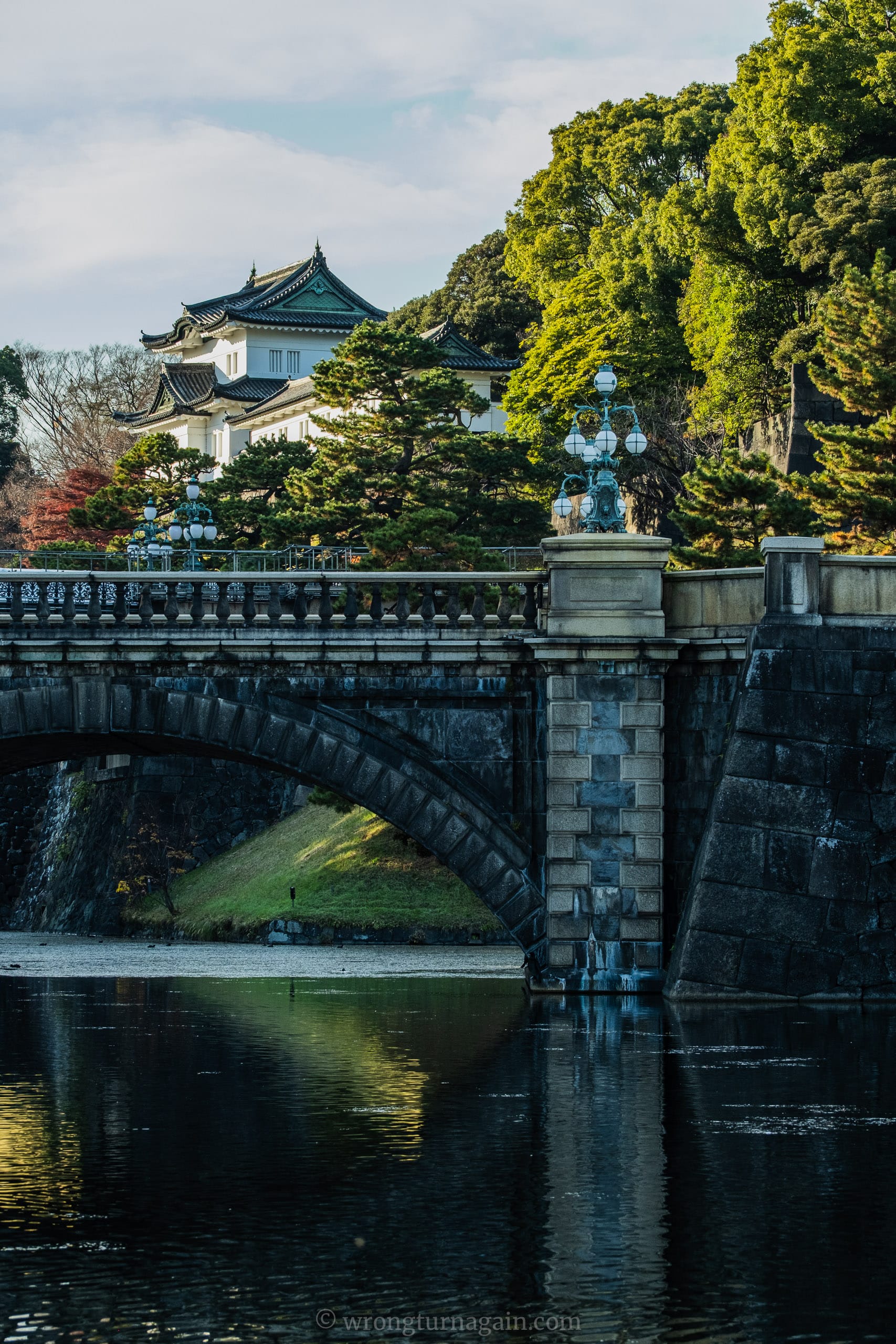
Built on the massive stone foundations of the former Edo Castle, the Imperial Palace (Kōkyo) is the primary residence of Japan’s Emperor. Surrounded by deep moats and thick defensive walls, the sprawling grounds offer a serene, historical contrast to the sleek skyscrapers of the neighboring Marunouchi district.
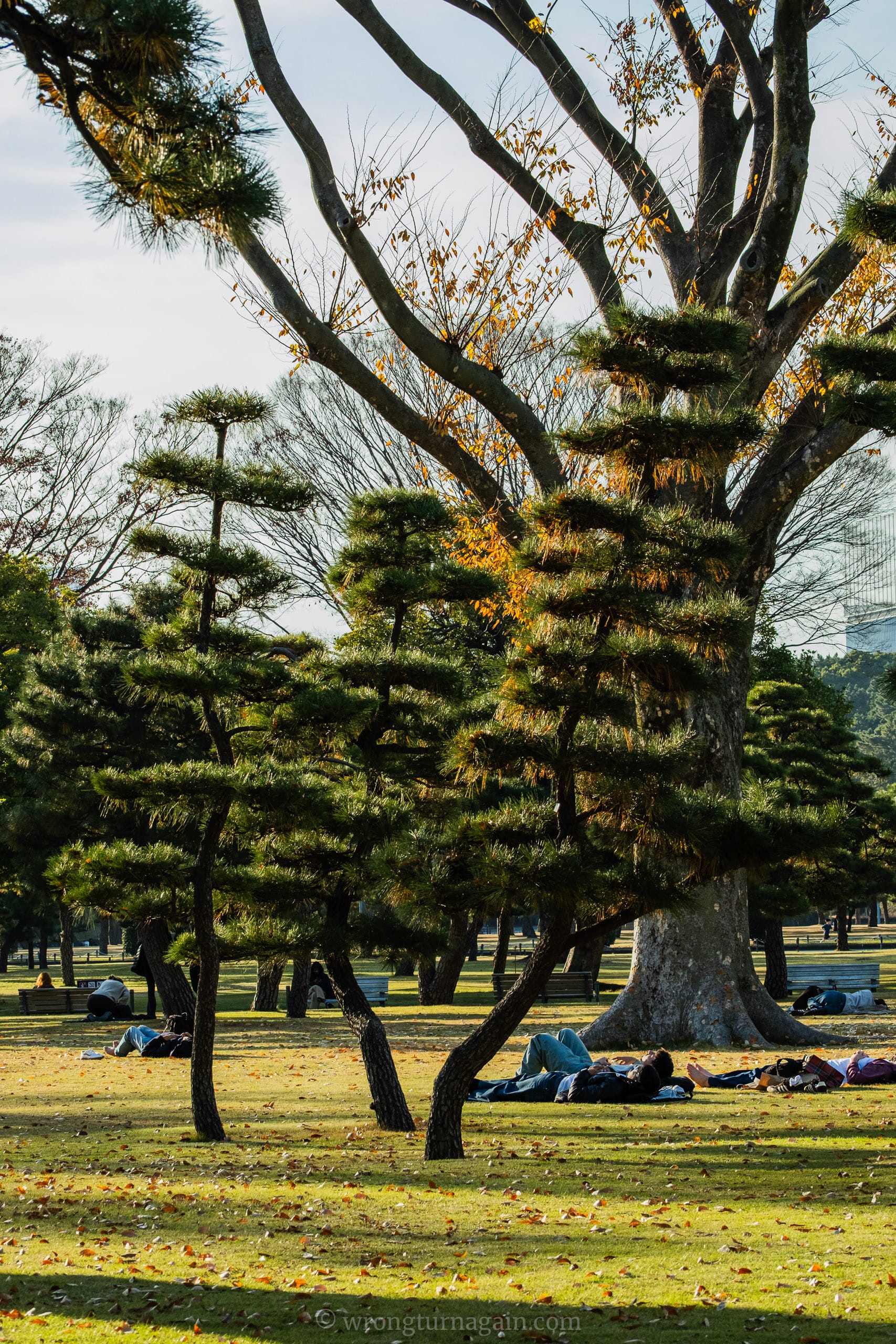
While the inner palace buildings are strictly closed to the public—unless you join a pre-booked official government tour—the Imperial Palace East Gardens are open to everyone. Here, you can wander through beautifully manicured traditional landscapes and climb the massive stone ruins of the original castle keep (Tenshudai).
Tip: Before you leave, make sure to walk down to the large Kokyo Gaien plaza to snap a photo of the iconic Nijubashi, a pair of elegant bridges forming the main entrance to the inner grounds.
*Note: The gardens are closed on Mondays and Fridays.
7. Akihabara Electric Town
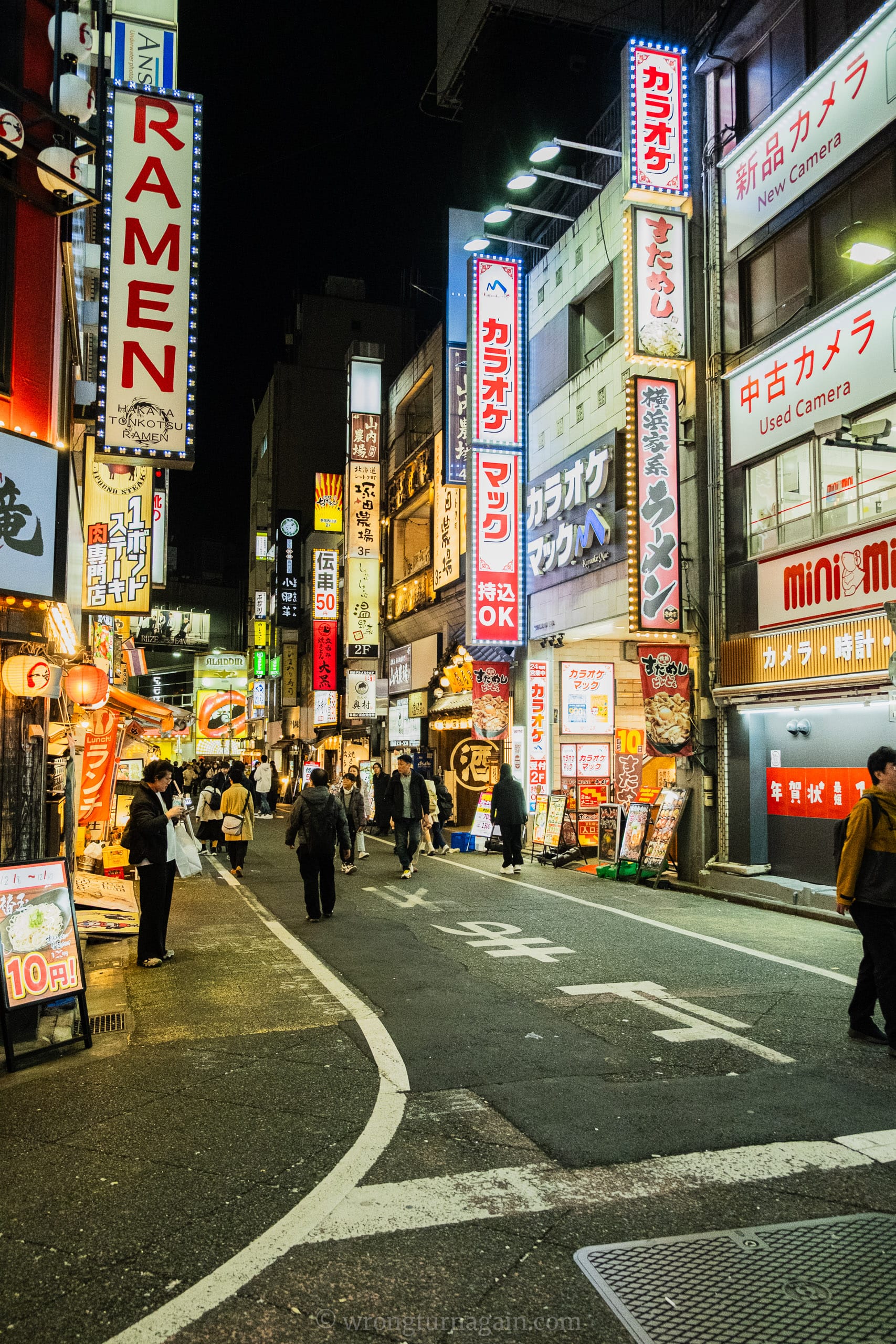
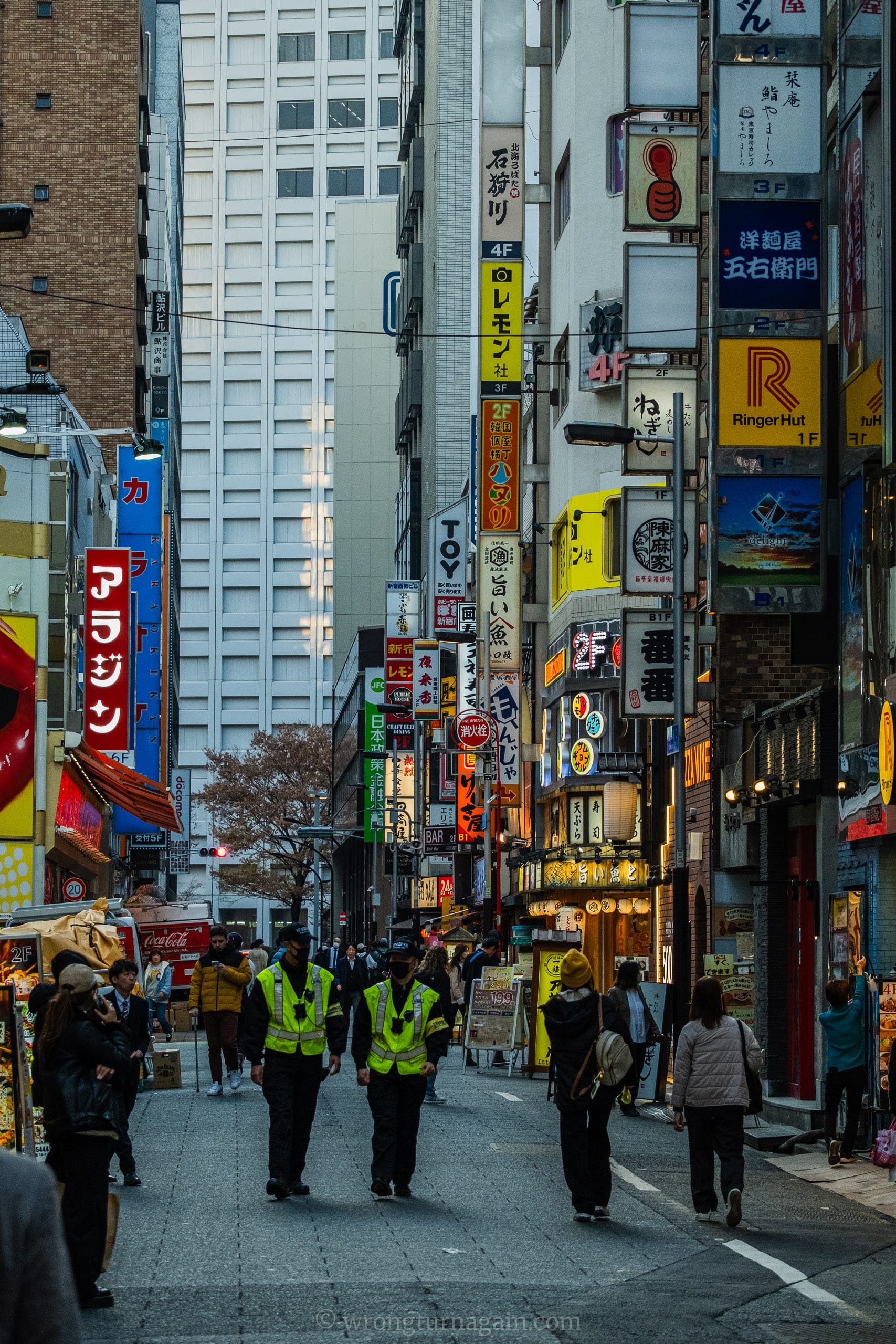
Stepping out of Akihabara Station feels like walking into a massive, neon-lit arcade. Known as “Electric Town,” this district is the undisputed center of Japan’s otaku (geek) culture, dedicated entirely to anime, manga, electronics, and video games. The sensory overload here is real, with giant anime billboards, flashing screens, and J-pop music blasting from store entrances.
You do not need to be a hardcore gamer to appreciate the madness. A mandatory stop is Super Potato, a multi-floor retro gaming store packed with vintage consoles, rare game cartridges, and a classic arcade on the top floor. For modern gadgets, thousands of capsule toys (gachapon), and pop-culture memorabilia, head to the massive Yodobashi Camera complex or explore the intricate, chaotic floors of Radio Kaikan.
Note: If you exceed your home country’s duty-free allowance, you may owe VAT at customs upon return. — Official Tax-Free Guide
8. Shimokitazawa Neighborhood
Just a short train ride from the neon madness of Shinjuku and Shibuya, Shimokitazawa (affectionately called Shimokita) offers a completely different pace. It is Tokyo’s bohemian hub, characterized by narrow, car-free streets, indie music venues, and a famously laid-back, creative atmosphere.
This neighborhood is the undisputed thrift shopping capital of Japan. You can spend hours digging through highly curated vintage clothing at iconic stores like Flamingo or New York Joe Exchange—the latter being famously housed inside a converted traditional bathhouse.
Beyond fashion, Shimokita is a paradise for vinyl collectors, packed with independent record shops and cozy third-wave coffee stands tucked into quiet residential alleys. Recently, modern open-air community spaces like Reload and Bonus Track have added stylish eateries, breweries, and pop-up shops to the mix.
9. Senso-ji Temple
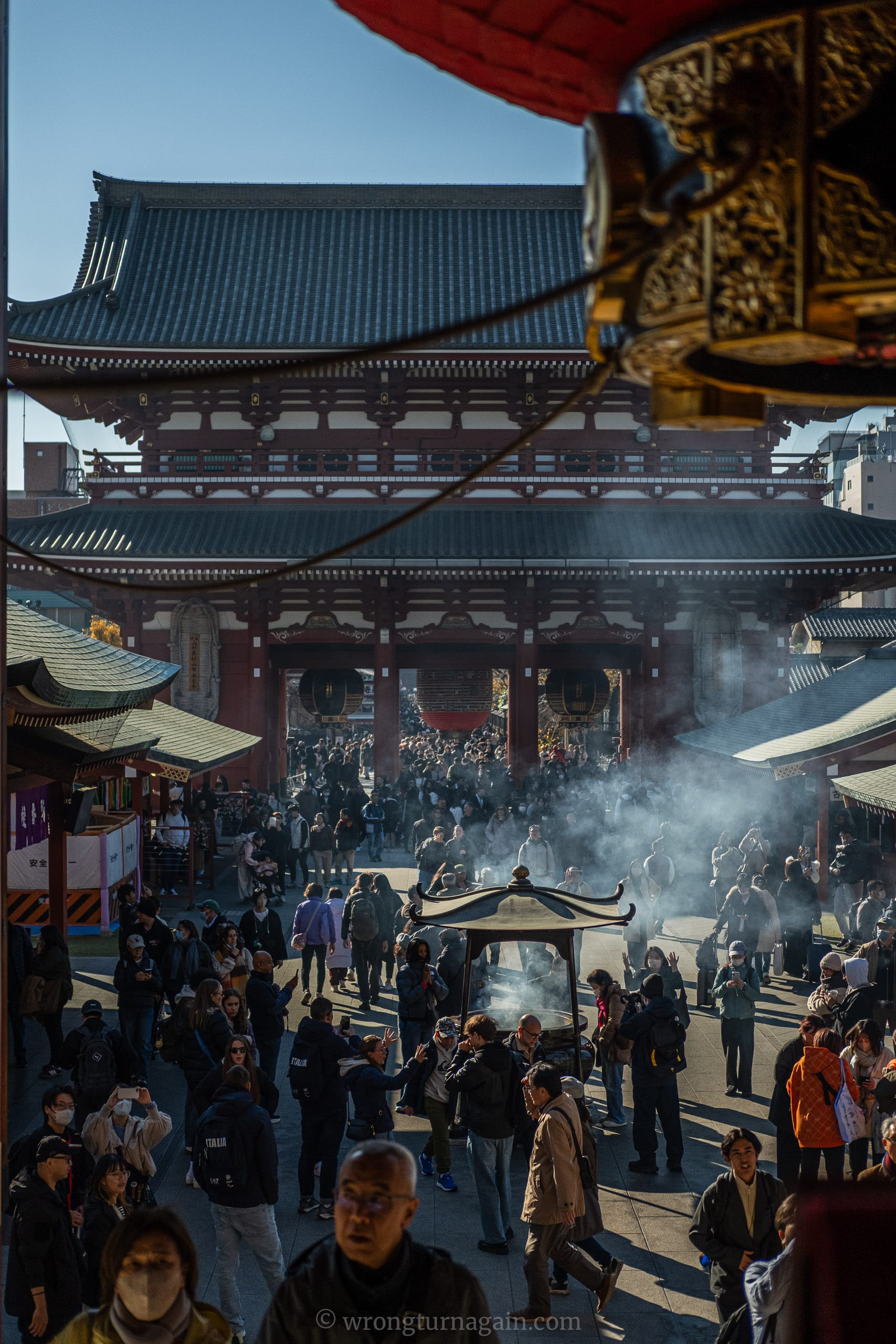
Located in the historic Asakusa district, Senso-ji is Tokyo’s oldest and most significant Buddhist temple. The approach to the complex is just as famous as the temple itself. It begins at the iconic Kaminarimon (Thunder Gate), immediately recognizable by its massive red paper lantern flanked by statues of two fearsome gods.
Passing through the gate, you step onto Nakamise-dori, a 250-meter-long shopping street that has been serving temple visitors for centuries. It is packed with stalls selling traditional souvenirs, folding fans, and local street food. This is the perfect place to try freshly baked ningyo-yaki (small cakes filled with sweet red bean paste) or savory senbei (rice crackers).
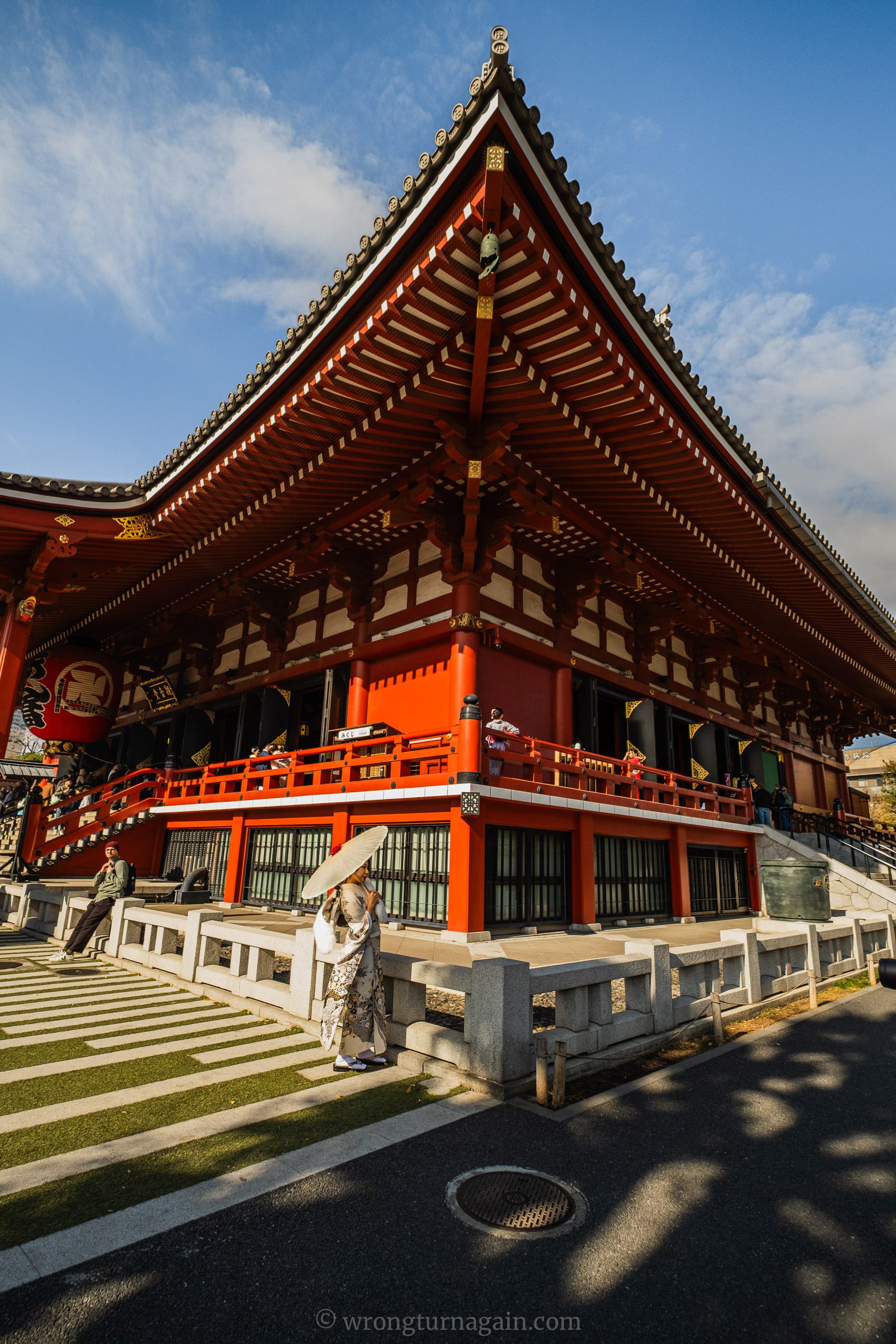
At the end of the shopping street, the main temple complex opens up. Here is what you should not miss:
- The Jokoro (Incense Cauldron): Located right in front of the main hall. You will see locals wafting the incense smoke over their bodies, as it is believed to have healing properties.
- The Main Hall (Hondo): Walk up the steps, toss a coin into the offering box, bow slightly, and pay your respects.
- The Five-Story Pagoda: Sitting to the left of the main hall, this towering structure is one of the classic photographic symbols of old Tokyo.
10. Tokyo Skytree
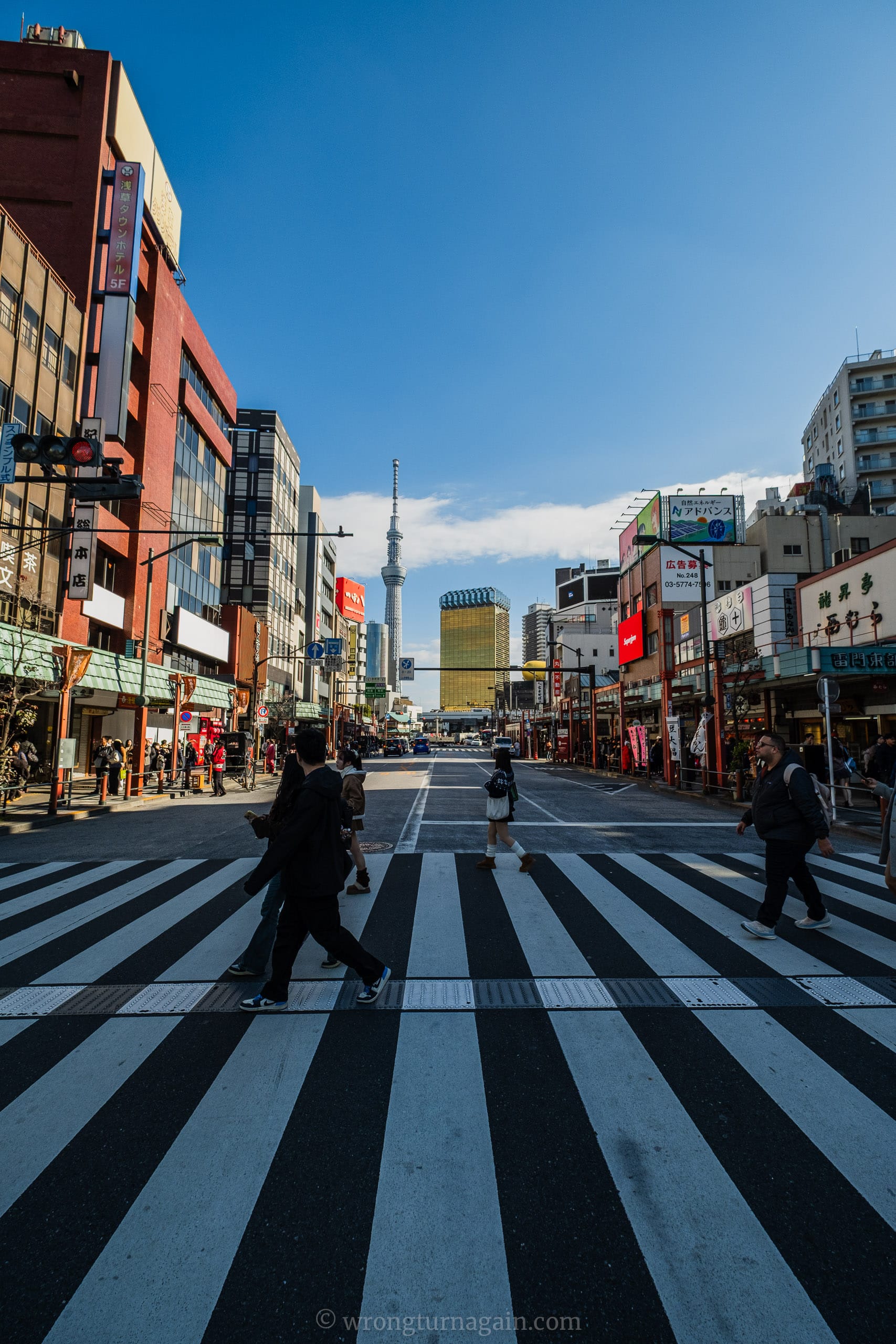
Rising 634 meters above the city, the Tokyo Skytree is the tallest structure in Japan. It completely dominates the skyline just across the river from Asakusa. The tower features two main observation levels: theTembo Deck at 350 meters, which includes a thrilling glass-floor section, and the upper Tembo Galleria at 450 meters, featuring a sloped spiral walkway. At the base of the tower, you will find Tokyo Solamachi, a massive shopping and entertainment complex with over 300 stores.
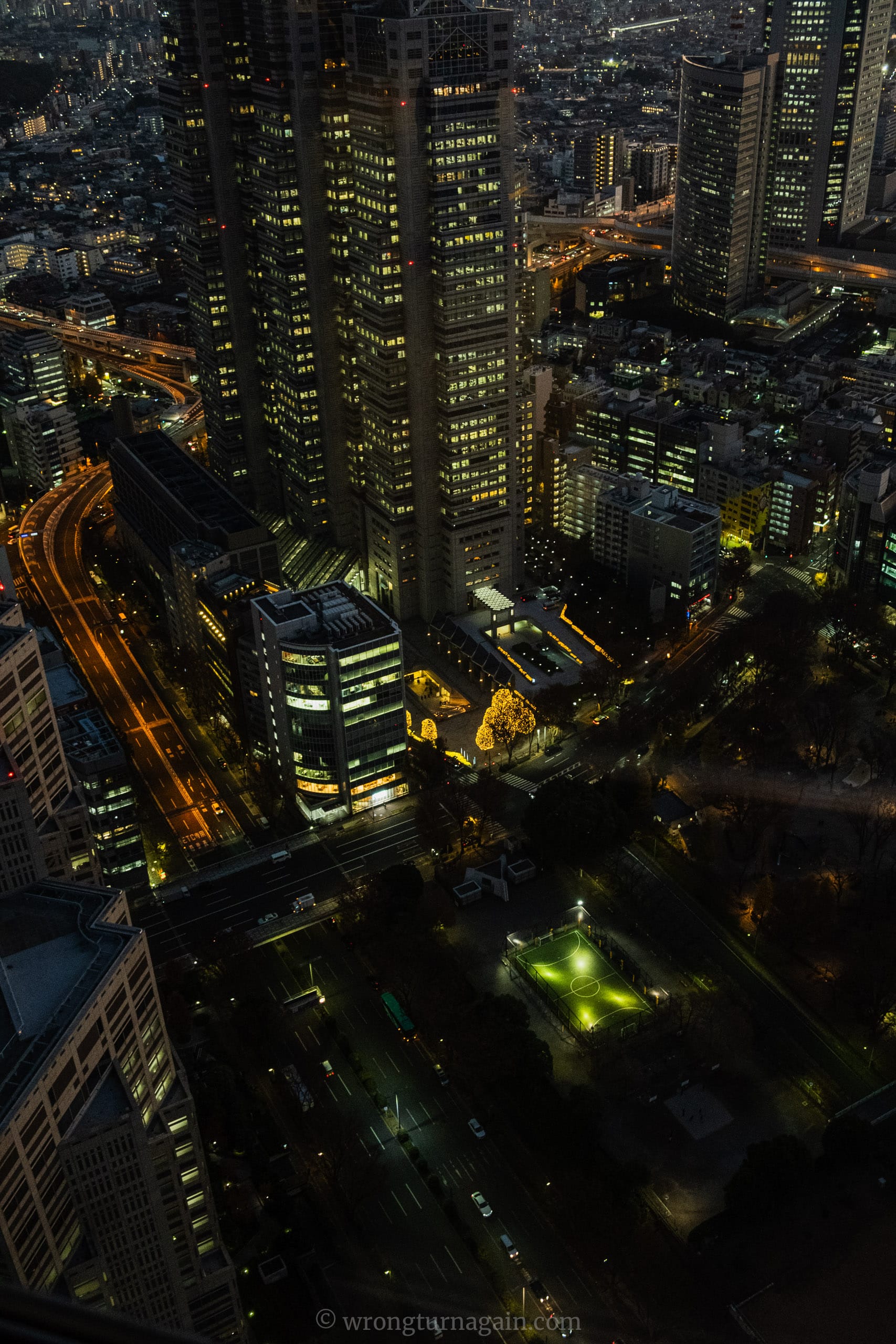
Alternative Observation Decks
While the Skytree offers unmatched height, it can be expensive and crowded. Depending on your itinerary and budget, consider these excellent alternatives for panoramic city views:
11. teamLab Planets
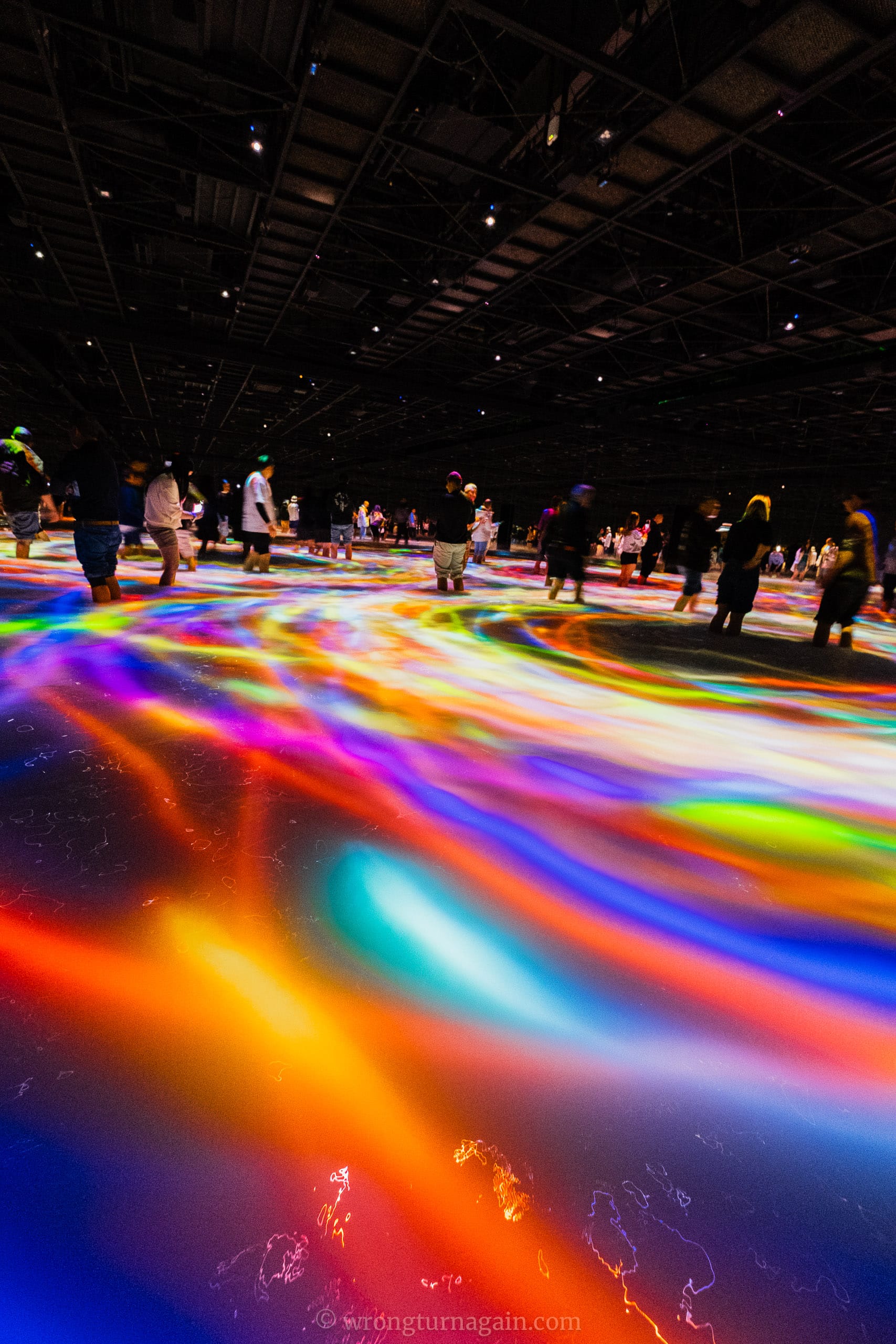
Located in the Tokyo Bay area, teamLab Planets is a massive, “body immersive” digital art museum. Unlike traditional galleries, you experience this entire museum barefoot. The artworks here are not just visual; they respond to your physical presence and touch, creating a constantly changing environment.
The route takes you through several distinct installations. Highlights include wading knee-deep through a pool of interactive digital koi fish, navigating a completely mirrored room filled with endless hanging LED lights (The Infinite Crystal Universe), and walking into a space filled with thousands of real, floating orchids that move as you approach them.
Tip: Because you will walk through knee-deep water and over mirrored floors that reflect straight up, it is highly recommended to wear pants that roll up easily. Avoid skirts or dresses, though free wrap skirts are provided if needed.

Tokyo DisneySea
Entirely unique to Japan, Tokyo DisneySea features incredibly detailed, immersive environments—including Venetian canals, a massive erupting volcano, and retro-futuristic steampunk harbors—alongside thrilling rides. Located along the Tokyo Bay coast just a 20-minute train ride away, it pairs perfectly with teamLab Planets. An efficient, albeit exhausting, itinerary is to spend your day exploring the theme park before hitting the digital art museum for a late-evening slot.

12. Day Trips from Tokyo
If your Tokyo itinerary extends beyond three days, escaping the concrete jungle for a day trip is highly recommended. The highly efficient rail network makes it incredibly easy to experience Japan’s deep natural landscapes and ancient history, which is perfect if you do not have the time in your schedule for dedicated overnight stays in these regions.
Kamakura
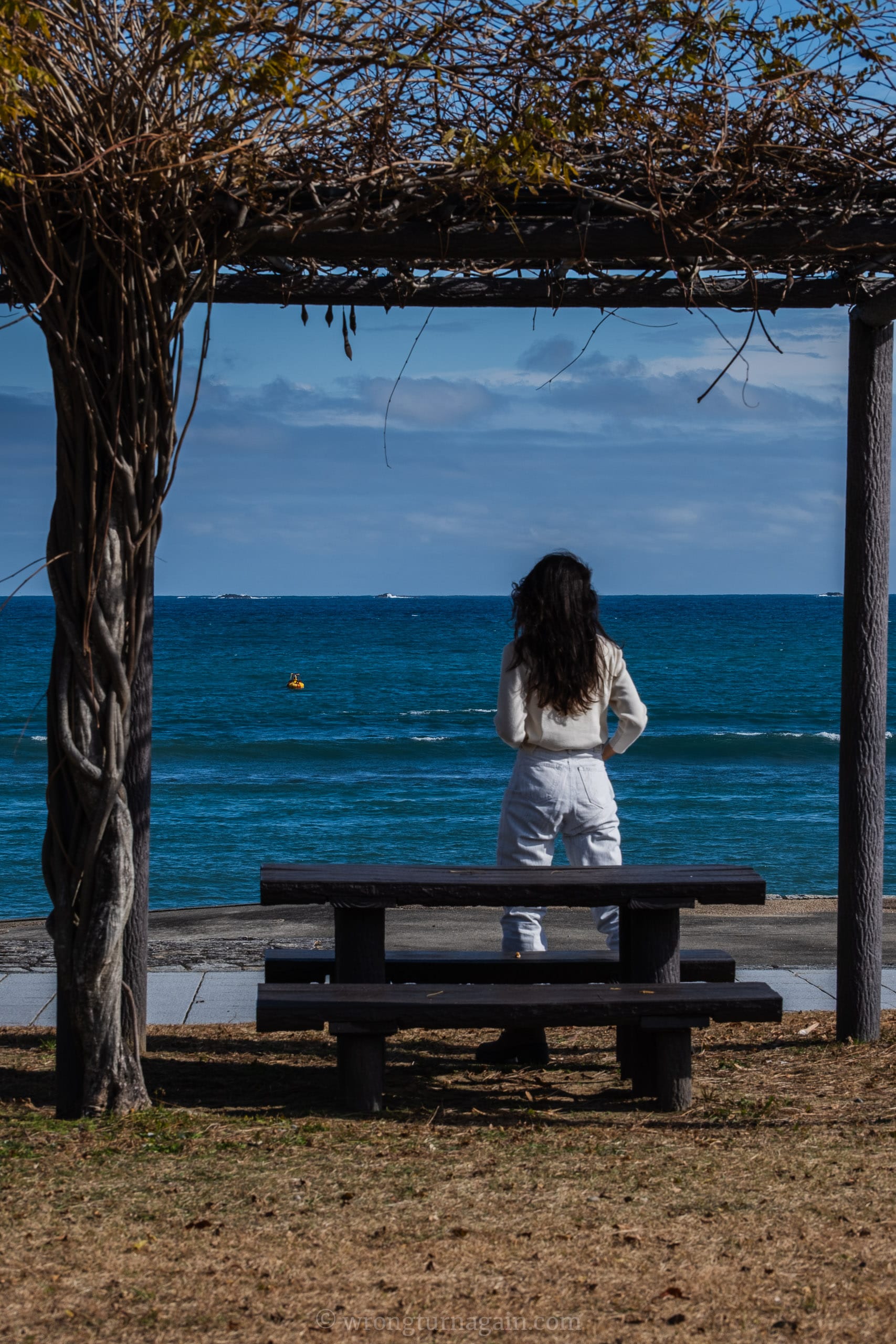
Often called the “Kyoto of Eastern Japan,” Kamakura is a coastal town packed with historic temples and shrines, located just an hour south of Tokyo.
Stand in awe of the massive bronze Great Buddha (Daibutsu) at Kotoku-in Temple, walk through the serene bamboo grove at Hokokuji, and stroll the bustling Komachi-dori shopping street before finishing your day watching the sunset on the nearby island of Enoshima.

Mount Fuji
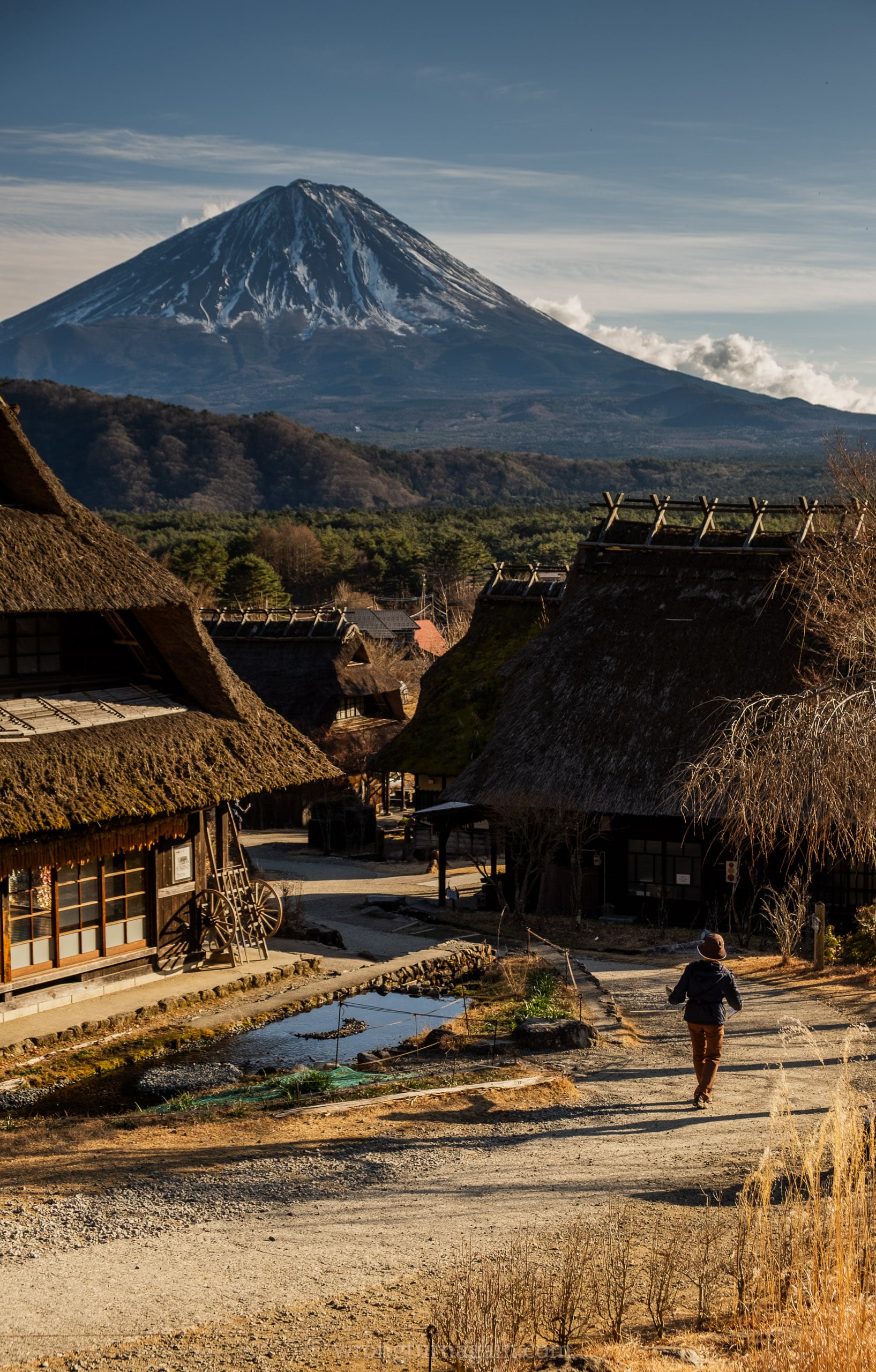
You cannot visit Japan without seeing its most iconic peak, but choosing where to go is crucial. If your absolute main goal is to get the closest, most unobstructed postcard views of the mountain, head to the Fuji Five Lakes region (specifically Lake Kawaguchiko) and the famous Chureito Pagoda.
Alternatively, if you want a more well-rounded traditional getaway, head to Hakone. While the mountain views from Hakone are further away (and often shy behind clouds), it makes up for it with world-class hot springs (onsen), a scenic boat cruise across Lake Ashi, and the bubbling volcanic vents of Owakudani.

Planning a wider trip? Check out our detailed guide on The Best Things to Do Around Mount Fuji.
Nikko
Located in the mountains two hours north of Tokyo, Nikko is a UNESCO World Heritage site blending lavish architecture with stunning alpine nature.
Explore the extravagantly decorated Toshogu Shrine (the mausoleum of Tokugawa Ieyasu) and then take a bus up the winding mountain roads to see the dramatic 97-meter Kegon Falls and the peaceful shores of Lake Chuzenji.
Hand-picked for this route
Jigokudani Snow Monkey Park
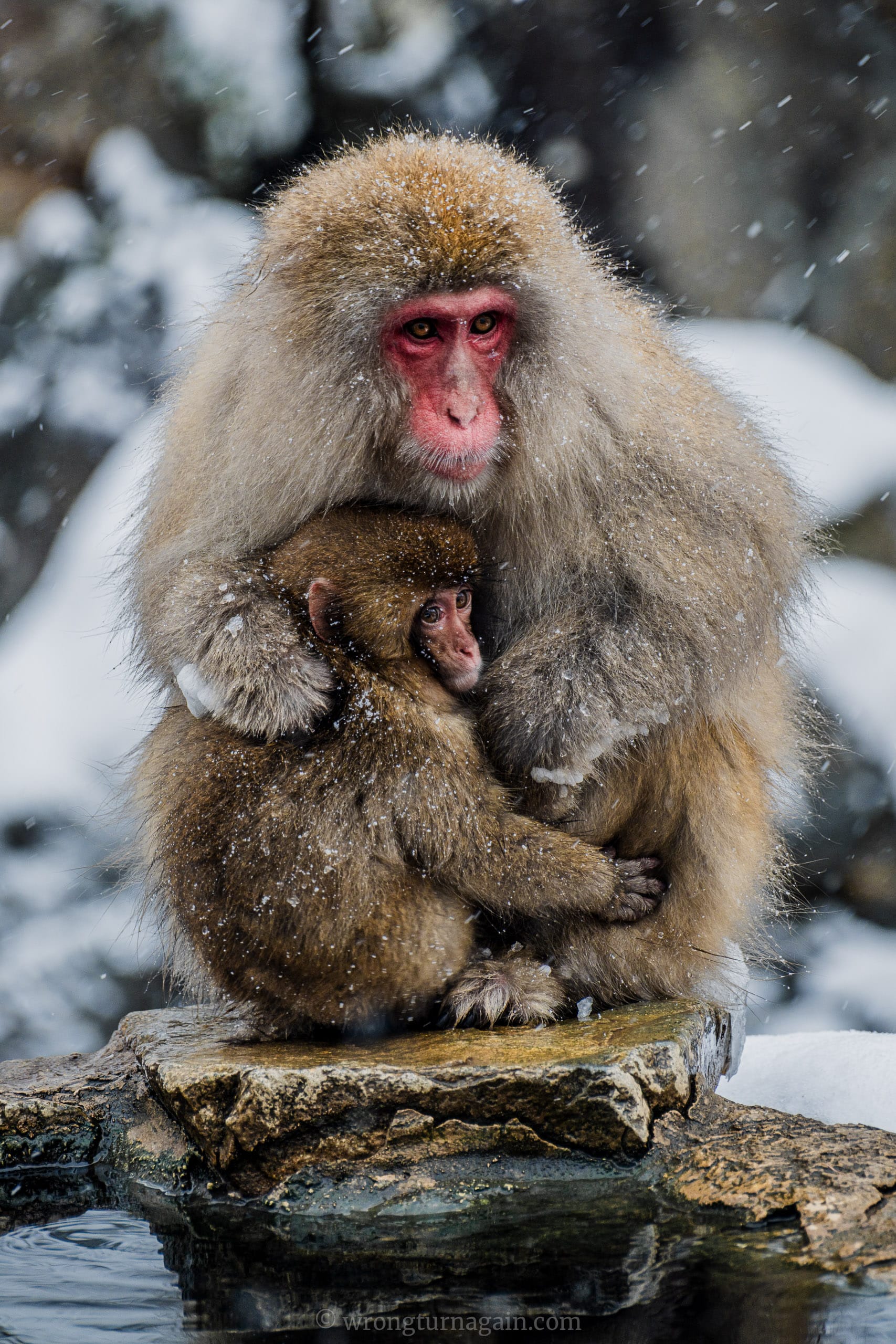
While this is a longer trip that requires a Shinkansen ride to Nagano, seeing the wild Japanese macaques bathe in natural hot springs is a bucket-list experience, especially in the snowy winter months.
You can hike through the forested trail to the Jigokudani Monkey Park to watch the monkeys socialize in the steaming water, and on your way back, stroll through the historic, cobblestone streets of Shibu Onsen, a traditional hot spring town.
Want to see the famous macaques? Check out our complete guide to the Jigokudani Snow Monkey Park.
How to Get to Tokyo
Whether you are flying into Haneda (HND) or Narita (NRT), or arriving from Osaka and Kyoto along Japan’s famous “Golden Route,” reaching Tokyo is incredibly efficient. Dedicated airport transit lines and high-speed rail networks offer seamless, direct connections straight into the heart of the capital.
From Haneda Airport (HND)
Connects Haneda directly to Hamamatsucho Station on the JR Yamanote Line. This is the best option if your final destination is Tokyo Station, Akihabara, or Ueno.
Connects Haneda to Shinagawa Station. Ideal for transferring to the JR Yamanote Line towards Shibuya and Shinjuku, or taking direct through-trains to Asakusa.
Fixed-fare taxis are available to specific wards in central Tokyo. Highly recommended for late-night arrivals (after midnight when trains stop) or if traveling with a group and heavy luggage.
From Narita Airport (NRT)
A direct, comfortable JR train with reserved seating that stops at major hubs including Tokyo Station, Shibuya, and Shinjuku without requiring any transfers.
A high-speed train connecting Narita directly to Nippori and Ueno stations. This is the absolute fastest transit option if your accommodation is on the eastern side of Tokyo.
From Osaka and Kyoto
The fastest and most convenient way to travel. The Nozomi train connects Shin-Osaka and Kyoto directly to Tokyo Station or Shinagawa Station. Tip: Request a window seat on the left side (Seat E) when heading to Tokyo for a chance to see Mount Fuji.
The ultimate budget-friendly choice that also saves you a night’s hotel accommodation. Comfortable night buses depart late evening from Osaka or Kyoto and arrive at the Shinjuku Expressway Bus Terminal (Busta Shinjuku) early the next morning.
A quick flight from Kansai (KIX) or Itami (ITM) to Haneda Airport (HND). While the flight itself is short, factoring in the transit to the airport, security lines, and train rides into central Tokyo often makes this take longer than the Shinkansen, though low-cost carriers can occasionally be cheaper.
Getting around Tokyo
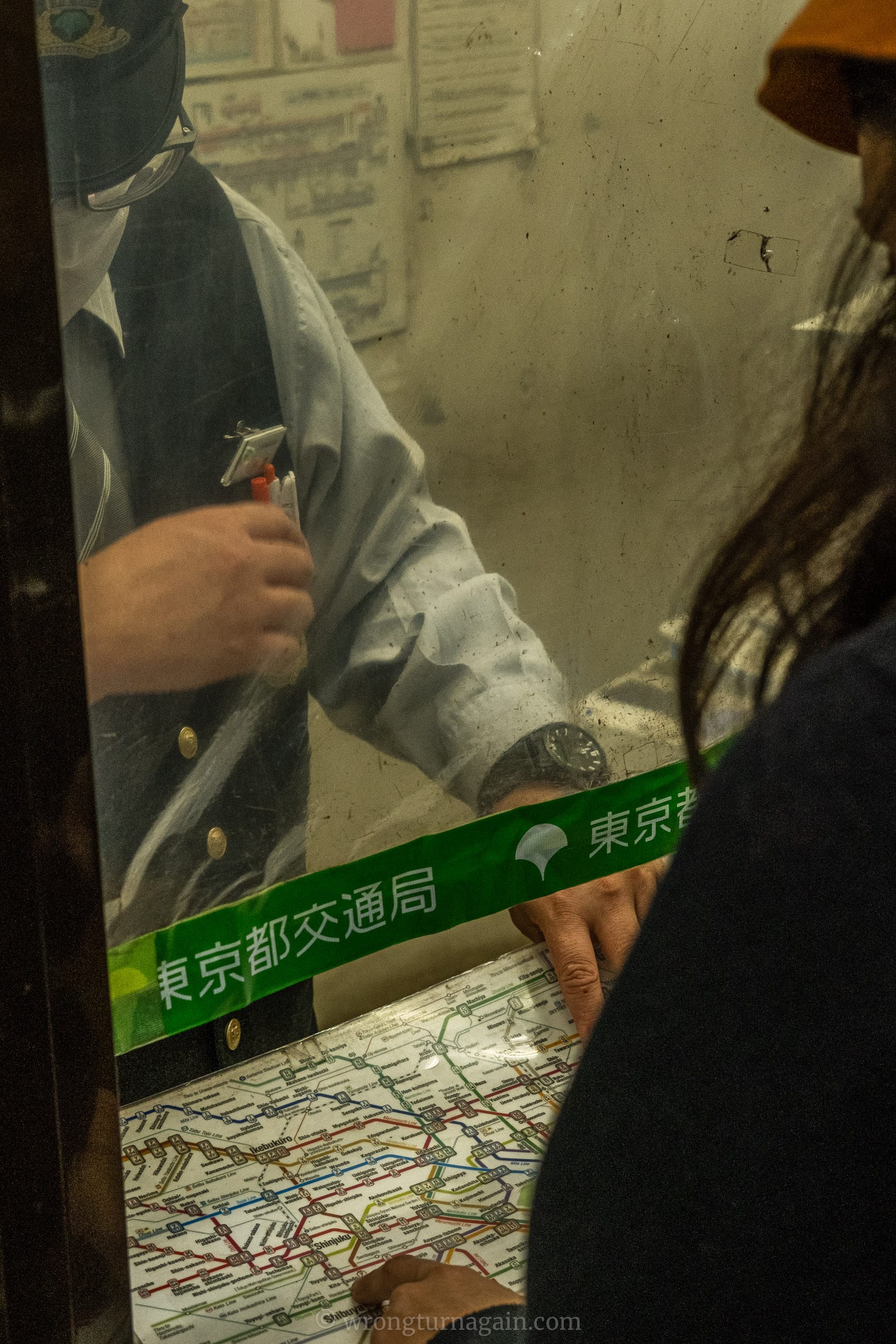
Navigating Tokyo’s transit system seems intimidating at first, but it is incredibly efficient once you understand a few basics. The city runs on a massive, interconnected web of underground subway lines (Tokyo Metro and Toei) and above-ground trains (like the famous JR Yamanote line).
You will rarely, if ever, need to take a bus. However, if you need a car—especially after midnight when the train network shuts down—use ride-hailing apps. Uber and GoTaxi are the most reliable options, with GoTaxi generally being the cheaper choice for local rides.
To understand how the different underground lines connect across the city, save the official route map on your phone. — Download English Map Here
Buying Tickets & Passes
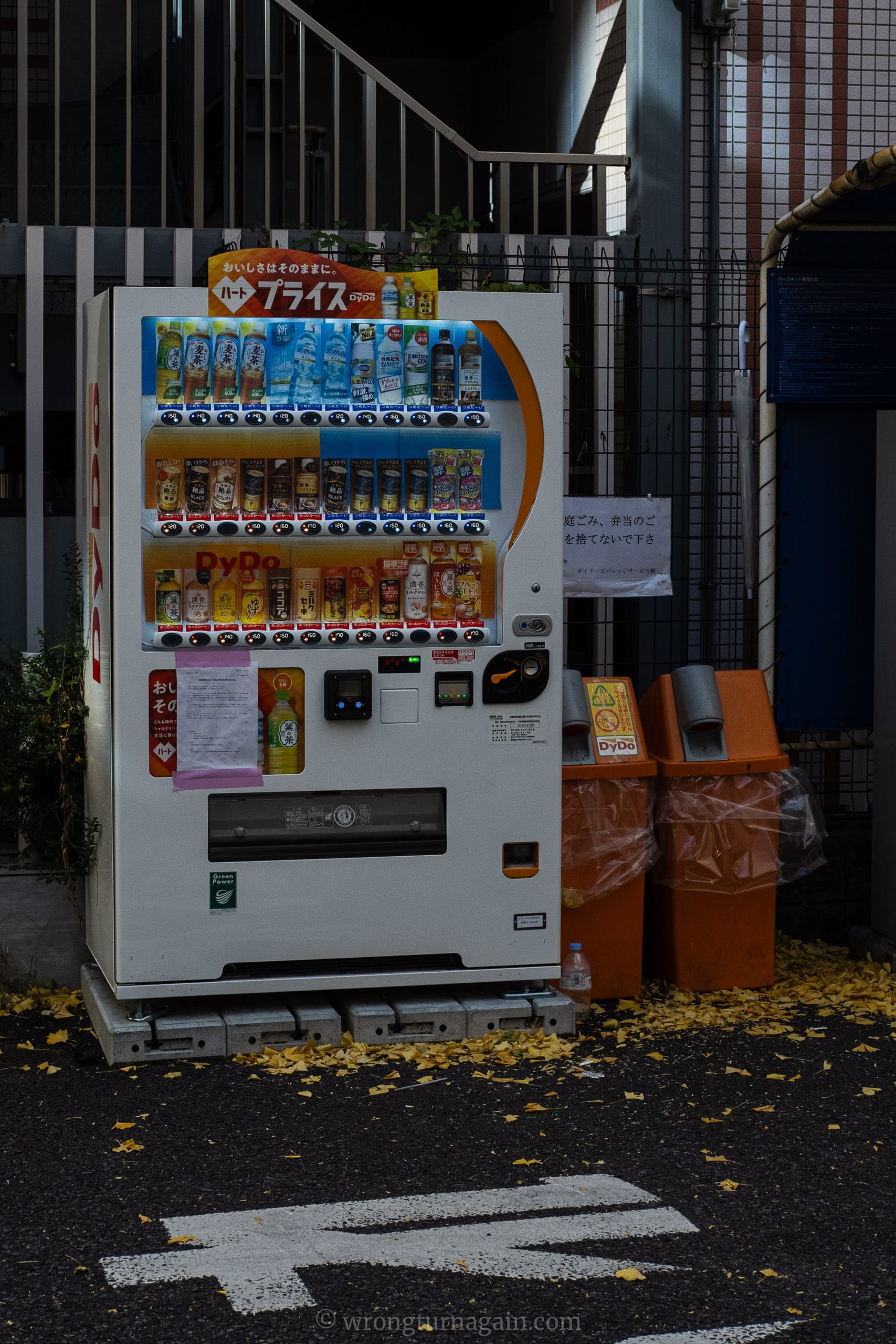
When it comes to public transport, forget about buying individual paper tickets for every ride. All you need is a rechargeable, pay-as-you-go smart card. You simply tap it at the gates, and the fare is automatically deducted. The biggest advantage of an IC card is that it works on absolutely everything—subways, above-ground JR trains, buses, and even as a payment method in convenience stores and vending machines.
Tip: If you plan on exploring multiple neighborhoods in a single day using the underground network, buy a separate 24, 48, or 72-hour unlimited Tokyo Subway Ticket. This is a standalone pass that covers all Tokyo Metro and Toei Subway lines. However, keep in mind it is strictly for the subway and does not work on JR trains, which is why having your IC card handy is still necessary.
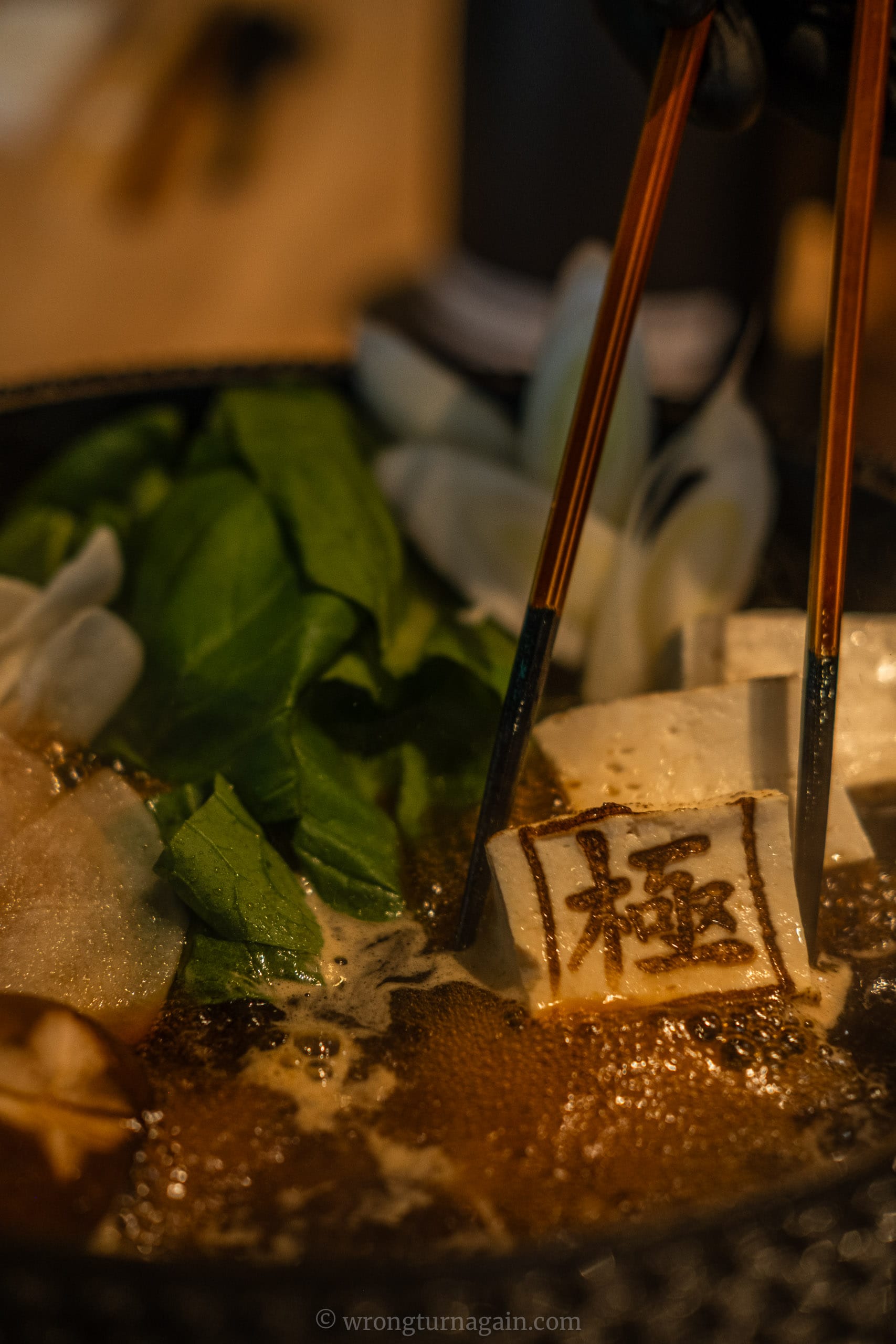
The Perfect 3-Day Tokyo Itinerary
Tokyo is massive, so the secret to a successful trip is grouping attractions by neighborhood. Here are three logical routes covering all the essential highlights without wasting time on trains.
Where to Eat in Tokyo
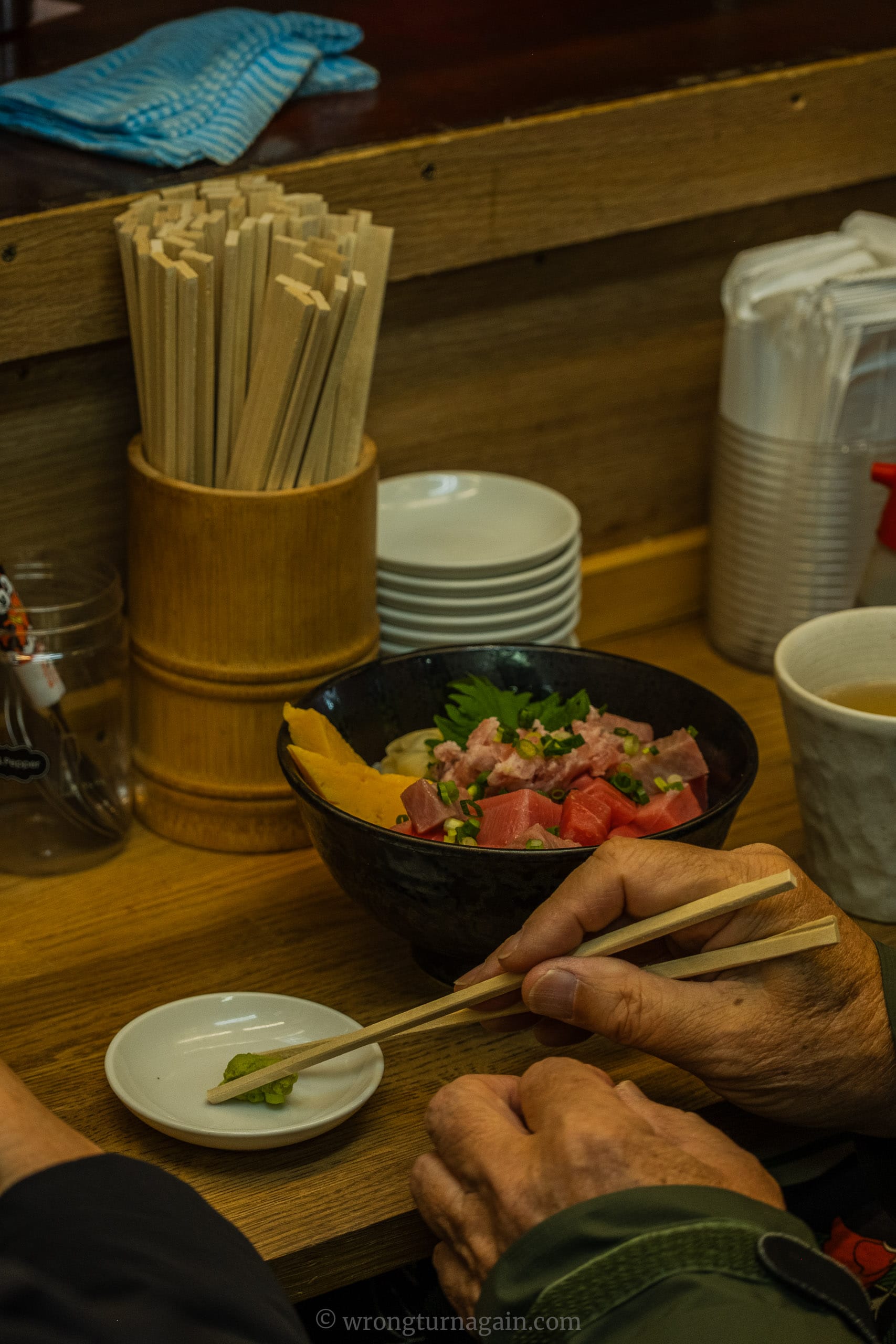
Tokyo is undeniably the culinary capital of the world, boasting more Michelin stars than any other city. However, the best traditional Japanese food is often found in humble, specialized eateries rather than luxury dining rooms.
Finding highly authentic restaurants can be tricky, as locals rely on their own strict rating platform, Tabelog, rather than Google Reviews. From rich Tsukemen dipping noodles to historic kissaten coffeehouses, here is a curated list of strictly authentic spots to experience what the locals actually eat.
Lunch & Dinner
Coffee & Tea
Where to Stay in Tokyo
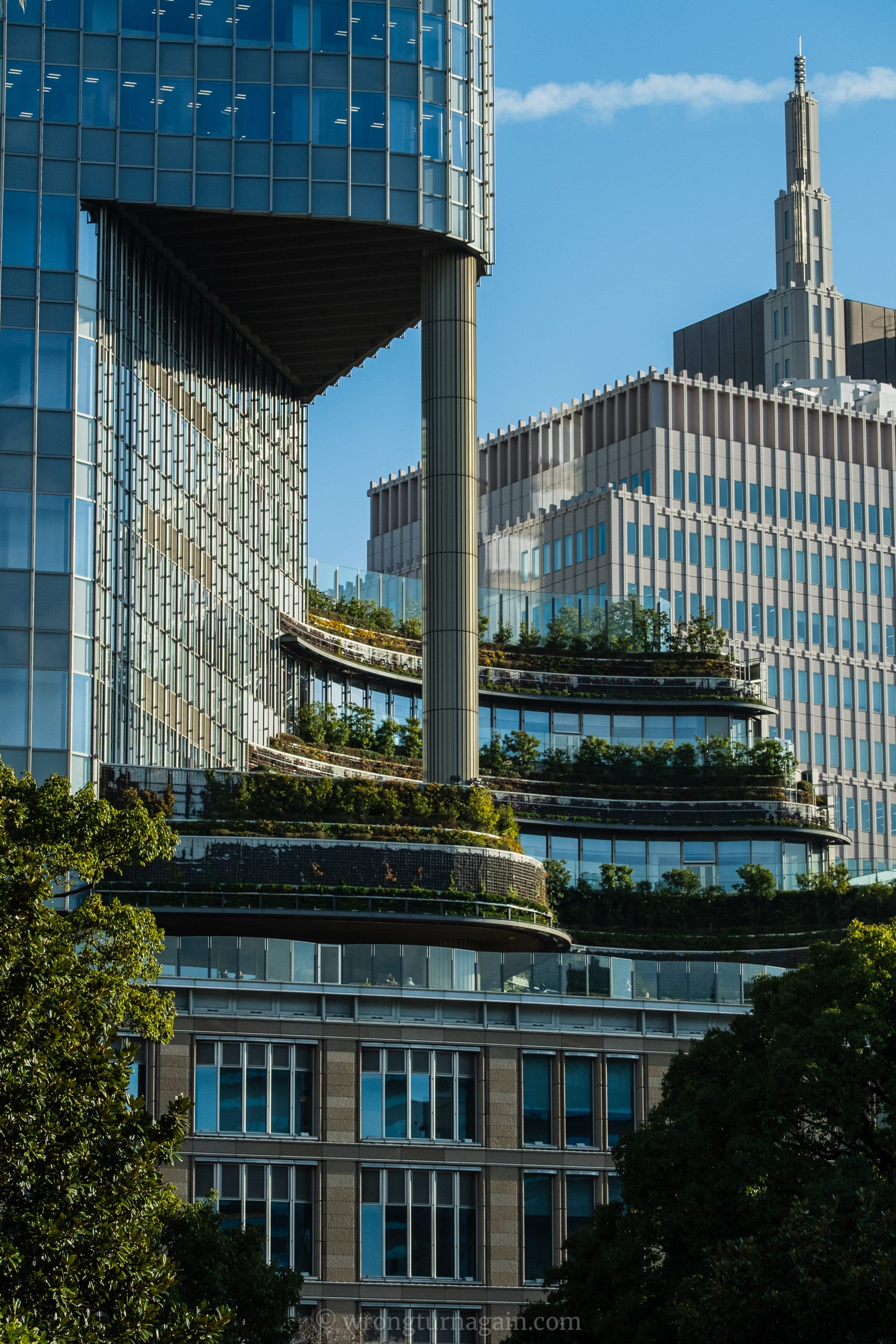
Choosing where to stay in Tokyo can feel overwhelming due to the sheer size of the metropolis. There is no single “city center.” Instead, the capital is a massive web of distinct mini-cities, each offering a completely different vibe. The golden rule for booking your accommodation is to stay as close to a major station on the JR Yamanote Line or a central subway hub as possible. Here is a breakdown of the best areas for your itinerary:
- Best for First Timers Shinjuku: The quintessential Tokyo experience of glowing neon lights, towering skyscrapers, and endless dining options. It is also a massive transportation hub, making it incredibly easy to navigate the rest of the city and catch trains for day trips.
- Budget & Tradition Asakusa & Ueno: Located on the eastern side of the city, this area offers a slower, historic vibe near Senso-ji Temple. Accommodations here are generally cheaper, and Ueno Station provides direct, rapid Skyliner access to Narita Airport.
- Trendy & Nightlife Shibuya: The beating heart of Tokyo’s youth culture. Stay here to be steps away from the iconic Scramble Crossing, stylish cafes, hidden streetwear boutiques, and some of the city’s most energetic underground nightlife.
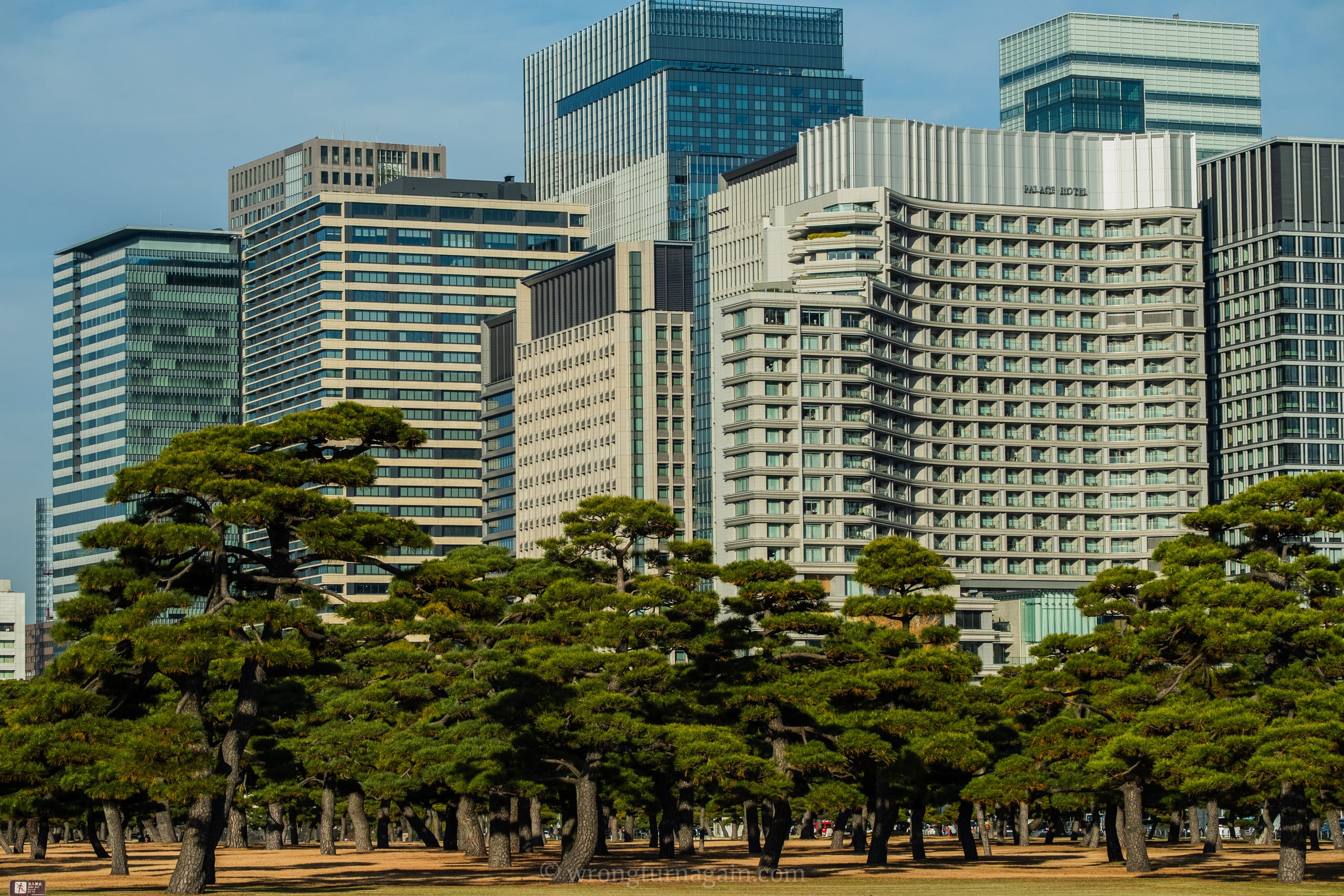

Our Top Tokyo Hotel Picks
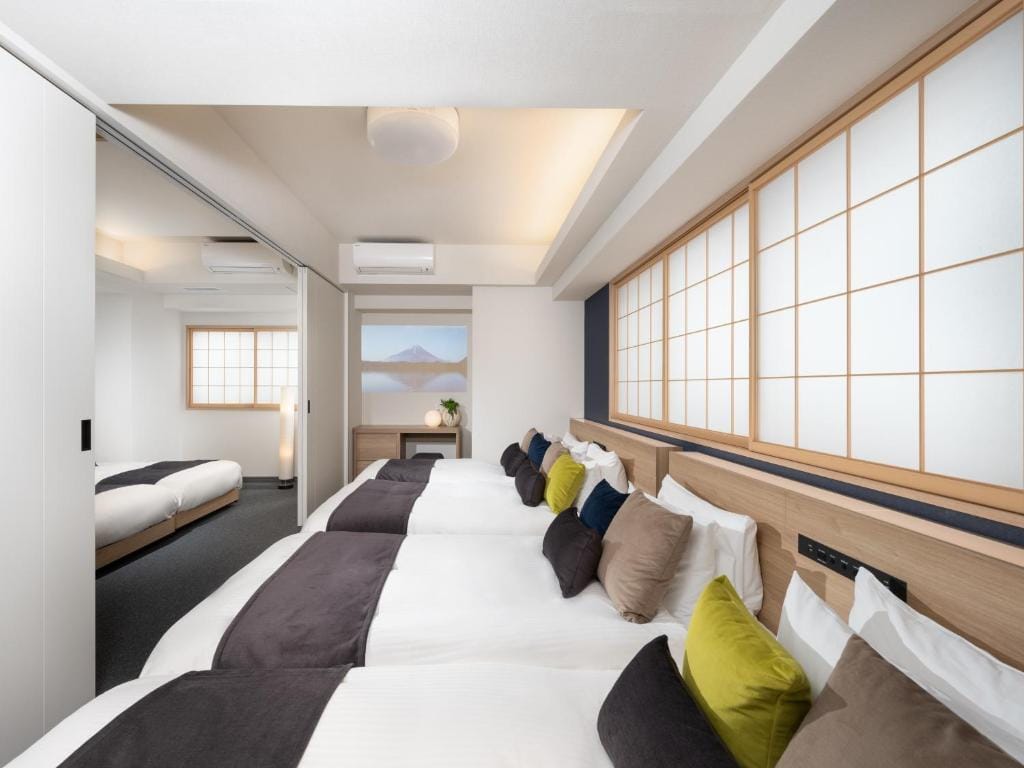 MIMARU SHINJUKU WEST
Spacious, apartment-style rooms with modern kitchens. The perfect base in the city’s most central transport hub.
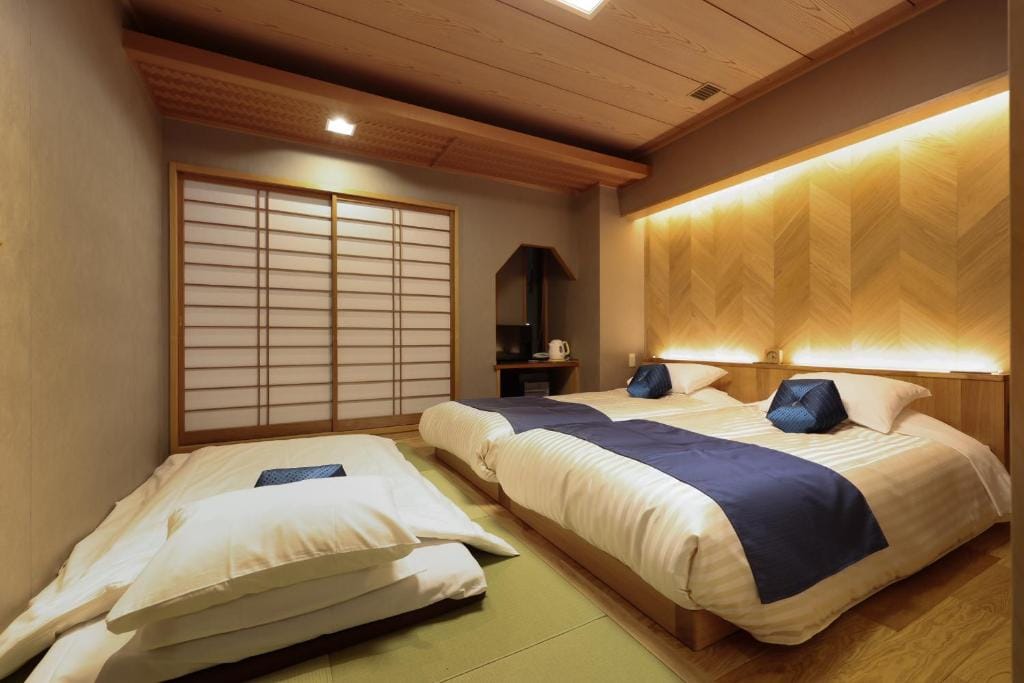 RYOKAN ASAKUSA SHIGETSU
An authentic, traditional inn offering tatami rooms and a wooden public bath right next to Senso-ji Temple.
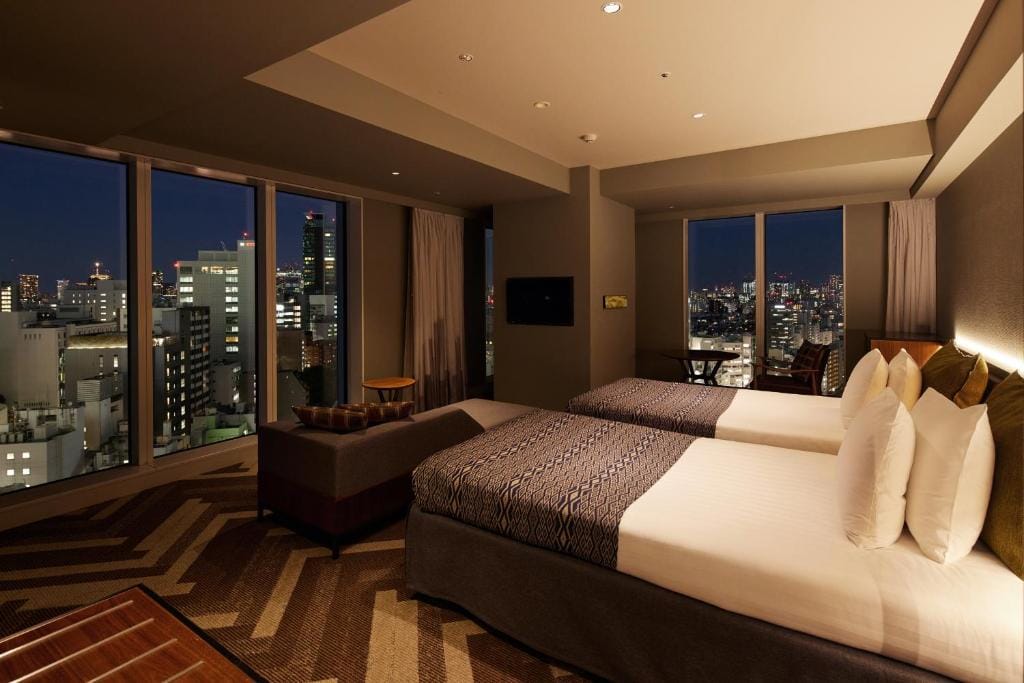 SHIBUYA STREAM HOTEL
A highly stylish, modern hotel offering fantastic city views, located just steps from the famous Scramble Crossing.
When to Visit Tokyo
The best time to visit Tokyo is during the spring (March to May) and autumn (September to November). During these seasons, the weather is mild, skies are generally clear, and you can witness the spectacular cherry blossoms or the vibrant red autumn foliage.
Summer in Tokyo (June to August) is intensely hot, humid, and frequently rainy, making outdoor sightseeing challenging. Winter is cold but dry, offering crisp air, excellent visibility for viewing Mount Fuji, and stunning city illuminations.
Tokyo Festivals & Special Events
Planning your itinerary around local festivals (matsuri) adds an unforgettable cultural layer to your trip. From historic shrine processions to massive summer fireworks, here are the most important annual events to look out for in Tokyo.
-
Ueno Cherry Blossom Festival
Late Mar – Early AprOne of Japan’s most famous hanami (flower viewing) events. Over 1,000 cherry trees bloom in Ueno Park, illuminated by paper lanterns at night while locals picnic underneath.
-
Sanja Matsuri
3rd Weekend of MayTokyo’s largest and wildest traditional festival held in Asakusa. Nearly two million people gather to watch neighborhood teams passionately carry massive golden portable shrines (mikoshi) through the streets.
-
Sumidagawa Fireworks
Last Sat of JulyA spectacular summer tradition where over 20,000 fireworks are launched over the Sumida River. Locals dress in summer kimonos (yukata) and fill the streets to watch the colorful displays.
-
Meiji Shrine Autumn Festival
Early NovemberA vibrant cultural celebration at Meiji Shrine featuring traditional performing arts and the thrilling Yabusame (horseback archery) competition by archers in samurai attire.
Tokyo Budget Breakdown
Is a trip to Tokyo expensive? The short answer is: it depends. The good news is that everyday expenses—like world-class ramen, public transport, and entrance to major shrines—are incredibly affordable, often costing less than in major Western capitals.
However, the surrounding costs (especially accommodation in prime districts like Shinjuku or premium dining experiences) can quickly inflate your budget. Below is a realistic daily cost estimate per person to help you plan your finances for a comfortable, mid-range trip.