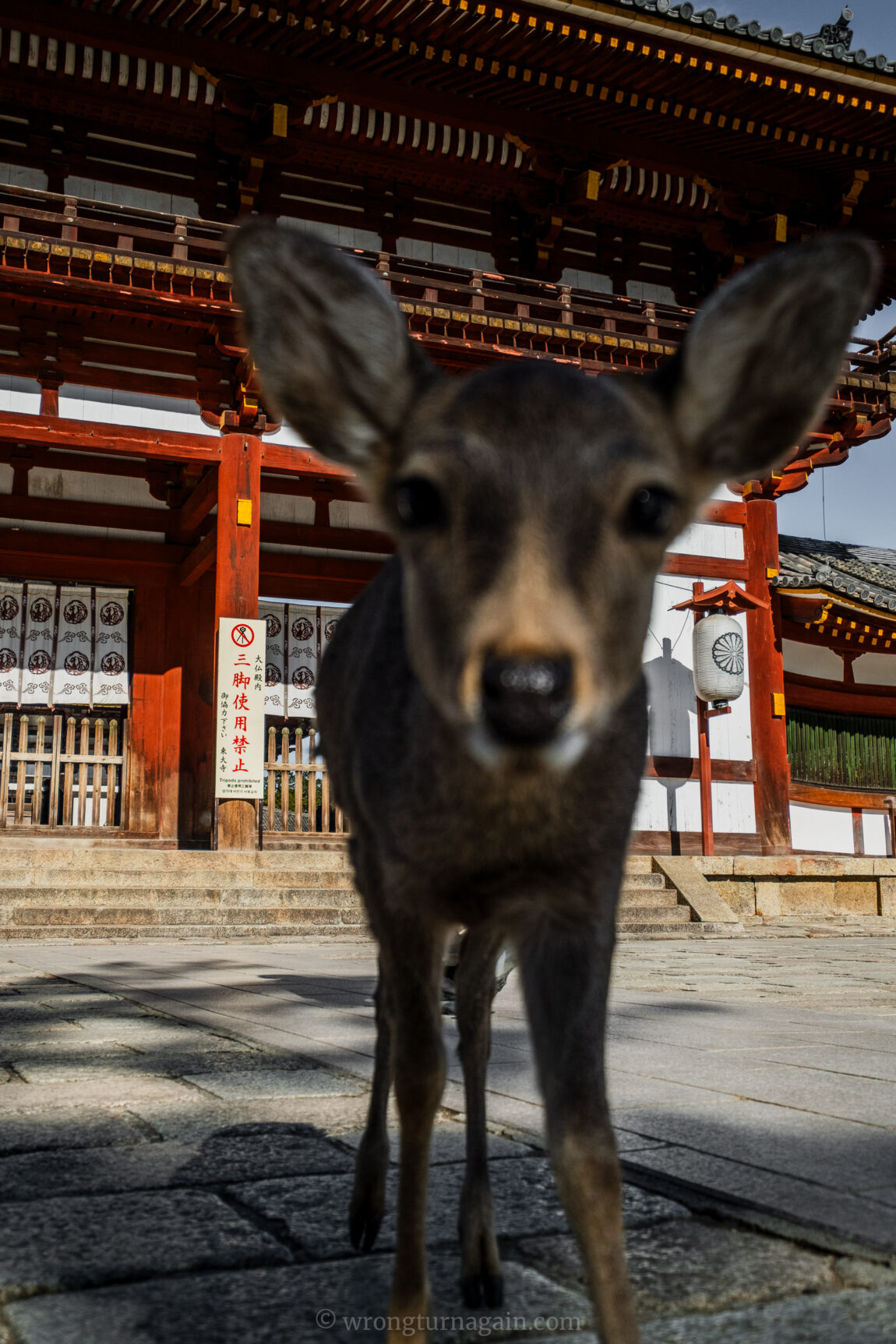
Home to the famous Nara Deer Park and ancient giant Buddhas, Nara is arguably the best historical escape in the country—and one of the top things to do in Japan. Located less than an hour by train from Kyoto or Osaka, it serves as the perfect Nara day trip for travelers seeking a mix of nature and history.
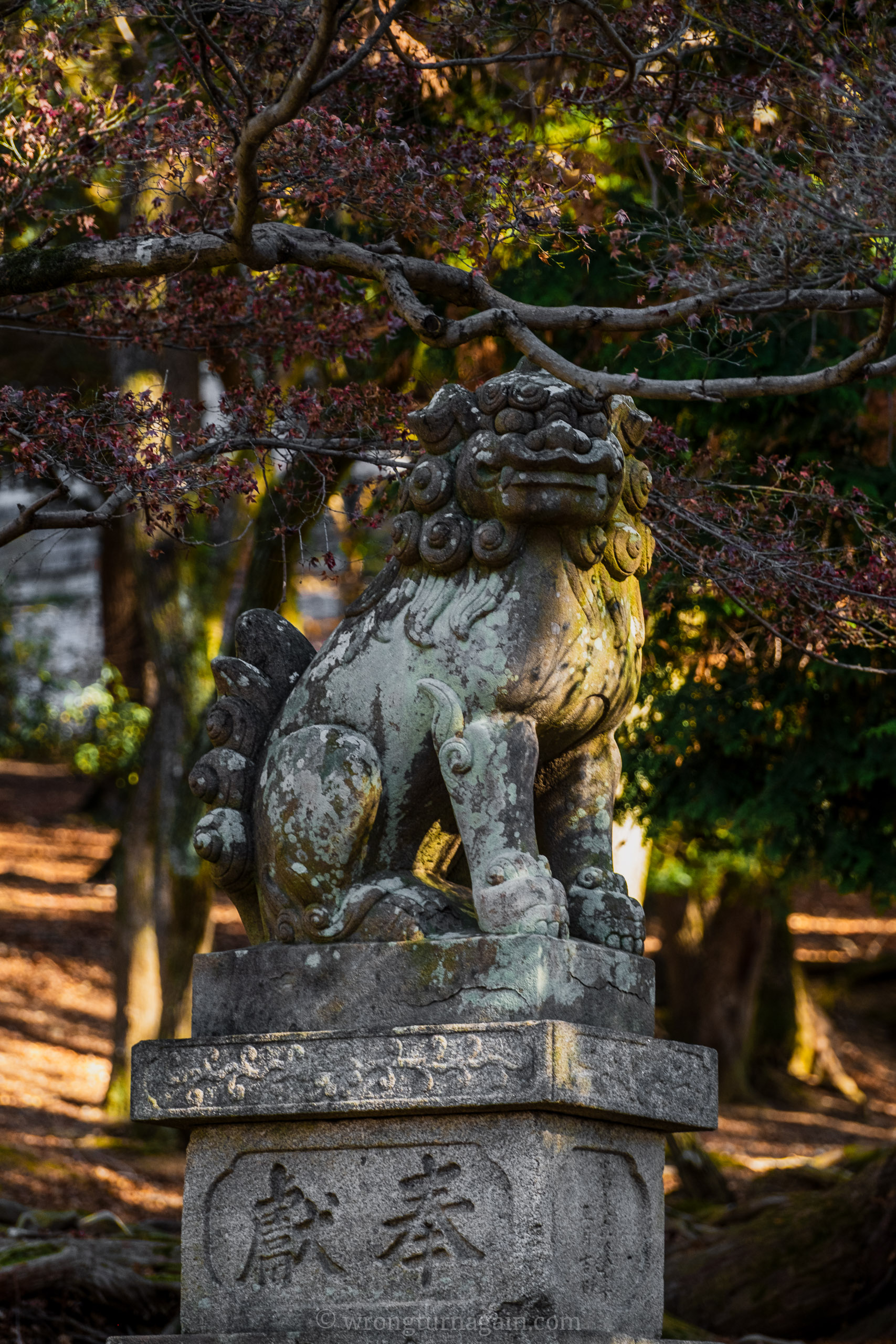
While the roaming deer are certainly the main draw, there is much more to this ancient capital to explore. In this complete guide, we will show you the best things to do in Nara, covering world-famous temples and hidden forest shrines alike. Read on for practical tips on how to get there, a breakdown of costs, and a custom walking map to make your visit effortless.
Inside this Guide
Top Things to Do in Nara
As the cradle of Japanese culture, this compact city offers an incredible concentration of UNESCO World Heritage sites, most of which are accessible on foot. This makes it easy to check off the major highlights in a single day, provided you know where to go.
The area is packed with atmospheric walking paths and architectural wonders that go far beyond the usual tourist trail. Below, you will find our curated list of the best things to do in Nara, designed to help you avoid the crowds and discover both the essential temples and the hidden corners most tourists miss!
1. The Sacred Deer of Nara
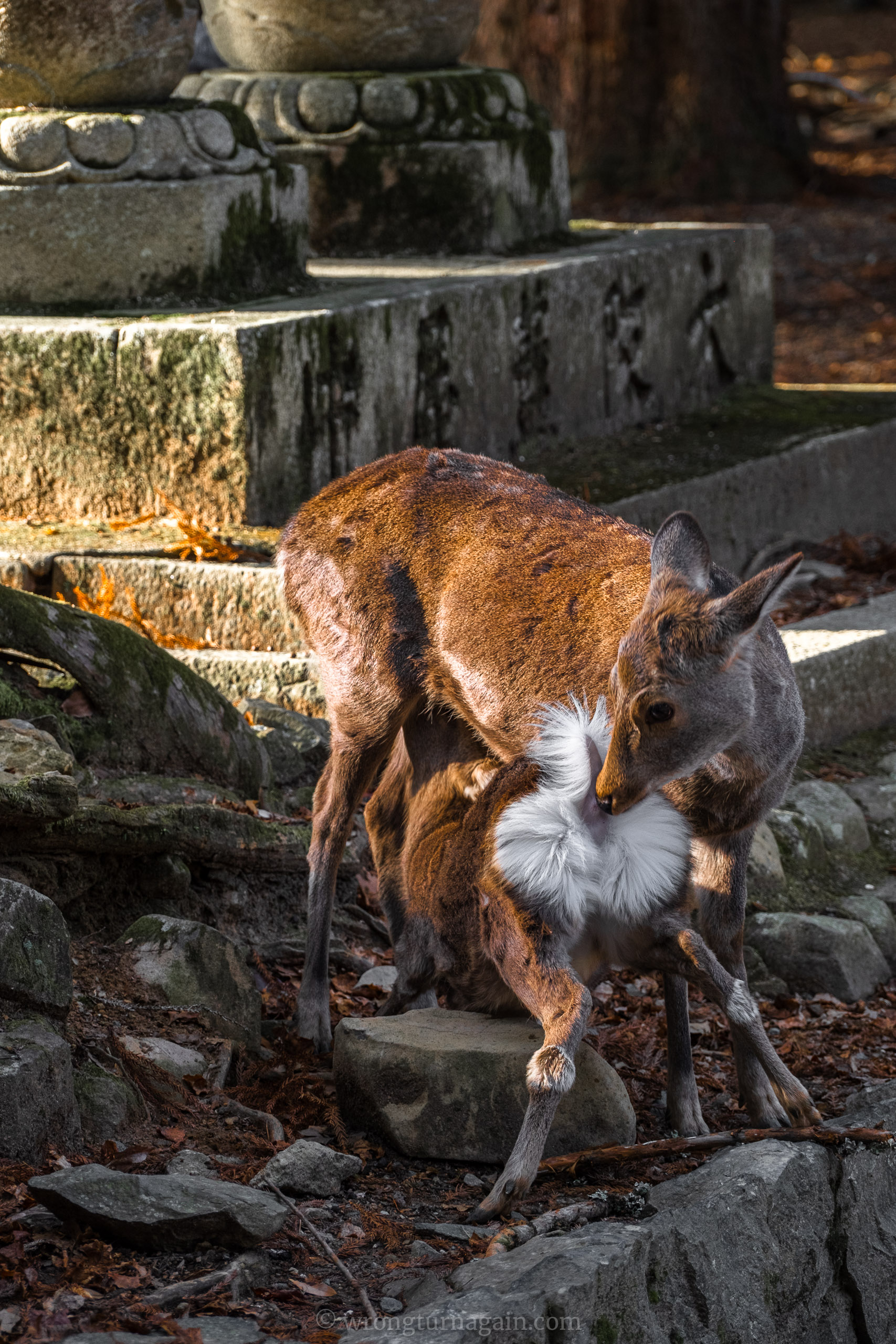
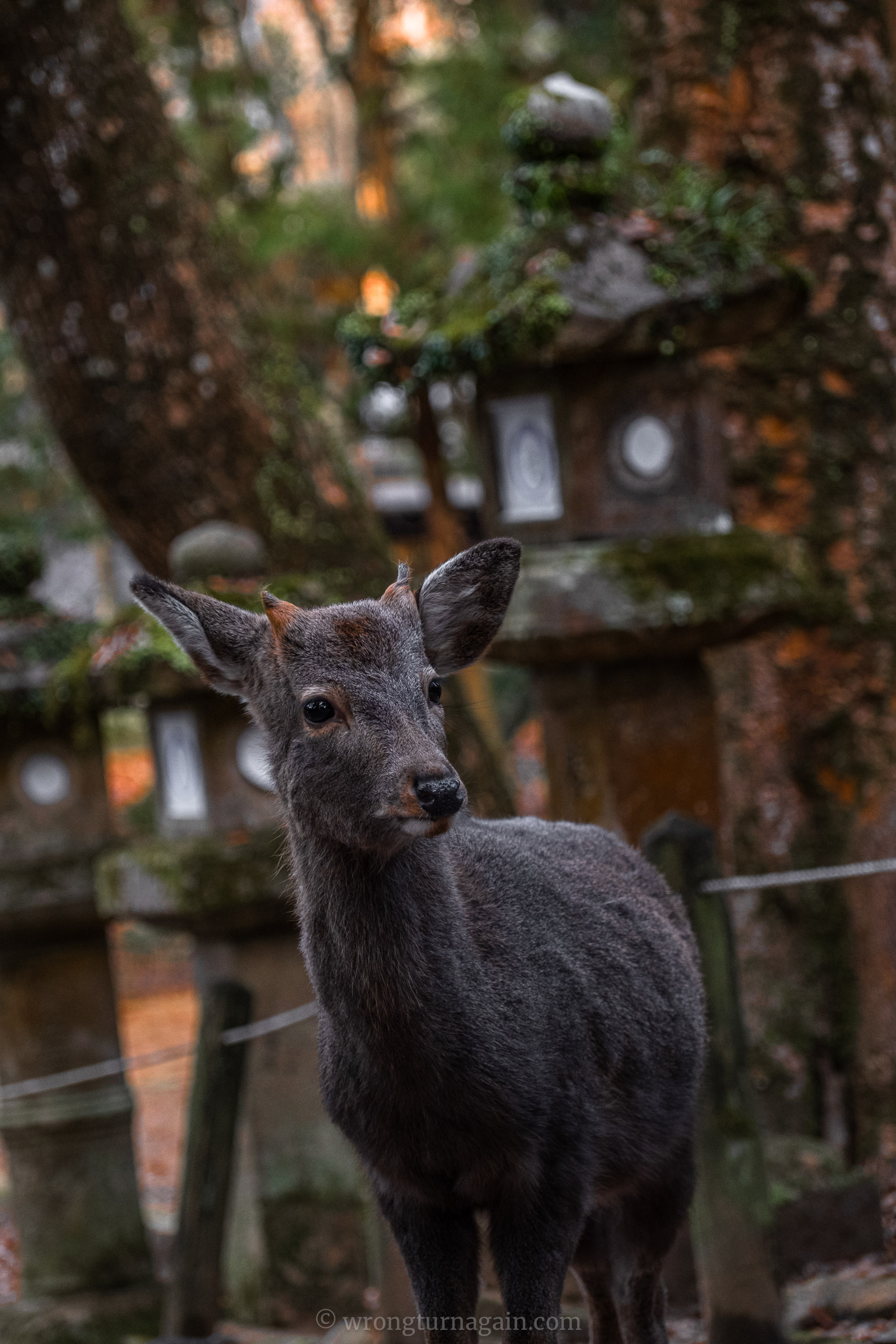
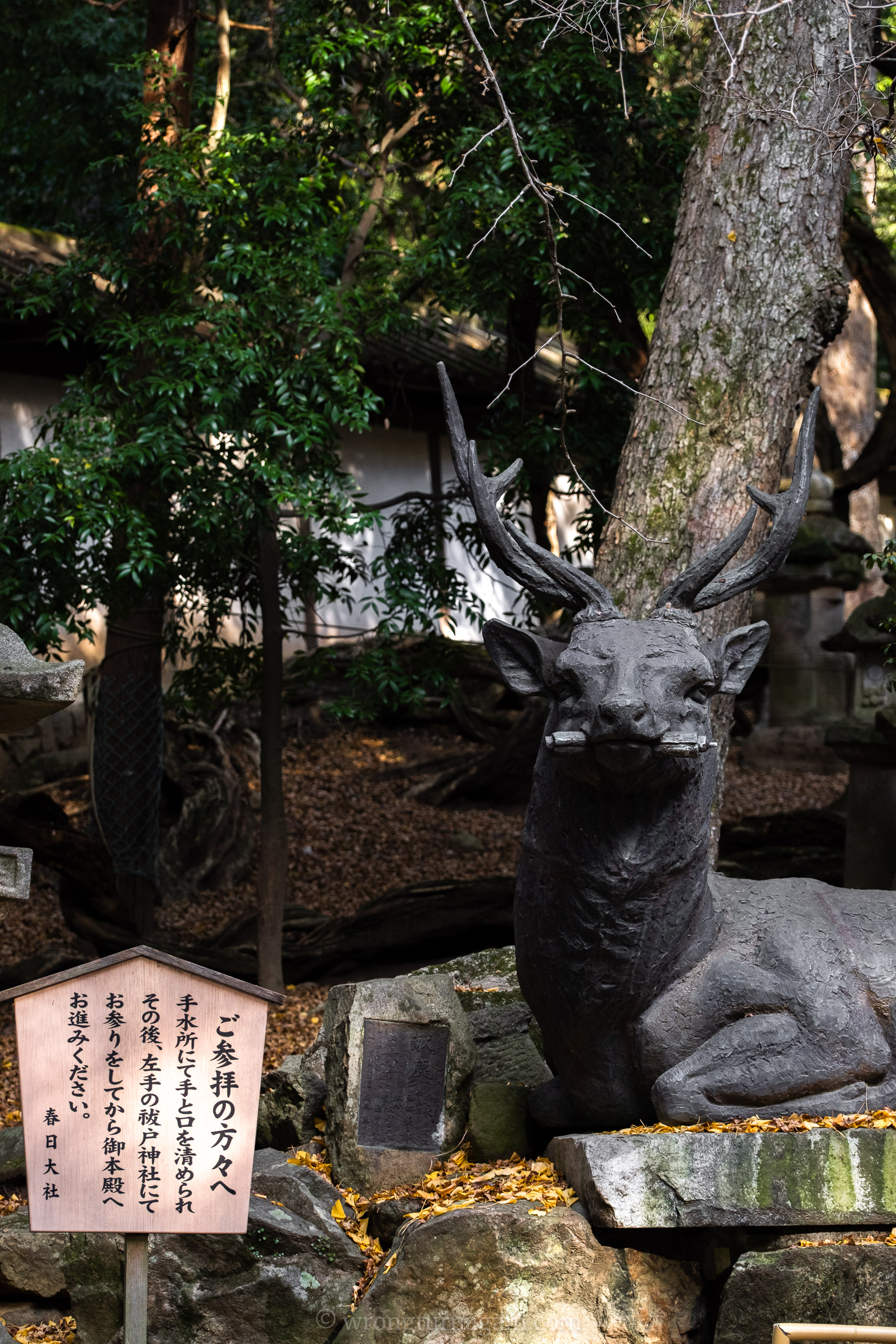
For many, the defining image of Nara isn’t a temple, but a wet nose nudging their pocket. From the moment you step into Nara Park, you are on their turf. Over 1,200 wild Sika deer roam freely here, acting as the city’s unofficial mascots and gatekeepers.
Their massive presence here isn’t accidental; it is rooted in a 1,300-year-old myth. According to Shinto tradition, the deity Takemikazuchi-no-Mikoto arrived in Nara riding a white deer to protect the newly built capital. Because of this legend, the deer were revered as shinshi (messengers of the gods).
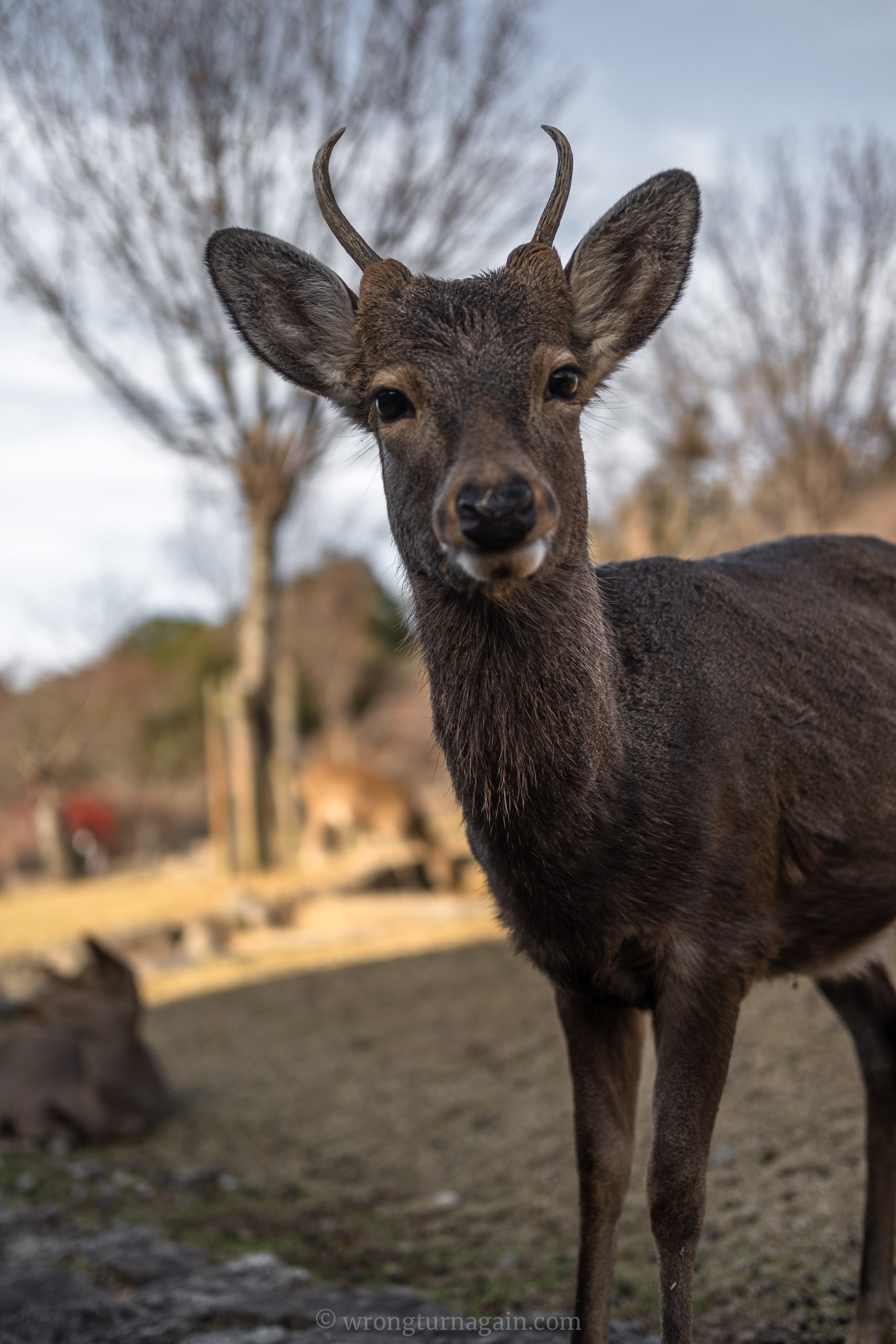
For centuries, they were protected by strict religious laws—harming one was punishable by death—which allowed them to thrive safely within the sanctuary of the shrine grounds. Today, they remain protected as National Natural Treasures.

In October, you might witness the Shika-no-Tsuno-kiri (Antler Cutting Ceremony). It’s not cruelty, but safety: priests cut the antlers of male bucks to prevent injuries during mating season, a tradition dating back to 1672.
How to Feed Them (Safely)
Interacting with the deer is a top thing to do in Nara, but remember they are wild animals. You can buy Shika-senbei (deer crackers) at stalls throughout the park for ¥250. These are made of rice bran and flour, specifically designed for their digestion.
- No Human Food: Stick strictly to crackers. Never give them human food, and be extremely careful with plastic wrappers – it can be fatal if swallowed.
- Avoid the “Gate” Deer: Deer near the entrance are aggressive because they are fed constantly.. Walk deeper into the park for calmer, polite interactions.
- Don’t Tease: If you have food, give it immediately. Teasing them creates frustration and can lead to aggressive behavior.
- Empty Hands: When you run out, show open palms to signal you are done. They understand this gesture and will move on.
You will notice the deer bowing to visitors. While locals traditionally viewed this as a sign of divine favor, in reality, it is a learned survival tactic. The deer have realized that a polite bow usually results in a reward. Be warned: if the cracker doesn’t come fast enough, the politeness can quickly turn into a headbutt or a nip at your shirt.
2. Isuien & Yoshikien Gardens
Located side-by-side yet worlds apart in atmosphere, these two gardens offer a masterclass in Japanese landscape design. Separated only by a small river, they are perfectly positioned for a combined visit before you head towards the massive Todai-ji.
Isuien Garden: The Masterpiece
Isuien (meaning “Garden on the Water”) is the grander of the two. It is actually composed of two distinct gardens: a mid-17th-century front garden and a larger, more open rear garden added in 1899. The real magic happens in the rear garden.
Using the technique of shakkei, the design masterfully tricks the eye into believing that the roof of Todai-ji’s Nandaimon Gate and the three hills of Mount Wakakusa in the background are part of the garden itself. It is a stunning visual illusion that makes the space feel infinite.
Shakkei (Borrowed Scenery) is a classic Japanese gardening technique. Designers intentionally leave the garden’s background open to “capture” distant mountains or temples, incorporating them into the composition as if they were planted there.


Yoshikien: The Quiet Neighbor
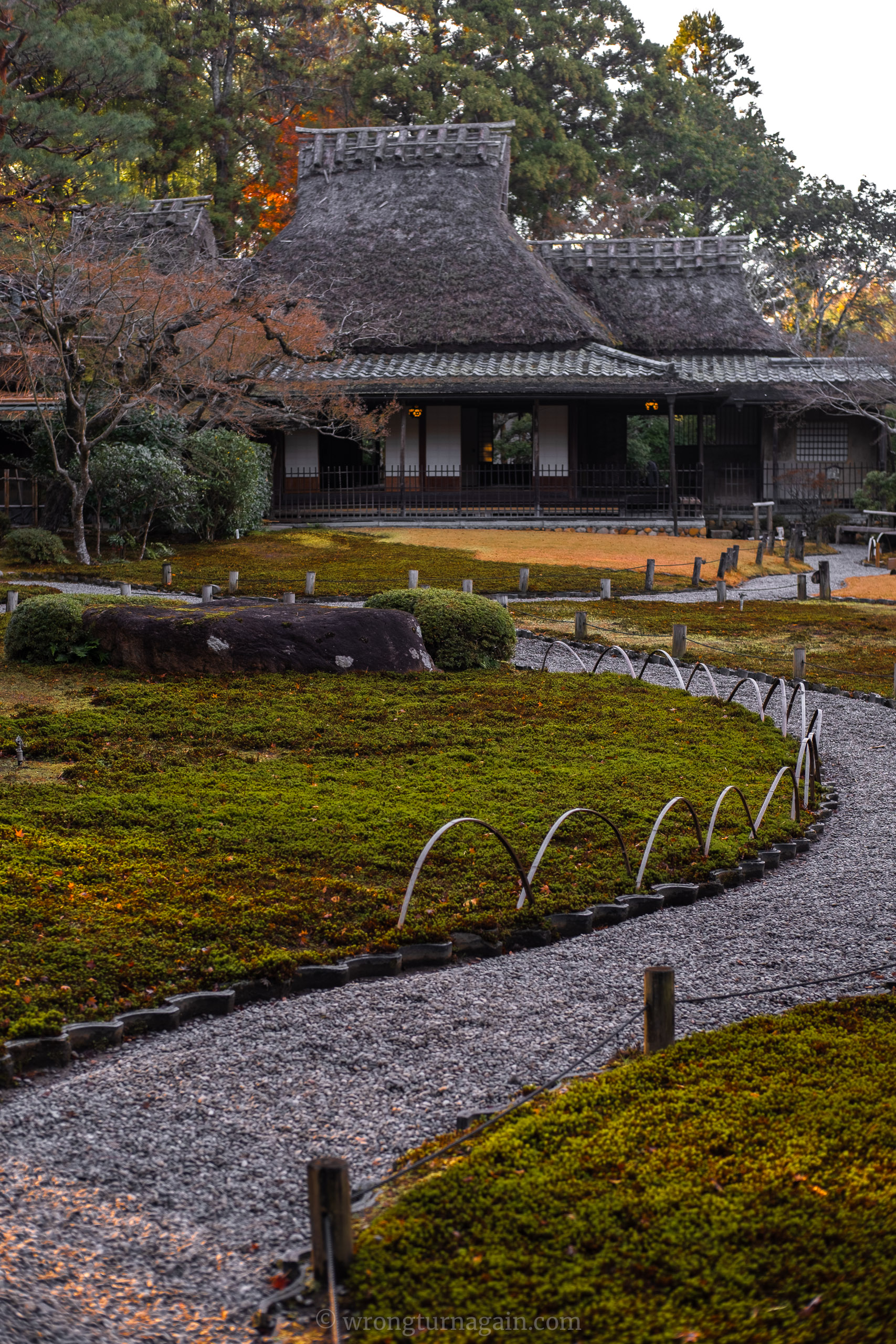
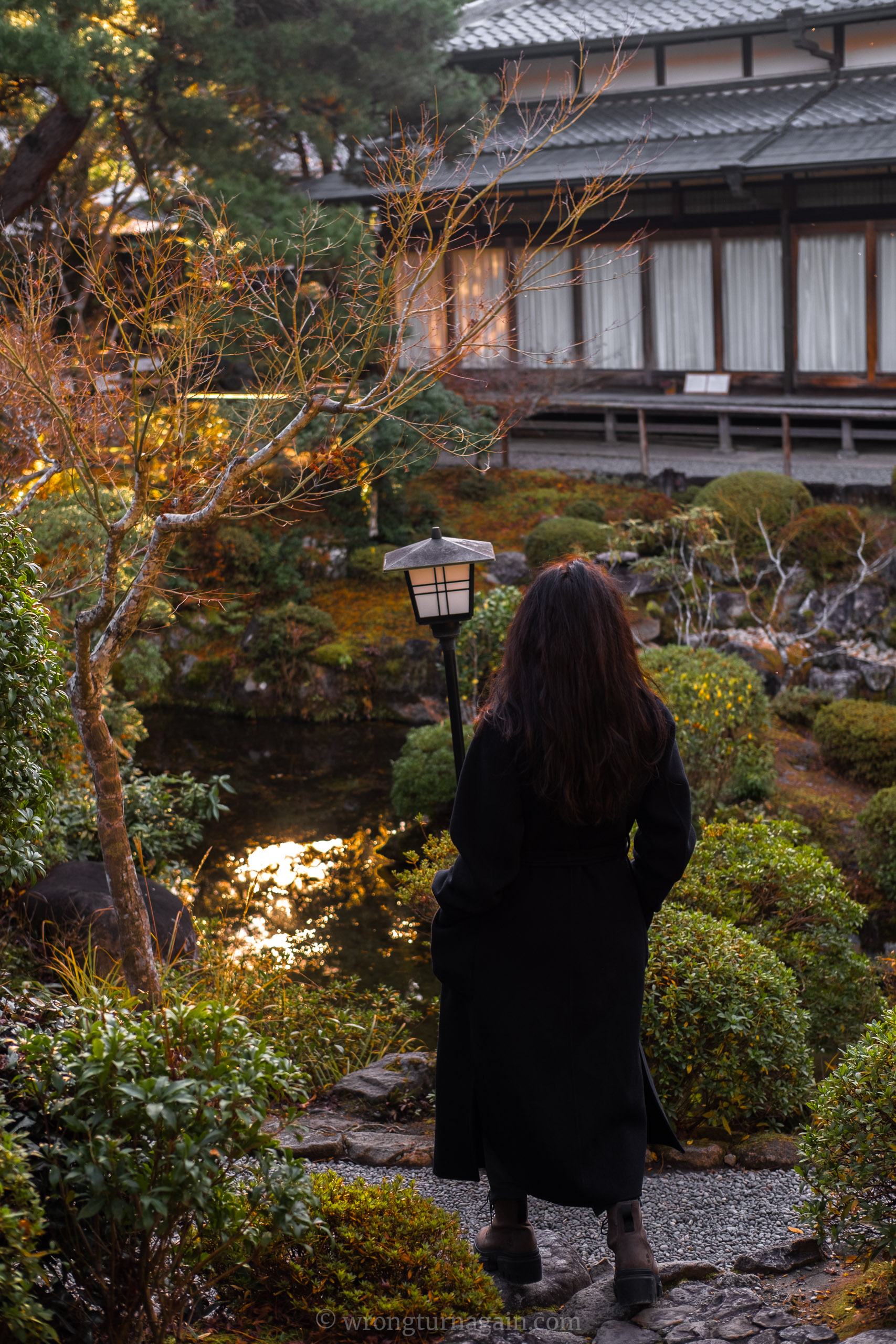
Just across the river lies Yoshikien. Built on the former residence of a high priest from Kofuku-ji, this garden feels more intimate and secluded. It is divided into three zones: a pond garden, a tea ceremony flower garden, and a mesmerizing moss garden that glows emerald green after a light rain. It lacks the grand borrowed views of Isuien, but it makes up for it with silence and texture.
3. Todai-ji Temple Complex
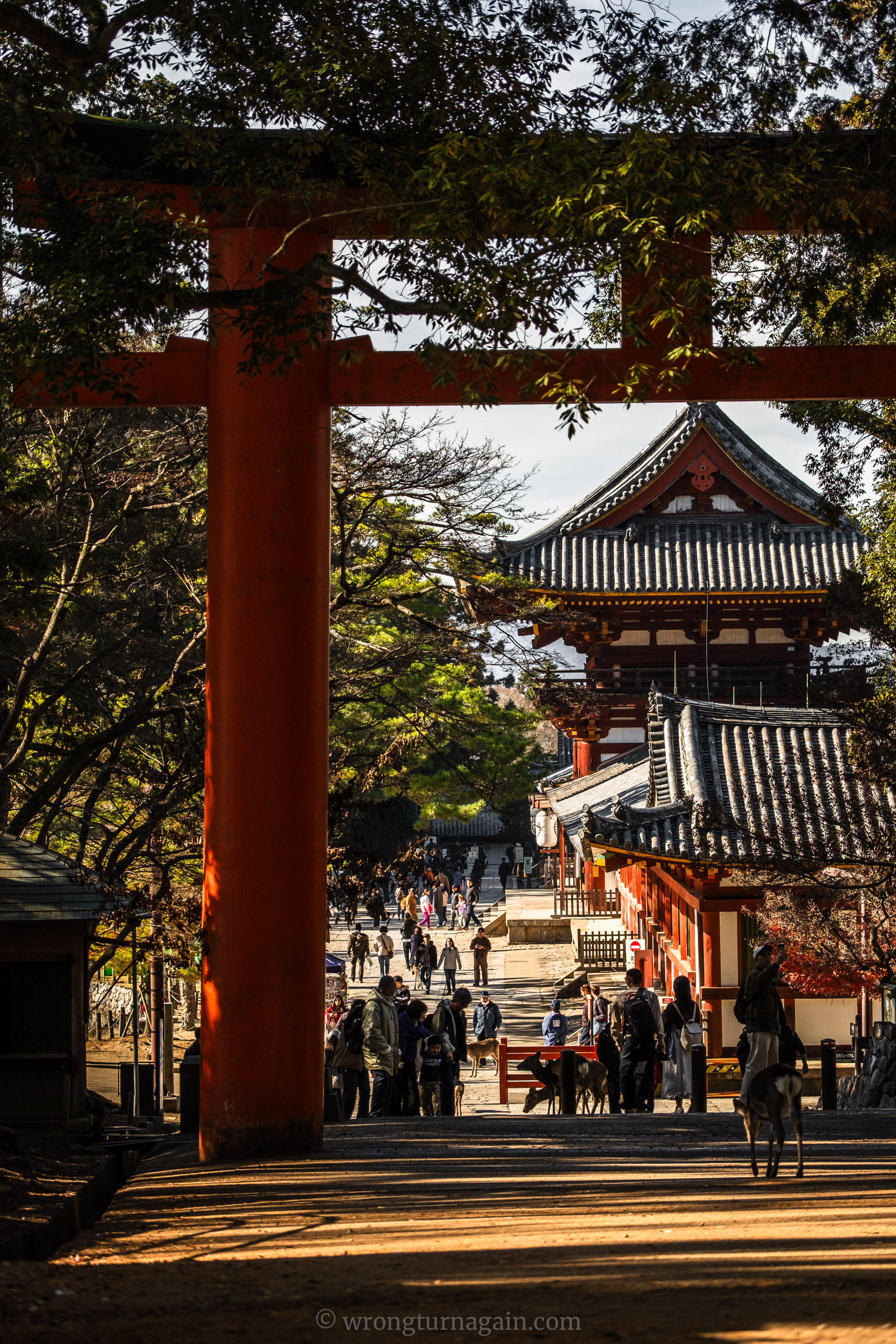
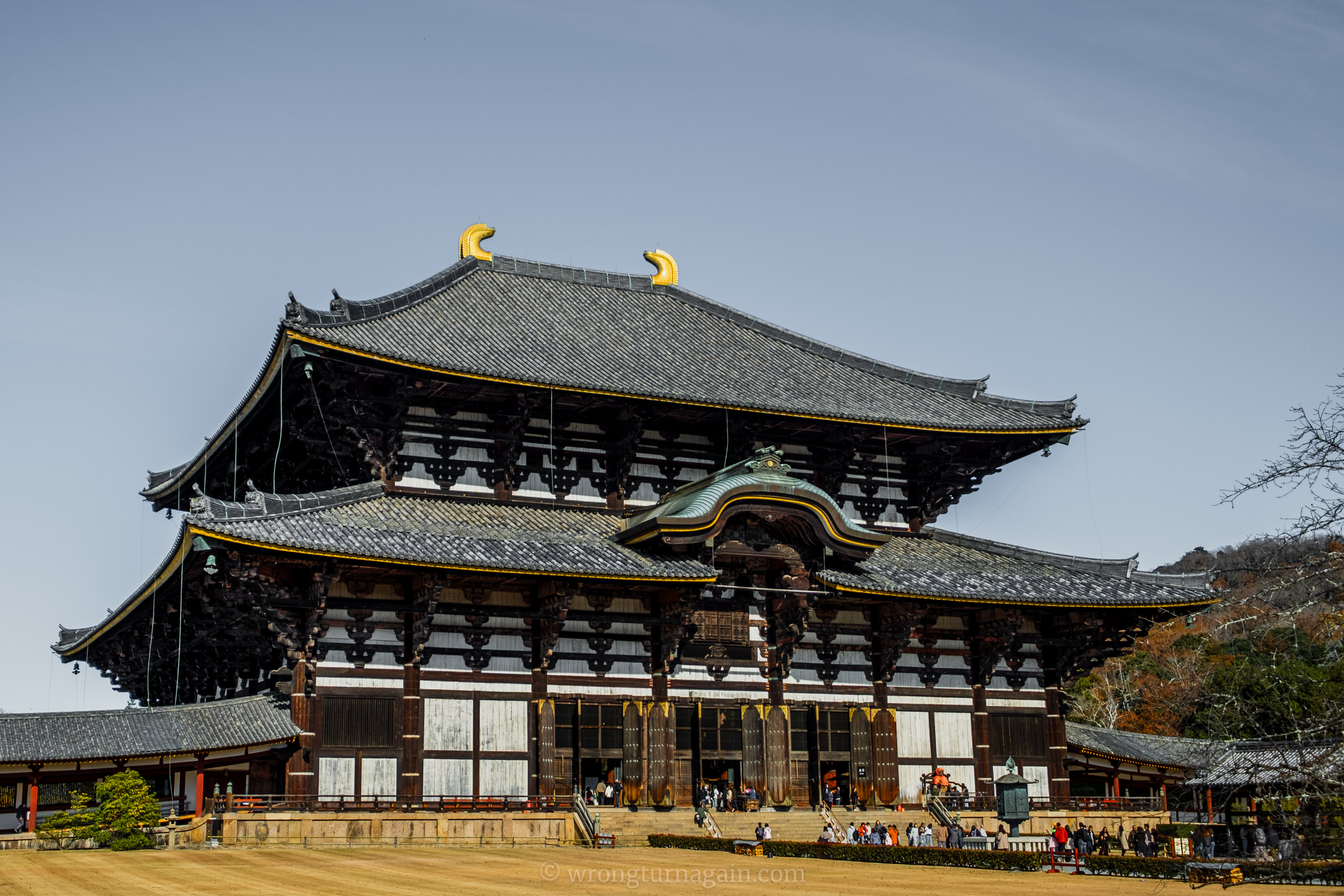
At the eastern edge of Nara Park stands Todai-ji, one of Japan’s most historically significant temples. The grounds are spacious and full of roaming deer, but nothing prepares you for the sheer scale of what lies ahead.
The Great Buddha Hall (Daibutsuden)
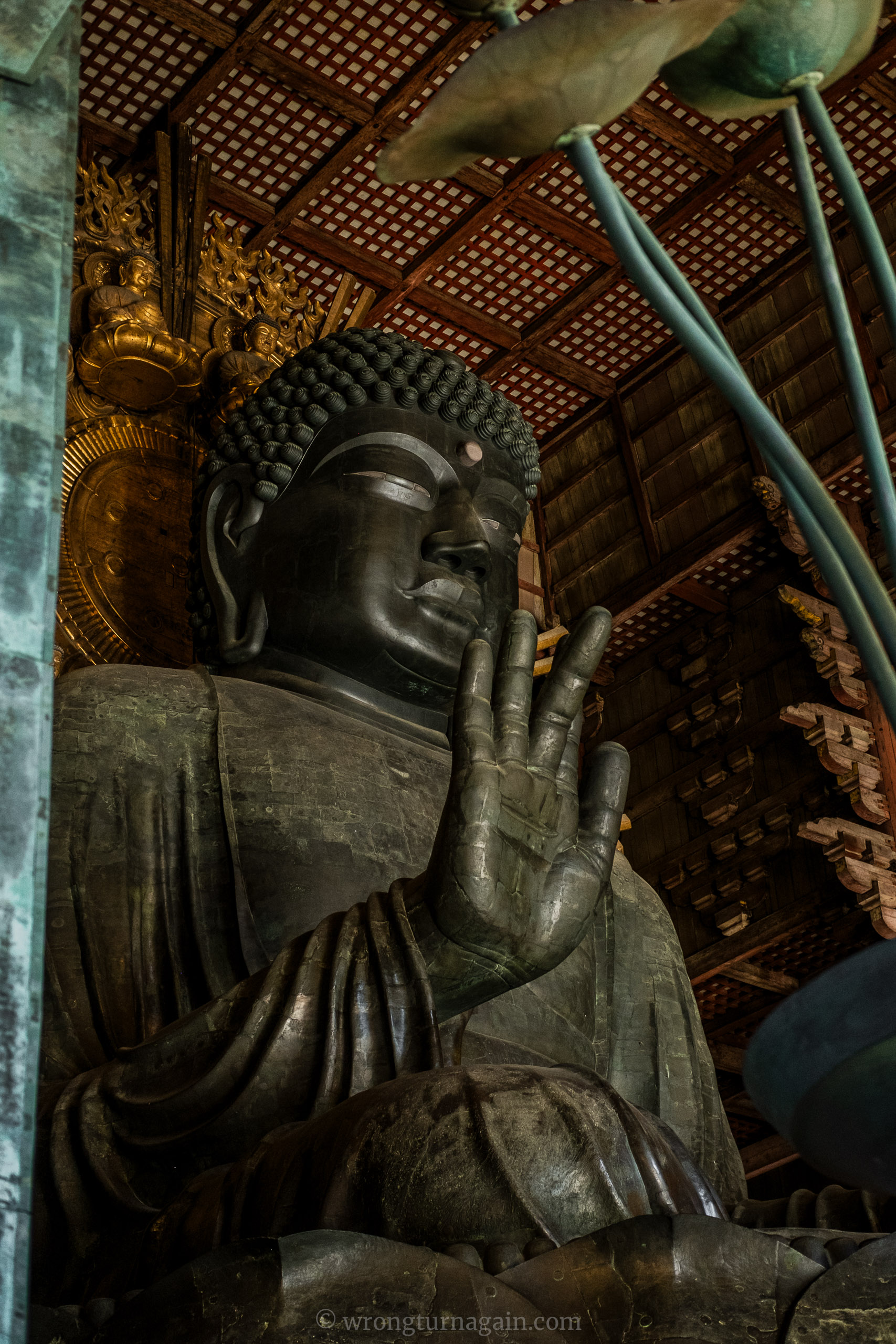
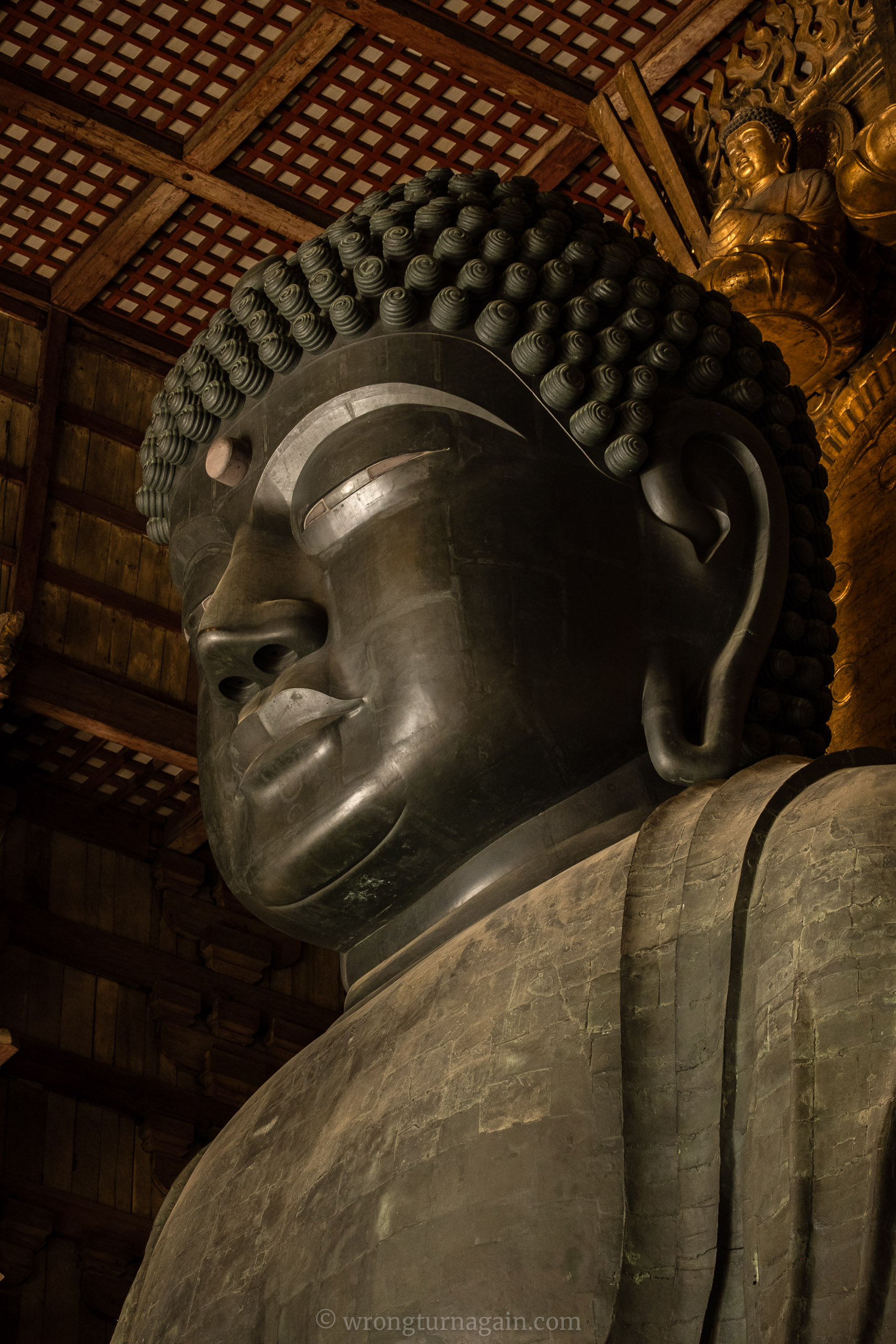
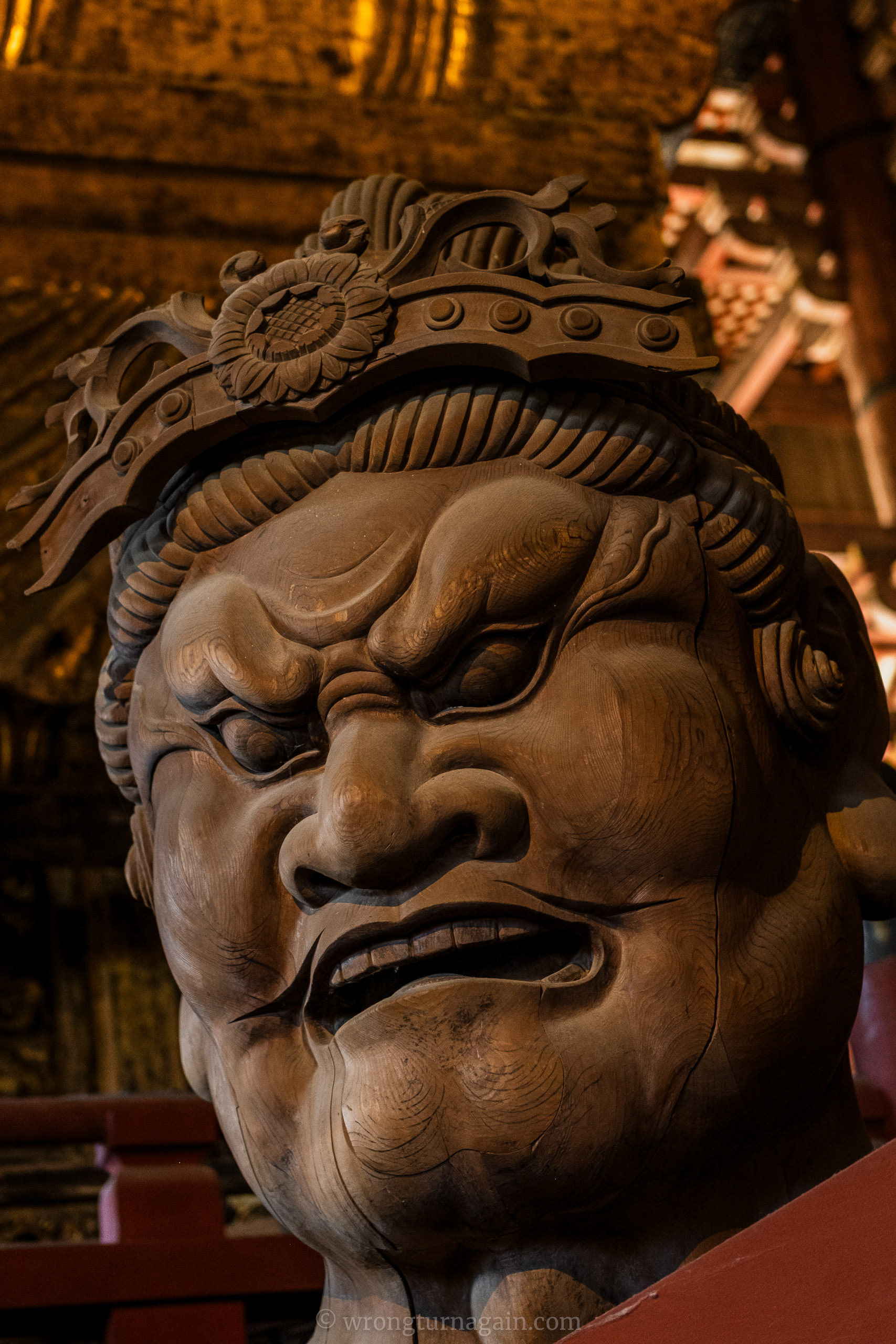
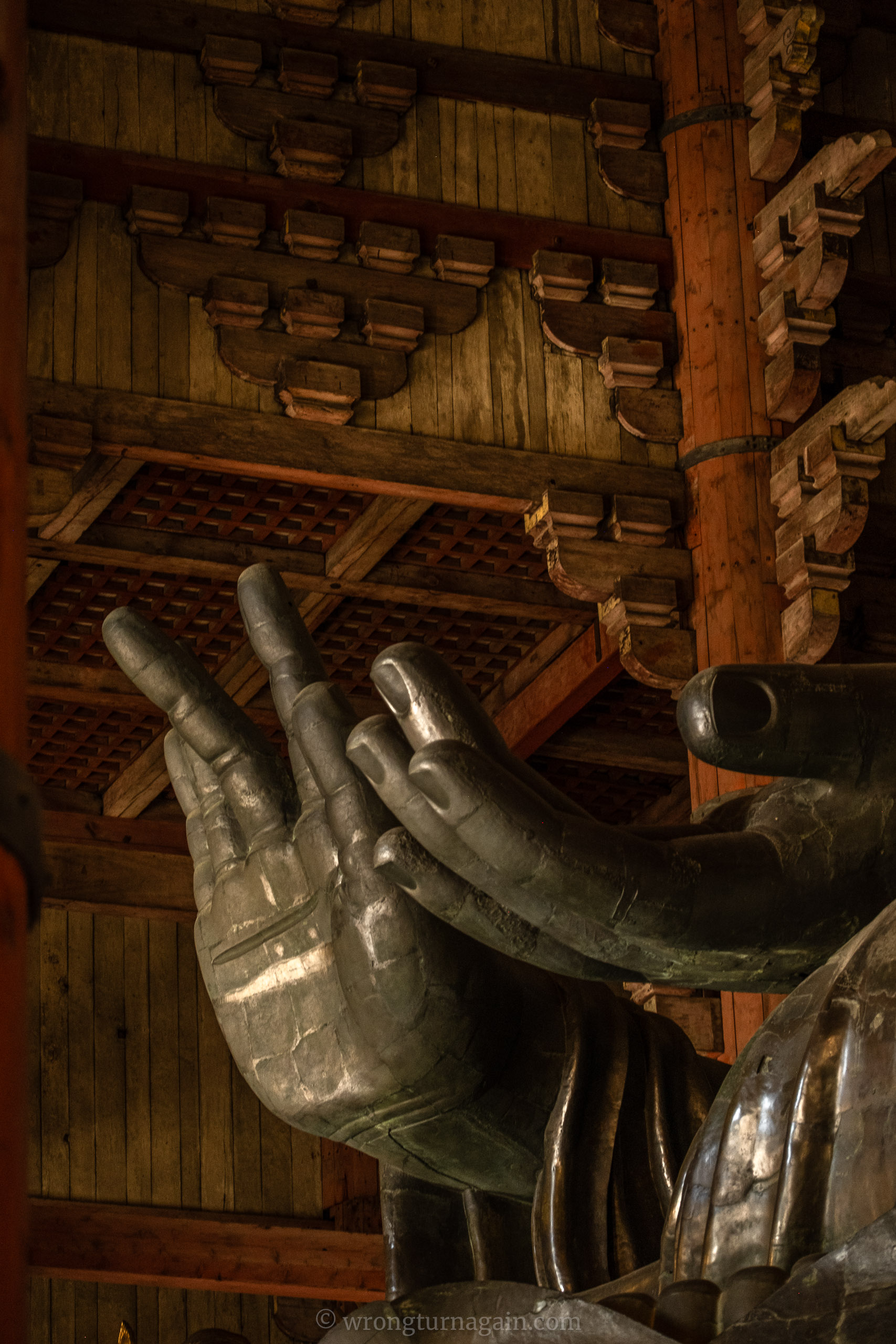
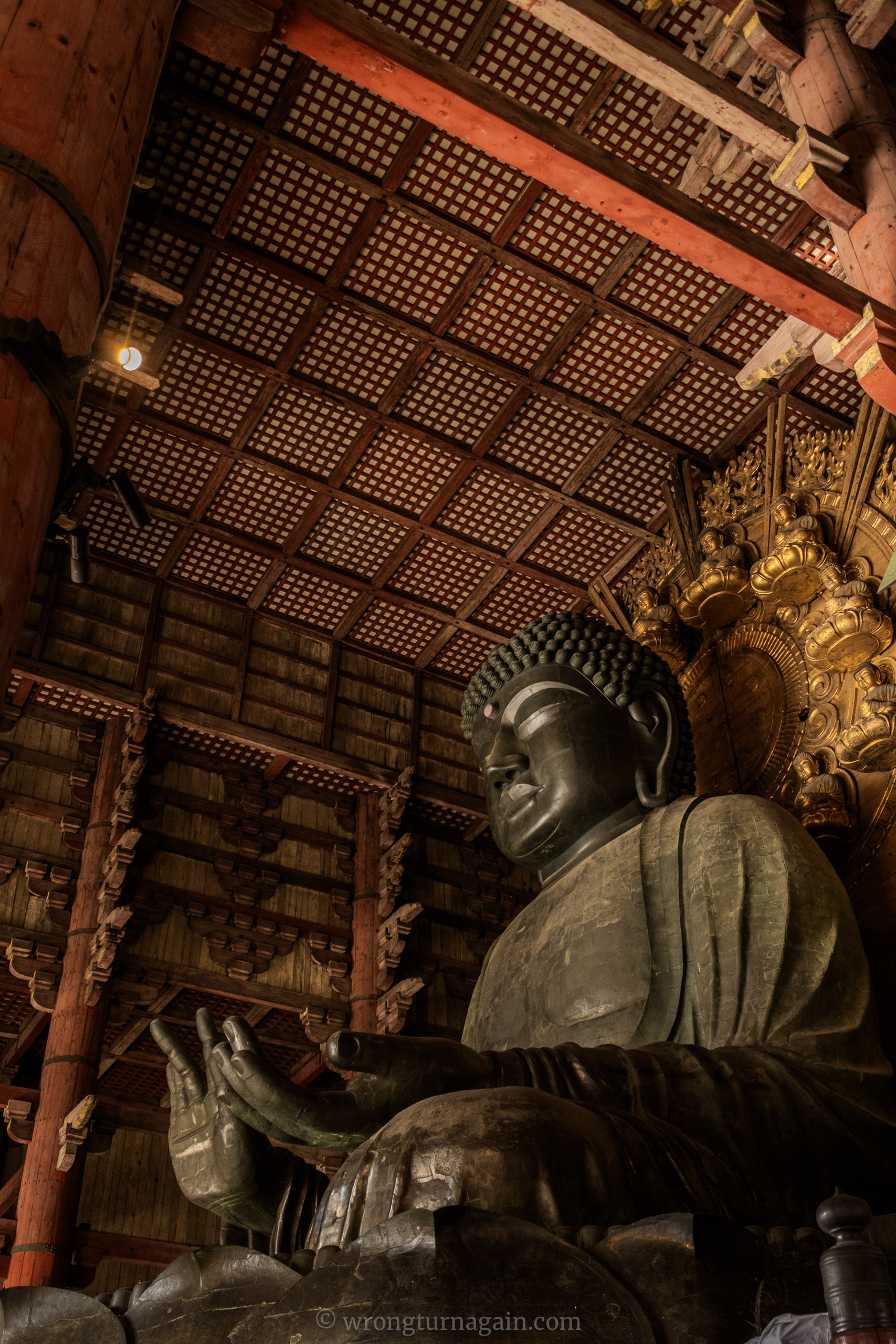
The experience begins at the massive Nandaimon Gate (Great South Gate), a 25-meter wooden structure guarded by two fierce Nio statues. Passing through, you reach the Daibutsuden. For centuries, this was the largest wooden building in the world. Inside, it houses the Daibutsu—a 15-meter-tall bronze Buddha weighing 500 tons. It is so massive that legend says three people can fit comfortably in the palm of its hand.
Interesting Fact: The construction of the Great Buddha was such a massive undertaking that it nearly bankrupted the Japanese economy of the 8th century, consuming almost all of the country’s available bronze resources.
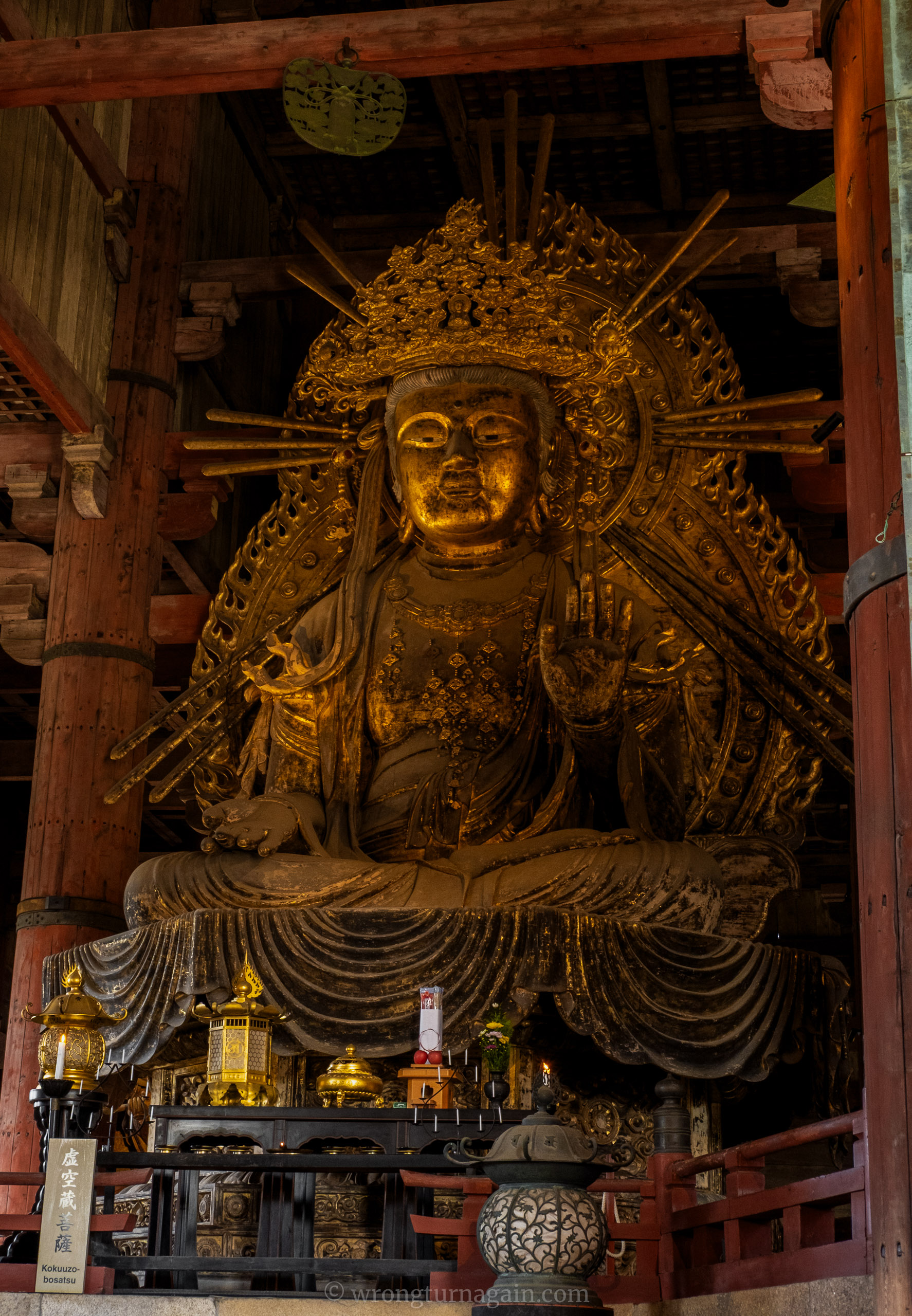

In the back right corner of the hall, you’ll see a queue forming around a wooden pillar with a hole at its base. This hole is said to be the exact same size as the Great Buddha’s nostril! Legend has it that if you can squeeze through it, you will be granted enlightenment and good luck in your next life.
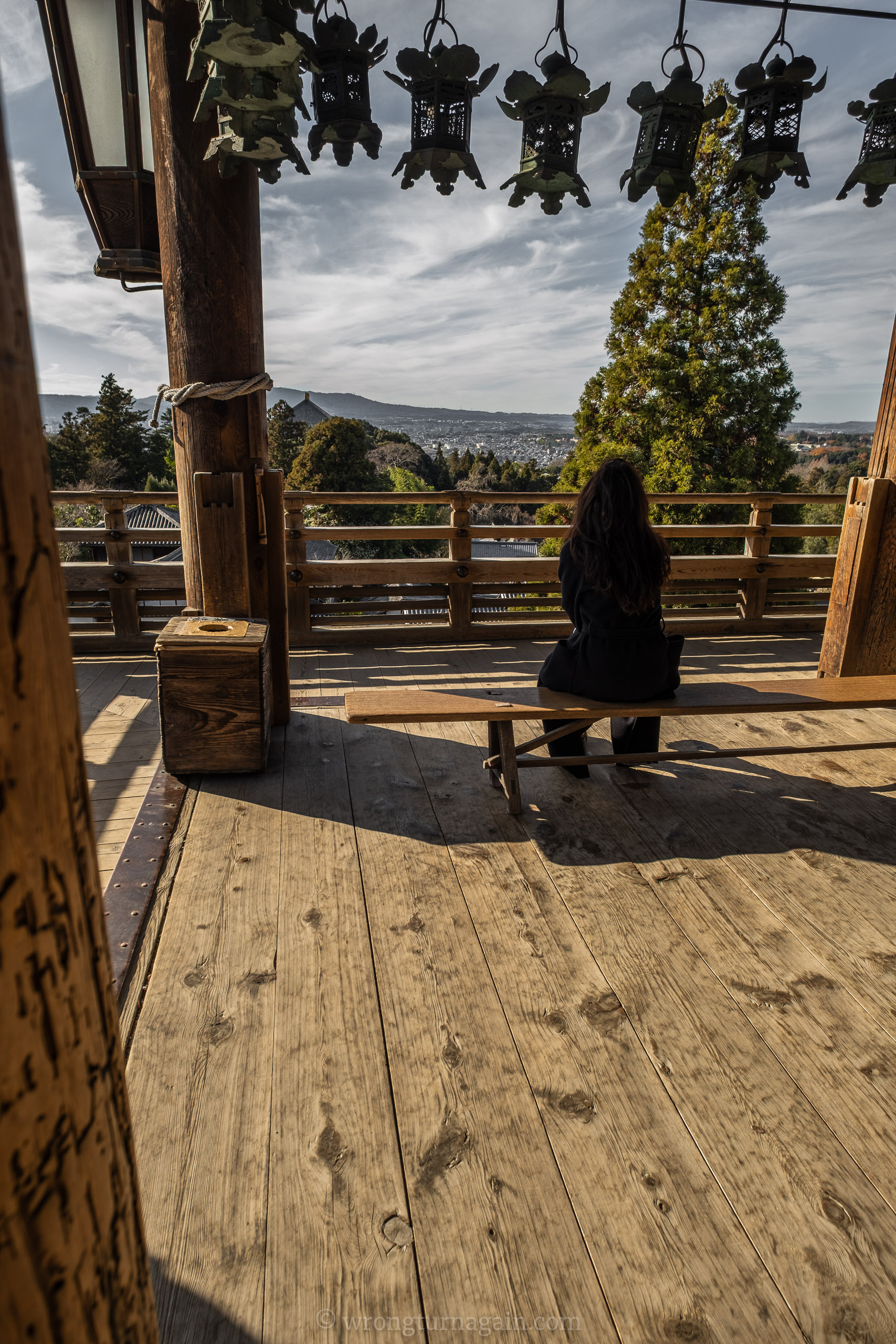
Nigatsu-do: The Best View
Instead of leaving the temple complex immediately, follow the stone staircase leading uphill to the east. This path brings you to Nigatsu-dō (Second Month Hall). Perched high on the hillside, this sub-temple features a magnificent wooden terrace that juts out over the valley. It provides the absolute best panoramic view of the Nara Basin, making it arguably the most magical spot in the city to watch the sunset.
The hall is also the stage for the dramatic Omizutori (Water Drawing Ceremony), a fire festival held every March 1st–14th that has continued uninterrupted for over 1,250 years. During this spectacle, monks run along the wooden balcony carrying massive, 8-meter-long flaming pine torches, raining down showers of sparks upon the crowd below to cleanse them of bad luck.
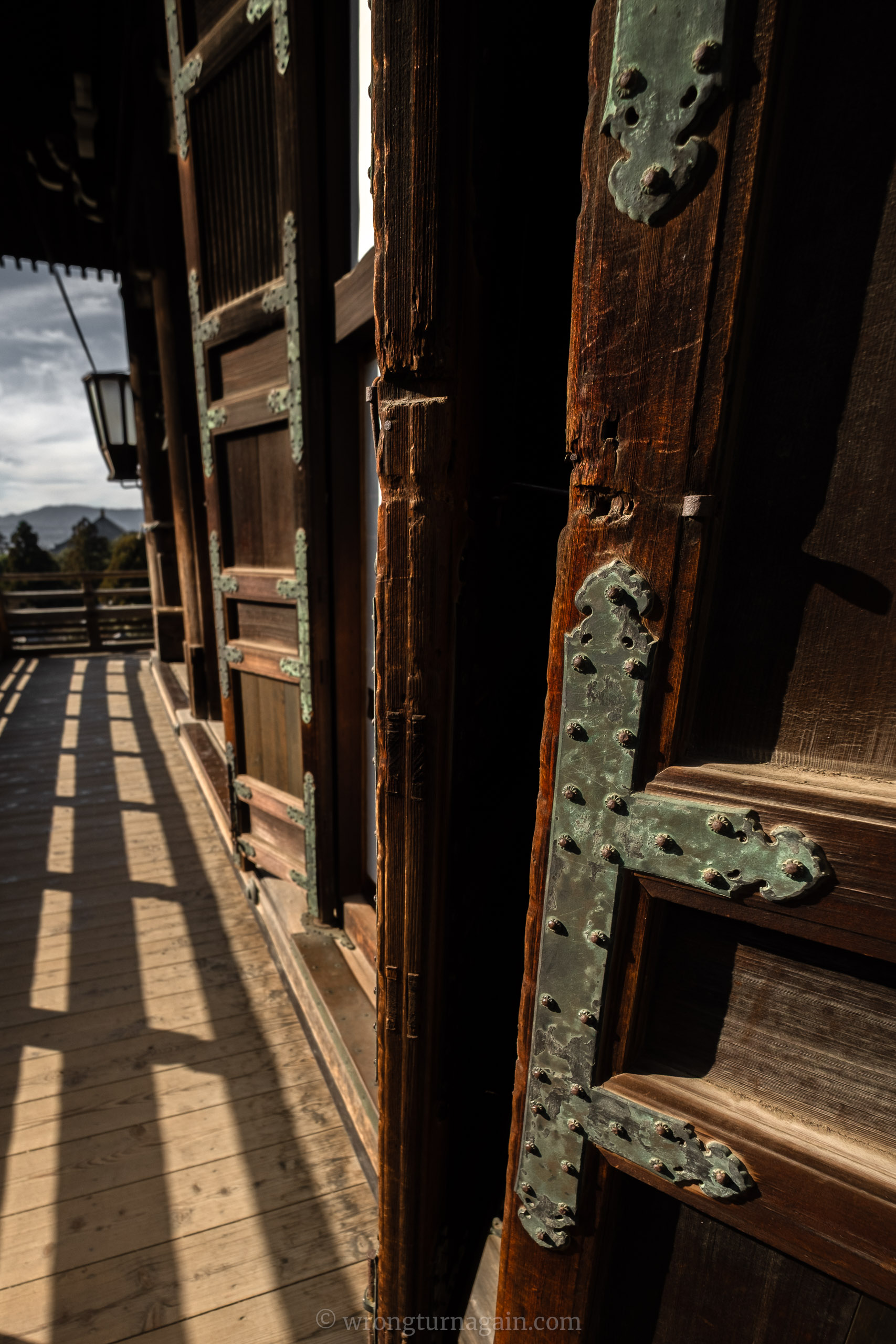
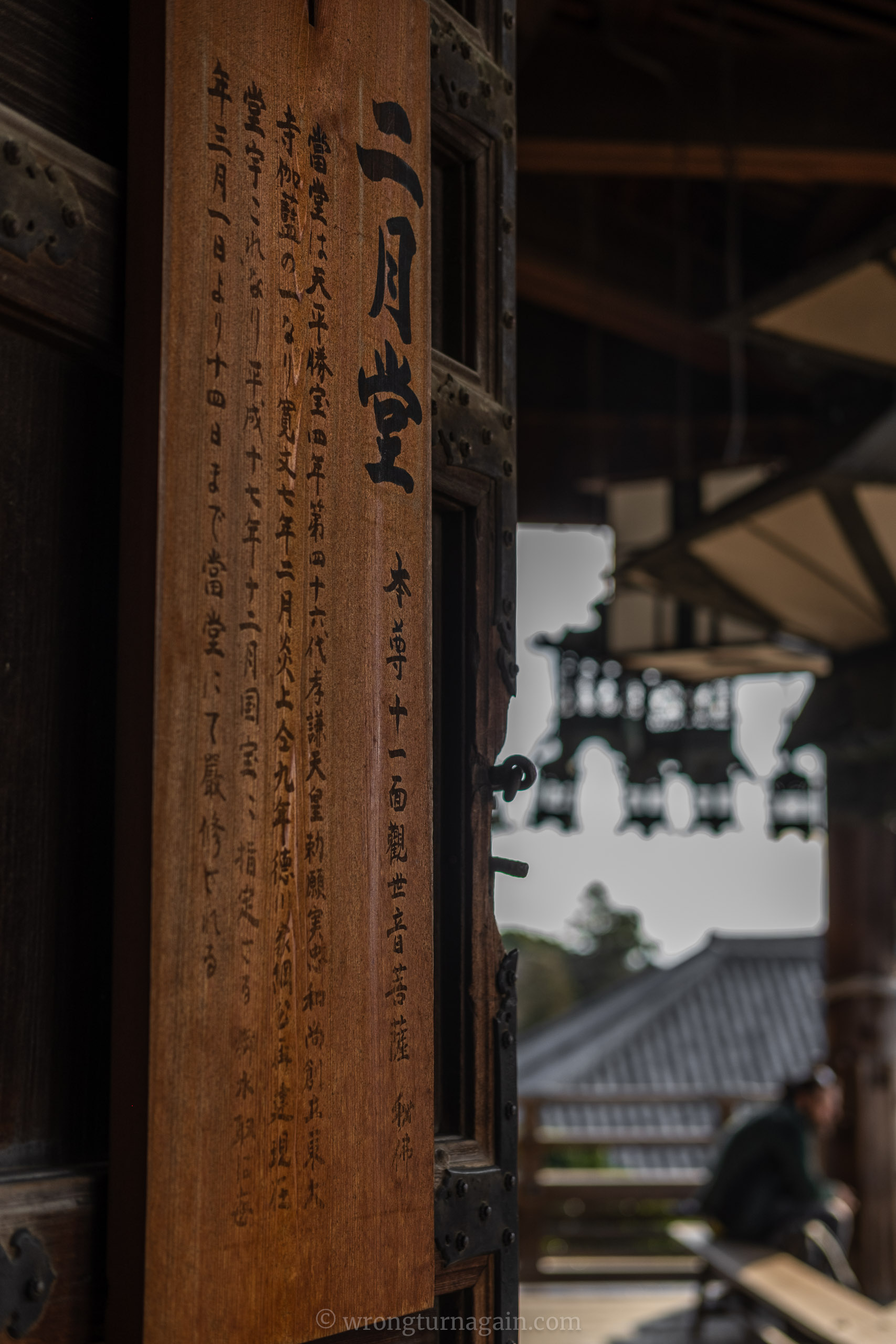
Just below the main hall, look for a small rest area called “Banshu-soro”. It is a traditional tatami room open to the public where you can sit and enjoy free hot tea (self-service) while resting your feet. It’s a rare hospitality treat that most tourists miss!
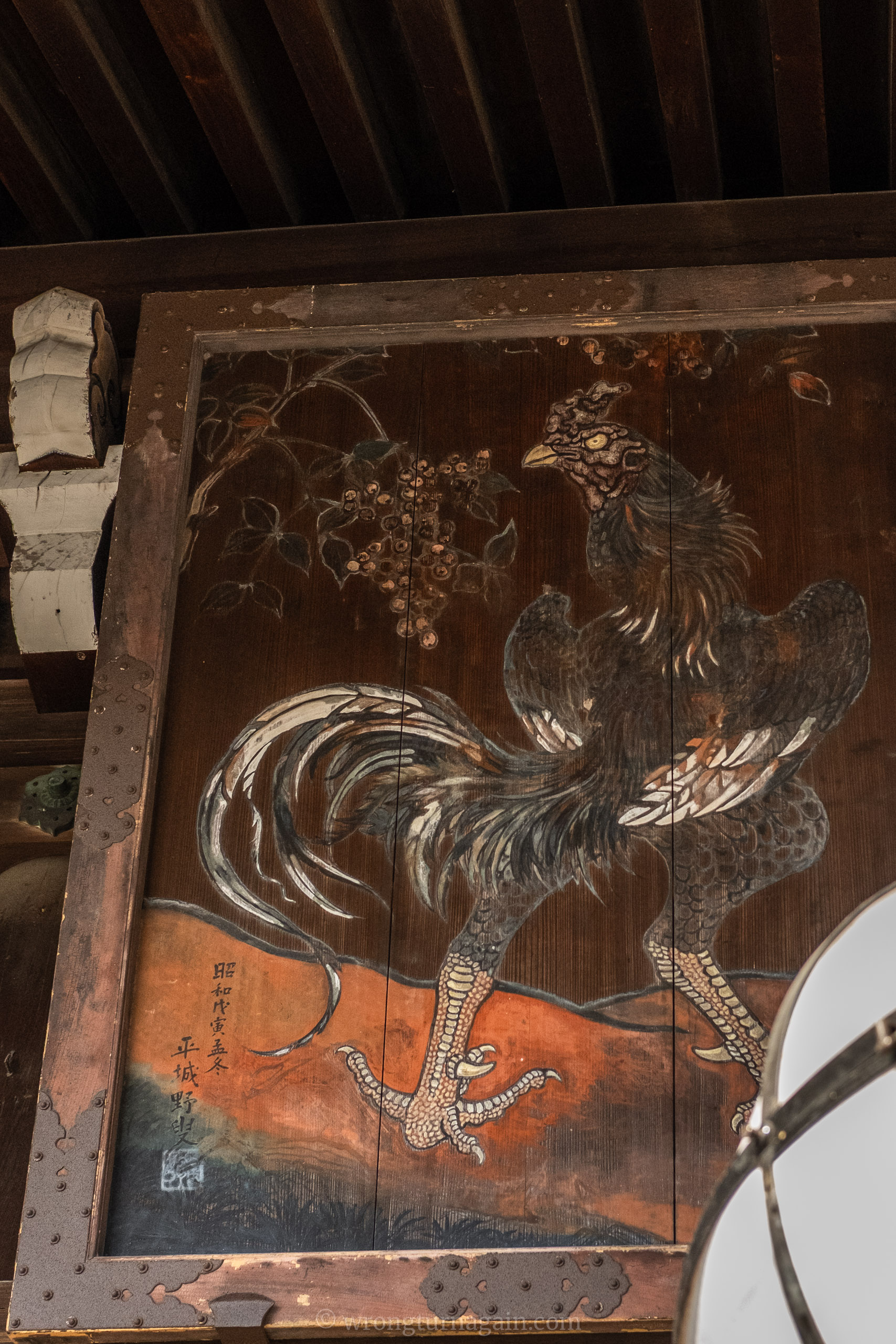
Worth a Quick Look
If you have extra time, these spots within the complex are worth a detour:
- Hokke-dō (Lotus Hall): The oldest surviving building in the complex (8th century), housing exquisite statues.
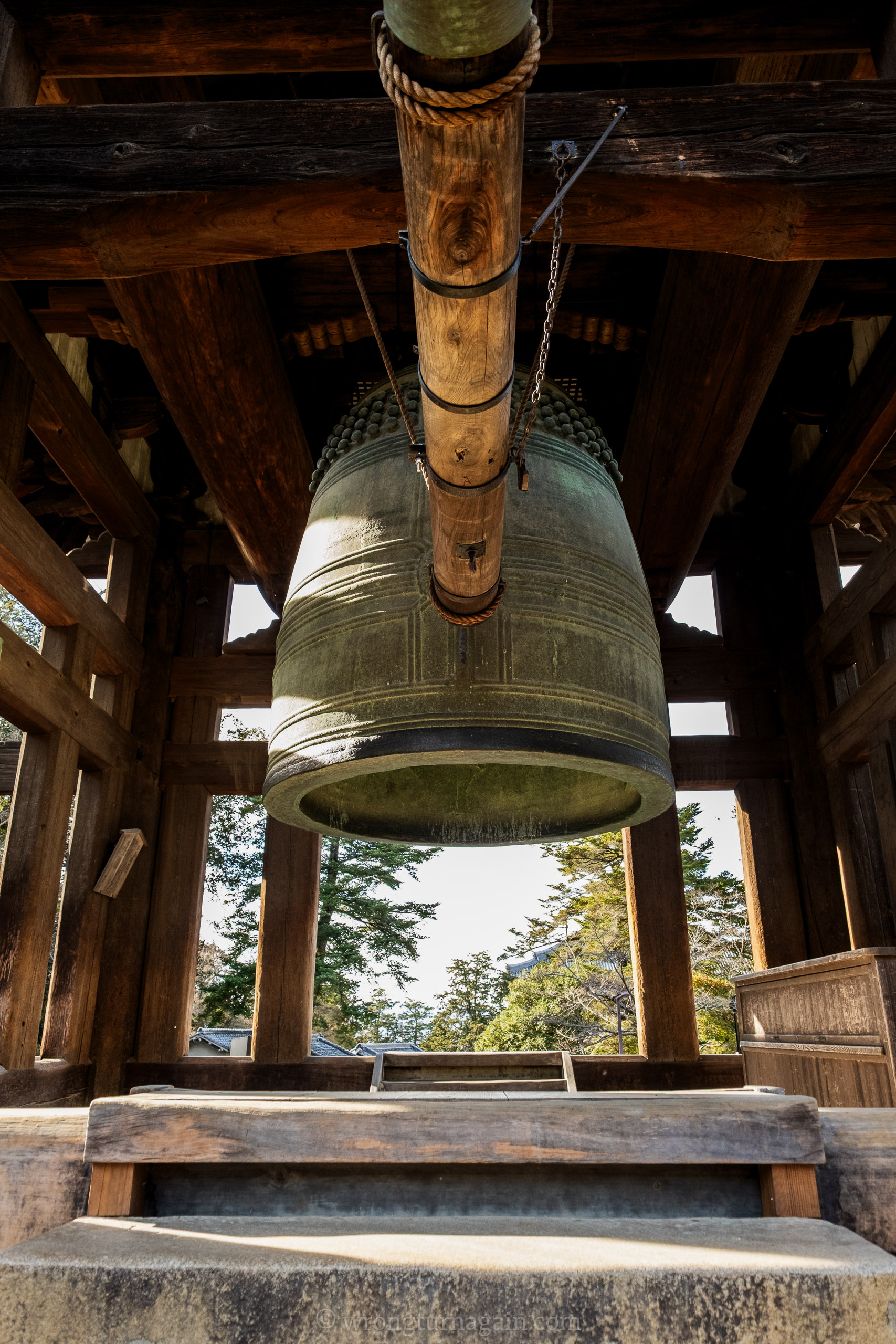
- Shōrō (Bell Tower): Home to a massive 26-ton bell that is famously rung 108 times on New Year’s Eve.
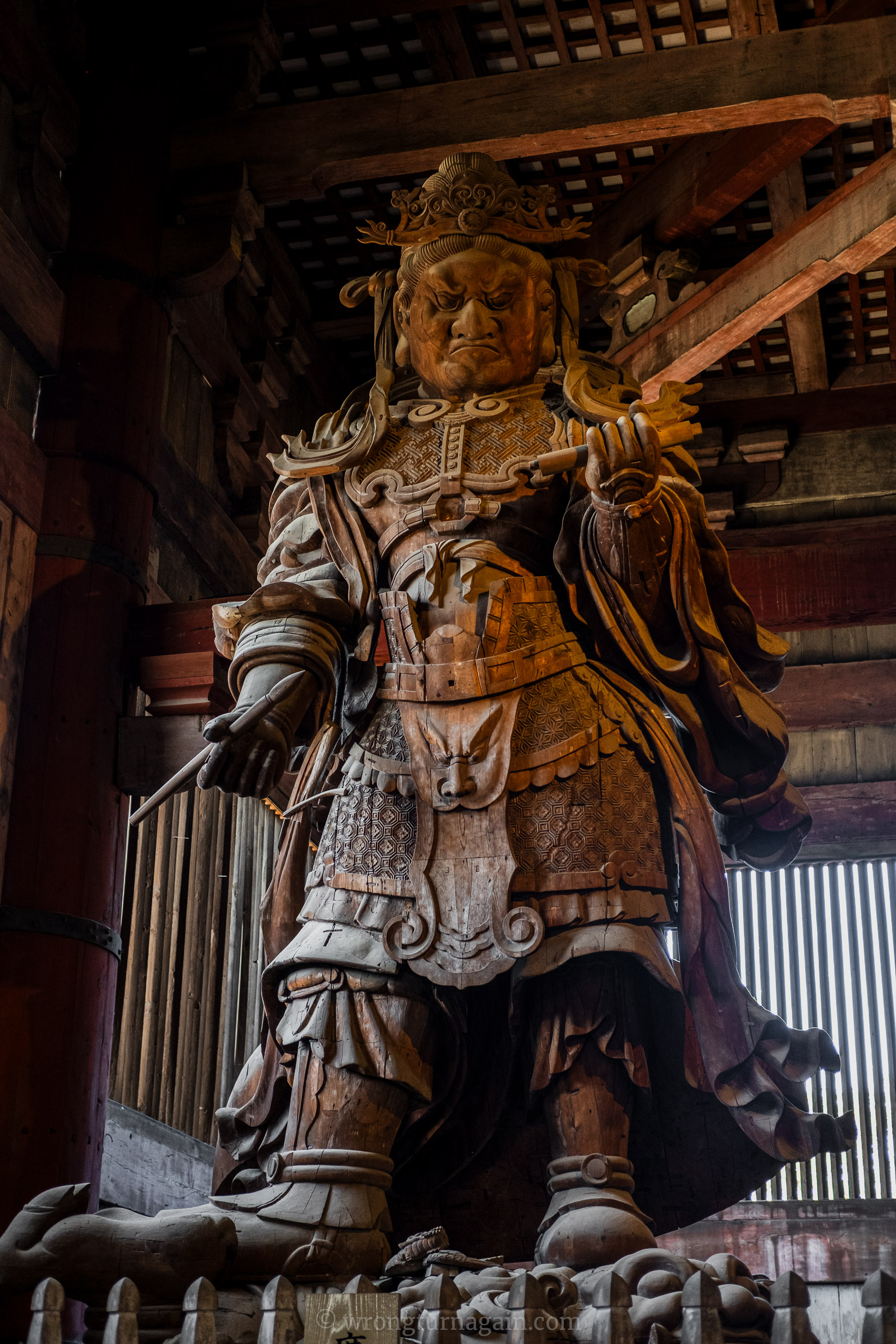
- Kaidan-in: A quiet, historic hall famous for its realistic clay statues of the Four Heavenly Kings.
- Tōdai-ji Museum: Displays national treasures near the main gate. (Entry is available via a ¥1,200 Joint Ticketwith the Great Buddha Hall).
4. Kasuga Taisha Shrine
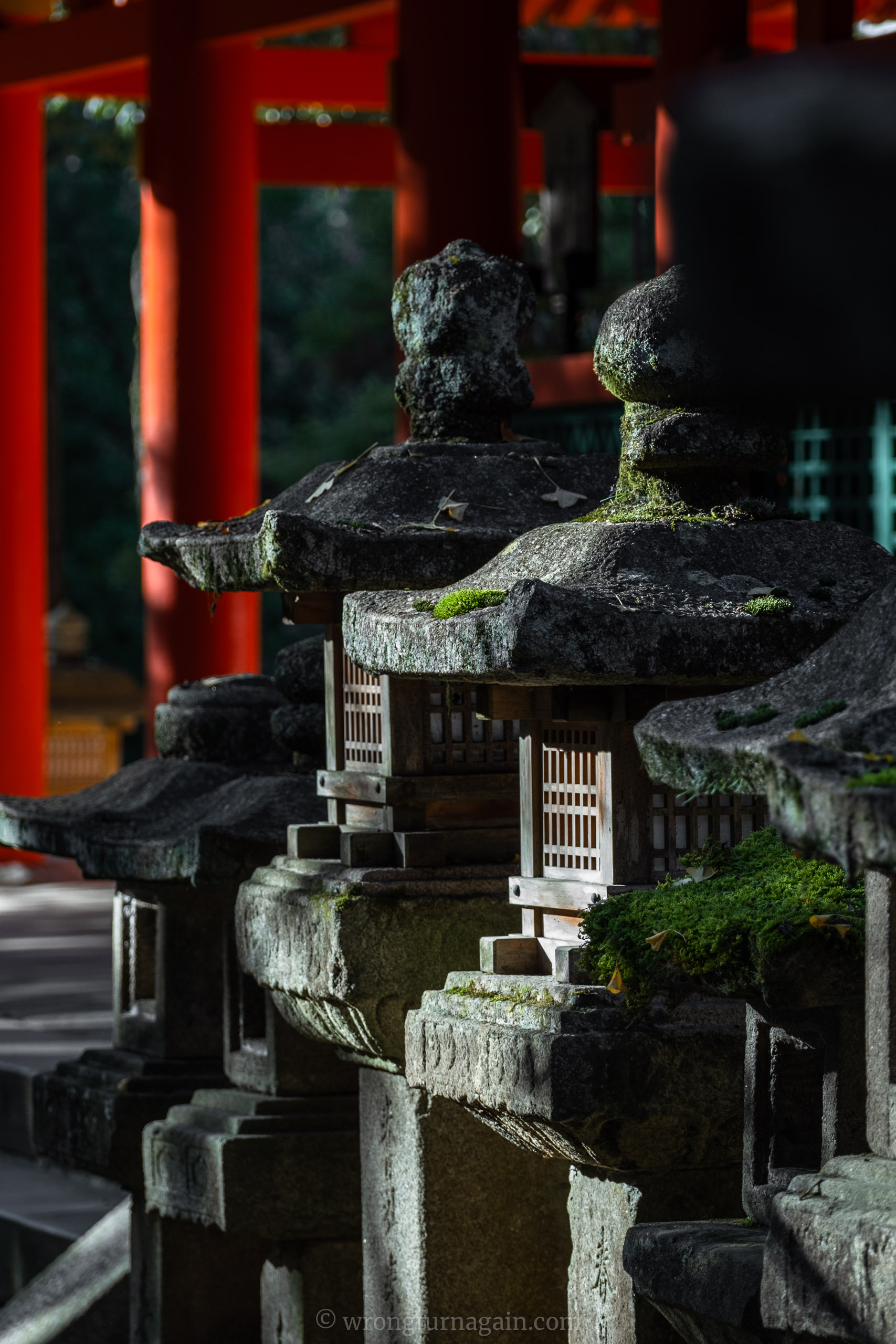
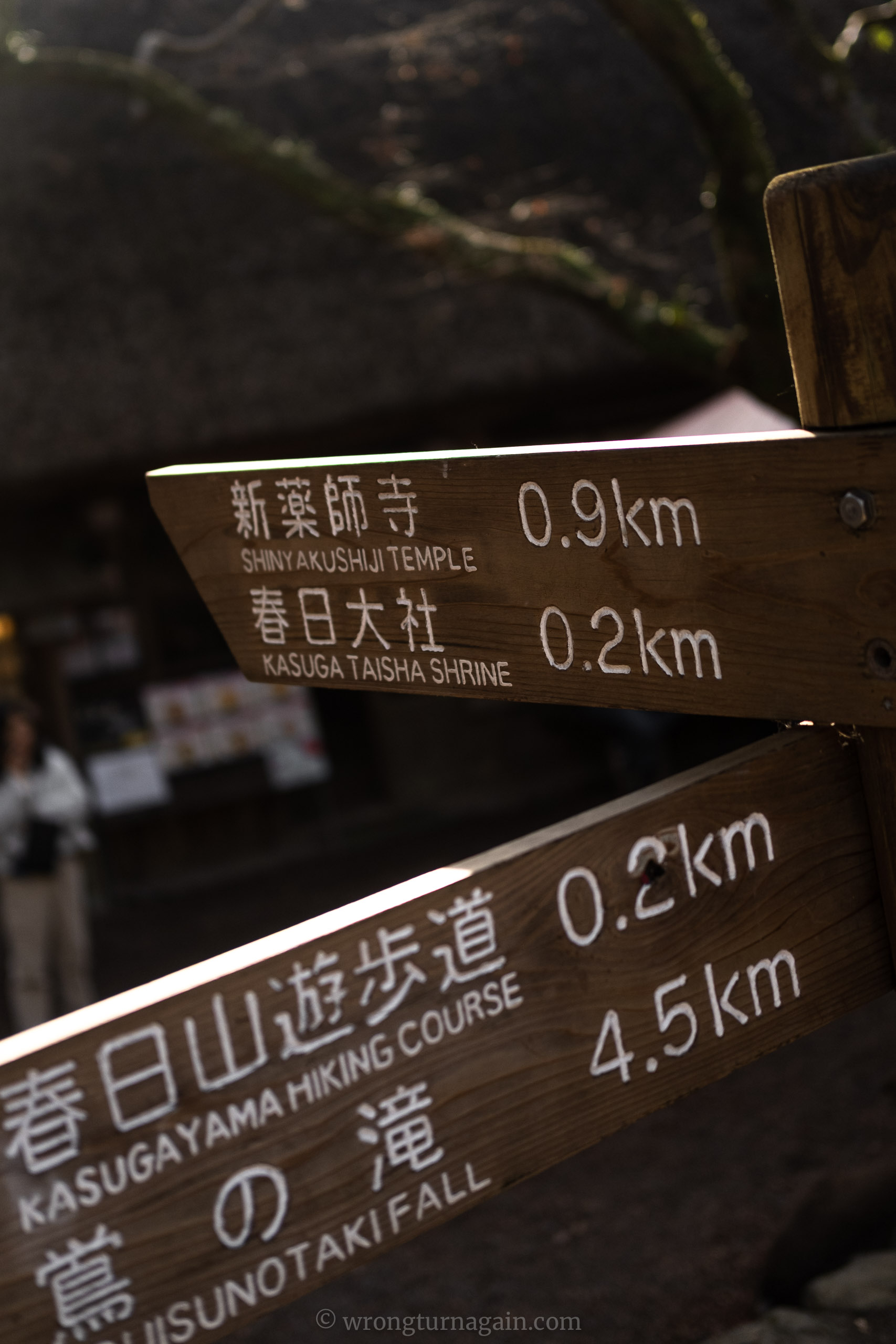
Tucked away at the edge of the sacred Kasugayama Primeval Forest, Kasuga Taisha is arguably the most atmospheric spot in the city and a top thing to do in Nara. While its vivid vermilion columns are striking against the deep green trees, what the shrine is best known for are its 3,000 lanterns.
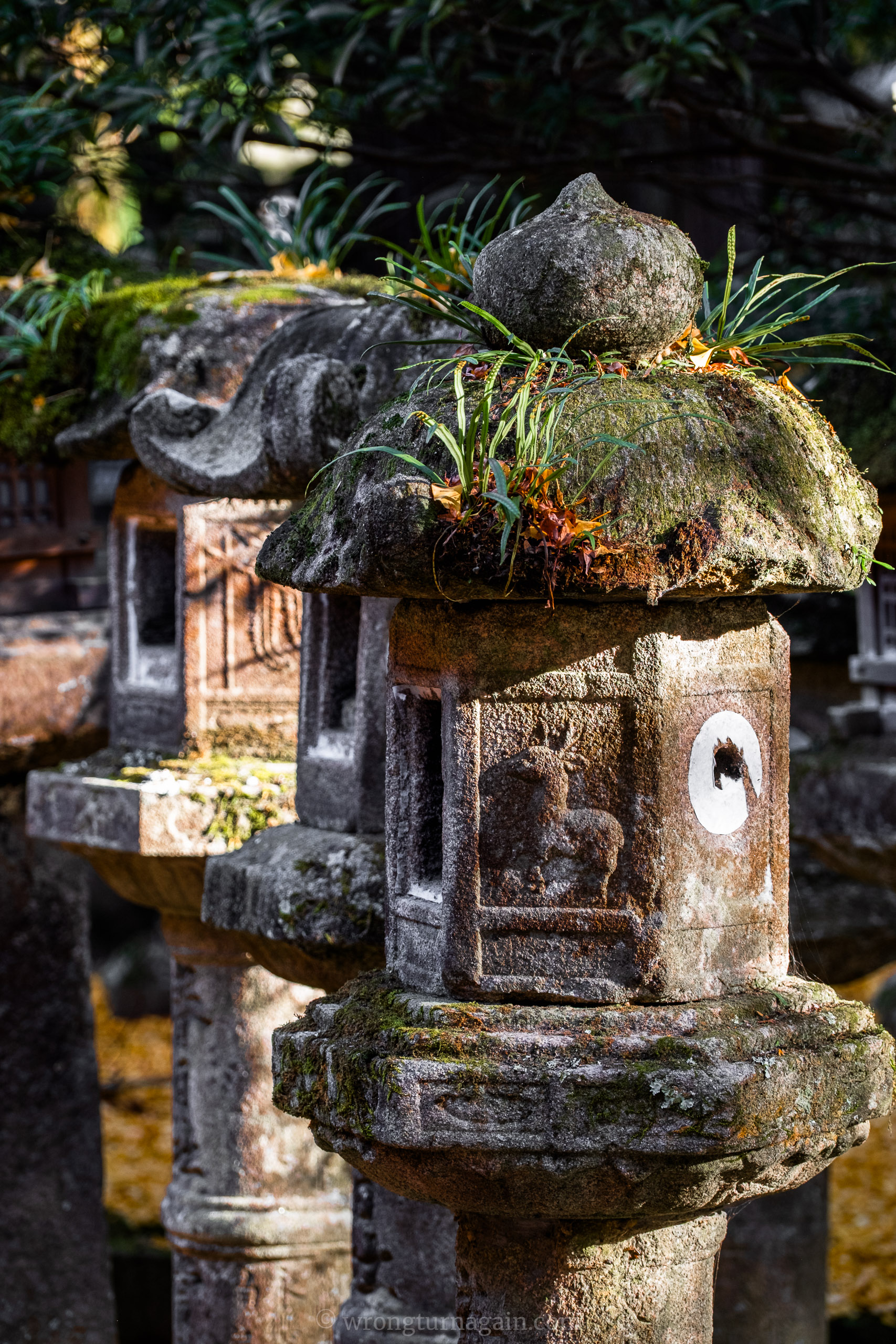
The experience begins on the approach, a shaded path lined with moss-covered stone pillars (toro). As you reach the main sanctuary, the view shifts upwards, where over 1,000 intricate bronze lanterns hang from the eaves. Traditionally, these are all lit only twice a year —during the Setsubun Mantoro (February) and Chugen Mantoro (August) festivals—making the full illumination a rare spectacle.
You don’t have to wait for the festivals to see the glow! Inside the paid area, the Fujinami-no-ya hall is a pitch-black room filled with lit lanterns and mirrors. It simulates the magical atmosphere year-round and offers a stunning photo opportunity.
Hidden Gems in the Forest
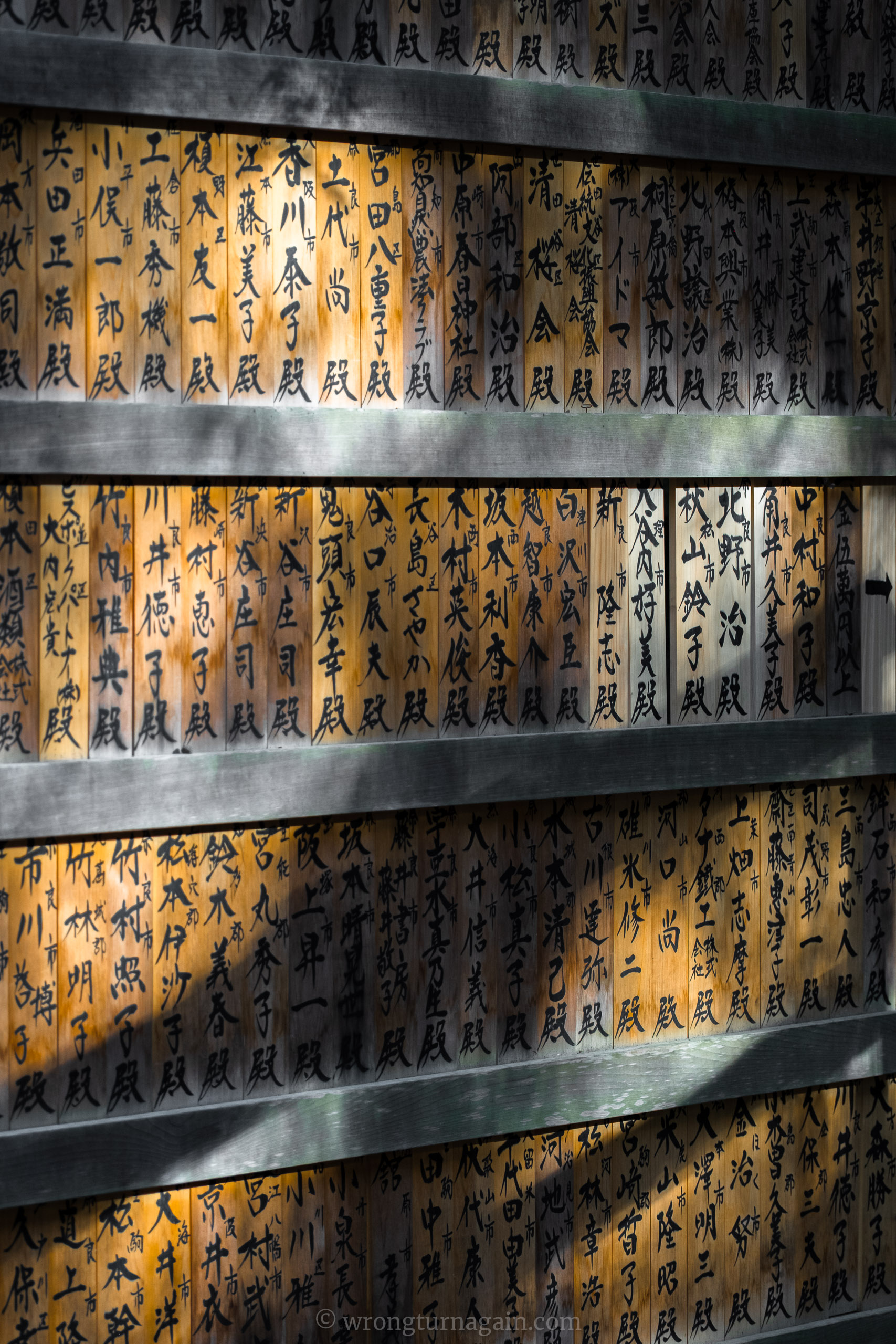
The magic of Kasuga Taisha extends far beyond the main hall. A short walk south through the woods leads to Wakamiya Shrine, instantly recognizable by its massive, ancient camphor tree symbolizing longevity. Just steps away, you will find Meoto Daikokusha, a rare shrine dedicated to married deities. It’s a favorite spot for couples, easily spotted by the hundreds of pink, heart-shaped ema (wooden plaques) hanging outside.
For nature lovers visiting in late April to early May, the Manyo Botanical Garden is a must. This is when the shrine’s symbol, the Wisteria, blooms in long purple cascades, creating one of the most beautiful sights in Nara.
5. Mount Wakakusa
Rising behind Kasuga Taisha, Mount Wakakusa is a 342-meter hill covered entirely in grass. Although it rises in three successive slopes, you do not need to reach the summit to enjoy the scenery. A steep 15-minute hike brings you to the First Slope,, a wide plateau offering a full panoramic view of Nara. This lower level is where most visitors stop to sit on the grass and photograph deer against the city skyline.
On the 4th Saturday of January, the mountain is literally set on fire during the Wakakusa Yamayaki festival. This spectacular tradition, accompanied by fireworks, dates back centuries—originally started either to settle a boundary dispute between temples or to drive away wild boars!
6. Ukimidō Pavilion (Sagi-ike Pond)
Located in the quieter southern end of Nara Park, Ukimidō is a hexagonal wooden pavilion that appears to float on the surface of Sagi-ike Pond. Connected to the shore by a wooden bridge, it is an idyllic spot for a slow walk or to rent a rowboat and drift under the cherry blossoms (in spring) or colorful maple leaves (in autumn).
While beautiful by day, the pavilion transforms at night. After sunset, it is illuminated, creating a stunning, mirror-like reflection on the dark water. It’s one of the most romantic and photogenic spots in Nara.
7. Naramachi (Old Merchant District)
Just south of Nara Park, the wide lawns give way to the narrow, winding alleys of Naramachi. This former merchant district feels like a time capsule from the Edo period, defined by its beautifully preserved traditional wooden townhouses (machiya). Today, behind these historic latticed facades, you will find some of the city’s most charming cafes, craft shops,and galleries, making it the perfect place for a relaxed afternoon stroll.
Look closely at the eaves of the houses. You will see red cloth dolls hanging like decorations. These are called Migawari-zaru (Substitute Monkeys). They act as charms to “absorb” bad luck and protect the residents from illness. The custom originates from the local Gango-ji Temple.
Step Inside a Traditional Home
Don’t just admire the facades from the street; enter Naramachi Koshi-no-Ie (Lattice House) to see how merchants lived 150 years ago. This fully preserved museum lets you walk through tatami rooms and admire the long, narrow architecture designed to minimize taxes based on frontage width.
For further exploration, visit Nigiwai-no-Ie, a century-old cultural center often hosting tea ceremonies, or seek out Shiga Naoya’s Old Residence (¥350). Built in the 1920s by a renowned novelist, this unique home offers a stunning garden view and a fascinating architectural blend of Japanese and Western styles.
Hidden in the district is Gango-ji Temple, a UNESCO World Heritage site. While smaller than Todai-ji, it holds a unique record: the roof tiles on its main hall are over 1,400 years old, making them the oldest in Japan.
8. Kofuku-ji
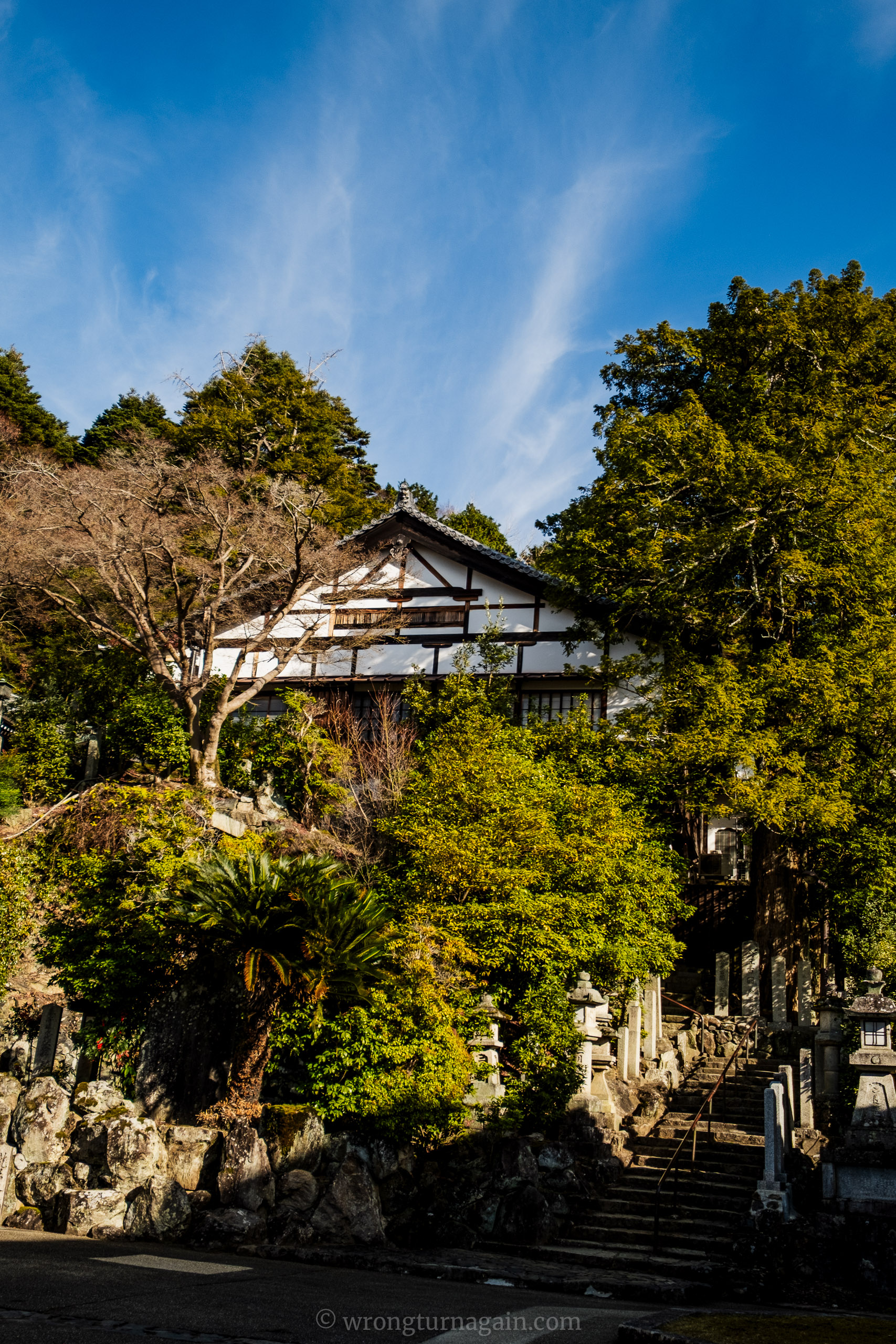
Located just steps from Kintetsu Nara Station, Kōfuku-ji is likely the first (or last) historic site you will see. Founded in the 7th century by the powerful Fujiwara clan, this complex was once the religious and political center of the region. Today, despite centuries of fires and reconstructions, it remains one of Japan’s most significant Buddhist sites.
Before entering the temple grounds, stop at the famous Nakatanidō shop right across the street. Watch the craftsmen pound steaming hot rice into mochi at lightning speed using heavy wooden mallets. Grab a fresh yomogi mochi (filled with red bean paste) while it’s still warm—it’s the best snack in Nara!
Dominating the skyline is the Five-Story Pagoda. Rising 50 meters high, it is the second tallest wooden pagoda in Japan and serves as the unofficial symbol of Nara. While you cannot enter it, its sheer scale is impressive. A short walk south reveals the smaller, older Three-Story Pagoda, a hidden gem of Heian-period architecture renowned for its perfect proportions.
Just steps away stand the Central (Chū-kondō) and Eastern (Tō-kondō) Golden Halls, both housing impressive statues of the Healing Buddha (Yakushi Nyorai). However, the real highlight for art lovers is the National Treasure Museum. It houses the famous Ashura Statue—a six-armed, three-faced deity considered a masterpiece of Buddhist art. His delicate, sorrowful expression has made him a beloved cultural icon in Japan.
How to Get to Nara Park
Situated less than an hour from both Kyoto and Osaka, Nara is the ultimate day-trip destination in the Kansai region. While the city is accessible by car, the rail connections are so frequent and efficient that driving is largely redundant. Sticking to the train is generally the smarter choice to avoid the heavy traffic and expensive parking fees surrounding Nara Park.
By Car
The most direct route from central Osaka. It connects directly to the tunnel leading straight into Nara city.
Connects Kyoto to Nara swiftly. The exit at Kizu IC brings you close to the northern entrance of Nara Park.
Note: While scenic, this route can get congested during cherry blossom and autumn foliage seasons.

You can park at the Naranoborioji Parking Lot or Park Central Nara. There are also several public parking spaces surrounding Nara Park and near Todai-ji and Kofuku-ji temples.
Important: Parking lots around Nara Park tend to fill up by 10:00 AM on weekends and holidays.
By Train
Nara has two main stations. Kintetsu Nara is the superior choice for day-trippers as it drops you right at the edge of the park. JR Nara is ideal only if you are using a JR Pass.
Best for direct access to Kintetsu Nara Station (5 min walk to Park).
• From Osaka-Namba: Take the Rapid Express (35 min).
• From Kyoto Stn: Take the Limited Express (35 min) or Express (45 min).
Ideal if you have a Japan Rail Pass. Arrives at JR Nara Station (20 min walk to Park or 5 min Bus).
• From Osaka Stn: Yamatoji Rapid Service (50 min).
• From Kyoto Stn: Miyakoji Rapid Service (45 min).
The Japan Rail Pass offers unlimited access to all JR Group networks (trains, buses, ferries). It is a smart investment if you plan to travel frequently on the Shinkansen or move between multiple cities during your trip.
Hand-picked for this route
Getting around Nara Park
All major sights are clustered around Nara Park, making it easy to explore on foot. Without the climb up Mount Wakakusa, the entire classic loop is about 6km (less than 1.5 hours of pure walking time), making it easy to explore on your own or with this popular guided walking tour.
Alternatively, you can rent a bicycle near the stations (JR or Kintetsu) with prices ranging from ¥1,000 to ¥2,000 per day. If you prefer a guided experience, you can book this organized cycle tour.
If you want to limit walking, the Nara Kotsu Bus covers all key spots. Tickets cost ¥250 per ride, or you can purchase a 1-Day Bus Pass for ¥600.
Recommended Walking Route
Where to Eat in Nara: Best Cafes and Restaurants
From the matcha tearooms bordering Nara Park to the narrow lanes of Naramachi, where traditional wooden townhouses (machiya) have been repurposed into atmospheric cafes, Nara offers a distinct culinary experience.
Many of the region’s signature dishes originated in the temples and farming villages of the Yamato Peninsula, preserving recipes and flavors that have remained virtually unchanged for centuries.
Lunch & Dinner
Coffee, Tea & Sweets
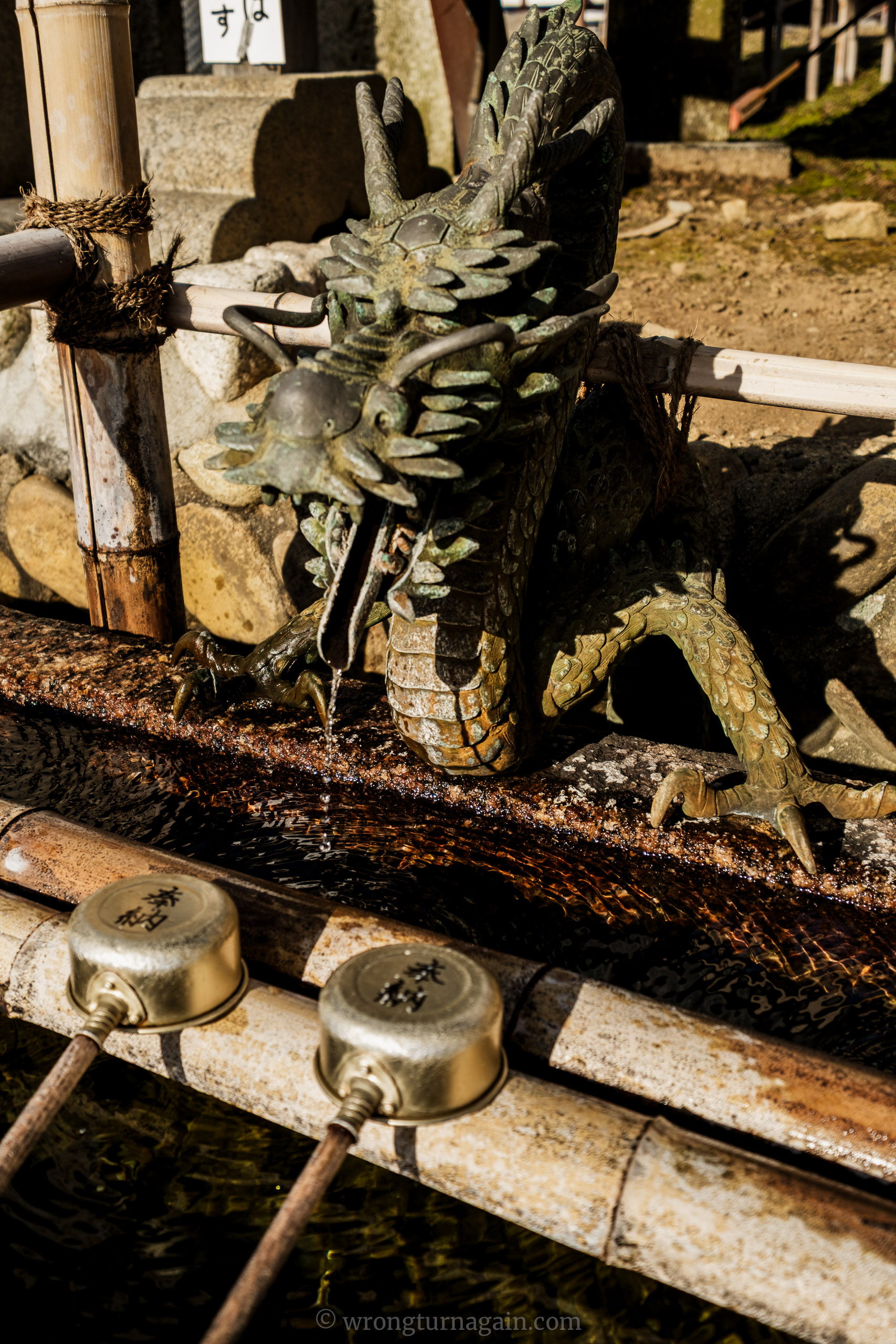
Where to Stay in Nara
While most travelers visit Nara on a quick day trip from Kyoto or Osaka (a fast 30–45 minute train ride), staying overnight reveals a different side of the ancient capital. Once the crowds disperse, the lanterns of Kasuga Taisha flicker among the trees, and the deer roam quietly around the temple grounds.
- Nature & Deer Nara Park Area: The best option for a unique stay. As you move east towards the primeval forest, modern buildings disappear. Stay here to find ryokans located directly inside the park, offering a quiet retreat steps away from the deer.
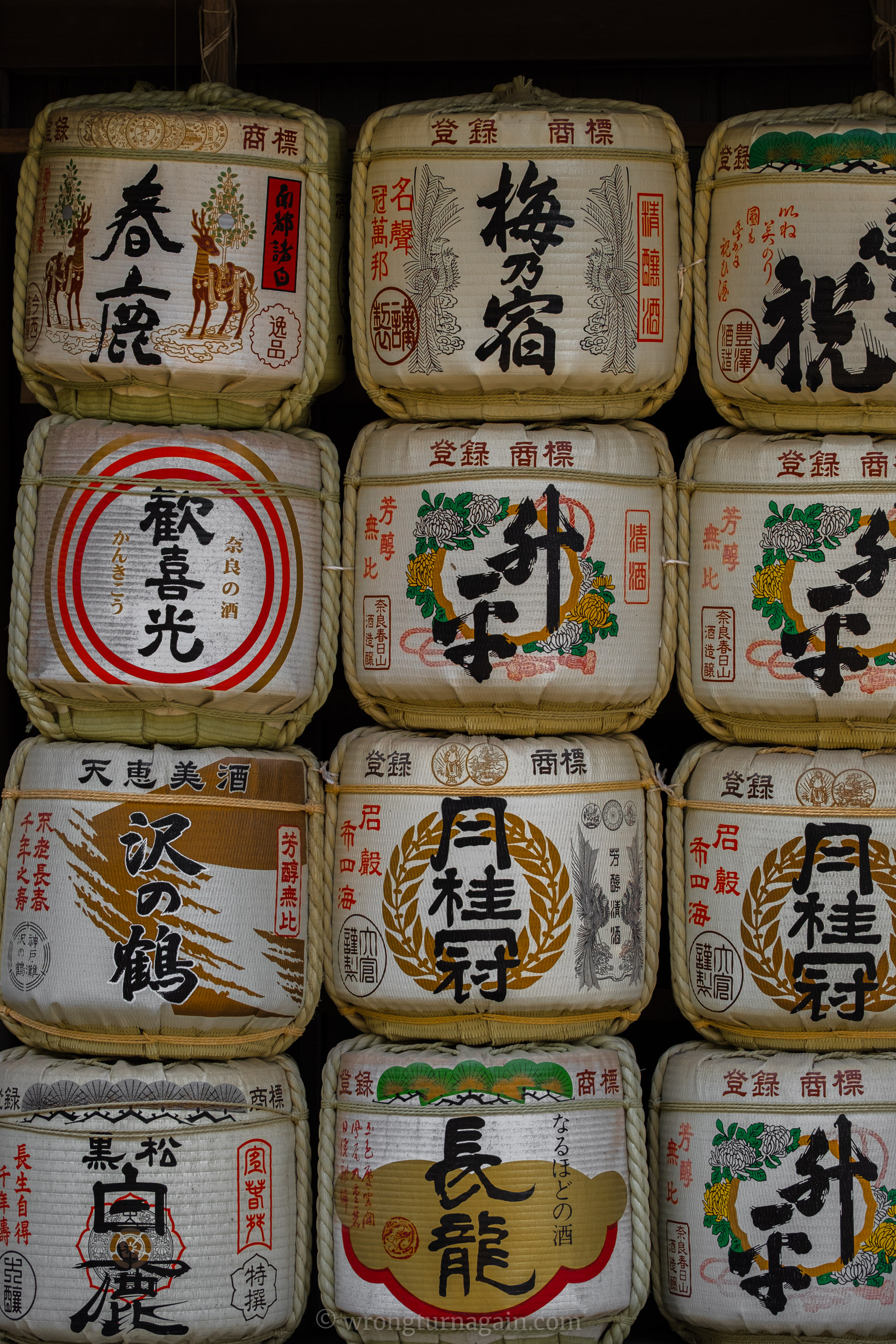
- History & Atmosphere Naramachi District: The old merchant quarter defined by narrow lanes and preserved machiya (wooden townhouses). Staying here puts you close to traditional sake breweries, cafes, and artisan workshops, offering a glimpse into old Japan.

Our Top Nara Ryokan Picks
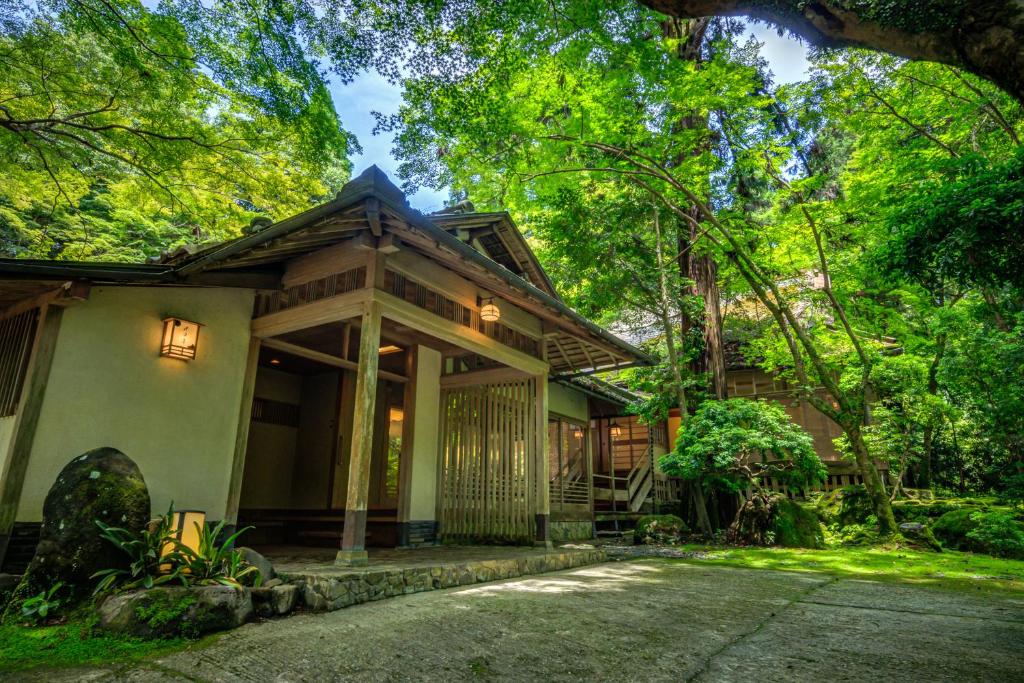 TSUKIHITEI
An exclusive ryokan hidden deep within the Kasugayama Primeval Forest. Offers ultimate privacy and traditional Kaiseki dining.
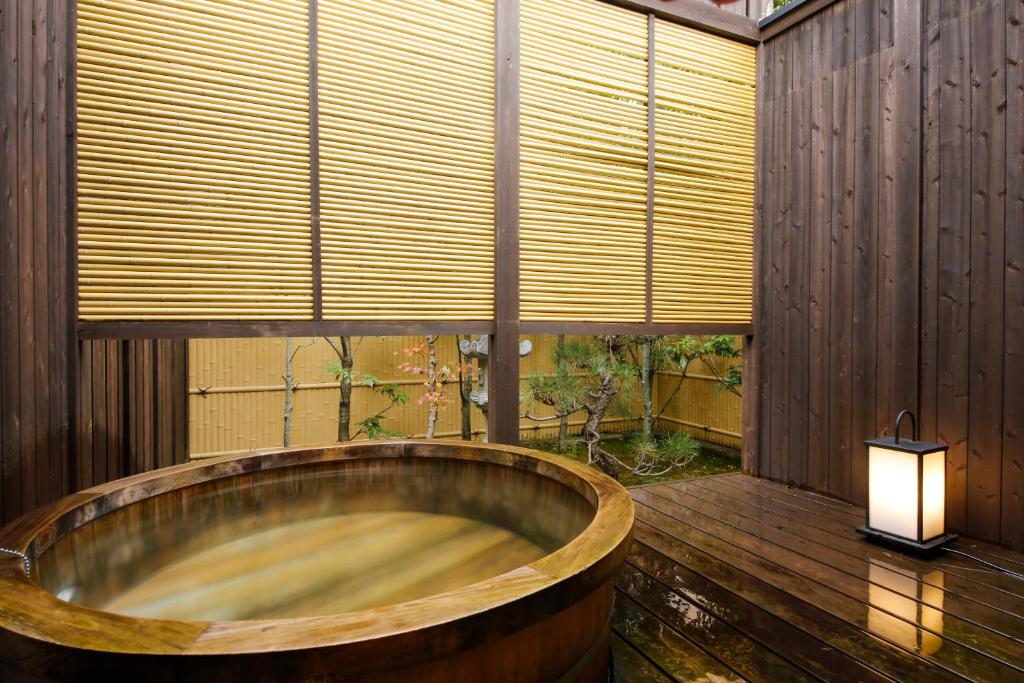 KOTONOYADO MUSASHINO
Located right in front of Mt. Wakakusa. Famous for deer visiting the entrance and its open-air baths with park views.
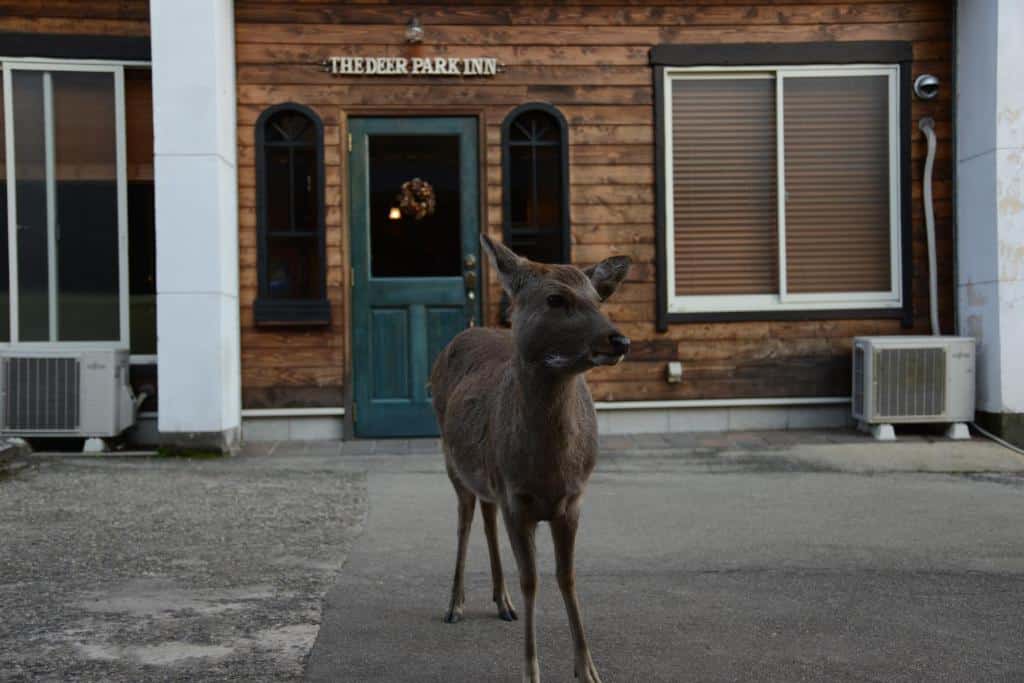 THE DEER PARK INN
A budget-friendly lodge surrounded by nature and deer. Ideal for hikers and those wanting a quiet stay without the luxury price tag.
Best Time to Visit Nara
Nara reveals a different character in every season. Late March brings the ethereal sakura (cherry blossoms) to Nara Park, while November sets the Kasugayama Primeval Forest ablaze with deep autumnal reds. Beyond the foliage, summer comes alive with vibrant lantern festivals, and winter provides a rare, serene atmosphere perfect for exploring the ancient temples without the usual crowds.
Annual Ceremonies & Festivals
While the changing seasons set the atmospheric backdrop, it is the city’s spiritual calendar that truly brings the ancient capital to life. If you have the flexibility to align your visit with one of these dates, you will witness sacred rites that have been performed uninterrupted for over twelve centuries.
-
Wakakusa Yamayaki
4th Sat of Jan
A spectacular fire festival where the grassy slopes of Mount Wakakusa are set ablaze. The burning mountain illuminates the night sky, accompanied by a major fireworks display.
-
Omizutori (Shunie)
March 1 – 14
A sacred purification rite held at Todai-ji’s Nigatsu-do Hall. Giant torches illuminate the balcony every night, peaking with the dramatic “Water Drawing” ceremony on March 12th.
-
Nara Tokae Lanterns
Aug 5 – 14
Thousands of candles are placed across Nara Park and the grounds of Kasuga Taisha, creating a mystical atmosphere. It is one of the most romantic summer events in the Kansai region.
-
Shika-no-Tsuno-kiri
October (Mid)
The traditional Deer Antler Cutting Ceremony. Held at the Roku-en sanctuary, this event (dating back to the 1600s) safely removes the antlers of male bucks to prevent accidents during mating season.
Nara Budget Breakdown
Wondering is Nara expensive? You will be pleased to know that Nara is one of Japan’s most affordable destinations. Since most attractions are concentrated within walking distance, it serves as an ideal budget day trip from Kyoto or Osaka, allowing you to explore World Heritage sites without breaking the bank. Here is a breakdown of the estimated Nara trip cost to help you plan: