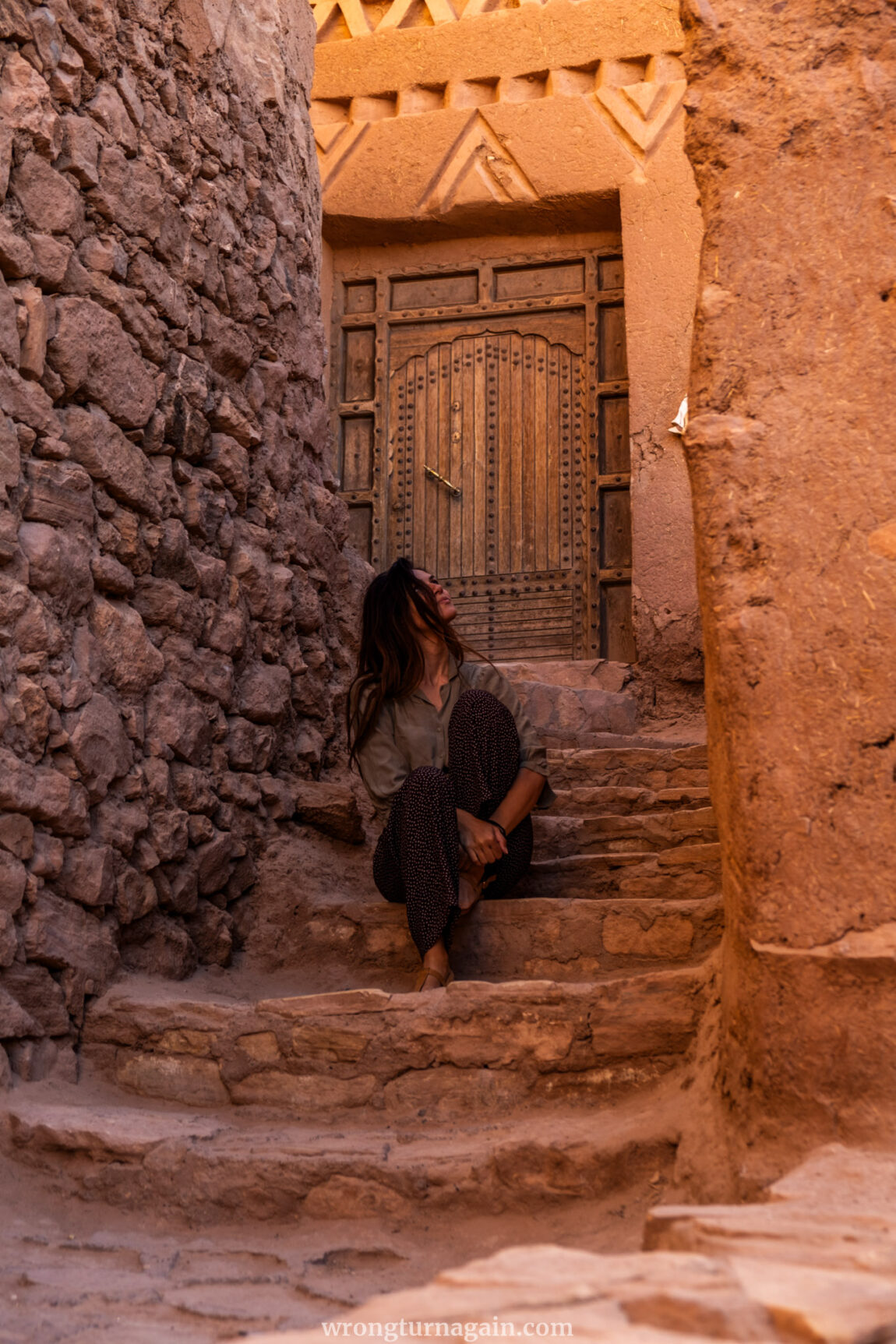
Welcome to Aït Ben Haddou, a gem nestled in the Moroccan desert landscape. This fortified village, with its striking red mud-brick facades and ancient walls, feels like a setting straight out of a biblical tale. Situated on the route from Marrakesh to the Sahara, it’s a must-visit destination on any Moroccan itinerary. Wander through its winding streets, admire its traditional architecture, and take in the breathtaking vistas that glow with warm hues at sunset.
Here’s our comprehensive guide to the best things to do in Ait Ben Haddou!
Inside this Guide
Best Things to Do in Aït Ben Haddou
Before diving into the best things to do, it helps to understand what you are looking at. Aït Ben Haddou is not just a village; it is a ksar (plural: ksour)—a traditional pre-Saharan fortified settlement.
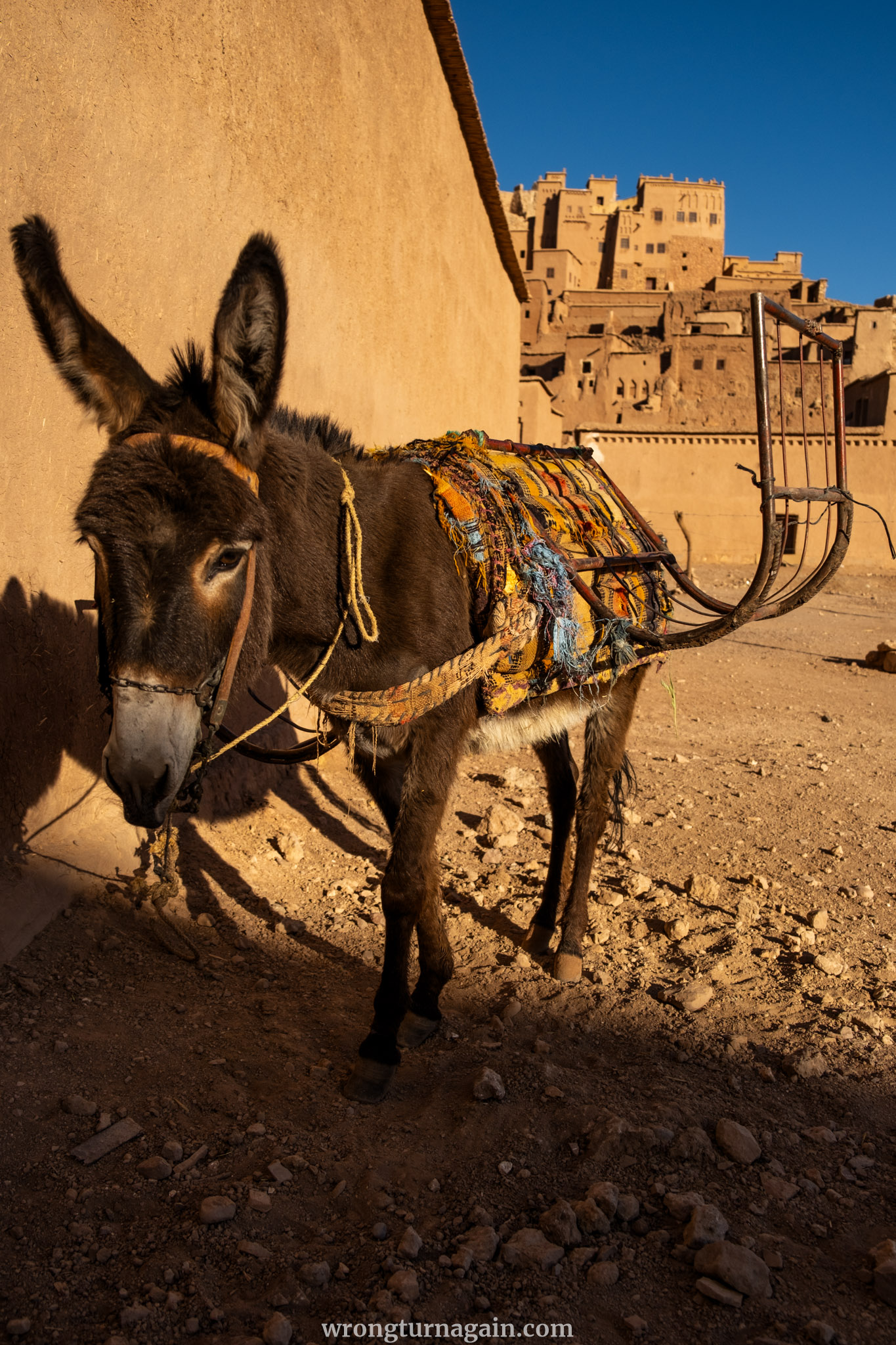
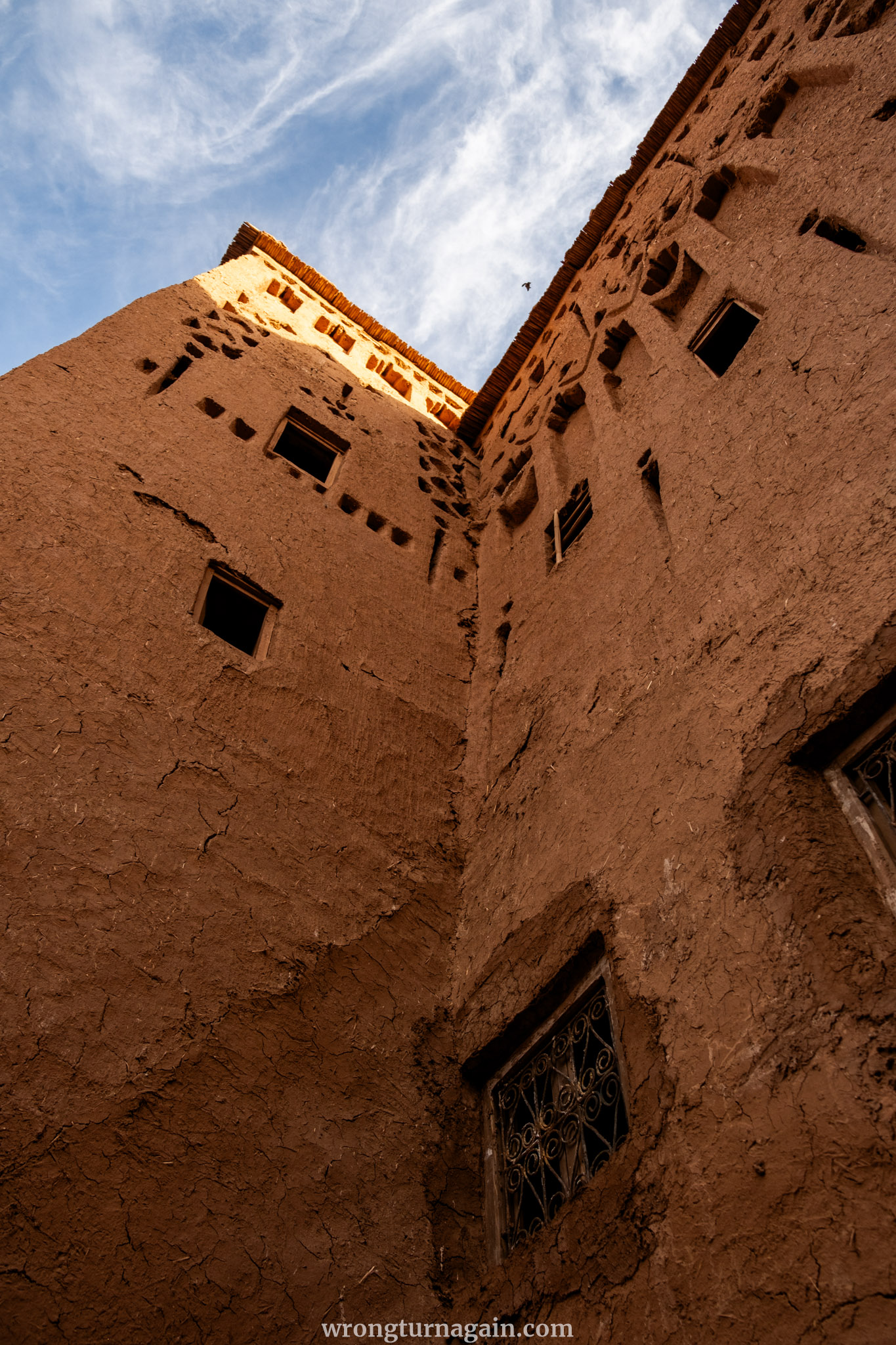
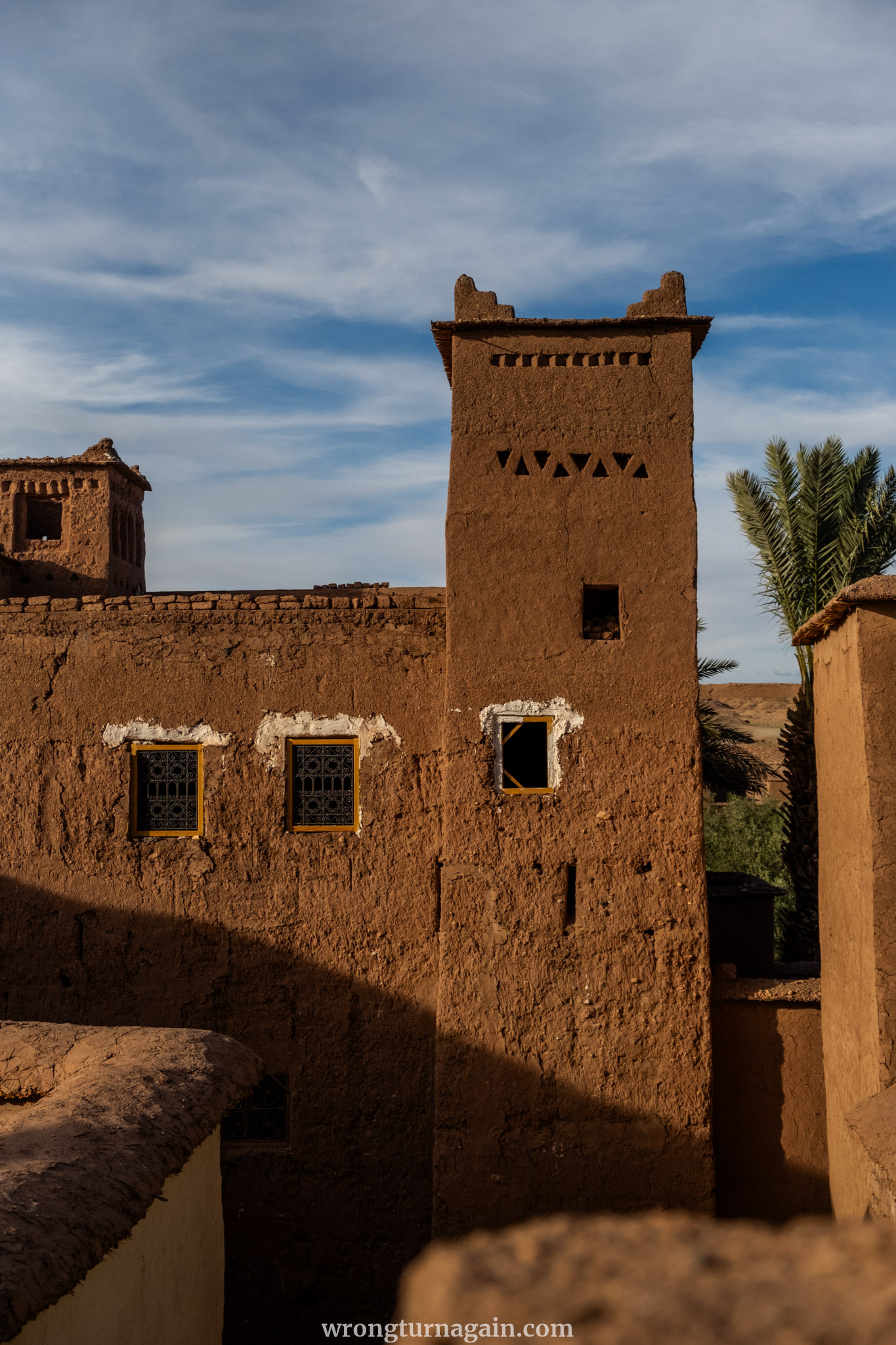
Historically, this site was a crucial pitstop along the ancient caravan route linking Sudan to Marrakesh. To protect the trade hubs from potential attacks, locals built these defensive clusters using rammed earth, adobe, clay bricks, and wood. Inside the high walls, you will find a maze of dwellings, ranging from modest houses to towering kasbahs (merchant castles) decorated with geometric motifs.
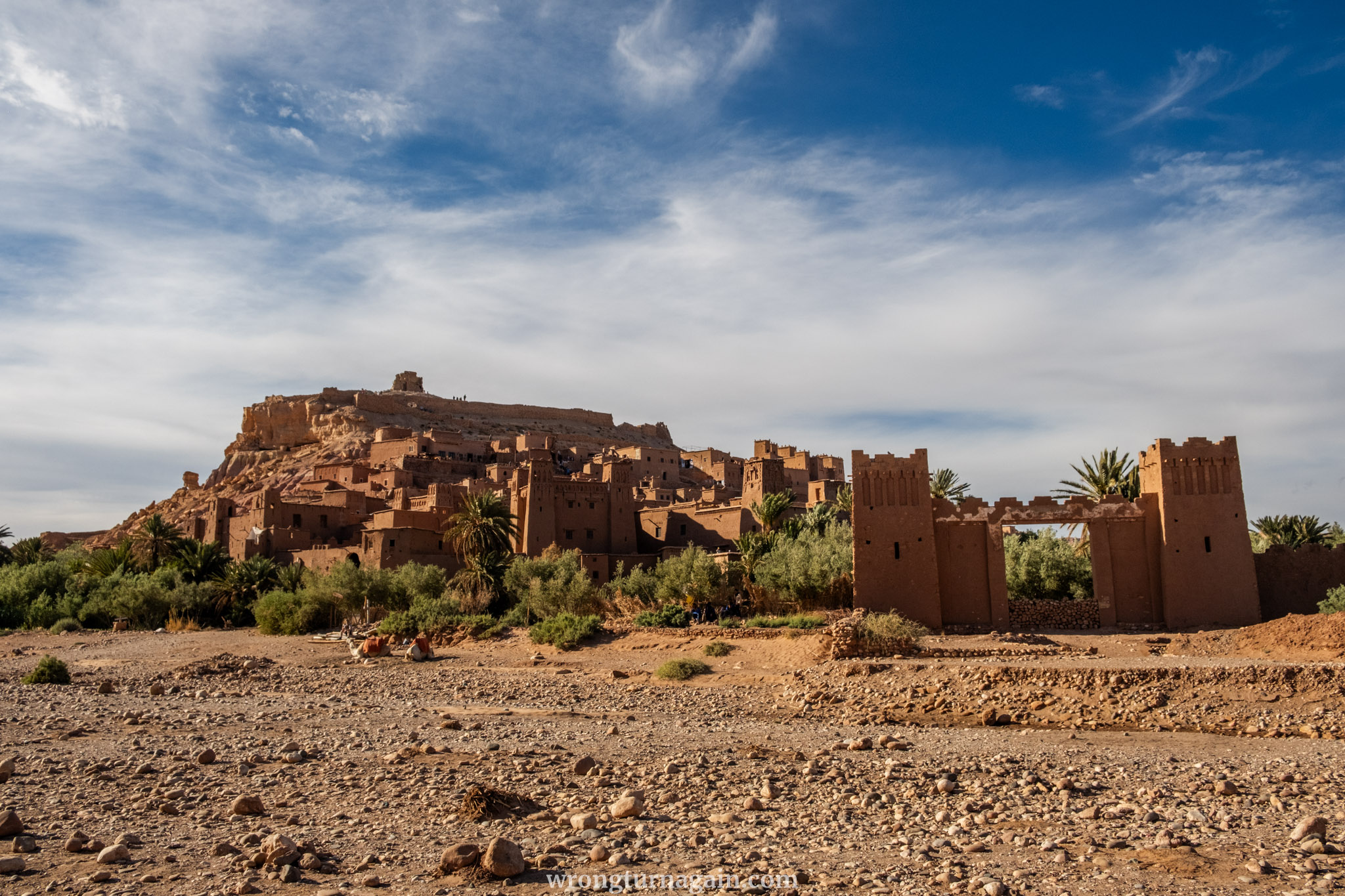
Although the oldest structures standing today date back to the 17th century, the construction techniques have been passed down for generations. This dedication to preserving its authentic earthen architecture earned Aït Ben Haddou its UNESCO World Heritage status in 1987.

Aït Ben Haddou’s striking scenery has captivated Hollywood for decades. If it looks familiar, you’ve likely seen it in The Mummy, Gladiator, Lawrence of Arabia, and Prince of Persia. More recently, it served as the backdrop for the Yellow City of Yunkai in Game of Thrones.
1. Explore the Ksar
Strolling through the labyrinthine alleys of this UNESCO World Heritage Site and admiring its adobe architecture is the highlight of any visit. Entering the ksar is completely free. There are two official gates, but unofficial spots may try to charge you. Here is the breakdown:
The most obvious and commonly used entrance. Cross the bridge and walk straight up. (Map Location)
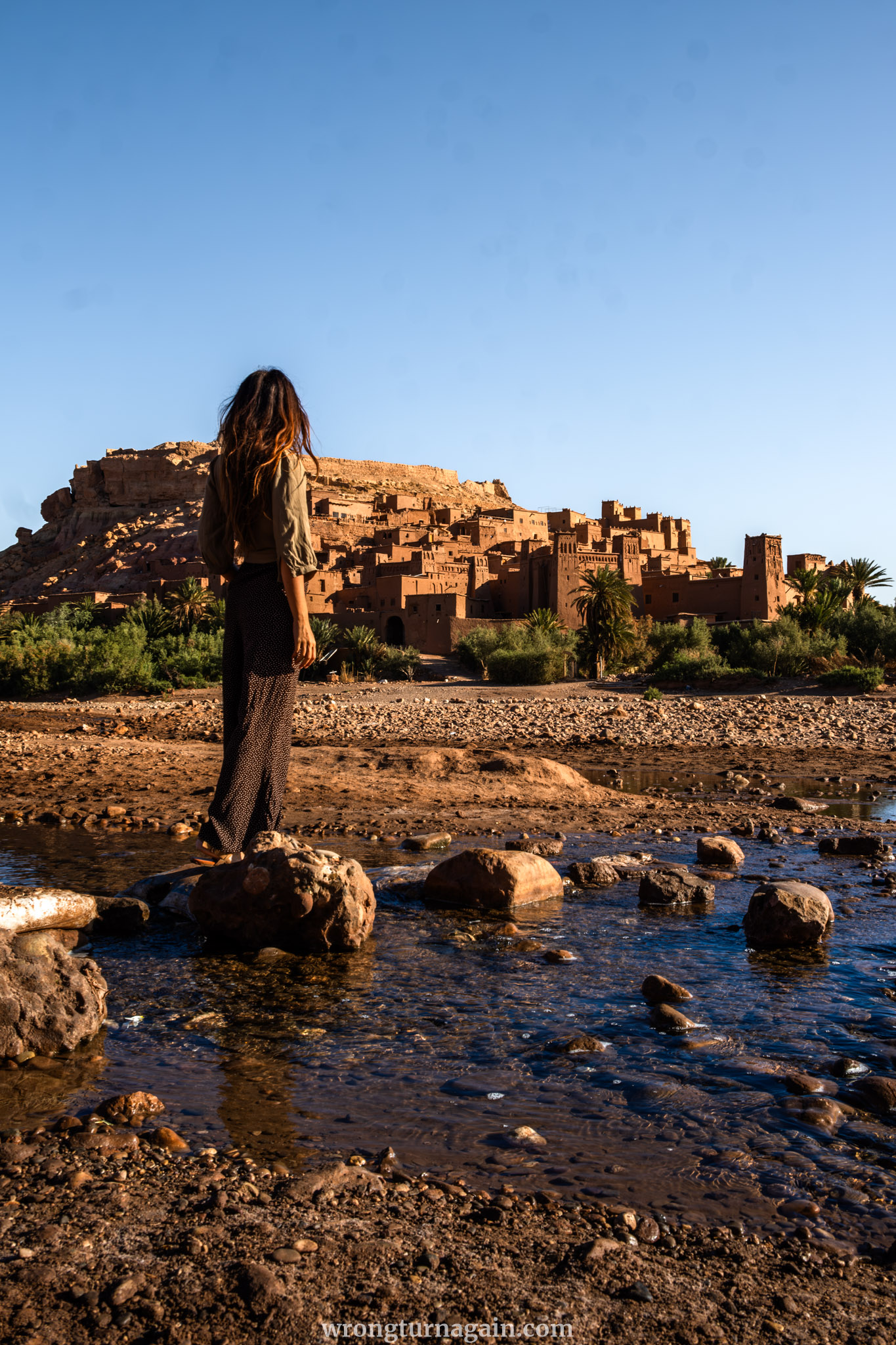
Reached by crossing the dry riverbed on stepping stones. Great for photos from below. (Map Location)
Locals near this spot (Location) may claim you need a 20 Dh ticket to enter the village. This is false. The ticket is only for a small private museum, not the Ksar entrance.
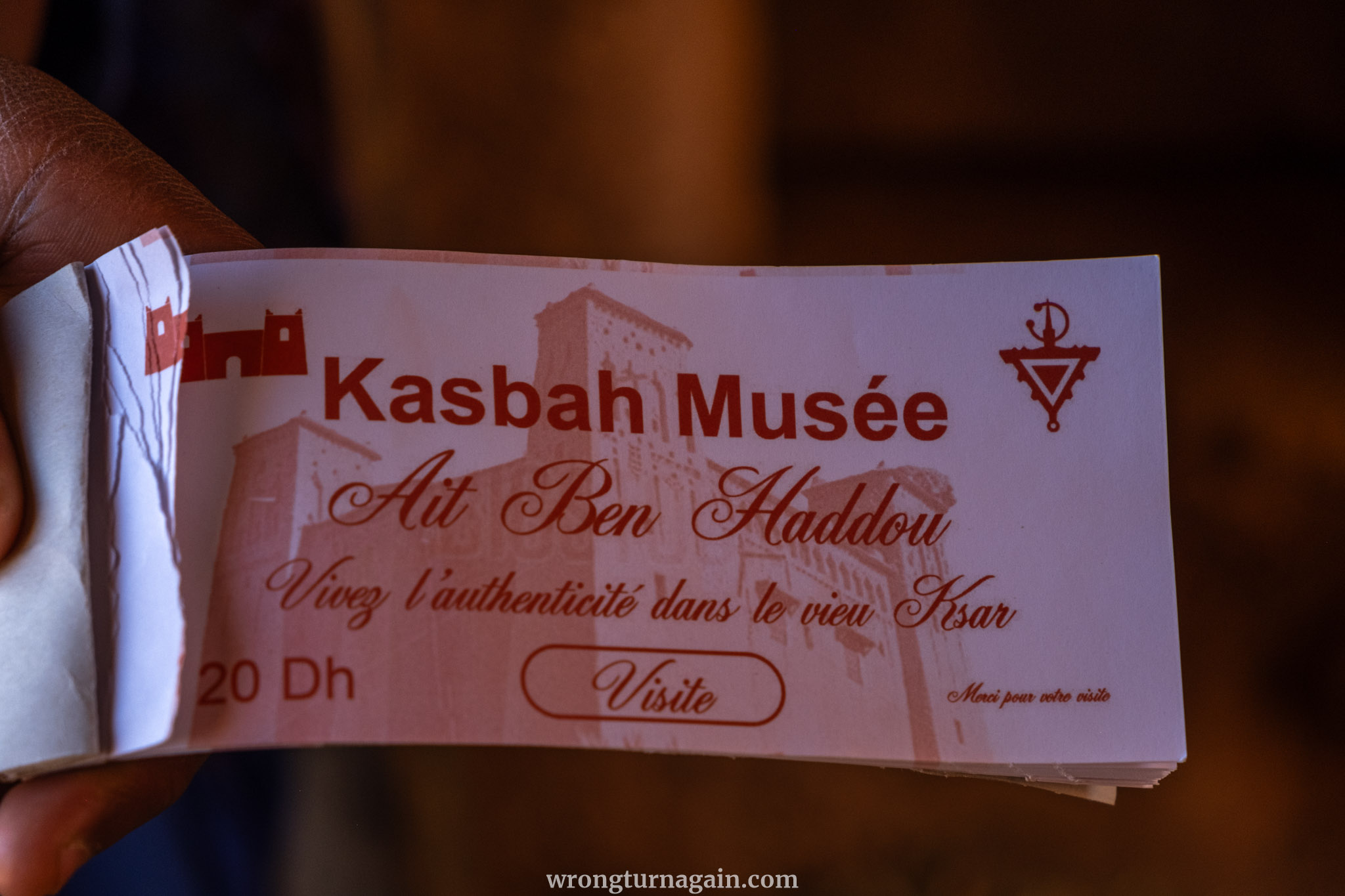
Near the hotel Kasbah Tebi. Note that this is a historic accommodation and private house. You can pay to tour the interior (which is beautiful), but it is not a thoroughfare to the rest of the village.
Wandering the Alleyways of the Ksar
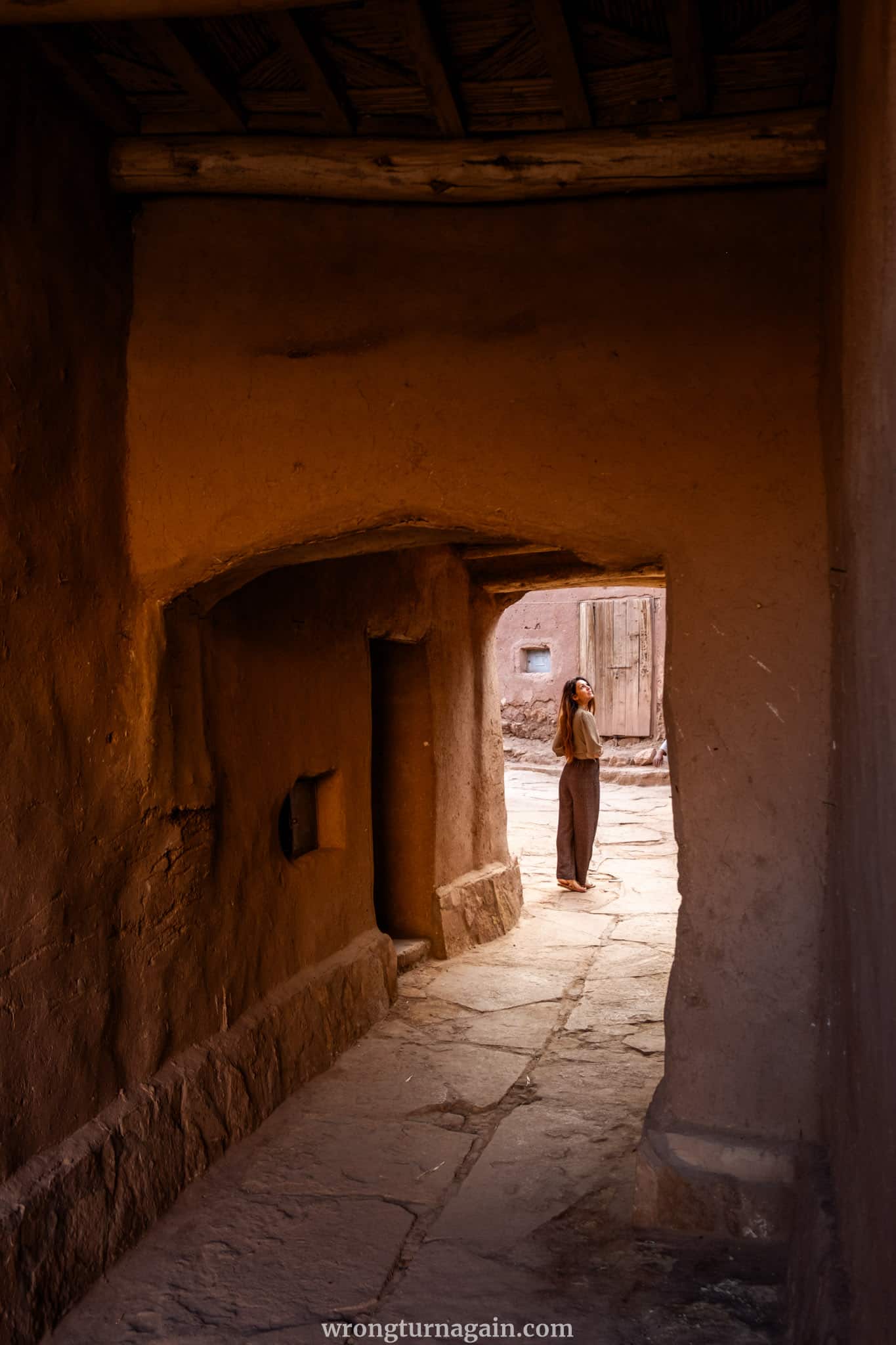
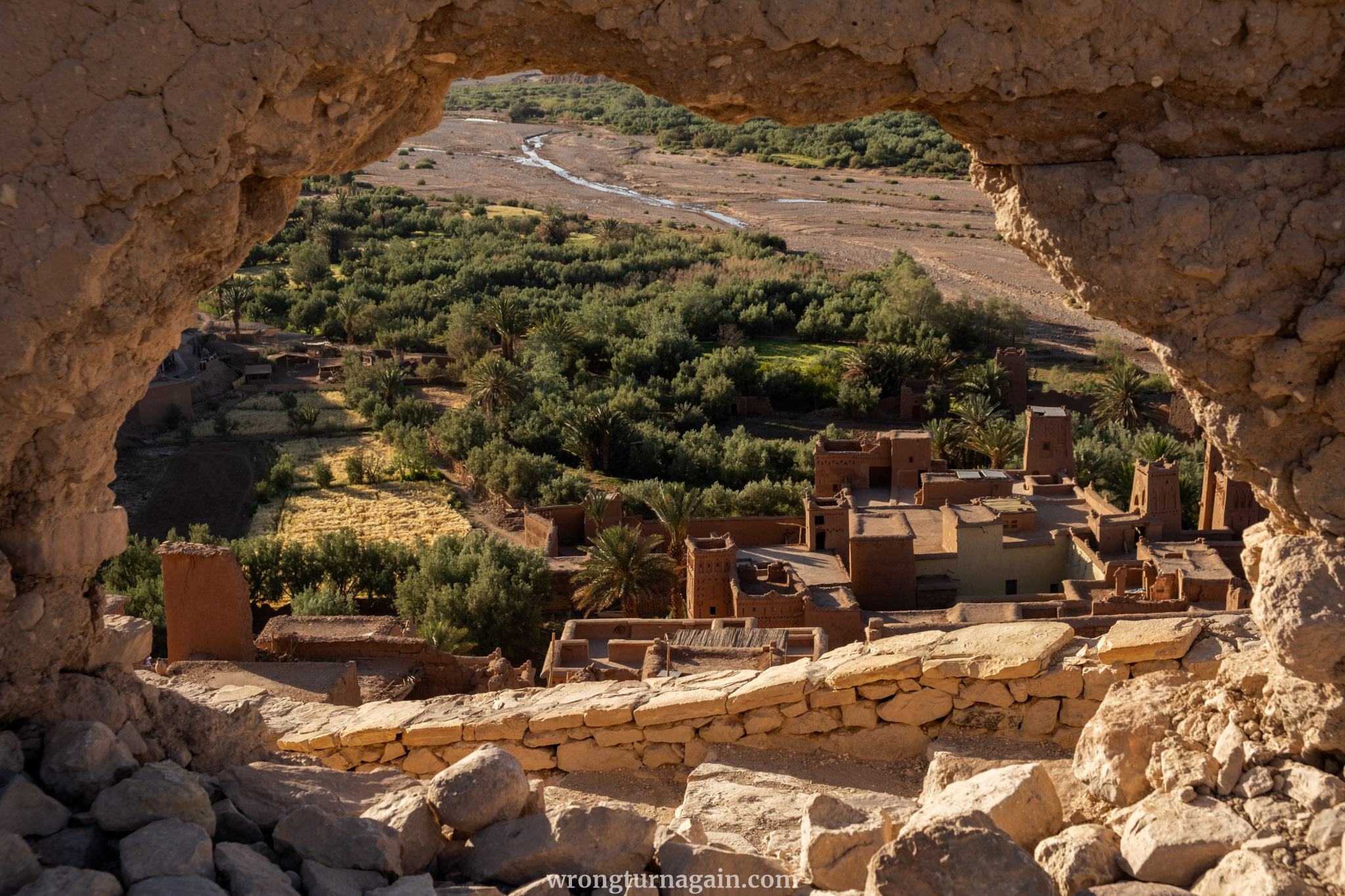
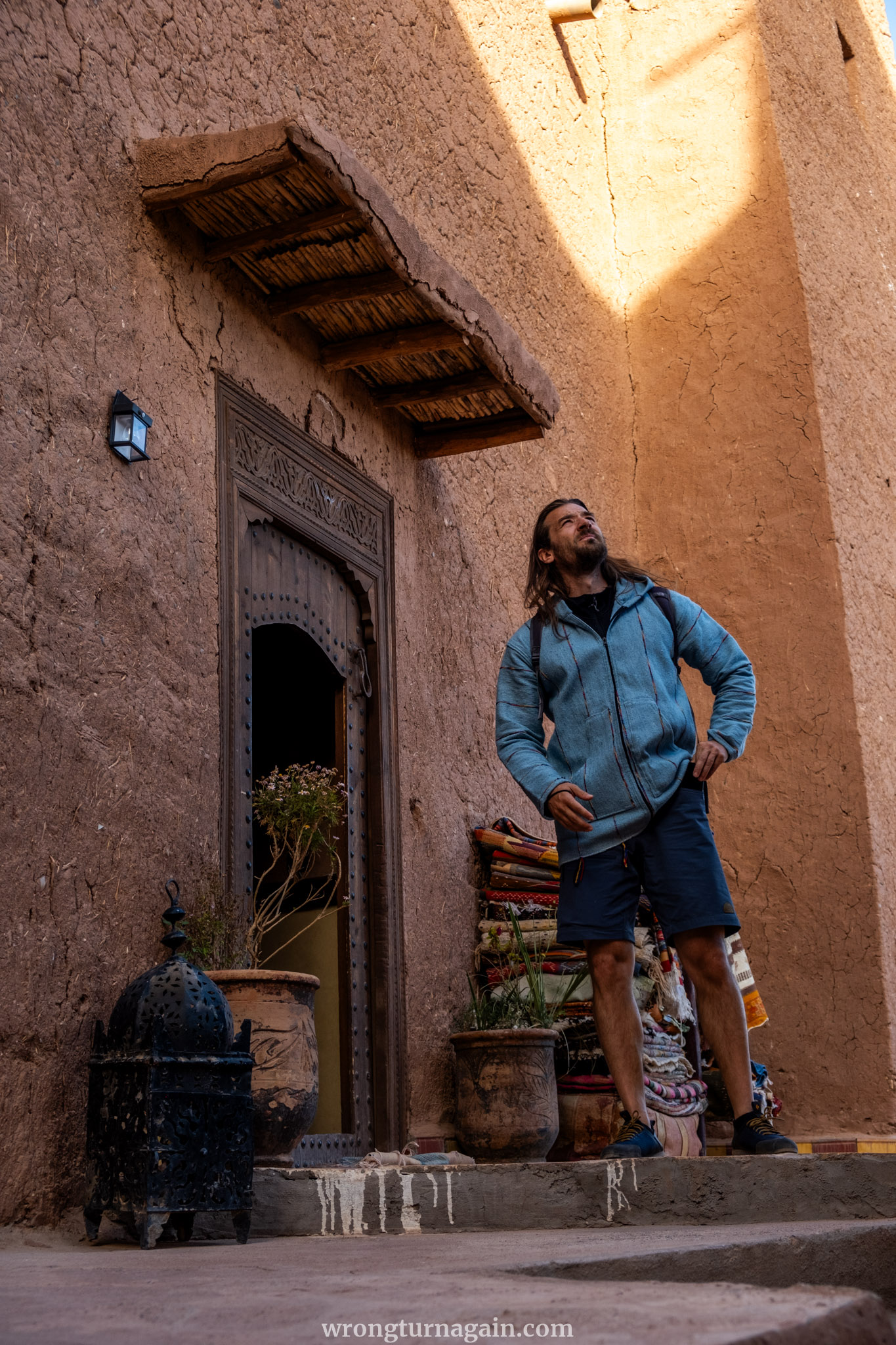
Stepping through the main gate, you’re welcomed by the warm ambiance of Tawesna, a charming women-run tearoom. To your right, the towering kasbahs beckon, their intricate designs inviting you to climb for breathtaking views. Follow the arrows deeper into the maze of mud-brick houses—or simply embrace the adventure of getting lost in the winding alleys.
A small number of residents still live in the ksar. If you find yourself near their homes, they may ask for money. If you prefer not to give, their persistence can sometimes escalate. The best approach? Politely walk away and take another route—you’re likely off the main path anyway.
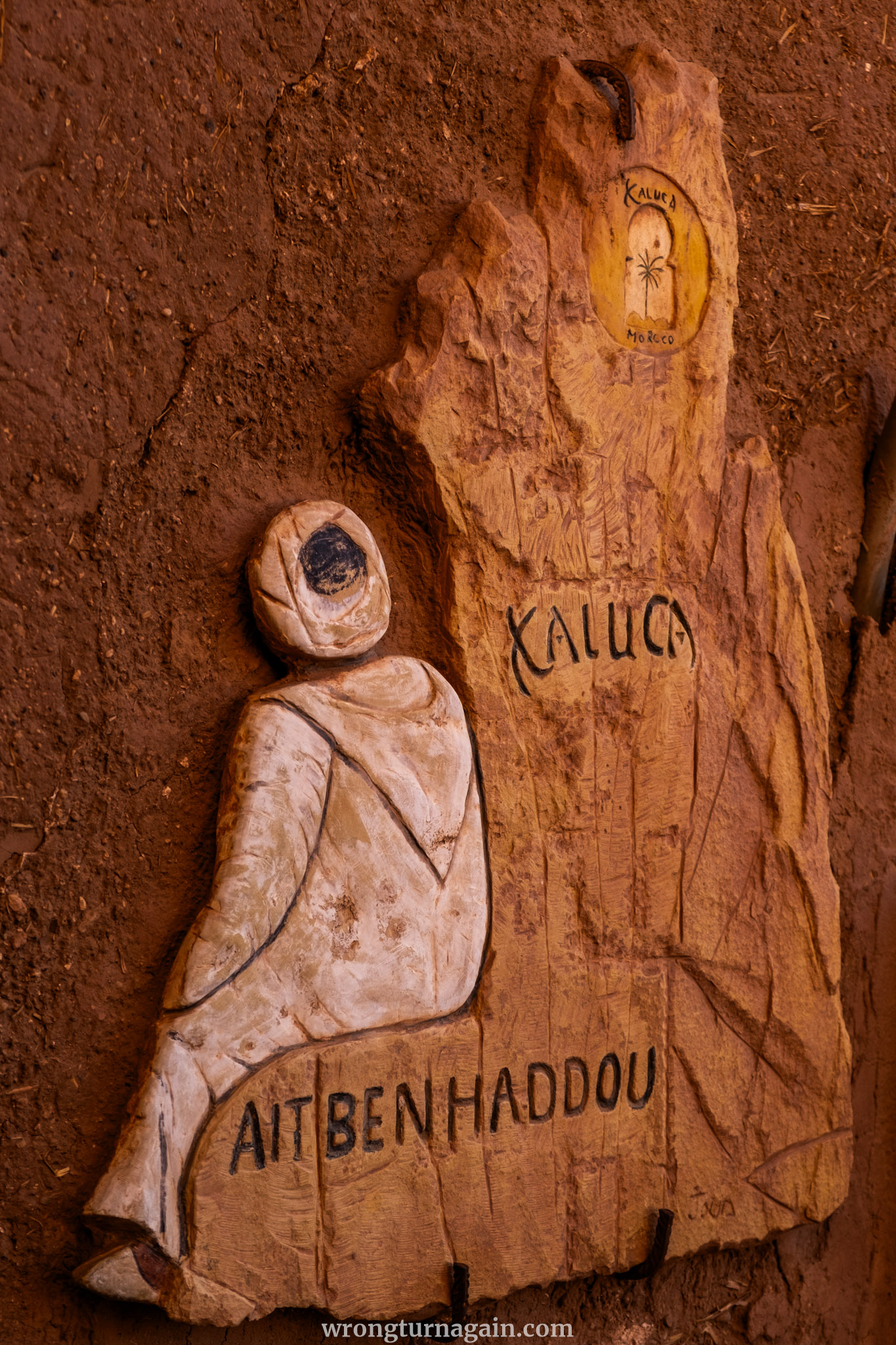
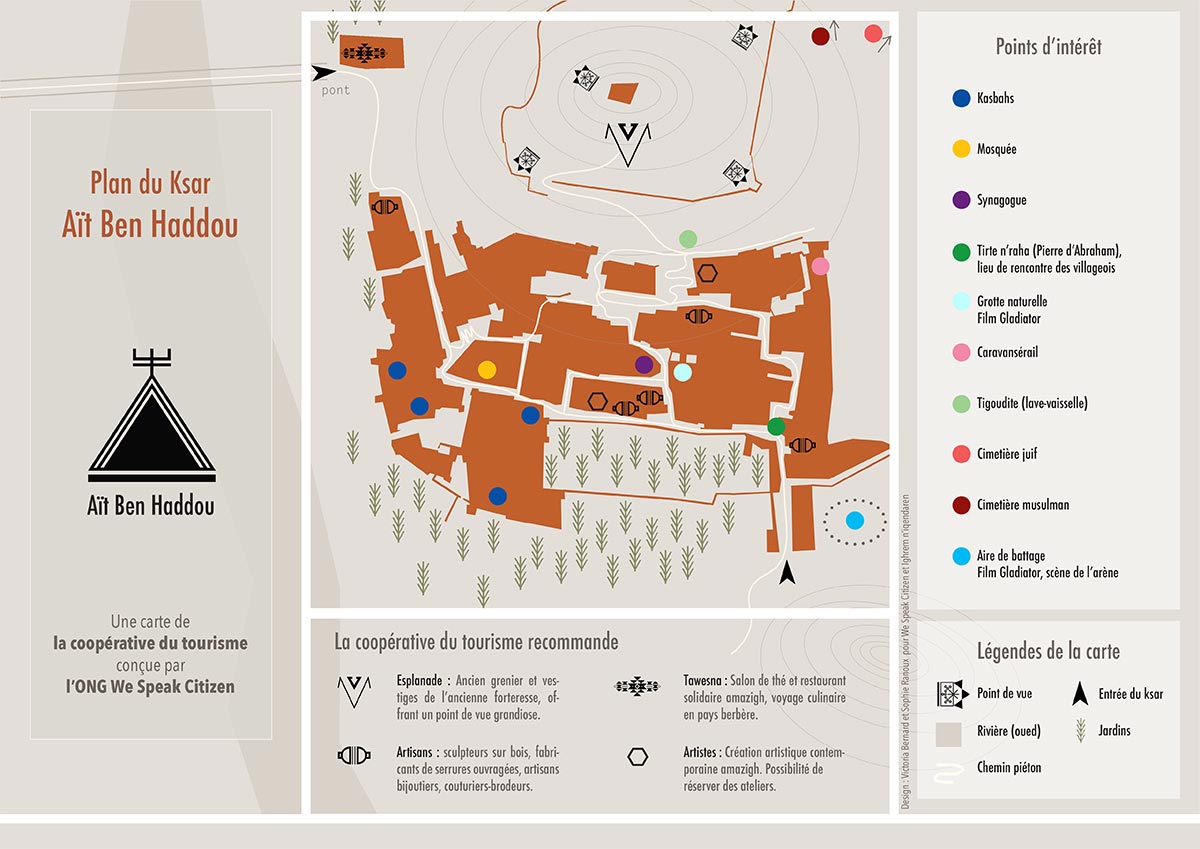
As you explore, you’ll come across cultural landmarks like the mosque, synagogue, Koranic school, and caravanserai. The ksar is also home to artisan workshops, where skilled woodcarvers, lock-makers, jewelers, and artists craft unique pieces. Many of these artisans prioritize eco-friendly practices, offering regional treasures such as olive oil, honey, saffron, and traditional handicrafts under the Dar Ynna label.
Finally, near the east entrance, keep an eye out for the “Abraham” stone, a historic meeting point. Just beyond it lies the ancient threshing floor, a site that might look familiar to movie fans—it served as the arena where Russell Crowe fought his first battles in the movie Gladiator.


Engaging a Local Guide
To empower the residents of Aït Ben Haddou to steward their cultural heritage, three local cooperatives have emerged, dedicated to tourism, cinema endeavors, and agriculture. We highly recommend embarking on an enriching journey with the tourism cooperative, Ighrem N’Iqendaren. Here are the official tours you can join to support the community:
- The Intro Tour (45 mins): For a glimpse into the essence of the ksar, its architecture, and the villagers’ daily life, this concise walking tour is a perfect introduction.
- The Deep Dive (3 hours): Seeking a deeper understanding? Opt for this comprehensive tour (120 Dh), encompassing all major attractions, rites, and legends.
- The Cinematic Tour (2.5 hours): Movie buffs will be thrilled by this guided tour (120 Dh). Uncover the village’s cinematic gems, visit iconic filming spots, and explore the Maison du Cinéma. After all, how many villages can claim to have starred in over 80 films?
2. Hike to the Granary for Sunset
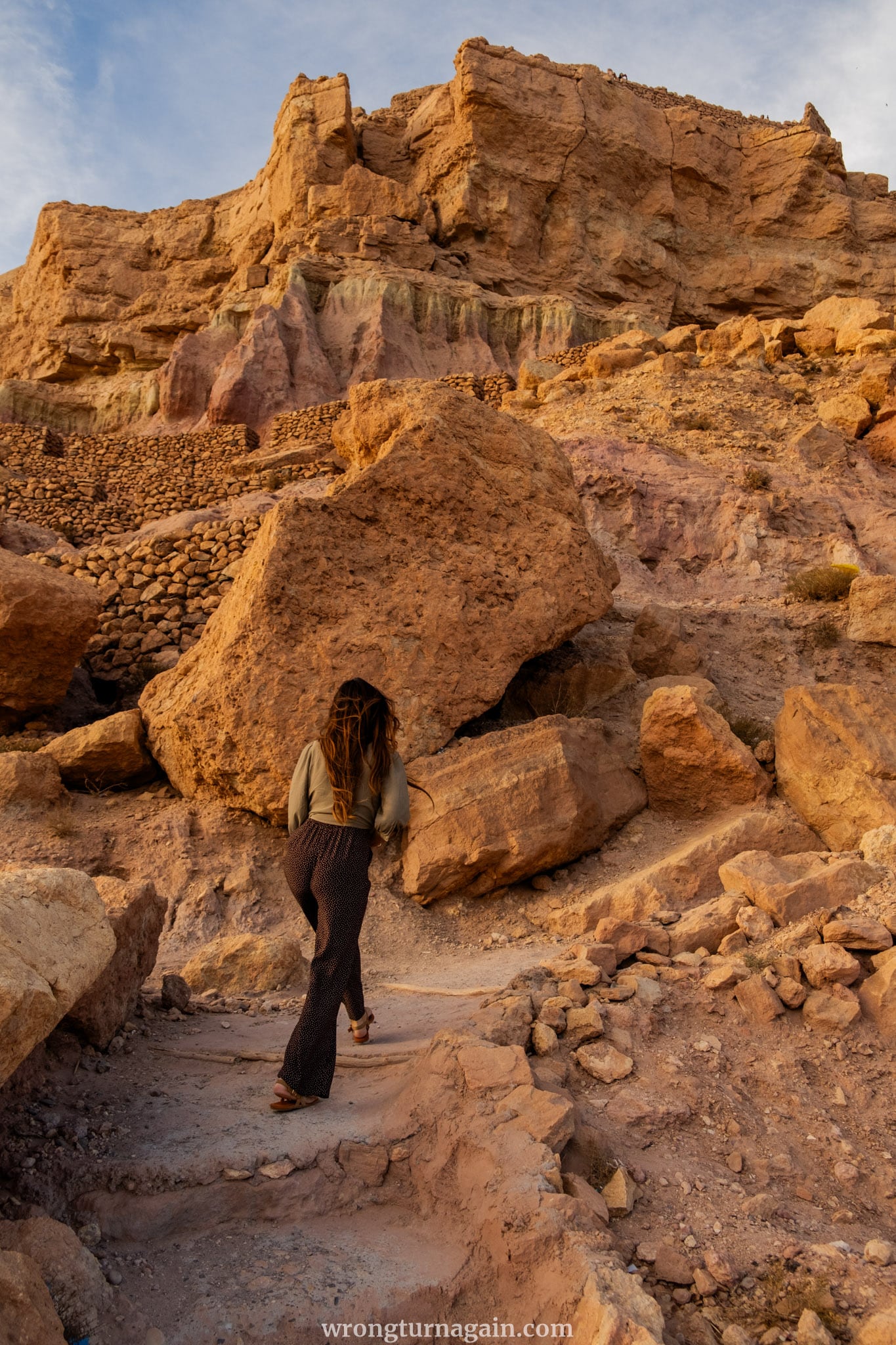
For the definitive panoramic view, hike up to the summit of the hill. Reaching the top requires a short but steep climb through the upper alleys, but the reward is one of the most iconic sights in Morocco.
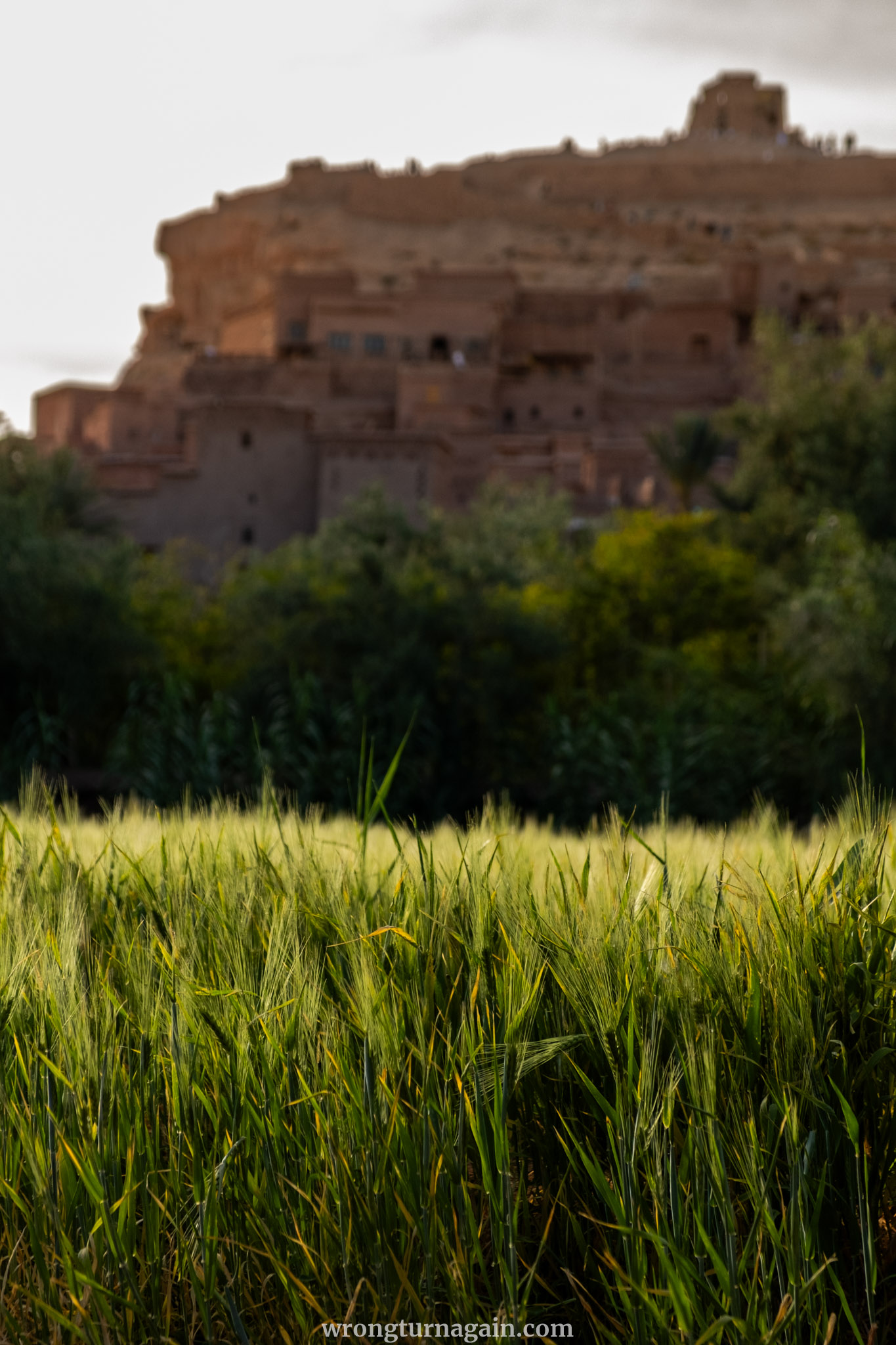
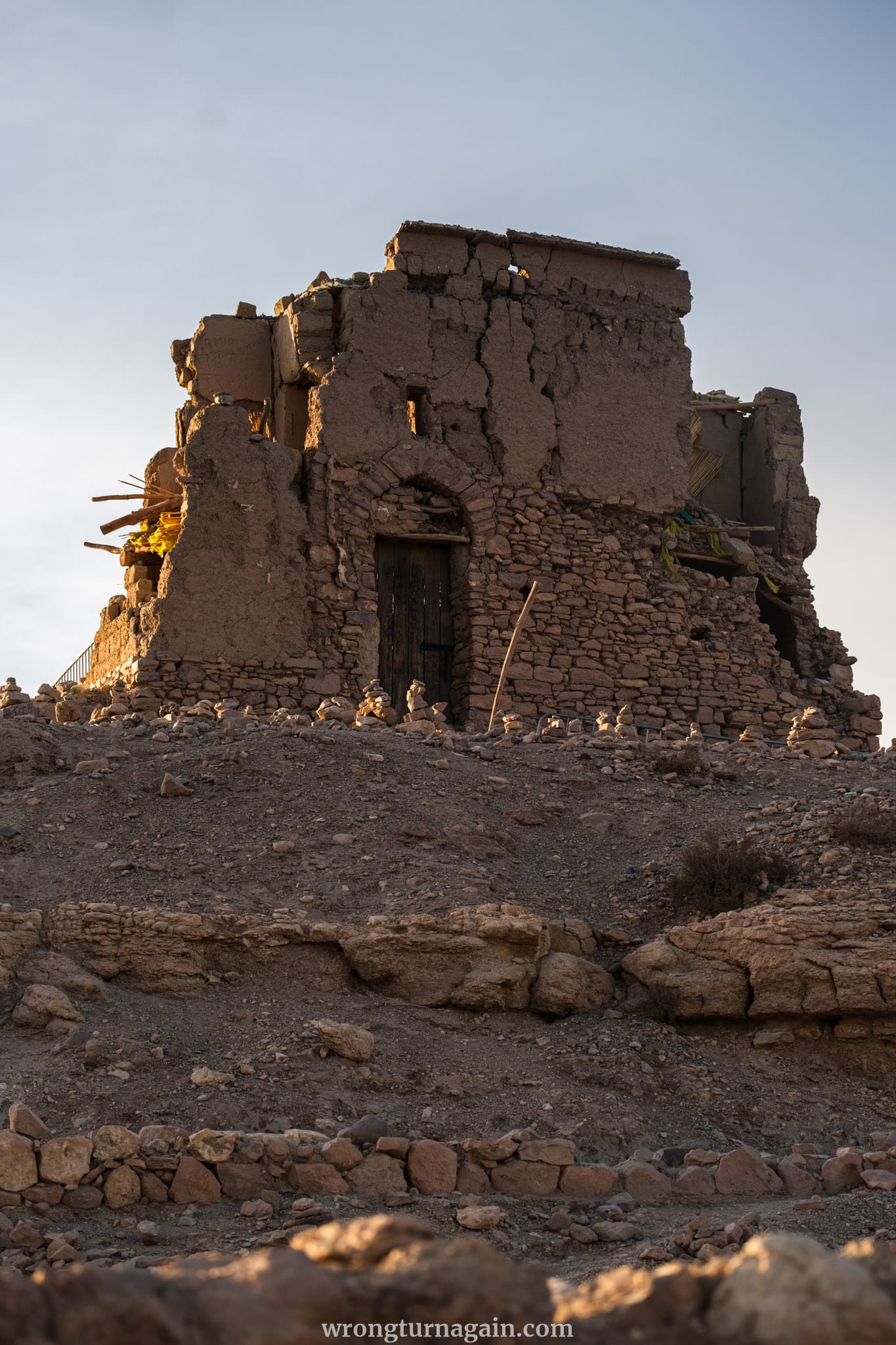
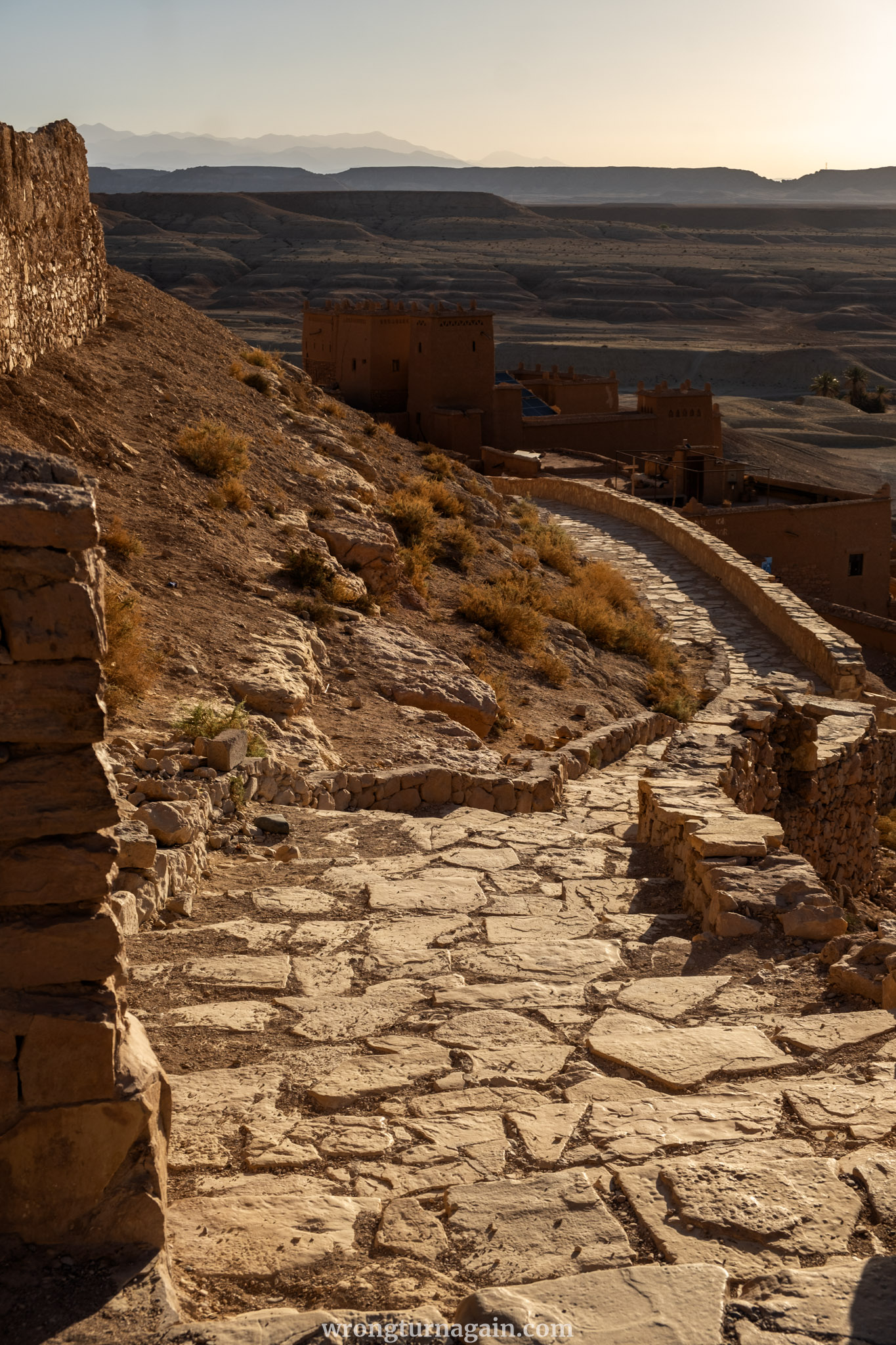
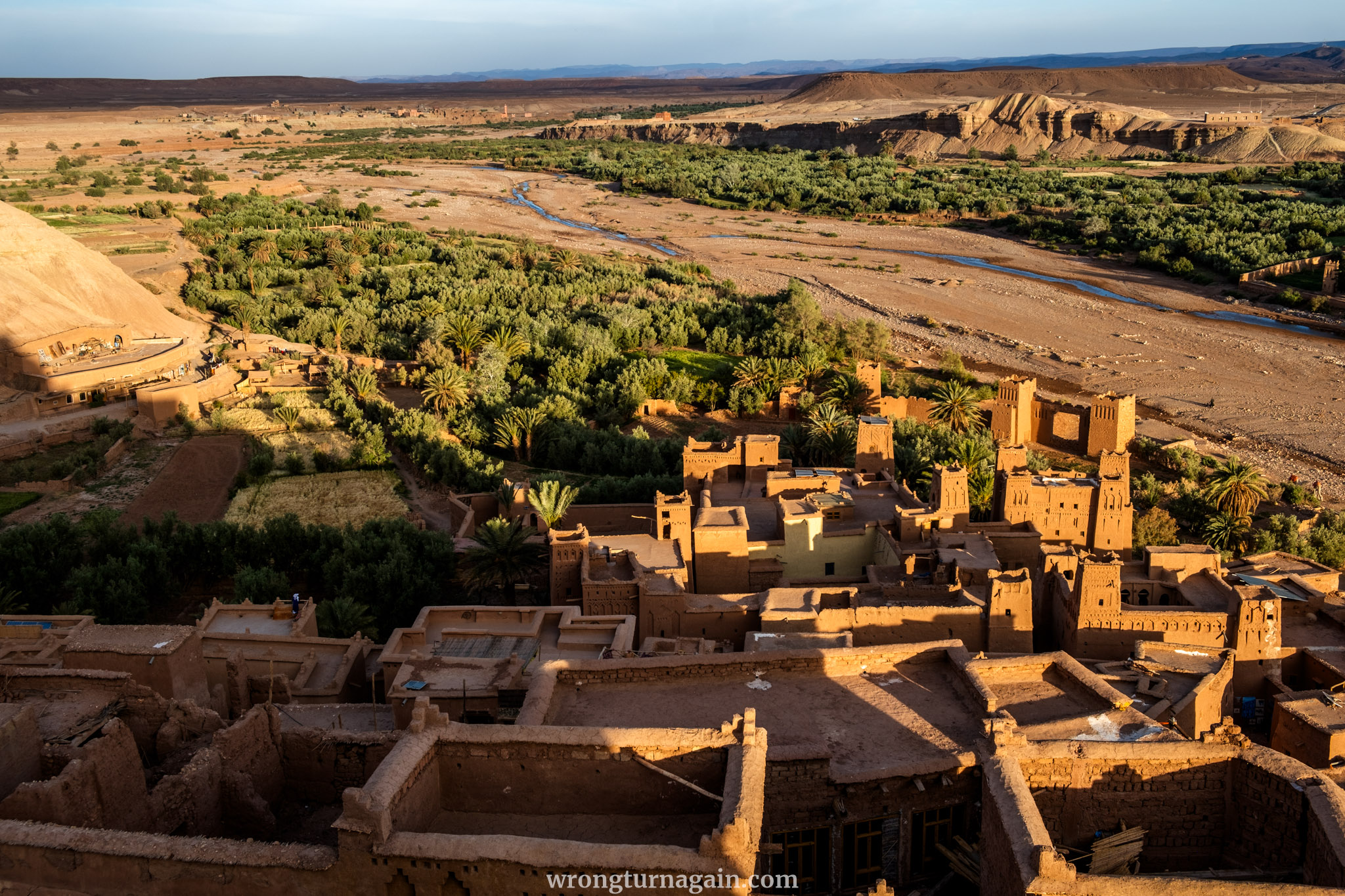
At the very top, the ruins of the ancient Agadir (fortified granary) stand among low stone walls. This wasn’t just a lookout; historically, it acted as a communal safe/bank where villagers stored their grain and valuables. Today, it offers a mesmerizing 360-degree panorama: on one side, the vast stony desert stretches endlessly toward the horizon, while the other reveals the lush green palm grove hugging the Ounila River.
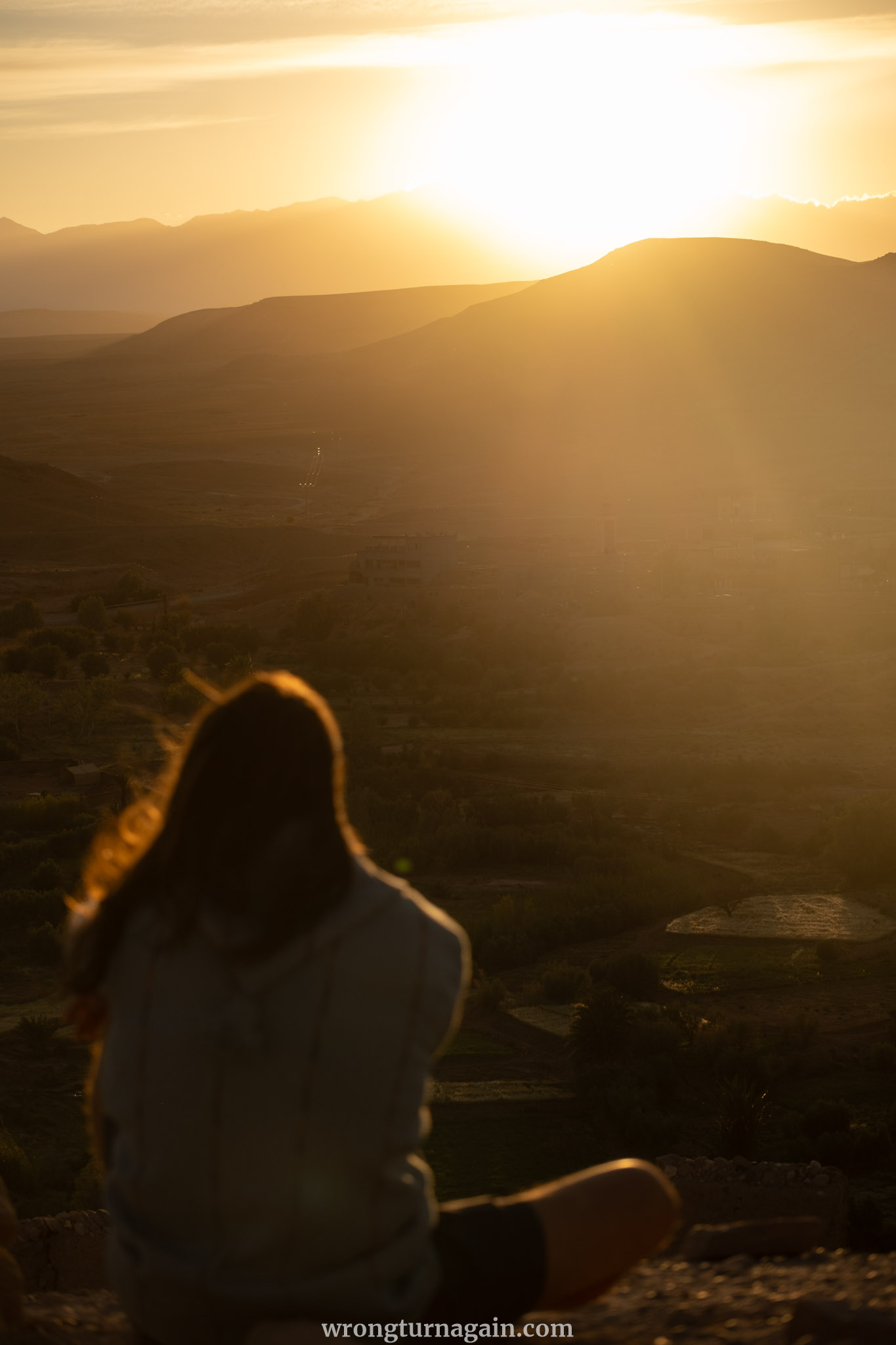
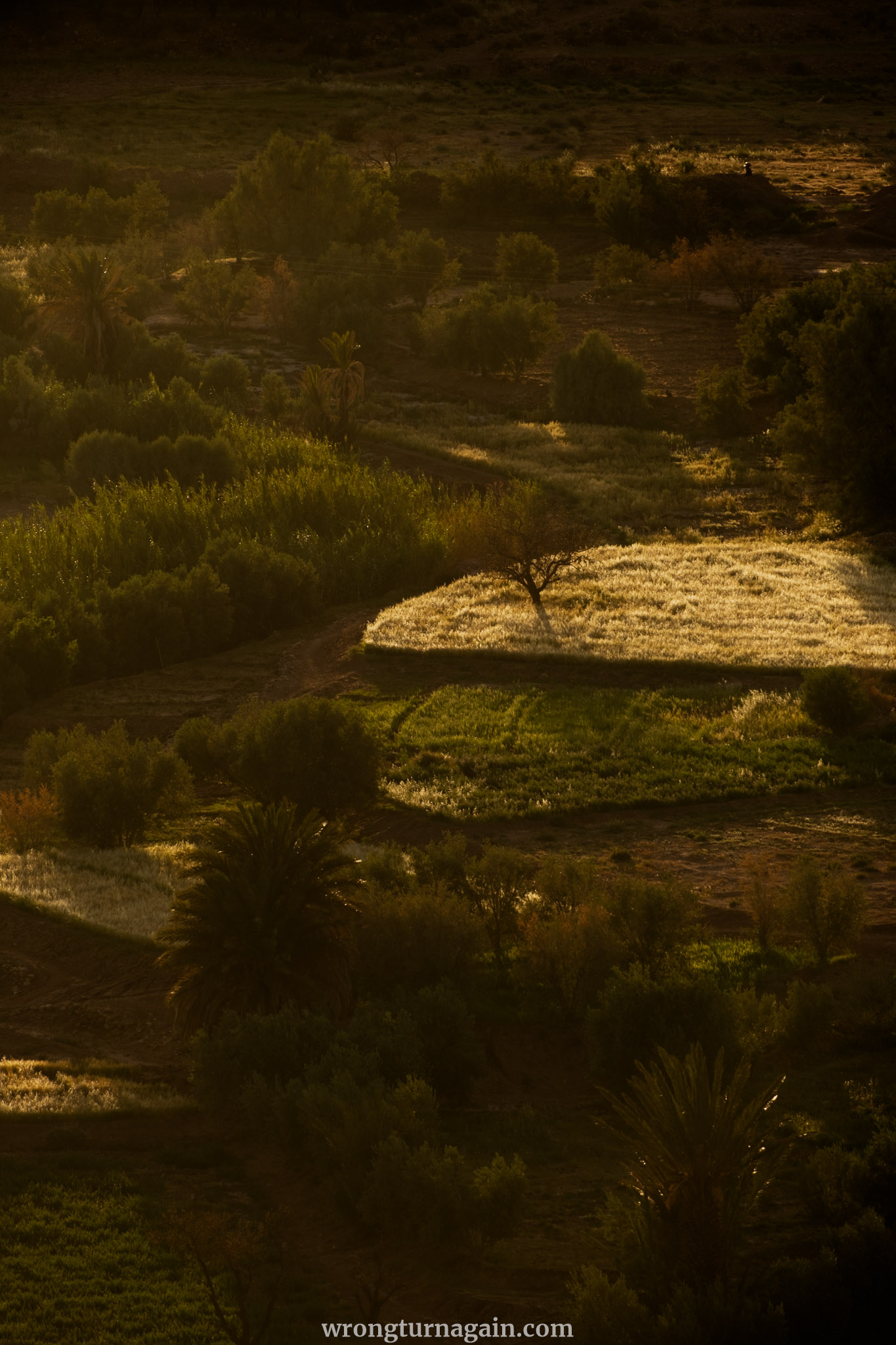
Why Sunset? As the sun dips, the Ksar transforms before your eyes—shifting from fiery ochre to deep purple in mere moments. If you are staying overnight, try to come back for sunrise; the silence and the soft morning light hitting the mud-brick facade are purely magical.
The granary isn’t the only angle. Check out these spots for different perspectives: Panoramic Viewpoint (Great for wide shots). River Viewpoint (Best reflections at sunrise). Entrance Viewpoint (Classic frontal shot).
3. Support Local Women at Tawesna Teahouse
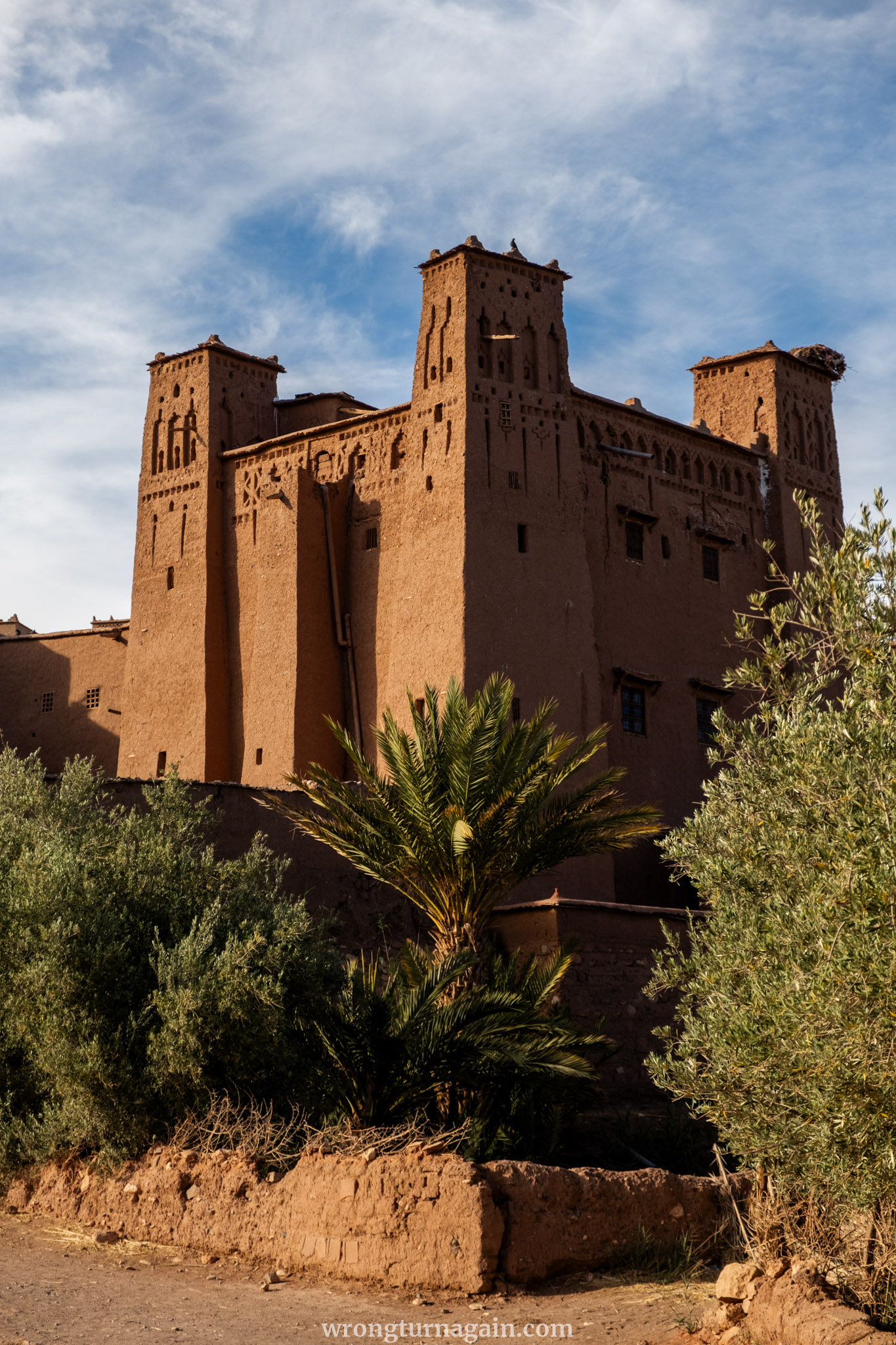
Tawesna is more than just a picturesque eatery—it is a vital community initiative located right at the ksar’s main entrance, amidst the lush gardens. Run entirely by a local women’s cooperative, this tearoom provides a space where the women of Aït Ben Haddou can share their culinary heritage and secure a sustainable income.
Start your day here with a traditional Berber breakfast featuring mint tea and freshly baked tafarnout bread (cooked in a wood-fired clay oven). If you visit later, their lunch menu offers delicious, home-cooked tagines that taste exactly like a family meal.
Before you leave, consider taking a piece of Aït Ben Haddou home with you. The cooperative sells specialty coffee blends, herbal teas, and homemade cookies—each purchase directly supports the women and their families.
4. Learn about Berber Culture at Maison de l’Oralité
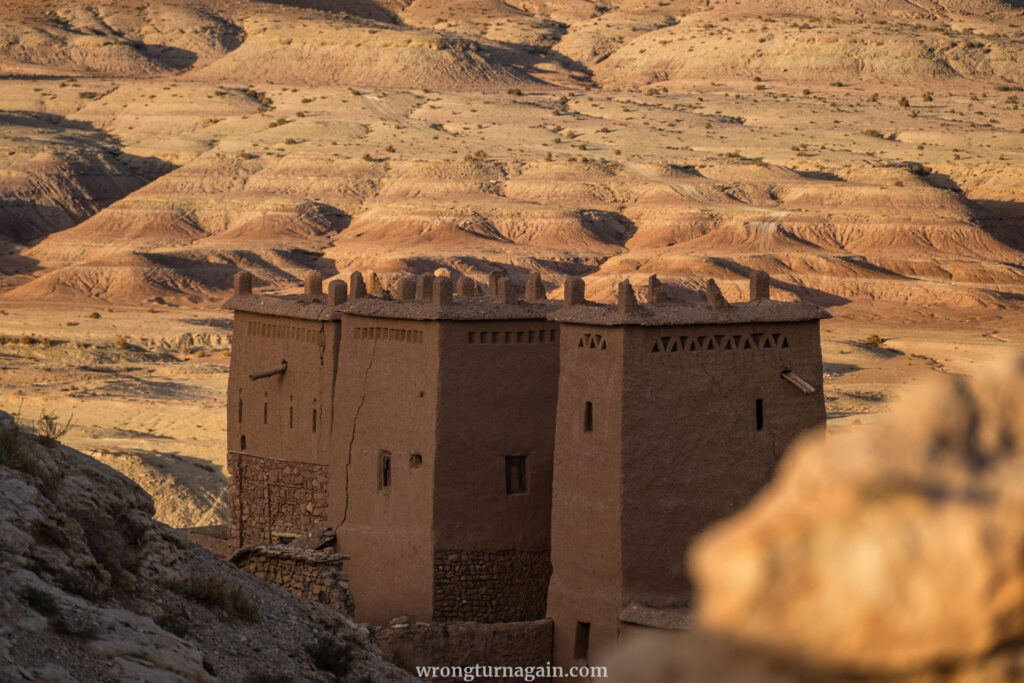
Step into the heart of Amazigh culture at the Maison de l’Oralité (House of Orality). Housed in a beautifully preserved historic residence with thick pisé walls and elegant arches, this museum goes beyond artifacts to explore the region’s intangible heritage.
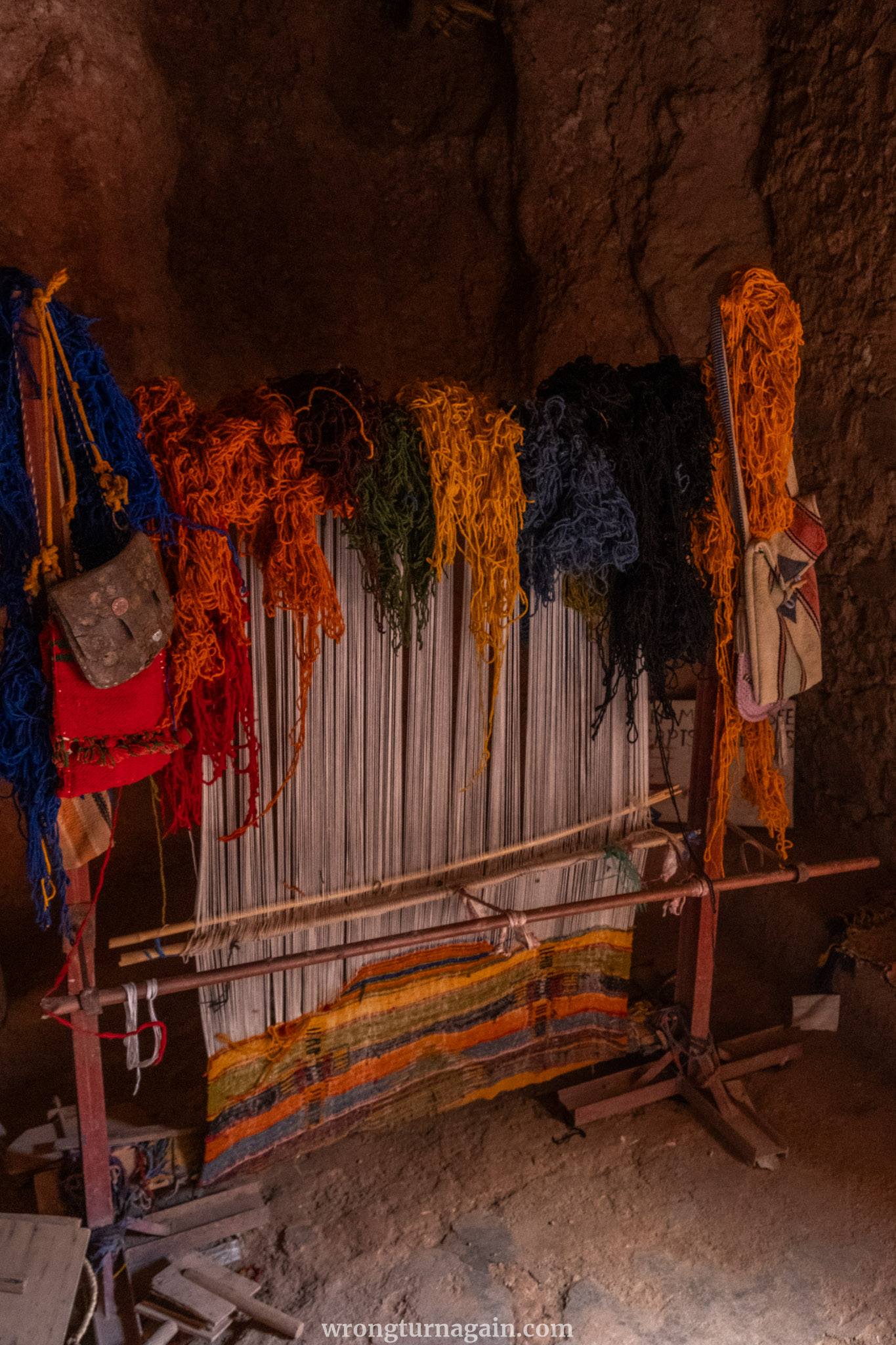
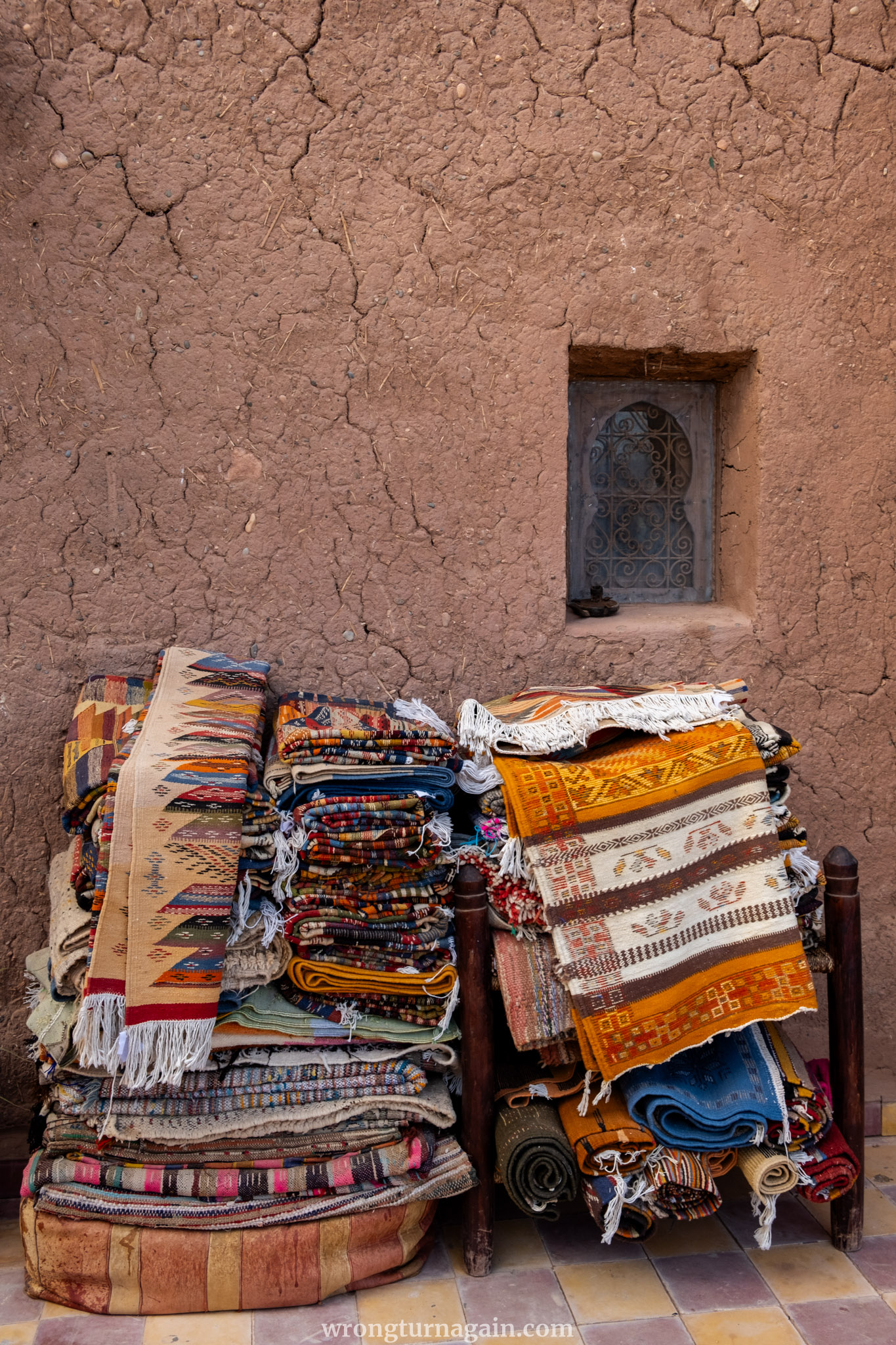
The exhibits bring Berber traditions to life through recorded ritual songs, striking photography, and oral histories. It also honors Amghar Brahim Haddou, the revered village chief whose resistance against colonial forces is legendary in the valley. A visit here offers context that the empty streets of the Ksar cannot provide on their own.
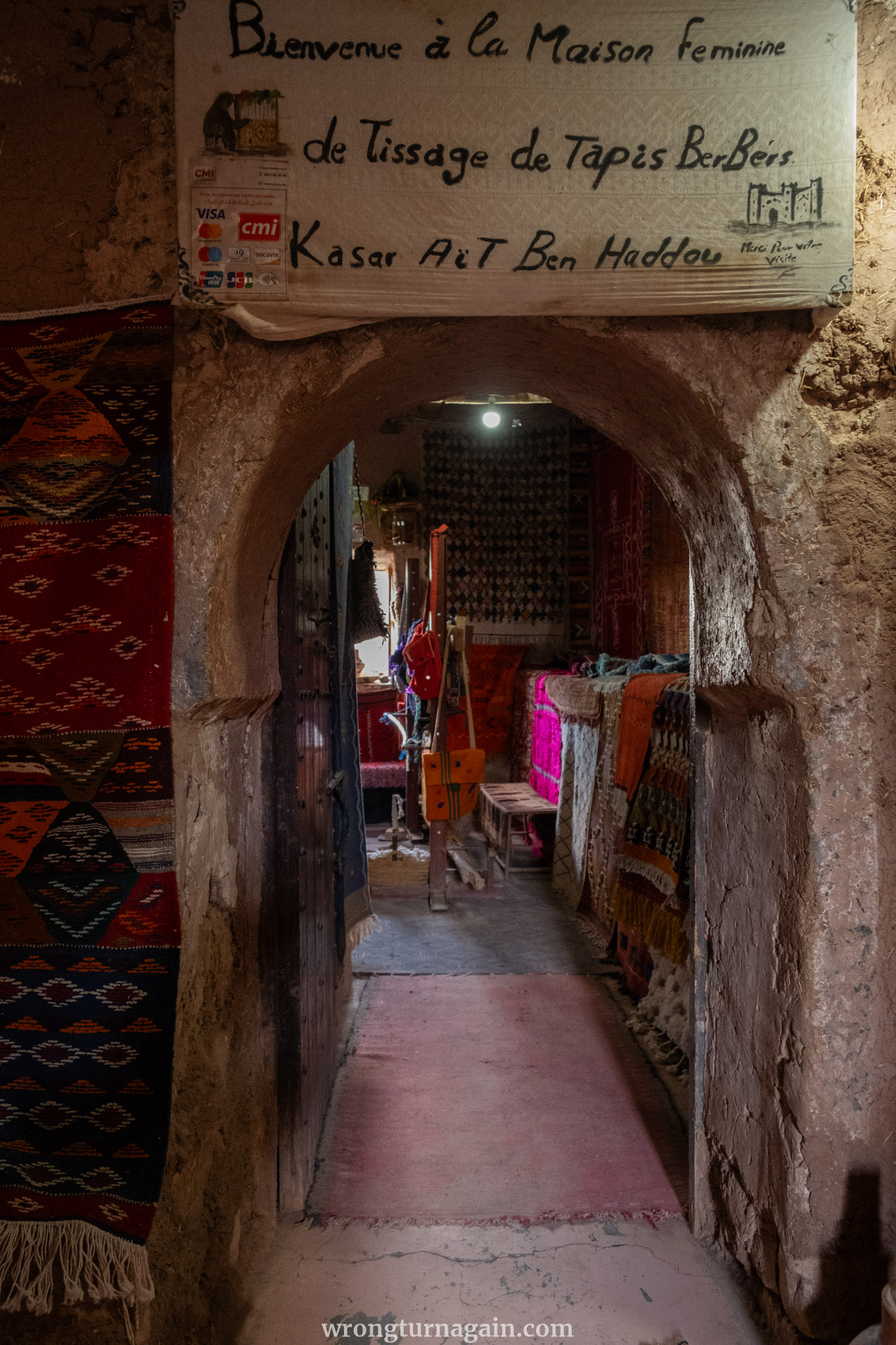
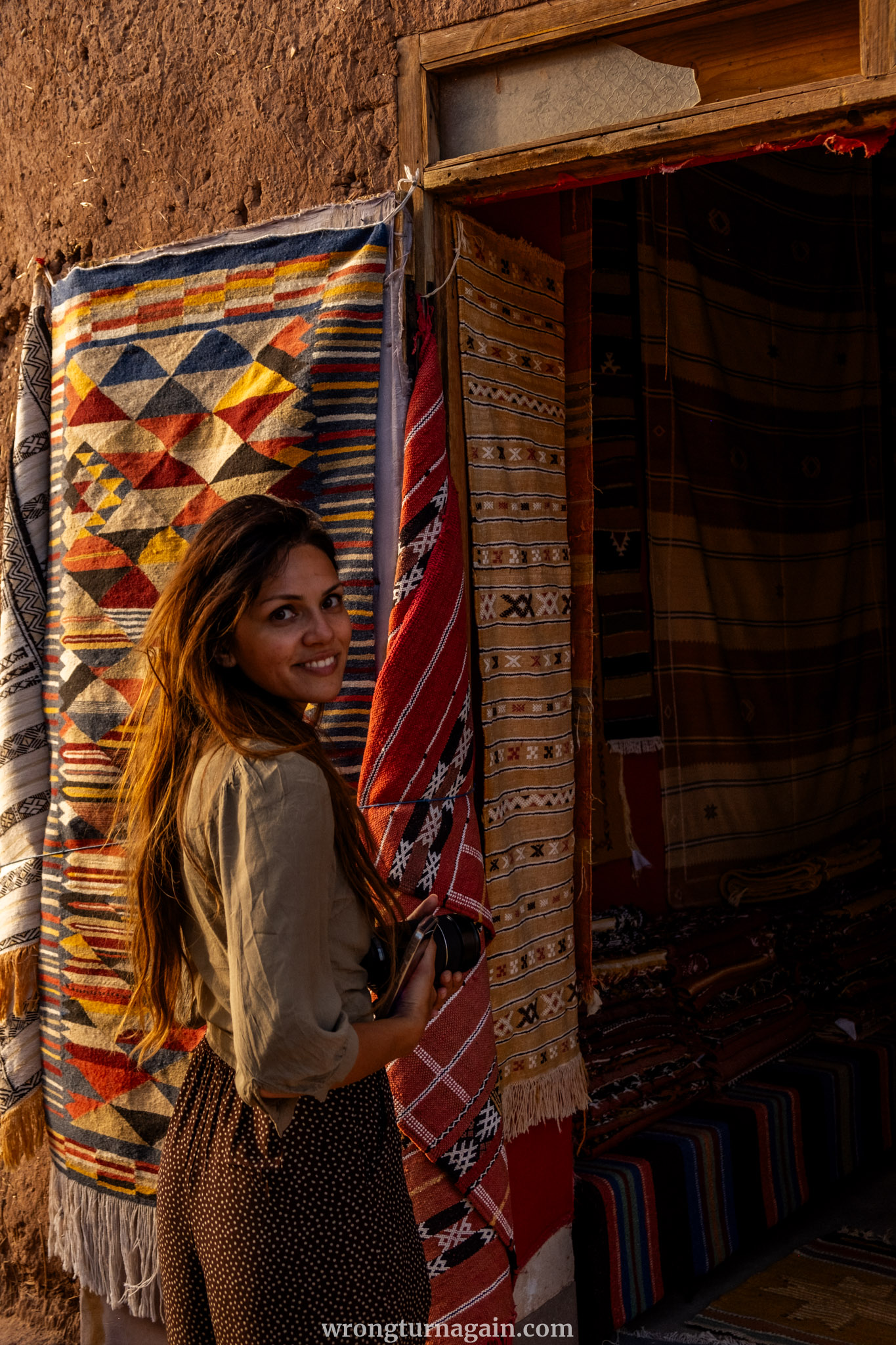
5. Hunt for Unique Art (Not Just Souvenirs)
Instead of bargaining over mass-produced trinkets, why not take home something with a soul? The ksar is a haven for artists who draw inspiration from the silence of the desert.
First, step into Tiwirga (meaning “dream” in Berber). This vibrant gallery is the creation of Hafida Zizi, a passionate artist who uses her space not only to showcase colorful, naive-style paintings but also to host therapeutic art workshops for the community.
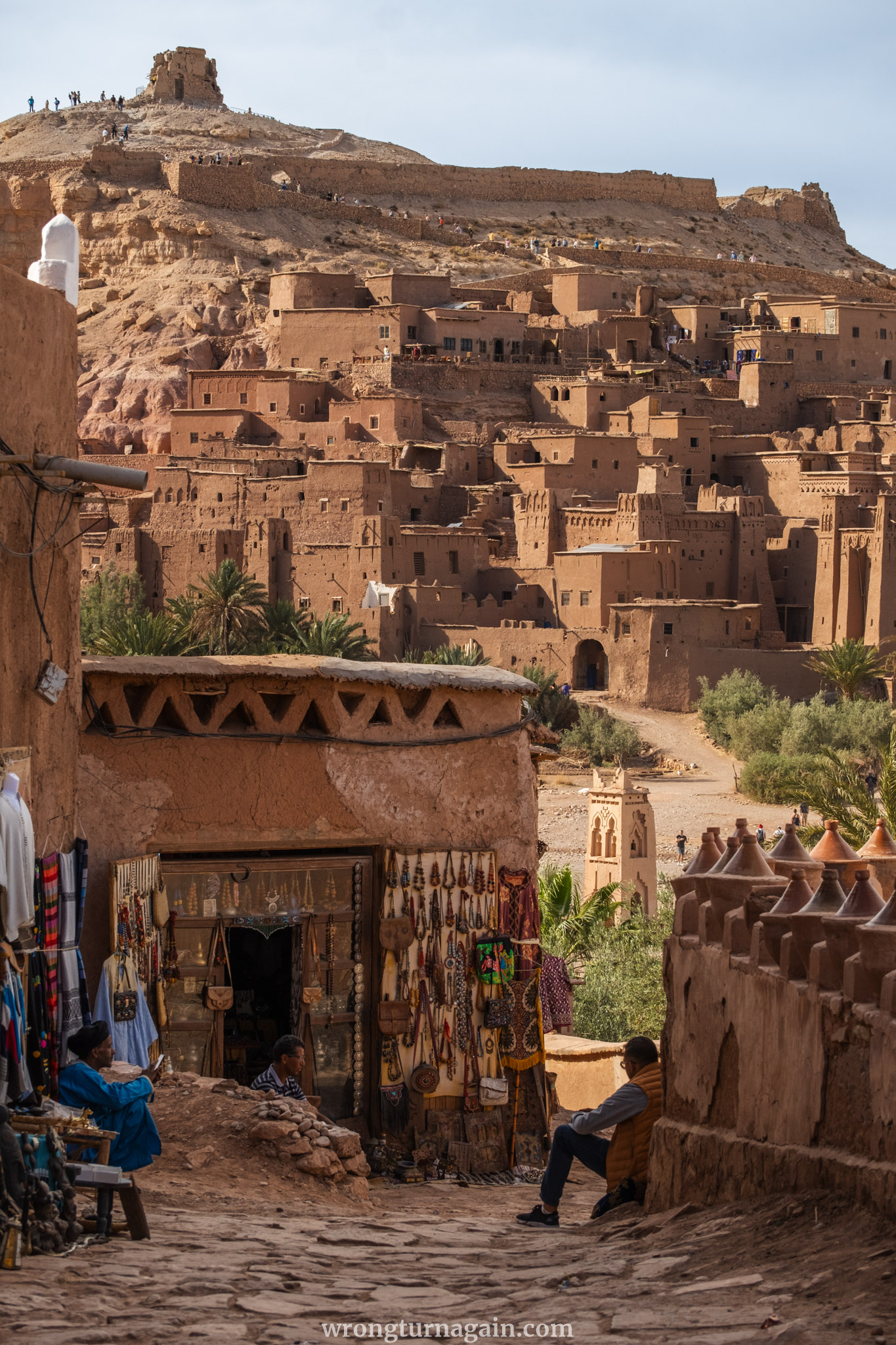
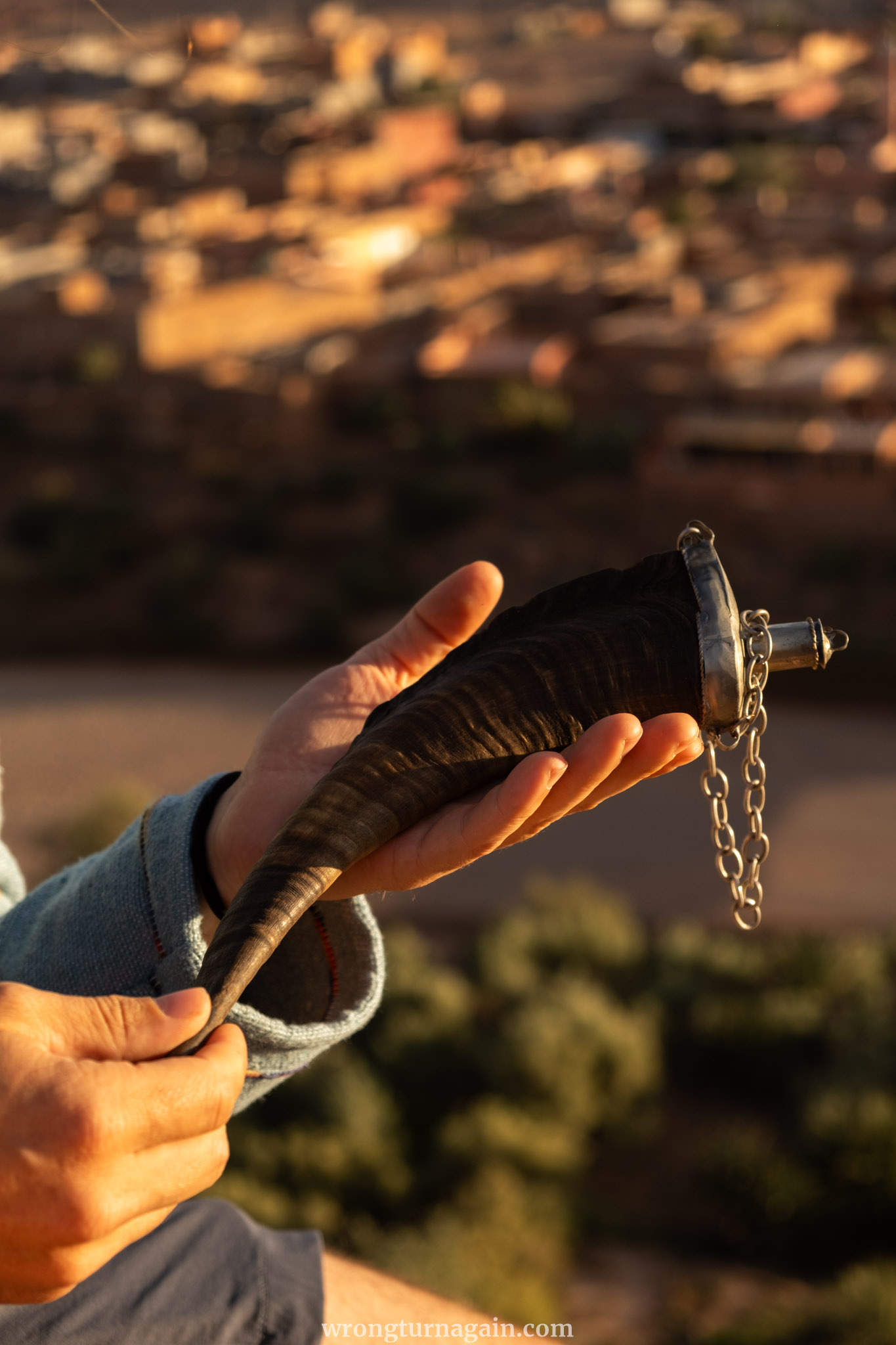
Then, as you wander the upper alleys, keep an eye out for Medhi (and other local painters like him). These artists use a fascinating “invisible ink” technique: painting with saffron (yellow) and green tea (brown). You can watch them hold the paper over a flame to make the desert landscapes magically appear before your eyes—a perfect, lightweight memento to pack.
6. Embark on a Horseback Adventure
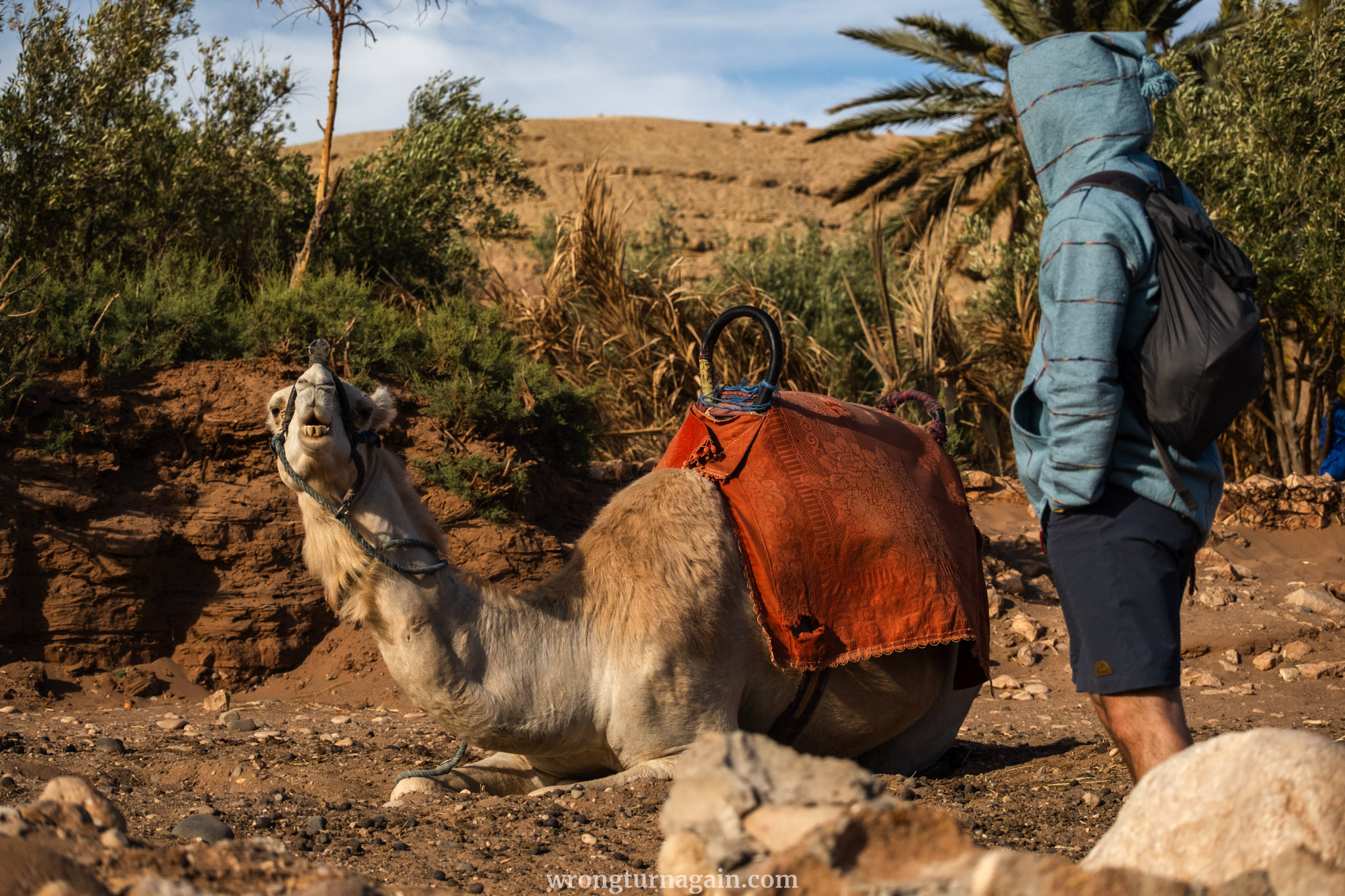
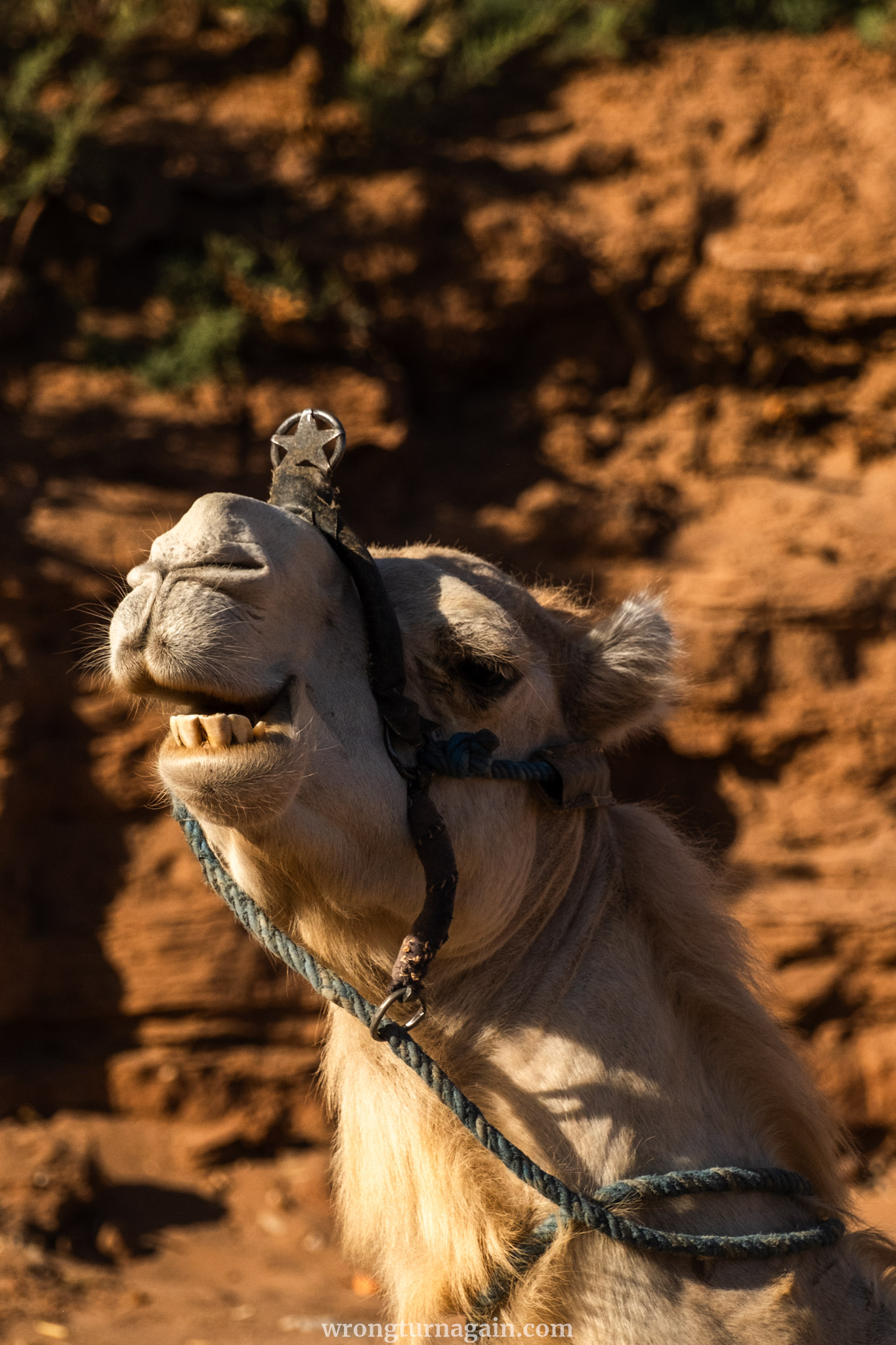
If exploring the rugged terrain on foot feels too slow, saddle up for a cinematic adventure. The Berbers are legendary horsemen, and seeing the Ksar from the saddle of an Arab-Barb horse is an experience straight out of Lawrence of Arabia. We recommend two reputable stables known for their well-cared-for animals:
- Ranch Sabot d’Or: Located right in the village, offering sunset rides that take you through the riverbed and palm groves.
- Ranch Cheval: Run by experienced guides who can lead you further out into the rocky desert for panoramic views that most tourists miss.
Both ranches mentioned above are praised by travelers for the exceptional care and health of their horses. We always encourage choosing operators who treat their animals with respect.
7. Road Trip Through the Ounila Valley
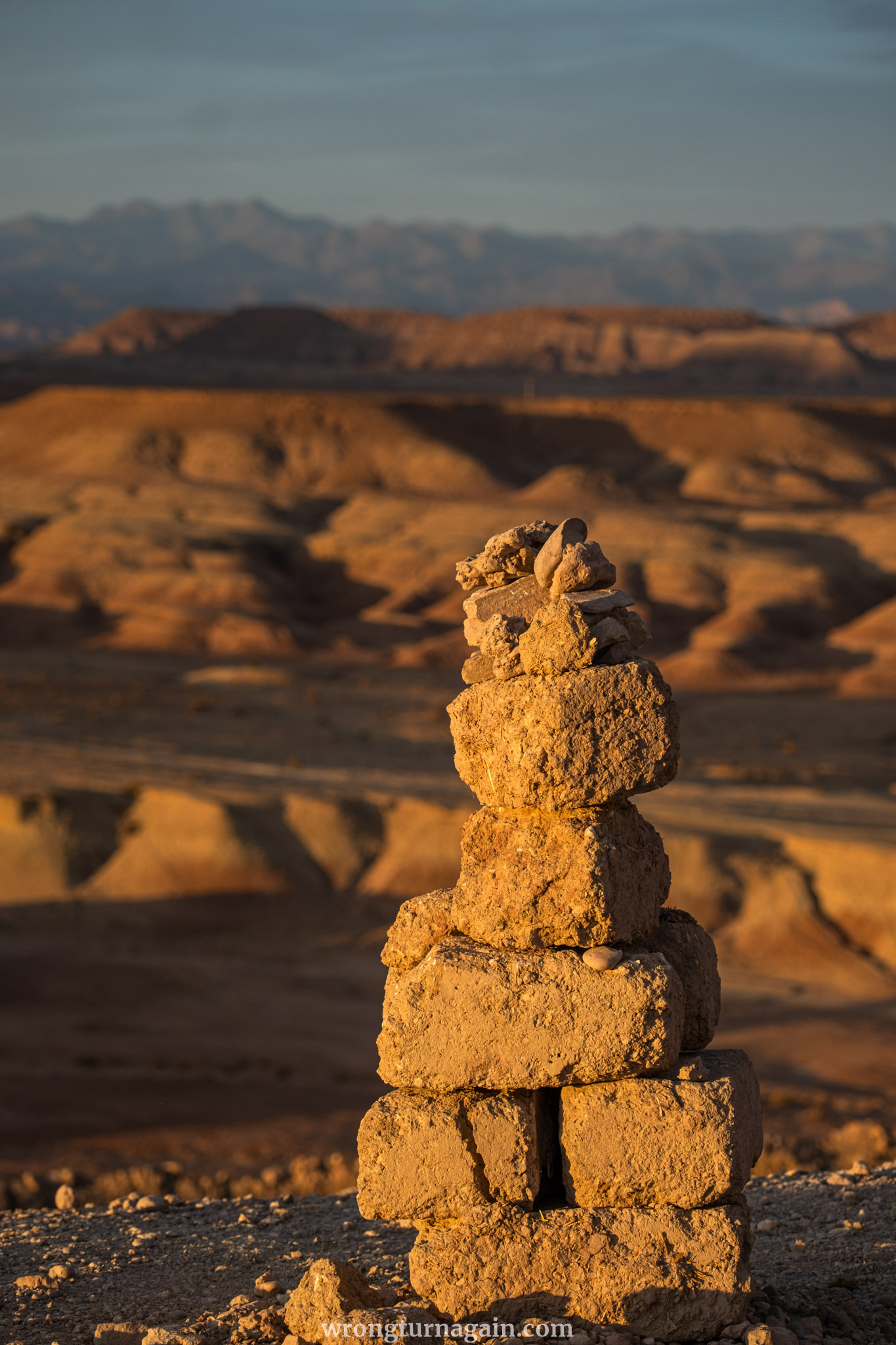
If Aït Ben Haddou left you spellbound, the Ounila Valley will steal your heart. This scenic drive along the P1506 road follows the historic caravan route that once connected the Sahara to Marrakesh. It is a land of striking contrasts: lush green riverbanks clash against crimson red rock, dotted with crumbling kasbahs built by tribal lords who once controlled these trade routes.
How to Explore: A vehicle is essential. If driving from Marrakesh, start from the Tizi n’Tichka pass, then turn left onto the P1506 road (about 3.5 km past the main N9 junction). If you are already in Aït Ben Haddou, it makes for a perfect half-day trip. Here are the essential stops along the route:
Located high in the mountains. From the outside, it looks like a ruin, but inside, the mosaic tiles and stucco work of the Glaoui Palace rival the Alhambra.
One of the best-preserved fortified villages in the valley. Stop at the roadside lookout for an incredible view of the tiered houses climbing the hill.
Just 5km north of Aït Ben Haddou. A quieter, less visited fortress dominated by storks nesting on its towers. Perfect for a peaceful walk.

The P1506 is paved but winding and narrow in spots. Allow about 2 hours for the drive (one way) to Telouet to account for photo stops and slower speeds.
8. Visit Ouarzazate: The Hollywood of Africa
Just a 30-minute drive (30 km) from Aït Ben Haddou lies Ouarzazate, the bustling provincial capital known as the “Gateway to the Desert.” While less atmospheric than the Ksar, it offers two major attractions that are well worth the detour.
First, step into the movies at Atlas Studios. Ouarzazate is home to the world’s largest film studio by acreage, Atlas Studios. Wandering through the backlot feels surreal—one minute you are standing outside a Tibetan monastery (from Kundun), and the next you are walking through the Egyptian statues of Cleopatra or the colosseum sets used for Gladiator II.
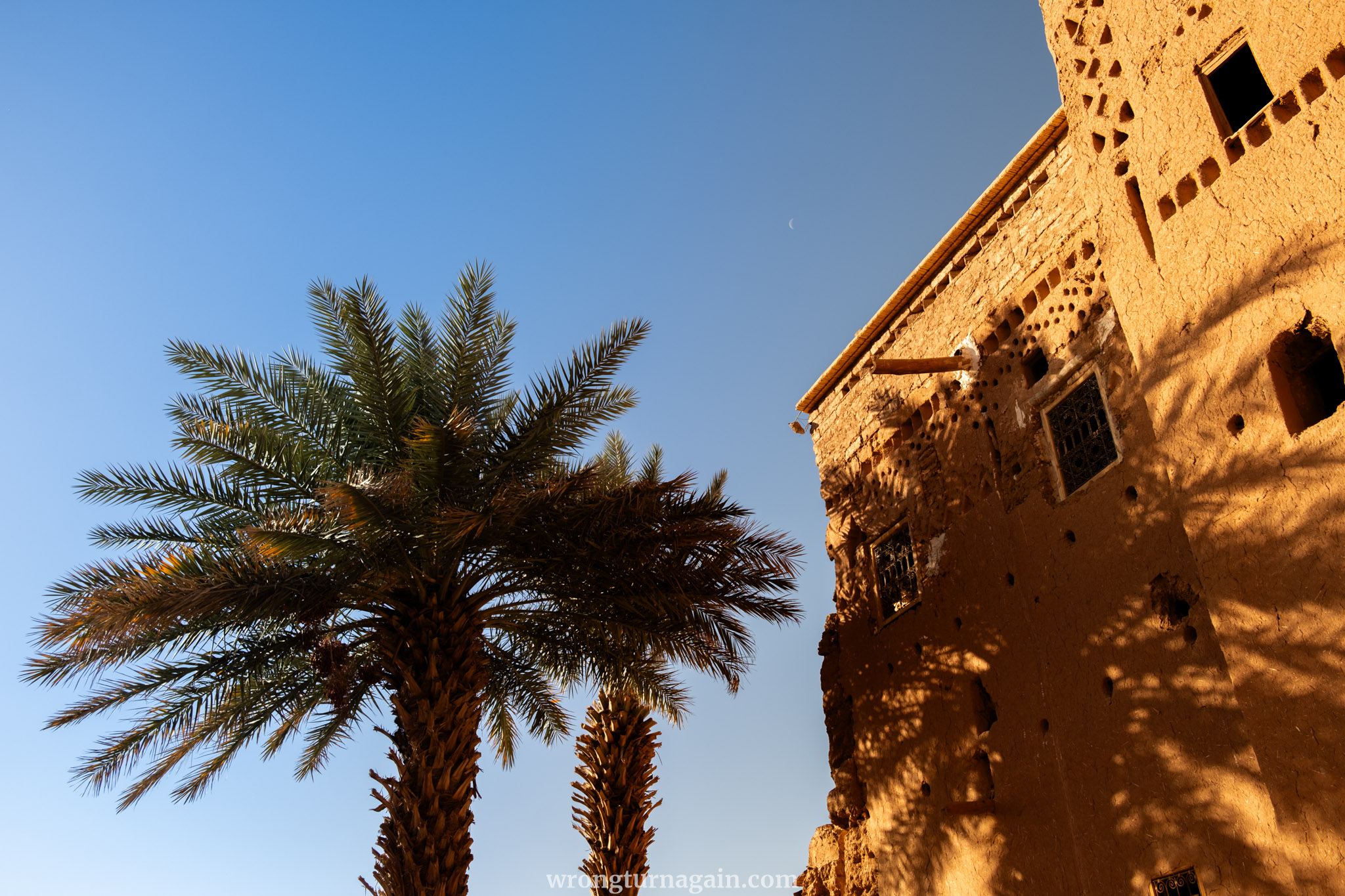
Next, wander through Kasbah Taourirt. Located in the city center, this masterpiece of pisé architecture was the former palace of the powerful Pasha Glaoui. Unlike the ruined charm of Aït Ben Haddou, Taourirt has been partially restored. It is a labyrinth of nearly 300 rooms, winding staircases, and protruding balconies. While empty of furniture, the intricate cedar wood ceilings and geometric stucco designs are breathtaking.
Planning to visit the city? Check out our detailed guide on The Best Things to Do in Ouarzazate.
How to Get to Aït Ben Haddou
Aït Ben Haddou is a must-visit on any Morocco itinerary. While joining a tour is the easiest way to get there, driving offers the most flexibility. Traveling by bus or shared taxi requires extra steps, but it’s entirely doable.
By Car
The drive takes around 4 hours and winds through the breathtaking Tizi n’Tichka pass in the Atlas Mountains. After crossing the pass, you have two options:
- Main Road (N9): Via Ouarzazate. A well-maintained, direct route. Turn left onto P1506 about 20 km before Ouarzazate.
- Scenic Route (P1506): Via Ounila Valley. A winding but stunning road dotted with kasbahs. Suitable for 2WD but can get muddy after rain.
Parking: You can park in the large parking lot in front of the Hôtel la Kasbah, the small parking lot next to the mosque, or in the parking lot in front of the Hôtel La Rose des Sables. If these are full, roadside parking is an option. Expect to pay Dhs 5–10, with attendants overseeing vehicles.
By Bus & Shared Taxi
There is no direct bus. You must take a coach (CTM or Supratours) from Marrakesh towards Ouarzazate. The route crosses the High Atlas Mountains and Tizi n’Tichka pass, though buses don’t stop at scenic viewpoints.
Take the bus to Ouarzazate Bus Station. From there, take a shared taxi back to Tabourahte (10 Dhs/seat). From Tabourahte, take another shared taxi to Aït Ben Haddou (10 Dhs/seat).
Ask the driver to drop you directly at the Tabourahte junction (20km before Ouarzazate). This saves 20 km of backtracking and eliminates the need for the first shared taxi. Local companies like Trans Ghazala are often more flexible with this drop-off than CTM.
Hand-picked for this route
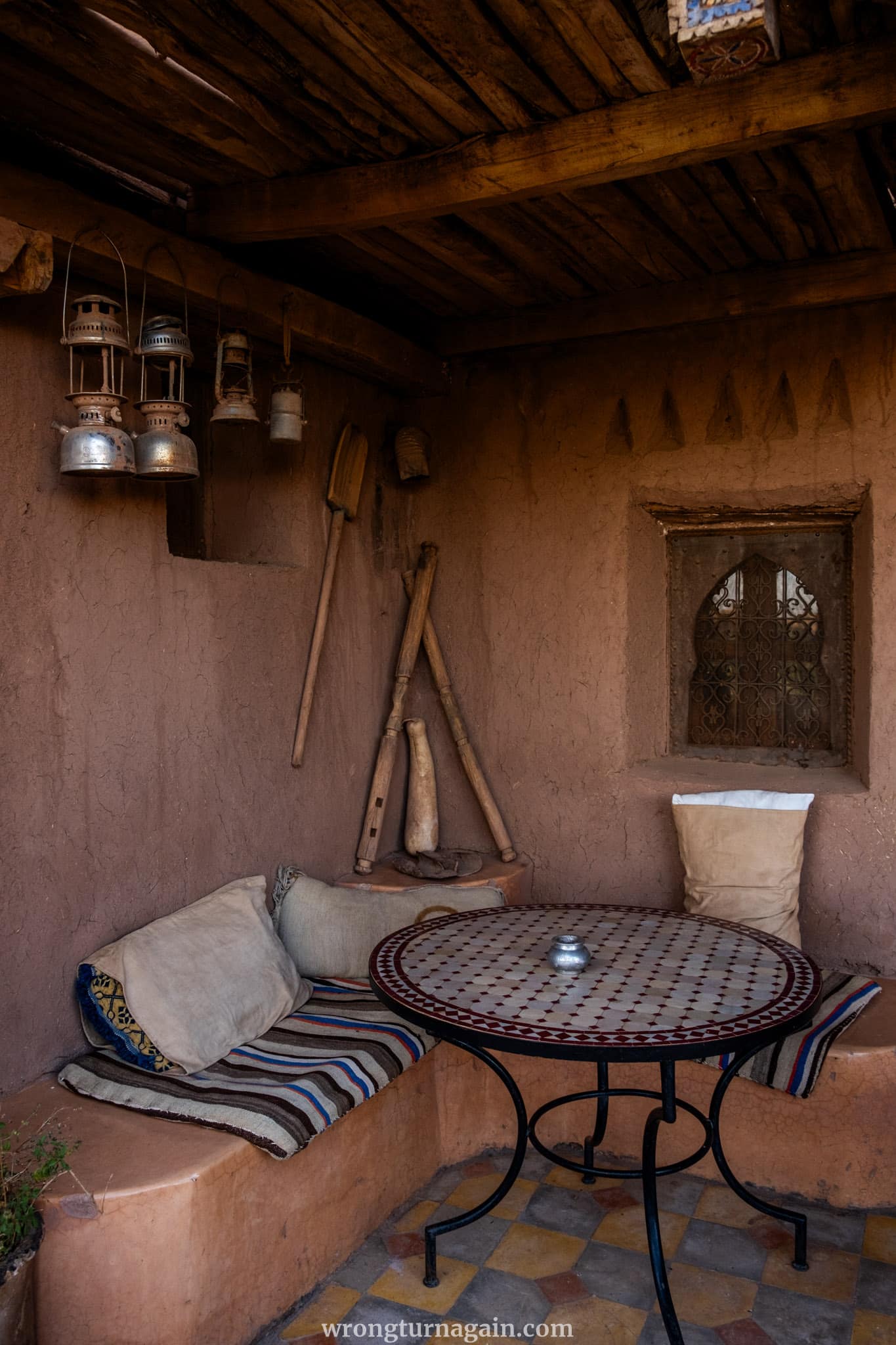
Where to Eat in Aït Ben Haddou
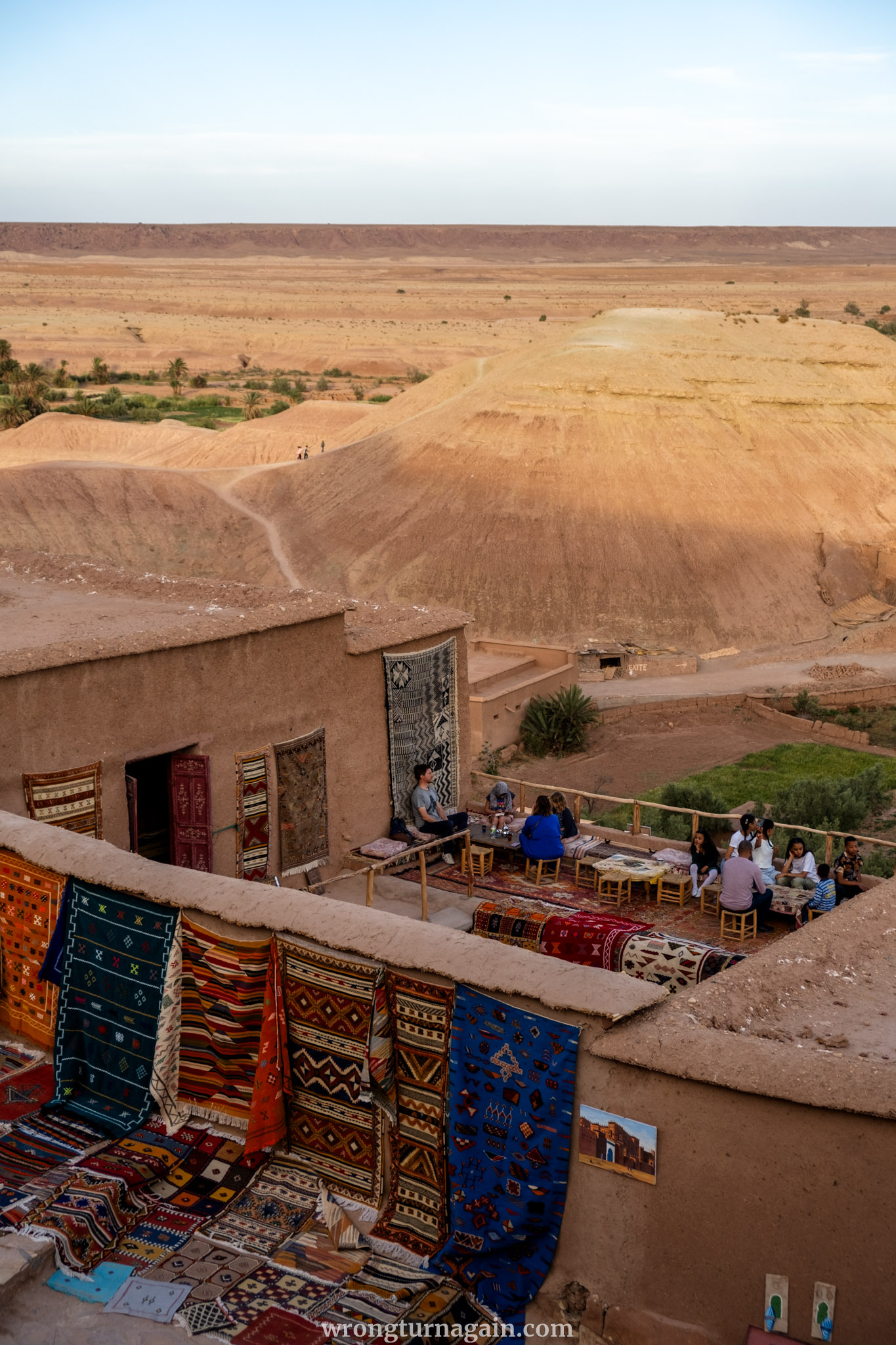
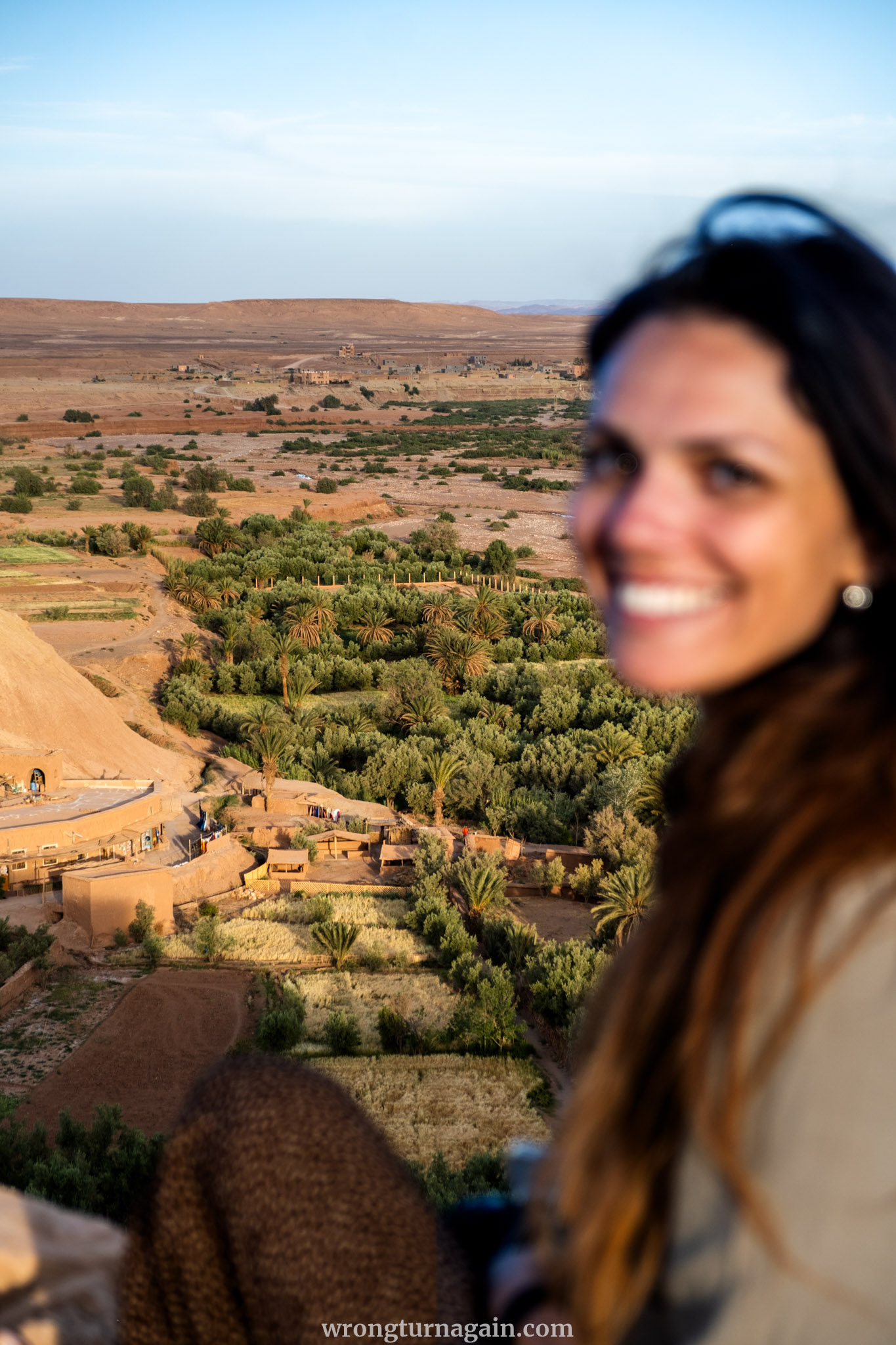
Despite its small size, Aït Ben Haddou boasts a delightful selection of restaurants and cafés, mostly along the P1506 road or across the ksar on the opposite bank of the river. We dined at places on both sides—enjoying hearty meals along the main road and sipping tea or coffee across the river, where terraces offer stunning views of the ksar. Here are our top picks:
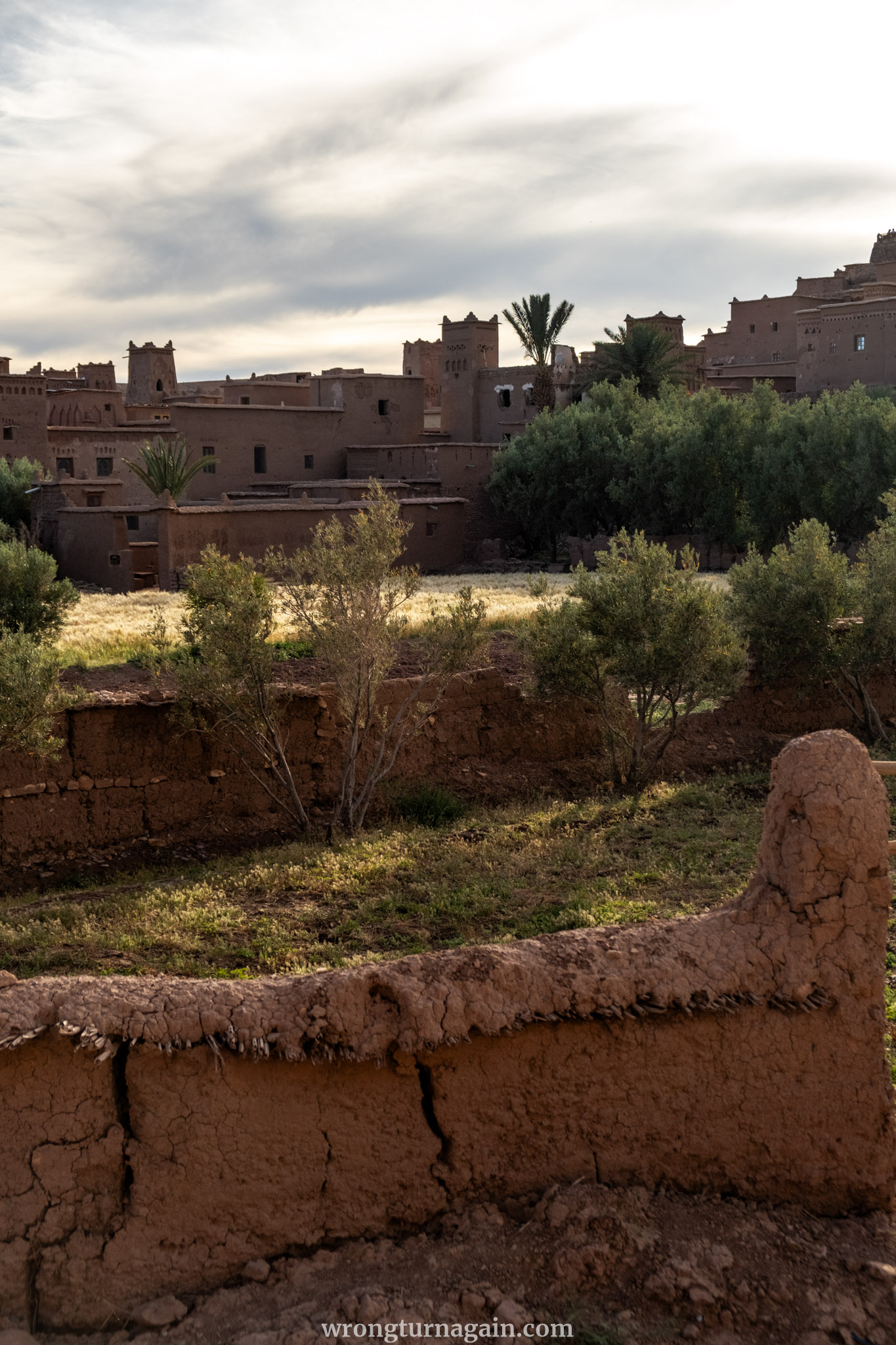
Lunch & Dinner
Coffee & Tea
Where to Stay in Aït Ben Haddou
While many travelers rush through Aït Ben Haddou on a day trip, spending the night is the real secret to experiencing its magic. Once the tour buses depart in the late afternoon, a profound silence descends on the valley, and you can watch the mud-brick towers glow red at sunset without the crowds.
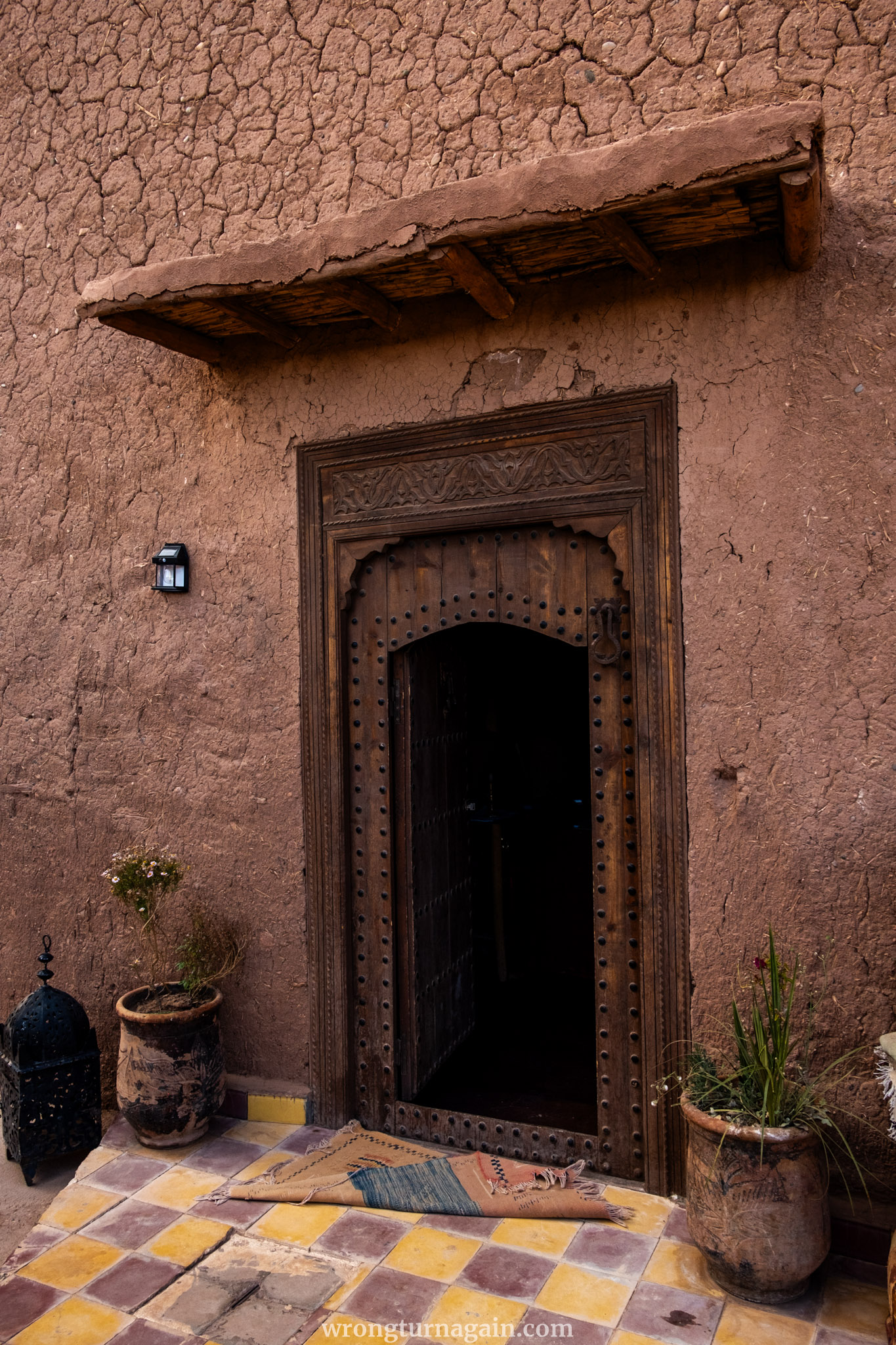
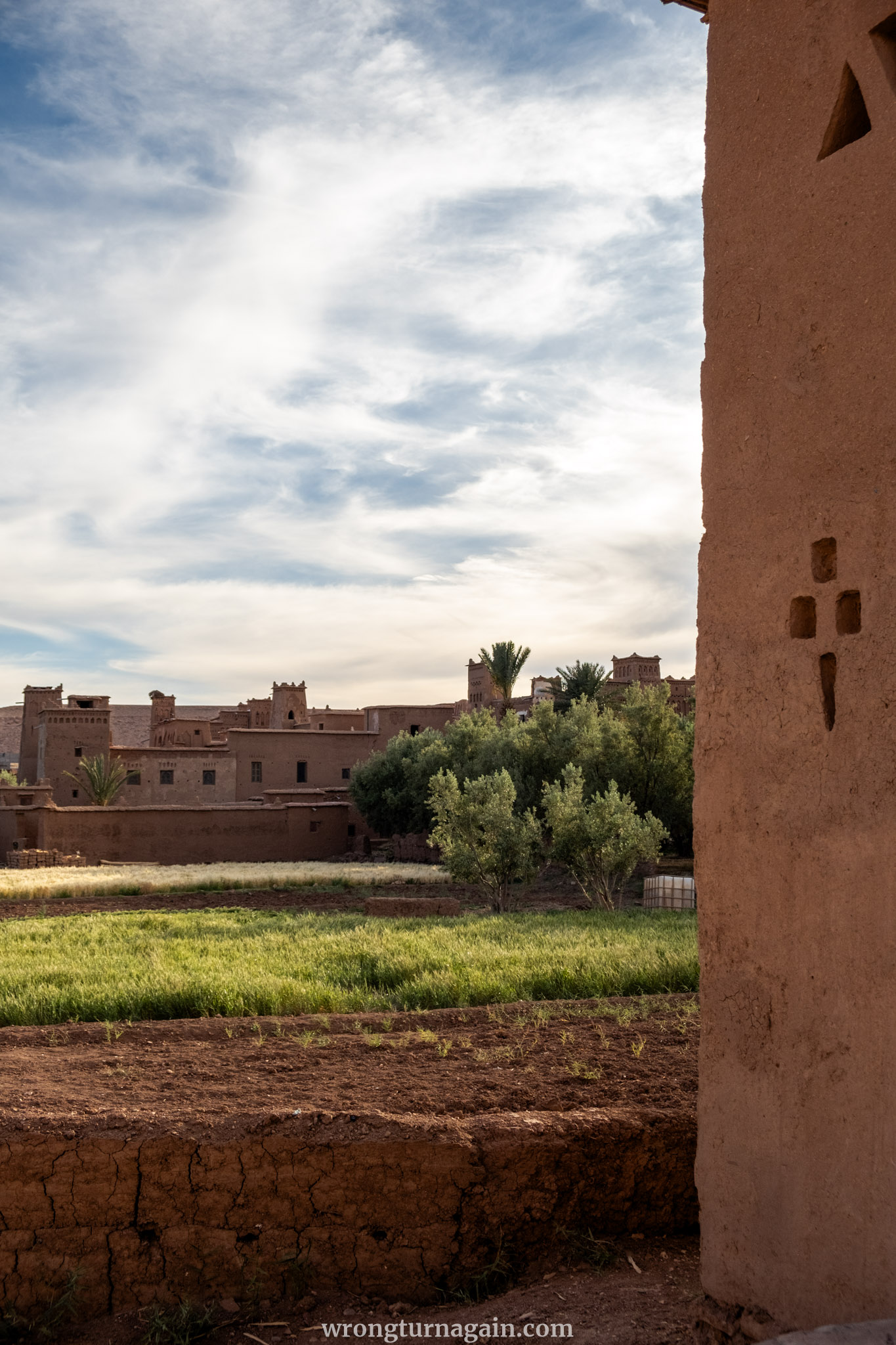
When choosing accommodation, you are essentially choosing between two different eras separated by the Ounila River. You can stay in the modern village, which offers paved roads and swimming pools, or cross the bridge to sleep inside the ancient fortress itself.
For comfort and views: Stay in the New Village. You’ll get modern amenities (A/C, pools), easy parking, and the best panoramic views looking at the Ksar.
For pure atmosphere: Stay inside the Old Ksar. Be prepared to carry luggage across the river and live without electricity in some parts (candlelit nights!), but the experience is truly unforgettable.

Our Top Aït Ben Haddou Hotel Picks
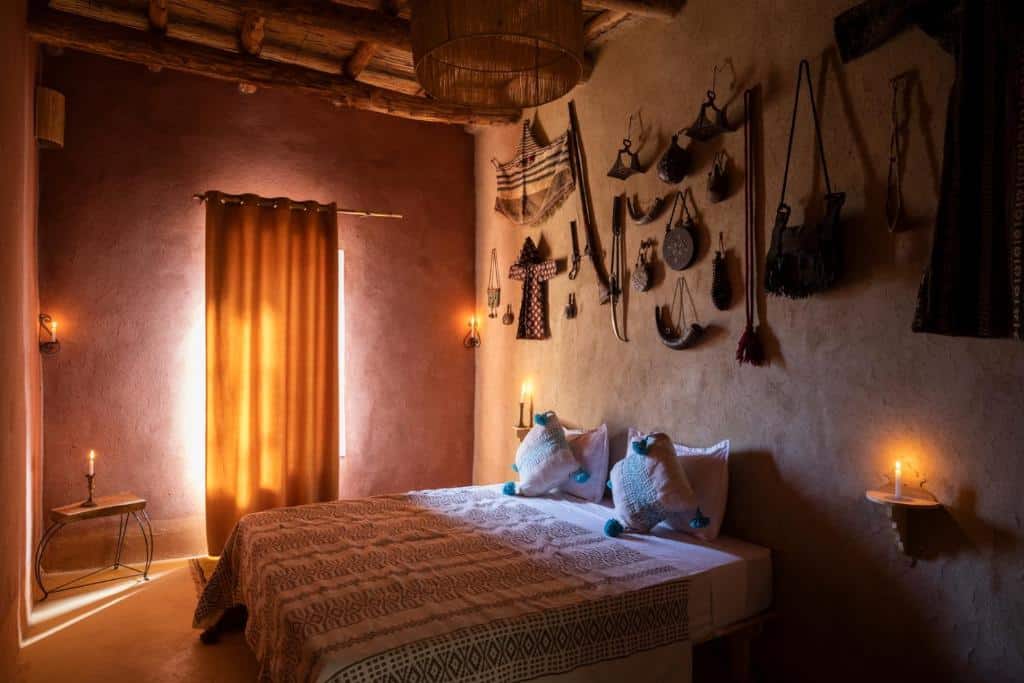 KASBAH TEBI
Experience a truly authentic stay inside the UNESCO site. Historic candlelight-only rooms (no electricity) for a magical atmosphere.
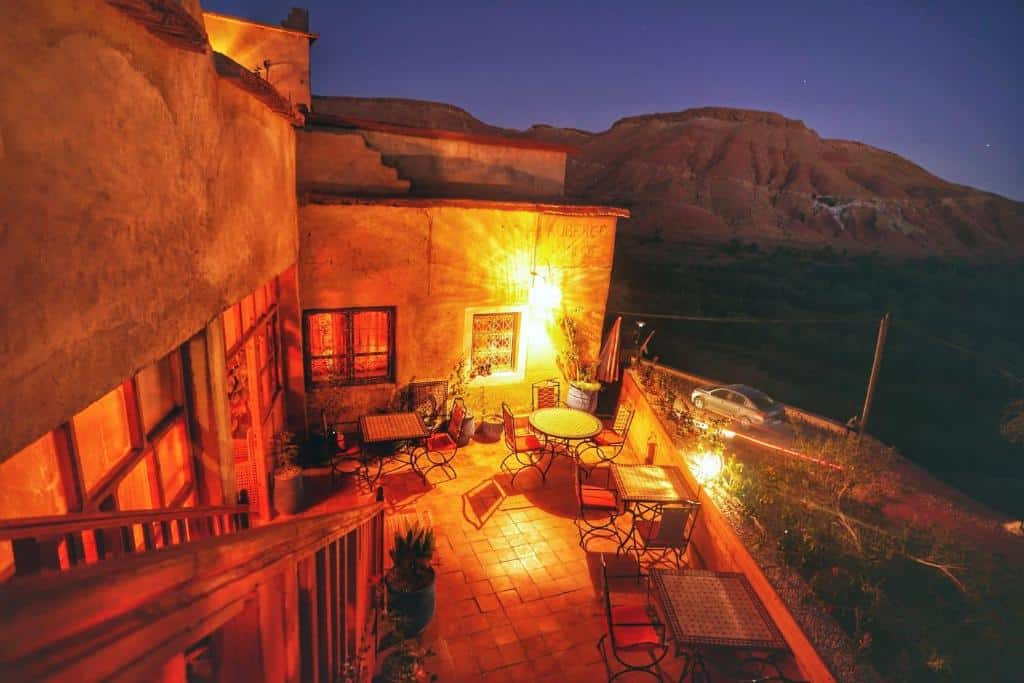 AUBERGE AYOUZE
A colorful, artistically decorated guesthouse offering warm hospitality, delicious homemade food, and excellent value.
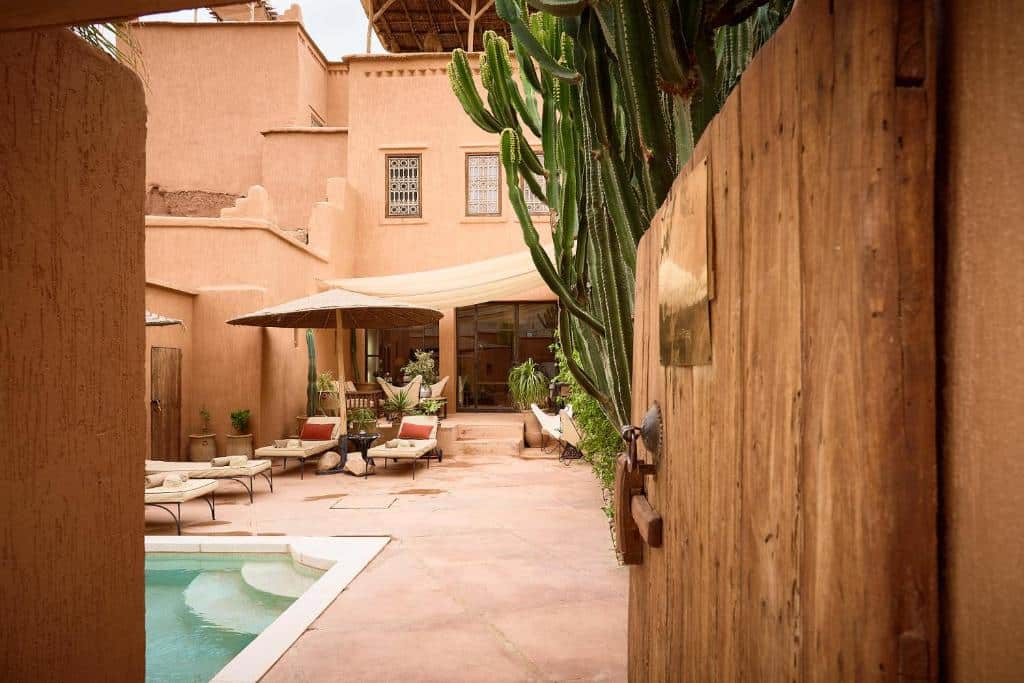 RIAD CARAVANE
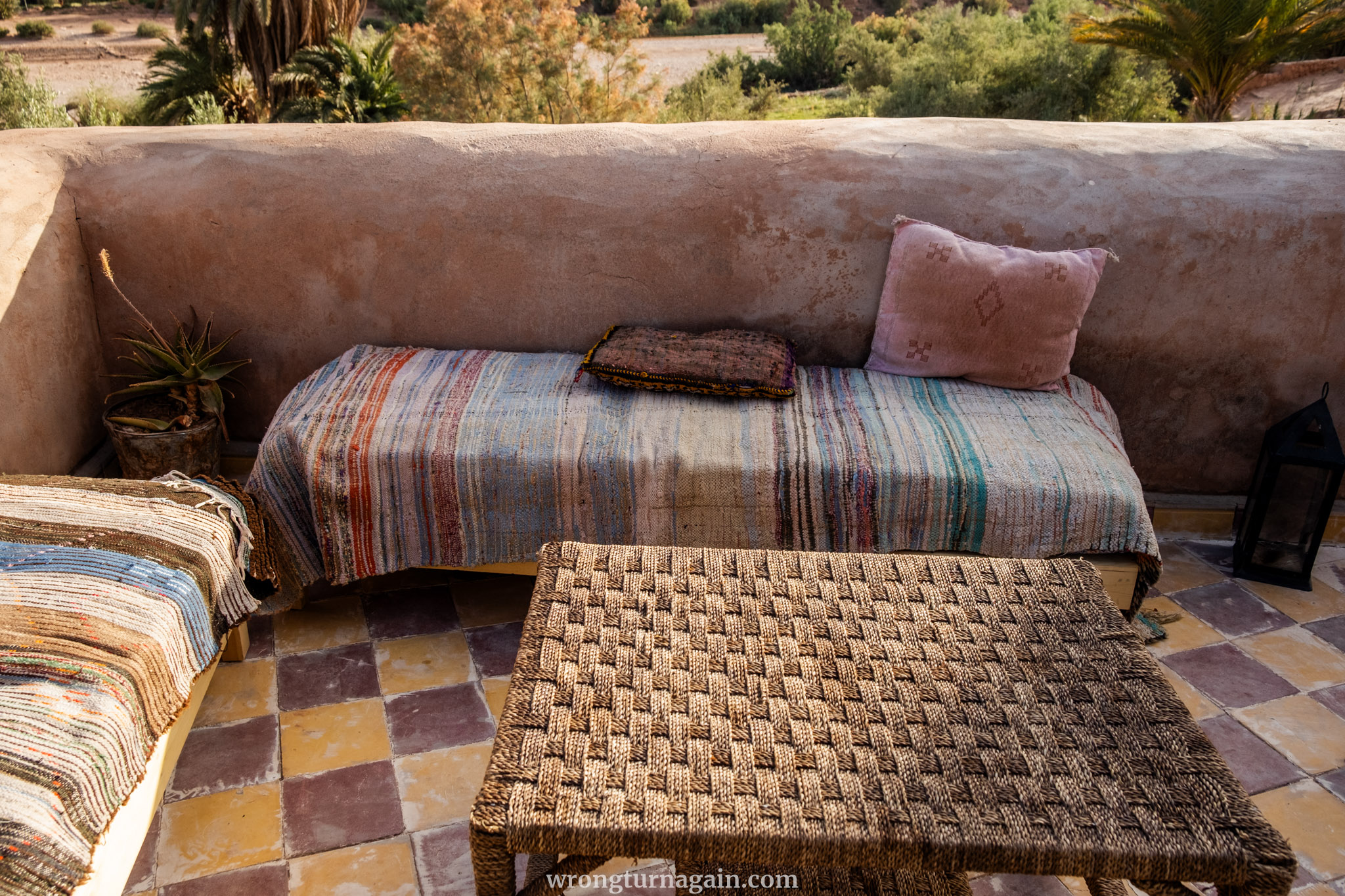
A stylish boutique riad featuring a swimming pool and a stunning rooftop terrace with panoramic views of the Kasbah.
When to Visit Aït Ben Haddou
The ideal time to visit Aït Ben Haddou is during the spring (March to April) and autumn (October to November). During these months, the temperatures are perfect for exploring—warm enough for t-shirts but free from the scorching heat of late spring and summer.
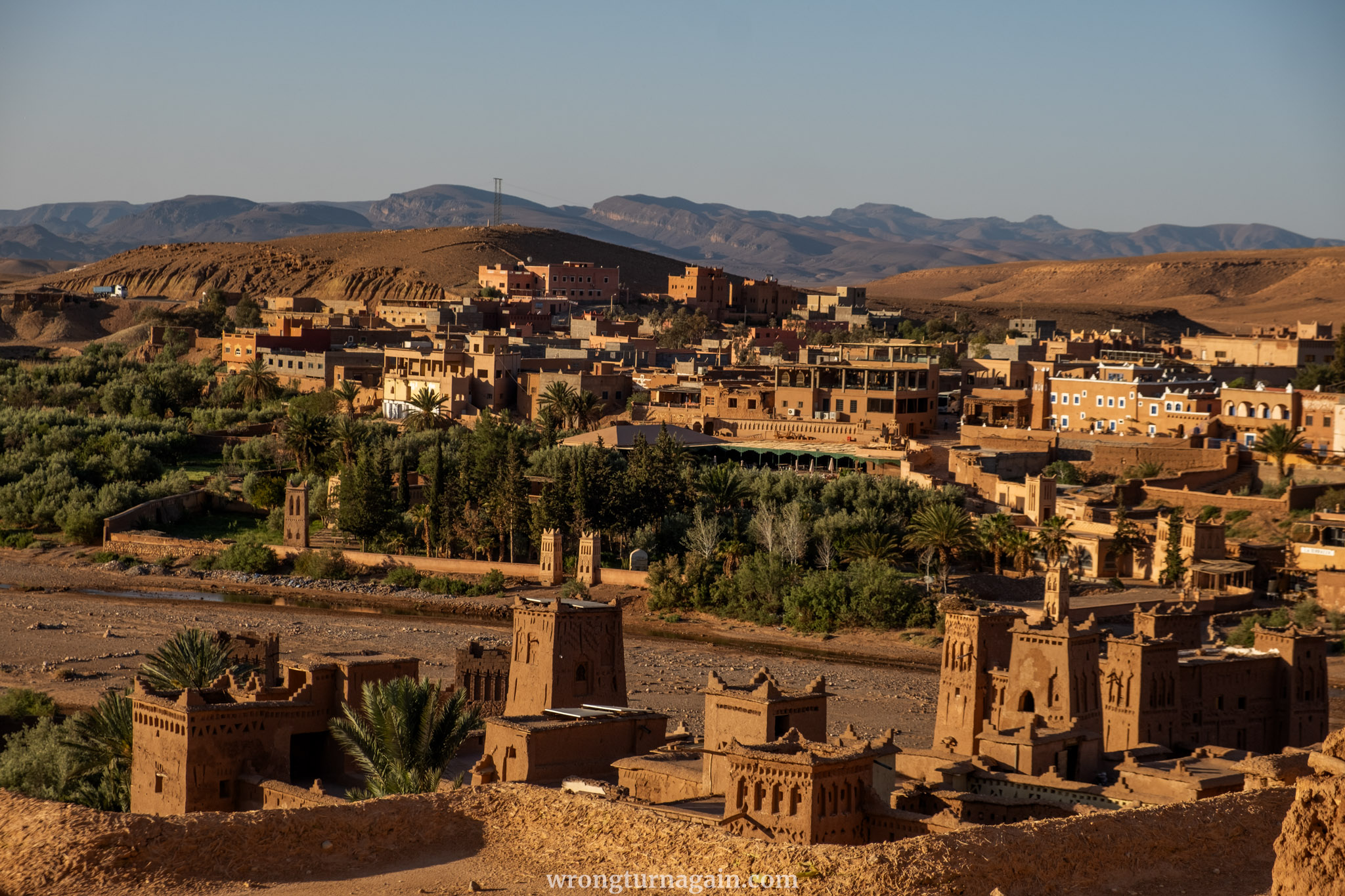
For an unforgettable experience, aim to explore at sunrise or sunset. This is when the ksar truly comes alive; the low sun casts a deep golden glow over the ancient red mud-brick walls, enhancing their texture and creating a cinematic atmosphere that is simply mesmerizing.
How Long to Stay in Aït Ben Haddou
While a day trip offers a brief but rewarding glimpse, we highly recommend planning for at least one night. The village’s sunrise and sunset panoramas are the highlight of the trip, making an overnight stay highly worthwhile.
Aït Ben Haddou Budget Breakdown
Visiting Aït Ben Haddou is incredibly budget-friendly. Access to the UNESCO site itself is free, meaning your biggest expenses will be transportation and, if you choose to extend the magic, accommodation. Here is a typical breakdown of costs per person.