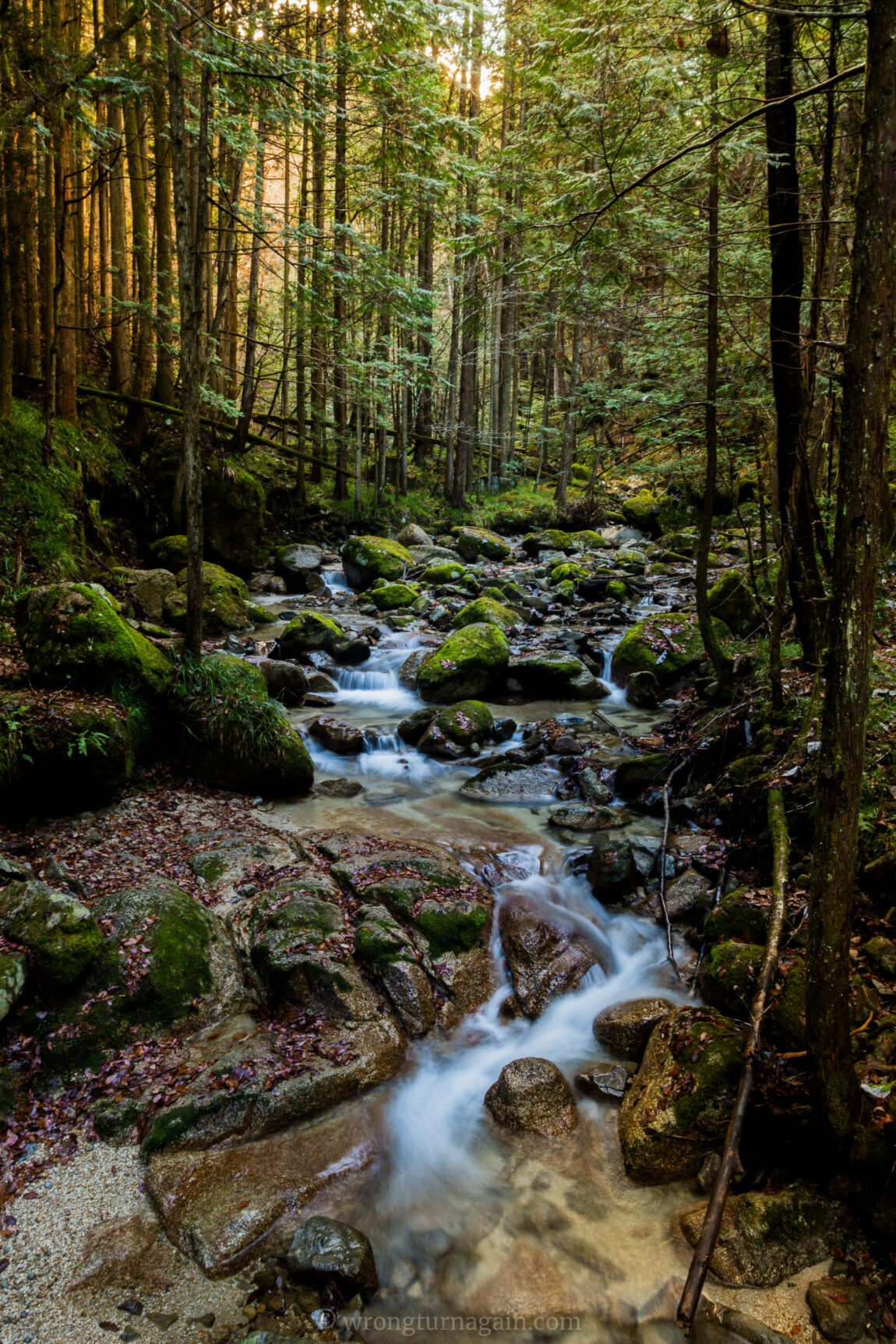
Deep in the forests of the Kiso Valley lies the historic Nakasendo Trail, the ancient highway that once connected Edo (Tokyo) and Kyoto. While the full route spans hundreds of kilometers, the preserved section between the post towns of Magome and Tsumago offers the most authentic glimpse into the samurai era. Here, paved roads give way to cobblestones, and wooden machiya line the path just as they did centuries ago.
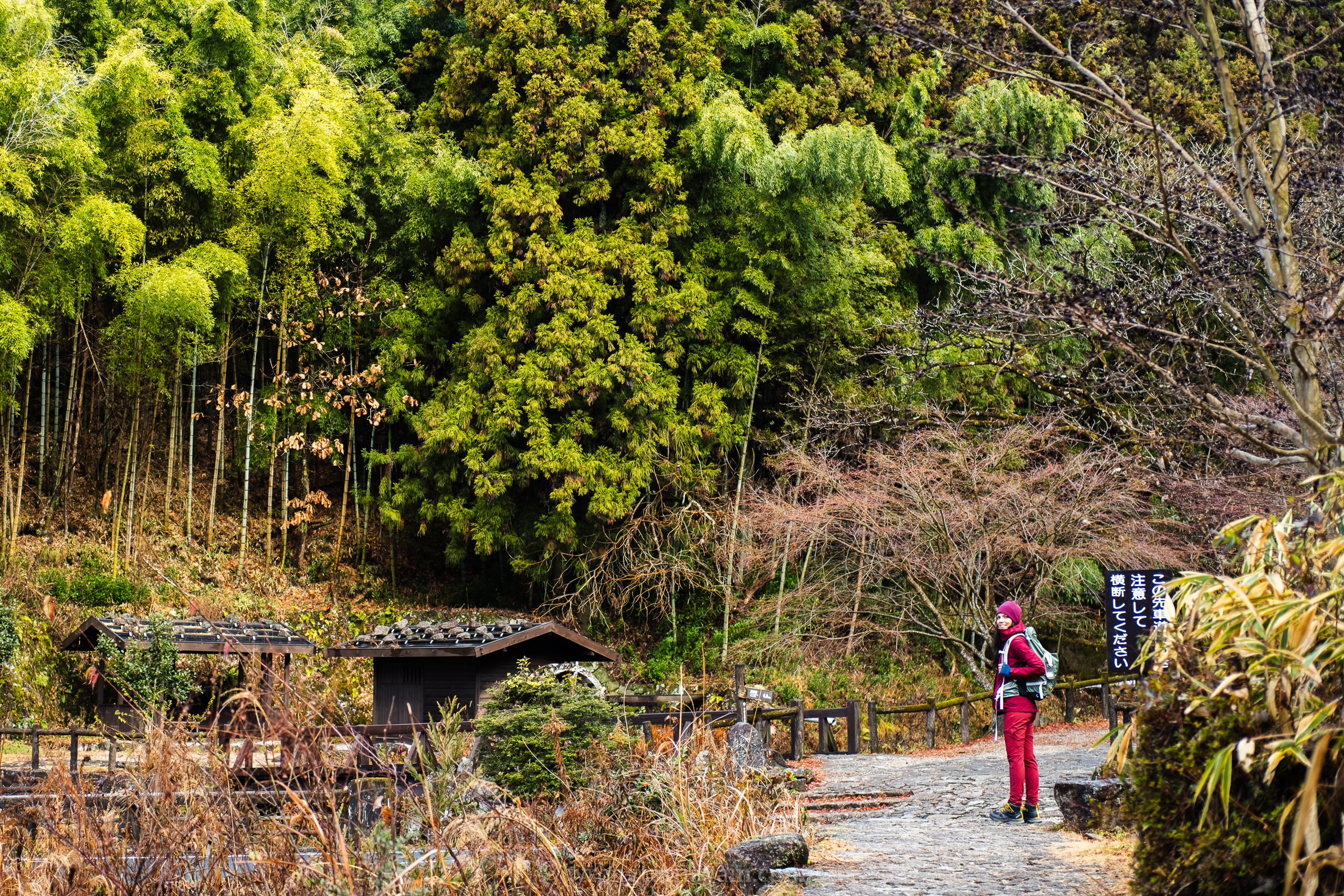
Whether you are looking for a scenic day walk or a full cultural immersion, this guide covers every logistical detail—from essential train access and luggage forwarding services to a transparent budget breakdown and the best season to visit. Here is how to hike from Magome to Tsumago..
Inside this Guide
Nakasendo Trail Essentials: Before You Walk
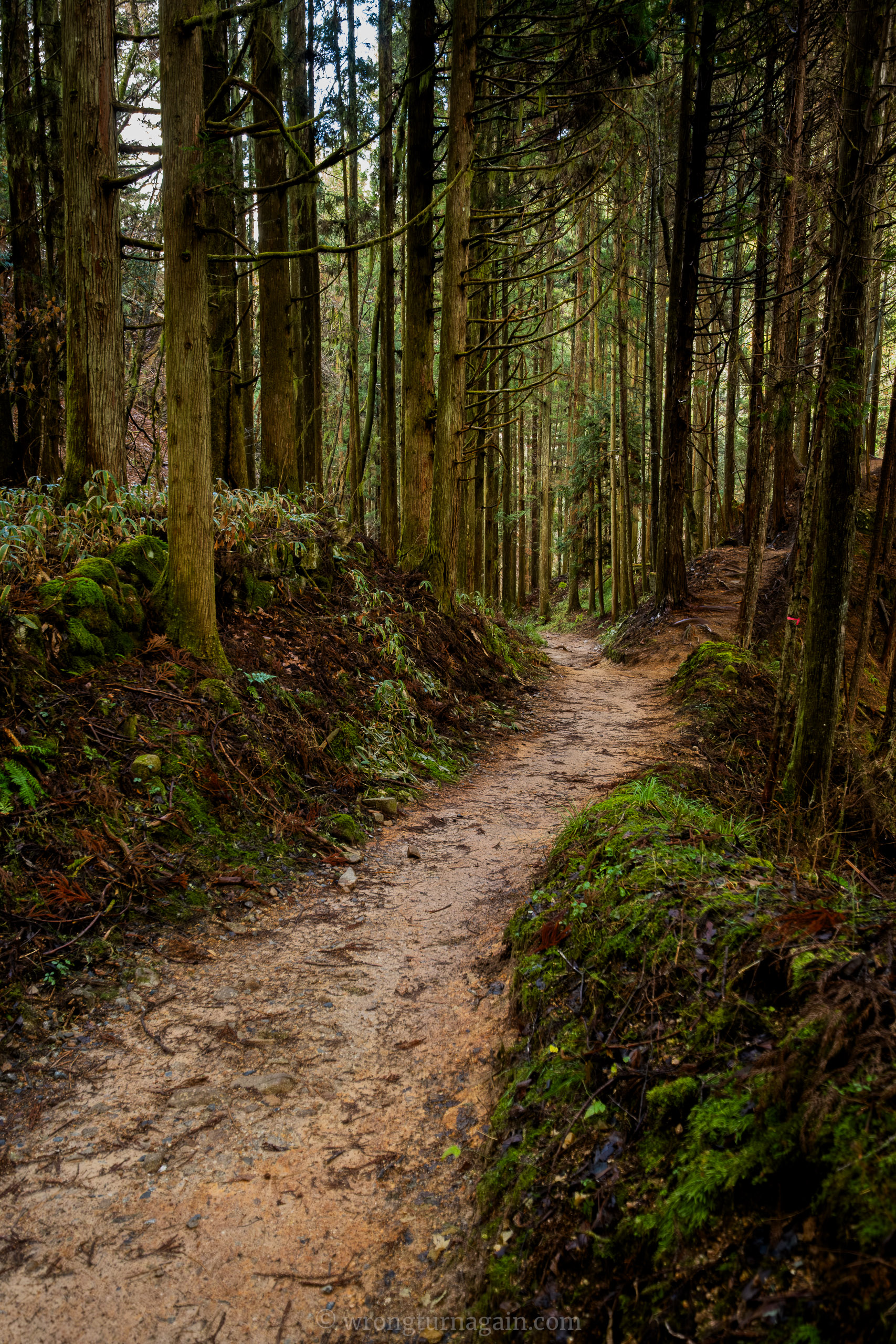
Deep in the Kiso Valley, amidst dense cedar forests, lie two of Japan’s most impeccably preserved “post towns”: Tsumago and Magome.
Connecting these historic villages is a preserved section of the Nakasendo Way, the ancient highway that once linked Kyoto to Edo (Tokyo). Unlike the coastal routes, the Nakasendo was the “mountain road”—a journey through steep passes where daimyo, samurai, and merchants traveled.
Today, the 8km section between Magome and Tsumago remains the most famous part of this trail. It offers a rare chance to walk through history, passing waterfalls, waterwheels, and wooden teahouses that look exactly as they did 300 years ago.
What exactly is a “Post Town”?
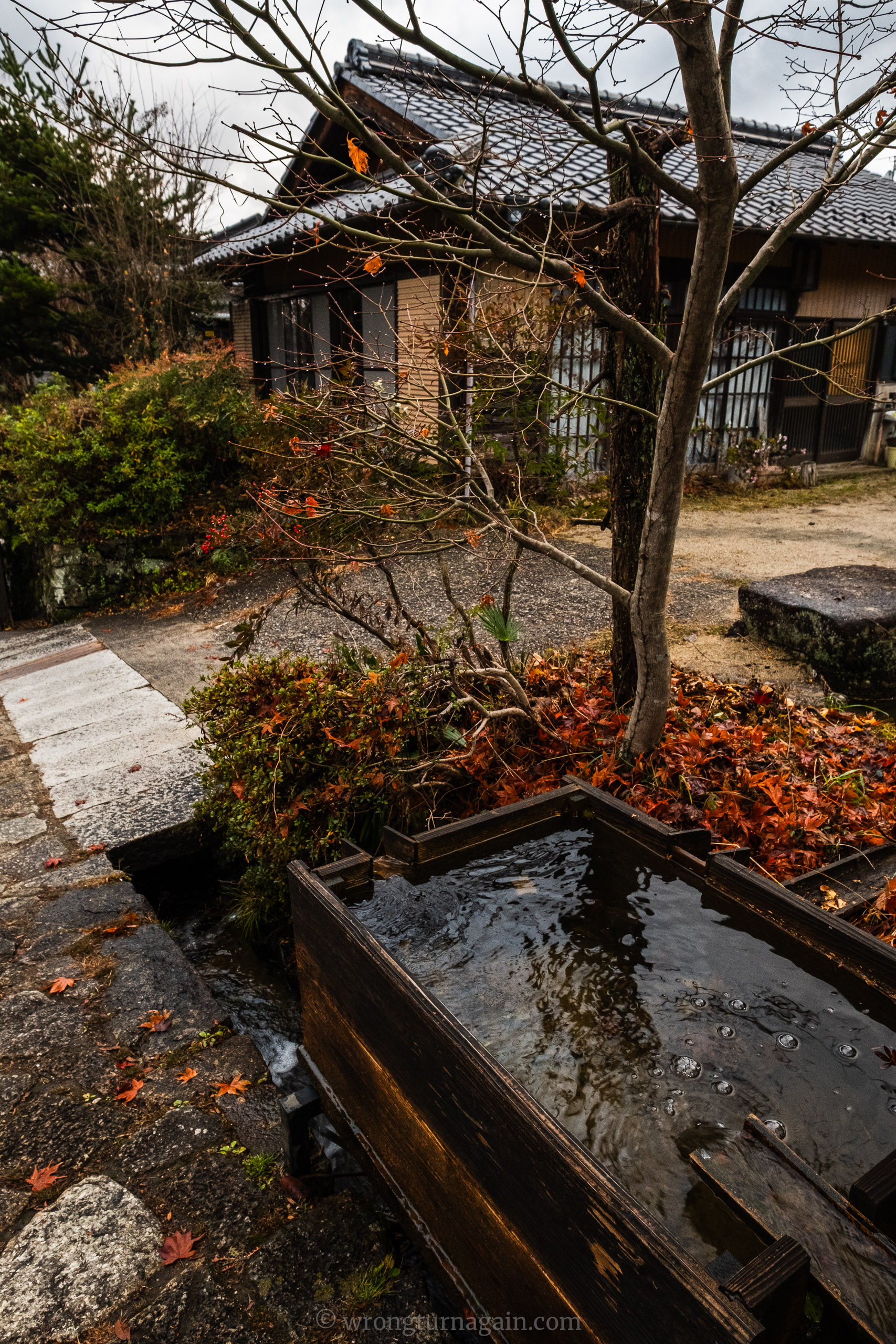
You will often see Tsumago and Magome referred to as juku. During the Edo period, these weren’t just random villages; they were official government stations strictly regulated by the Shogunate. Their primary purpose was to support the massive processions of Feudal Lords (Daimyo) traveling between their domains and Edo (Tokyo), providing fresh horses, mail services, and secure checkpoints.
Beyond basic logistics, these towns operated under a strict class hierarchy that is still visible in their architecture today. The grandest inn, known as the Honjin, was reserved exclusively for high-ranking officials and Daimyo. Secondary officers stayed in the Waki-honjin, while common merchants and travelers were relegated to smaller, crowded inns called Hatago, where they often slept in shared rooms on straw mats.

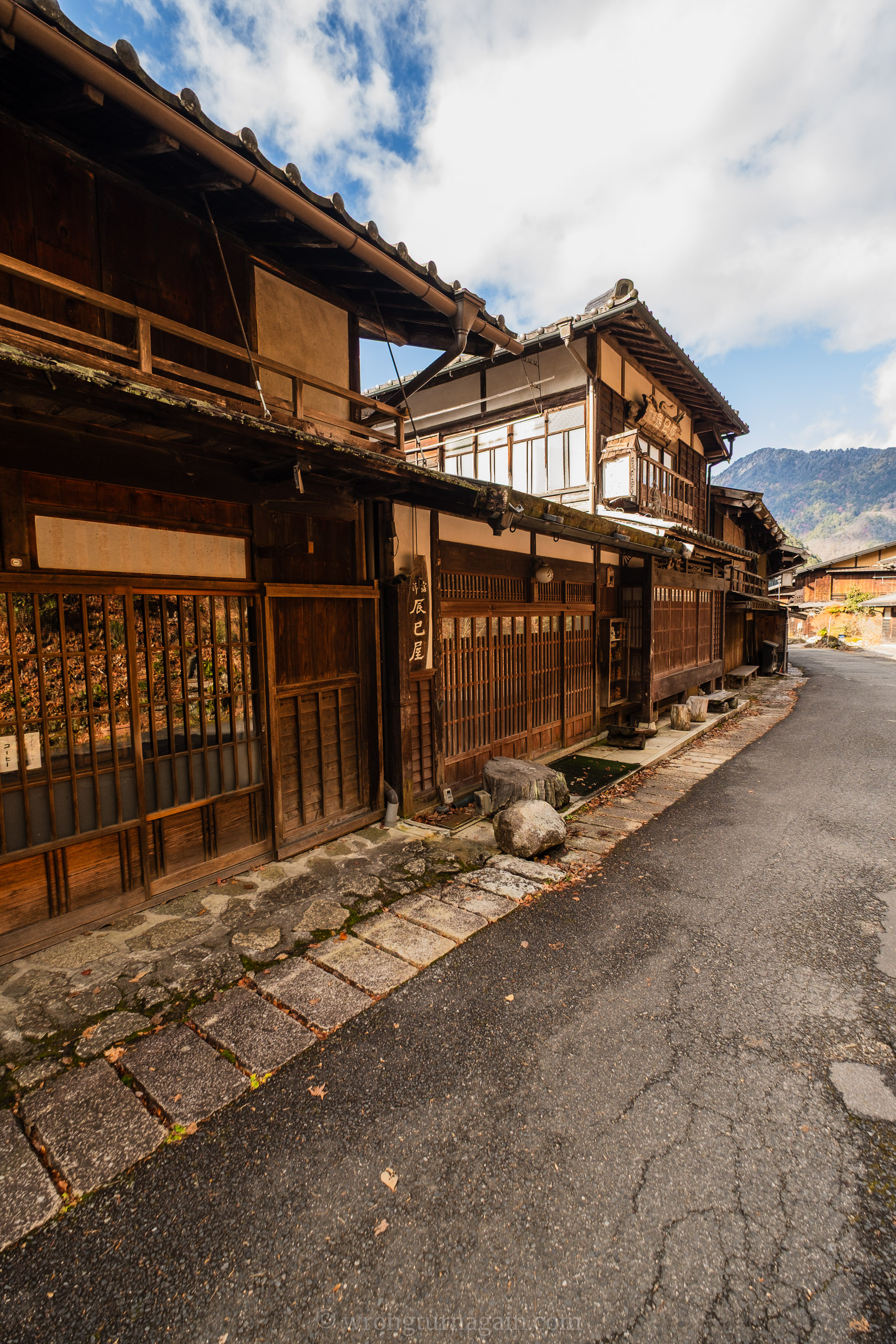
The “frozen in time” look of these towns isn’t accidental. Strict preservation rules prohibit modern signs, TV antennas, and even power lines (which are buried underground). Cars are banned from the main streets during the day, making this the closest you can get to seeing Japan as it was in the 17th century.
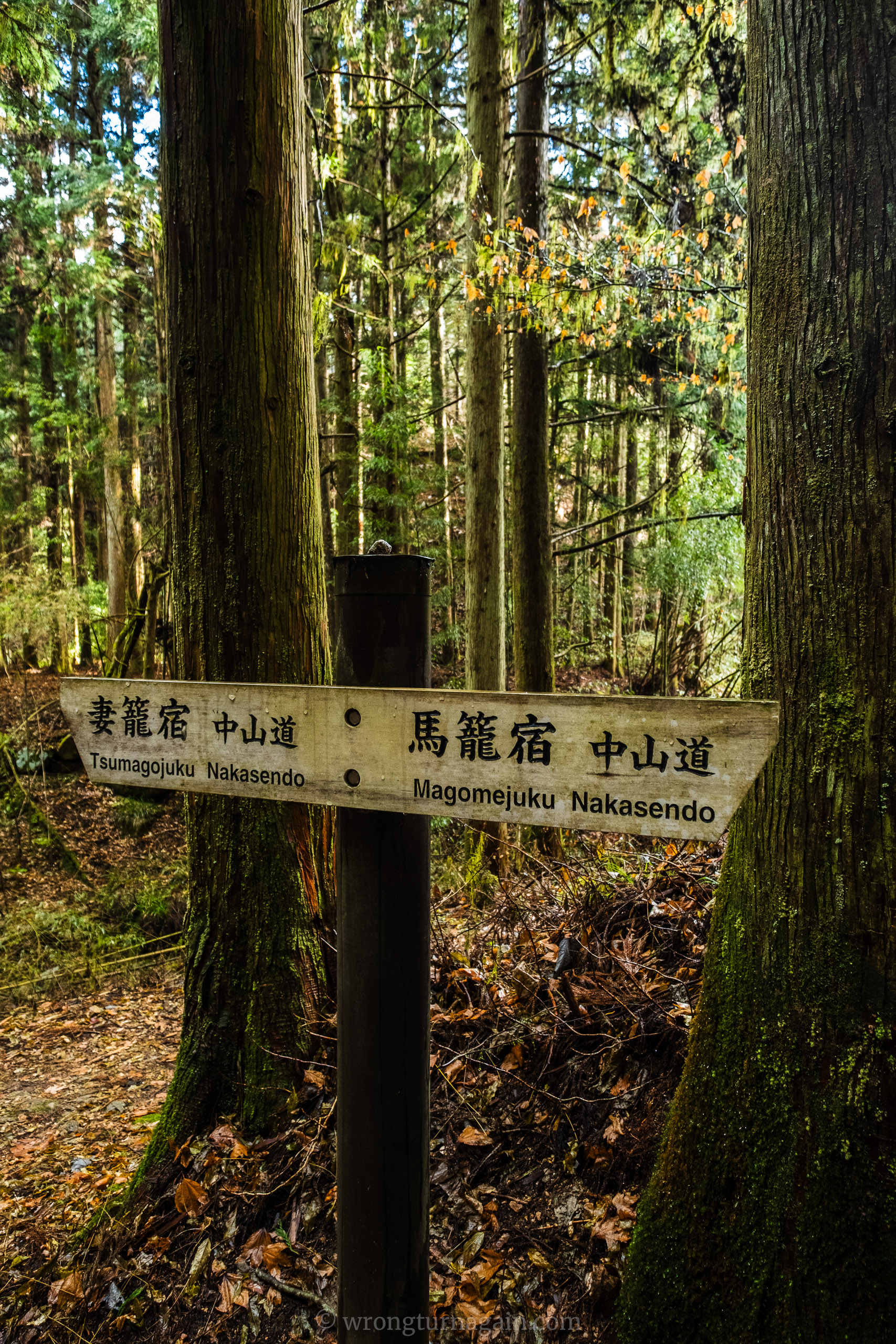
Which Direction is Best? (Magome vs. Tsumago)
You can walk the trail in either direction, but the experience changes slightly depending on where you start.
-
Option A: Magome ➞ Tsumago
The Popular Route
Generally considered the “easier” direction. Since Magome sits higher, you face a shorter climb to the pass (approx. 200m gain), followed by a long, gentle descent into Tsumago. This route “flows” better for most travelers.
-
Option B: Tsumago ➞ Magome
The “Reveal” Route
Starting from Tsumago means a longer, more gradual uphill climb through the forest (approx. 400m elevation gain). The reward is the dramatic finale: arriving at Magome, the view suddenly opens up over the valley and Mount Ena.
If you want the easiest possible walk, take the bus (or a taxi) from either town directly to Magome Pass. From there, it is downhill all the way to either village.
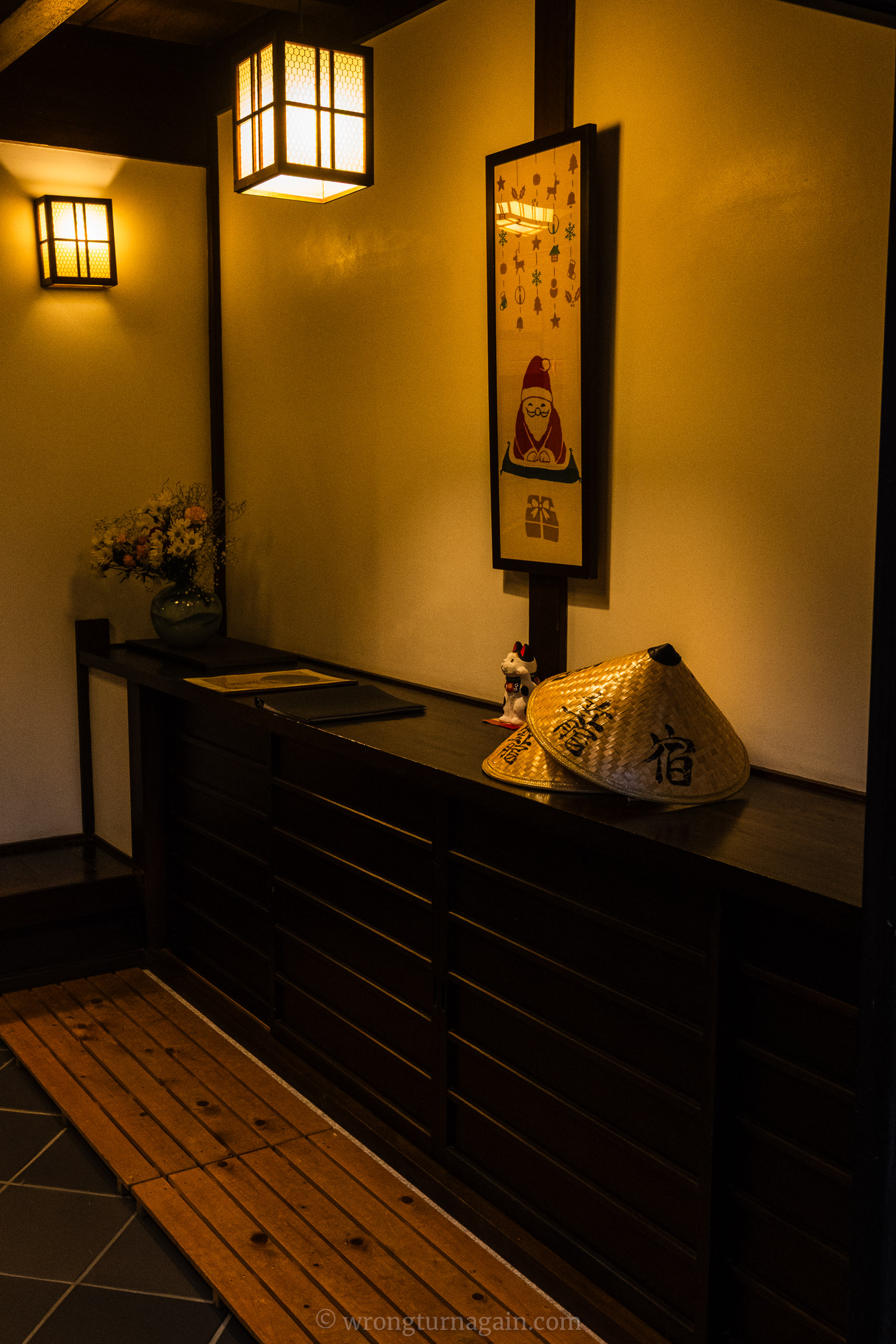
Luggage Forwarding
One logistical question comes up for every hiker: “What do I do with my suitcase?” The answer is simple: Do not drag it over the mountain pass.
Both Tsumago and Magome Tourist Information Centers offer a daily baggage forwarding service. You can drop your bags off between 8:30 AM and 11:30 AM, and they will be waiting for you at the other town’s information center after 1:00 PM. Many local accommodations can also arrange this for you, so it’s worth asking your host. Expect to pay approx. ¥1,000 per item.
If you are doing a loop trip (returning to the same train station), you can simply store your heavy luggage in the coin lockers at Nakatsugawa Station or Nagiso Station before taking the bus to the trail.
The Bear Bells
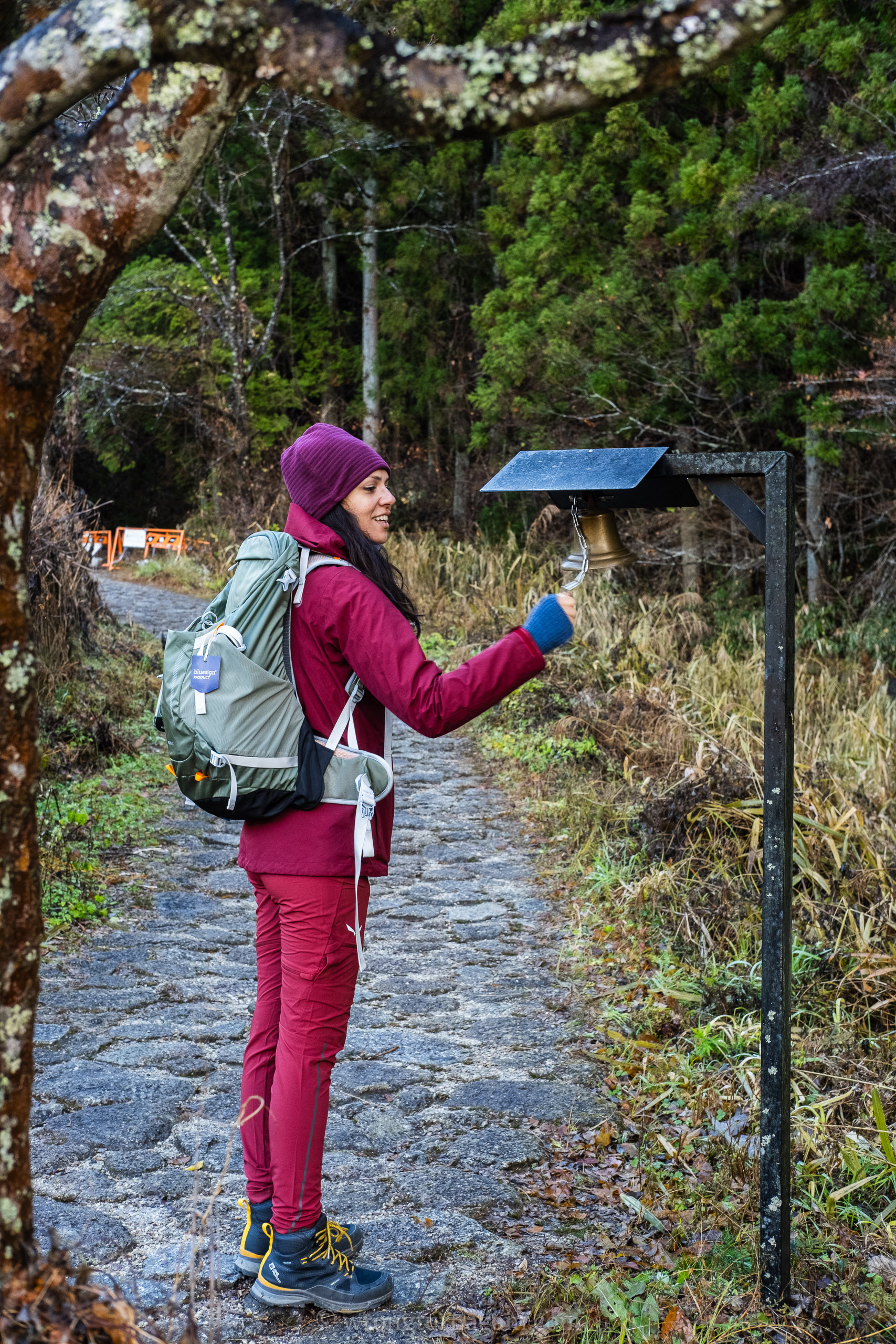
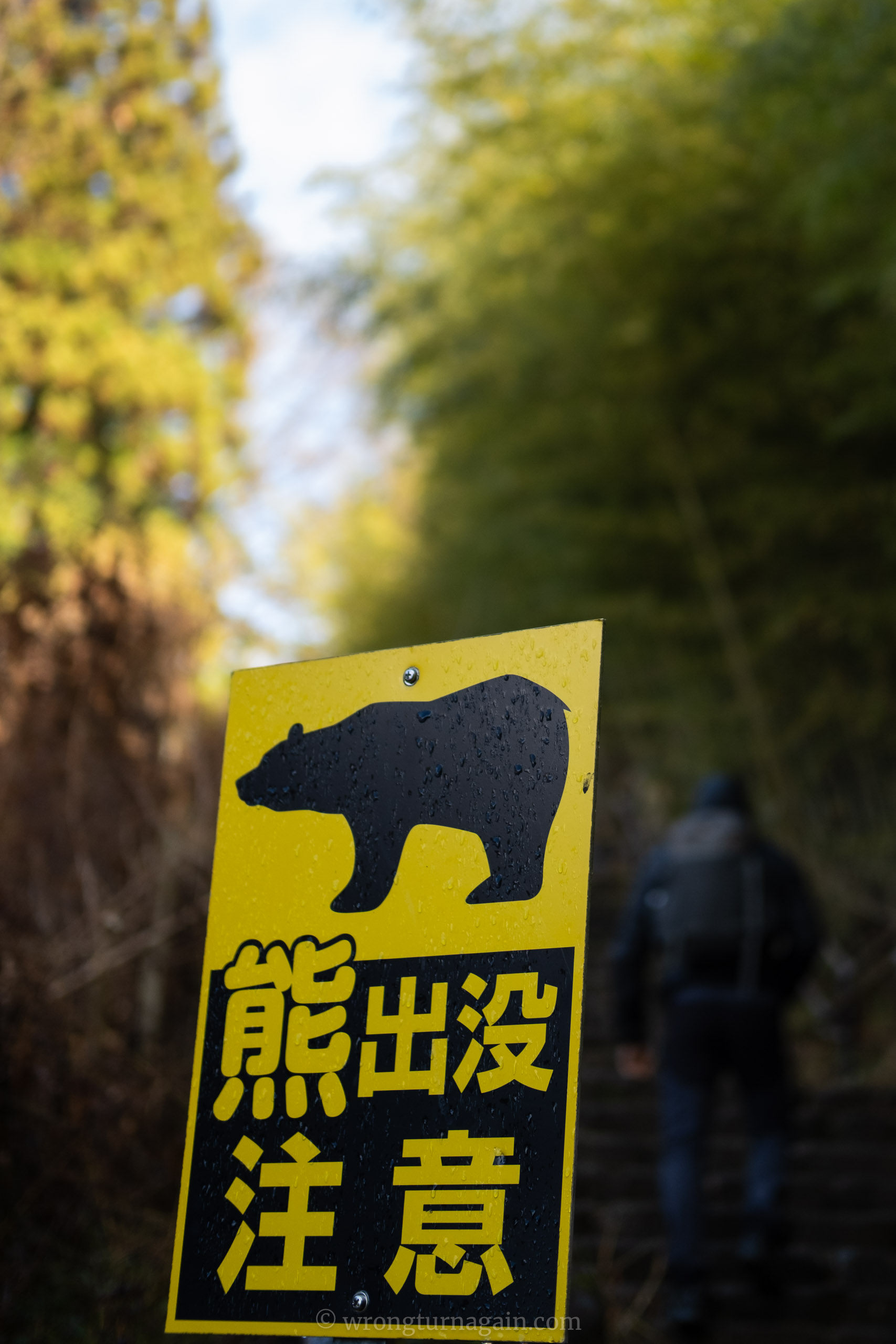
In case you are wondering if bears actually inhabit the Kiso Valley, the answer is yes; although encounters are rare on this busy path. That explains the polished brass bells you will spot at regular intervals along the trail (about 12 in total). The rule is simple: ring the stationary bells hard as you pass to alert wildlife of your presence.
For extra peace of mind, you can rent a personal bear bell at the Tourist Information Centers. You pay a deposit of ¥2,100 and receive ¥2,000 back upon return at the other end. It’s a fun, safe, and cheap (only ¥100) way to hike like a local.

Before you start walking, pop into the Information Center and ask for the Nakasendo Walking Map. It is the most accurate resource for the area, highlighting restrooms, tea houses, and historical spots along the way.
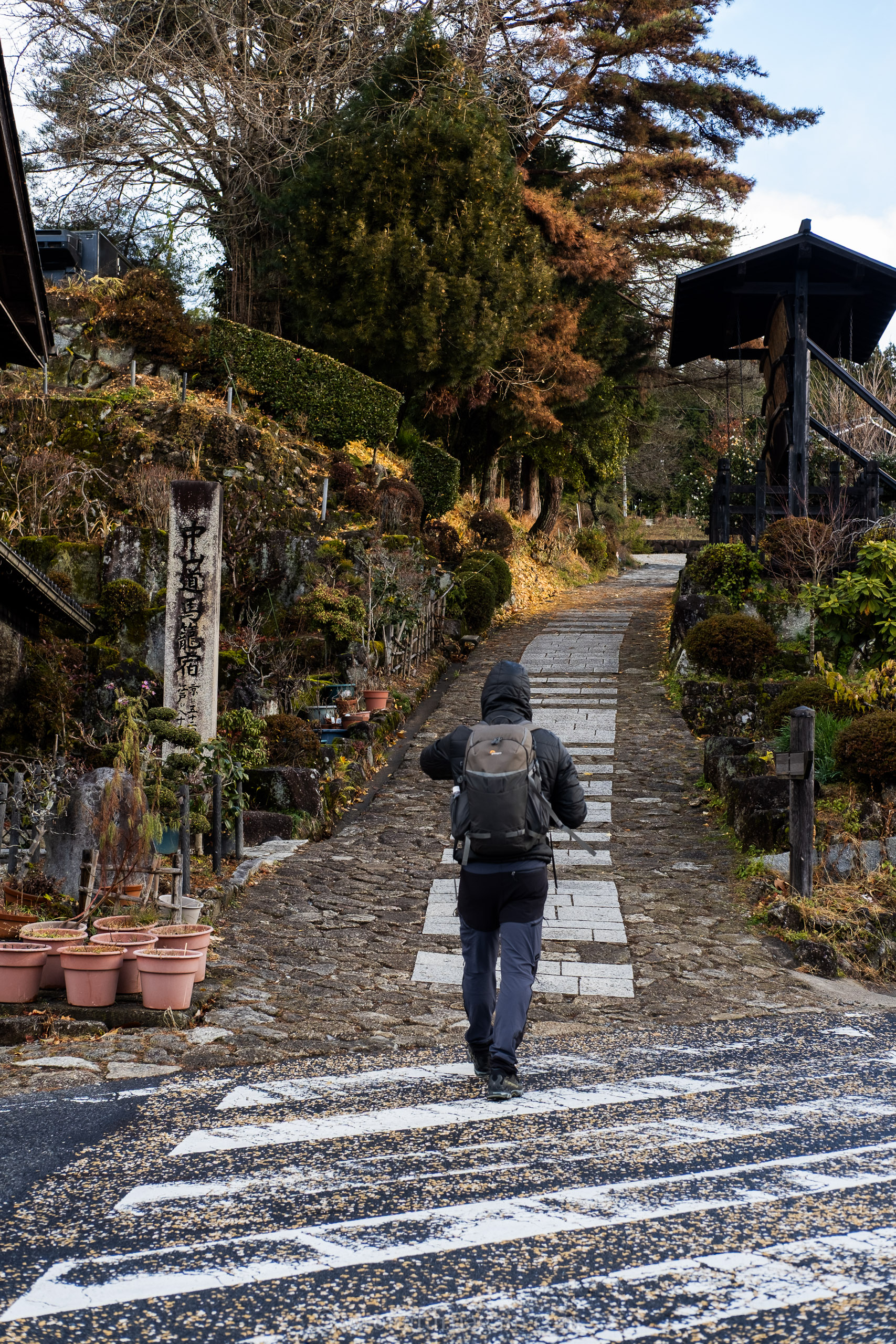
The Hike from Magome to Tsumago
Walking the 7.7km stretch from Magome to Tsumago is the undisputed crown jewel of the Nakasendo Trail, winding through dense cedar forests, past thundering waterfalls, and over a mountain pass once traveled by shoguns and samurai.
Don’t let the mountain setting intimidate you. The trail is surprisingly accessible, featuring well-paved paths devoid of technical challenges. While the initial climb to the pass is continuous and will get your heart rate up, the route is suitable for most fitness levels. Navigation is stress-free, thanks to excellent signage in both English and Japanese at every junction.
Trail Stats
• Distance: 7.7 km (Point-to-Point)
• Time: 2h 20min (walking time)
• Elevation Gain: +465m
• Elevation Loss: -681m
• Max Altitude: 805m (Magome Pass)
The pristine condition of the Nakasendo trail isn’t accidental. It is maintained voluntarily by local residents—a tradition that dates back to the Edo period, when villagers were legally required by the Shogunate to keep the road clear and safe for passing Daimyo processions.
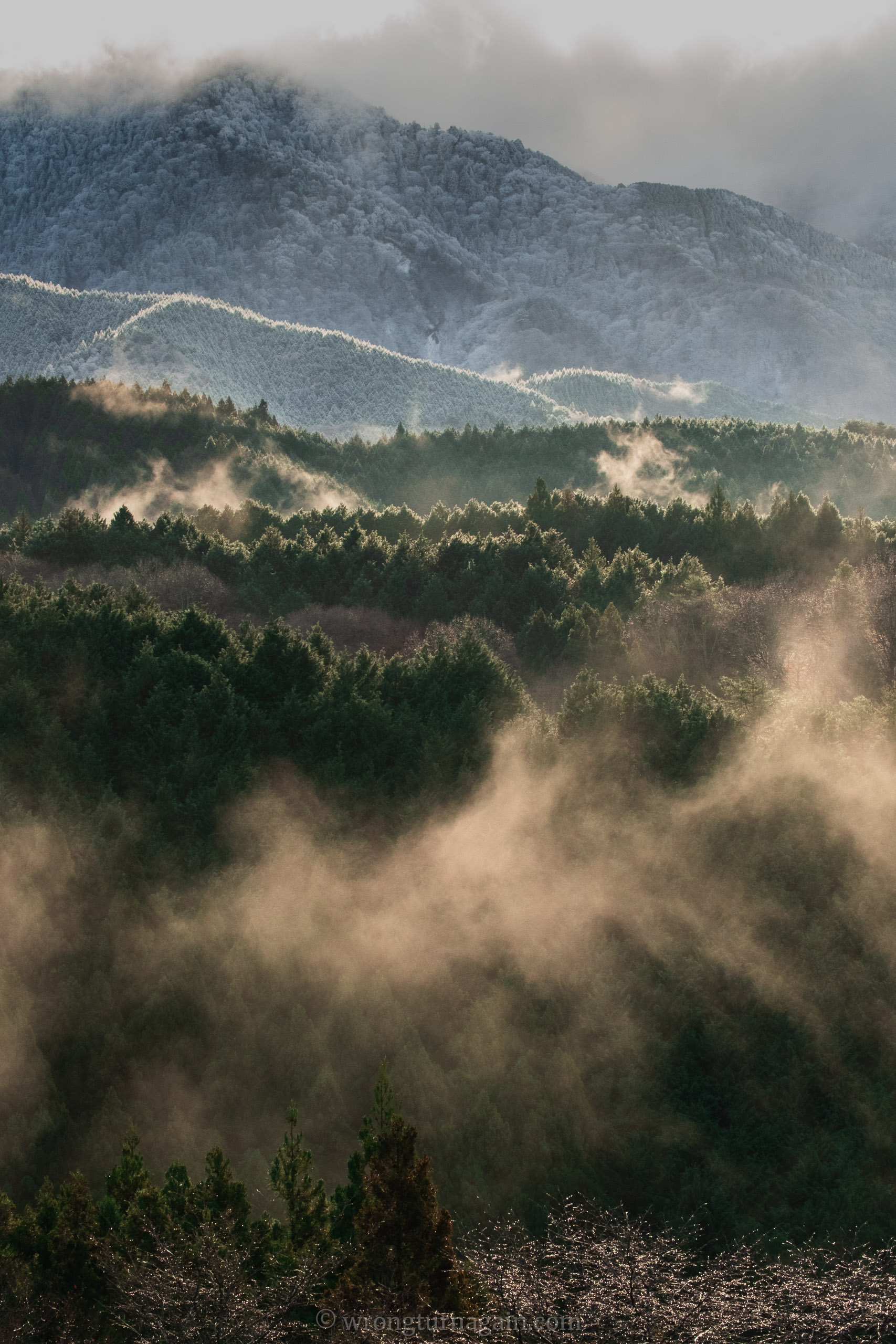
Section 1 – The Start: Magome-juku
The hike begins at Magome-juku (Post Town #43). Unlike most post towns that are situated on flat land, Magome is unique for being built along a steep mountain ridge. The town’s defining feature is its broad, cobblestone main street, which climbs sharply past traditional wooden machiya, restored watermills, and souvenir shops.
Because of this elevation, Magome feels bright and open. As you ascend the slope, don’t forget to pause and look back: on a clear day, the panoramic view of Mount Ena dominating the Kiso Valley is one of the best photo ops of the entire trip.
The name “Magome” (馬籠) literally translates to “Horse Basket.” Historians believe this refers to the steep terrain; the pass ahead was so difficult that travelers were often forced to leave their horses at the inn before continuing on foot.
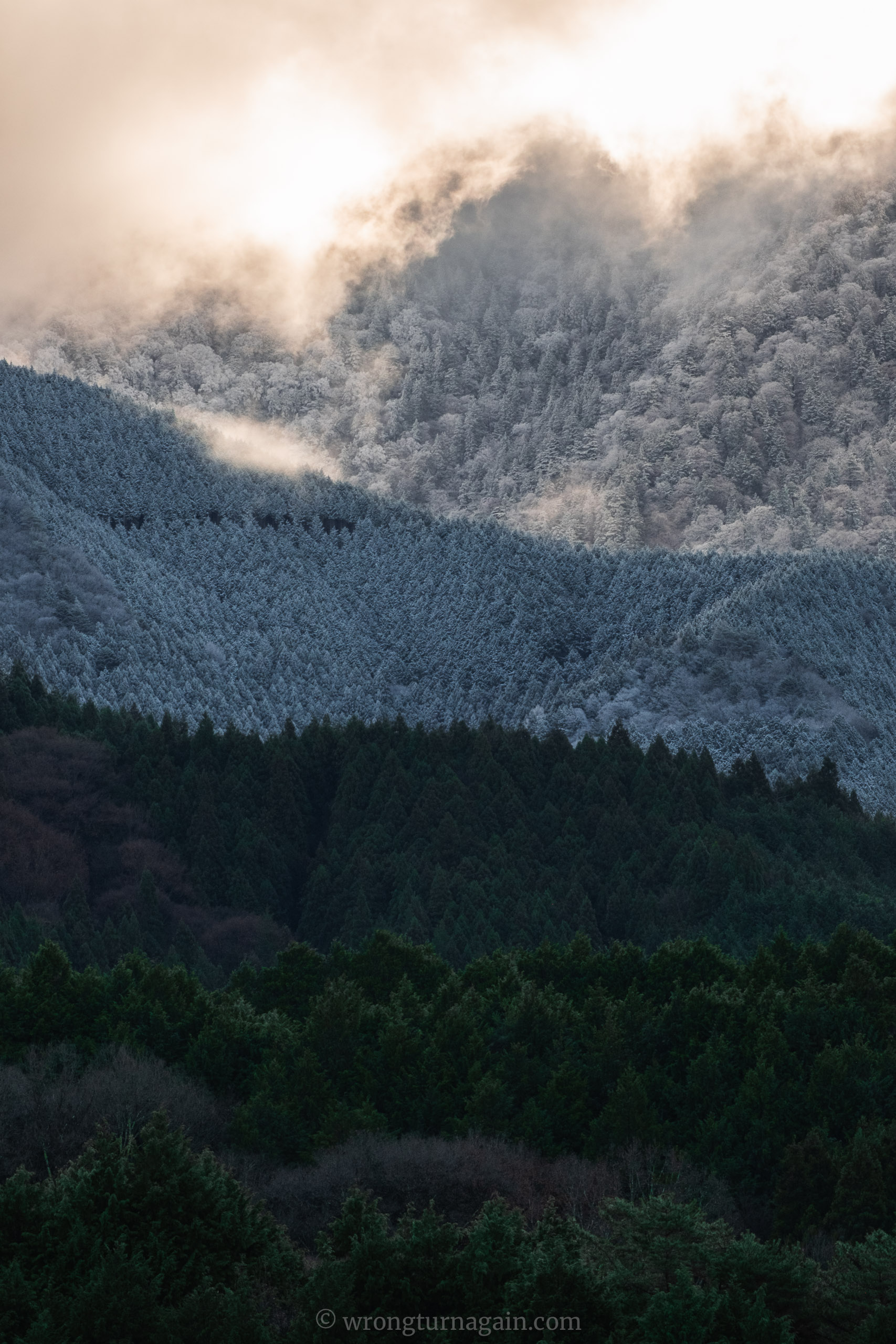
Sights Before You Hike
- Shimazaki Toson Memorial Museum: The cultural heart of the town. This complex was the former Honjin (main inn for dignitaries) and the birthplace of Shimazaki Toson, Magome’s most famous son and a giant of Japanese literature, whose novels immortalized life on the Nakasendo. The museum chronicles his life and the history of the Nakasendo.
- Eishoji Temple: A quiet Buddhist temple just off the main strip. It offers a peaceful escape from the crowds and is deeply connected to the history of the Shimazaki family.
- The Kosatsuba: An impeccably preserved Edo-period noticeboard where the Shogunate displayed laws and prohibitions (such as bans on Christianity) to passing travelers.
- Magome Jinba-Kami Observatory: Located at the very top of the slope, this viewing platform offers the definitive view of the valley and the surrounding Alps.
Before you leave Magome, stop by the Tourist Information Center and pick up a “Hiking Ticket.” Keep it safe! When you arrive at the Tsumago Information Center, present this ticket to purchase an official Wooden Certificate of Completion made of aromatic Hinoki cypress for half price (¥150). It is the most authentic souvenir of the trail.
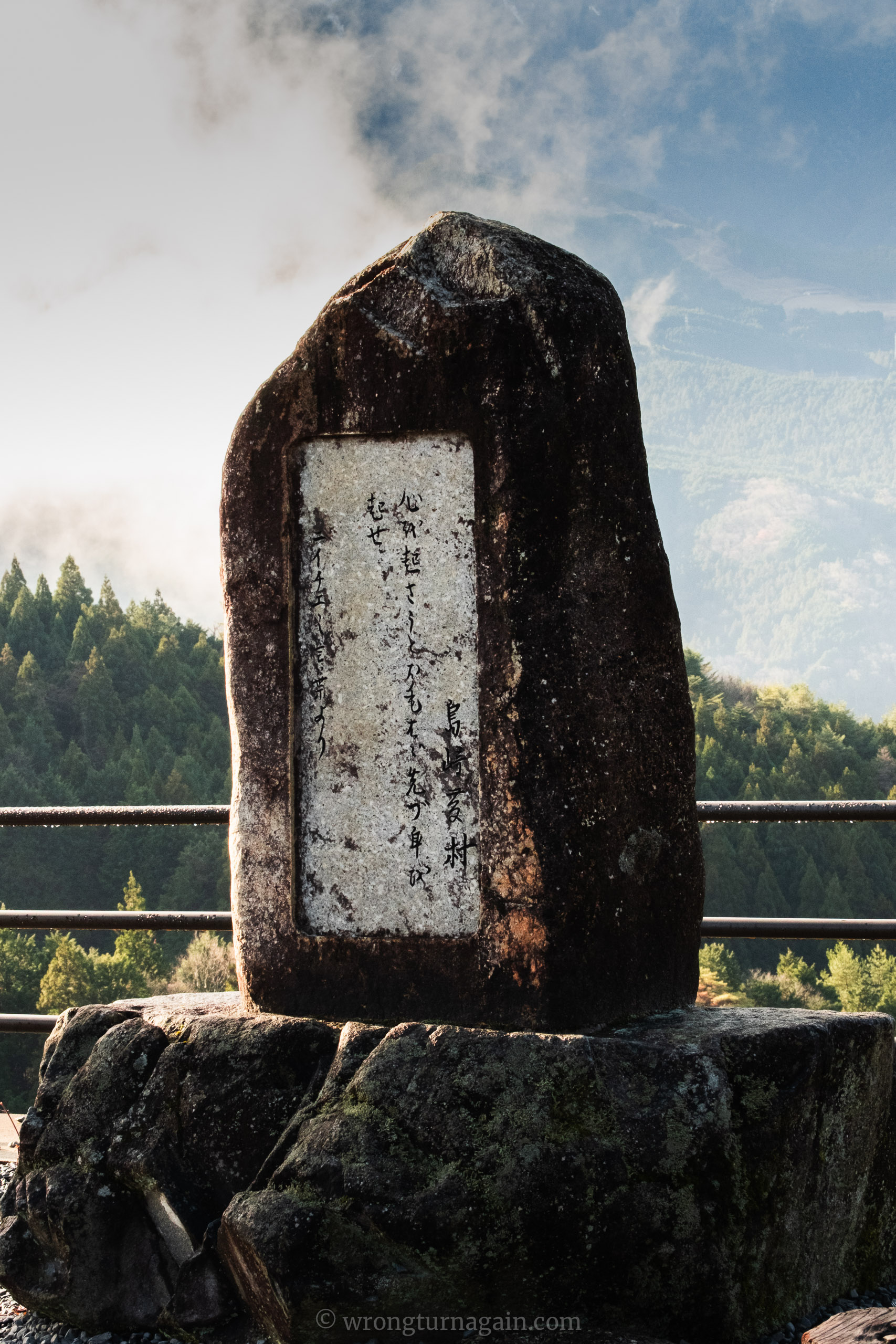
Section 2 – The Ascent: Magome Pass (Magome-tōge)
Leaving the main street of Magome behind, the cobblestones give way to a quieter paved road, marking the start of the hike proper. This is the most physically demanding section of the route—a steady uphill climb—but it is relatively short.
About 10 minutes after exiting the village, look for the large Waterwheel on your left. Just past it stands the Hachiya Memorial, a stone monument commemorating a tragedy from 1904 when a landslide devastated the area. The inscription was penned by Shimazaki Toson, Magome’s most famous literary figure.
A little further up, you will find Owaki’s Garden. It is a small, private traditional garden that welcomes hikers to walk through. Whether blooming with summer hydrangeas or autumn maples, this small traditional garden offers a perfect moment of Zen before the final push.
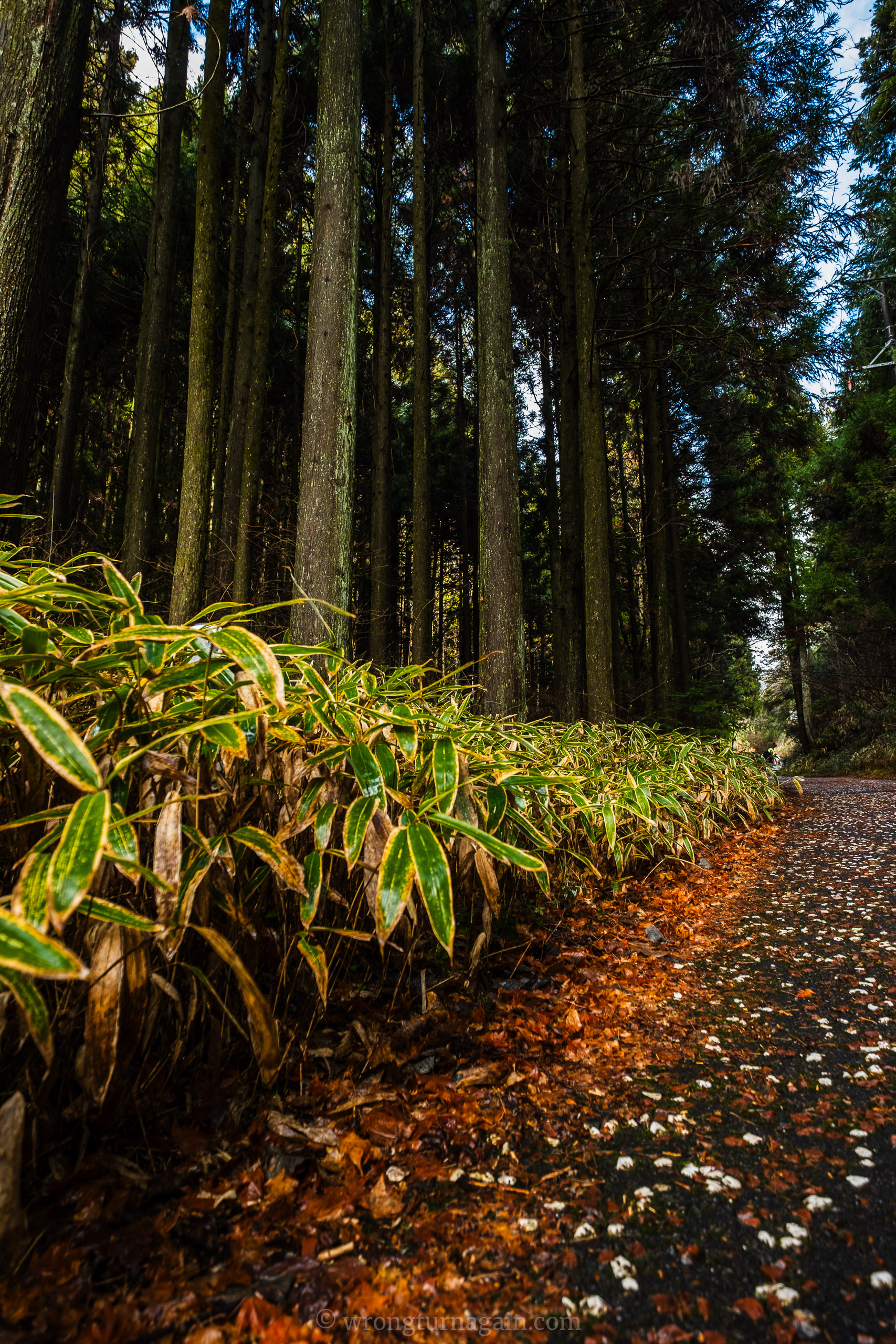
From here, the trail winds upward through cedar groves and quiet farmhouses. The incline is steady but paved. Eventually, you will reach the summit: Magome-tōge Pass (790m), the highest point of the hike. You will know you have arrived when you see a large stone monument inscribed with a haiku by Masaoka Shiki, one of Japan’s Great Haiku Masters.
Hike Overview
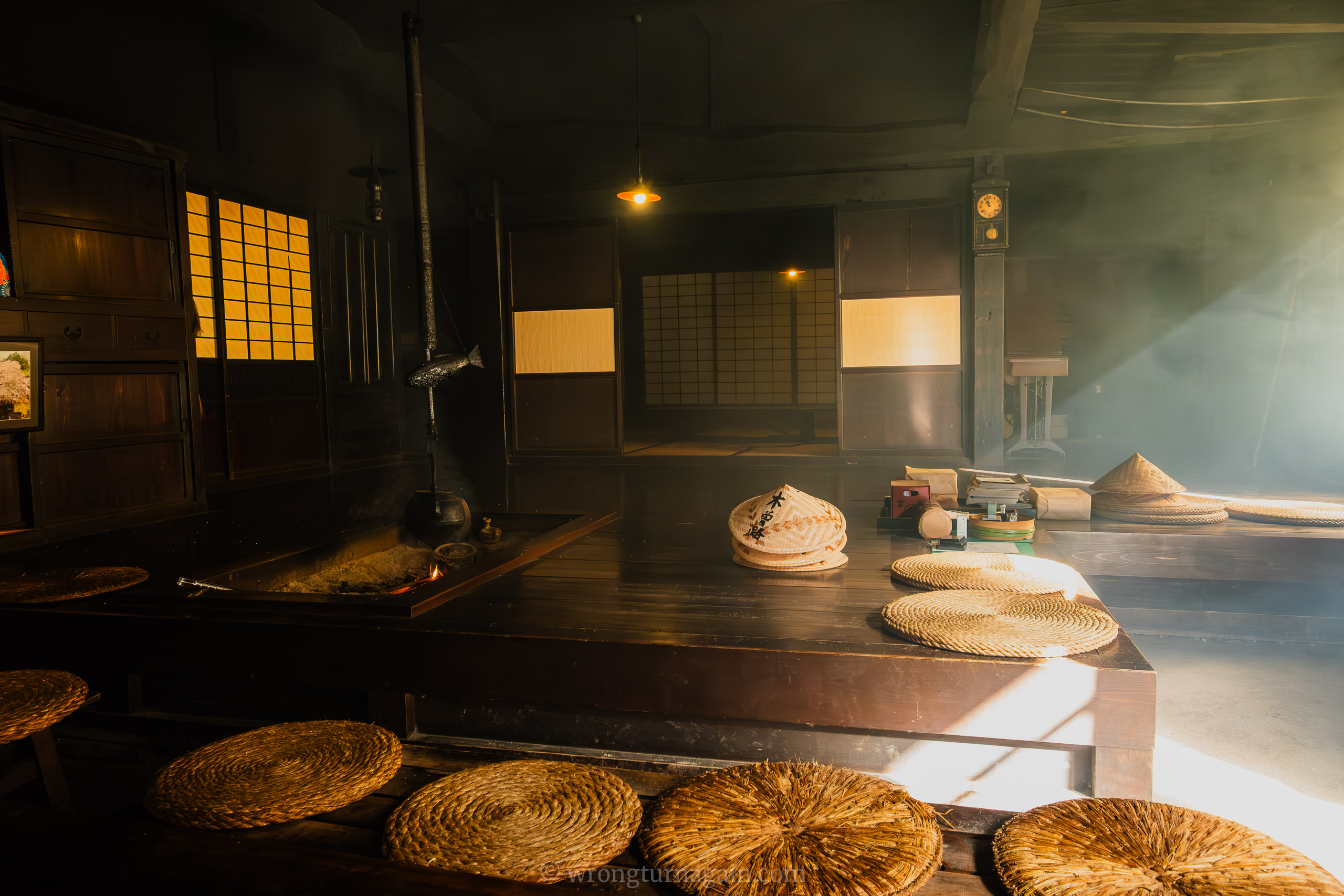
Section 3 – The Rest Stop: Tateba Chaya
Shortly after crossing the Magome Pass, the trail begins its descent into a quiet forest. About 1km down, you will arrive at one of the hike’s absolute highlights: the Ichikokutochi Tateba Chaya.
In the Edo period, this site served as a strict government checkpoint designed to police the smuggling of the valley’s valuable timber—known as the “Five Trees of Kiso.” Today, while the checkpoint is long gone, the 18th-century tea house remains beautifully preserved.
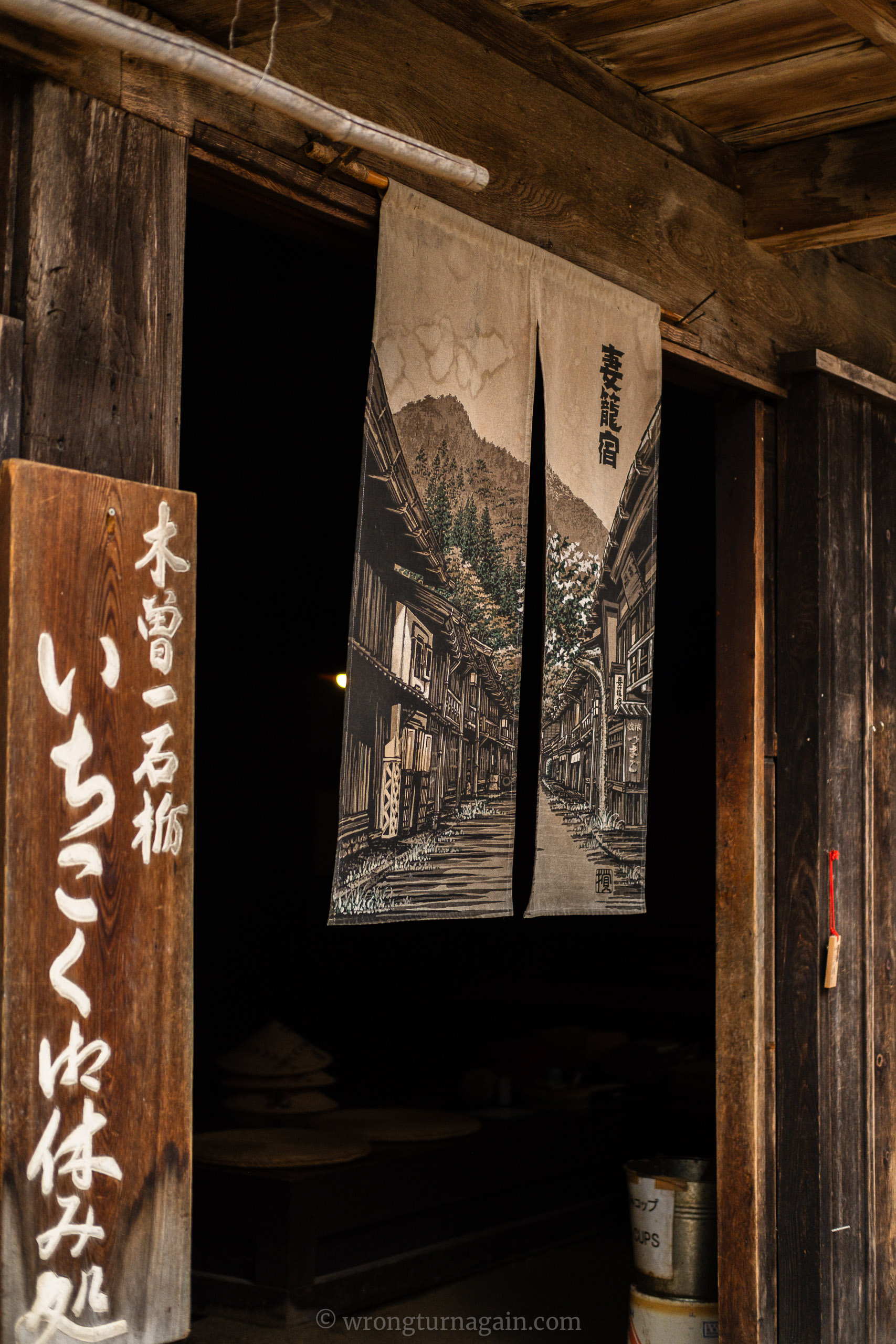
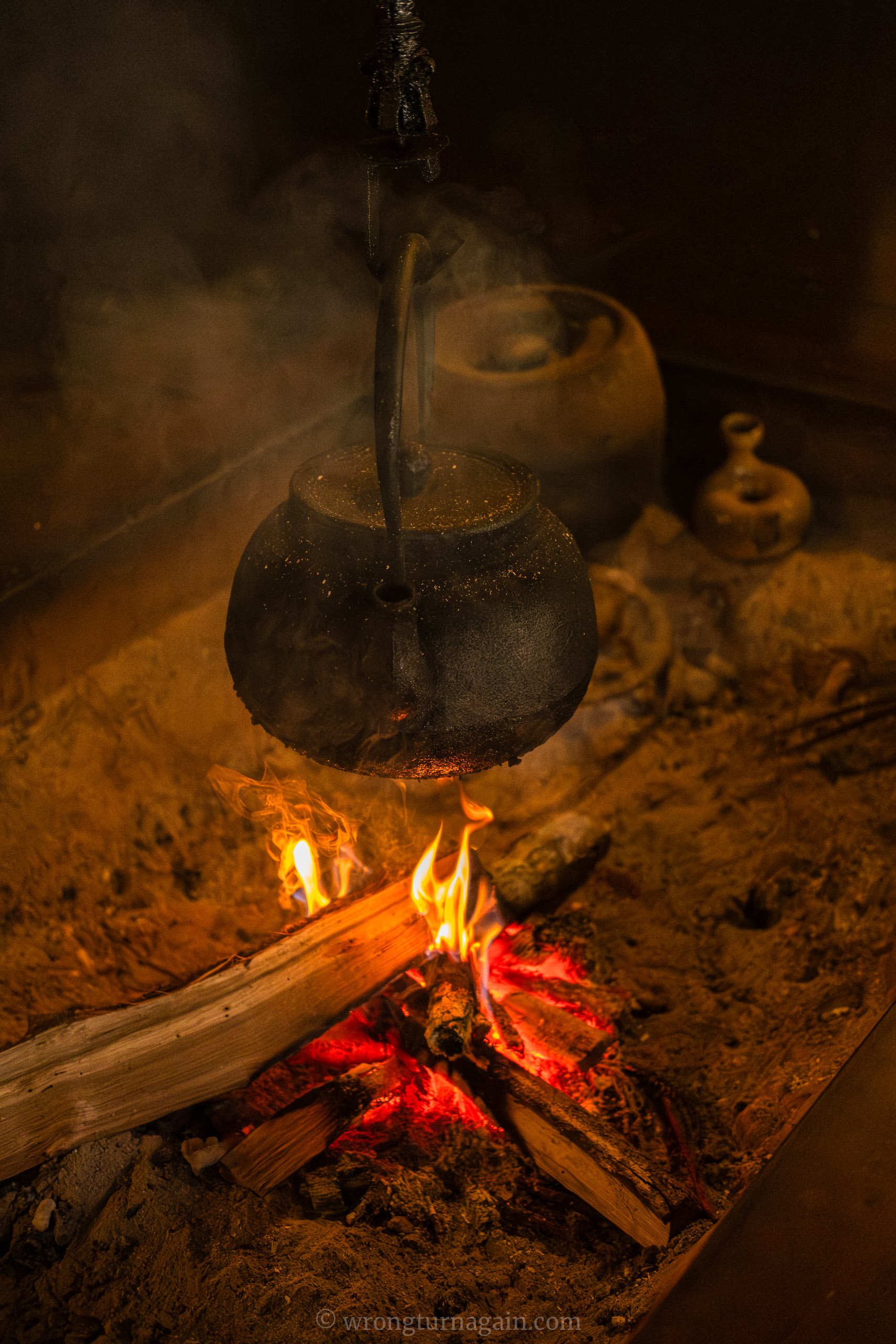
Stepping inside the wooden building feels like traveling back 300 years. The smoky atmosphere, antique farming tools on the walls, and the warmth of the irori (traditional open hearth) create a setting straight out of a samurai film. Local volunteers keep the fire burning and offer hikers complimentary hot tea and pickles (tsukemono).
Note: While the tea is free, there is a small donation box inside; a contribution is appreciated to help maintain this historic site.
Directly in front of the tea house stands an impressive 250-year-old drooping cherry tree (Shidare-zakura). If you are hiking in late April or early May, seeing it in full bloom is a magical experience.
Hike Overview
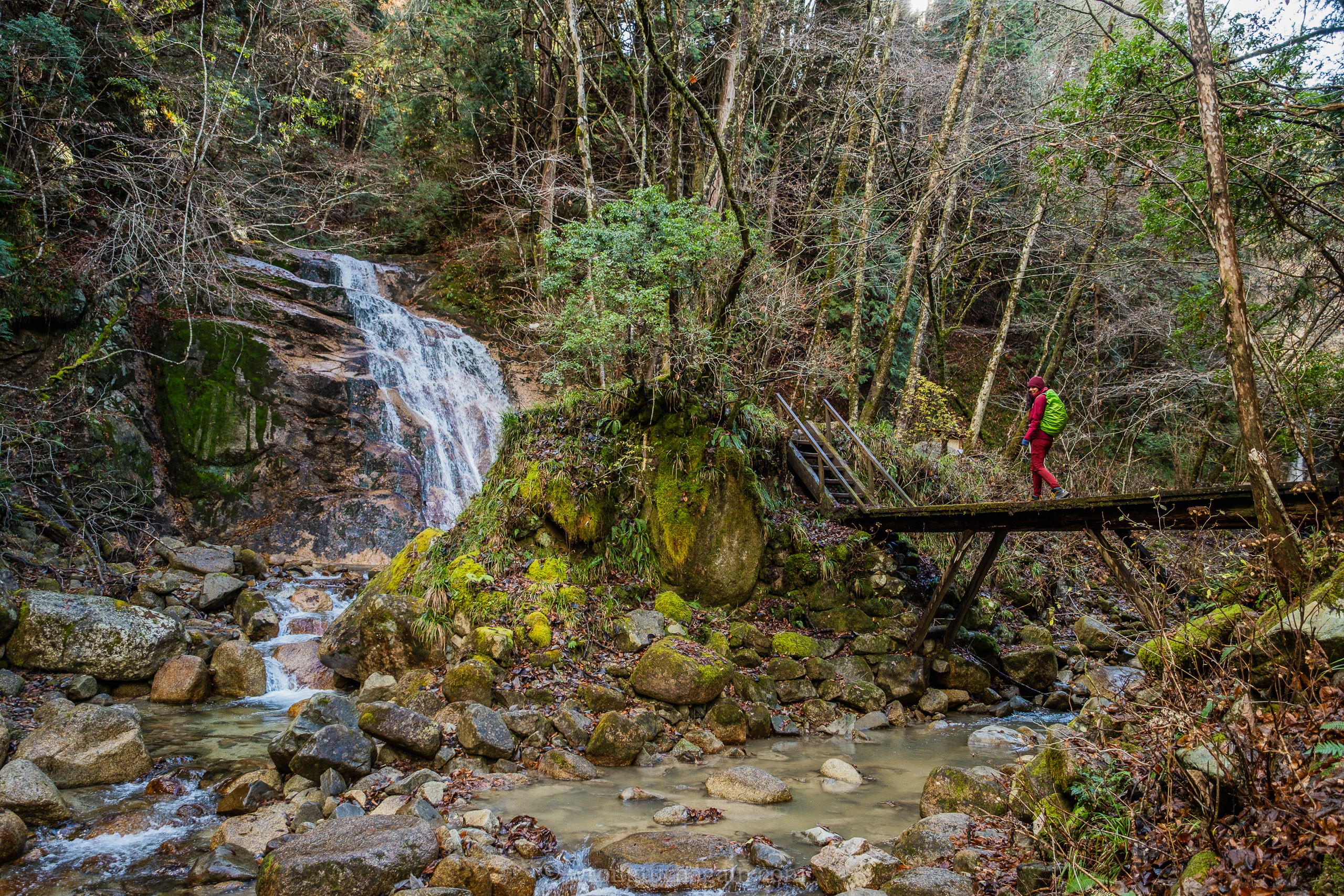
Section 4 – The Waterfalls: Odaki & Medaki
Continuing the descent through a forest of cedar and cypress trees, the path runs parallel to a gentle stream, offering a serene, cooling atmosphere. About halfway to Tsumago, keep an eye out for a signpost marking the Odaki & Medaki Waterfalls.
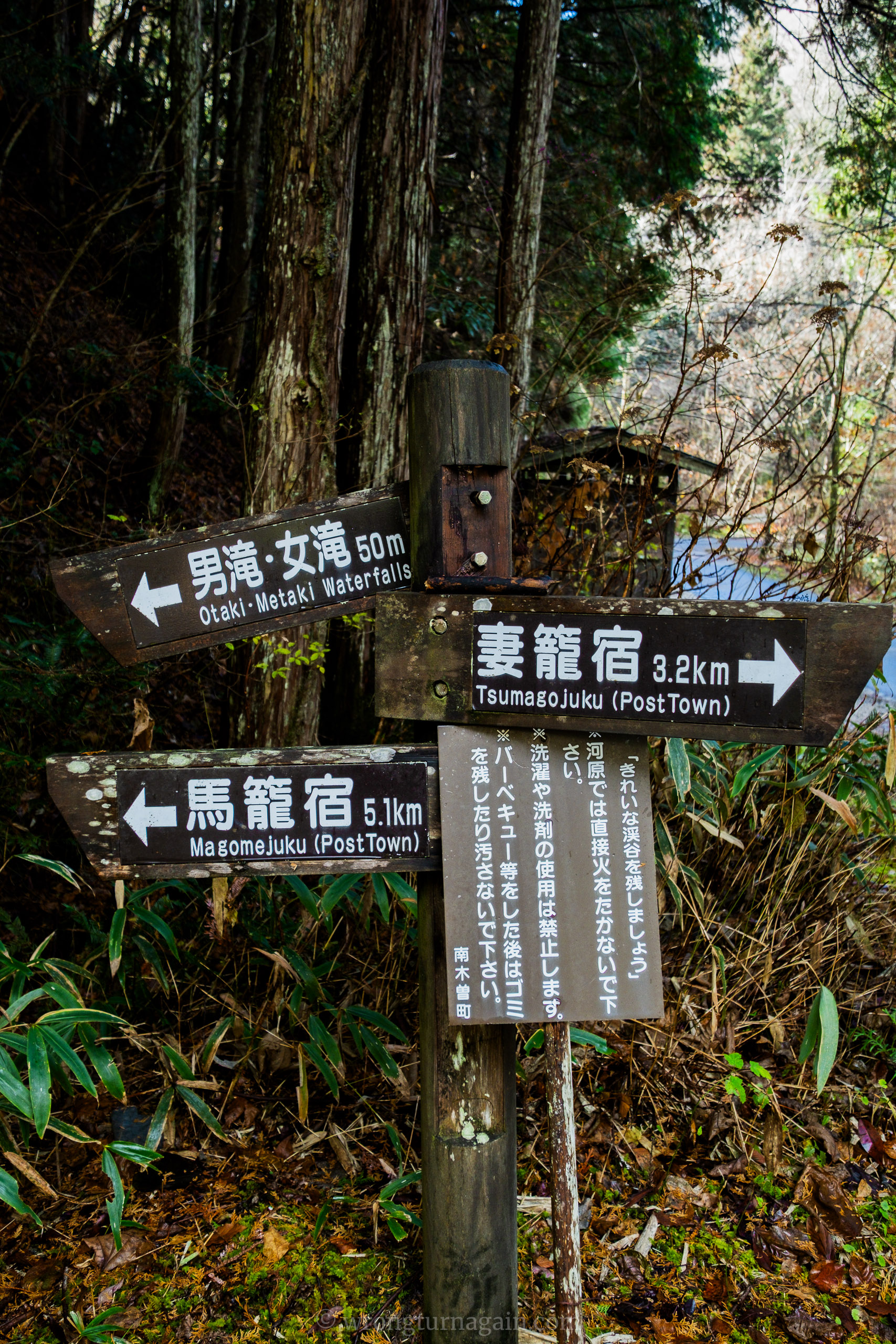
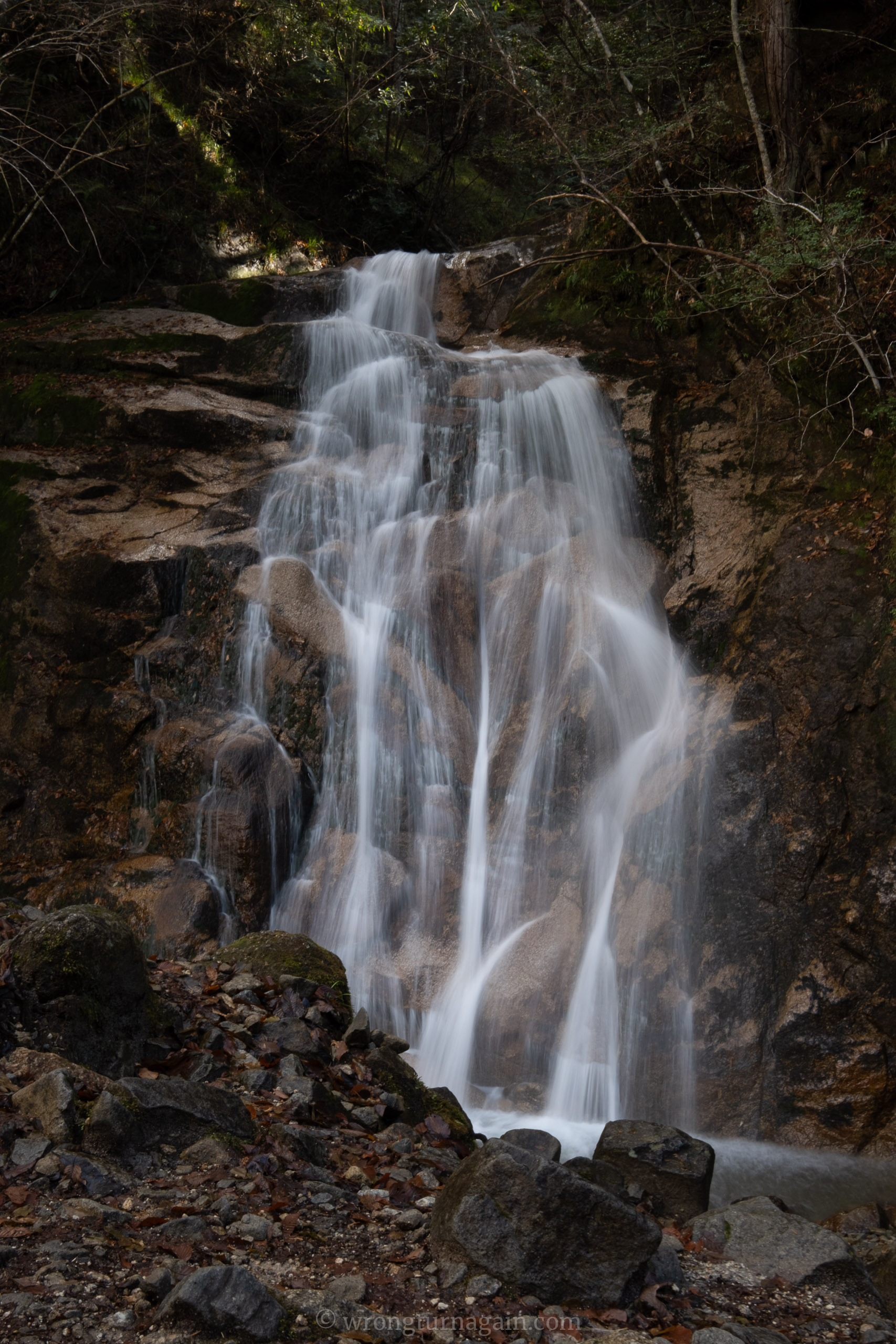
The short, 5-minute detour is well worth the effort. Following the path down, you will find two distinct cascades flowing into a quiet pool:
- Odaki (The Male Waterfall): The taller and more powerful of the two.
- Medaki (The Female Waterfall): The smaller, more graceful stream nearby.
This secluded spot is famous in Japanese culture thanks to Eiji Yoshikawa’s classic novel, Miyamoto Musashi. In the book, this is the setting where the legendary swordsman and his lover, Otsu, share a moment of intense romance and discipline under the waterfalls.
Hike Overview
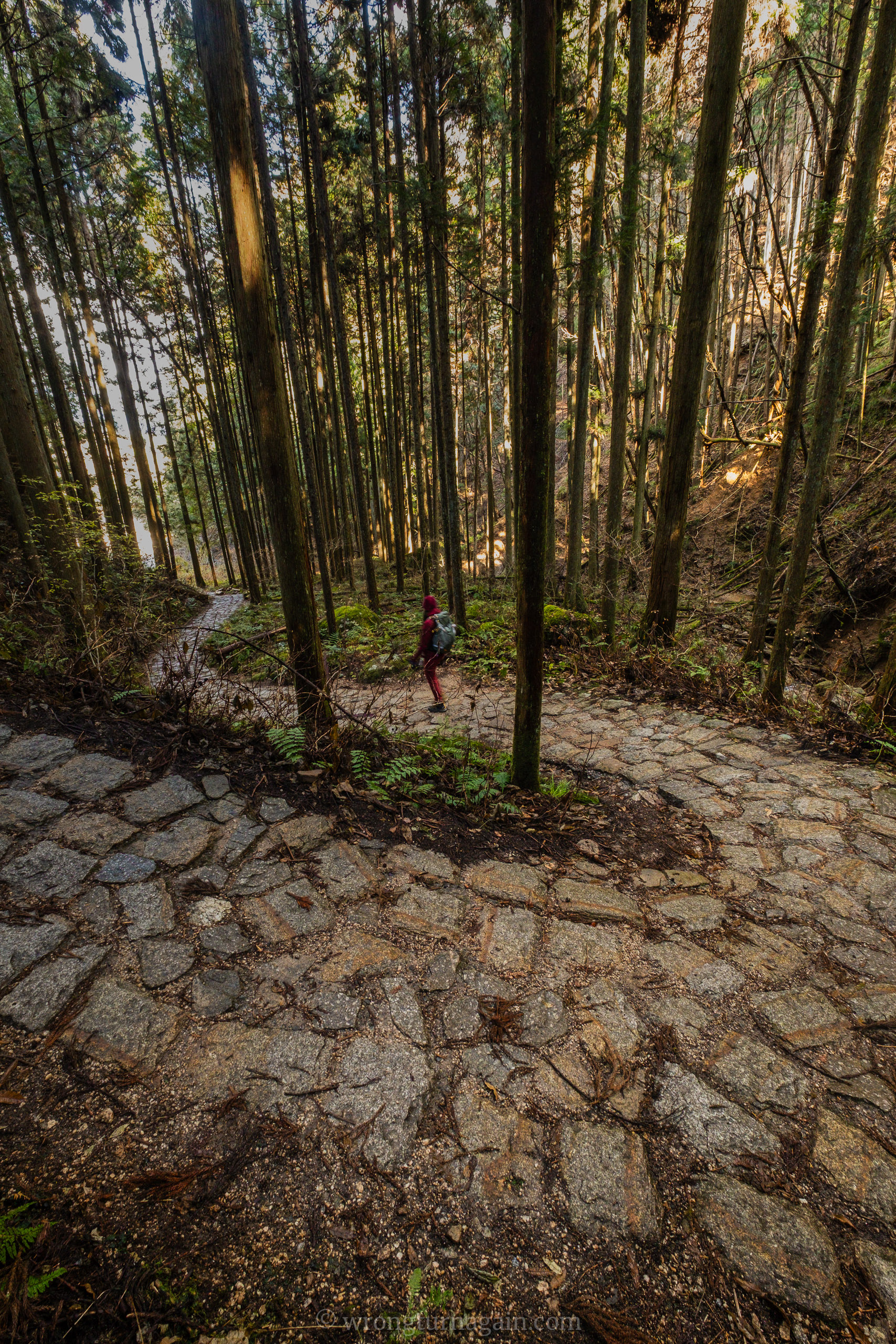
Section 5 – The Hamlet: Otsumago
As the trail descends further from the waterfalls, keep an eye out for the Kurashina Soreisha Shrine. Dedicated to a high-ranking samurai of Matsumoto Castle assassinated here in 1586, this solemn spot stands in the quiet forest as a reminder of the road’s sometimes violent history.
Shortly after passing the shrine, the dense trees finally open up to reveal Otsumago. Think of this peaceful hamlet as the “antechamber” to Tsumago—a rustic settlement with scattered inns and waterwheels that feels even more untouched by time than the main town ahead.
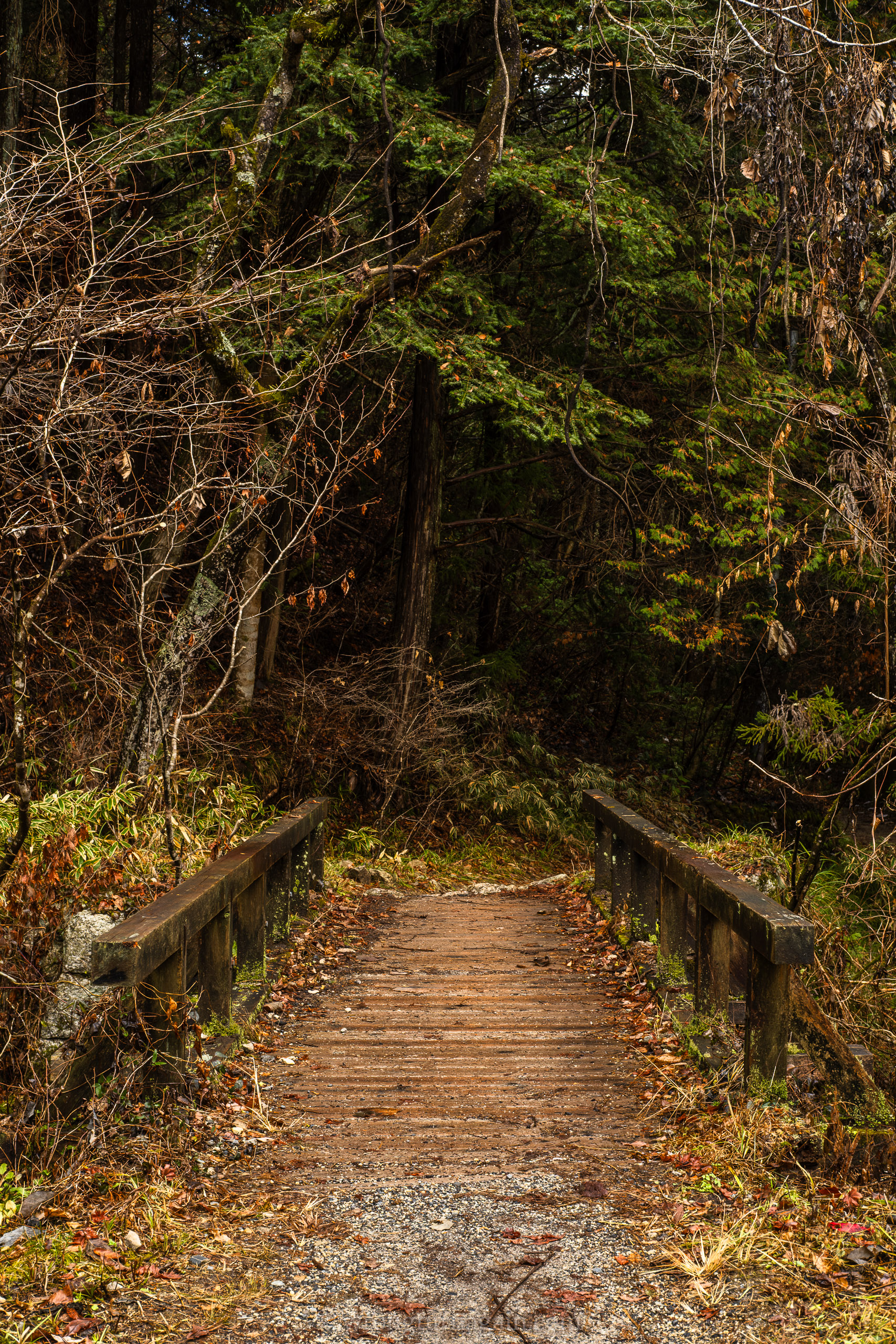
Inside the hamlet, look for the Fujiwara Family Residence, a preserved 17th-century farmhouse. Unlike the samurai dwellings you will see later, this structure offers a rare glimpse into the architectural style of wealthy Edo-period farmers. From here, the path widens into a paved road lined with stone statues, leading you seamlessly into your final destination.
Hike Overview
Section 6 – The Finish Line: Tsumago-juku
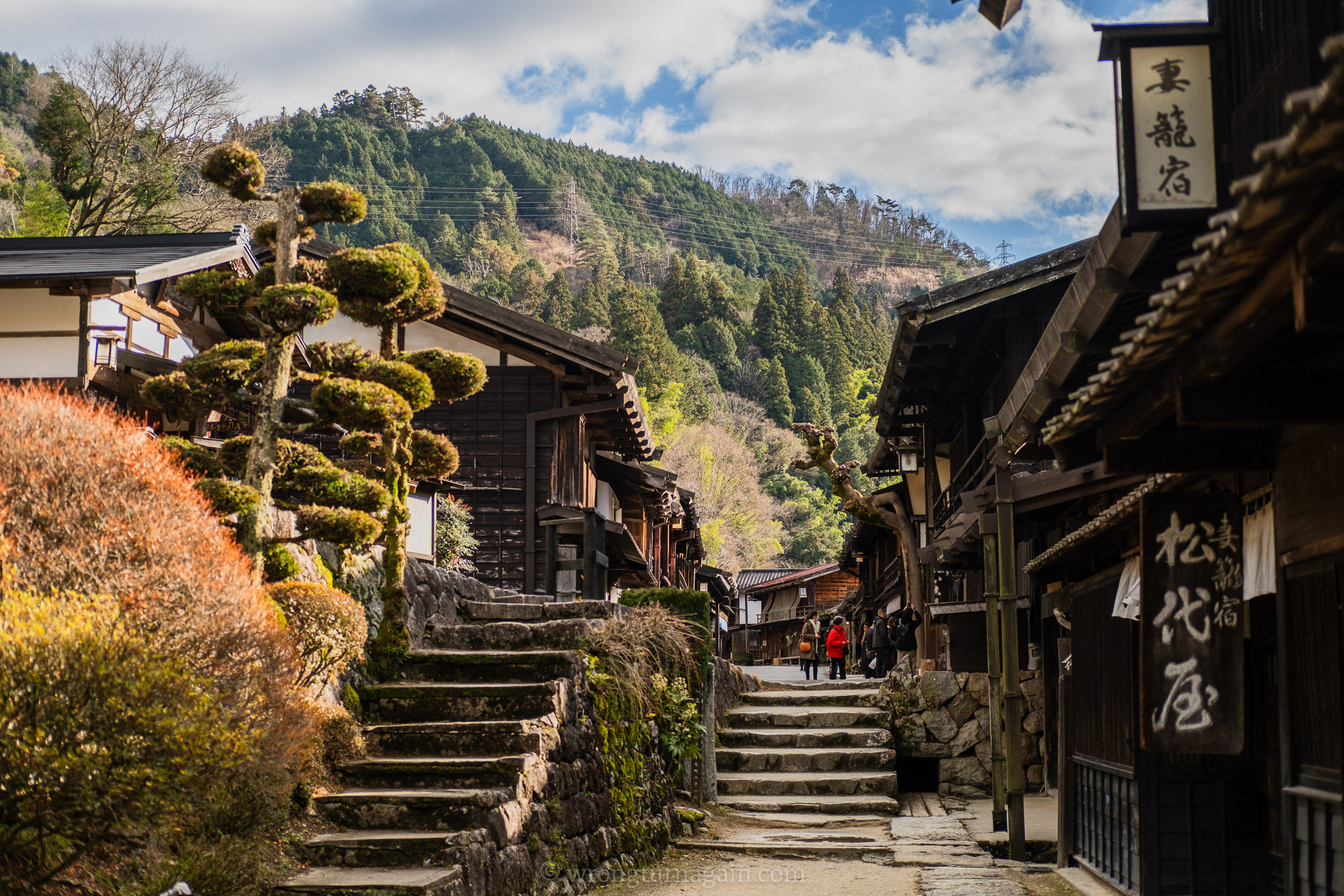
Entering Tsumago-juku (Post Town #42) feels cinematic. Suddenly, the trail widens into a paved road, placing you in the middle of a perfectly preserved Edo-period town. Unlike the open vistas of Magome, Tsumago feels enclosed, atmospheric, and strictly protected—with buried power lines and hidden antennas, it is widely considered Japan’s most authentic post town.
Walking through Tsumago is a visible lesson in social hierarchy. The town layout allows you to walk straight up the feudal ladder, comparing the cramped quarters of the working class with the luxury of the Shogun’s guests.
The Commoners
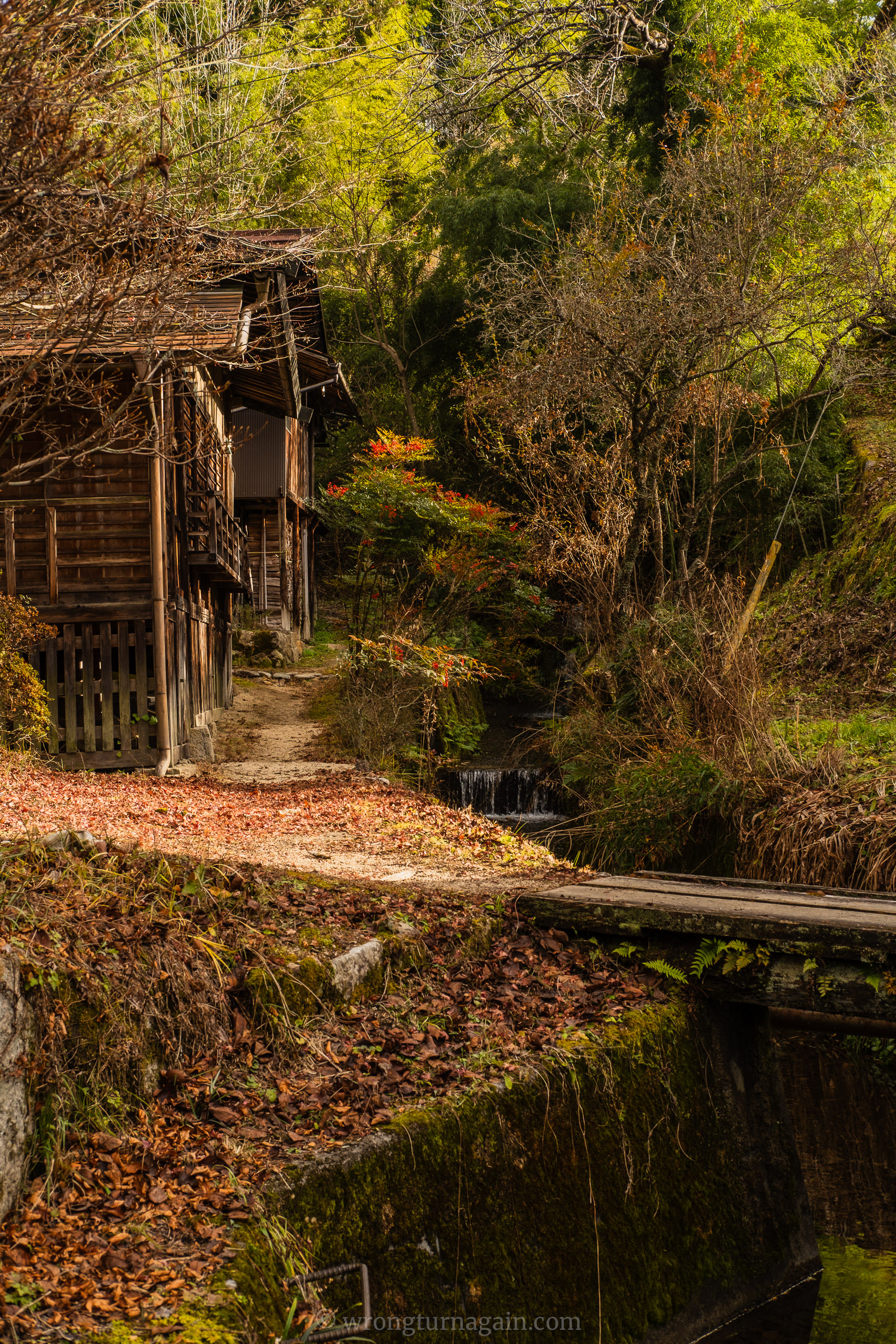
As you begin exploring the street, your first stop should be the Shimosagaya. This humble structure offers a stark contrast to the grand buildings ahead; it is the only surviving authentic section of a nagaya (long row house) where common families lived in cramped conditions with earthen floors, revealing the frugal reality of the working class.
Notice the sharp right-angle turn just ahead? This “bent road,” known as a masugata, was a deliberate defensive design meant to prevent enemies from charging straight through or seeing down the main street.
The Elite
Once past the defensive turn, you arrive at the heart of the town. Here, the two most important inns stand as testaments to the power of the Shogunate:
- Tsumago Honjin (The Main Inn): Reserved exclusively for high-ranking Daimyo and government officials. Although reconstructed, it perfectly replicates the original grandeur, allowing you to walk through the spacious tatami rooms where feudal lords once slept.
- Waki-Honjin Okuya (The Secondary Inn): Across the street stands this stunning original structure, built in 1877 from precious Hinoki cypress. It famously hosted Emperor Meiji, and today, photographers flock here to capture the mystical sunbeams filtering through the smoke of the hearth.


Local Legend: The Carp Rock (Koi-Iwa) Just outside the town stands a large boulder that, according to Edo-period guidebooks, used to look exactly like a carp swimming upstream. Although the Great Nobi Earthquake of 1891 altered its shape, it remains a famous historical landmark of the Kiso Valley.
Hike Overview
How to Get to the Nakasendo Trail
Accessing the Nakasendo Trail is straightforward, whether you choose the freedom of a road trip or the efficiency of Japan’s rail network. The trail is located in the Kiso Valley, roughly halfway between Tokyo and Kyoto.
However, please note that if traveling by public transport, you must first navigate to Nagoya Station (the main regional hub) from Tokyo, Kyoto, or Osaka, before transferring to the local train lines into the valley.
By Car
The journey mostly uses the Chuo Expressway, a scenic toll highway that winds through the mountains. While the highway is wide and easy to drive, the final 20-minute approach from the exit involves winding mountain roads (paved and two-way).
Take the Chuo Expressway heading West from Shinjuku. Exit at Nakatsugawa IC. From there, follow Route 19 and Route 256 up to Magome (approx. 20 mins).
Take the Meishin Expressway east, connecting to the Chuo Expressway at Komaki JCT. Exit at Nakatsugawa IC.

Vehicles are banned from the historic streets, so you must use the designated municipal lots. In Magome, park at Magome-juku Parking A-1 (bottom of the slope). In Tsumago, use the Central Parking Lot or the No. 2 Parking Lot.
Cost: Approx. ¥500 per day.
By Public Transport to Magome
From Nagoya Station, take the train heading to Nagano and get off at Nakatsugawa Station.
Exit the station and head to Platform 3. Board the bus bound for Magome; the ride climbs through winding roads to the village entrance.

By Public Transport to Tsumago
From Nagoya Station, take the train to Nagiso Station.
Important: Not all Shinano trains stop at Nagiso. Check the schedule carefully!
From Nagiso, take the local bus (Magome Line) to Tsumago.
Alternative: A quick taxi or a 50-minute scenic walk from the station.
Hand-picked for this route

Where to Eat on the Nakasendo Trail
Walking the Nakasendo isn’t just a history lesson; it’s a chance to taste the mountain flavors of the Kiso Valley. Options here are limited but authentic: family-run noodle shops and wooden teahouses serving simple, hearty meals.
Important Note: Restaurants in Tsumago and Magome close very early (often by 4:00 PM or 5:00 PM). Also, many places require a reservation for lunch. Look out for QR codes at your accommodation or tourist info centers to book your meal in advance.
Lunch & Dinner
Coffee & Snacks
Where to Stay on the Nakasendo Trail
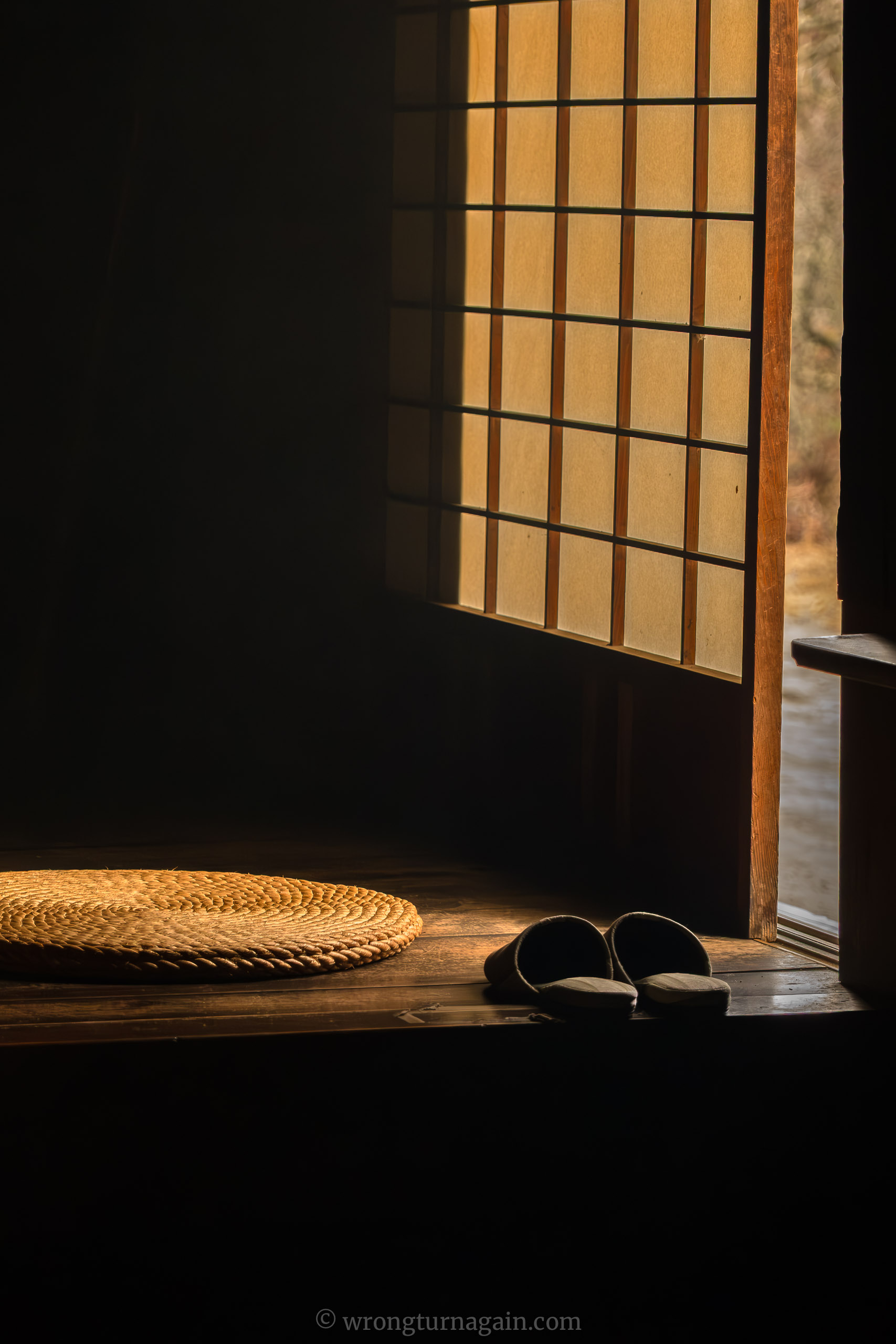
To experience the Nakasendo authentically, staying inside the post towns is essential. There is a unique magic to sliding open a wooden door to see a lantern-lit street empty of tourists, a feeling you simply cannot get anywhere else.
Accommodations here are typically Minshuku (family-run guesthouses). Expect traditional tatami rooms, futon bedding, and shared baths. These villages adhere to the rhythm of the sun; stillness falls early, and part of the charm is enjoying the absolute silence of the mountains at night.
The choice between the two towns comes down to atmosphere:
- Best for Views Magome-juku: Built on a steep slope, it feels brighter and more open, offering sweeping views of the Kiso Valley—especially beautiful at sunset. It is slightly livelier, with more options for coffee and snacks during the day.
- Best for Atmosphere Tsumago-juku: The quietest and most strictly preserved option. Its “closed” layout creates a movie-set atmosphere, especially at dawn and dusk. It is the ideal base if you want to start your hike early in the morning in total silence.

Our Top Nakasendo Picks
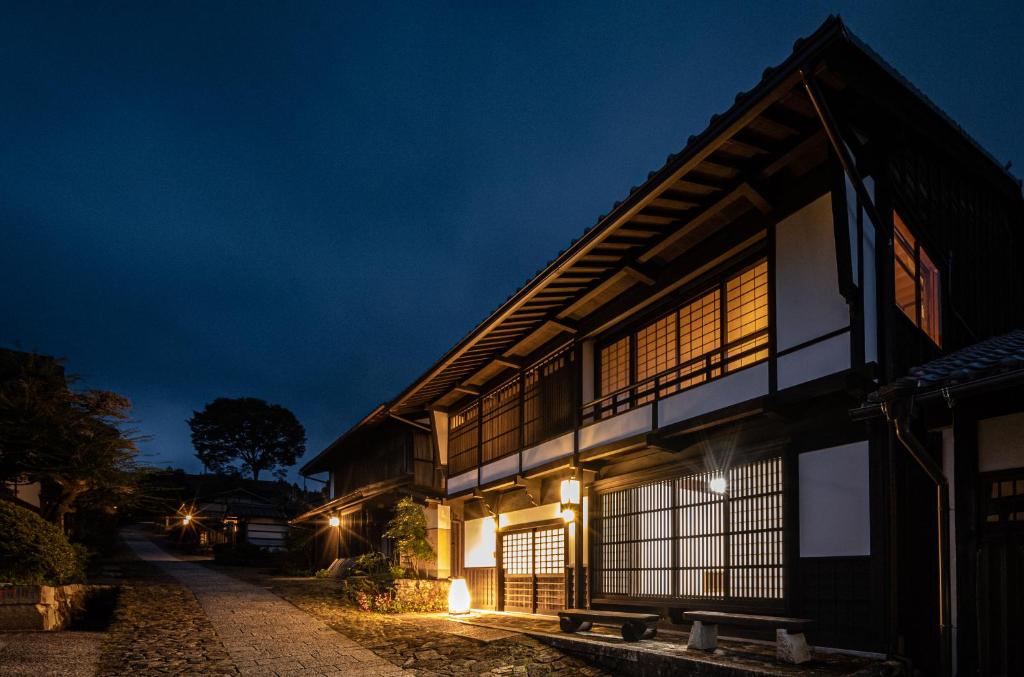
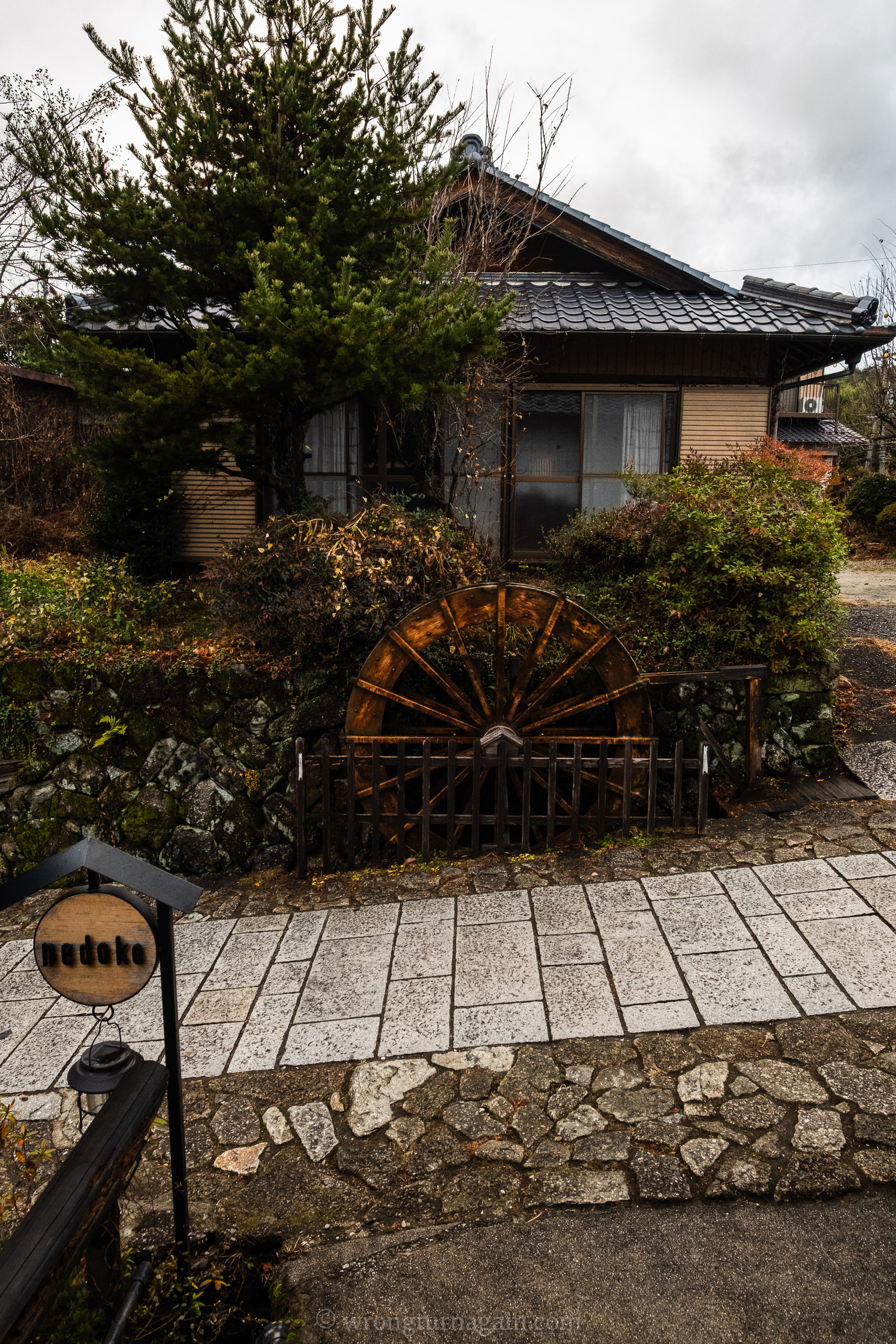
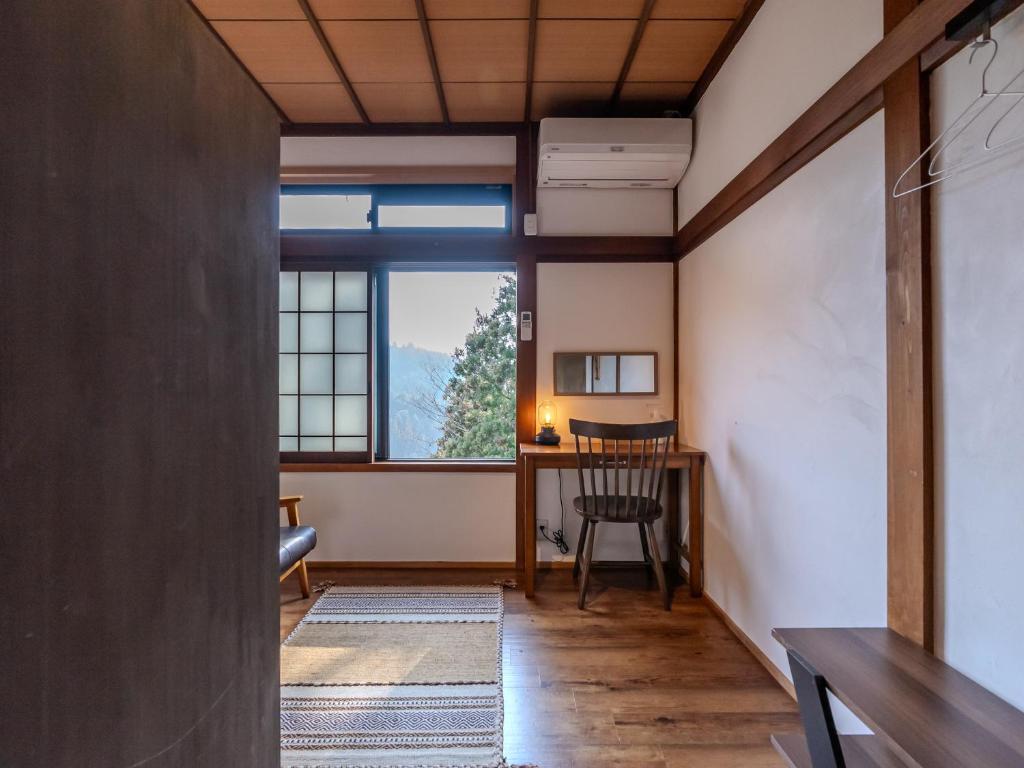 GUESTHOUSE NEDOKO
A stylish, modern renovation of a traditional house. Offers the perfect balance of Edo aesthetics and contemporary comfort right on the main hill.
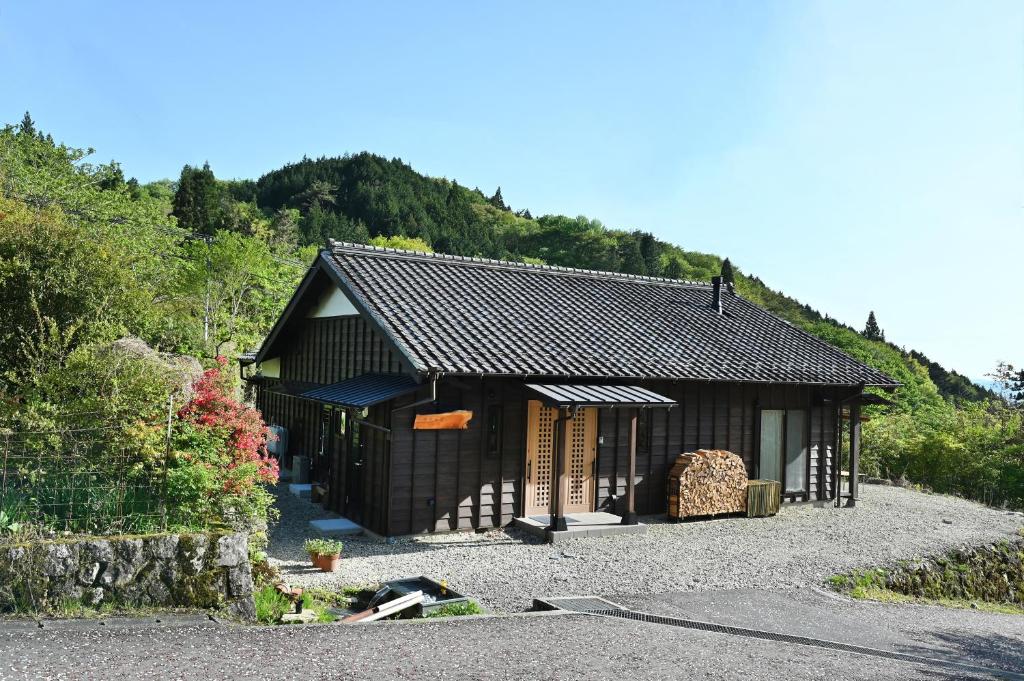
 TAWARAYA
A classic, family-run minshuku. Known for its warm hospitality and authentic atmosphere, it feels like staying in a different era.
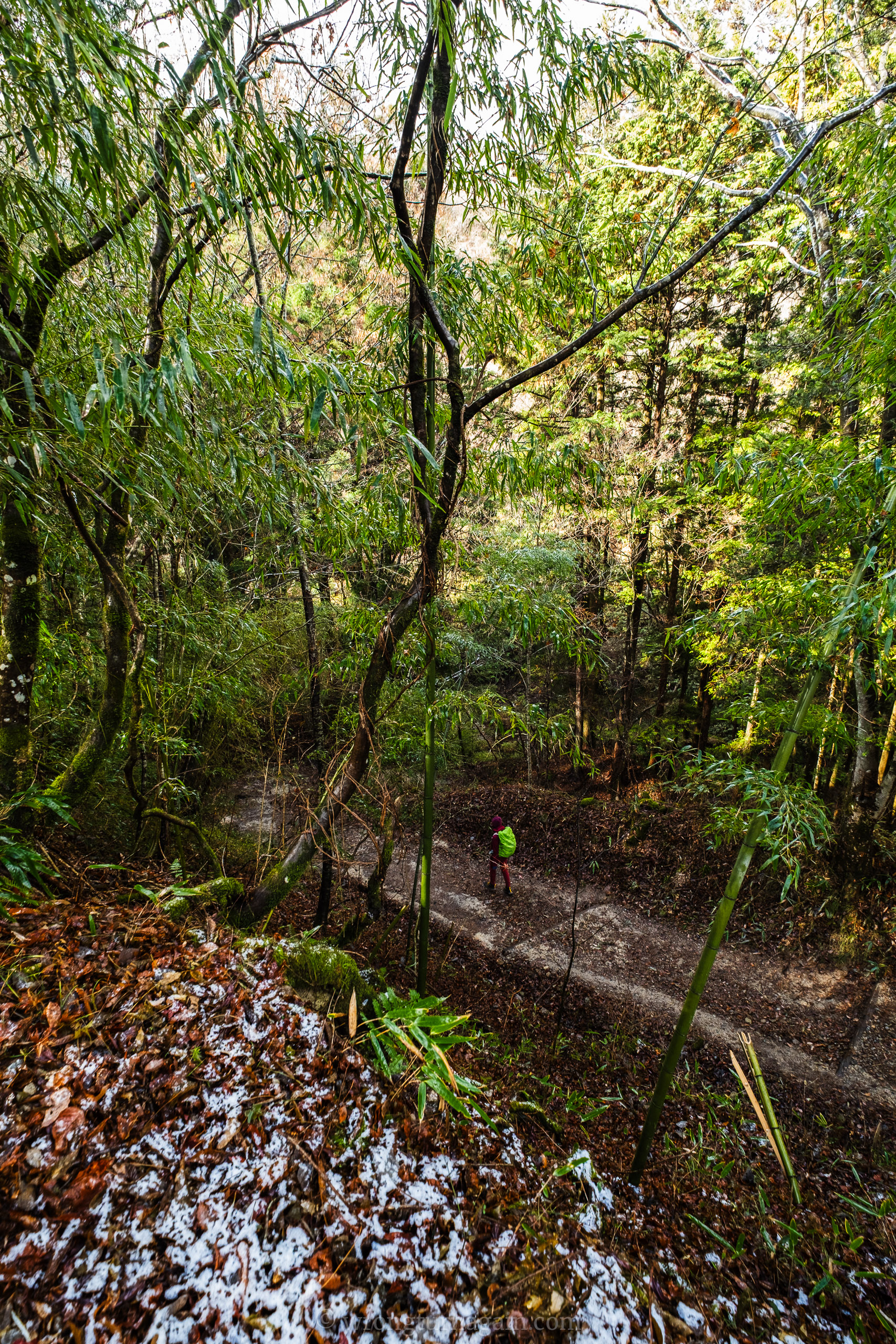
 TAKUMI’S
A rustic farmhouse stay located just outside the town, surrounded by nature. Famous for its delicious home-cooked meals.
When to Walk the Nakasendo Trail
The best times to hike the Nakasendo Trail are April to May and October to November. During these months, the weather is mild (15°C–20°C), skies are clear, and the scenery is stunning—either with cherry blossoms or vibrant fall foliage.
Winter (December to February) offers its own quiet magic: crisp air, clear views of Mount Ena, and total solitude. If you don’t mind the cold and occasional snow, it is a fantastic time to visit without the crowds.
Key Cultural Events
The Kiso Valley comes alive during specific festivals. While crowded, these dates offer a rare glimpse into Edo-period traditions.
- Tsumago Ice Candle Festival 2nd Sat of Feb A magical winter evening where the snowy streets of Tsumago are illuminated by thousands of ice candles, creating a silent, glowing path through the historic town.
- Bunka-Bunsei Parade Nov 23 The largest event in Tsumago. A grand procession of over 100 people dressed as samurai, monks, and princesses marches through the town, recreating a historical royal journey.
Nakasendo Trail Budget Breakdown
Is hiking the Kiso Valley expensive? Not necessarily. The trail itself is completely free to enter. The main costs come from accommodation and transport. For a standard 1-night trip staying in a traditional inn, budget approximately ¥18,000 – ¥25,000 per person. This covers round-trip trains, a Ryokan stay with two meals, and local bus fares.