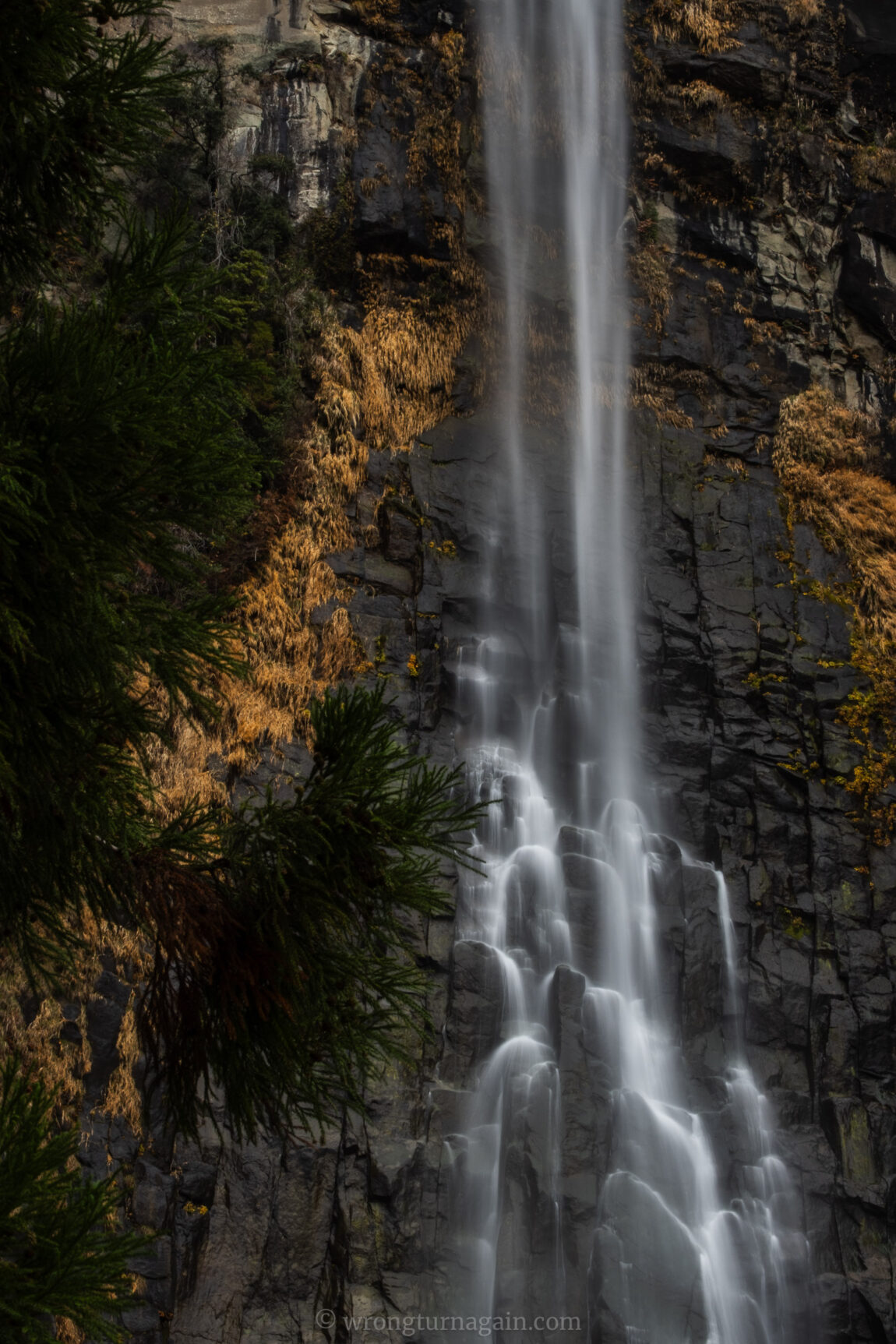
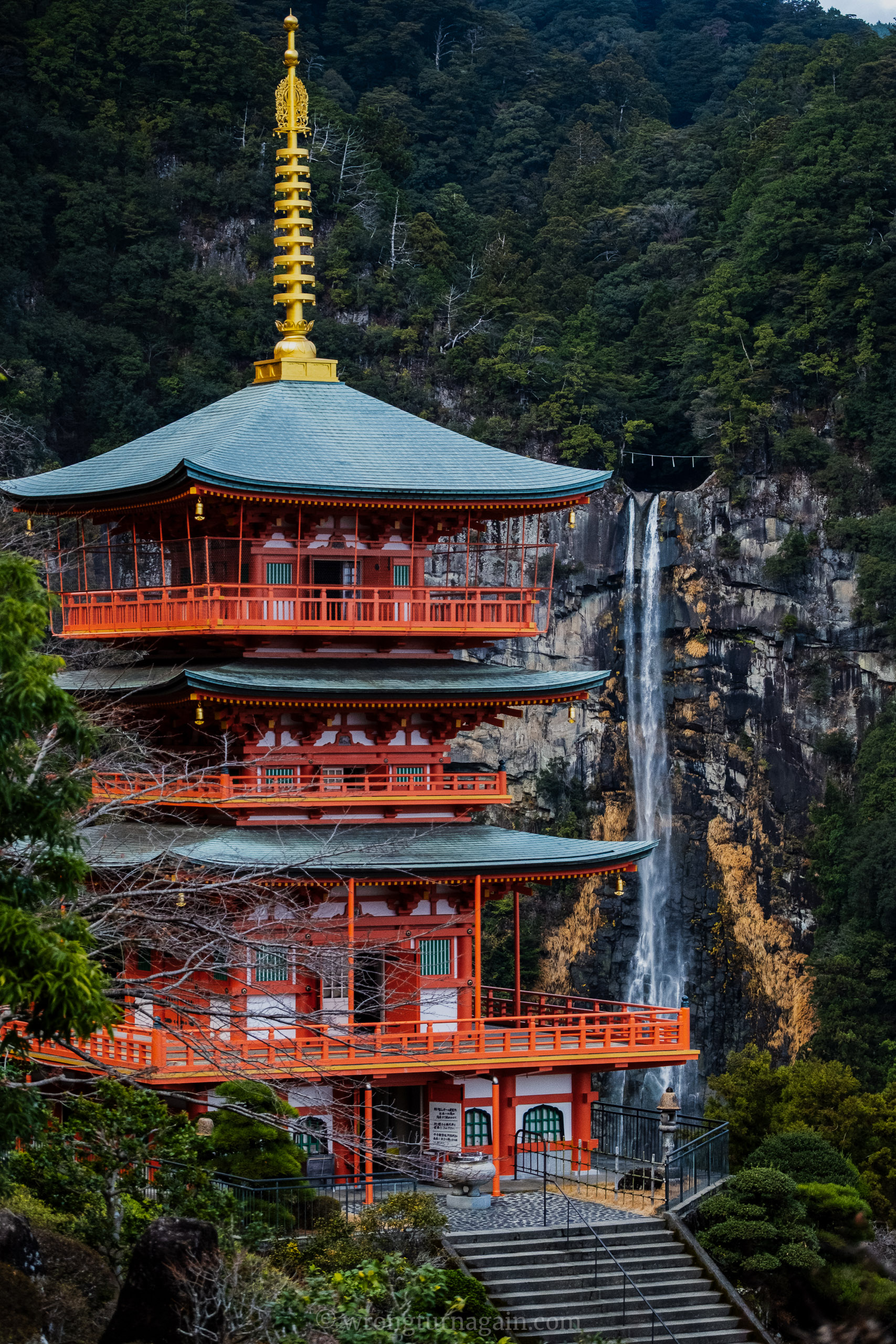
Deep in the primeval forests of the Kii Peninsula, a single vertical drop of 133 meters defines the landscape. Nachi Falls is not just Japan’s tallest waterfall; it is the spiritual anchor of the region, worshipped as a living deity long before any temple was built. The contrast of the vermilion Seiganto-ji Pagoda standing against this thunderous white backdrop creates one of the most unforgettable—and photographed—scenes in the entire country.
Whether you are completing the multi-day Kumano Kodo pilgrimage or planning a day trip via the transport connections from Osaka and Kyoto, this sacred site offers a glimpse into a side of Japan where nature and divinity are one and the same.
Inside this Guide
Best Things to Do at Nachi Falls
The striking contrast of a bright vermilion pagoda standing against a thundering waterfall is perhaps the ultimate travel poster for Japan. Yet, this sacred mountain (Nachi-san) offers far more than a single snapshot.
Located deep within the spiritual Kii Peninsula, this is a place where nature and divinity are one and the same. For over a millennium, emperors, monks, and pilgrims have trekked these paths to pray to the Shinto deity residing in the mist. Today, the experience is not just about the view, but the journey itself: hiking through ancient cedar forests, exploring grand shrine complexes, and winding down in a retro fishing village known for the country’s best tuna.
Here are the 5 essential things you need to do to fully experience the magic of Nachi, arranged in the perfect order for your visit.
1. Hike the Daimonzaka Slope
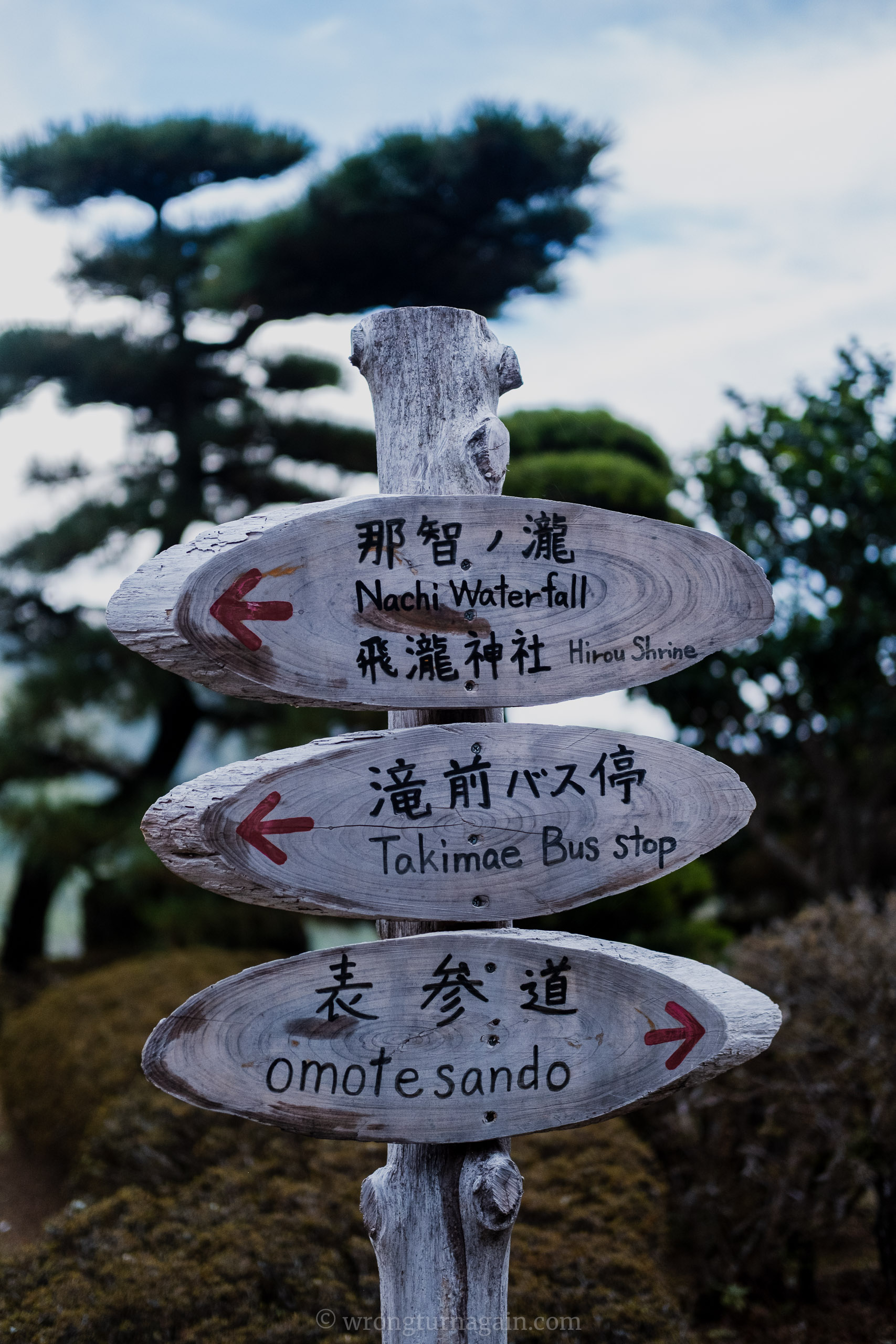
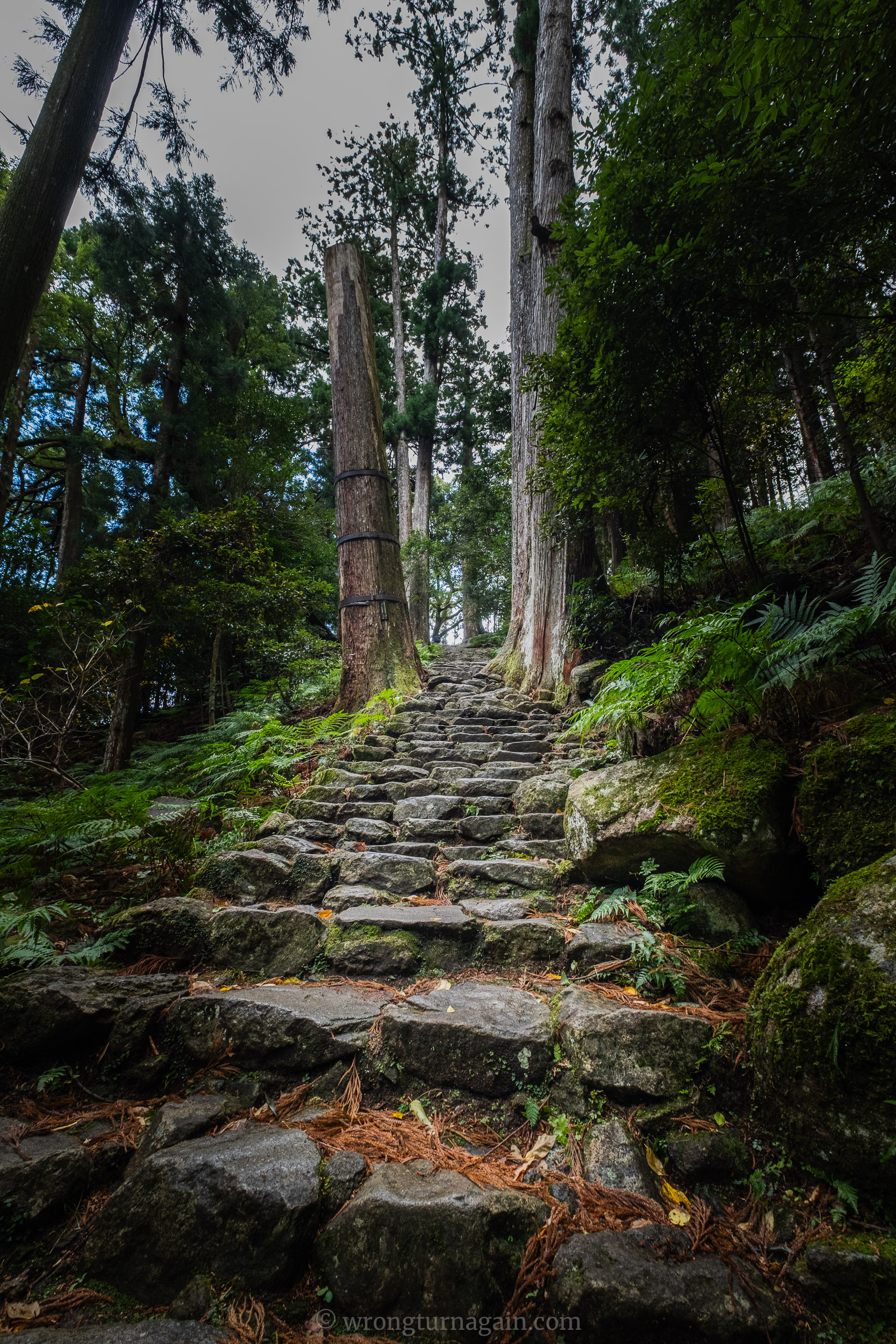
Your exploration begins with a choice: take the bus all the way to the top for convenience, or approach the sacred grounds on foot like a pilgrim. The latter option is the Daimonzaka slope, a beautifully preserved 640-meter cobblestone section of the Kumano Kodo (Nakahechi Route) that takes about 30 minutes to hike. It stretches from the valley floor up to the gate ruins at the entrance of the shrine complex.
Note: If you prefer a less strenuous visit, simply stay on the bus until the “Nachi-san” stop. This drops you at the upper parking lot, just a short walk (with some stairs) from the main shrine complex and Seiganto-ji temple.
Hike Overview
The Hike
For those who choose to walk—which we highly recommend if you have the time and energy—the trailhead starts at the valley floor, marked by the small Furigase Bridge. Crossing this bridge is symbolic, believed to separate the secular world from the sacred grounds of the gods. Just past the bridge, you will be greeted by the “Meoto Sugi” (Wedded Cedars), two massive trees with intertwined roots estimated to be over 800 years old.

Right next to the cedars sits the Daimonzaka-chaya, a small tea house where you can rent colorful Heian-period costumes. Many visitors choose to walk the stone steps dressed in this traditional pilgrim attire for atmospheric photos.
From the tea house, the path winds upwards through a tunnel of ancient cedars and bamboo groves. The climb officially ends at the Daimon-ato (Great Gate Ruins), which marks the historic entrance to the holy precincts. From this clearing, you will see the first torii gate leading you toward the next stop: the grand complex of Kumano Nachi Taisha.

Take the Kumano Gobo bus bound for Nachi-san and get off at the “Daimonzaka” stop. From there, it is an 8-minute walk (approx. 500m) to the Furigase Bridge. If you want to skip the hike, stay on the bus for two more stops and get off at “Nachi-san”. Check the bus timetable here.
2. Kumano Nachi Taisha Grand Shrine
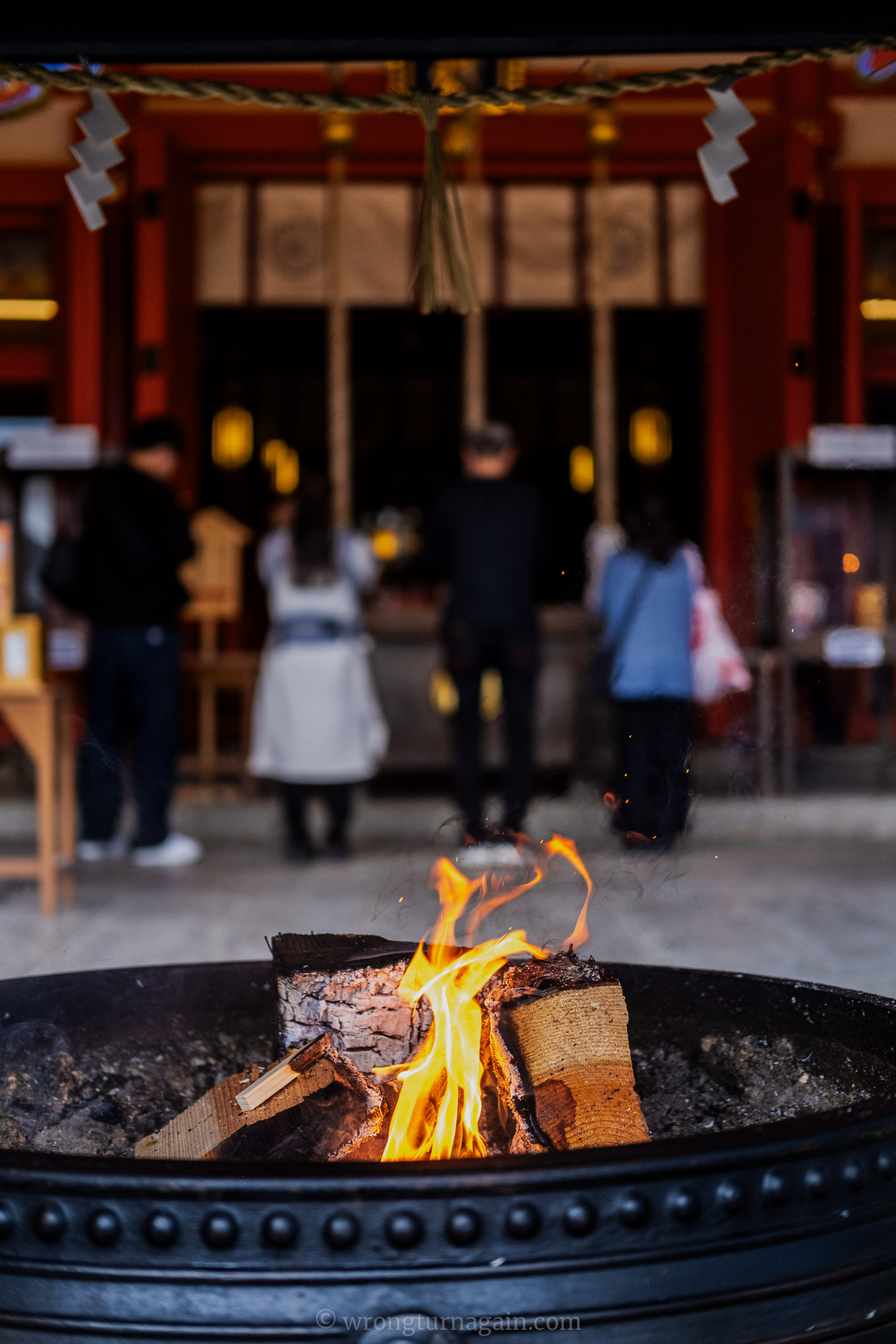
Kumano Nachi Taisha is one of the three Grand Shrines of Kumano and serves as the primary destination for pilgrims. Situated high on the mountain, it showcases the unique fusion of nature and faith found in the Kii Peninsula, offering panoramic views over the forested peaks out to the distant Pacific Ocean.
Upon passing through the large vermilion torii gate, you enter a sacred space that feels worlds apart from the valley below. The main building (honden) is striking with its bright orange-red color and cypress bark roof, decorated with chigi (forked finials) —a distinct feature of Shinto architecture.
You will see images of a three-legged crow everywhere here. This is the Yatagarasu, a mythical messenger of the sun goddess Amaterasu. It is believed to guide travelers and is the official symbol of the shrine (and interestingly, the Japanese national soccer team!).
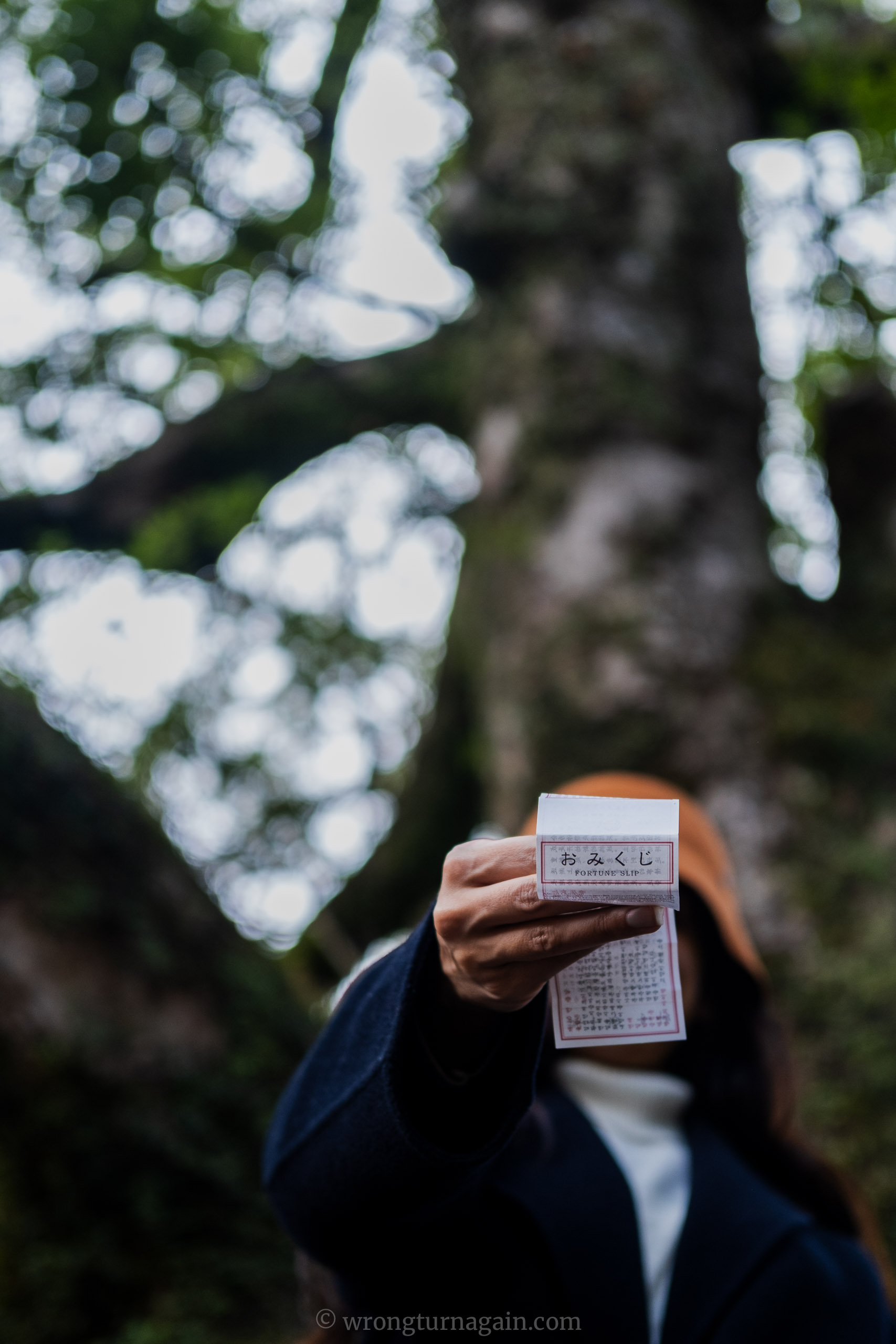
The Sacred Camphor Tree (Tainai-kuguri)
The highlight of the complex is the massive Camphor Tree (Kusu-no-ki), estimated to be over 850 years old. Adorned with shimenawa (sacred ropes) and white paper streamers, the tree itself is worshipped as a deity.
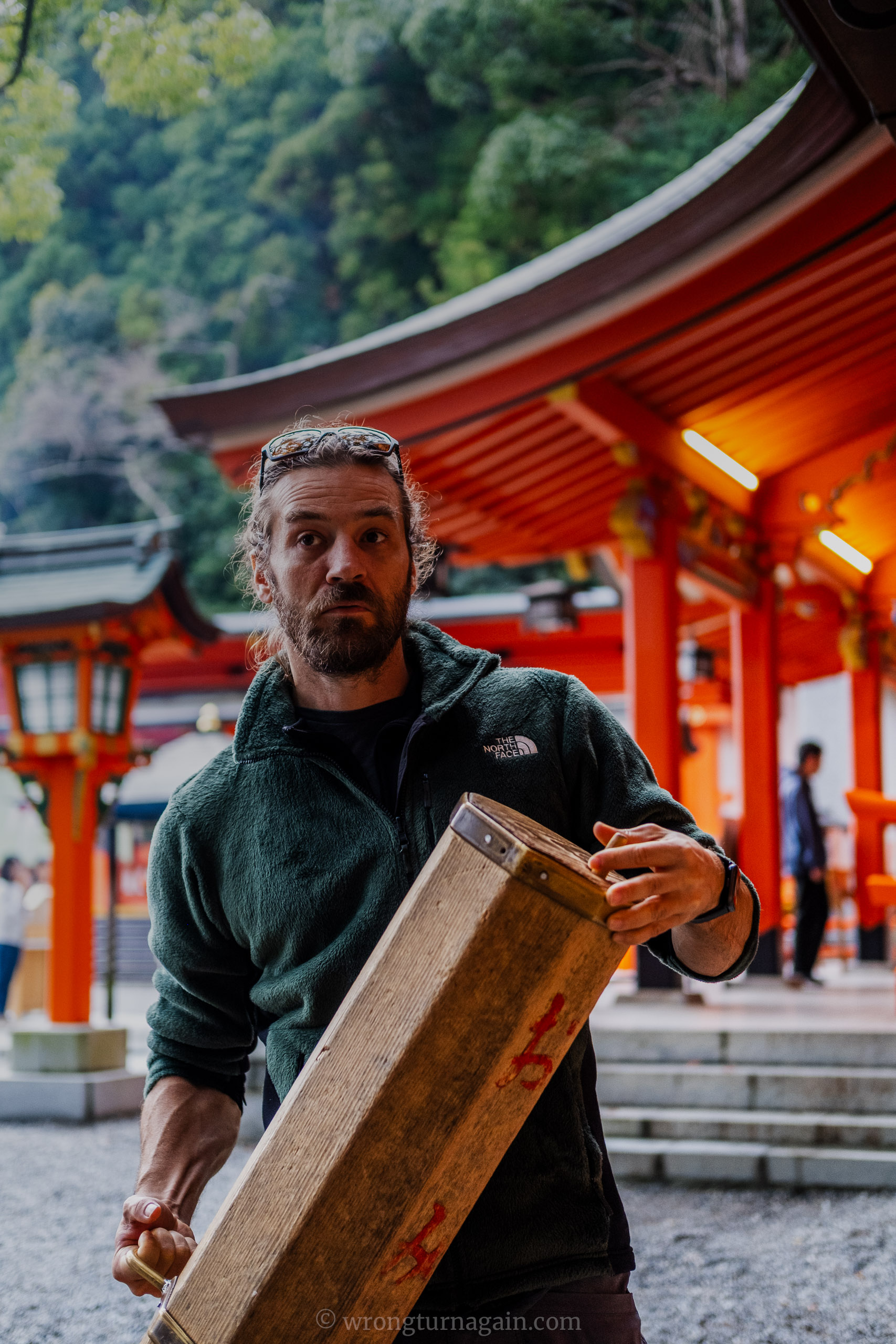
Visitors can perform a unique ritual called “Tainai-kuguri” (passing through the womb). By writing a wish on a wooden stick (gomaki) and climbing through the hollow trunk, you are symbolically “reborn” and purified. It is a powerful, intimate experience that connects you directly to the ancient nature worship of the region.
The Treasure Hall (Homotsuden)
For those interested in history, the small museum opposite the main hall houses important artifacts, including ancient mirrors, sacred swords, and the “Nachi Mandara”—a symbolic map of the spiritual universe used by nuns to preach the Kumano faith in feudal times.


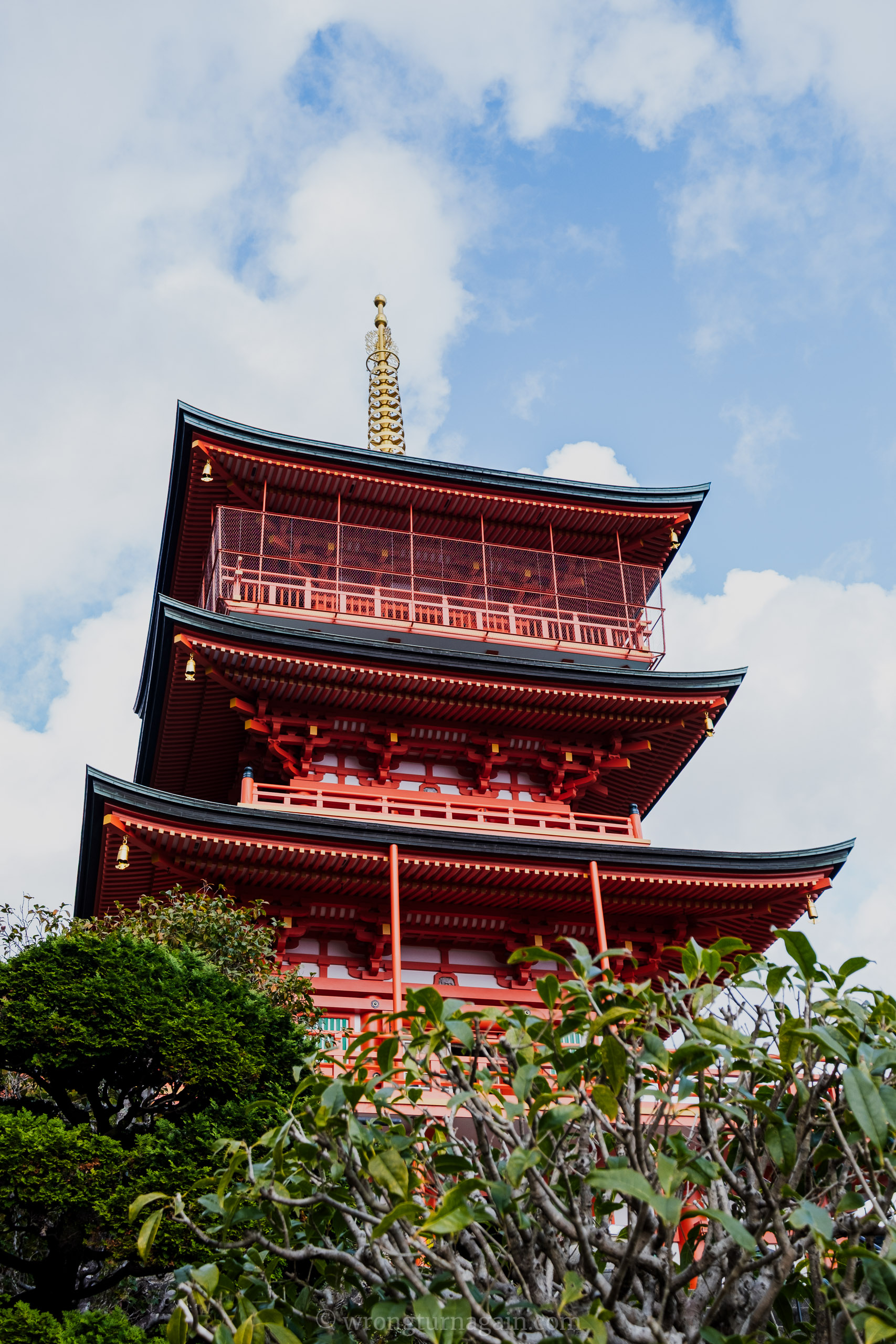
3. Seiganto-ji Temple & The Pagoda
Located immediately beside the Shinto shrine—without even a gate to separate them—Seiganto-ji Temple stands as a rare symbol of Shinbutsu-shugo, the historical fusion of Buddhism and Shintoism that existed for centuries before they were forcibly separated by the Meiji government.
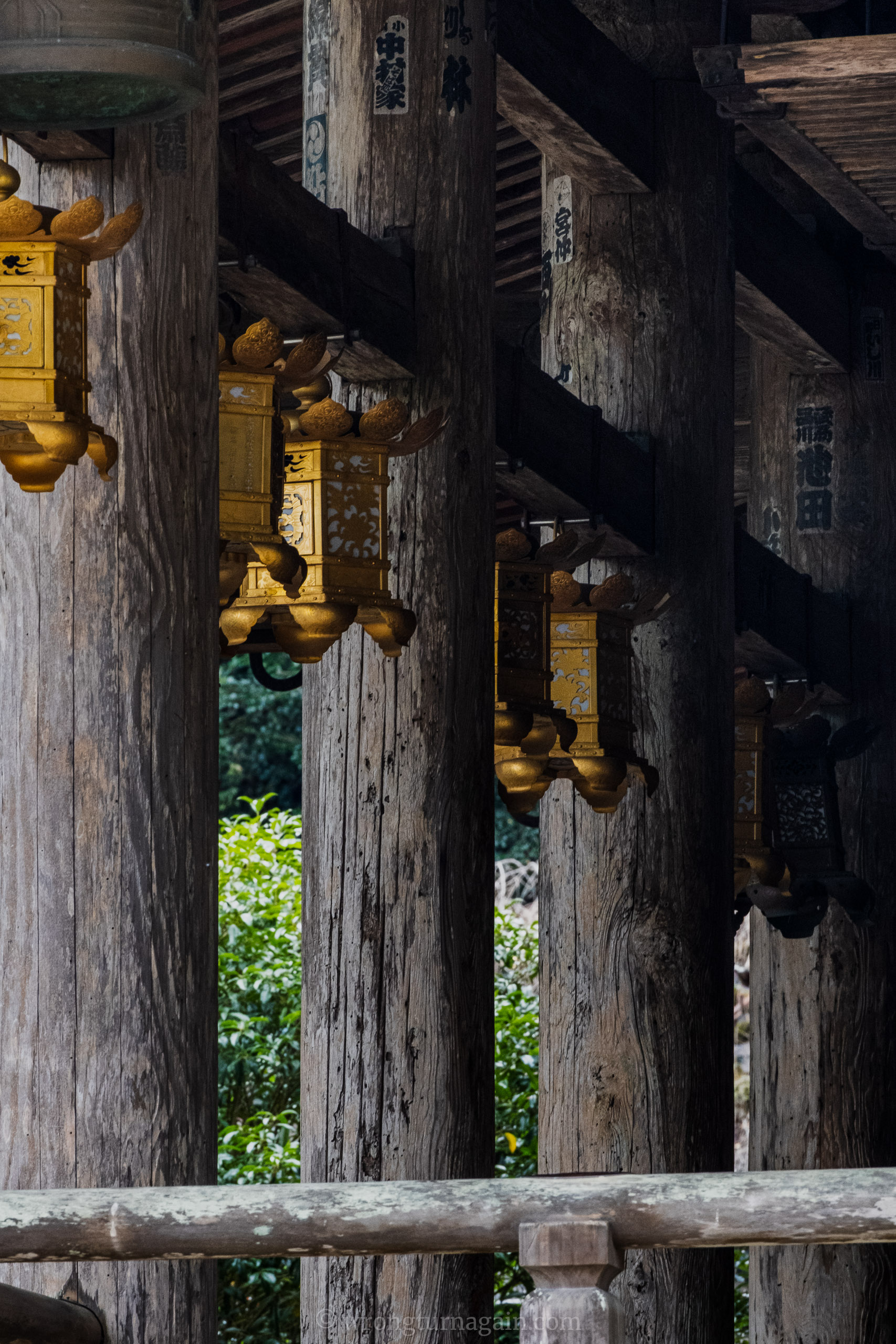
The complex is dominated by its unpainted wooden Main Hall, the oldest surviving structure in the Kumano region (1590). It is incredibly atmospheric and free to enter. As you step inside, look up to see the massive Waniguchi (Crocodile Mouth Gong)—the largest of its kind in Japan—and wander amidst the smoke of incense and hanging lanterns that mark this as the first stop on the famous Saigoku 33 Kannon Pilgrimage.
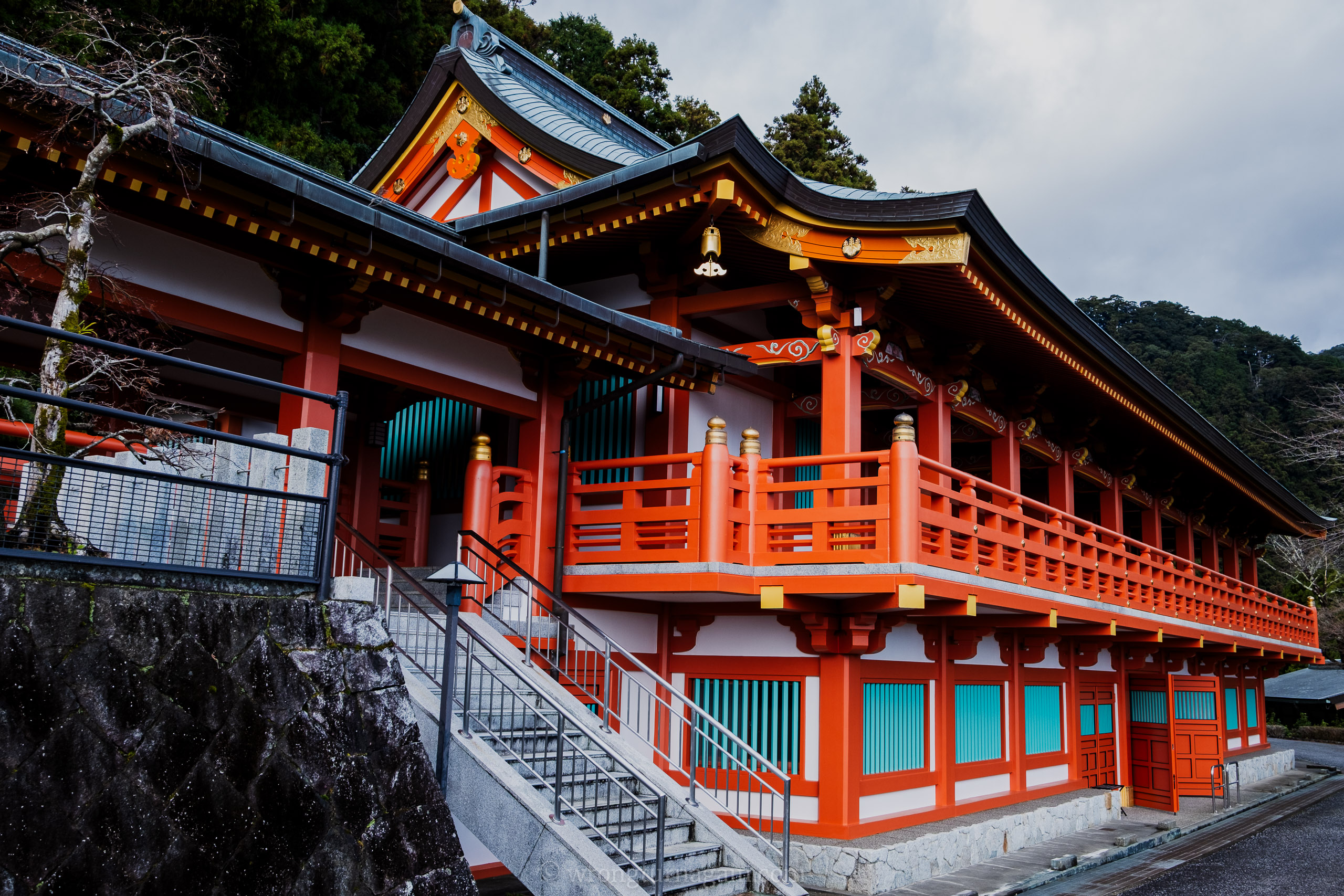
Leaving the somber, ancient hall, a short walk down the stairs brings you to a striking contrast: the bright vermilion Three-Story Pagoda (Sanjudo). Although it looks ancient, this tower is actually a 1972 reconstruction built after the original burned down centuries ago. While you can pay to enter and take an elevator to the upper observation decks, the interior is mostly modern and contains standard Buddhist murals.
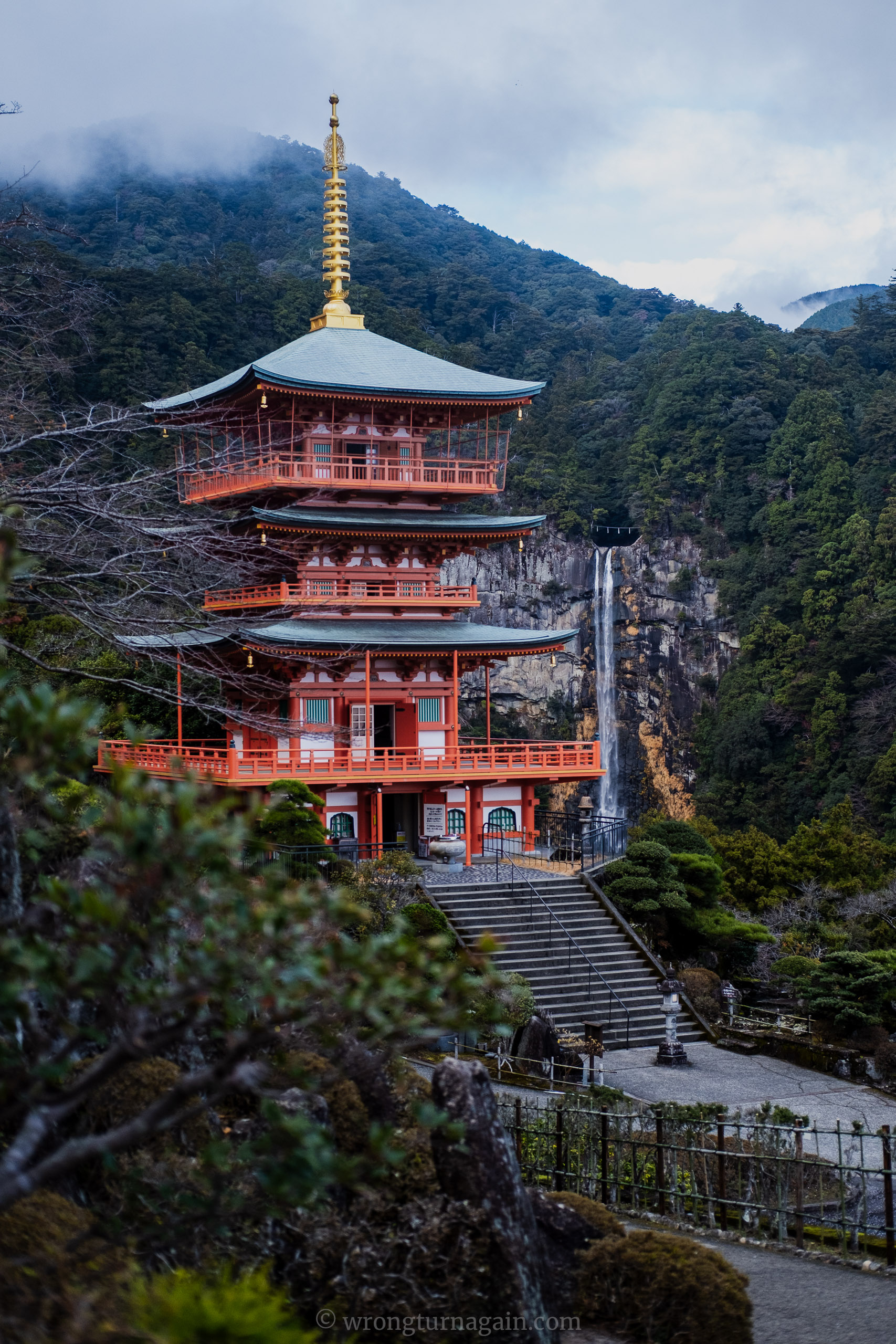
The Iconic Photo Spot
Most visitors debate whether to pay the entrance fee, but for photography enthusiasts, the answer is simple. While the observation deck offers a high vantage point, standing inside the pagoda means missing the most important element of the landscape: the pagoda itself.
For this reason, the best strategy is to stay outside. The tower was deliberately reconstructed in this specific spot to align visually with the waterfall, creating a harmonious composition that can only be captured from the paved terrace in front.
Stand near the railing on the far right corner of the plaza (click here for the exact map location.)
Pro Tip: Use a zoom lens (or 3x mode on your phone). Zooming in “compresses” the distance, making the background waterfall appear much larger and closer to the pagoda than it looks to the naked eye.
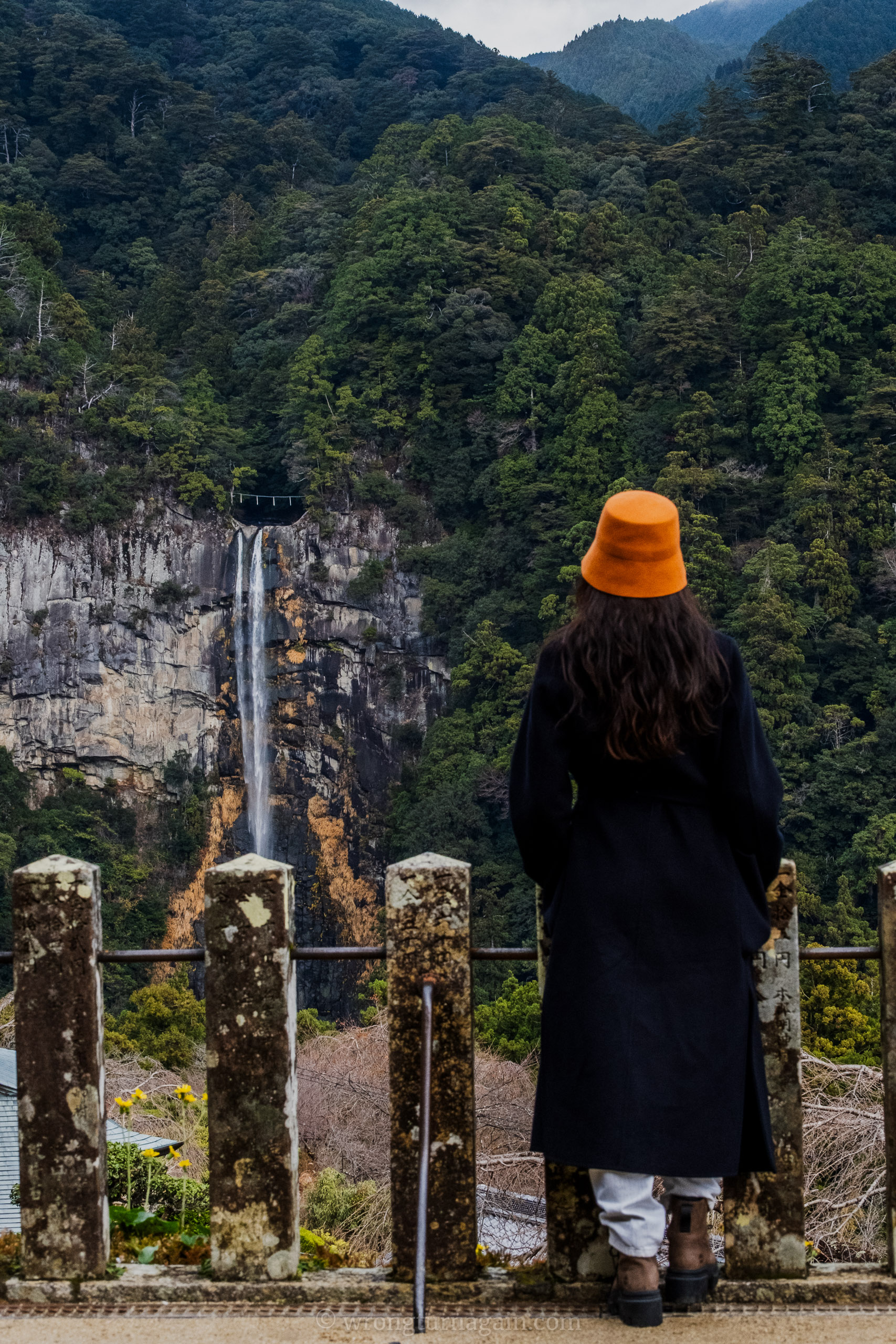
4. Nachi Falls (Nachi no Taki)
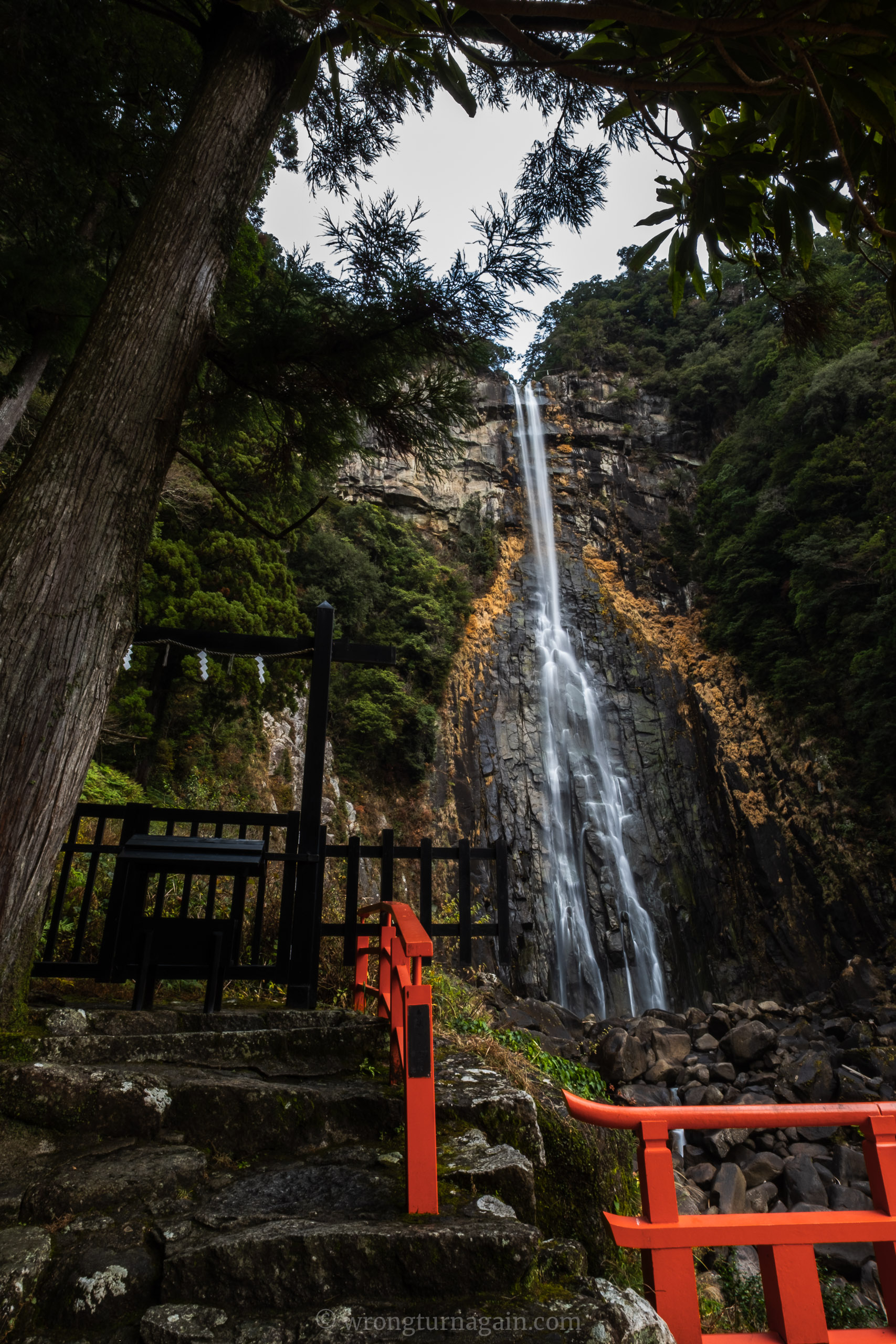
The final stop on this route is the source of it all: Nachi Falls. To get there from the pagoda, follow the winding stone staircase down through the dense cedar forest (approx. 10–15 minutes). The path ends at the base of Japan’s tallest uninterrupted waterfall, plunging 133 meters down a rugged cliff.
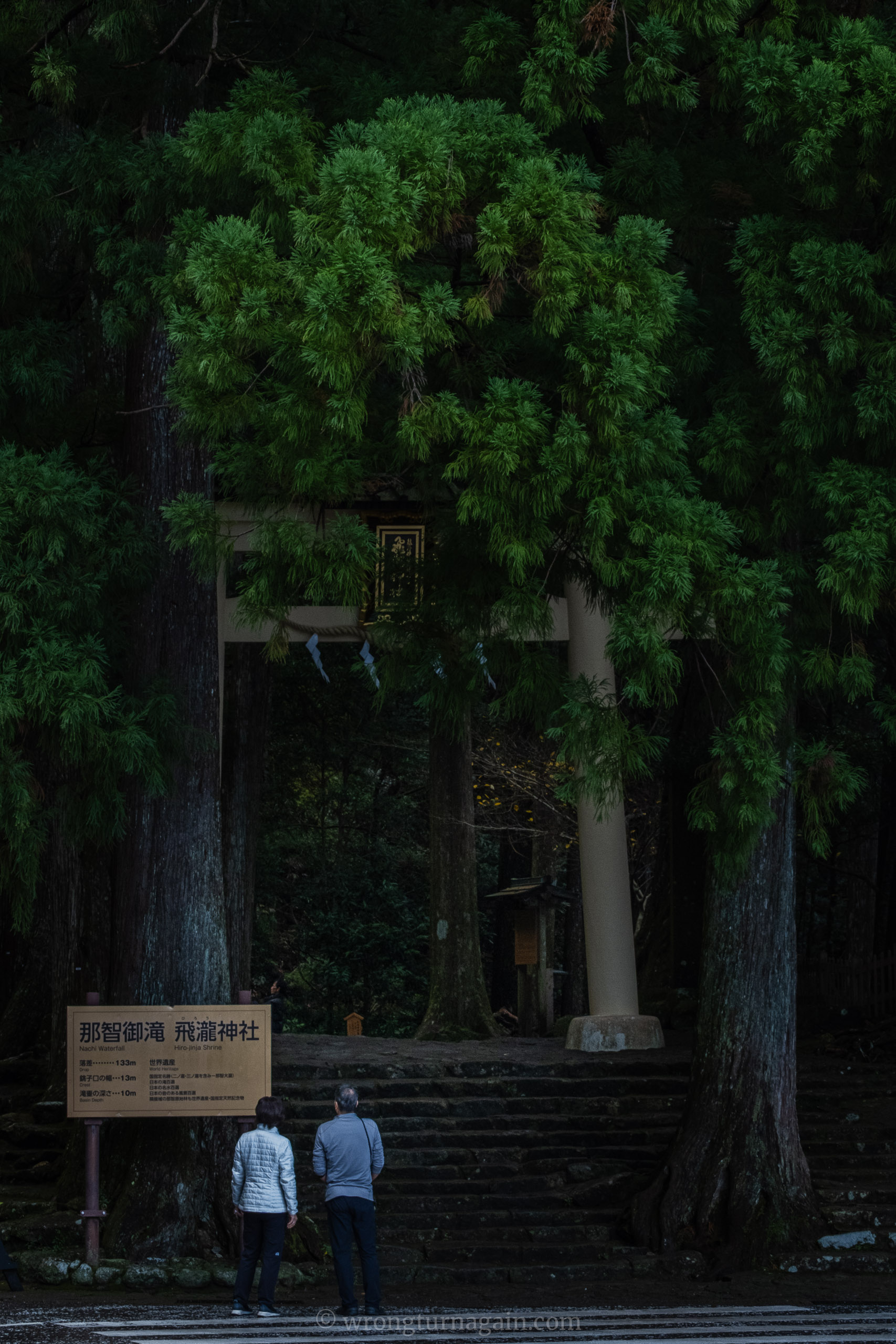
Here you will find Hiro-jinja, the sanctuary at the foot of the falls. Do not look for a temple building; in this ancient form of nature worship, the waterfall itself is the deity (Hiro-gongen). The massive stone torii gate stands simply to mark the entrance to the sacred ground, framing the cascade behind it. This is why you will often see visitors bowing and praying directly towards the water.
If you look at the very top of the cliff, you can spot a massive shimenawa (sacred rope) stretched across the water’s edge, marking the presence of the god. Also, on sunny days, the heavy mist at the bottom often creates beautiful rainbows right above the basin!
The Observation Platform
While you can admire the falls from the main courtyard for free, we highly recommend paying the small entrance fee to access the inner sanctum.
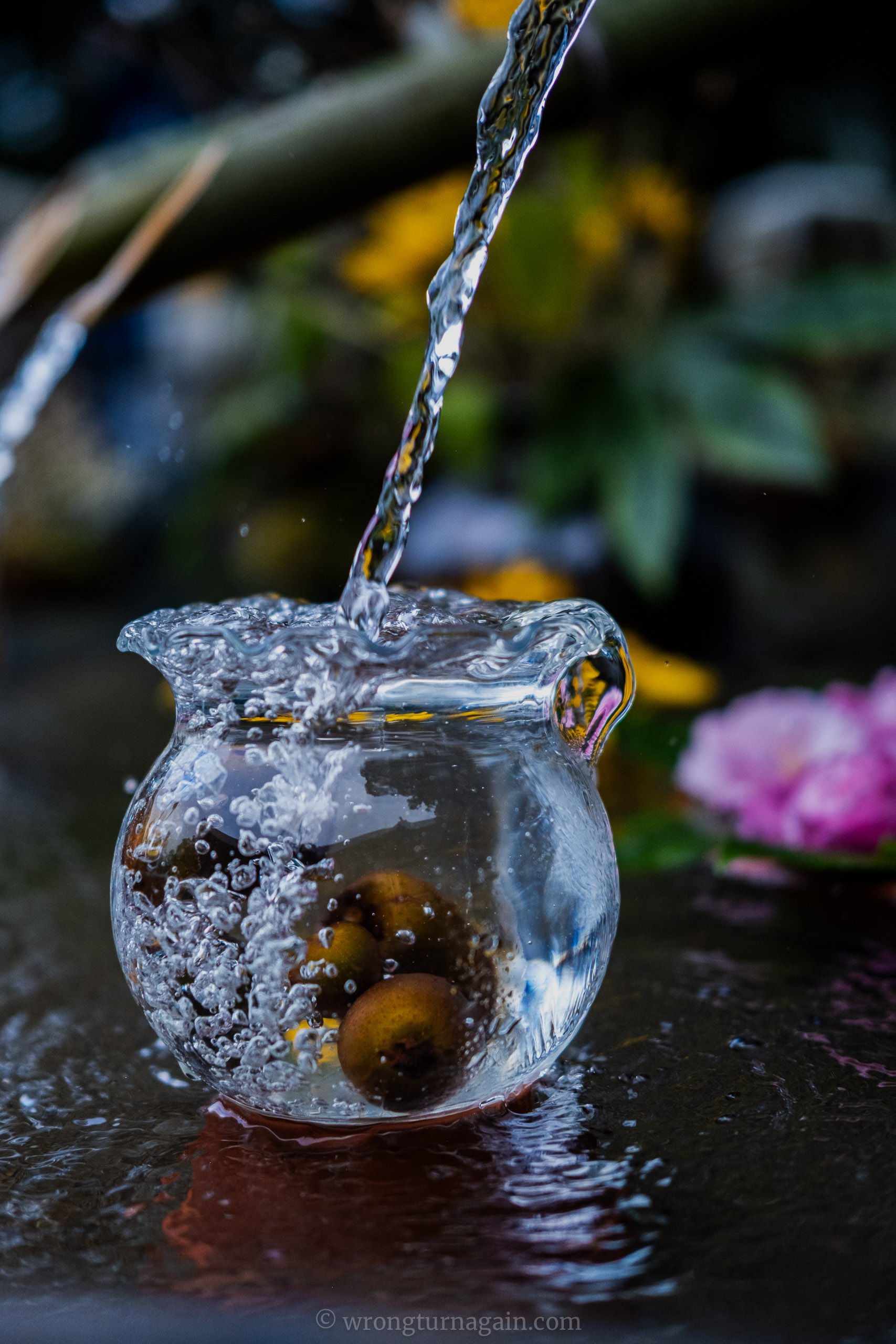
Upon entering the paid area, your first stop is the Dragon-Mouthed Fountain (Enmei-sui). The water here flows directly from the falls and is believed to grant health and longevity. You can drink it using the communal ladles or purchase a commemorative saucer (¥100) to take home.
Just beyond the fountain lies the O-taki Haisho (Observation Platform). This stage brings you as close as possible to the basin, allowing you to feel the cool mist on your face and witness the immense power of one ton of water crashing down every second.
Once you finish at the waterfall, you do not need to climb the steep stairs back up to the pagoda. Simply walk out to the main road (2 minutes) and catch the bus back to the station from the “Nachi-no-Taki-mae” bus stop.
5. Nachikatsuura Town
After exploring the waterfall, take the bus back down to the coastal town of Nachikatsuura (25 minutes). Do not make the mistake of treating it merely as a transit hub; for us, staying here was one of the unexpected highlights of our Japan itinerary.
Walking through the streets feels like stepping onto a movie set of a Japanese fishing village from the 1980s. It has a sleepy, retro atmosphere where the air smells of salt, and the loudest sound is the chugging of fishing boats returning to port. It is raw, authentic, and feels miles away from the polished cities of the north.
To truly feel the pulse of this place, make it your base for the night. This way, you can soothe your muscles in the hot springs after your long hike and be right at the docks at sunrise, watching the town wake up for its legendary tuna auction.
Eat Japan’s Freshest Tuna
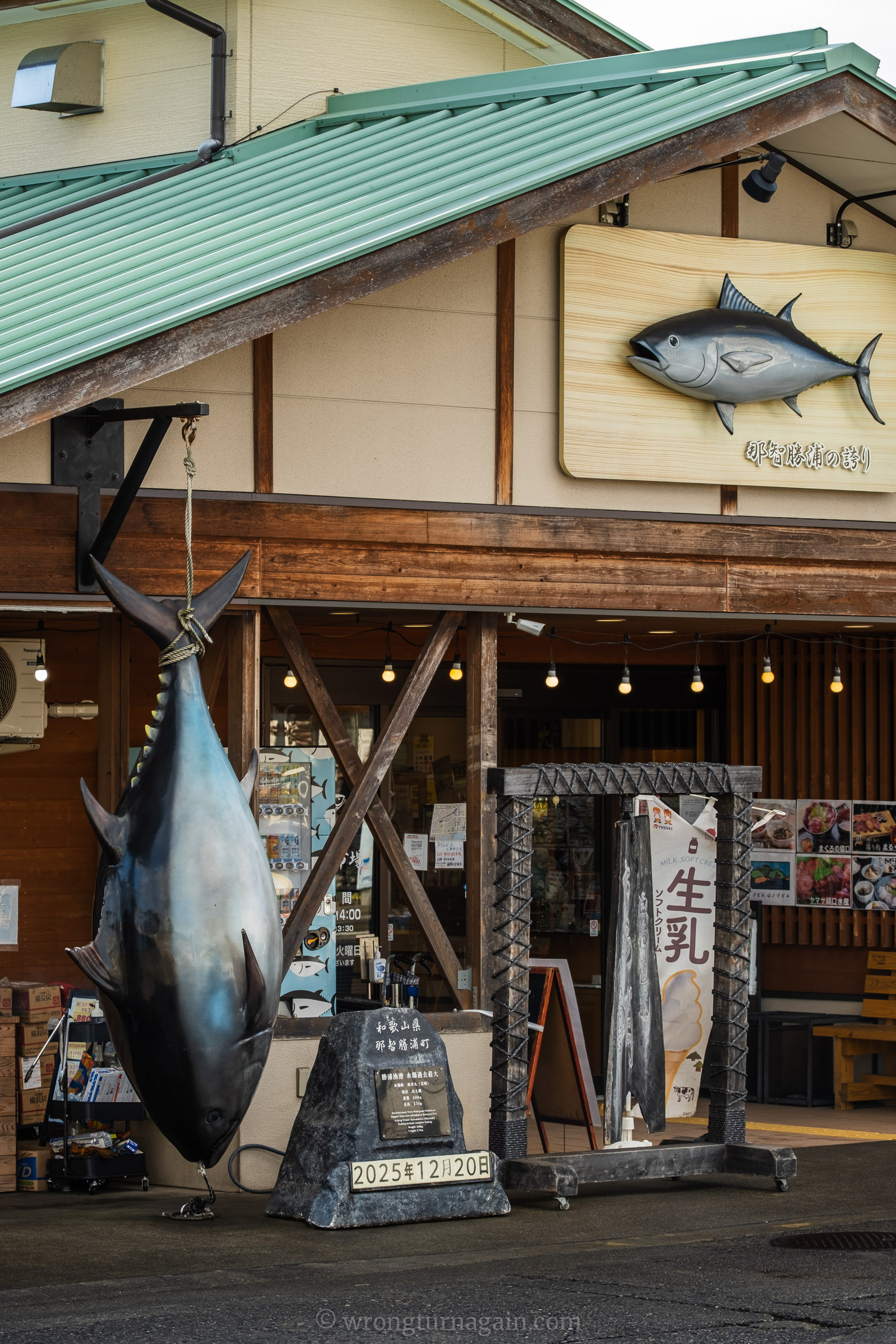
Nachikatsuura holds the national record for the largest haul of fresh raw tuna (Nama Maguro). Unlike most tuna in Japan, which is flash-frozen on the boat, the catch here is never frozen. This preserves a unique, sticky texture and rich flavor that melts in your mouth—a quality rarely found in big cities.
- The Morning Auction: If you are an early riser, head to the Katsuura Fishing Port around 7:00 AM (closed Saturdays). From the second-floor observation deck, you can watch the silent intensity of the bidding wars as rows of massive tuna are sold off.
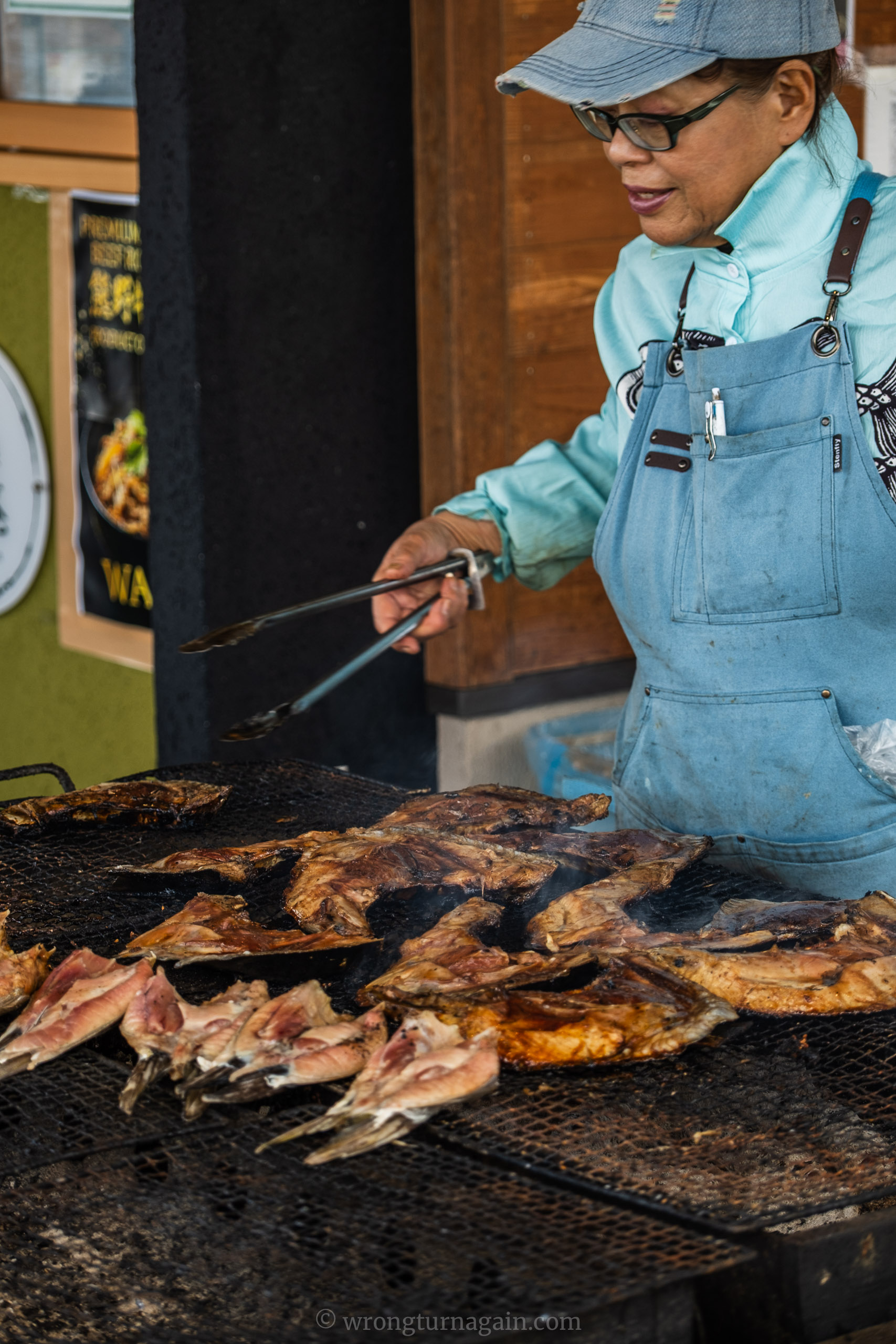
- Nigiwai Market: Located right next to the docks, this is the ultimate breakfast spot. We ordered some sushi here just to sample it, and we were shocked—the “tasting portion” was larger (and fresher) than a full meal in Tokyo! Do as the locals do: grab a bowl of fresh sashimi or a charcoal-grilled tuna steak and eat it on the wooden deck outside, watching the fishermen untangle their nets.
Tip: Before leaving the port area, look for “Umi-no-Yu” just steps away from the market. This communal footbath is fed by natural sulfur-rich spring water and is a popular daily ritual for locals.
Hand-picked for this route
The Cave Onsen (Bokido)
The other defining experience of Nachikatsuura is the Bokido Onsen, located inside the massive Hotel Urashima. This isn’t just a spa; it is a natural hot spring pool inside a giant sea cave that opens directly to the Pacific Ocean. Soaking in the steaming mineral water while watching the wild waves crash against the rocks just meters away is a surreal experience that perfectly ends your journey.
Note: The cave bath is often closed for cleaning between 10:00 – 13:00, so we strongly recommend visiting in the afternoon.
Hotel Guests: Free
How to Get to Nachi Falls
Located on the deep southern tip of the Kii Peninsula, getting to Nachi Falls requires some planning. The coastal town of Nachikatsuura serves as the central transport hub for the area.
While the local bus network is sufficient for those hiking the Kumano Kodo pilgrimage routes, renting a car is the ideal way to explore the wider, rugged coastline at your own pace. For most travelers coming from Osaka or Kyoto, the journey involves a scenic train ride to Kii-Katsuura Station, followed by a short bus connection to the mountain.
By Car
A mostly smooth drive using the modern Hanwa & Kisei Expressways (tunnels and bridges). Advice: Definitely pay the tolls. The free alternative (Route 42) runs through every coastal town with endless traffic lights and will double your fatigue. Note that the highway ends before the destination, so the final hour is on a slower, scenic coastal road.
Connects to the Osaka route via the Daini Keihan Road. The drive is long but straightforward, without dangerous winding mountain passes. Be prepared for the distance; it is a full road trip, not a quick jaunt.
For the Hike (Free):
Park at the large Daimonzaka Parking Lot located at the base of the cobblestone trail.
For the Shrine & Pagoda (¥800): Drive all the way up to the Nachi Taisha or Seiganto-ji lots.
For the Waterfall (¥500): The closest option is Nachinotaki Parking. We personally used the nearby Yuryo Parking, which was very convenient.
By Public Transport
Your destination is Kii-Katsuura Station in Nachikatsuura, which connects frequently wit Osaka (Shin-Osaka). If traveling from Kyoto or Tokyo, simply head to Shin-Osaka first and transfer there.
Pro Tip: Reserve seat Side D (Window) for ocean views.
From Kii-Katsuura Station, take Line 31 (Nachisan Line) bound for Nachi-san. Get off at “Daimonzaka” for the hike or “Nachi-no-Taki-mae” for the waterfall.
Getting Around Nachi Falls
The area is compact and easy to navigate. While the local bus stops at all three major levels (Daimonzaka, the Shrine, and the Waterfall), allowing you to skip the walking entirely, we highly recommend completing the route on foot to soak in the atmosphere.
The most rewarding path is to start at the bottom and work your way up to the shrine, then descend towards the waterfall. Here is the perfect itinerary to ensure you don’t miss a thing.
The Perfect Nachi Falls Route
Where to Eat Near Nachi Falls
Dining options around Nachi Falls and the Shrine are mostly limited to simple soba shops catering to quick tourist stops. For a proper meal, especially if you appreciate seafood, heading back down to the port town of Nachikatsuura is mandatory.
This coastal town boasts the largest catch of raw, unfrozen tuna (Nama Maguro) in Japan. The town is compact, but keep in mind that many local places close early (around 20:00). Here are our top recommendations:
Lunch & Dinner
Coffee & Drinks
Where to Stay Near Nachi Falls
While there are a few guesthouses on the mountain, the most practical base is the coastal town of Nachikatsuura. It is just a short bus ride from the falls, offers the best access to fresh tuna dining, and allows you to start your day early—either to beat the crowds at the shrine or to catch the morning tuna auction before heading up the mountain.

Our Top Nachikatsuura Picks
 OYADO HANA
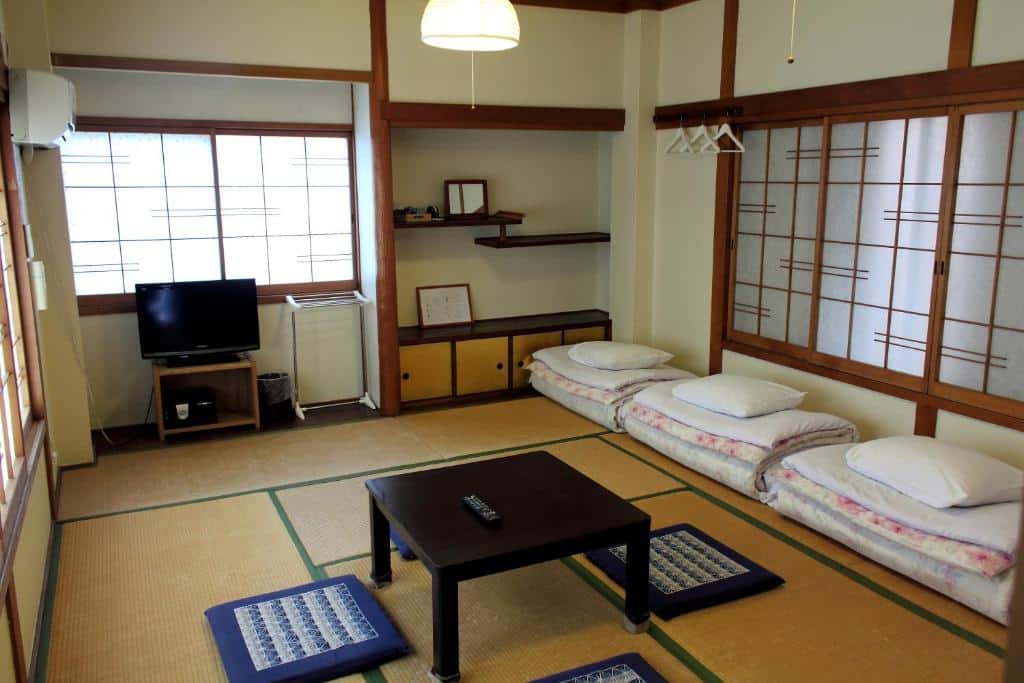
A charming, family-run inn featuring clean tatami rooms. Perfectly located near the station and port.
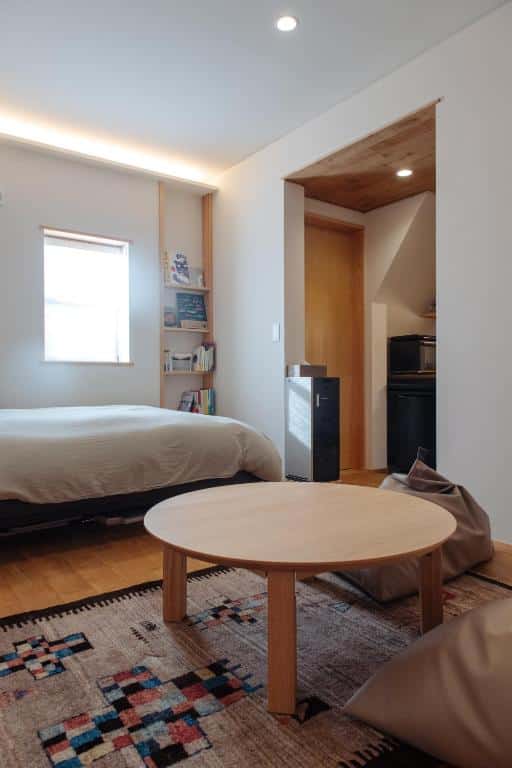
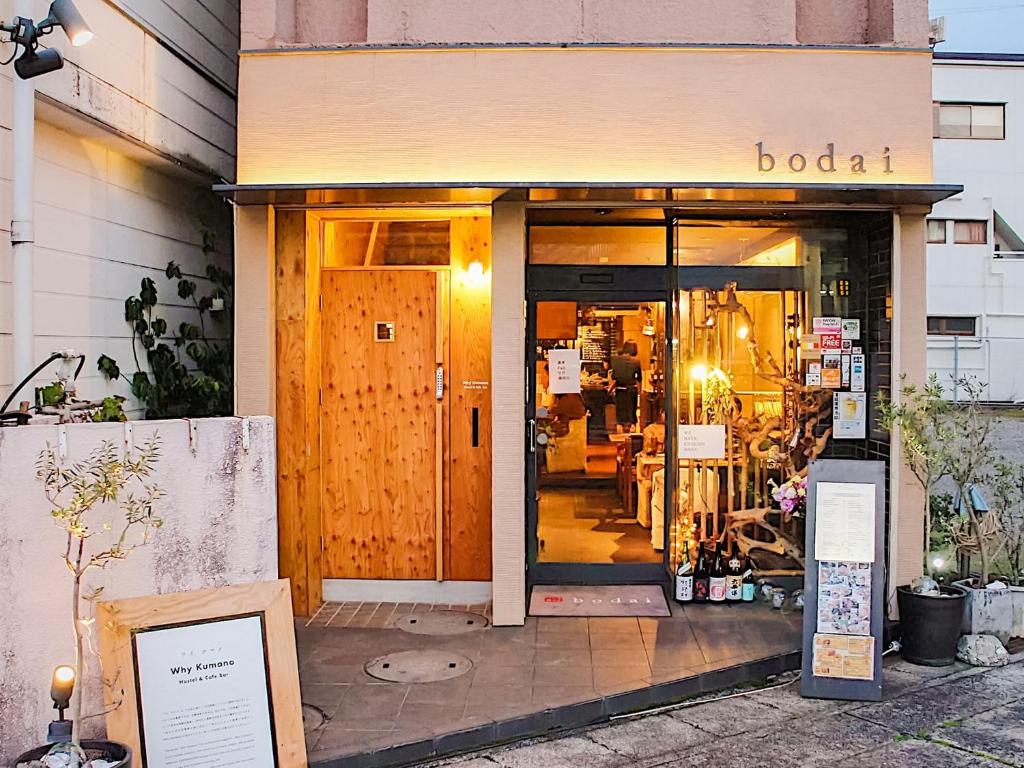 WHY KUMANO
A stylish, modern hostel with a cafe bar downstairs. The best hub for solo travelers seeking local tips.
 TOKIJIKU
A highly-rated guesthouse offering a warm, traditional Japanese welcome. Clean, quiet, and convenient.
How Long to Stay in Nachikatsuura
While the waterfall itself can be seen in a half-day, the travel time from Osaka or Kyoto makes a day trip exhausting. We highly recommend staying at least 1 night. This allows you to experience the tuna auction, the falls, and the hot springs without rushing.
If you are driving the coast as part of a larger pilgrimage, check out our Ultimate Itinerary to Kumano Kodo Road Trip for the perfect route planning.
Best Time to Visit Nachi Falls
The best time to visit Nachi Falls is during Spring (March–May) and Autumn (October–November). These seasons offer mild temperatures and clear skies, providing the perfect conditions for hiking the Kumano Kodo pilgrimage routes.
Winter is a hidden gem, offering a quiet escape with fewer crowds and pleasant weather for hot springs. Summer brings high humidity, while September is best avoided as it marks the peak of typhoon season.
Key Cultural Events
- Nachikatsuura Tuna Festival Late Jan / Early Feb A celebration of the town’s biggest industry held at the fishing port. Visitors can enjoy massive tuna filleting demonstrations and purchase fresh Otoro at incredible prices.
- Nachi-no-Ogi Matsuri July 14 One of Japan’s most sacred fire festivals. Twelve massive 50kg pine torches are carried up the stone steps to the waterfall to purify the path for the gods.
Nachi Waterfalls Budget Breakdown
Is Nachi Falls Expensive? A trip to Nachi Falls is generally affordable, with the main expenses being transportation and accommodation in nearby Nachikatsuura. While entry to the main shrine grounds is free, you should budget for the local bus (round trip), the spectacular tuna dining, and small fees for the waterfall viewing platform. Below is a breakdown of typical costs per person.